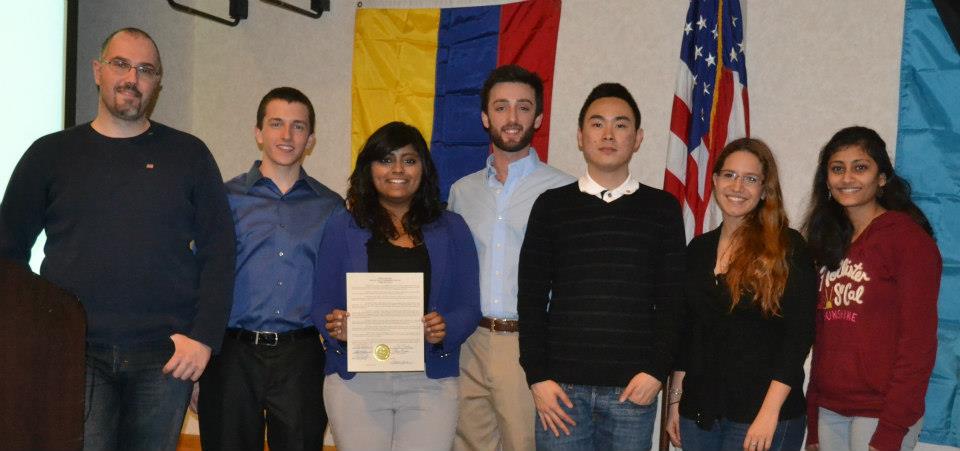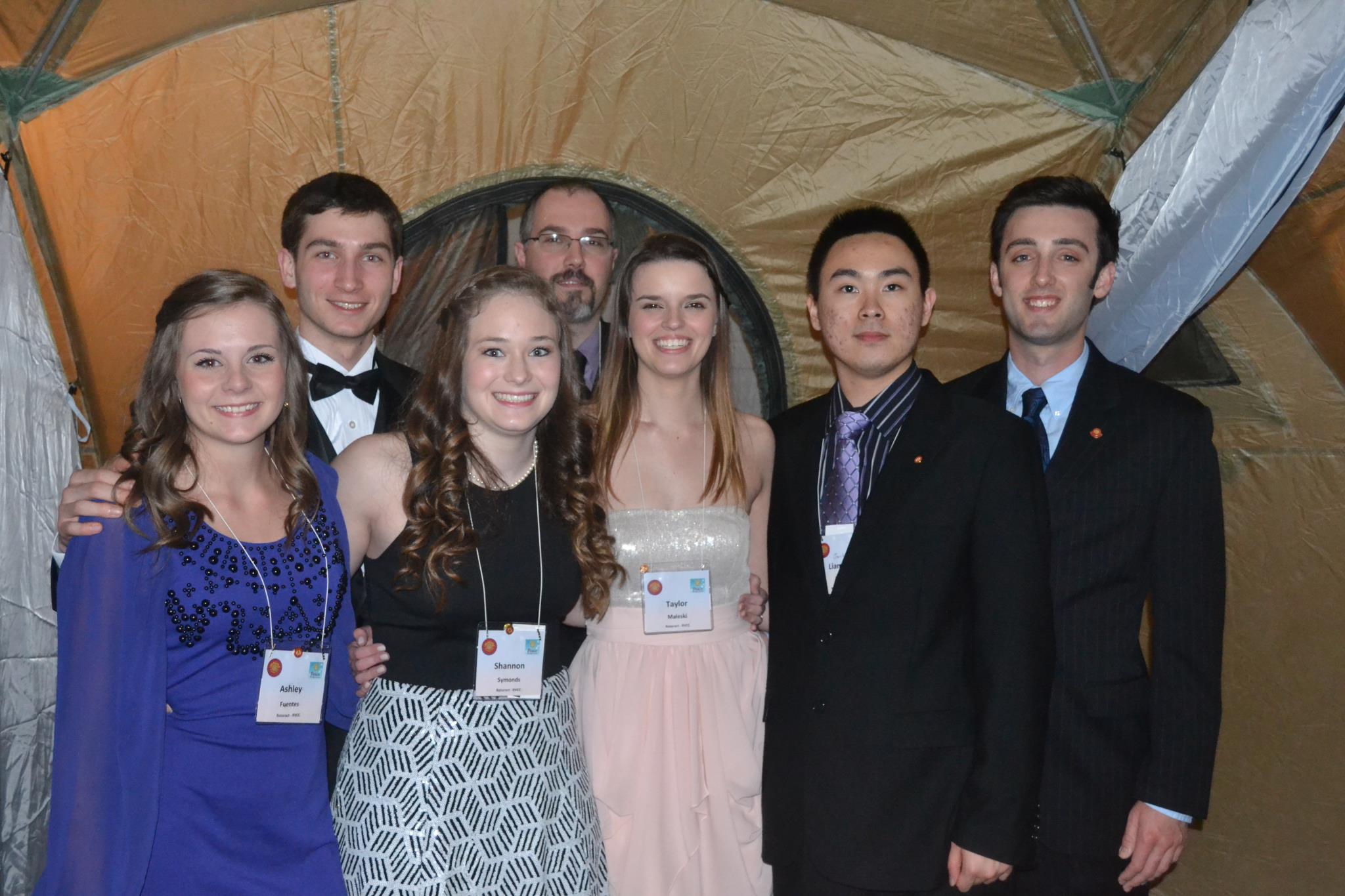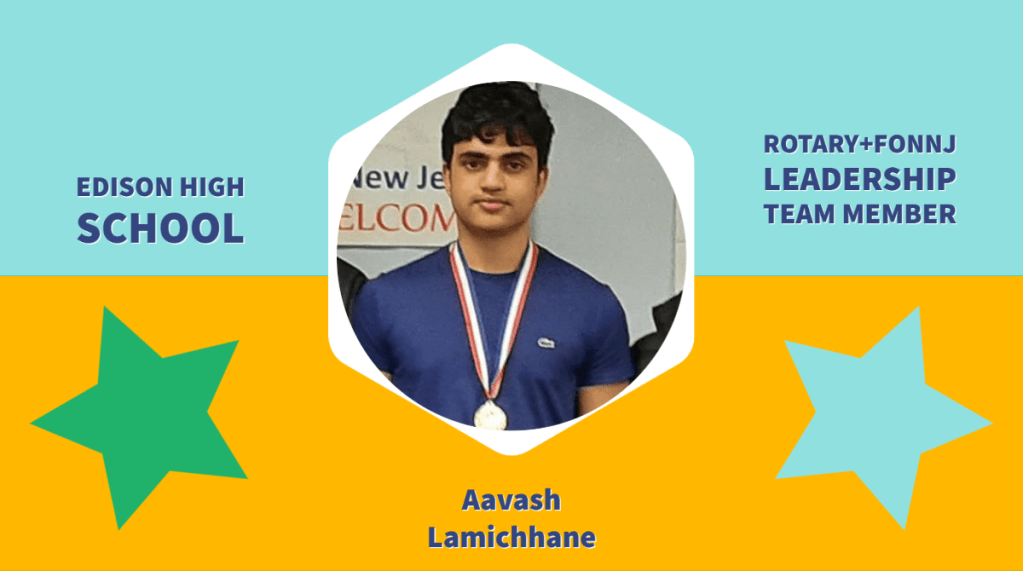
NJ TEEN’S SERVICE PROJECT RIASE AWARENESS ABOUT CULTURAL DIVERSITY AND ENVIRONMENT.

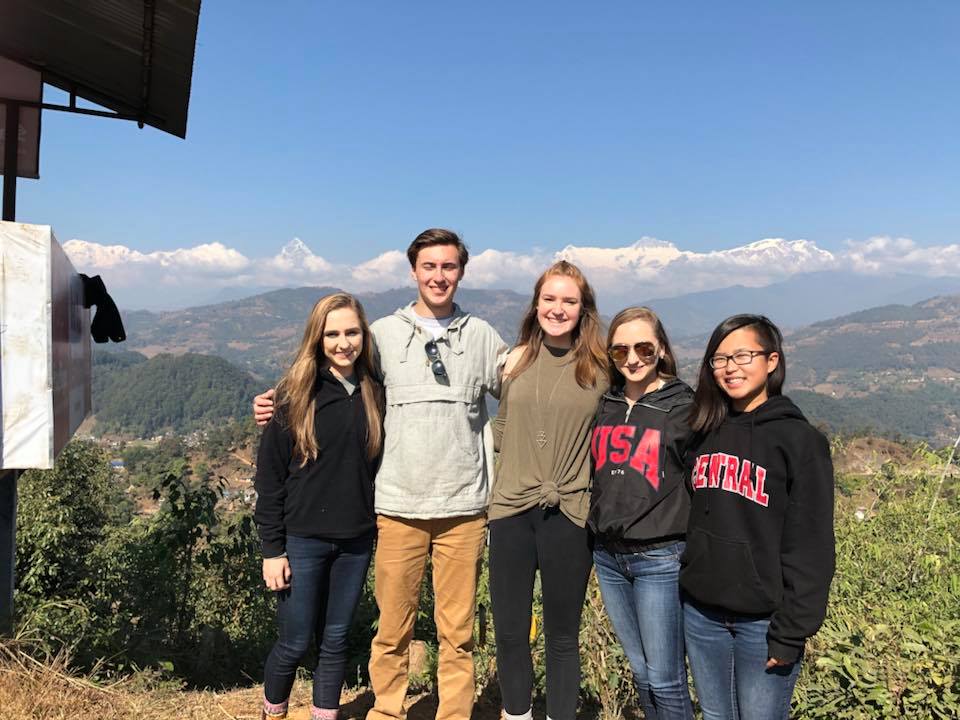
I have just joined the Youth Leadership Team of the Rotary and the Friends of Nepal to make a difference in our community and communities around the world.

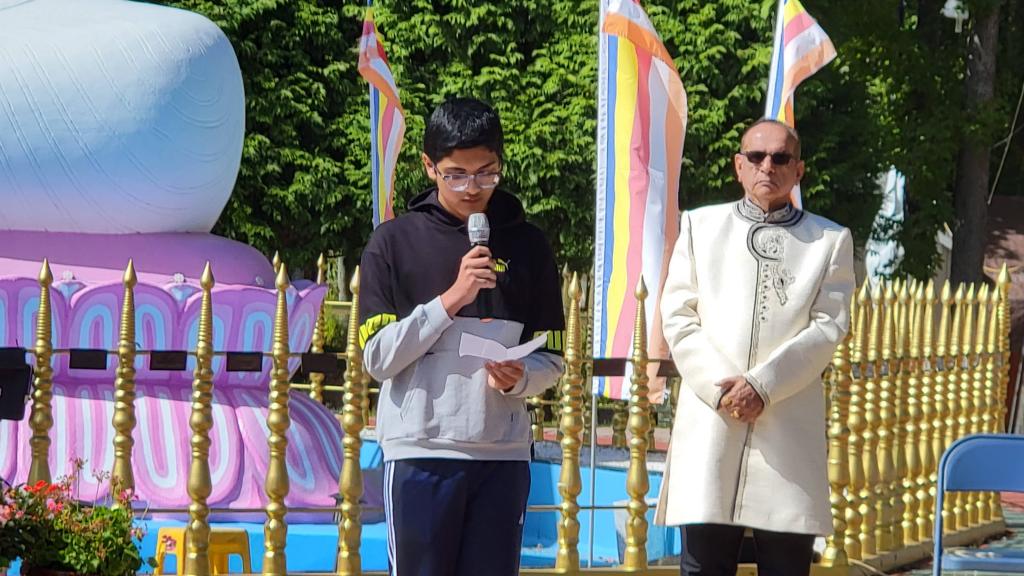
It has been great pleasure to be a part of the Youth Leadership Team and work with the NJ Peace Garden project and learn leadership skills. This leadership project will definitely help me in the future as I graduate from the high school and apply to various colleges.

I am very thankful that I have been given a leadership role to plan and implement “Be a Net Zero HERO” a special Peace Garden Project. As in any project, you need people to help with funding, human resources, and materials to make it successful.

For those who may not know, let me tell you a little about this amazing project. We are creating this special interfaith Peace Garden, where people of all faiths can come and learn about other religions and be at peace, while strolling through the garden. This is a once in a lifetime opportunity to learn about leadership as well as use my skills to make this garden a piece of heaven on earth. Well, that is a tall order, but I am going to give my best.

This project is taking place at the NJ Buddhist Vihara in Princeton, New Jersey. The person who came up with this idea is Dr. Tulsi Maharjan, Past Rotary International District Governor and Chair of the Somerset County Diversity Coalition and the Asha Project. He has been an excellent mentor and has really shown me a lot.

As part of this project, I will be working with a diverse group of Youth leadership team members along with my brother.

This project will focus on promoting peace and preserving the environment. With your blessing and support, I hope to create a peaceful place where visitors can find peace and tranquility in this time of world conflict and environmental degradation. This will be a place where people from every faith, no matter their ethnicity or faith, can come and learn about diversity and enjoy peaceful environment.

I hope all my friends and our community will be an integral part of this amazing project. You can donate whatever you can and mail the check payable to FONNJ and mail it to P.O. Box 5015, Somerville, NJ 08876 or donate through PayPal. All donations are tax deductible. https://www.fonnj.com/donate/

If you like to dedicate a tree in your family’s name, we can do that as well.

Working with the Coalition, Rotary and my new friends from the Leadership team has already given me the opportunity to learn about the rapidly changing world. I am finding that giving is much better than receiving and with your support I will be able to prove my leadership skill and complete this amazing Peace Garden Project.

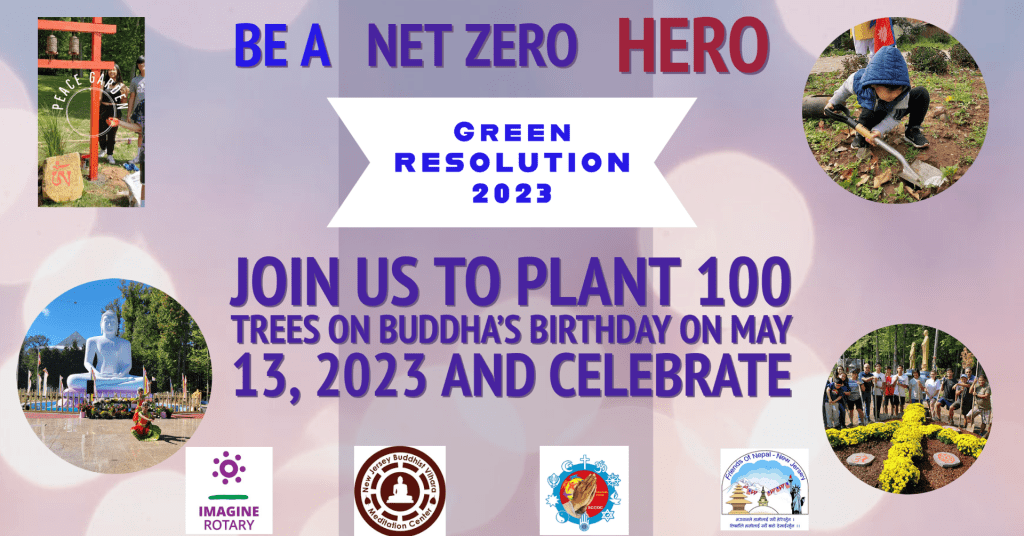
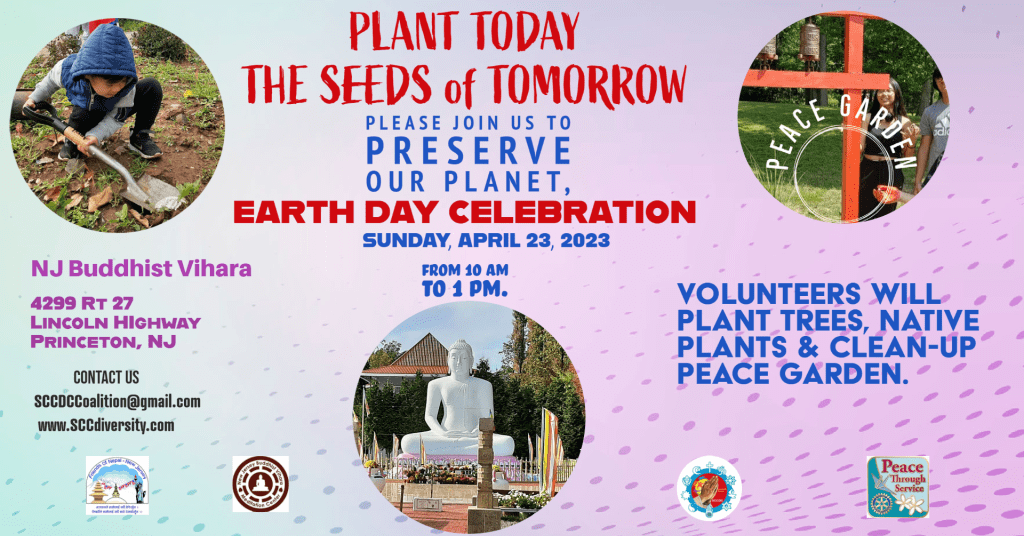
The tree planting project will take place starting in April as part of the Earth Day Celebration on April 23rd and continue until May 13, 2023, during the Buddha’s birthday celebration. We are planning to plant 100 trees. This project provides numerous benefits in addition to being essential for the environment. Trees contribute to better air quality, lessen erosion, and support wildlife habitats. Furthermore, trees can aid in supplying residents and animals of a community with shade and shelter.


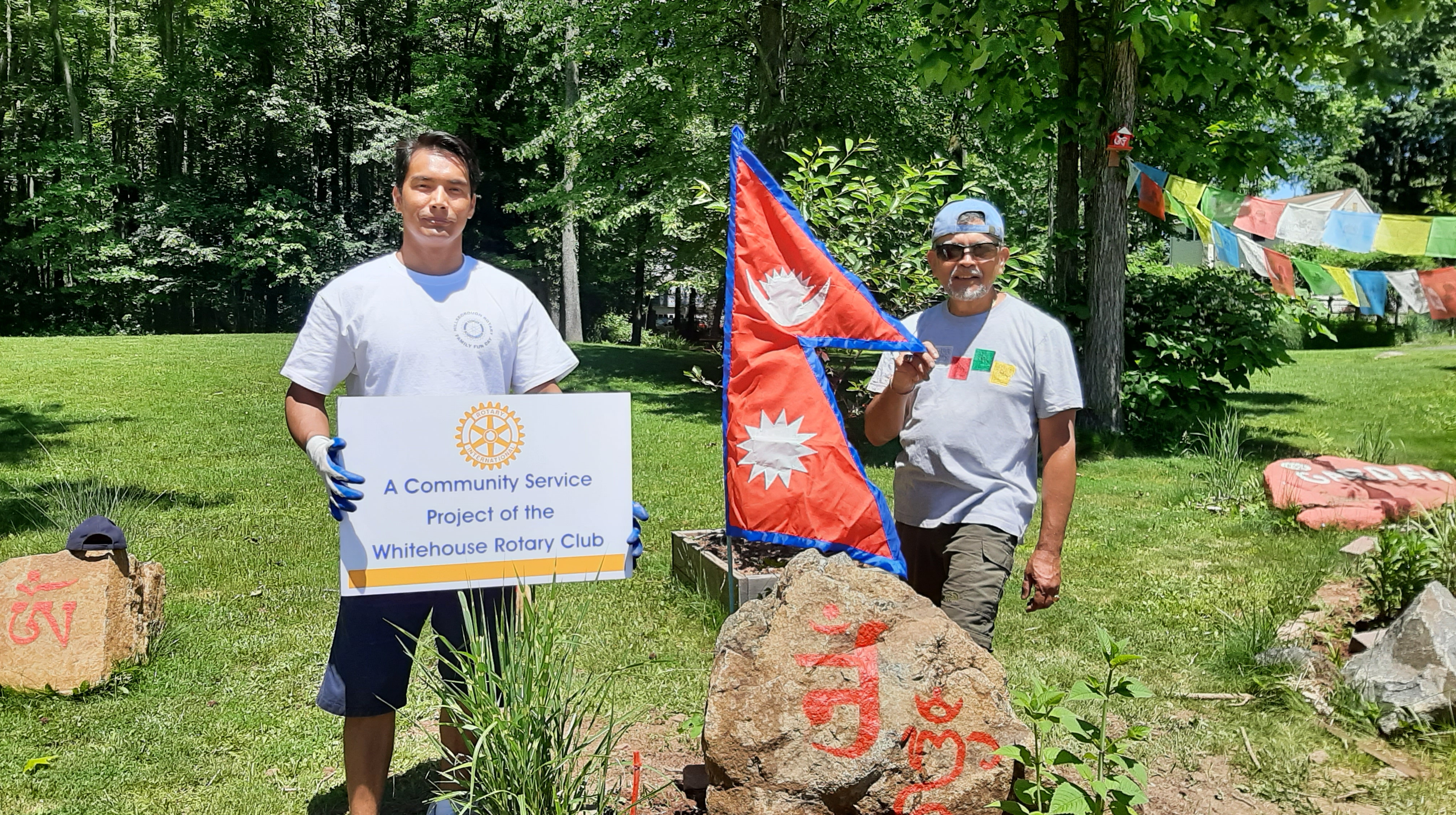
This collaborative partnership project between the Friends of Nepal – New Jersey, the Rotary club of Whitehouse and the Somerset County Cultural Diversity Coalition, will help to generate additional support and volunteers.

The goal of this initiative is to establish a peaceful and friendly environment where individuals of all faiths can go to walk, practice meditation, and achieve inner peace.


The meditation garden and walk will be situated in a lovely and calm area of the neighborhood, surrounded by tranquility and nature. Along with walking trails and seating spots, it will have a variety of plants and flowers.
We believe that the community will benefit significantly from this project in a positive way. It will give everyone a much-needed place to discover tranquility and quiet in a hectic and often stressful world. Given that it will be accessible to all, it will also aid in fostering respect and acceptance among people of different religious beliefs.

We look forward to this project’s completion and the advantages it will bring to the neighborhood. It’s just one more way our Youth Leadership team trying to change the world for the better.
It has been a truly pleasant experience for me to work with new friends from this Youth Leadership Team. I’ve not only been able to have a beneficial influence on the globe, but I’ve also gained some incredible friends. I am very grateful for the opportunity to be a part of this incredible organization, and I can’t wait to see the impact we can have together.

If anyone like to be a part of this team to make a difference in our community, please consider joining the team by visiting https://www.fonnj.com or emailing us at fon.newjersey@gmail.com

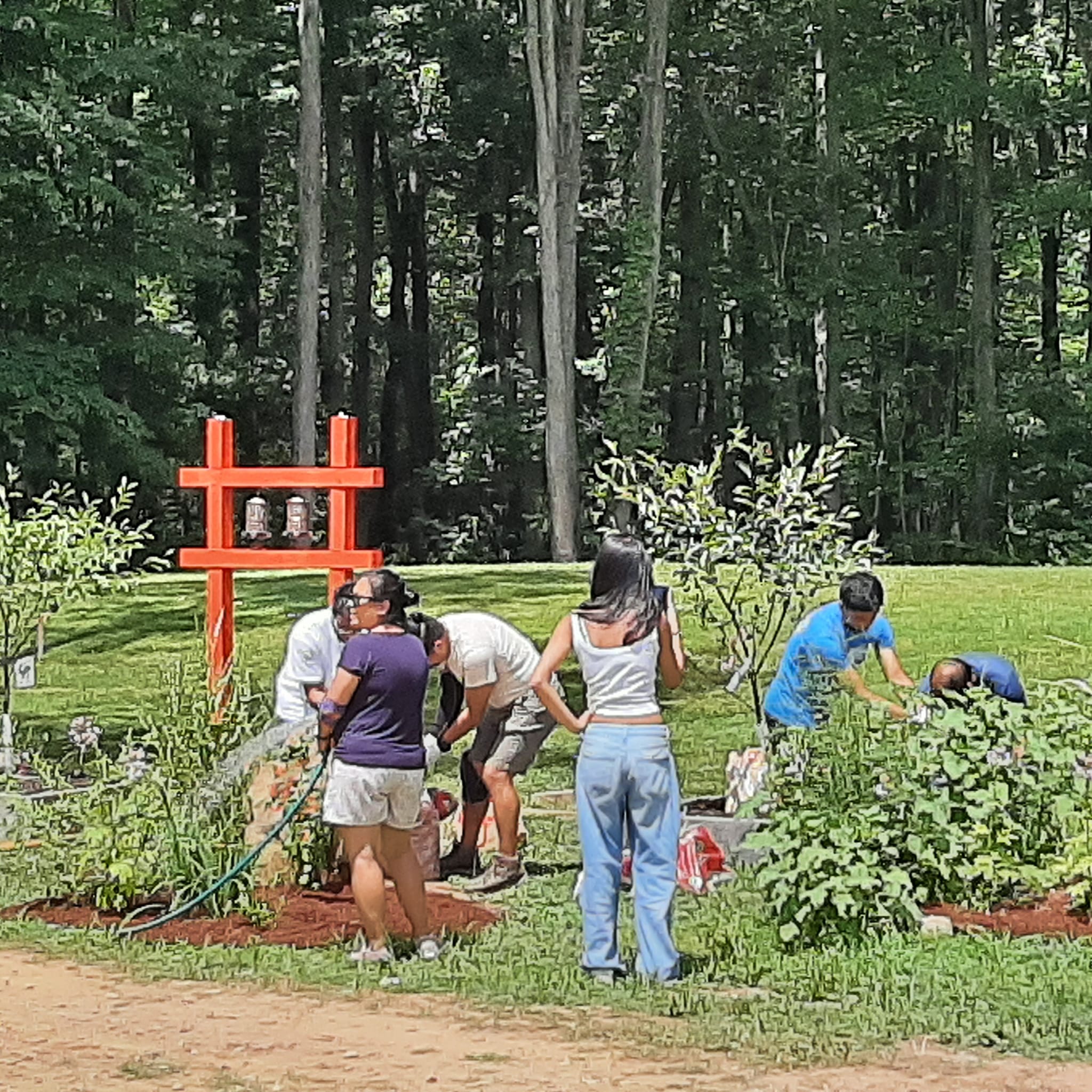
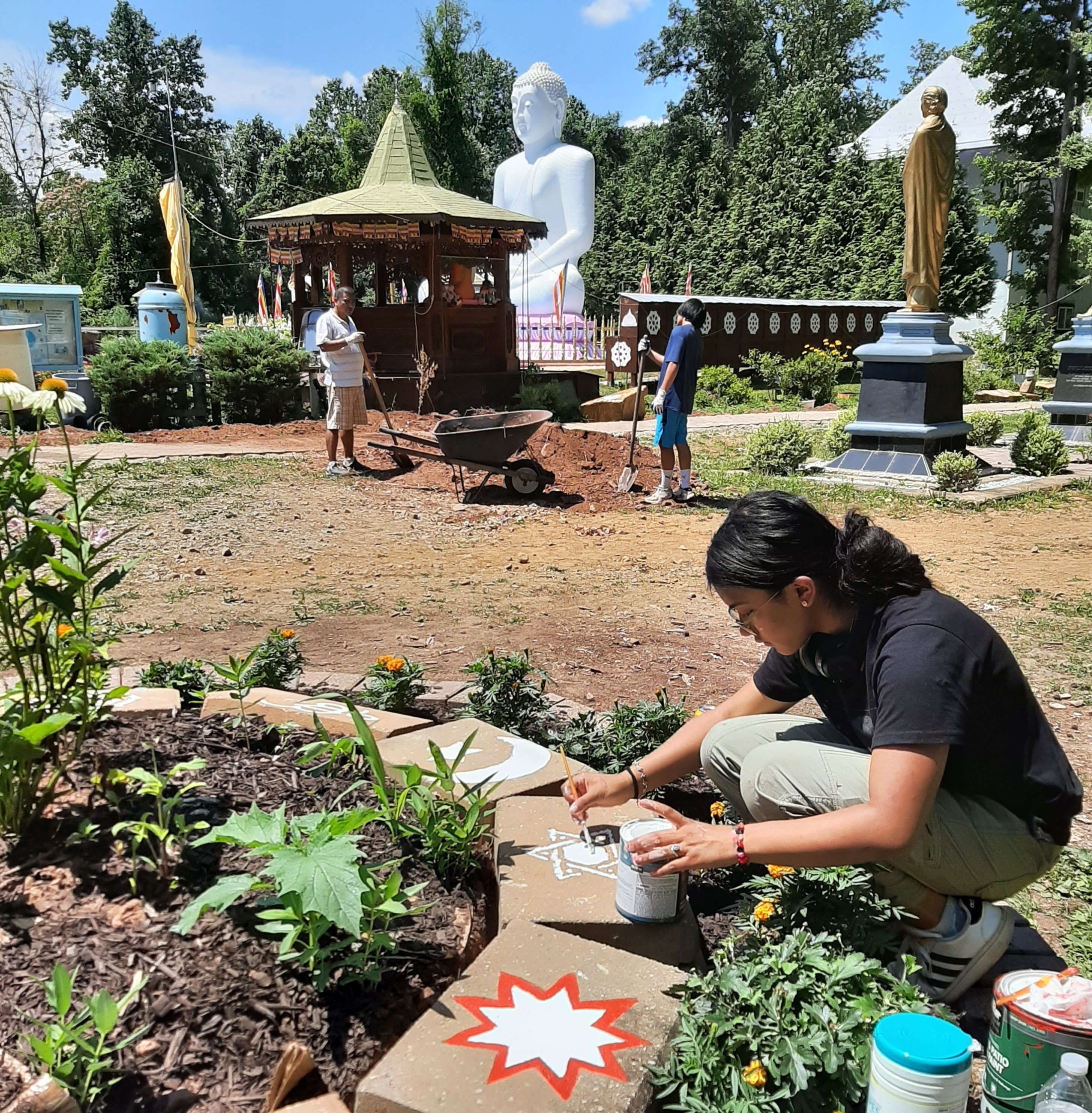
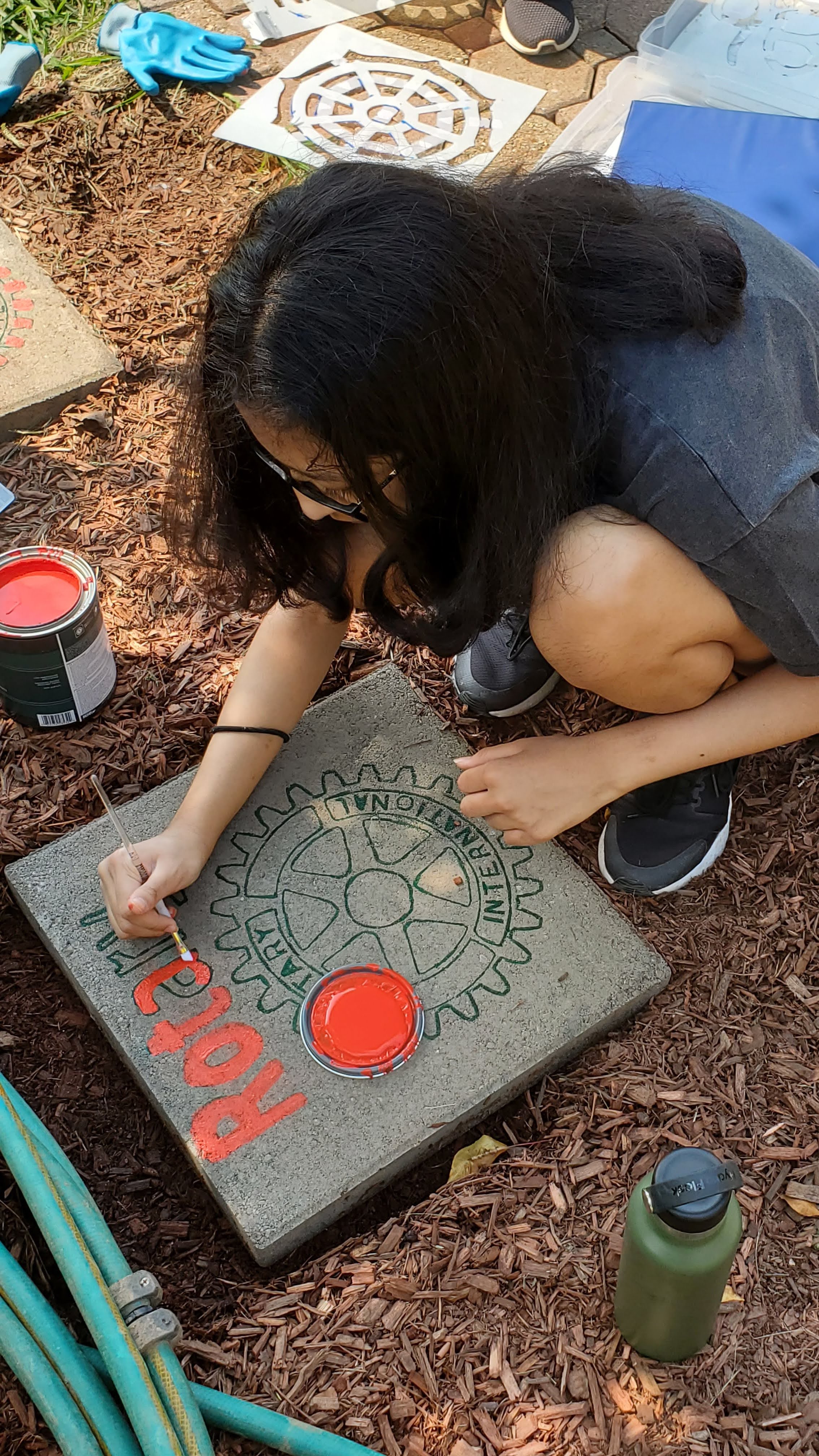
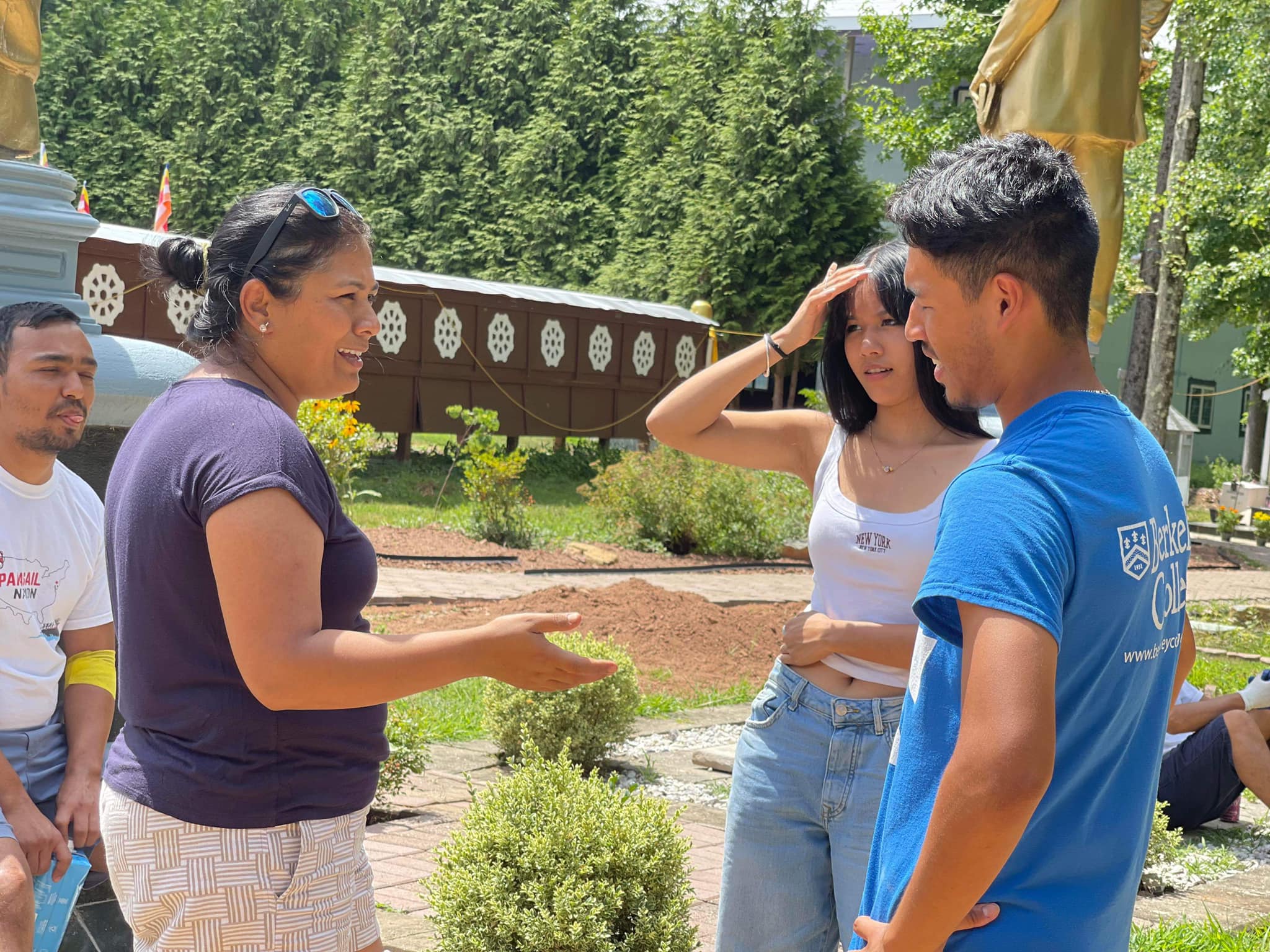
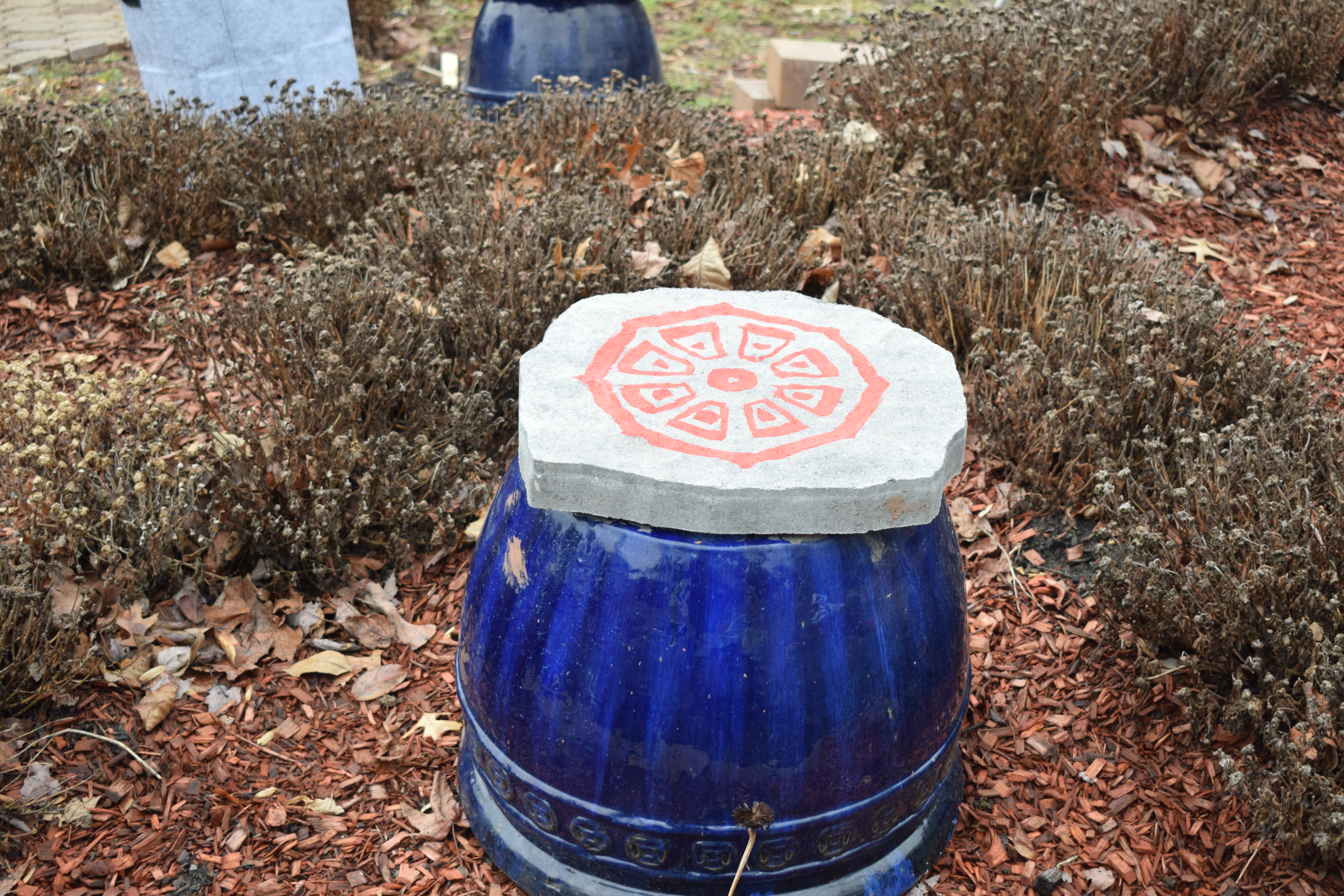
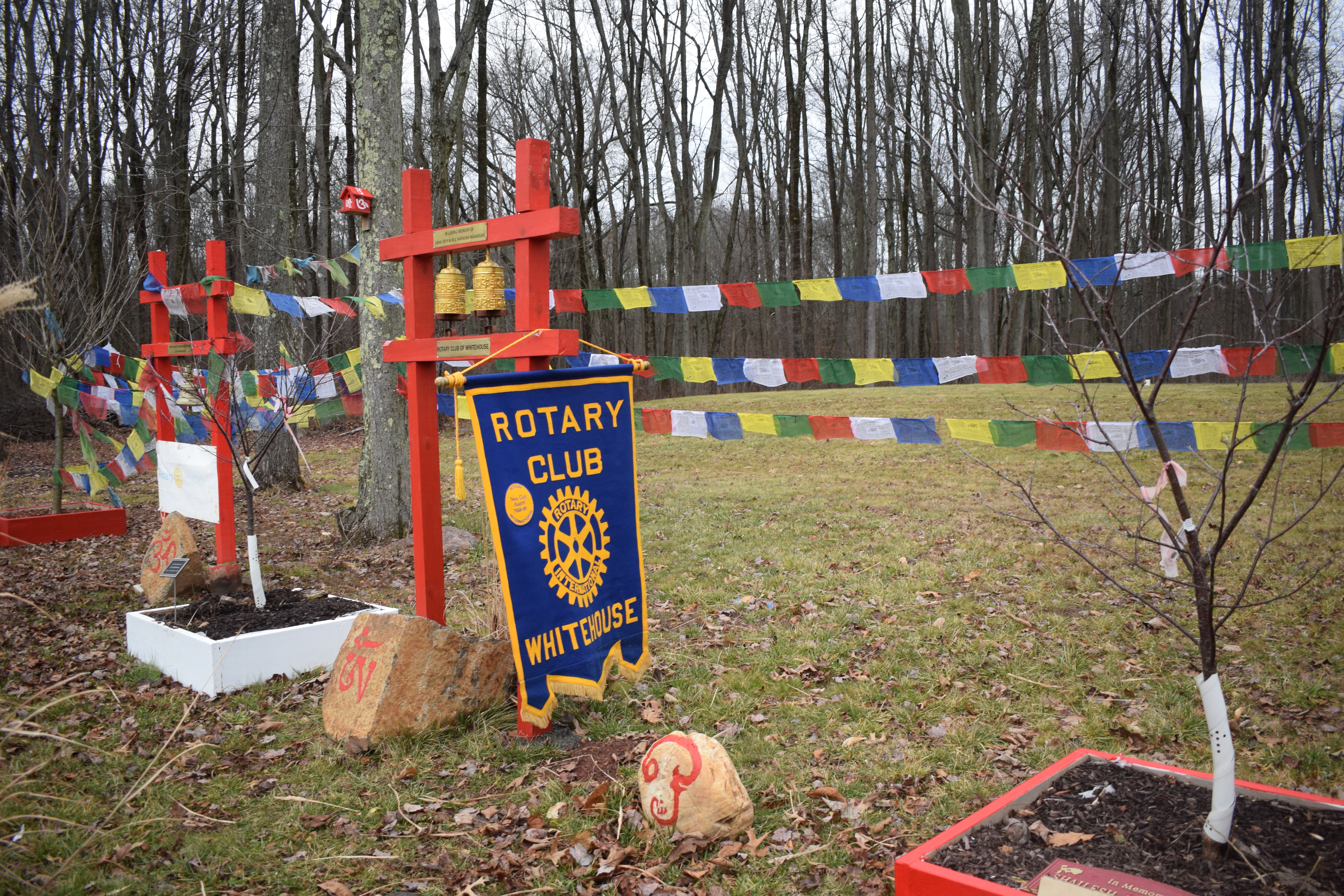
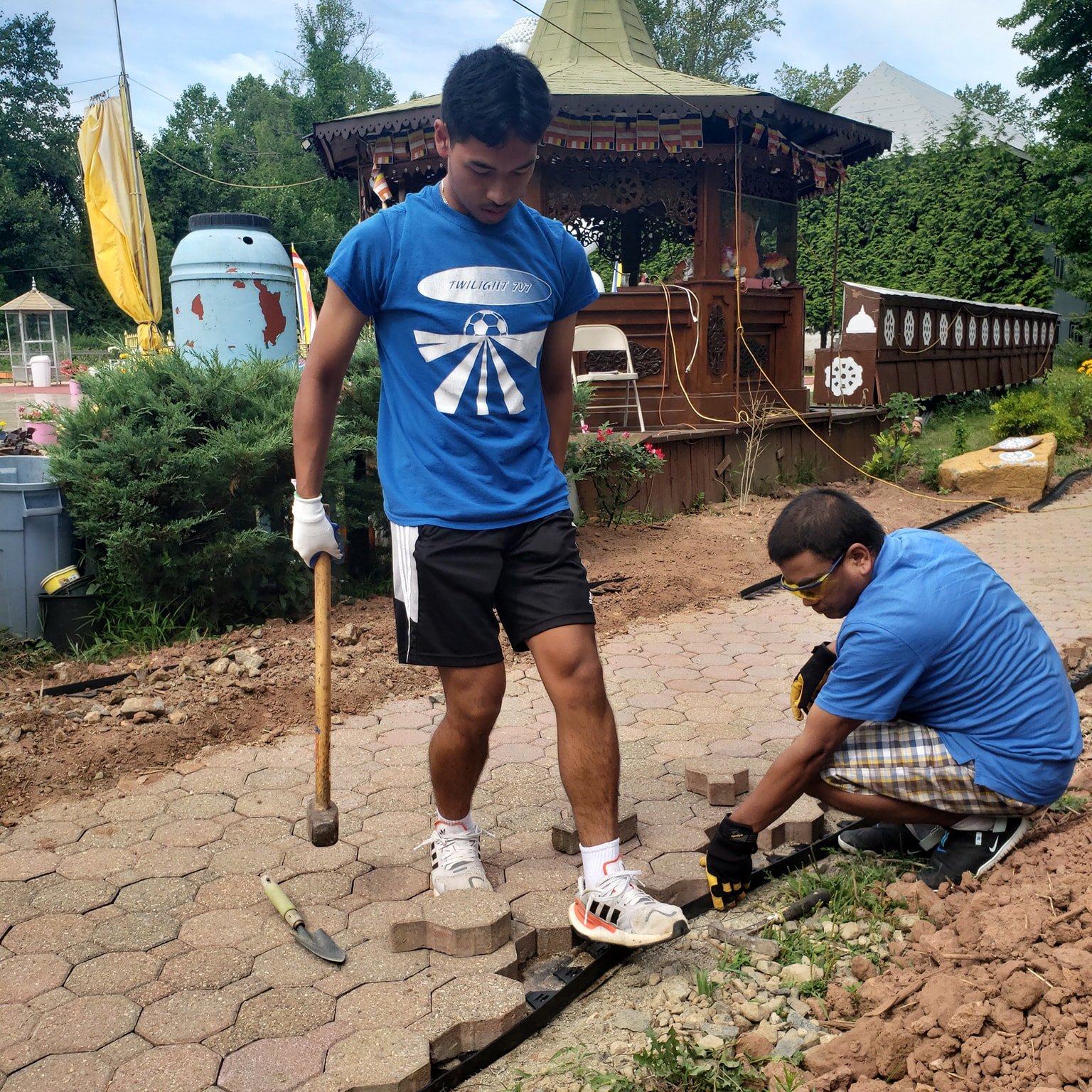
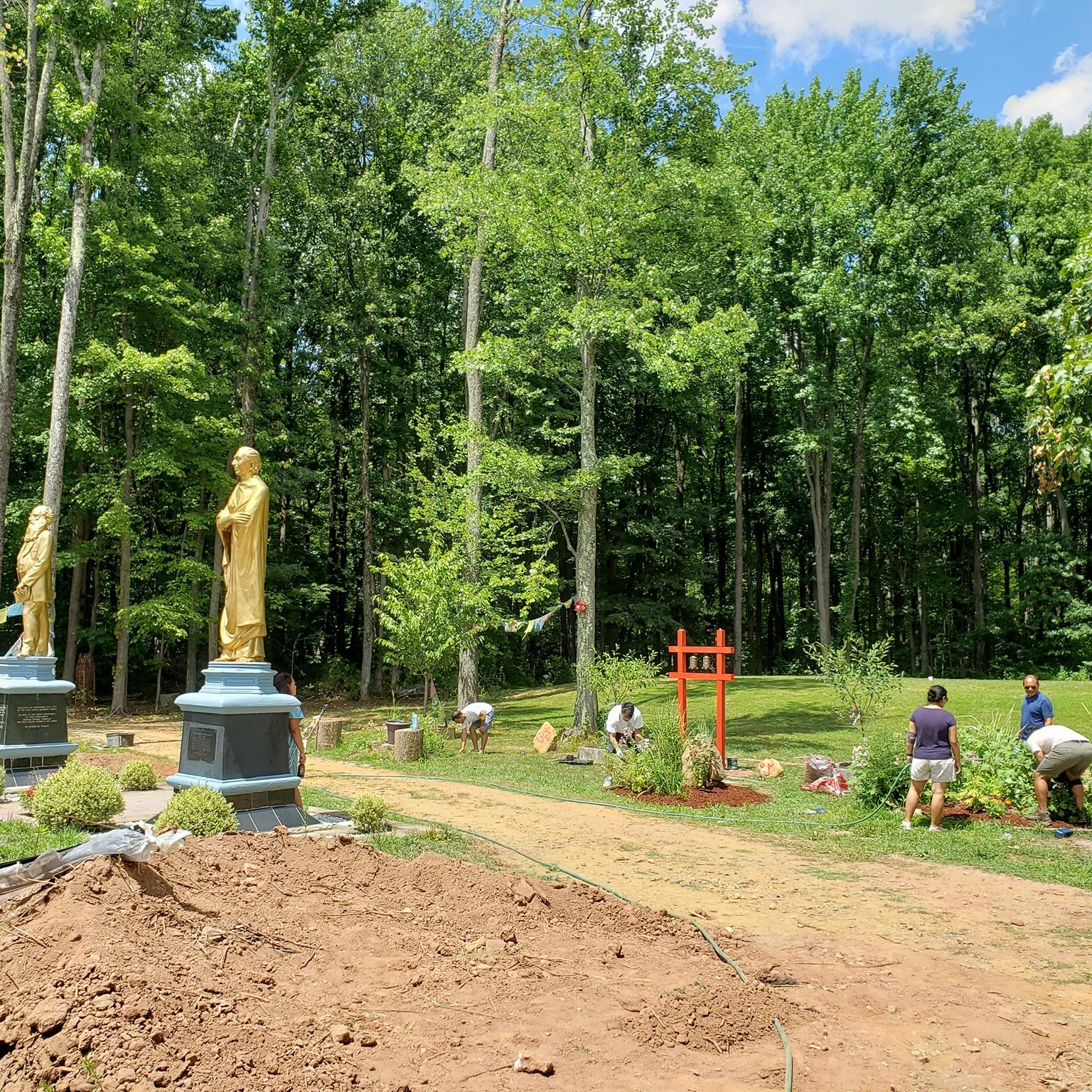
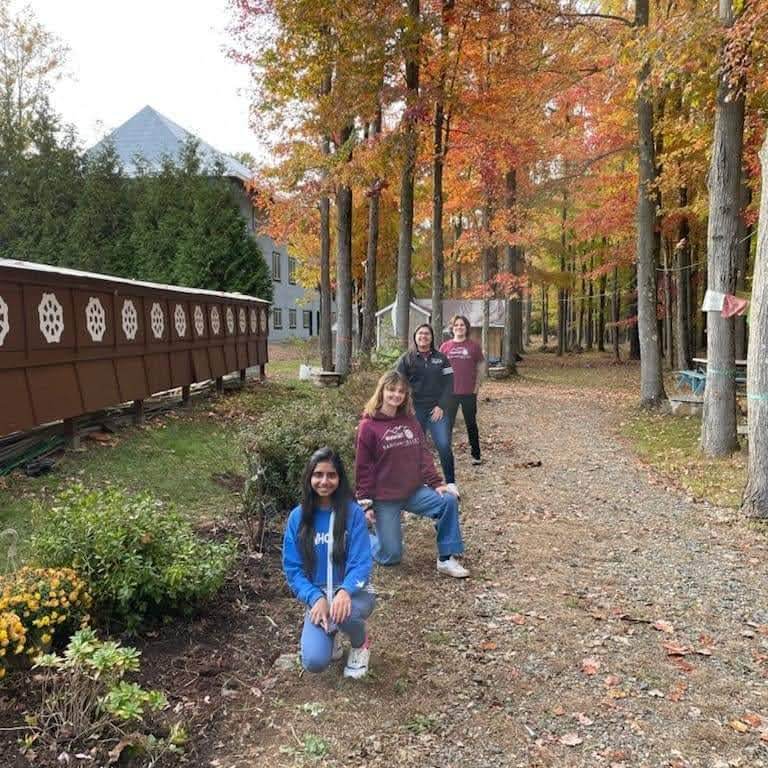
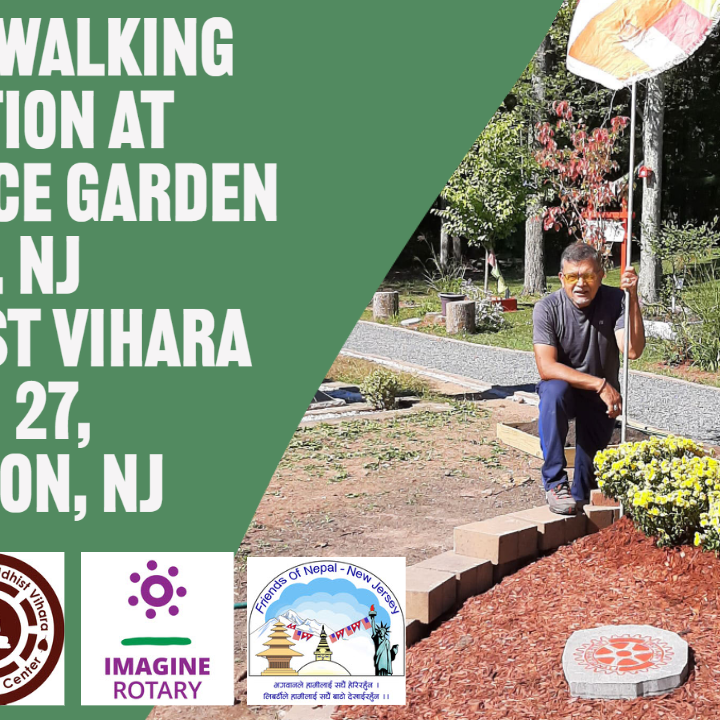
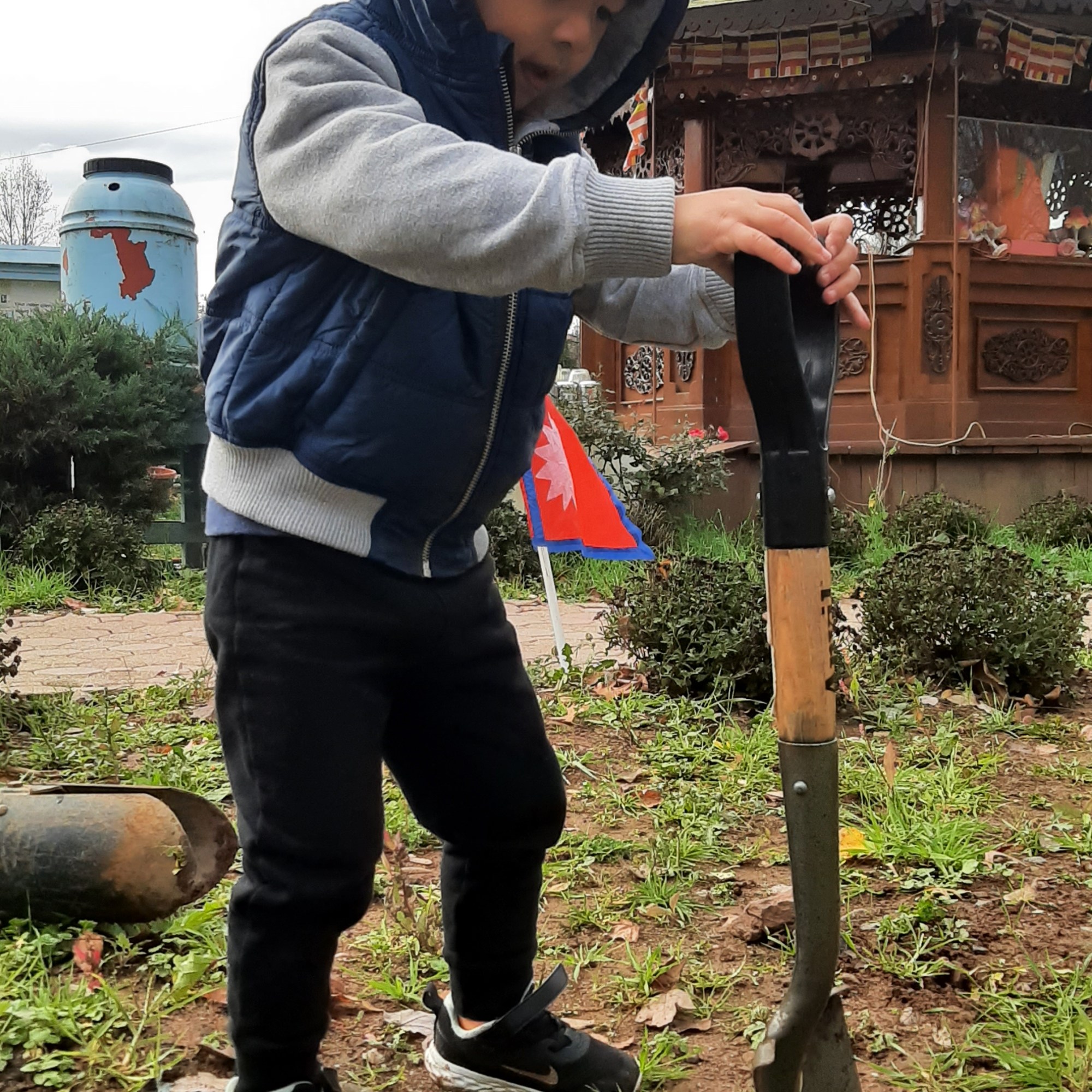
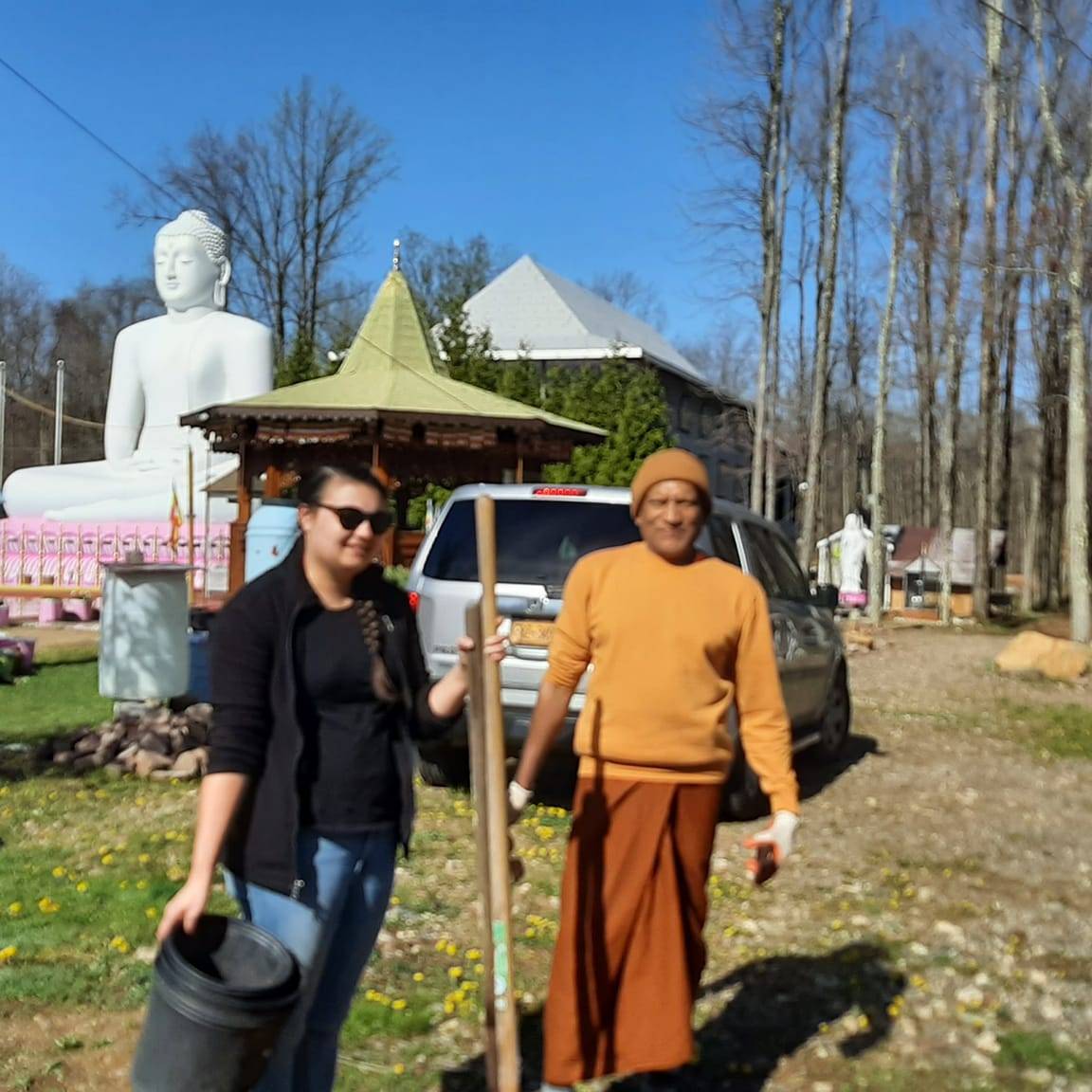
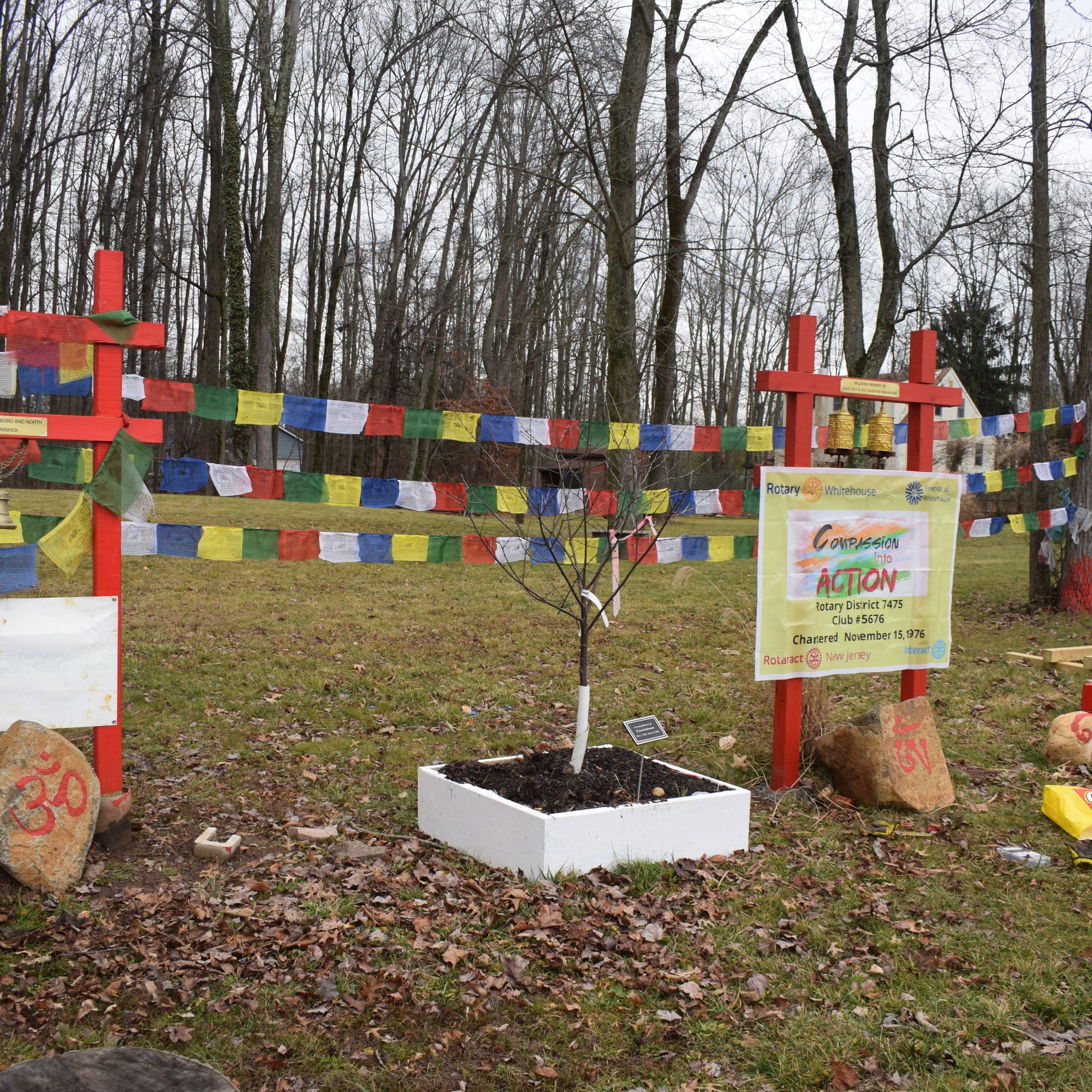
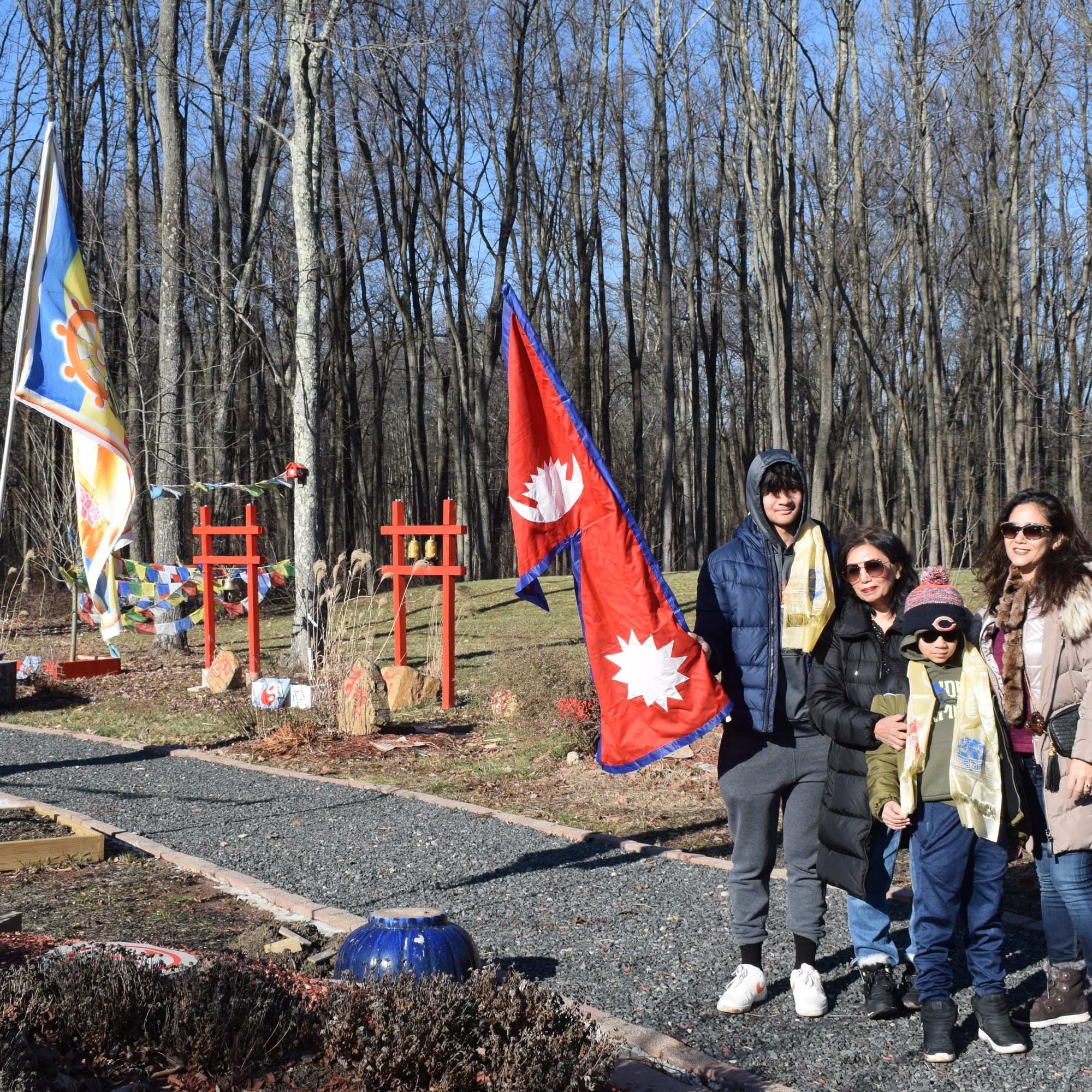
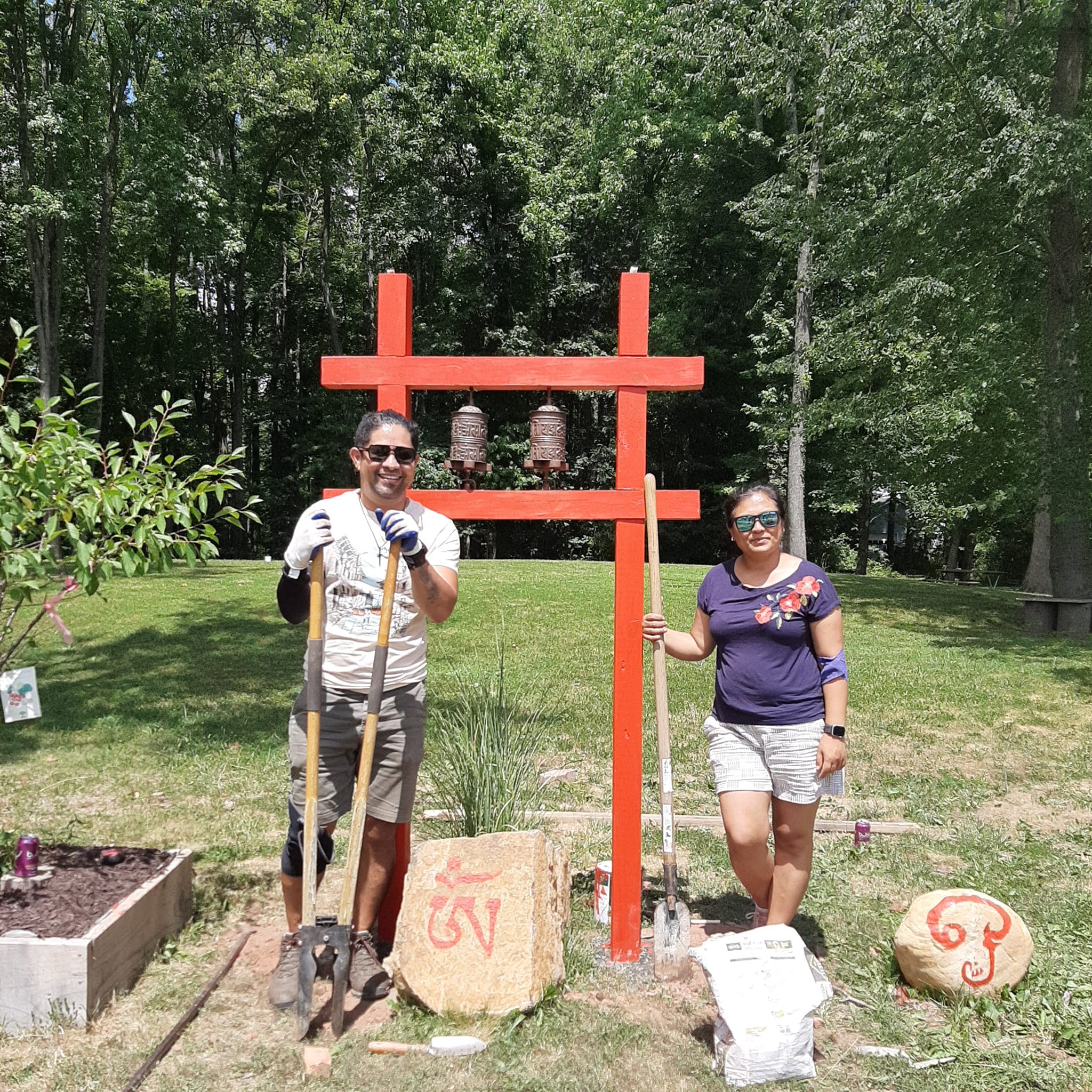
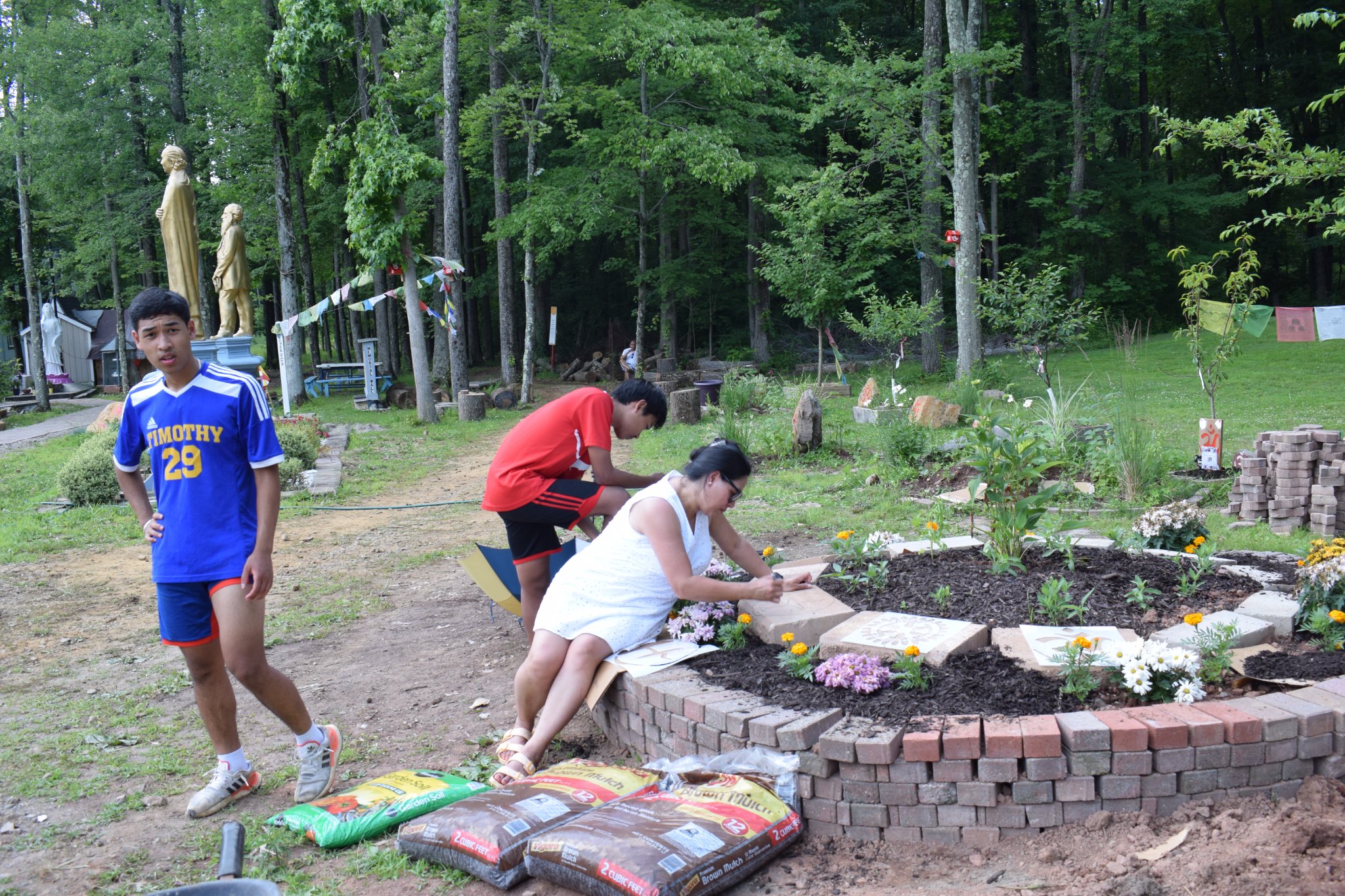
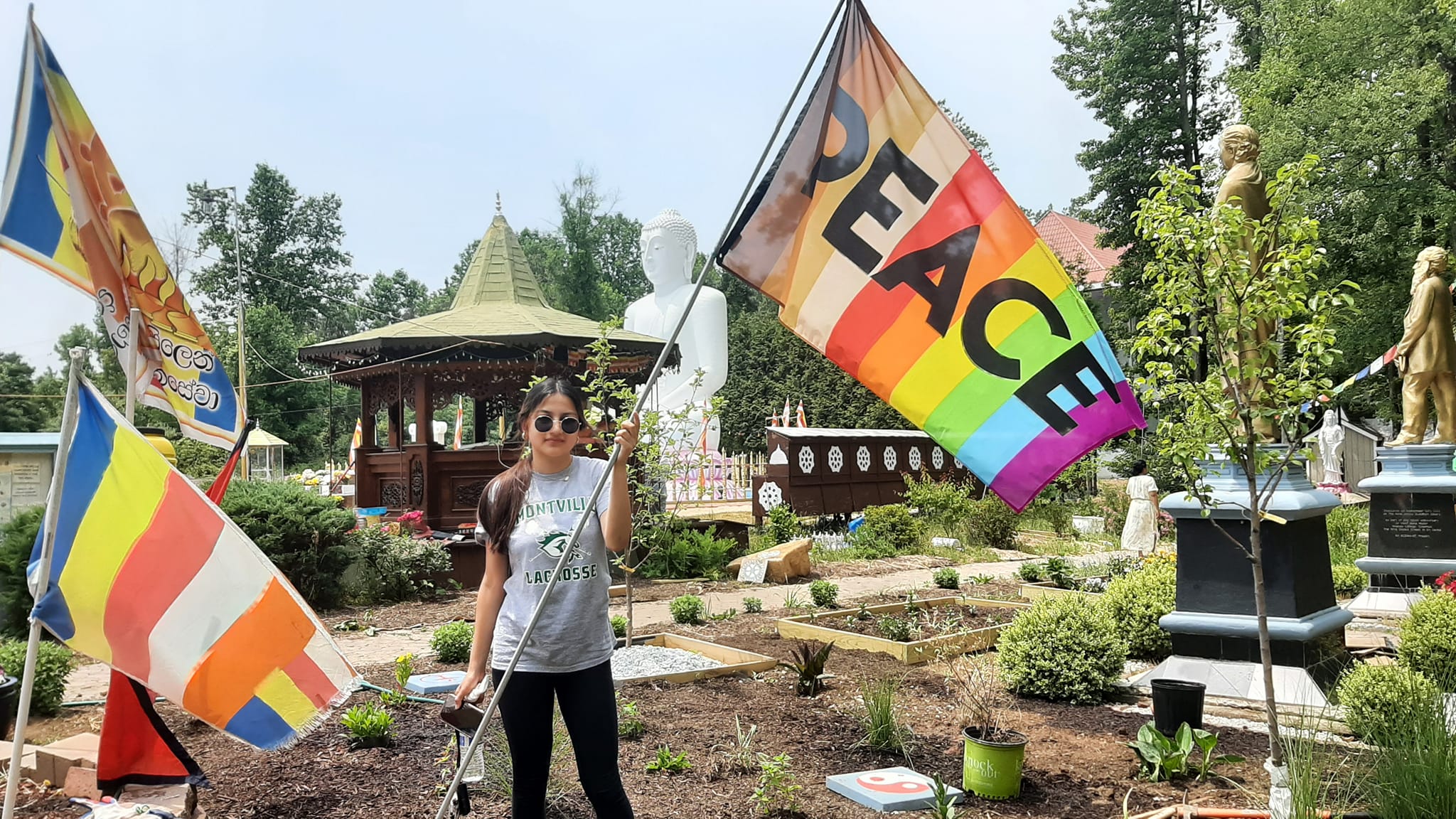
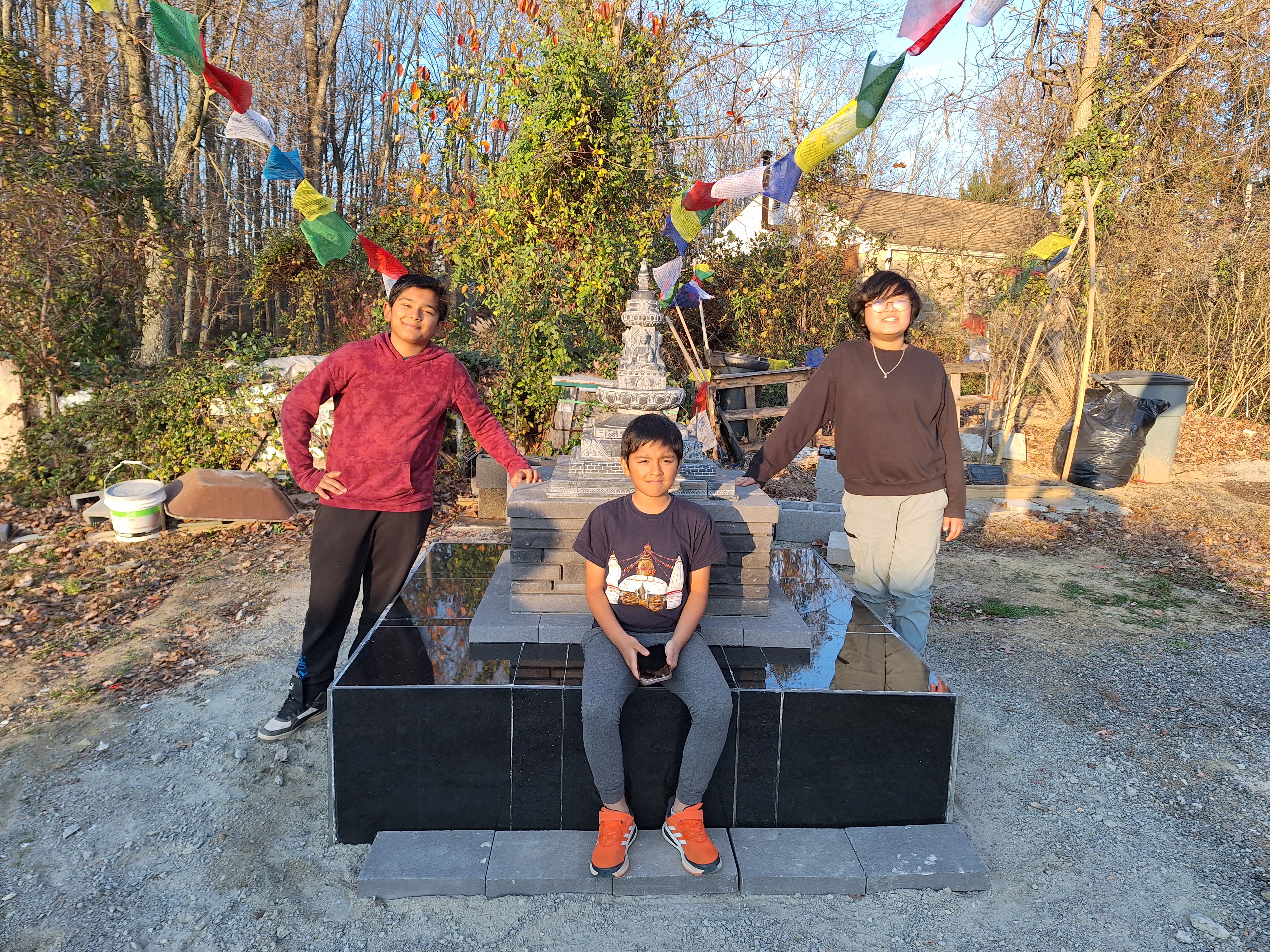
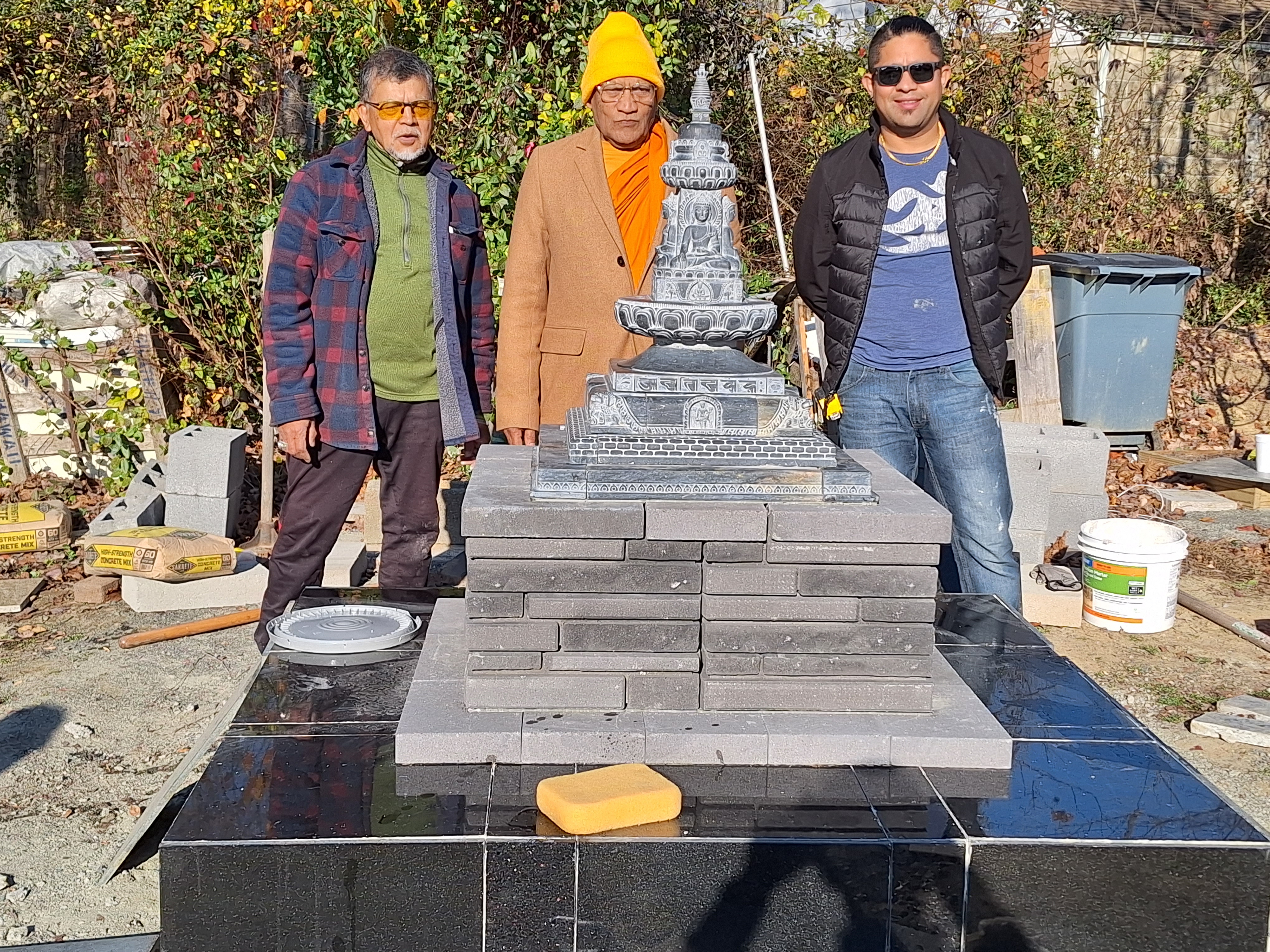
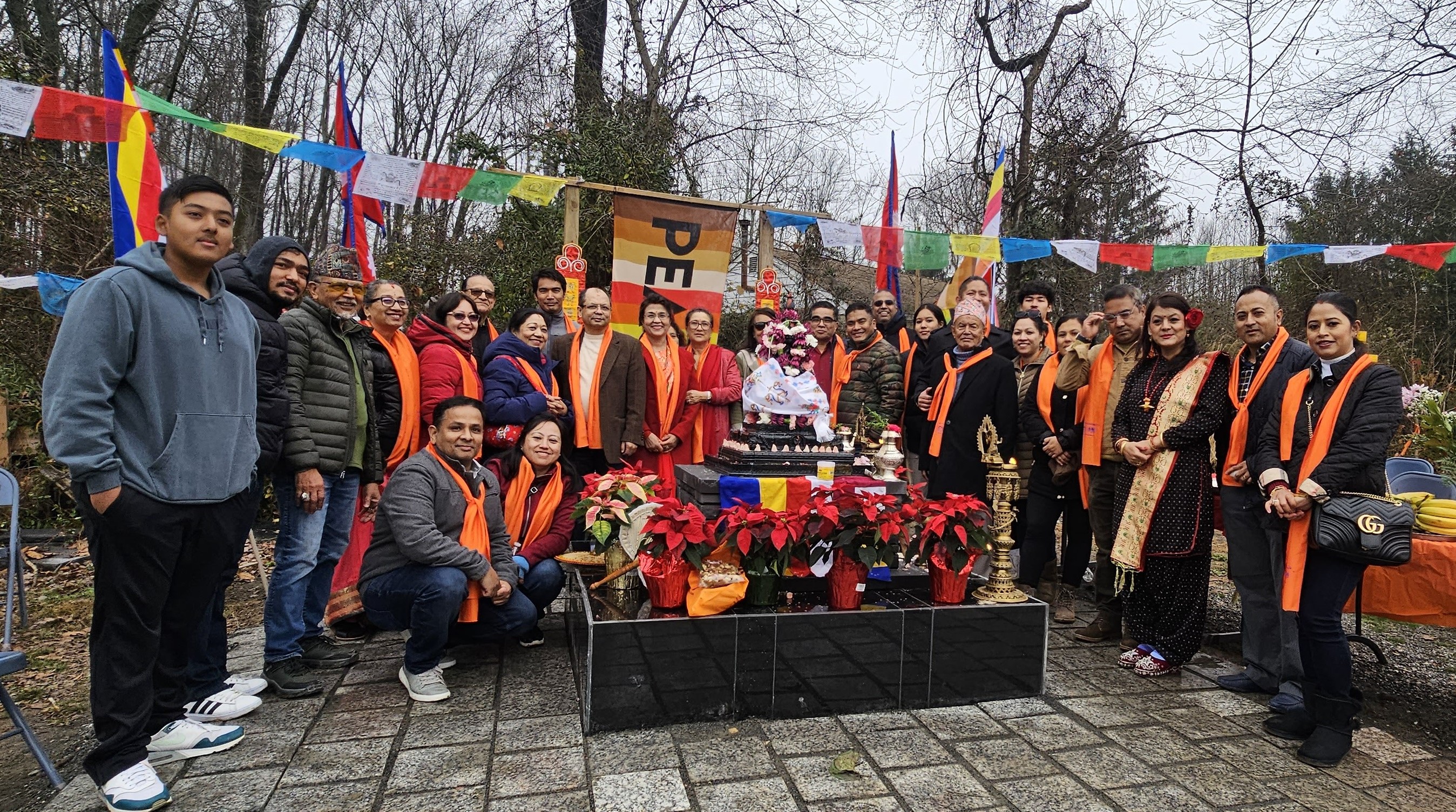
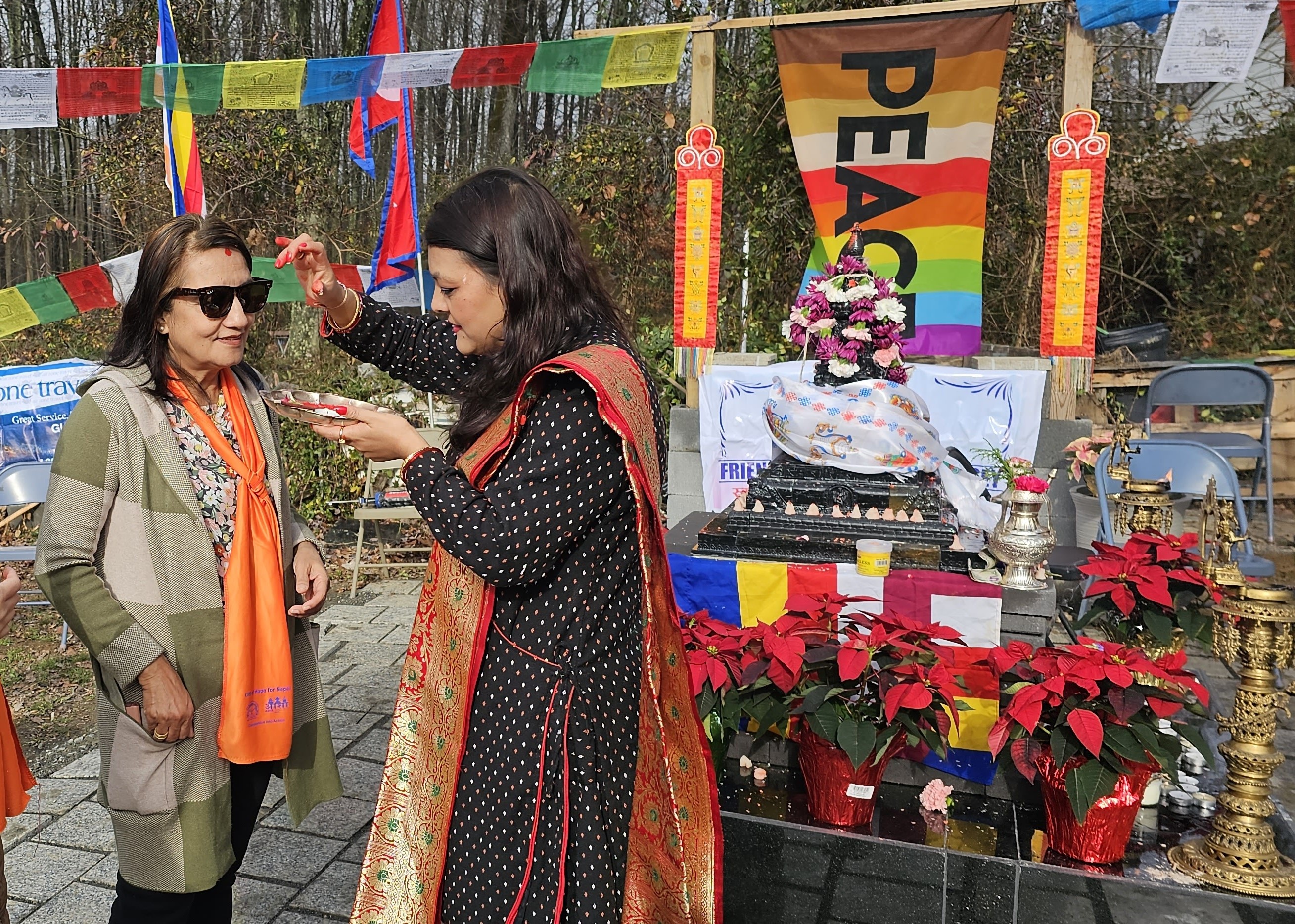
Please see our before and after Peace Garden project photos below.

Written by Aavash Lamichhane

Why We Should Celebrate Nepal Day in New Jersey?

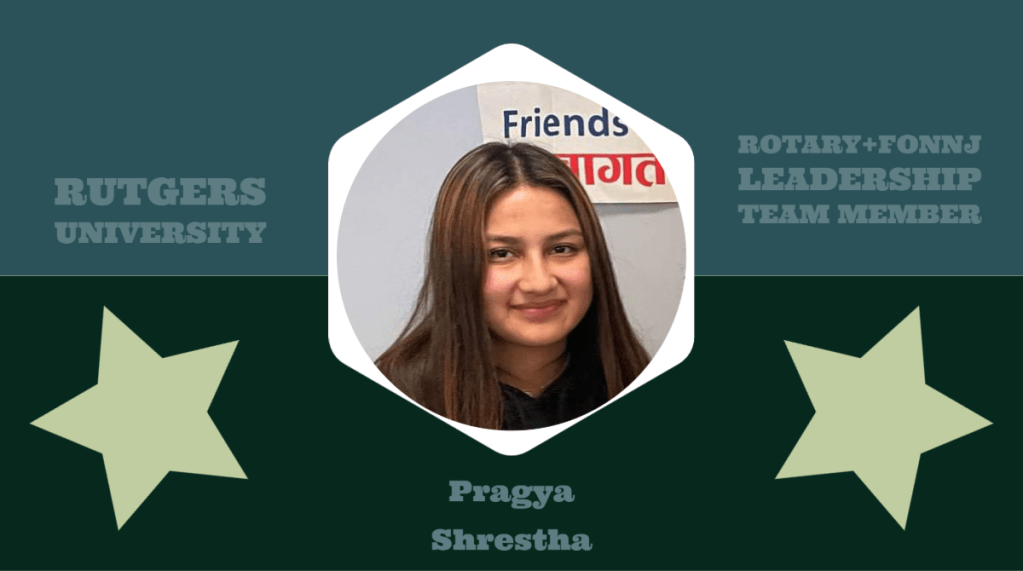
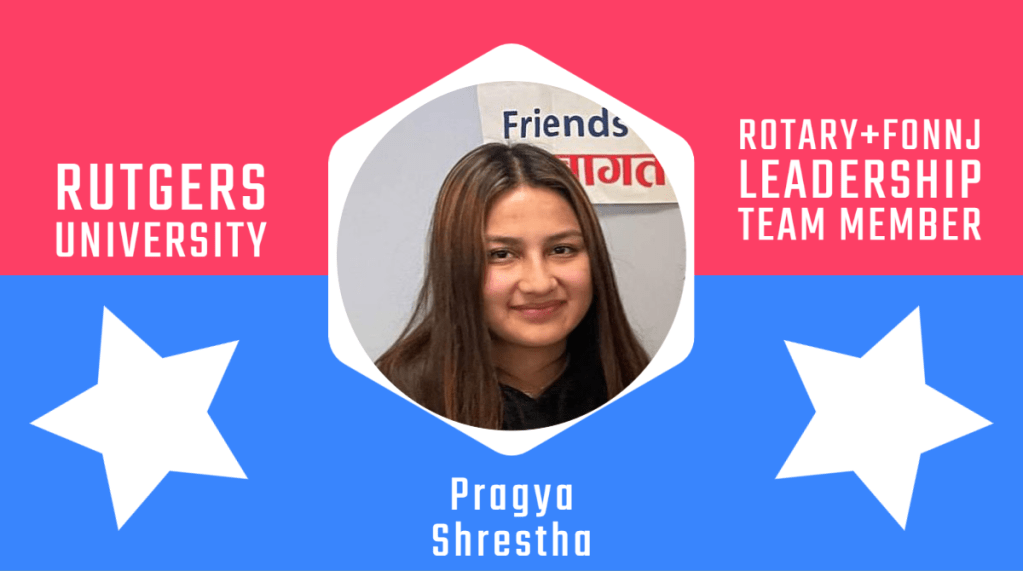
By: Pragya Shrestha, Youth Leadership member.

It is essential to keep in mind the roots from which Nepalese have grown in order to ensure that subsequent generations can enjoy and continue the same beautiful lifestyle. It’s easy for minorities like Nepalese people to forget their primary ancestral cultures and homeland when they live in the United States, a country full of unique people from different backgrounds. Therefore, it is crucial to gather to carry on cultural and traditional events. These events assist us in separating our physical differences from one another and reuniting us as a result of our fundamental values. An event like Nepal Day in Edison, New Jersey not only strengthens the Nepalese community but will also help the town become known for respecting and supporting the development of other ethnic groups living in the United States.

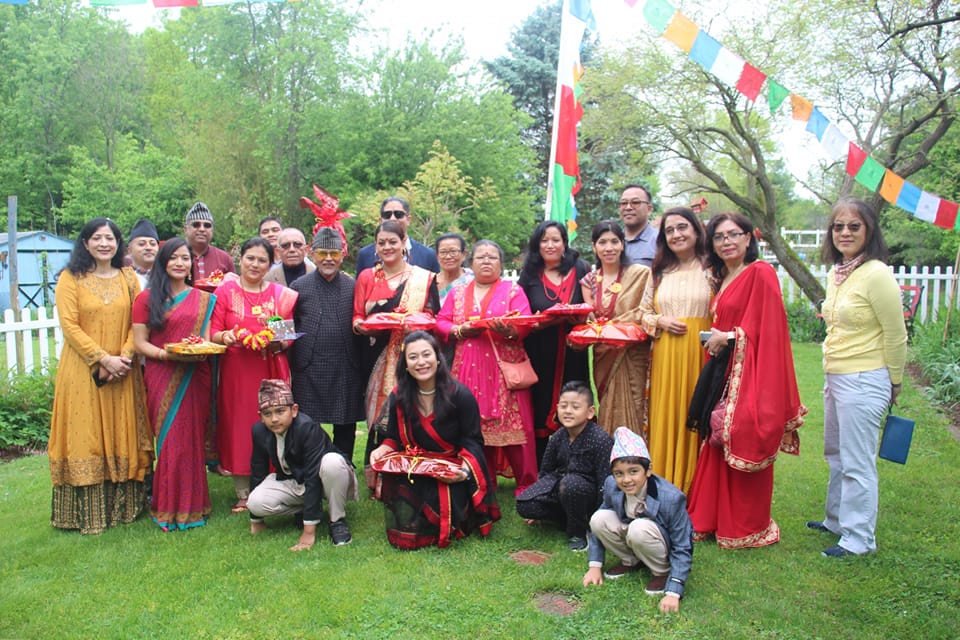
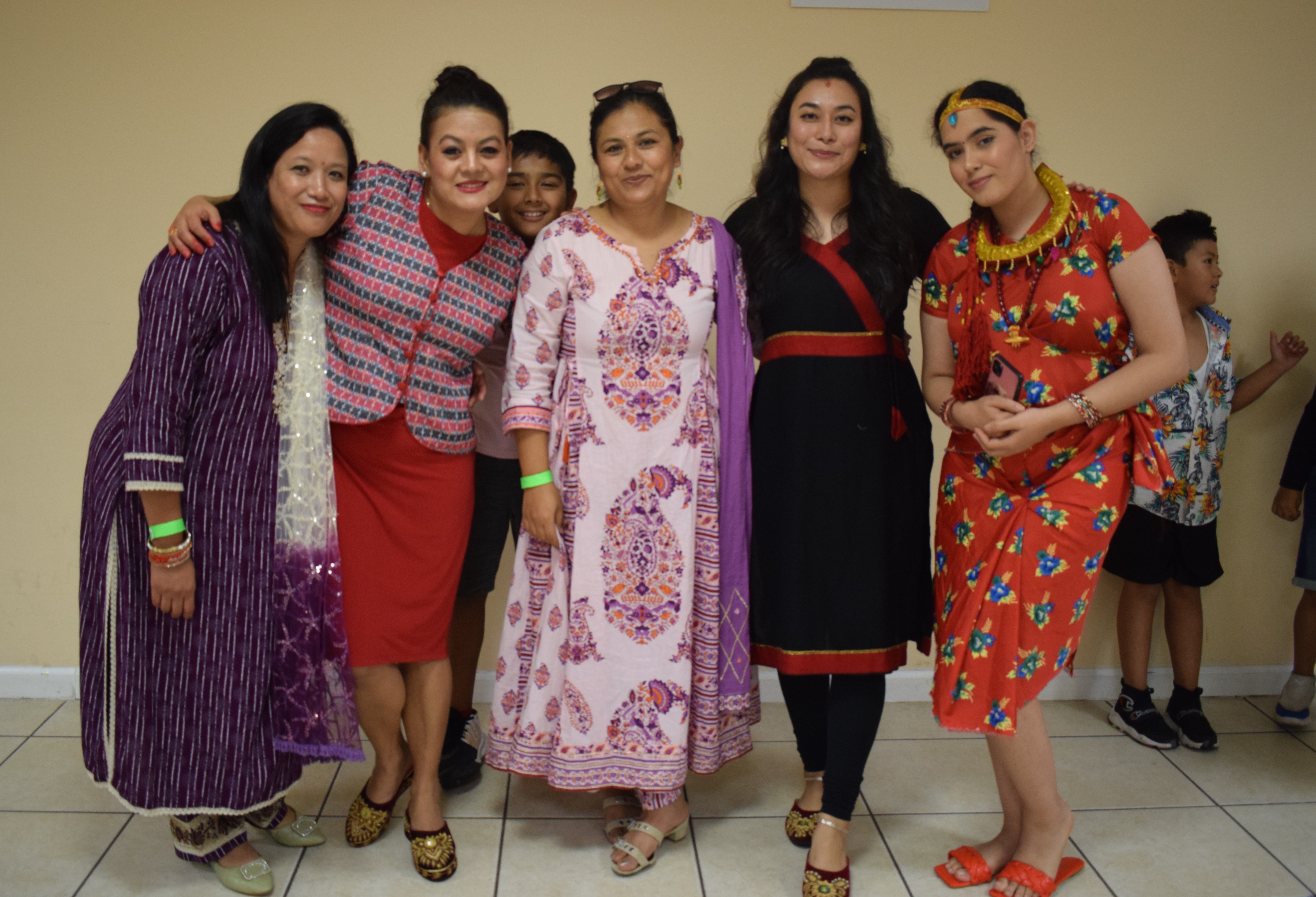
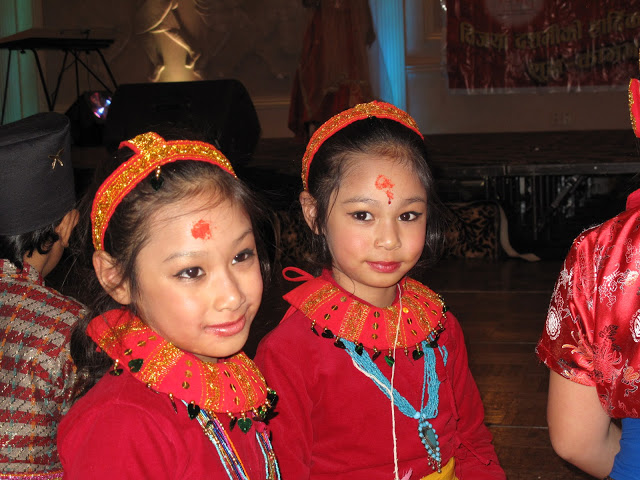
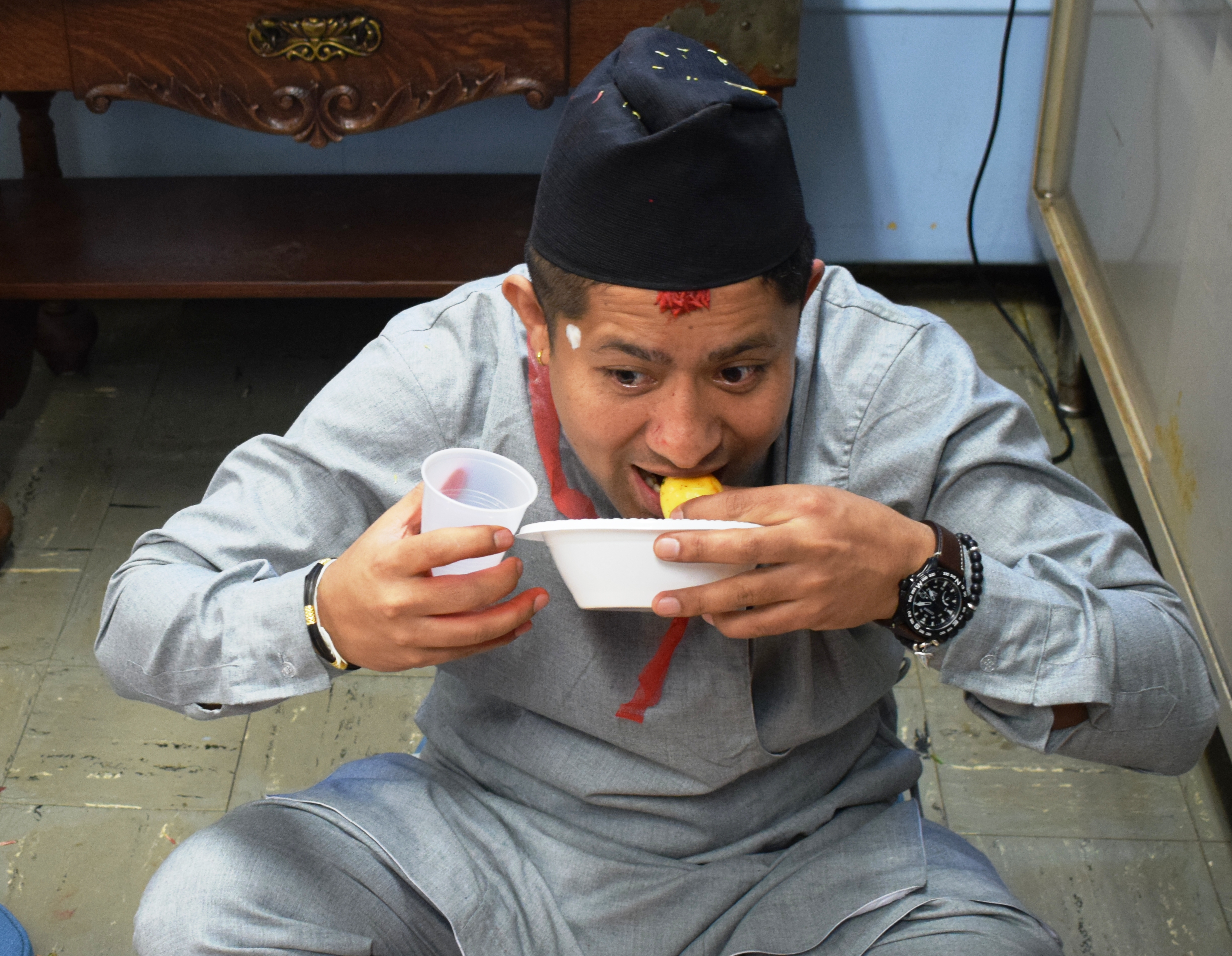
On this day, people from a variety of ethnic groups—the Chetri, the Newar, the Gurung, the Brahman, the Tamang, the Rai, the Tharu, the Limbu, the Magar, and the Sherpa, and many more—would display themselves in their traditional form. This could mean adhering to the customs that have always been followed, such as the Newars’ tapalan and suruwa (long shirt and trousers) for men and the haku parsi (black saree with red and white borders) for women—or bringing their traditional dishes, such as momo, also known as dumplings. While these conventional items may only be an object to some, the Nepalese community places a high value on them. For instance, Nepalese people view momo not only as a dish but also as a meal that brings families together; Everybody works together and contributes meat mixer, dough maker, meat applicator, and folder. Without the dough maker, the momo would not be made, implying that the family would not be complete without one member, thereby demonstrating the deeper significance of seemingly innocuous things. Despite the fact that everyone seems to be concentrating on making the momo, the laughter and conversations heard throughout the session demonstrate this concept of how a small act can have a larger effect. Because of this, the Nepalese value their customs and cultures highly because they represent their core values. New bonds are formed, and fundamental values are reinforced when Nepalese people gather to celebrate their lives. Similarly, Nepal Day is not just a typical day; rather, it is a day when people celebrate their heritage and identity by participating in a variety of cultural and traditional activities and showcasing their proud heritage to New Jersey’s melting pot.

Name Census, a site with U.S. demographic information from governmental sources, states the Nepalese community in the United States has grown rapidly. The data shows the growth of the community from the year 2015 to 2020: 59,467 individuals. By 2025, it is anticipated that there will be 222,460 Nepalese living in the country. With this knowledge of the rapid growth of Nepalese in the United States, the significance of creating a close-knit community becomes even more apparent. It is crucial that we immediately introduce these newcomers to the established strong Nepalese community as they join in order to make them feel more at home. Even though this society is open to new ideas, some people still have their own opinions. As a result, it is simple to be influenced by this behavior and forget your motherland. For this reason, by celebrating Nepal Day with those with whom they share similarities, these people will be motivated to continue their ancestral cultures and traditions as they will realize that they are not the only ones here with a unique set of backgrounds and that there are people like them. Getting together to share a common interest is not only a way to pass it on to future generations or get others to join in, but it also gives you a sense of who you are. 

We, the Nepalese community, would like to submit a request expressing our desire to welcome newcomers and be persistent in keeping the interests of our meaningful historical heritage alive as well as promoting our proud heritage in the State of New Jersey and beyond.

Nepalese community members’ statement on why we should celebrate Nepal day in New Jersey? 

Roshan Karmacharya – President (Friends of Nepal NJ)

“No matter where we live or travel, our identity travels along with us. It is very important for oneself to carry and to be proud of who they are and where their roots are from whether it be their gender, race, or culture. That’s what one will be comfortable in and live happily.  

Most of our Nepalese community people are the first generation living in the USA and struggling to preserve or transfer such identity to the next generation by different means and in different smaller groups. This brings low confidence in the community as no one knows how big and vibrant the Nepalese community is and can be. 

The Nepal Day parade project will be a stepping stone in that context. This project will encourage and promote different Nepalese organizations to spread this word so that all Nepalese, American Nepalese, and Friends of Nepal can come together and celebrate this day. I am so excited by this project initiation and thinking how vibrant and colorful will it be when all castes and cultures from the Nepalese community come together to show their costume, food, music, and their culture.”

Menuka Udas and Manish Karna 

“In our personal opinion, there are two ways Nepal Day can be remembered. First, Nepal is a multicultural country. People from different geographic regions within Nepal make it a perfect garden. Similarly, the US is also a diverse nation. People from different parts of the world live here in harmony. As we co-exist with each other, sometimes we forget who we are and our roots. An event like Nepal Day in NJ will bring all Nepalese to one place. It will give us an opportunity to appreciate the Nepalese culture that we have been preserving here in the US while also showcasing it to people from other countries. It will be an event to inform/learn about our co-existence as well as acknowledgment of the diversity and inclusion in the US culture/society.

Second, Nepalese people living in the US are from different geographical regions of Nepal. Most of them don’t know about each other even though our roots are the same. Events like Nepal Day will help connect us and help us learn the different dynamics of our Nepal culture. Professional Nepalese can network and help other fellow Nepalese or become a resource to each other. Each of us can get inspired by people who have been making a difference in the community. By honoring them, we can acknowledge their impact on the US Nepali community and also back home in Nepal. For these two reasons, we must do an event to honor and dedicate to our roots.

Amrit Manjari Shrestha

“When I moved to the United States in 2011, I had only two wishes: the development of my children’s futures and the acceptance as immigrants. As a mother of two children, my immediate concern is for their well-being, happiness, and the overall outcomes of their future. As a result, I’ve done things and will continue to do so in the hope that they’ll move up the ladder. However, I encountered difficulties as I attempted to fulfill my two wishes. The physical first: my accent. As I lived in Nepal for more than forty years and spoke Nepali as my first language, it was hard for me to truly express myself without getting looked at. Then came my knowledge of certain things. I found it odd that I was expected to know these various western world terms right away: what each holiday and custom meant, and what slang meant when I was just starting to learn about them. However, I accepted it and respected them. But it seemed as though some did not care about my culture or point of view. As a result, I struggled to fully express myself and my culture not because I was ashamed but due to the fear of being judged unfairly for displaying this image. I was worried that my family would suffer. But then I met Tulsi Dai and several other Nepalese folks that welcomed me into a warm community. I was able to truly accept who I was because of the Nepali community, where I felt at ease and saw that other people were in situations that were similar to mine. I brought my culture outside of this community and displayed it to my coworkers, friends, and family members through the work of different Nepalese food, holidays like Dashain, and outfits. There is more to the story, and it has significantly impacted my future choices as well as my desire to teach my children and others about Nepali culture. Nepal Day in New Jersey needs to be celebrated so that immigrants like us can easily accept their culture, be proud of it, and fully express themselves regardless of what people think of them. Nepalese culture and customs are unique and beautiful, and our people are one of a kind. Because it is made up of so many historical events and takes us back to our roots, we need to work together to preserve our culture and traditions. These things are very important for Nepalese communities as they will contribute to future generations. People coming together to celebrate this day will influence the growth and sense of pride towards Nepalese culture.”

Menuka Udas: Passion; Commitment and Leadership

Interview by: Ms. Pragya Shrestha

What is your involvement in the Nepalese community?
Menuka Udas: In order to expand the Nepalese community, I try to connect people. I am laying the groundwork for the Nepalese community so that we can unite cultures to inspire and be inspired by one another. On top of that, I am also contributing/volunteering to community services and trying to lead the community’s growth.

Why are you passionate about preserving Nepalese culture?
Menuka Udas: In addition to celebrating various holidays like Dashain and Tihar, Nepalese culture should equally be addressing controversial issues like the significance of women’s rights, the abolition of caste differences, and the “hidden” aspects of society as a whole. Even though I am a citizen of the United States, Nepal will always be in my heart. Despite our distinct physical characteristics, we are all Nepalese. We ought to be familiar with our homeland, or roots, wherever we go in the world. It’s not about me disliking other cultures but my desire to express my culture. Having said that, I started slowly at first. My primary source of inspiration was Dr. Tulsi Maharjan. His dedication to the community, made me want to dedicate my time to advocate for not only the Nepalese community but the global humanitarian crisis. My kids are an additional motivation for this interest of mine. Marcus, my firstborn, did not speak Nepali when he was in the first grade. It wasn’t that we didn’t try to teach him, but he hesitated to learn because he was young. However, one day he came home and asked me out of the blue why he cannot speak two languages. He reached this point on his own, and I never forced him to. He was inspired in a way. Hence, this makes me satisfied with what I am doing: inspiring at least one person. Every day, people from these non-Nepalese cultures embrace their Italian, Irish, Polish, and Indian heritage. So why can’t we?

How and when did you start thinking about preserving Nepali culture?
Menuka Udas: Once I fulfilled my basic needs, I started to meet different people and was in awe of how they preserved their culture. Then I met Dr. Maharjan, who himself is a book in my opinion and as I started to learn about him and his work, I was impressed. Then, I began to explore the idea of preserving Nepali culture but one step at a time. When I had my first child, I wanted to show him the beautiful culture that his parents have, and he belongs to that culture as well. However, only my demonstration of affection for Nepali culture was not enough and hence, I started getting involved with Nepali events so that my children can learn these from their childhood. I want my children to be proud US citizens as well as respect all cultures while preserving their proud Nepali culture and heritage.

When I had my first child, I wanted to show him the beautiful culture that his parents have, and he belongs to that culture as well. However, only my demonstration of affection for Nepali culture was not enough and hence, I started getting involved with Nepali events so that my children can learn these from their childhood. I want my children to be proud US citizens as well as respect all cultures while preserving their proud Nepali culture and heritage.

Menuka Udas

When and why did you come to America?
Menuka Udas: I came to the US in 2007 as a student. Although I would like to claim that I came to promote my culture, my primary objective, like that of many others, was to pursue my career. But after I got settled in: After getting married and having kids, I began my journey in the Nepalese community.

How can we promote and preserve Nepalese culture in America?
Menuka Udas: I believe we are lucky to be in the US where we co-exist with people from other countries and cultures. We can see who they are and learn from them about their cultures as well. Similarly, in turn, we should also include them in our tradition and explain to them what we do and the reason behind our festivals/traditions. This knowledge sharing creates bonds/respect between different community people. Our second generation is completely different as they were born in a completely different environment. We grew up playing with our cousins and with big/joint families whereas these kids cannot spend unlimited time with their cousins. Mostly they have holed up with their parents and siblings and maybe some school friends. Generally speaking, they know only a few festivals and that makes me feel that we need to teach/inspire our second generation about our roots. To avoid losing Nepal’s beautiful history, everyone needs to connect and share their wisdom. For that, first generation people must be willing to collaborate with each other and with other communities. Apart from our Nepali community, we must include people from different cultures and share/involve them in our traditions (if they are interested). As Americans have embraced us, we must be willing to embrace others as well in order to promote our culture and traditions. We must be dedicated to keeping the traditions alive by participating in and celebrating them. Although I am aware that doing these things takes time, not everyone can accomplish what they want. However, having faith and performing small gestures from our tradition/culture will help go long way in promoting the Nepali community.

What accomplishment are you most proud of, and why?
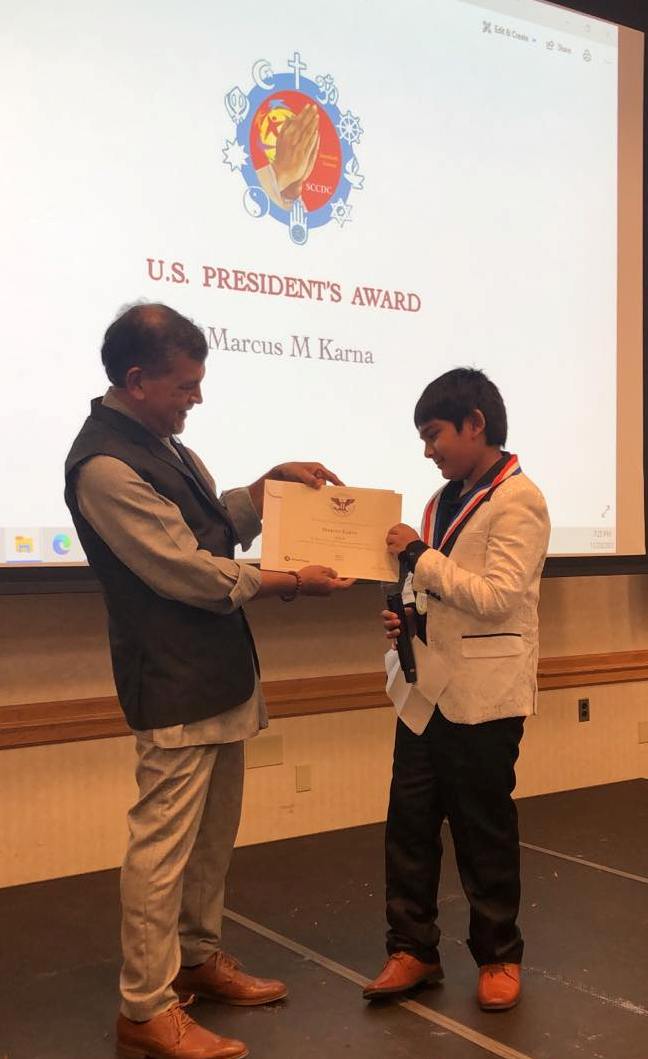
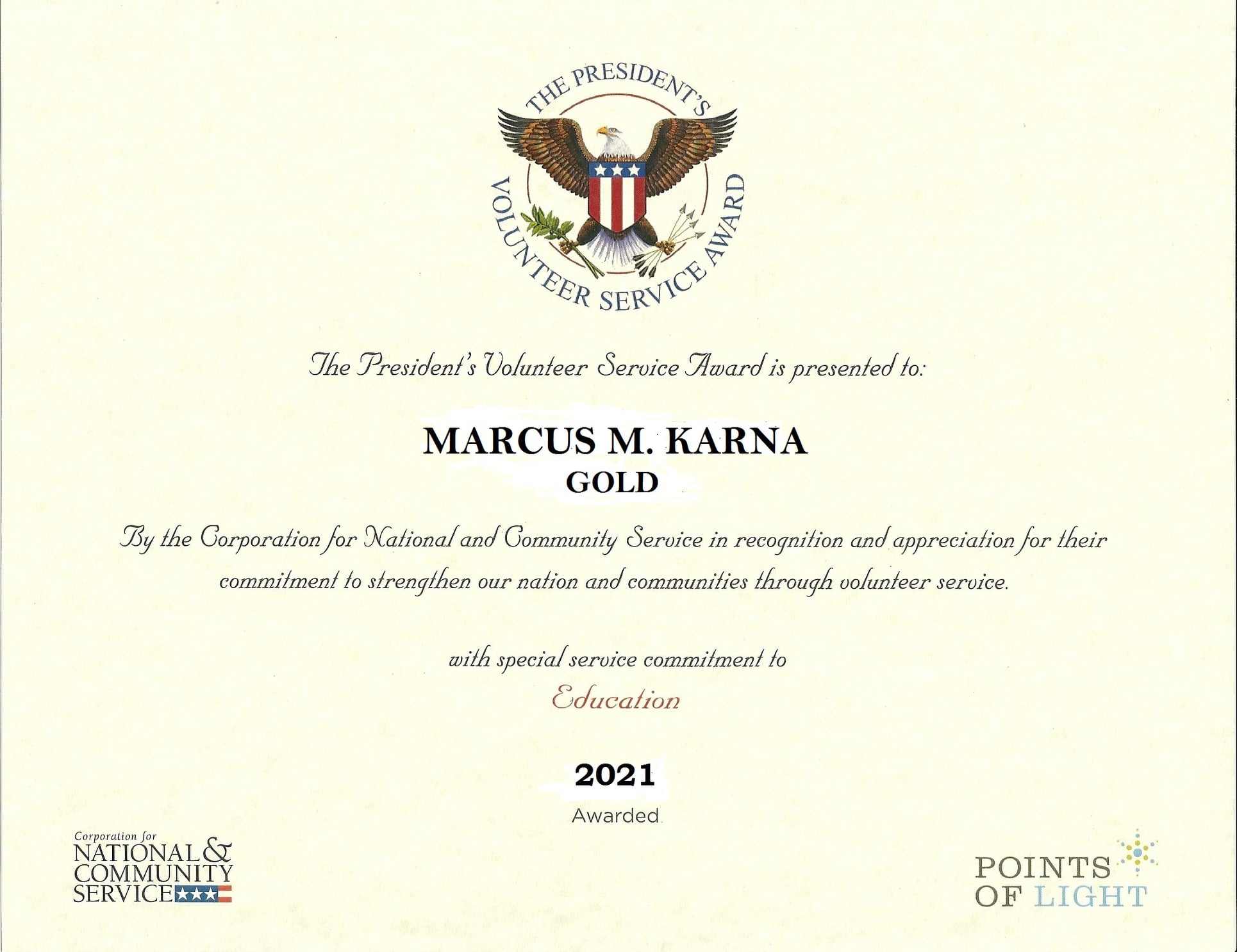
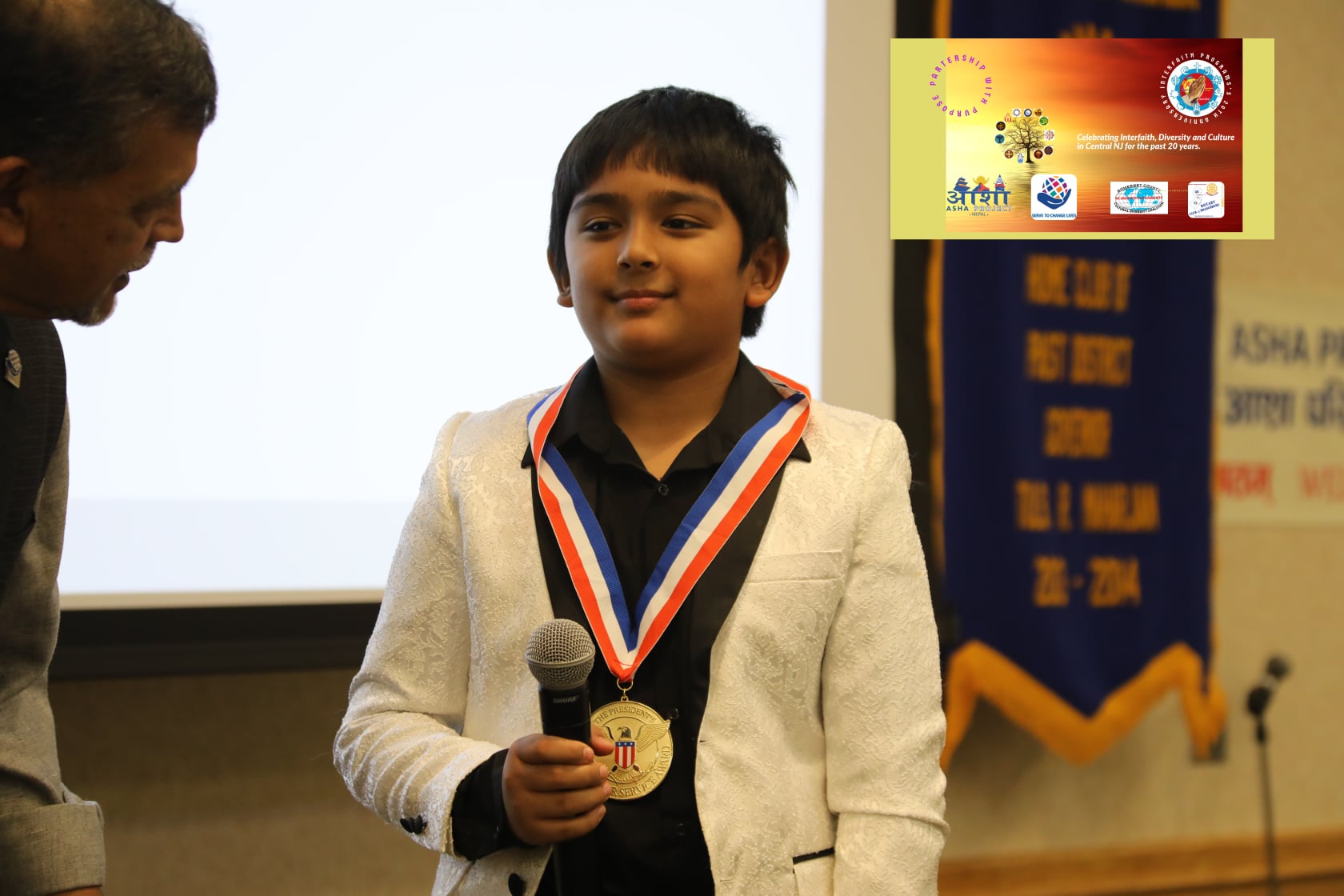
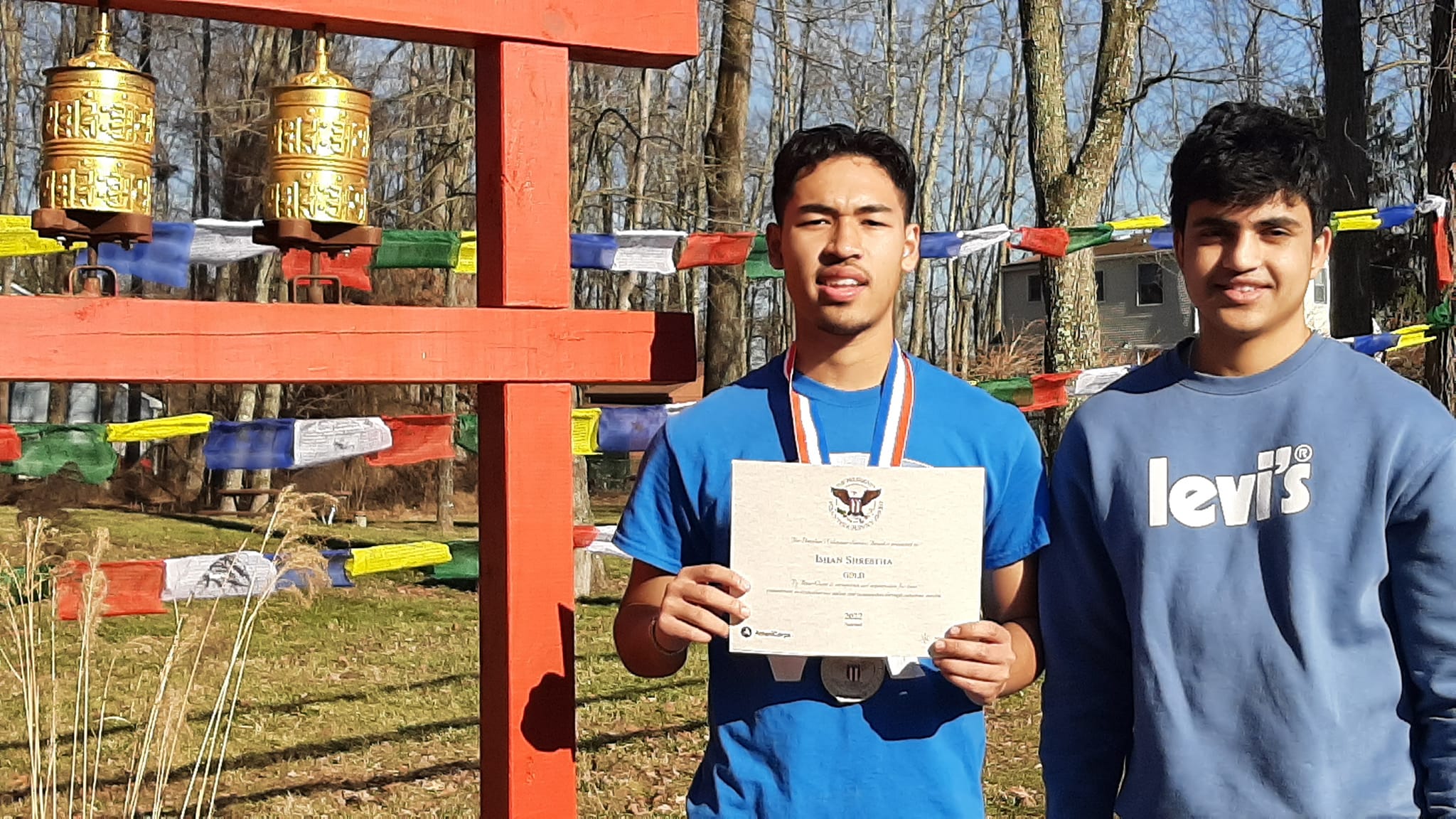
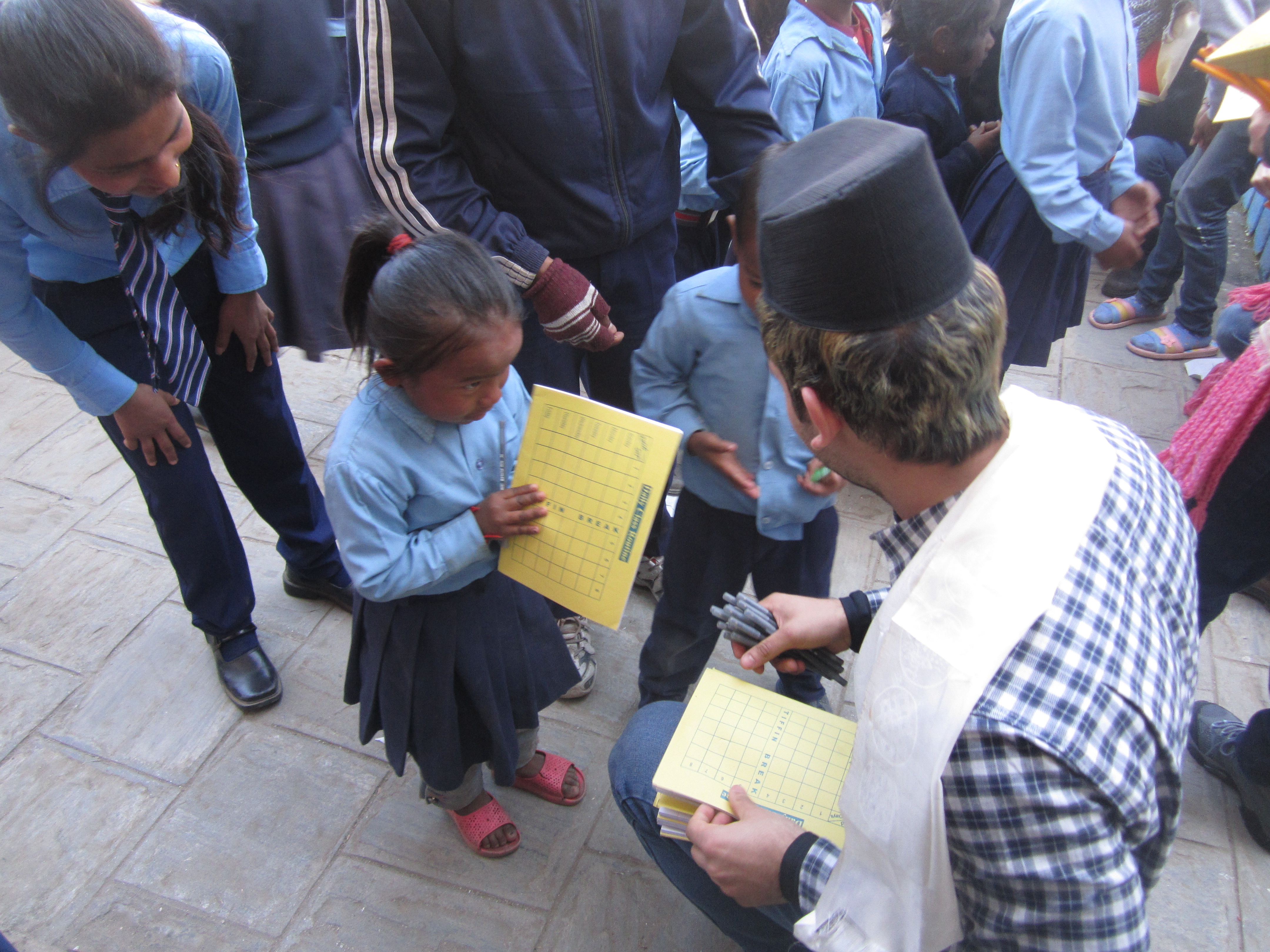
Menuka Udas: I’m very content both professionally and academically. Learning never ends and I am always ready to learn new things and will continue to do so. However, being able to inspire other people, feels more rewarding. I do not need big accomplishments to be proud, every small thing which brings peace, and joy to me is what matters most to me. When my son says, “Mama, I am so proud of you, you are doing this for the Nepalese community,”. That is a big accomplishment because he knows that there are people in the world, who do not have access to the things that he has. He is always ready to volunteer whenever anyone asks him (he is still small to initiate himself). He was impressed when I distributed school supplies to students in Nepalese schools and saw their smiles. In 2021, Marcus received the Presidential Gold Award for Volunteer Service. I’m proud of things like this because I feel like I’m making a difference. Having said that, I am still learning and developing.

As you have lived in Nepal, and now living in the US, and being a part of the Nepalese community, do you think that there is a significant difference between building a community here and building a community back in Nepal?
Menuka Udas: Of course. The mentality. When you’re home, you’re not going to care as much as you would when you’re away. Hence, being in the states, you miss your culture and want to embrace it more because it is unique and different. Back in Nepal, we lack the connection like here in the US. For instance, if we met in public in Nepal, you would be just another ordinary Nepalese person and we probably wouldn’t have known each other. However, because Nepalese people are uncommon here, if I see you, I would definitely approach you. There is more interest.

Do you see a shift in the new generation in regards to being closer to their culture?
Menuka Udas: Of course. As I am involved more and more in the Nepali community, I am seeing the changes in the next generation. They are keen on learning about their Nepali culture/tradition. Maybe as they grow, they try to find out about their roots and that makes them more curious. These kids have so much to learn. They are surrounded by two cultures, not just one. Yes, the older generation has much more knowledge, but the youth are learning. In fact, there were few children when I first arrived. However, the Nepalese youth team is now present, and it is clear that they are more enthusiastic and aggressive in building their community. These young people are the future. I am extremely proud of this generation’s strong Nepalese upbringing in the United States. I feel at ease knowing that people will continue to care for the community and will keep our Nepali tradition alive.

Your kids are being brought up in America with a strong Nepalese background, what is one piece of advice that you would leave behind to them or in general to future generations of Nepalese and why?


I was never forced to love Nepal, nor did I ever force anyone. All my passion came from the heart because I wanted to leave a footprint in the world. I want to remind my kids, and the future generation that Nepal isn’t the only country they should advocate for; the United States of America is also home to them. Be sincere. Make both cultures known. Make each nation proud. Don’t give up. Try to do something better for the world.

Menuka Udas

Interview by: Ms. Pragya Shrestha

Partnership with Purpose

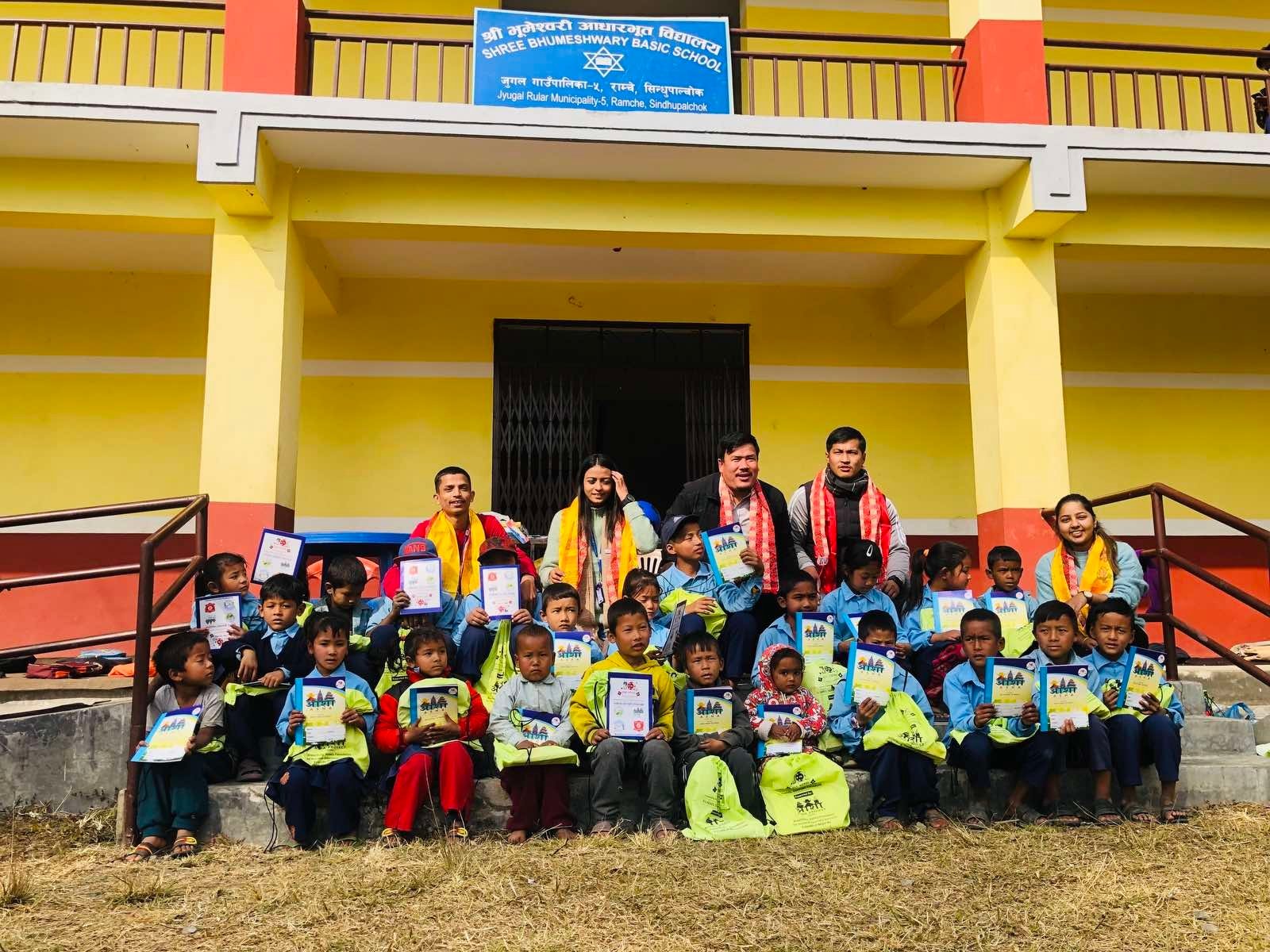
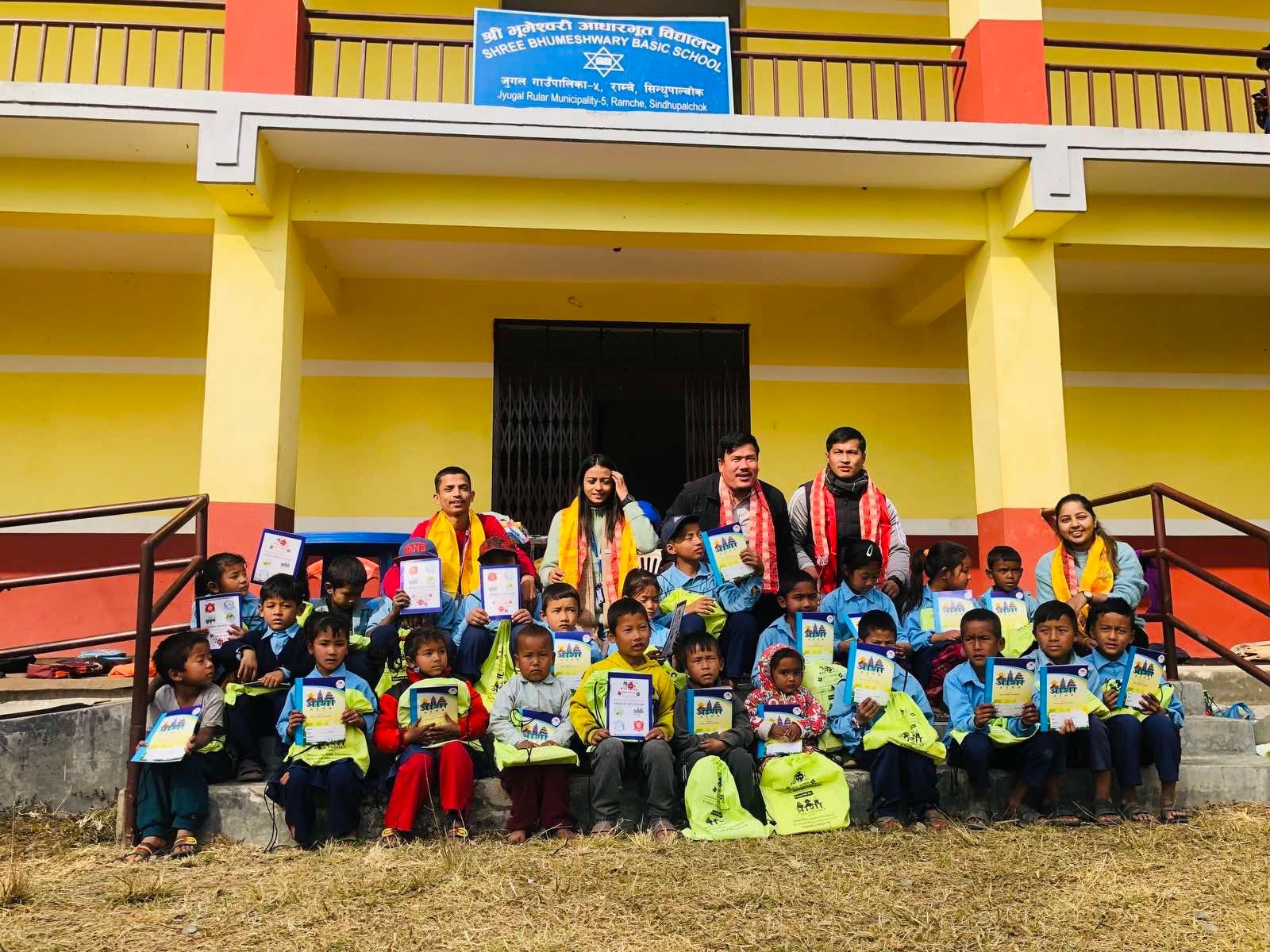
Helping SAMATA SCHOOL in Nepal

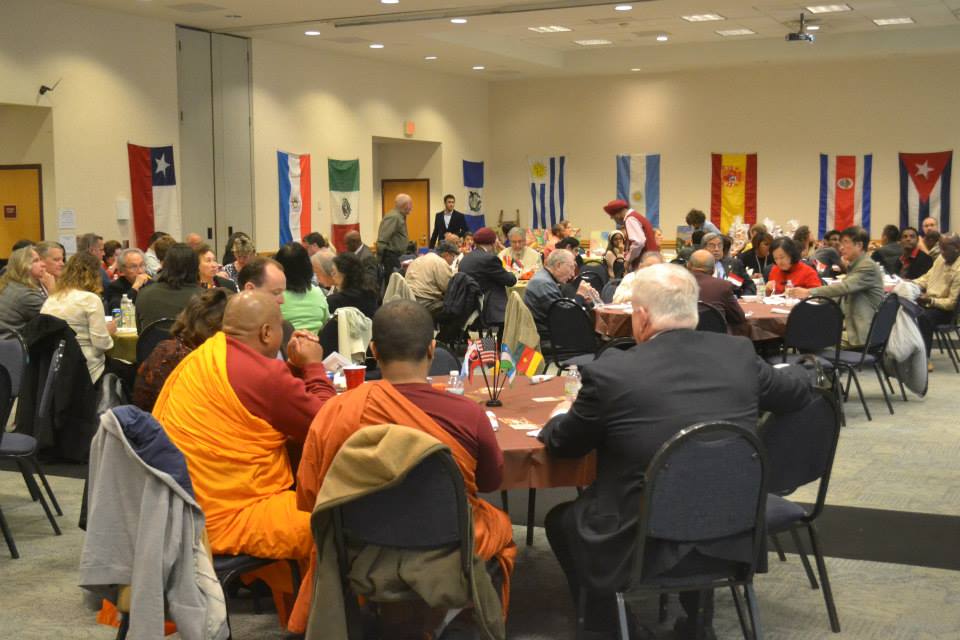
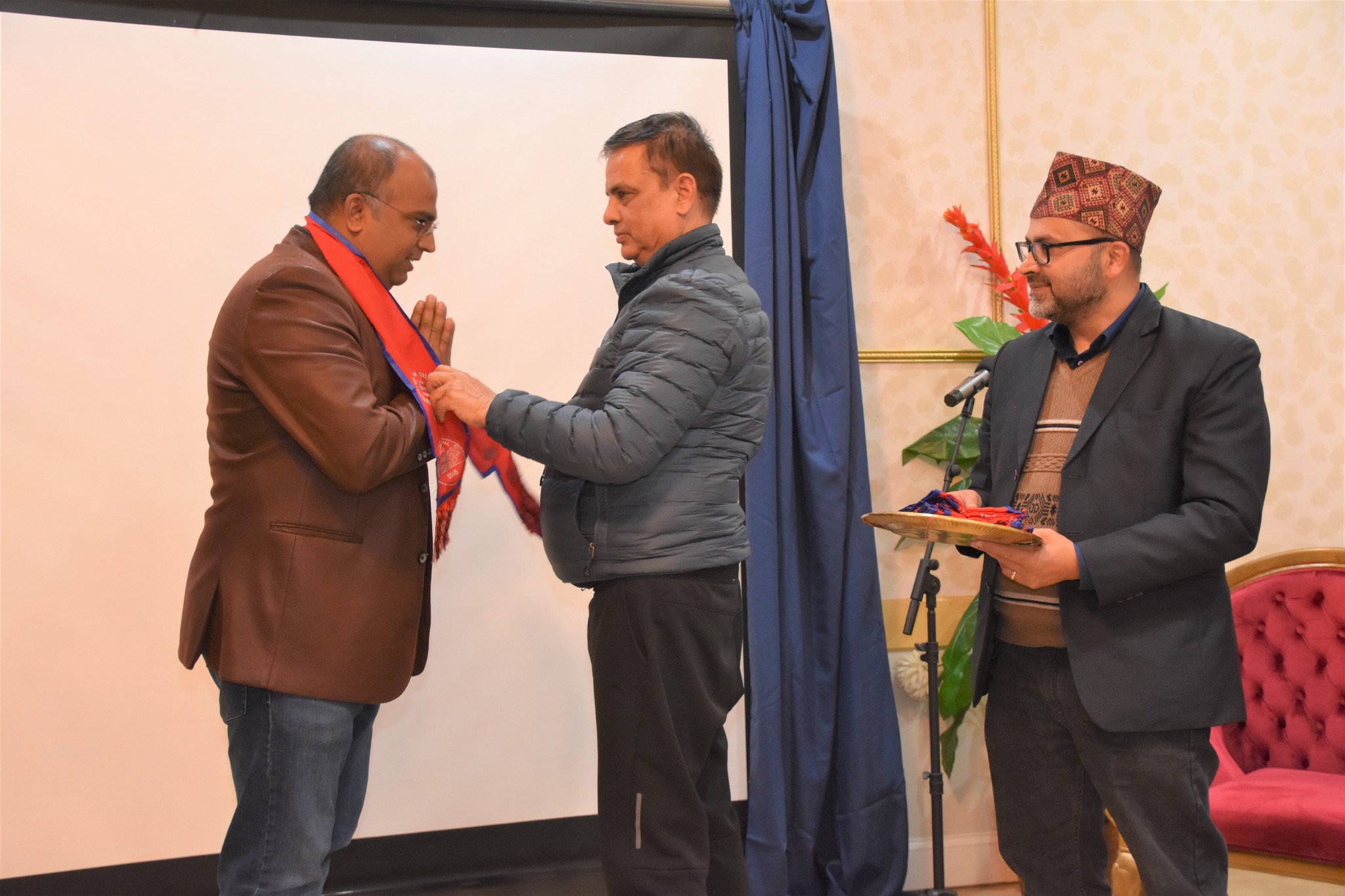
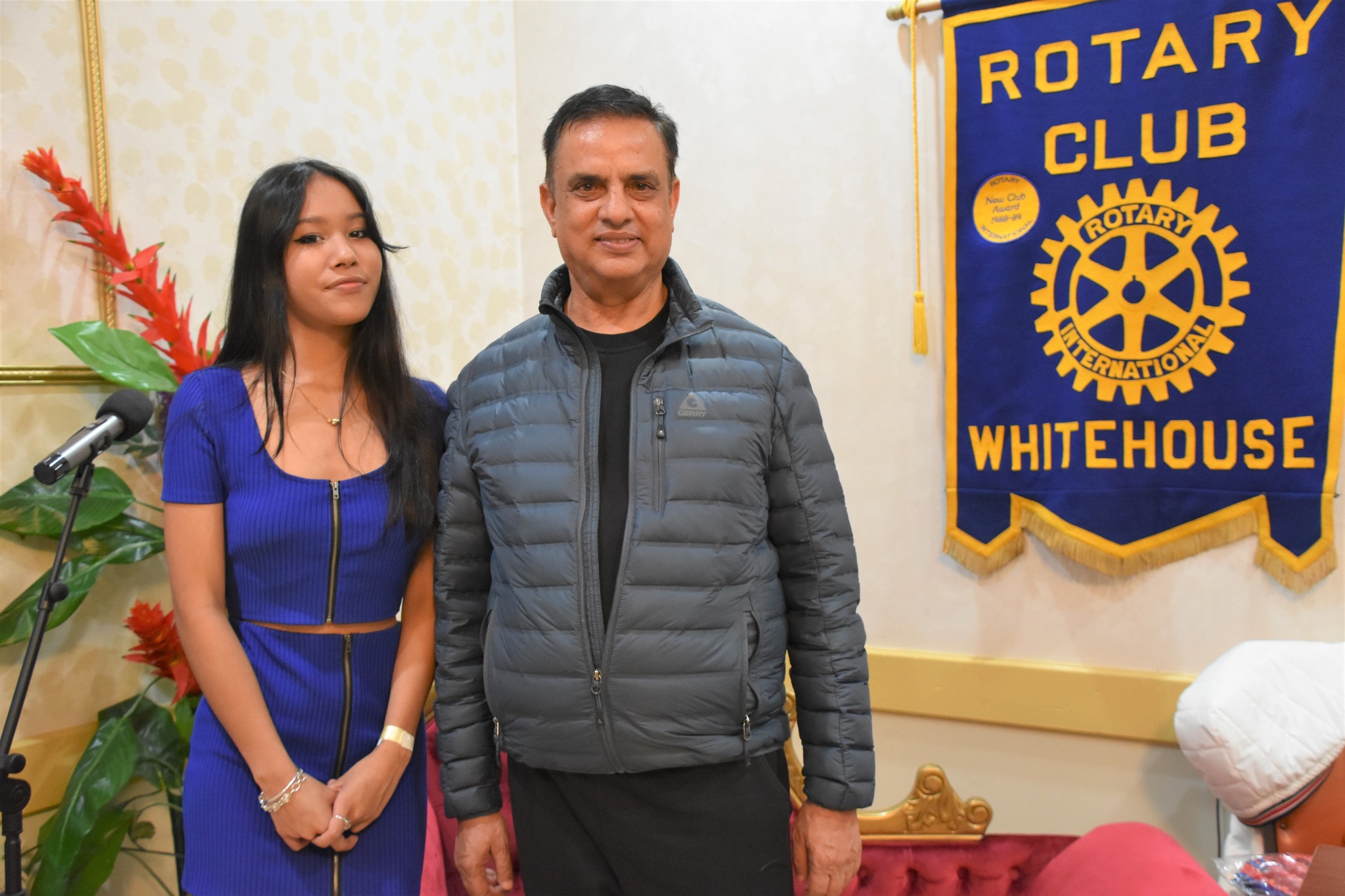
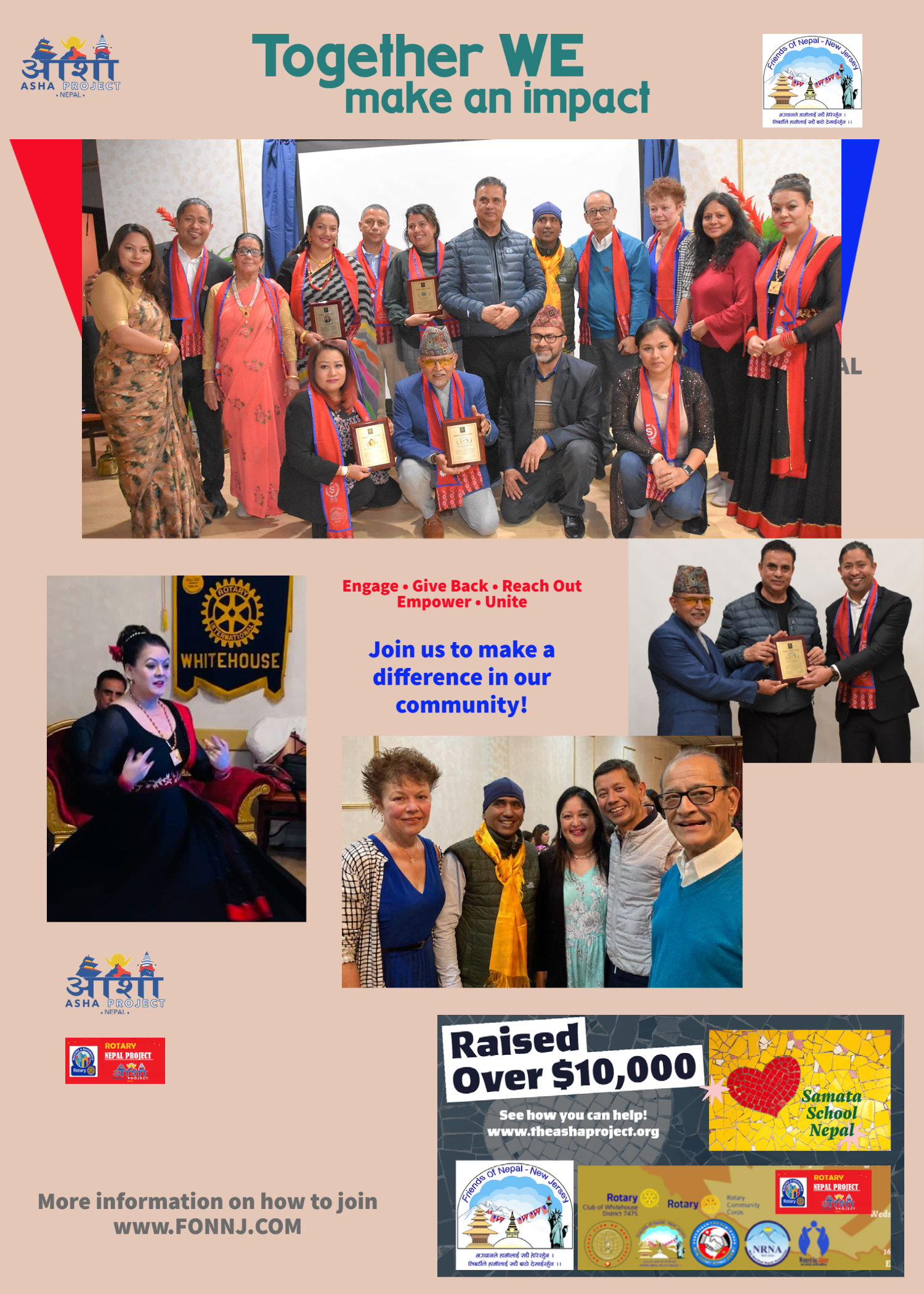
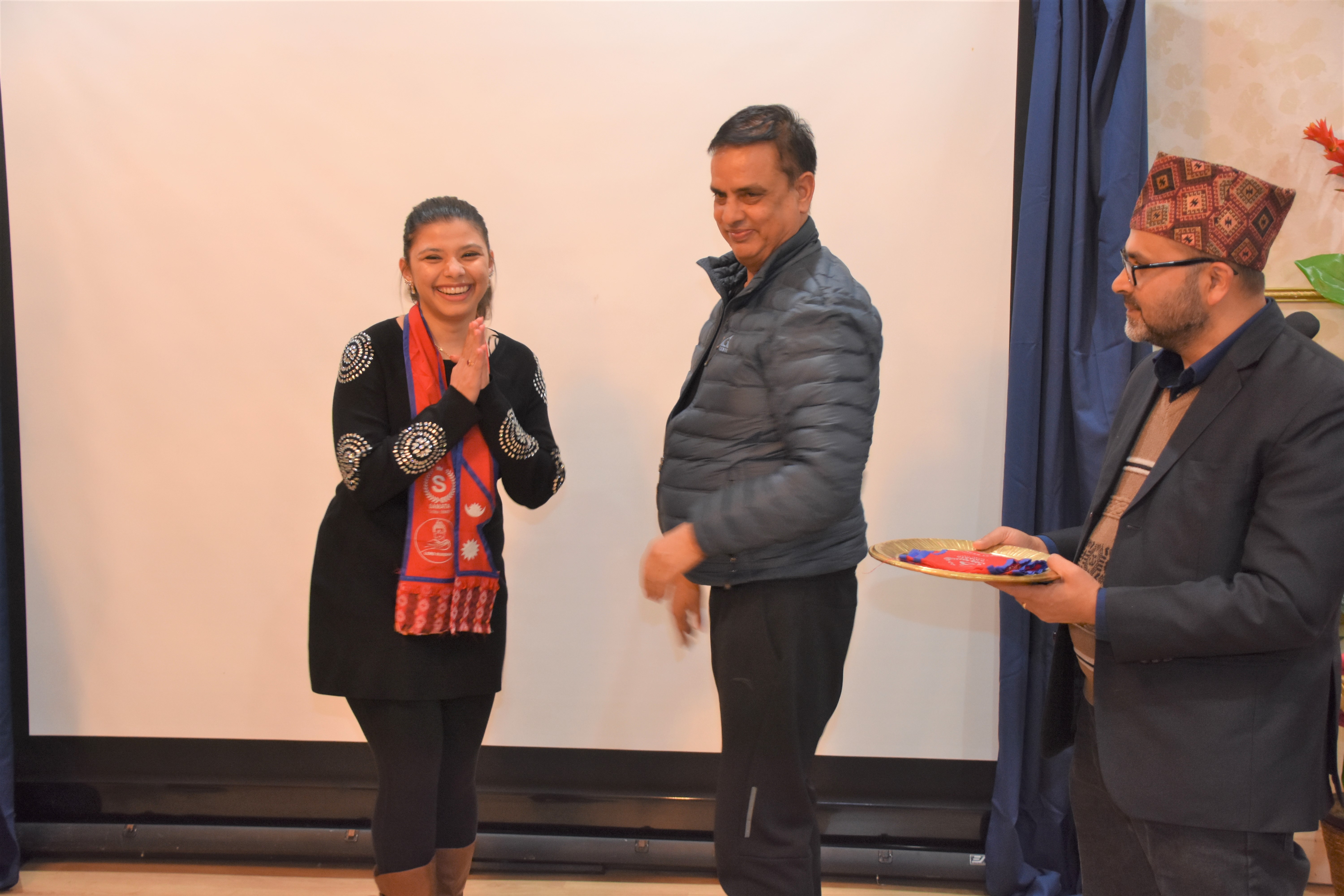
It was wonderful to see how Nepalese community groups coming together to make a difference in the lives of those who are less fortunate than us. On Wednesday, November 16th, 2022, seven organizations came together to help the Samata School in Nepal to raise more than $10,000 for the school foundation.

It was a Wednesday night and my parents asked me if I wanted to attend a Nepali program. Me being the curious guy I asked what the program was about, and they said it’s a Nepali Samata school event. Then I thought to myself it seems interesting why not attend.

Samata School is a community school where students from nursery to 10th grade pays Rs.100 per month which is less than $1 a month.

It was quite overwhelming to see more than 200 people packed in a small restaurant. Organizers had not expected to see that many people since it was planned only week before. This is what I call partnership with purpose.

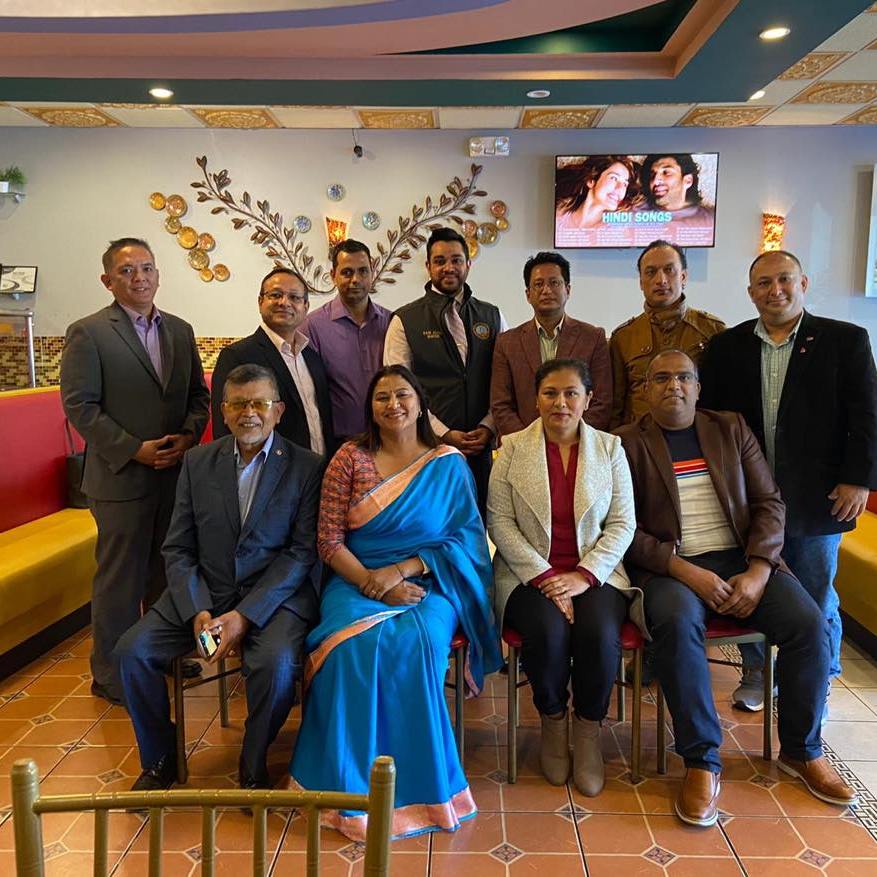
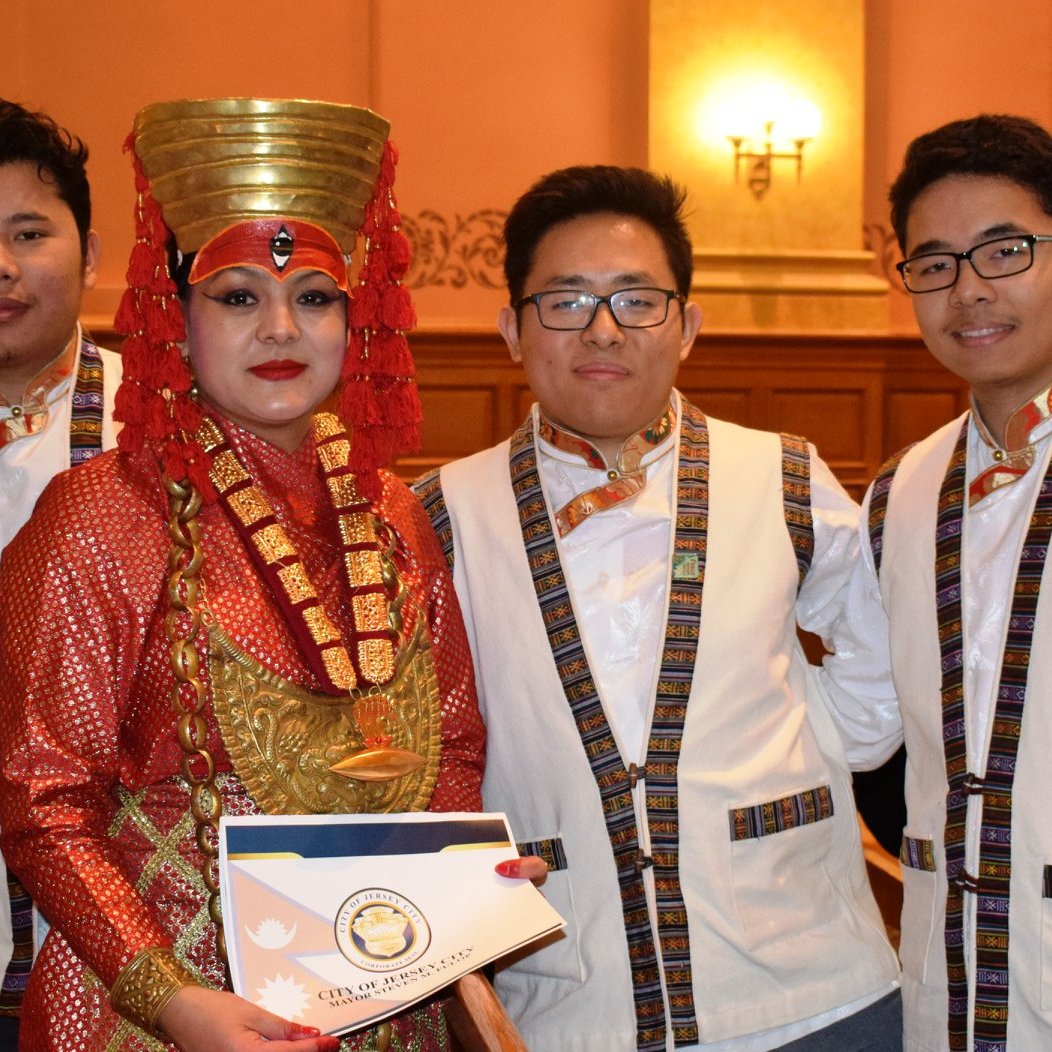
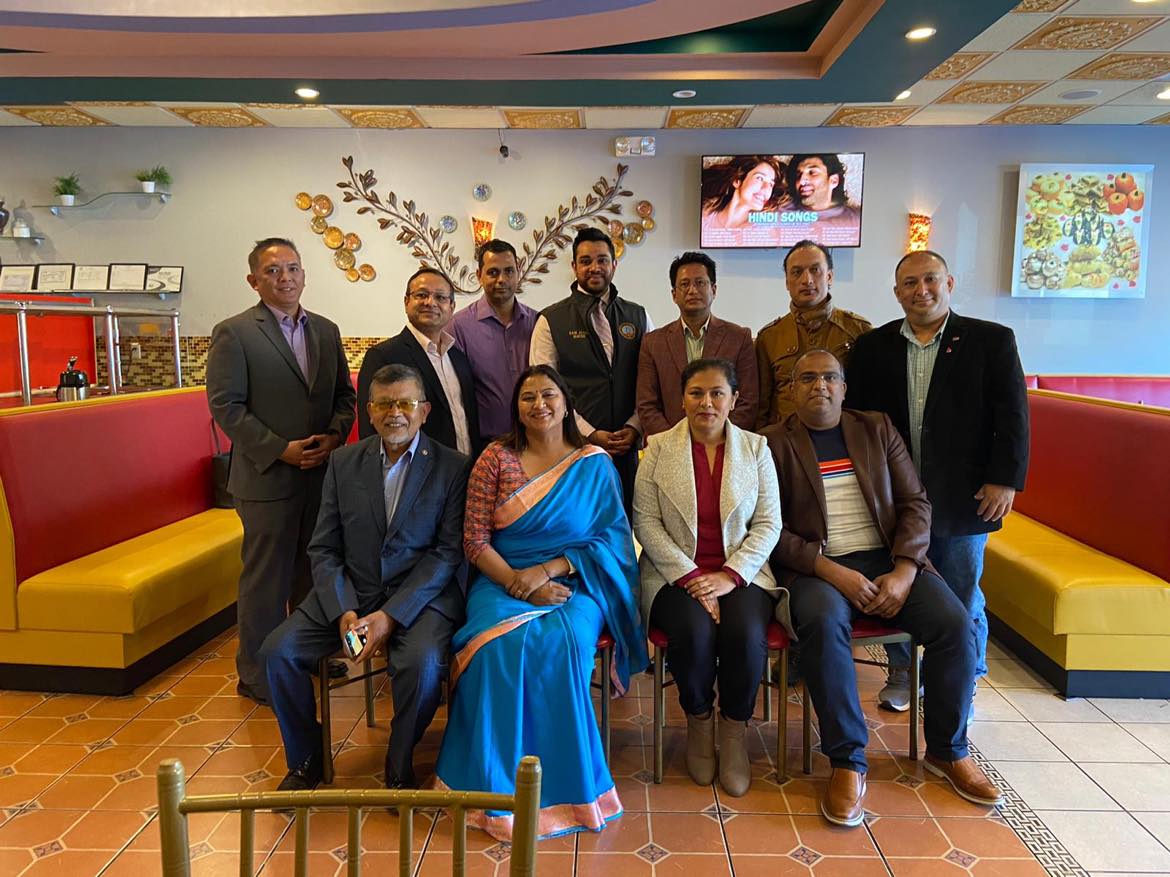
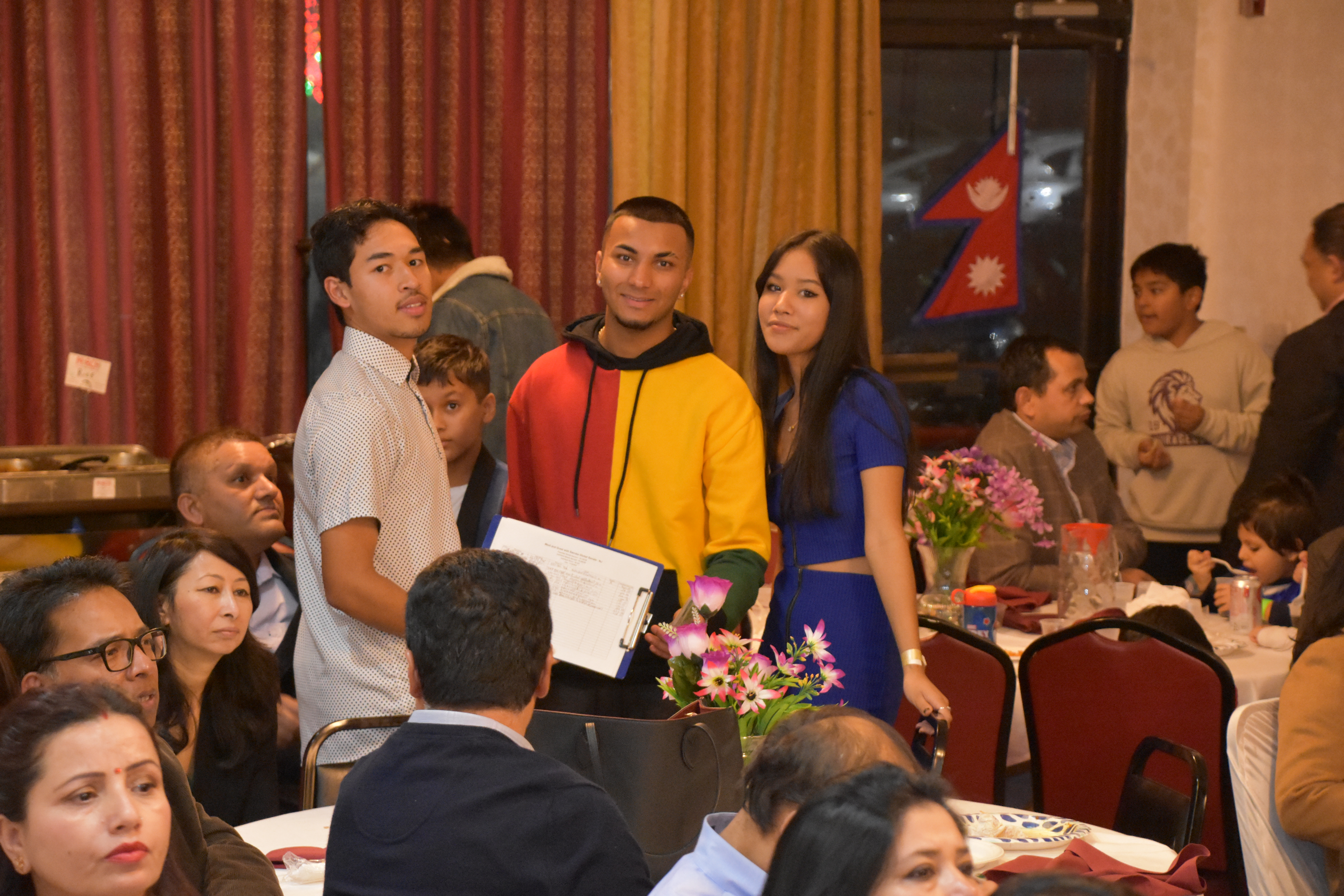
Our Youth Leadership Team members were also recognized at this event for their many hours of community service work. If any young people want to join the Youth Leadership Team, a joint project of the Friends of Nepal-NJ and Rotary International’s Interact club, you can contact fon.newjersey@gmail.com.

The history of how this SAMATA SCHOOL started and how it is helping young people to get higher education is very interesting. You can join their Facebook group and see how they are making a difference in Nepal. https://www.facebook.com/SamataSikshaNiketan100RsBambooSchoolNepal/

After hearing their presentation, I decided to join the Youth Leadership Team to help make a difference in our community and communities around the world. I am very glad that I attended this event, even it was a school day next morning.

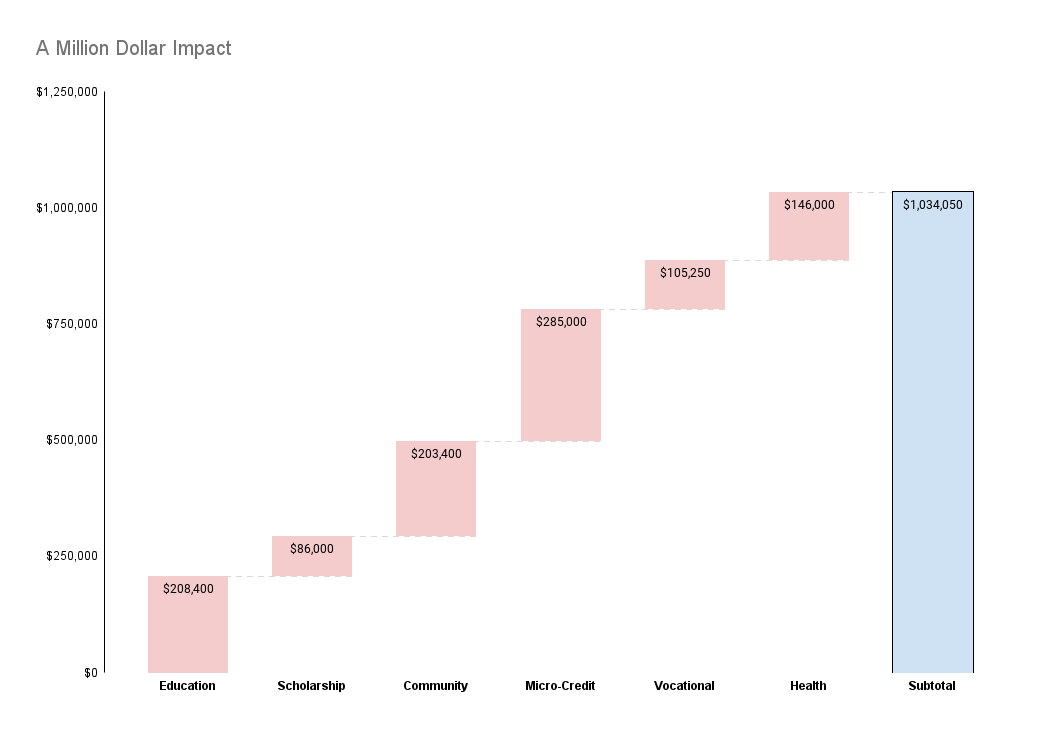
I found the presentations were inspirational, I saw how these amazing people are helping schools, students, and poor people in Nepal. I was interested right away to help anyway I can. After the presentation we talked with some friends and then left. In the car, I asked how I could help the Nepali community here and Nepal. My dad then told me about the Friends of Nepal-NJ and their three decades of humanitarian work in Nepal. How they have completed more than one million dollars’ worth of projects and how I could volunteer with the organization to gain leadership experience. I can’t wait to volunteer and help out the Nepalese community.

FONNJ & ROTARY international collaboration and its Impact

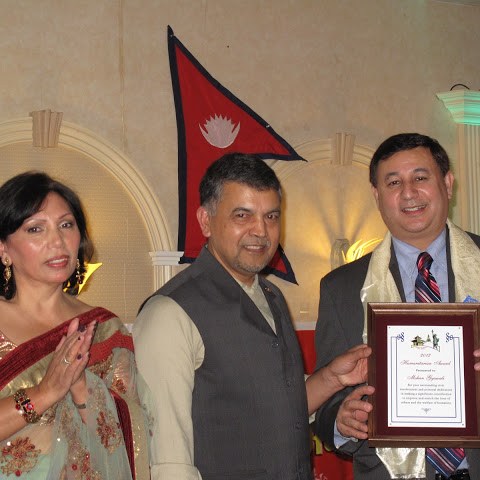
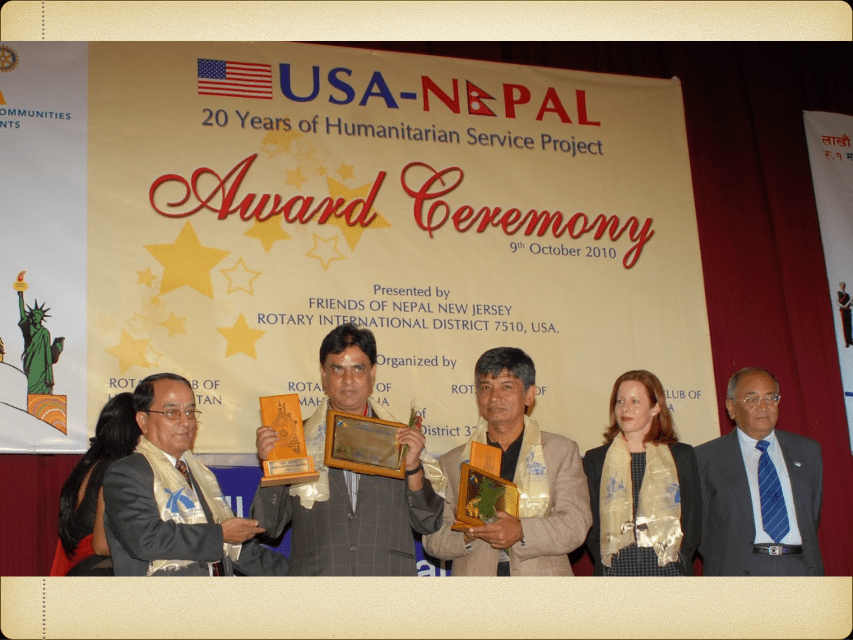
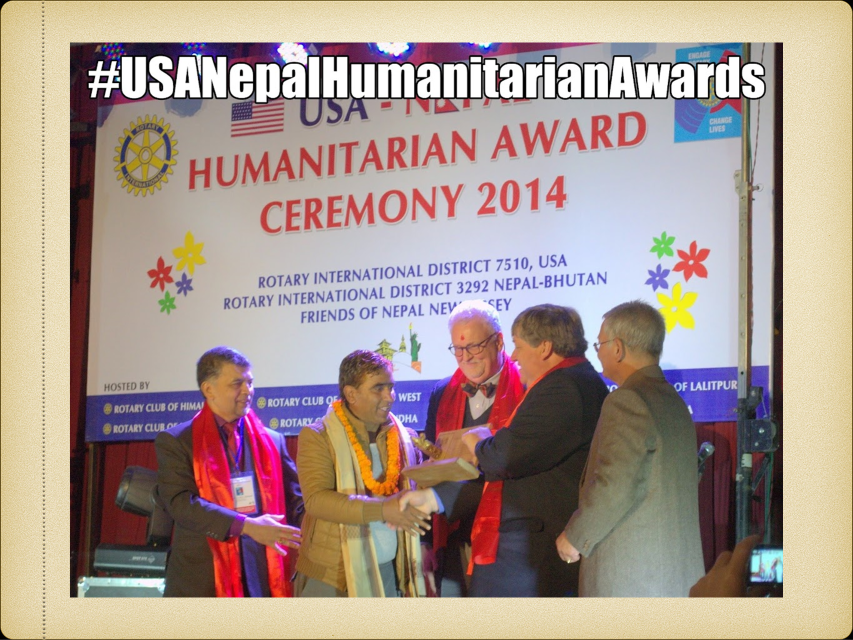
FONNJ had also honored Samata school Founder and Advisory Board members during their USA-Nepal Humanitarian Award ceremony in Nepal.

The key to creating successful partnership with purpose is to work together and having similar mission and purpose to impact our community. When we work together with a similar purpose, we can make a difference”.

Dr. Tulsi R. Maharjan, Founding President of the FONNJ

Aavash Lamichhane contributed part of the story for this article. Thank you, Aavash,

The Asha Project

Providing Hope and Opportunities for the last three decades.

By Aavash Lamichhane is a Youth Leadership Team member who wants to pursue a computer since degree when he graduates high school.

I have always been passionate about giving back to my community and changing the world as a teenager. I knew I had to become involved, as soon as I learned about the Friends of Nepal – New Jersey’s Youth Leadership Volunteering opportunity, I joined the group. Here is my first observation of the Asha Project’s three decades of service in Nepal.

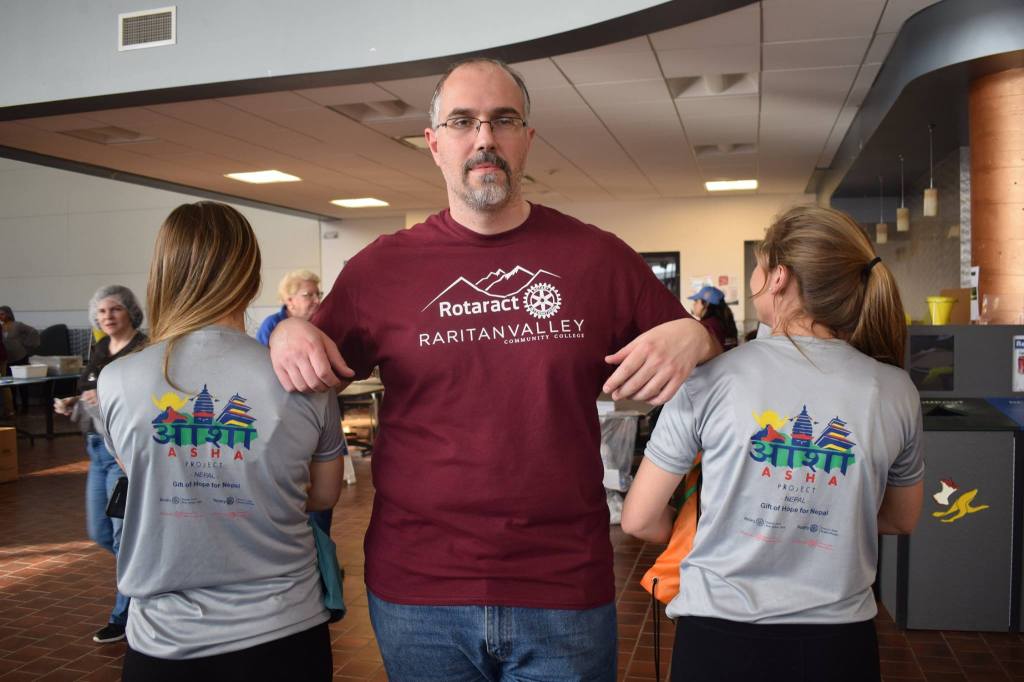
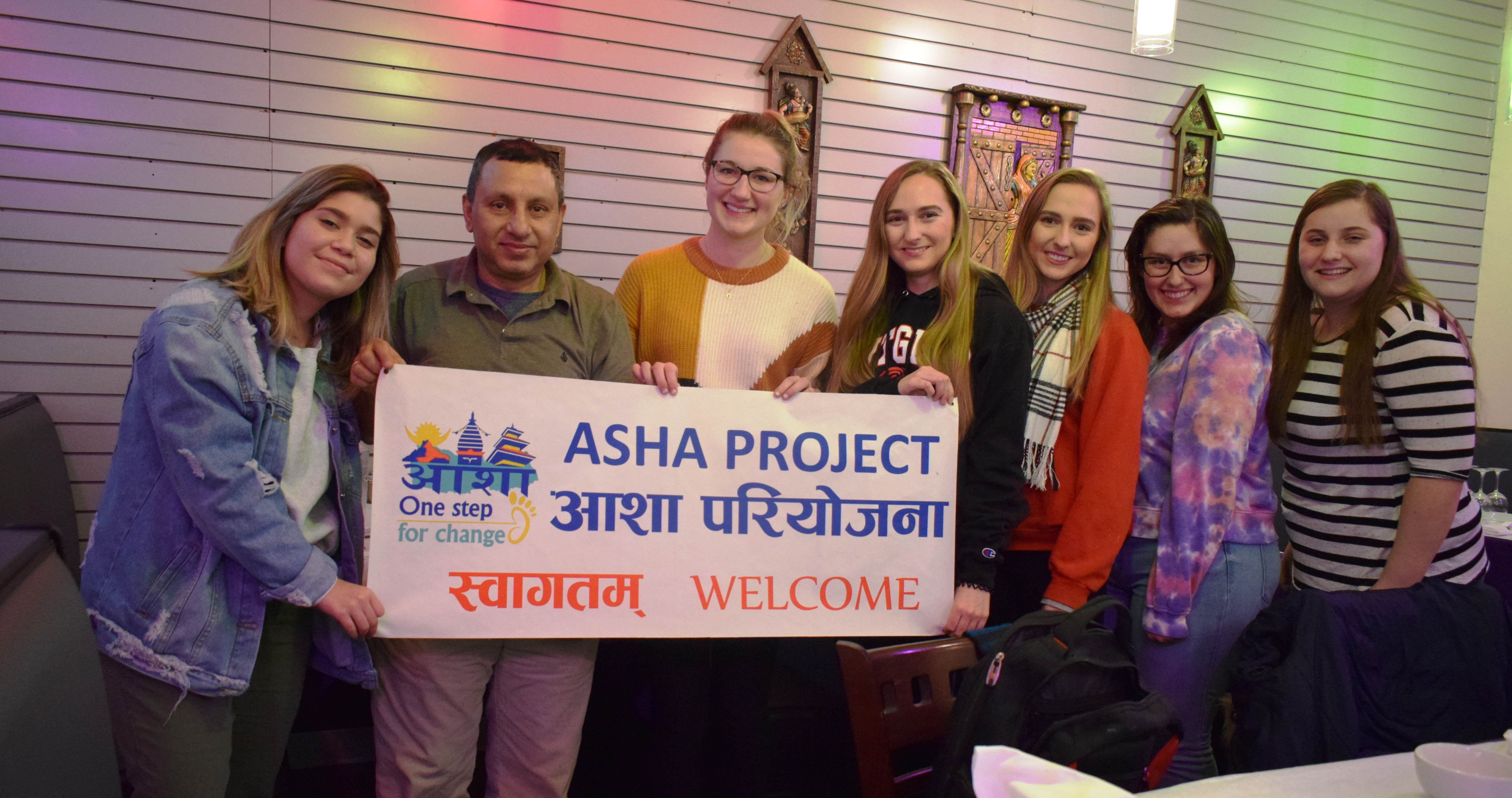
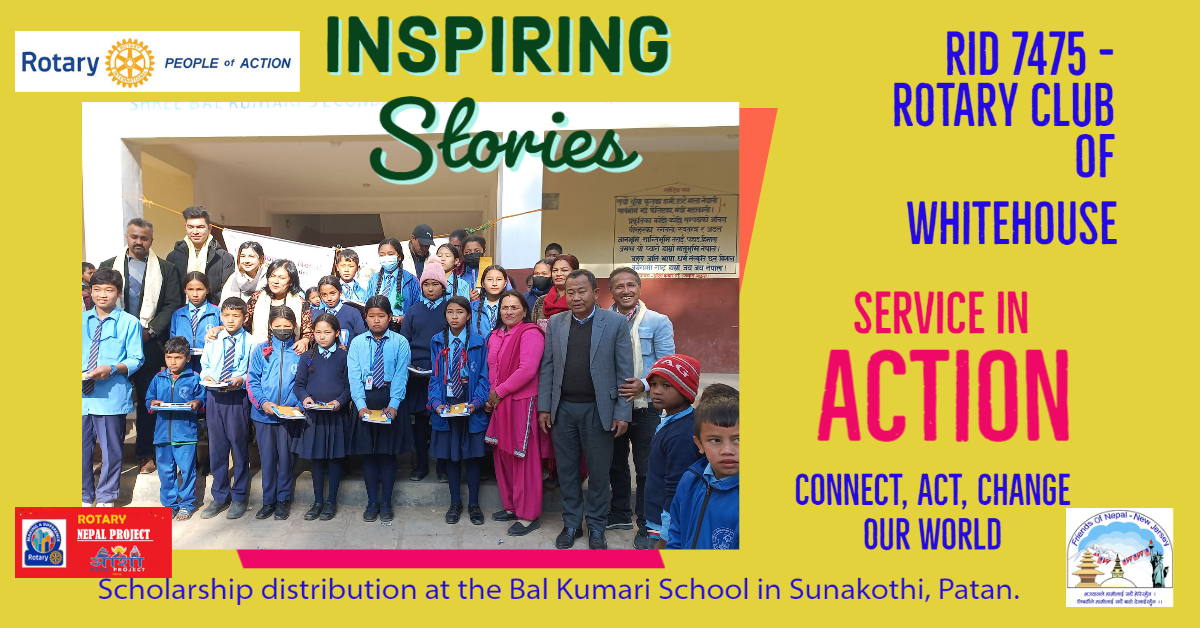
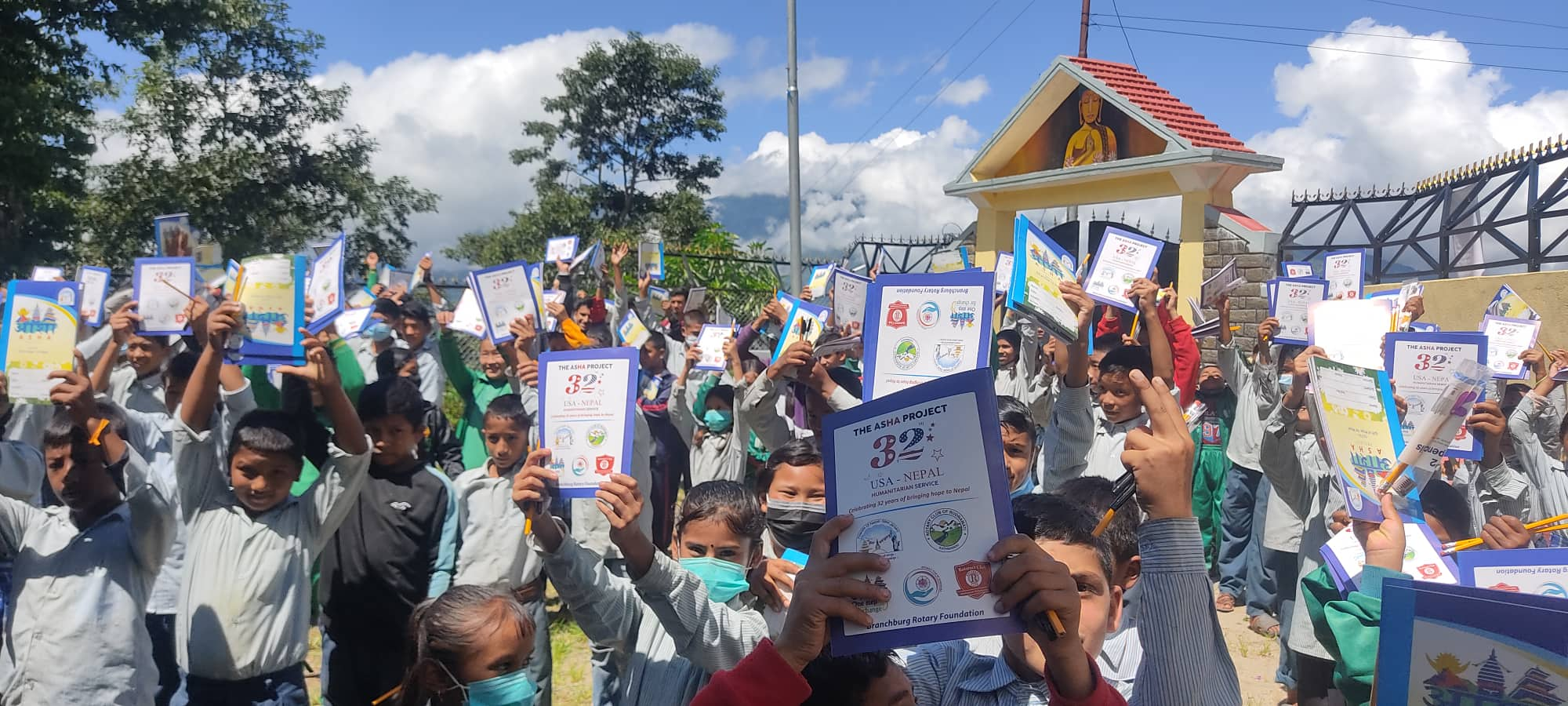
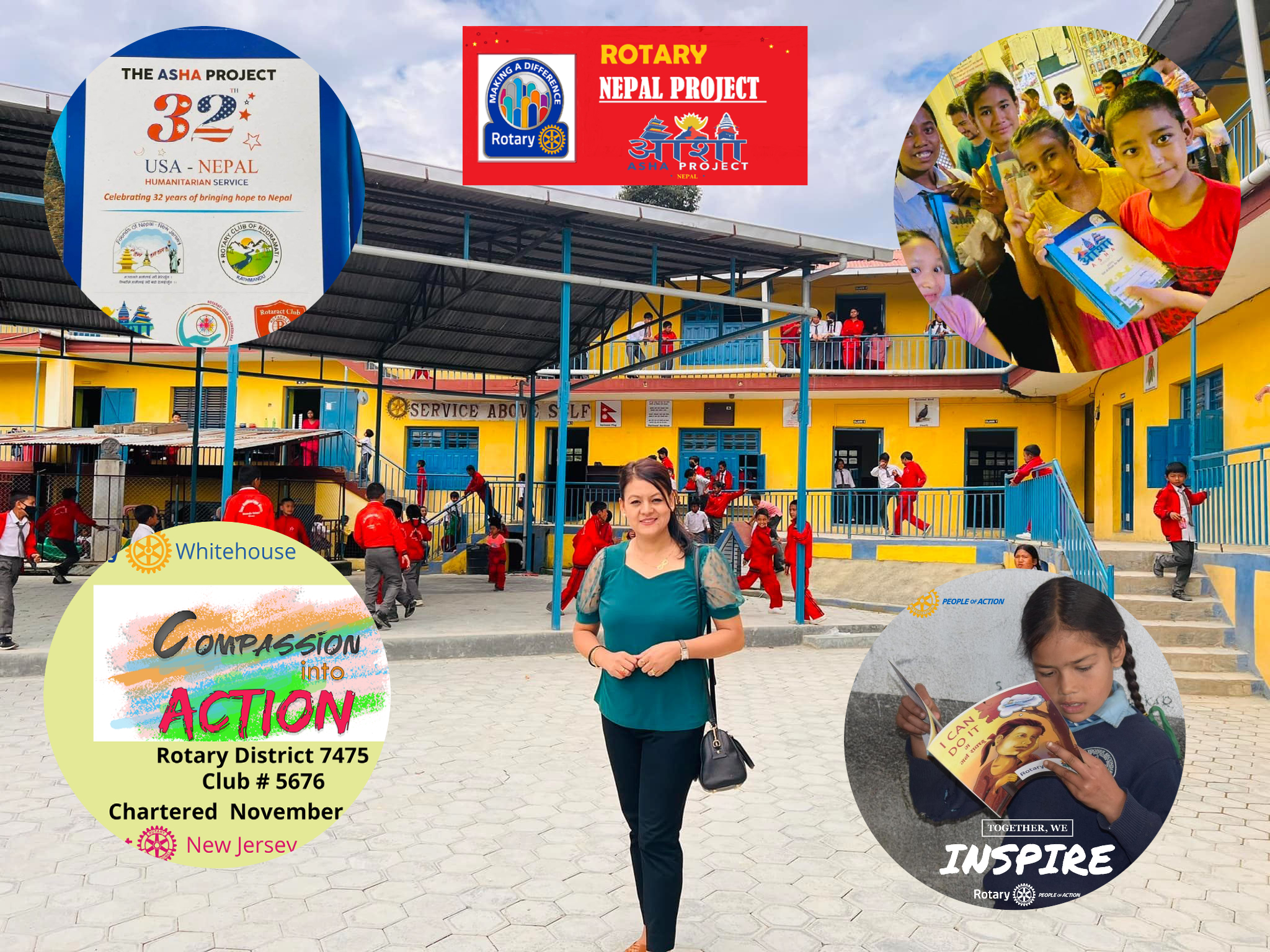
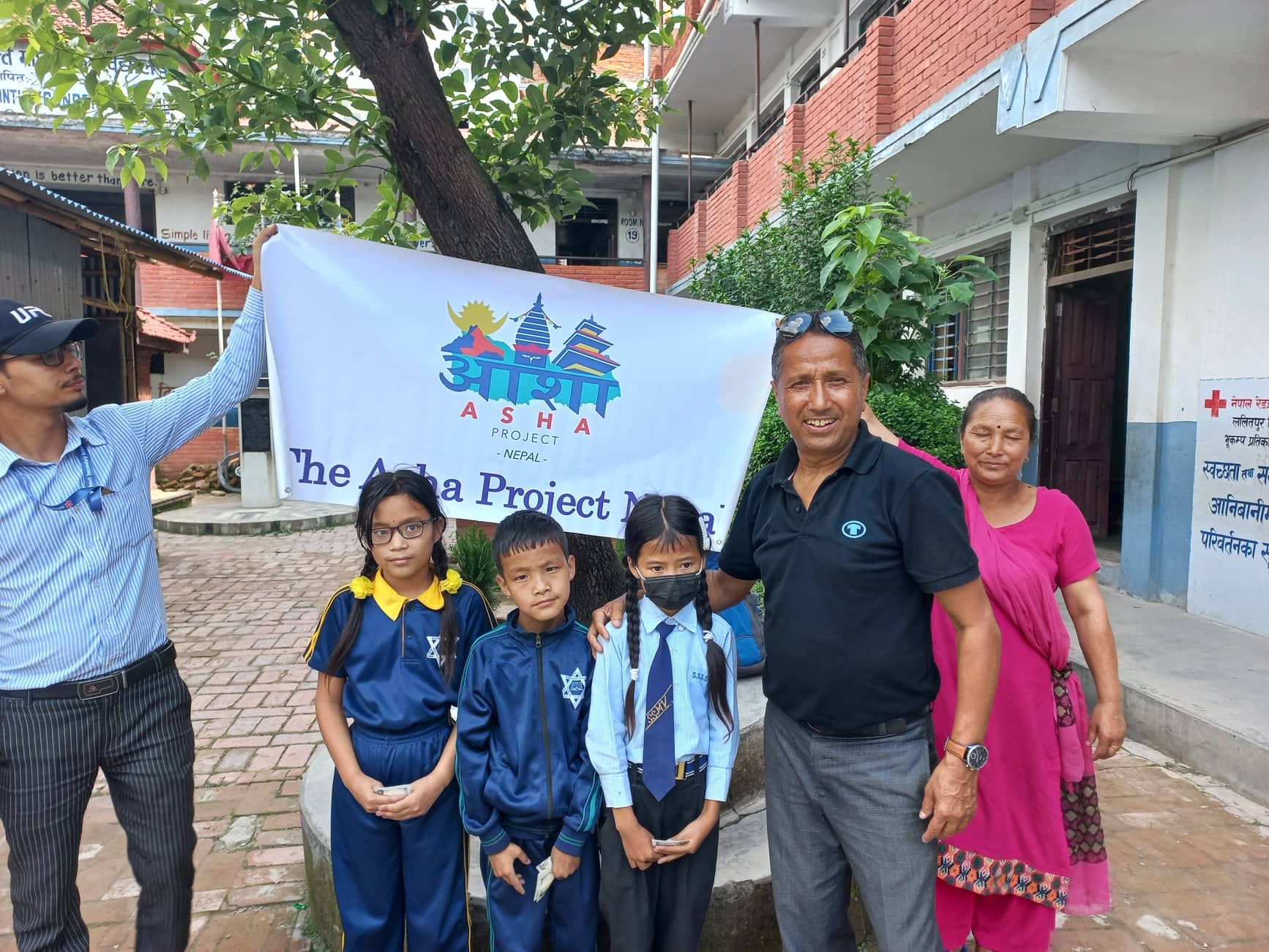
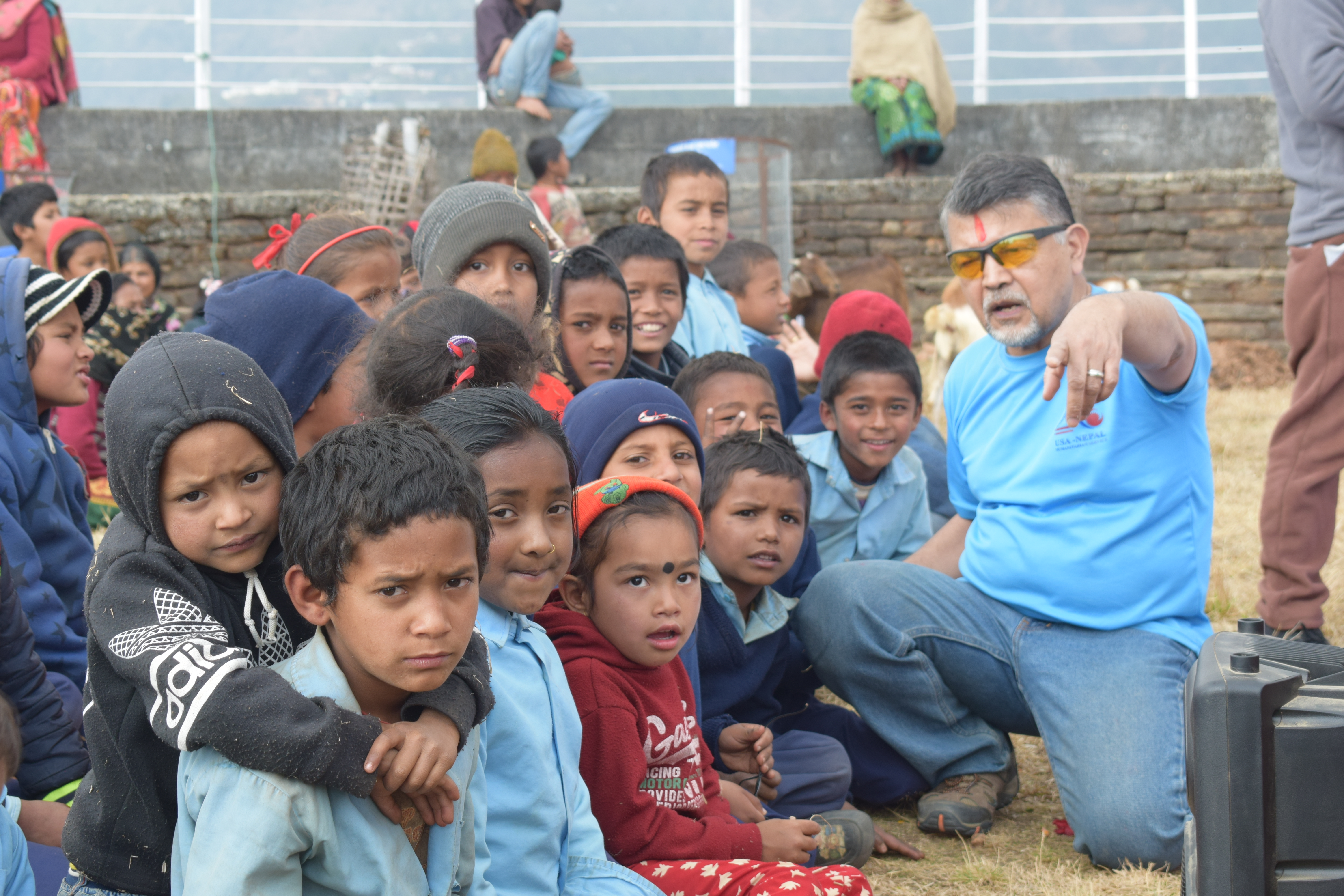
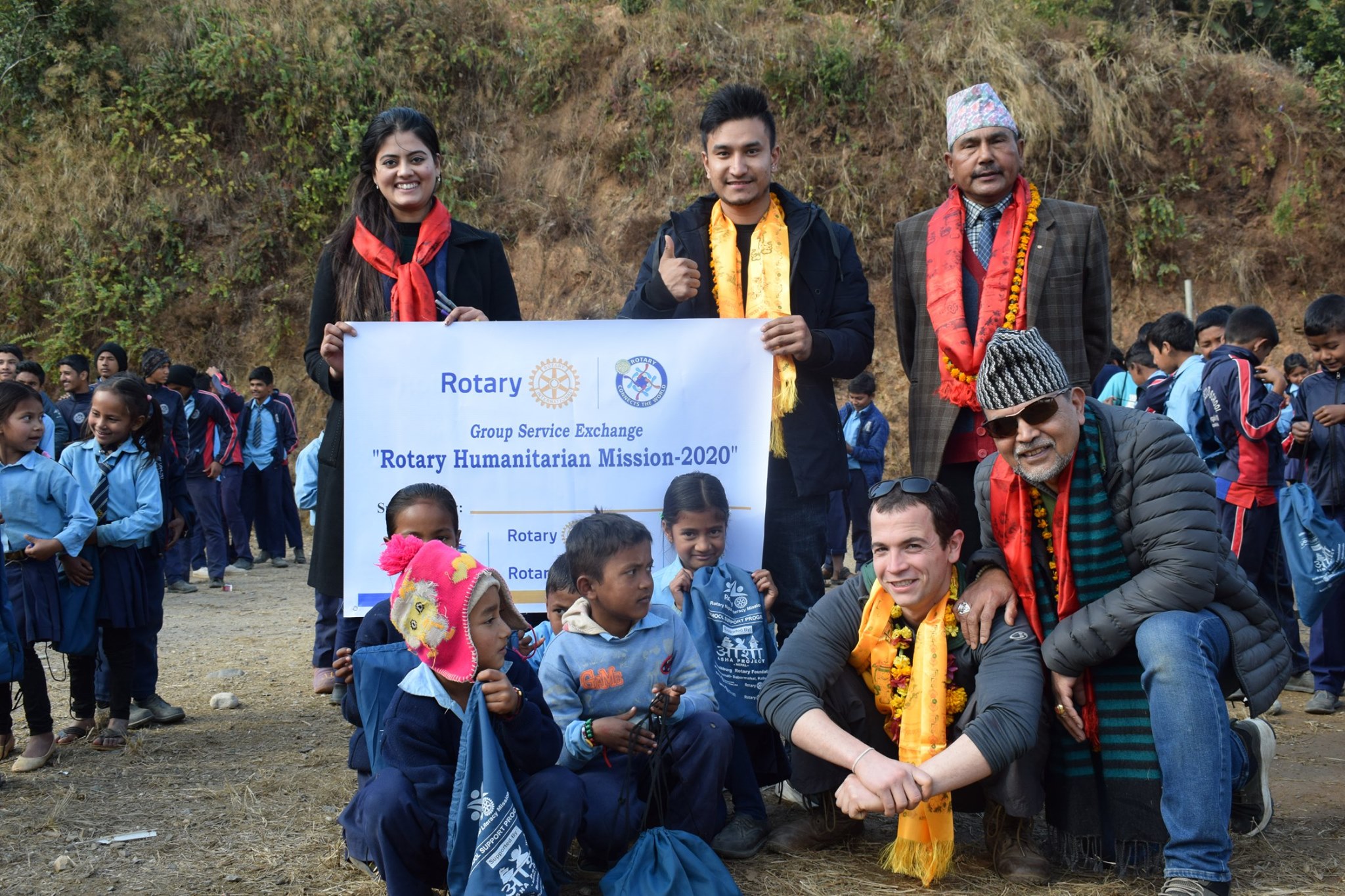
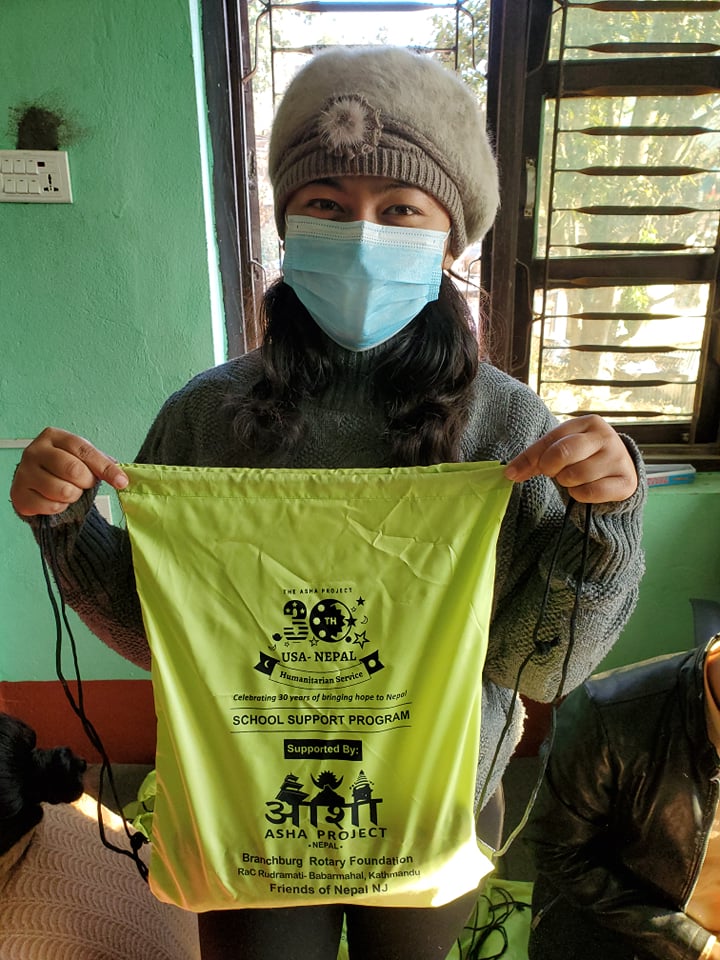
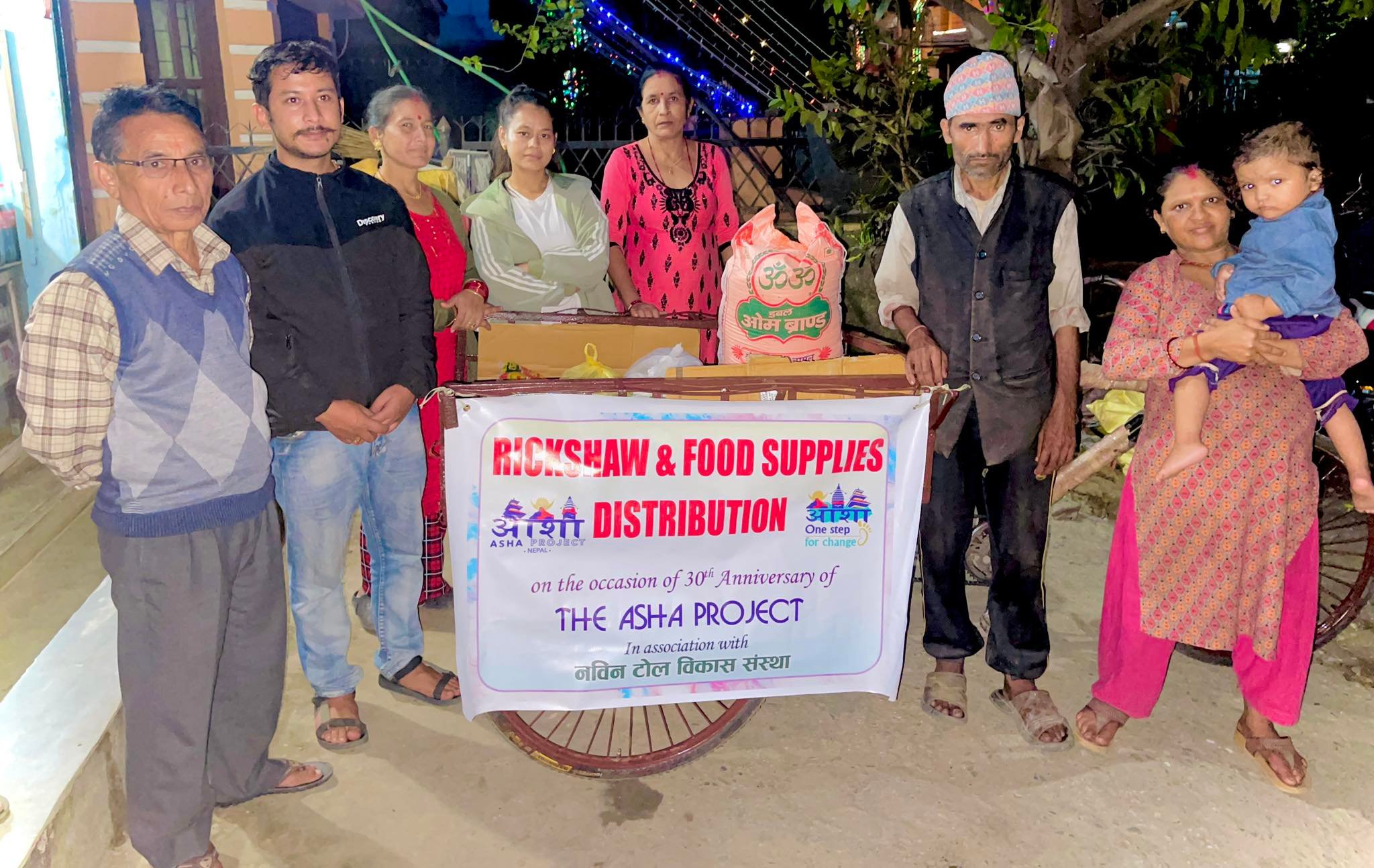
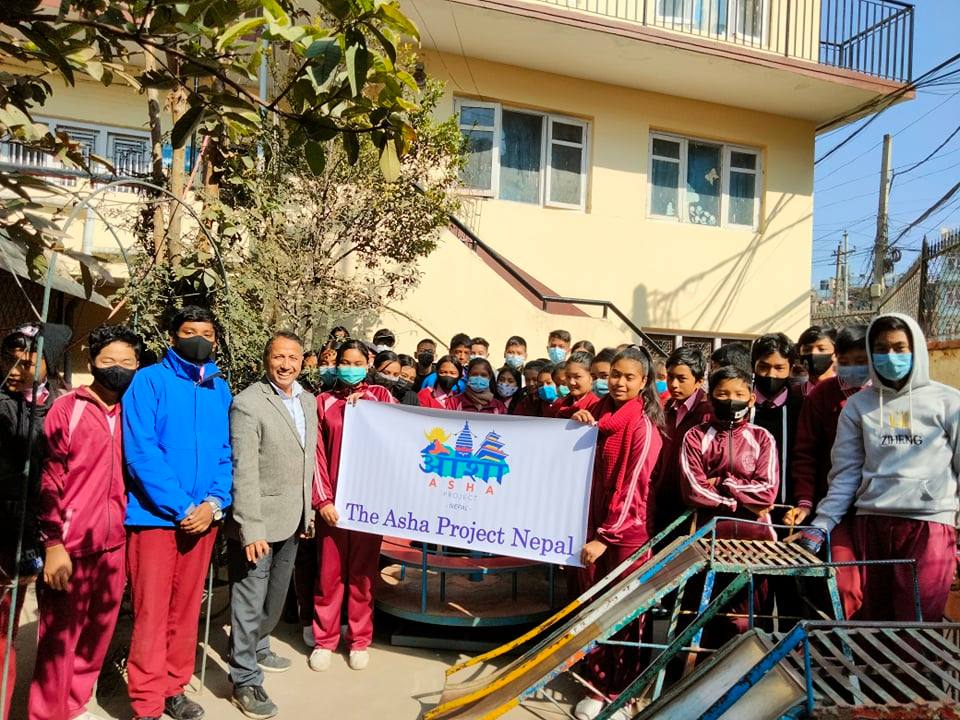
The Asha Project (a joint FONNJ and Rotary project) has been providing hope and opportunities to thousands of poor people of Nepal for the last 32 years. The organization was founded by a group of Nepali community people in New Jersey who wanted to make a difference in the lives of the poor people in Nepal by providing access to education, health and microcredit and other community development projects.


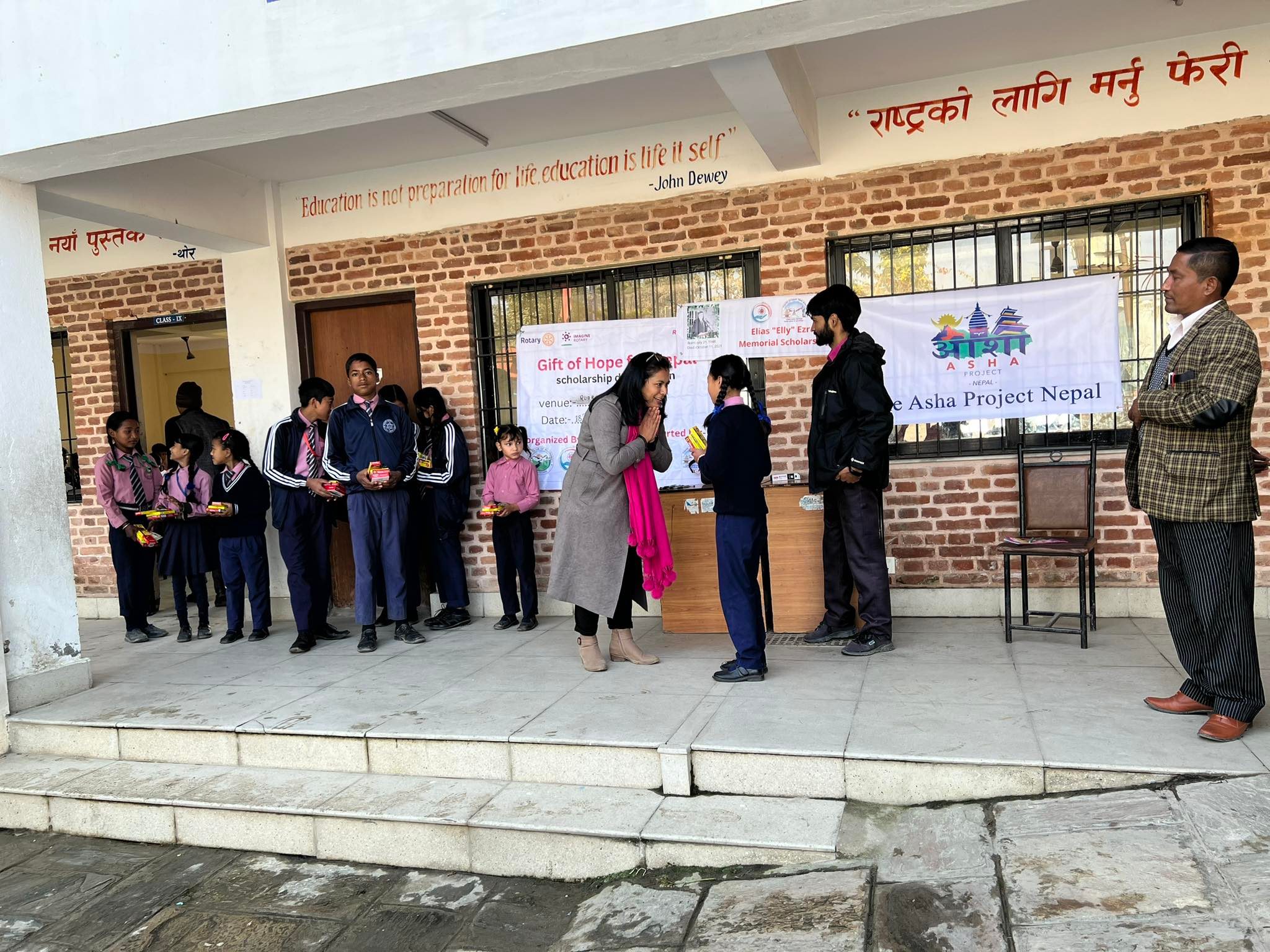
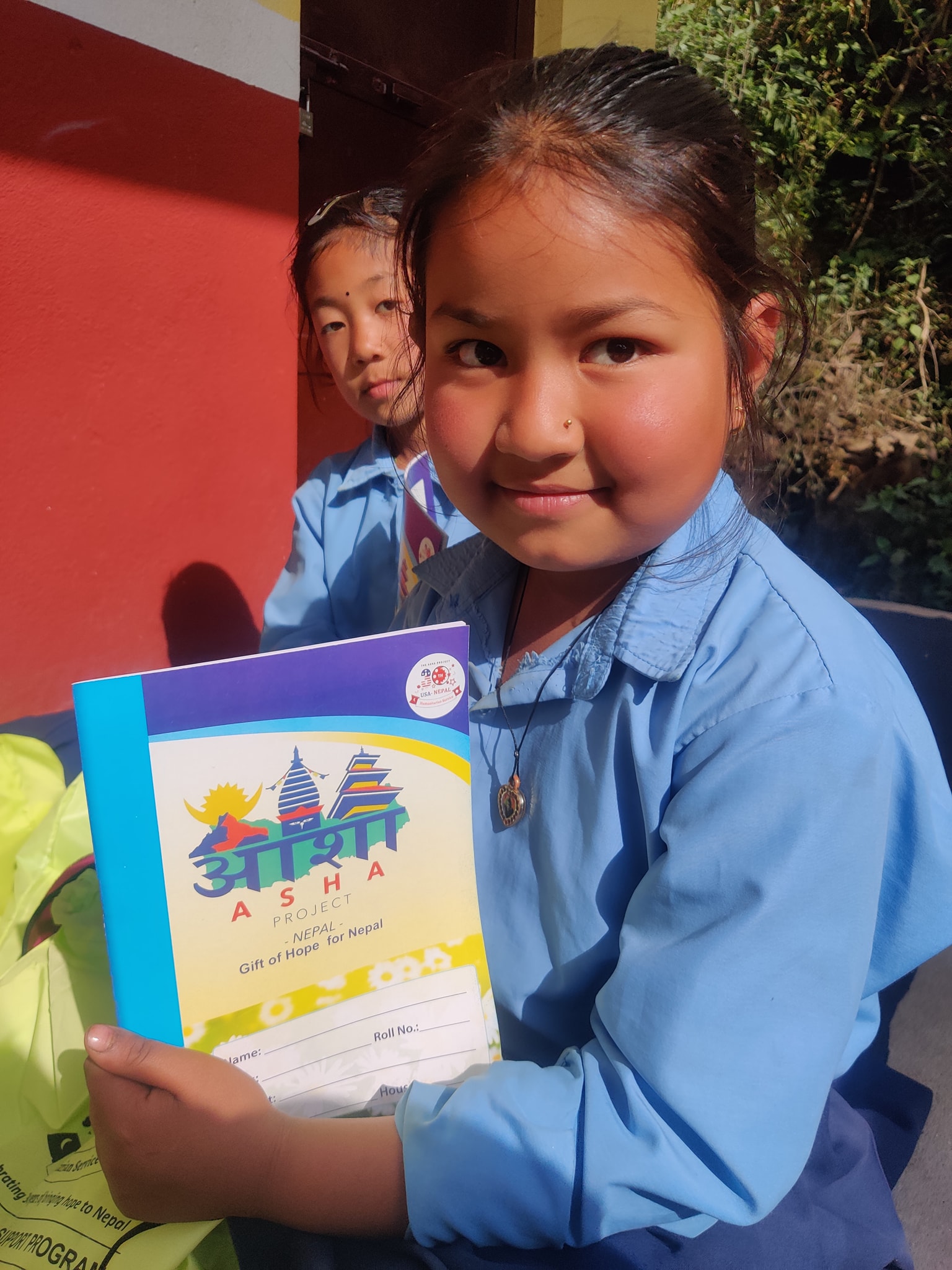
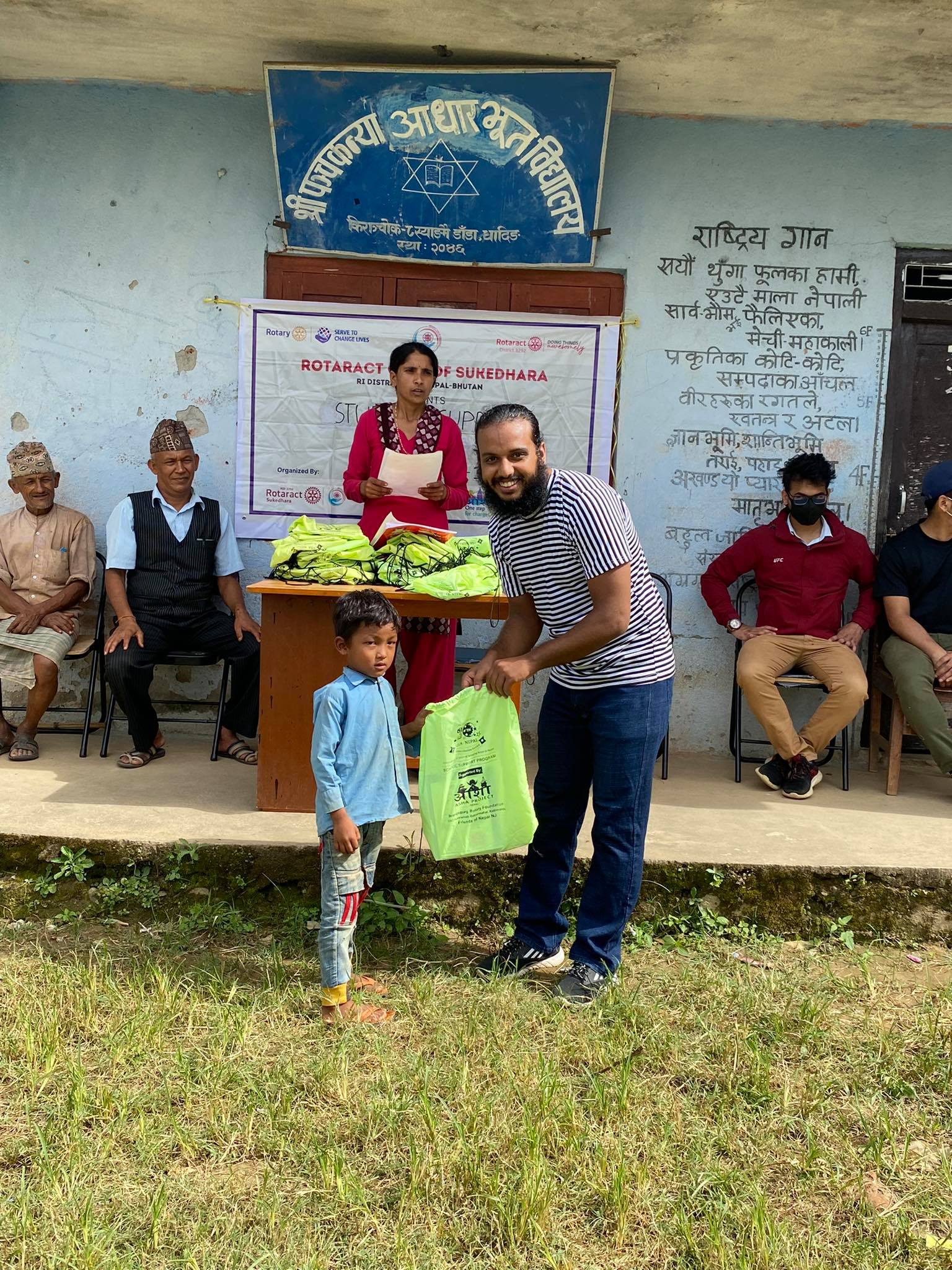
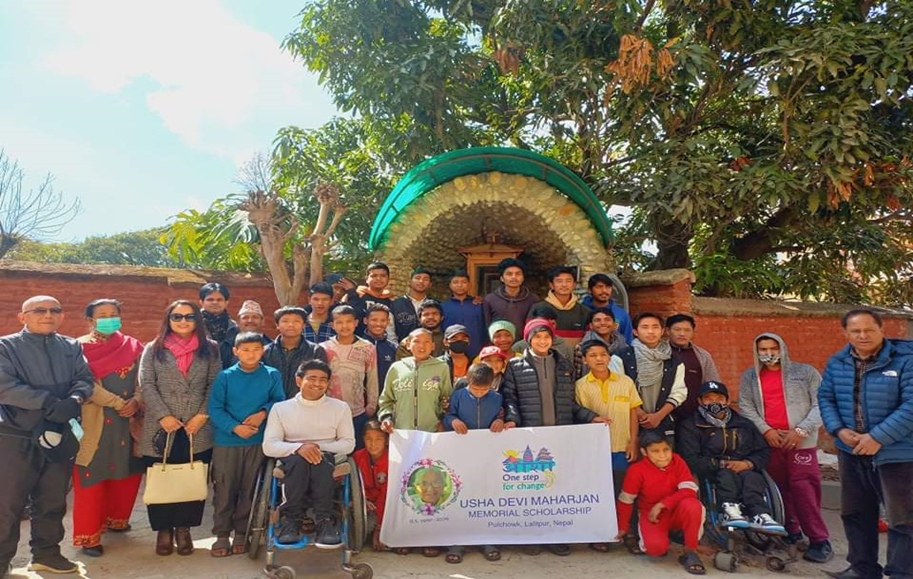
One way that the Asha Project is making a difference is by providing scholarships to Nepali students who may not have the financial resources to pay for their education. These scholarships are funded by donations from individuals and organizations around the world, and even a small donation of just $100 can have a significant impact on the life of a Nepali student. With access to education, Nepali students are able to gain the knowledge and skills needed to succeed in their studies and pursue their career goals. This, in turn, can lead to greater economic opportunity and improved quality of life for both the individual student and their community.
The Asha Project not only offers scholarships to Nepali students, but it also provides them with mentorship opportunities, educational resources, and other forms of support. These tools can assist students in gaining the knowledge and self-assurance they need to succeed in their studies and realize their objectives.


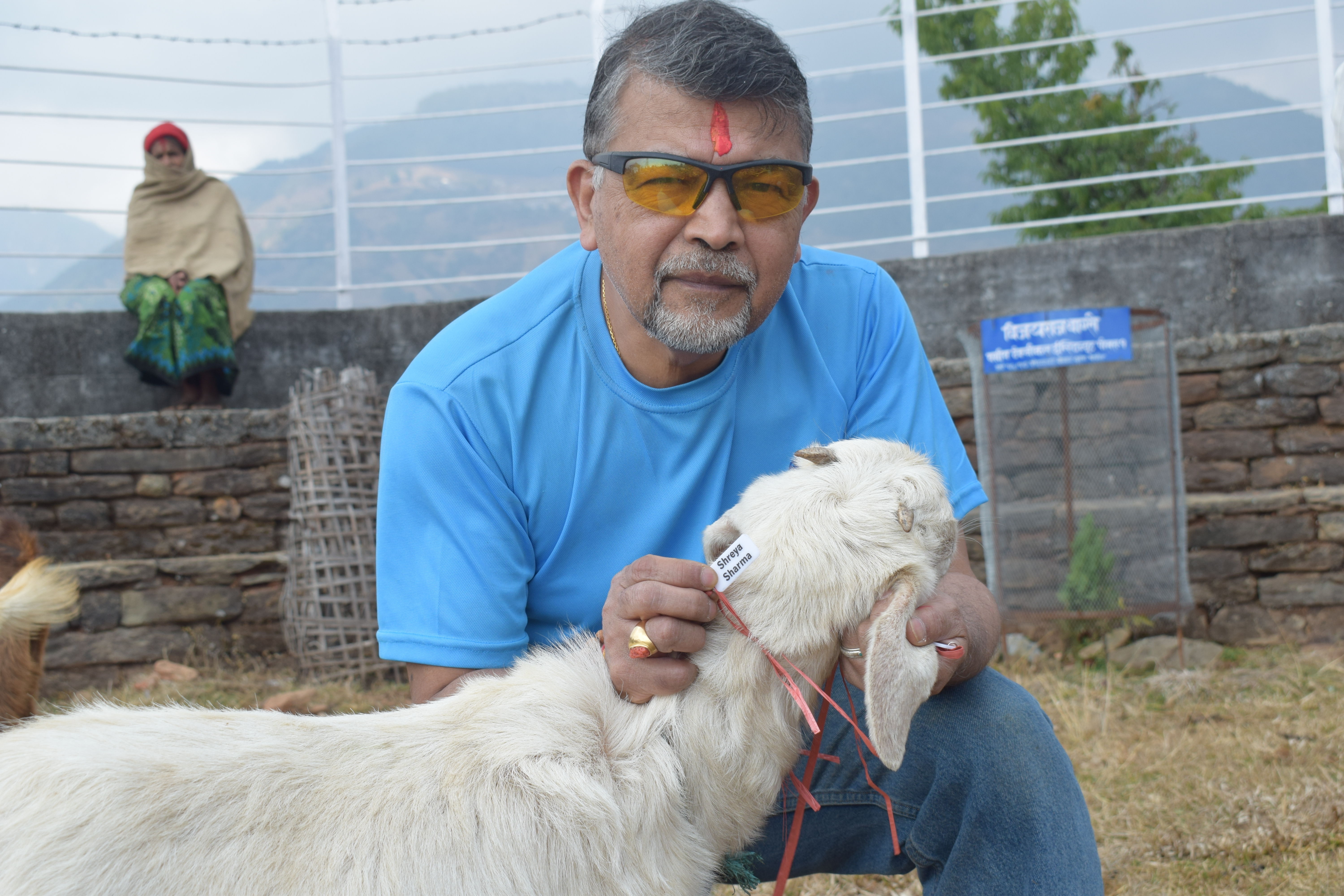
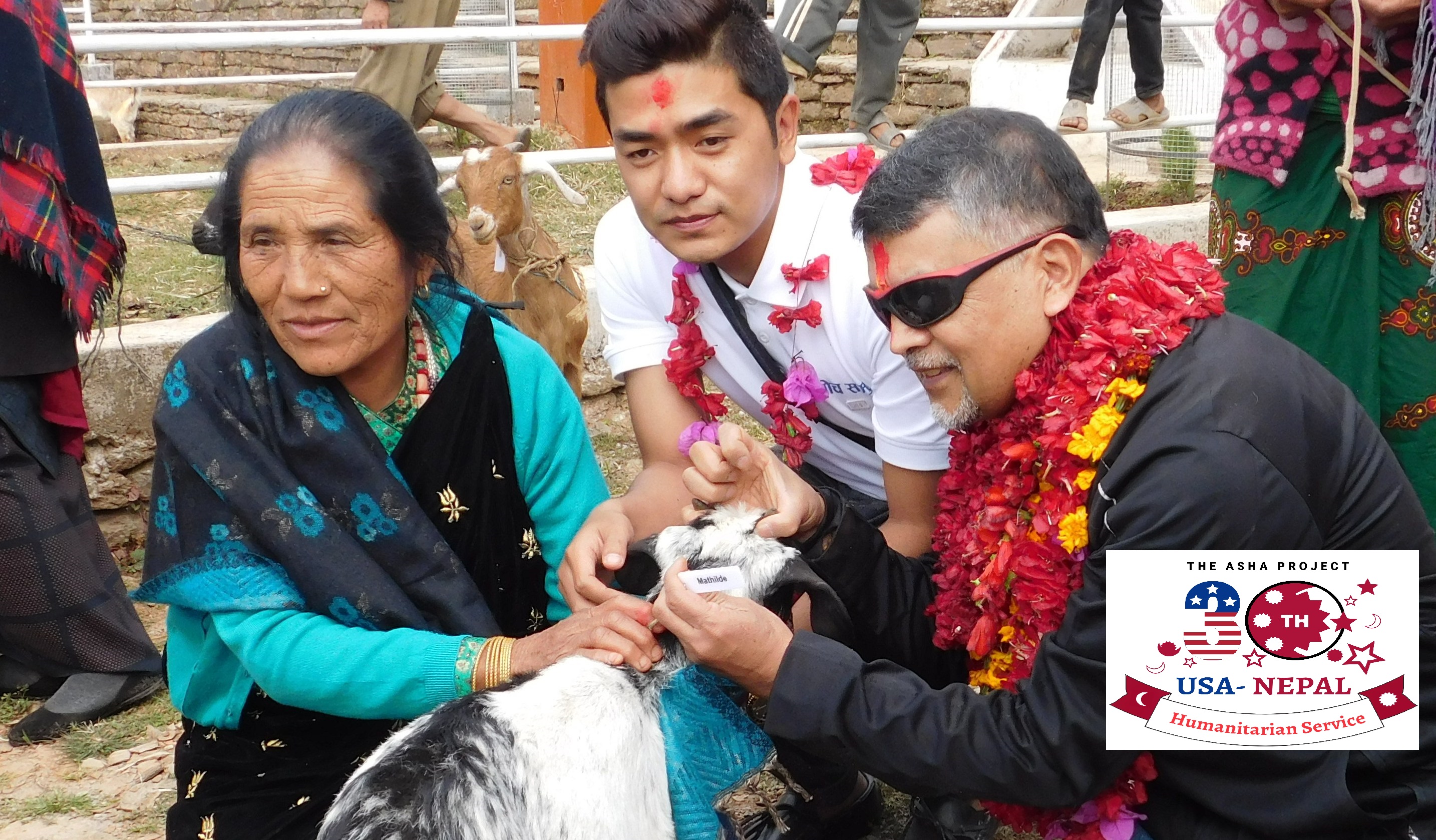
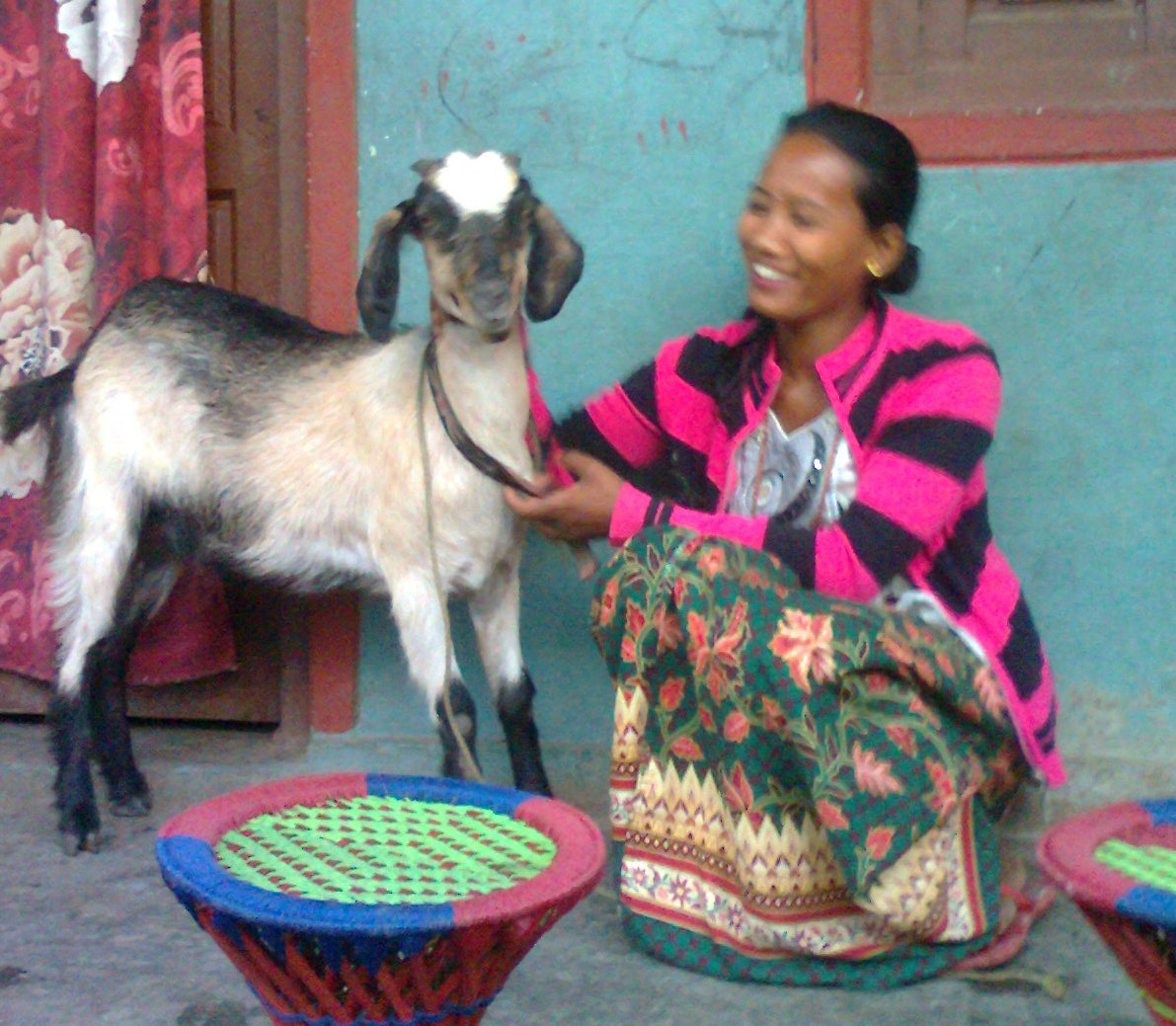
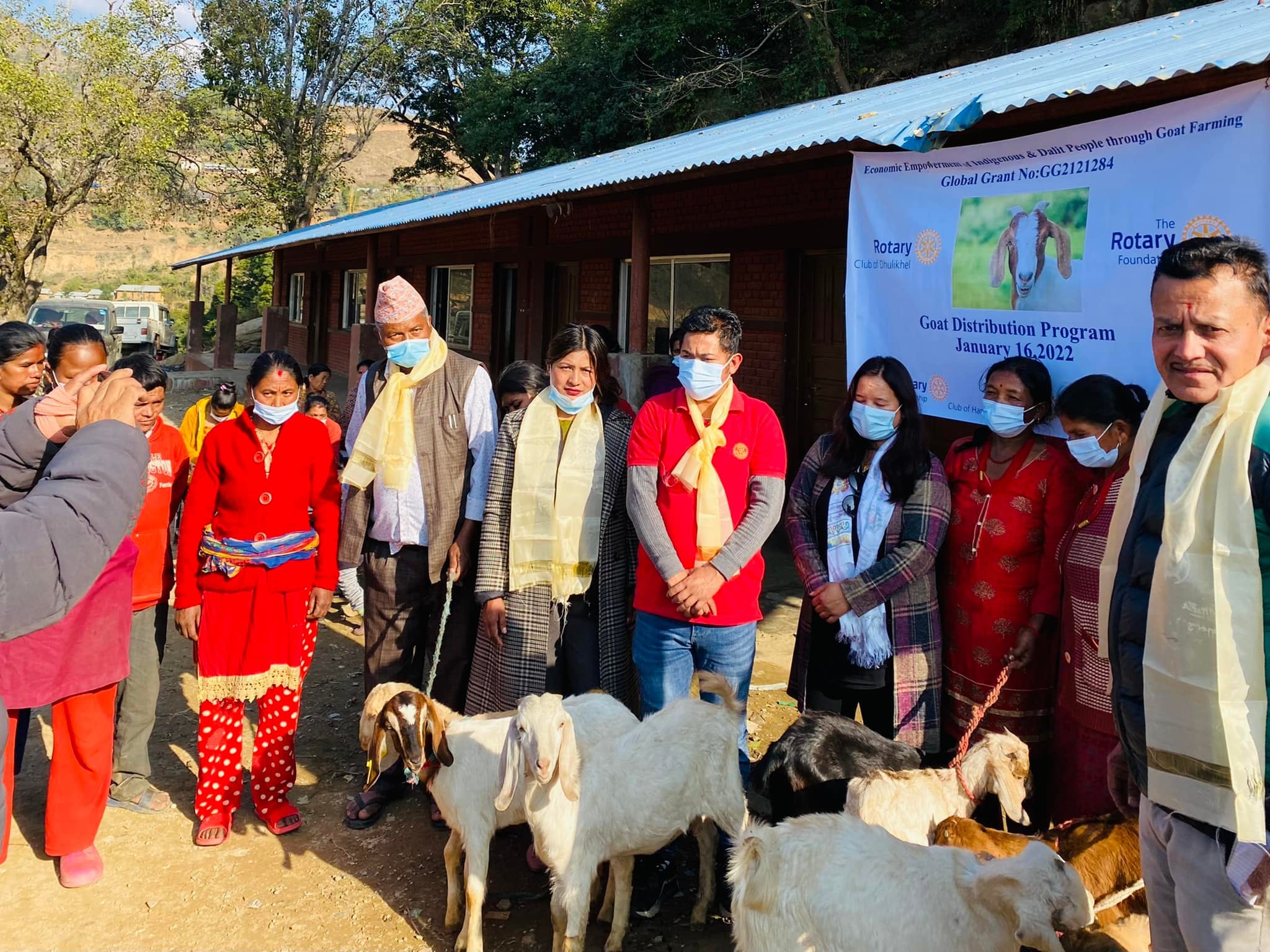
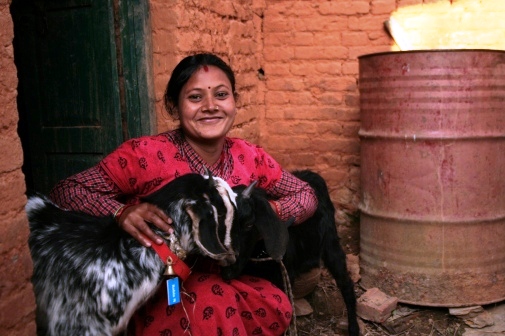
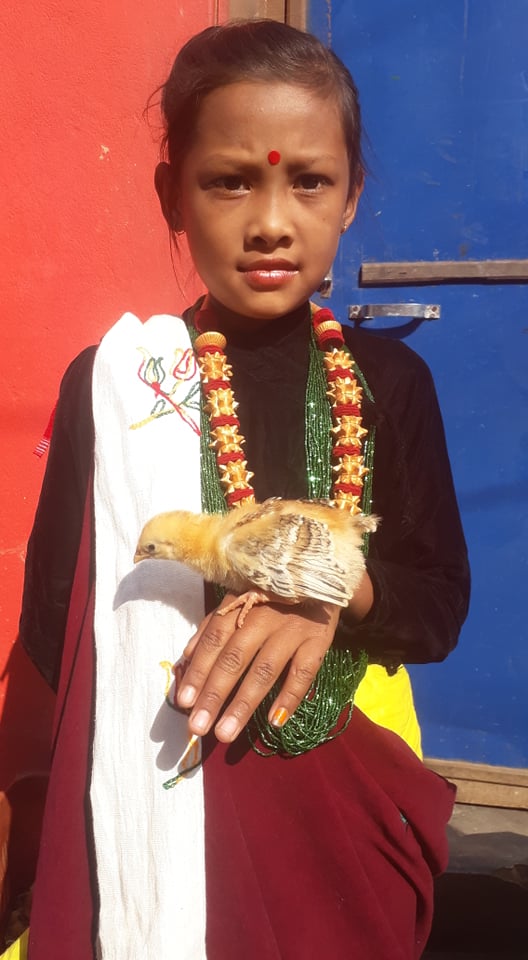
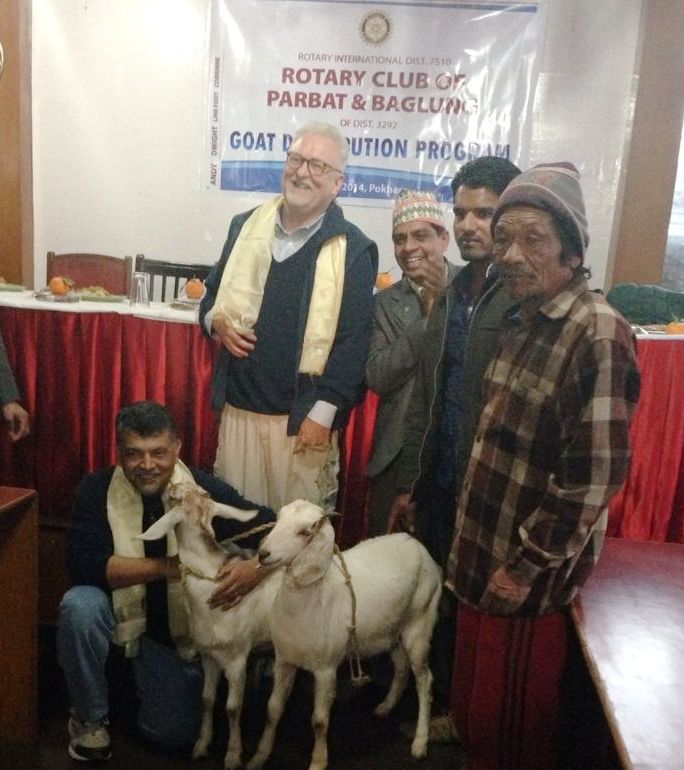
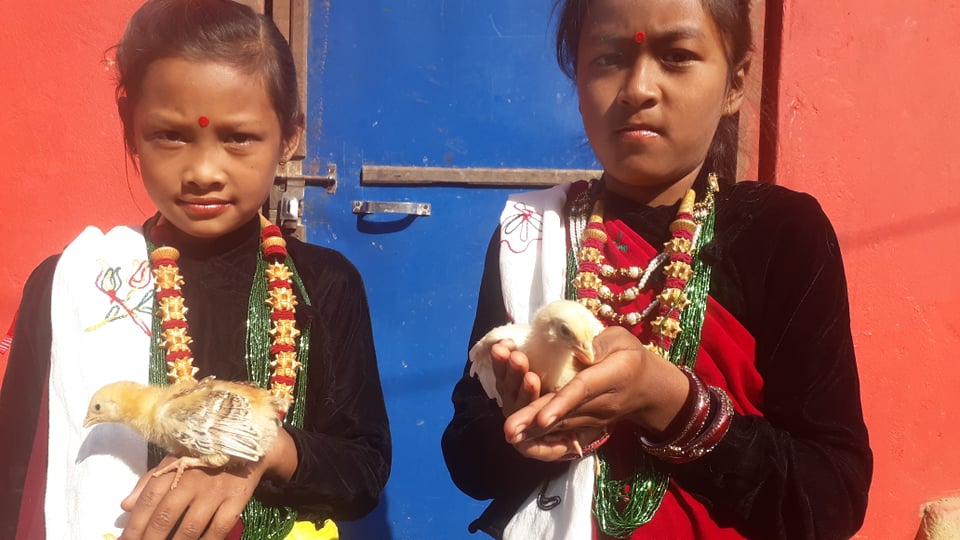
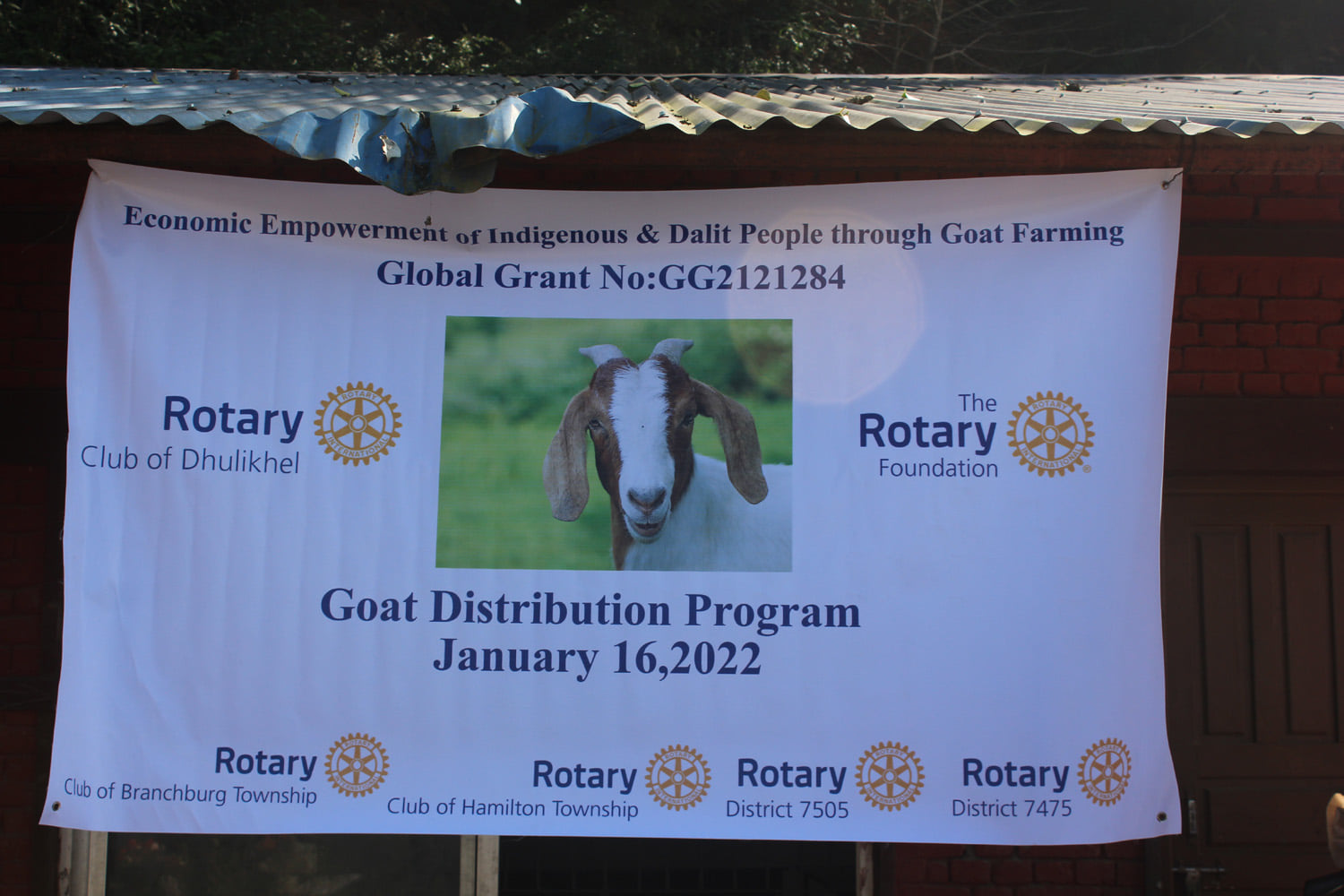
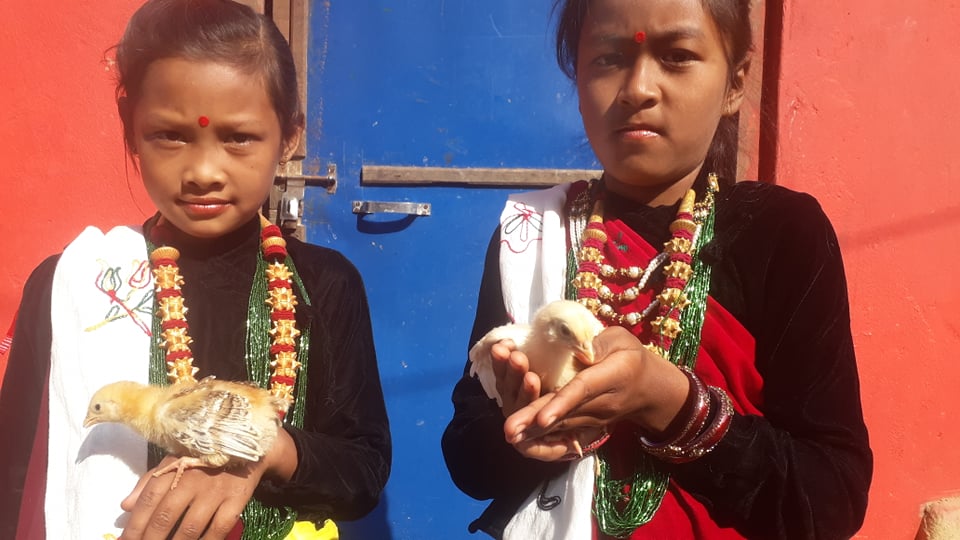
The Ash Project offers educational resources and a scholarship program, but it also has a special program like Goat and chicken projects. By giving goats and chicken to families in need, this program aims to give Nepali families a stable source of income and nutrition. The goats are able to supply a consistent supply of milk, which can be consumed by the family or sold. The goats can also give birth to children, which can be used as a source of extra income or kept as food.


Along with these initiatives and other community development programs, the Asha Project also supports Nepali students and communities through a variety of other programs. By contributing to these initiatives, you can ensure that Nepali students have the tools and assistance they require to excel in their studies and achieve their objectives. You can contribute to Nepal’s future success by assisting in the development of stronger, more tenacious local communities.


Overall, the work of the Asha project is having a positive impact on Nepali communities and students. The organization is assisting in empowering the subsequent generation of Nepali leaders and building a better future for the nation by granting access to education and other resources. Just $100 can make a significant difference in the life of a Nepali student or family and help the organization continue its work to improve Nepal. So please think about joining the Legacy Circle and supporting Friends of Nepal-NJ’s mission to provide hope and opportunities in Nepal and America with a better future.

By Aavash Lamichhane is a Youth Leadership Team member who wants to pursue a computer since degree when he graduates high school.

International Day of Peace Celebration

By: Samantha Waldron

After everything humanity has been through, we need hope. We must commemorate every small victory to bring about hope. 

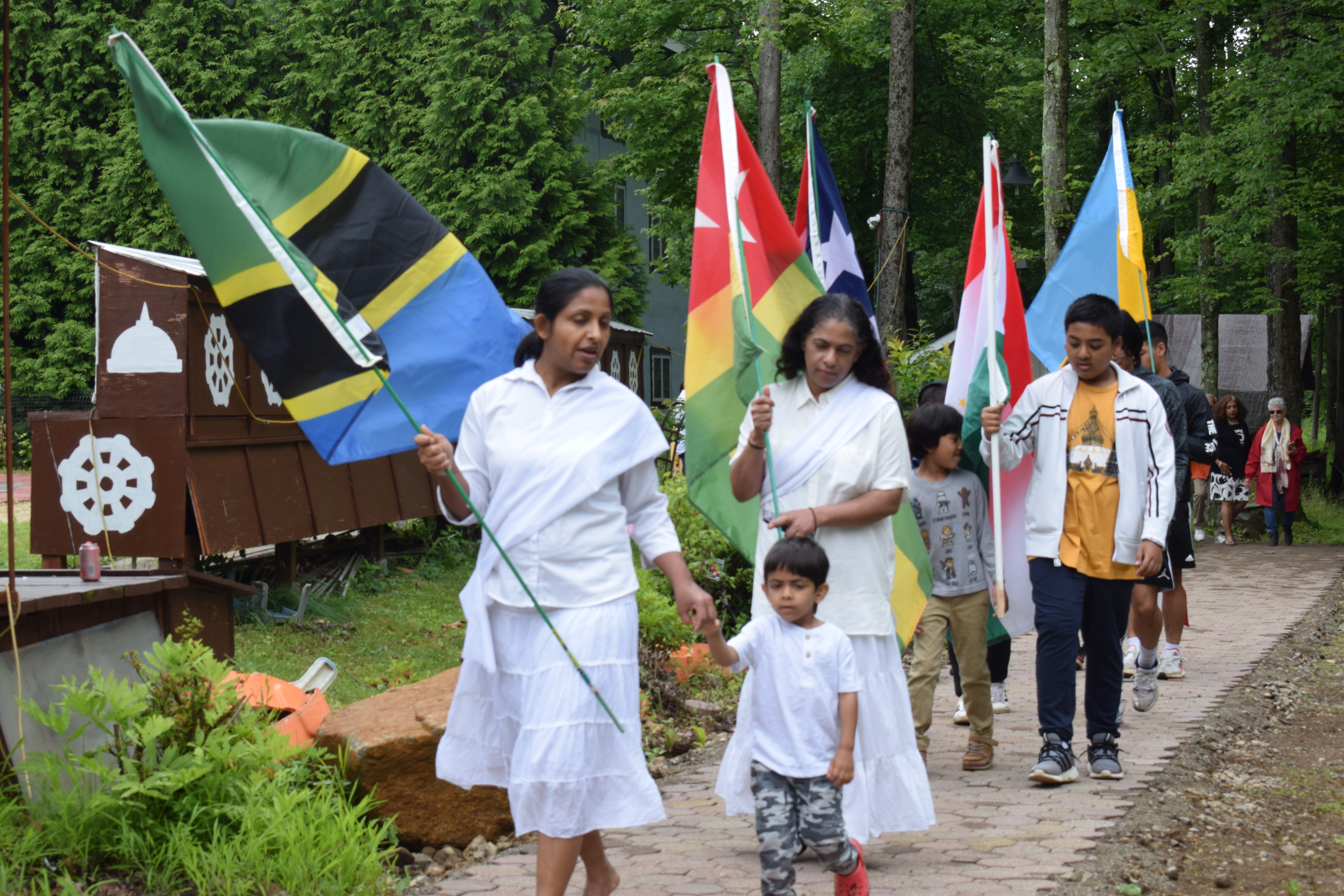
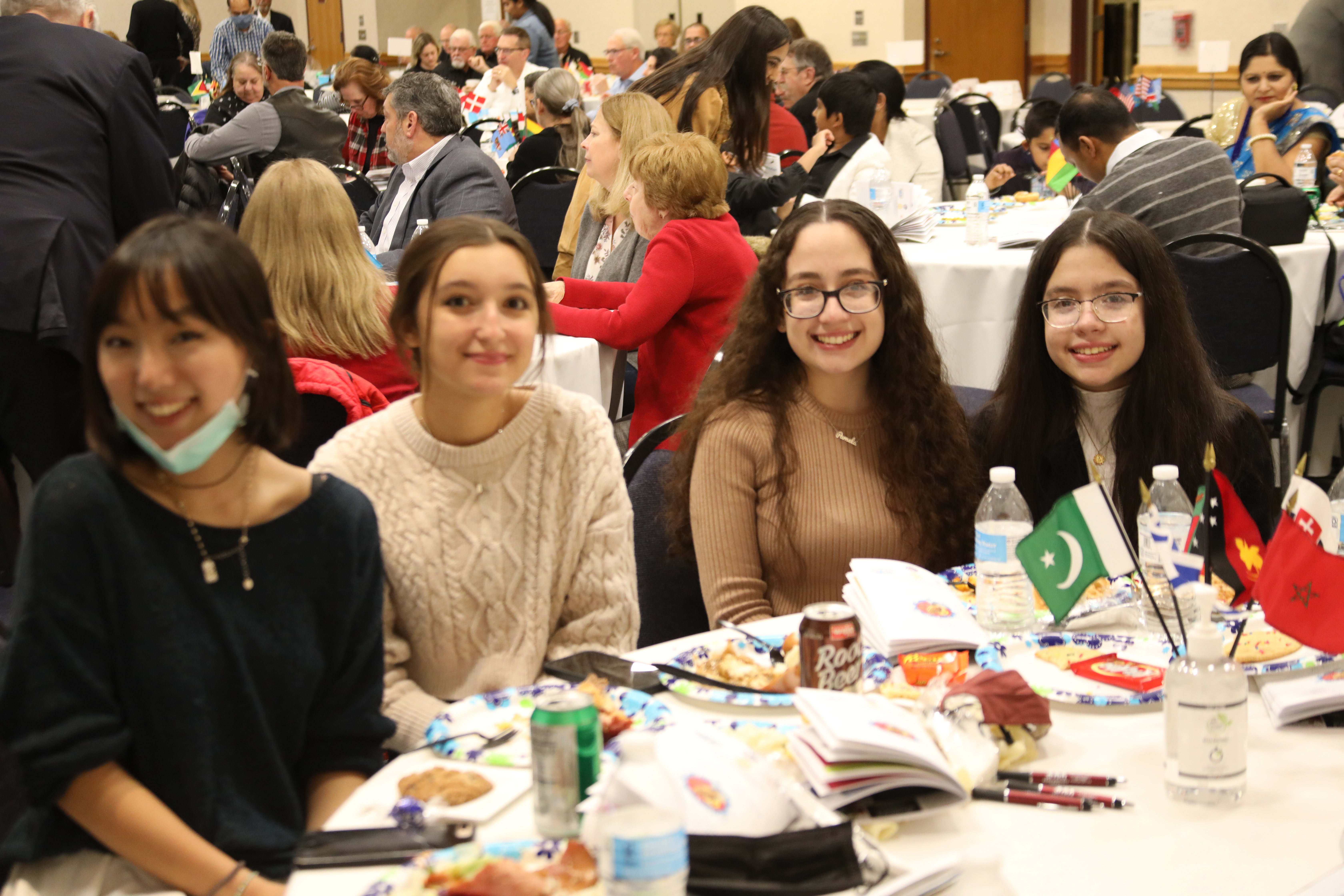
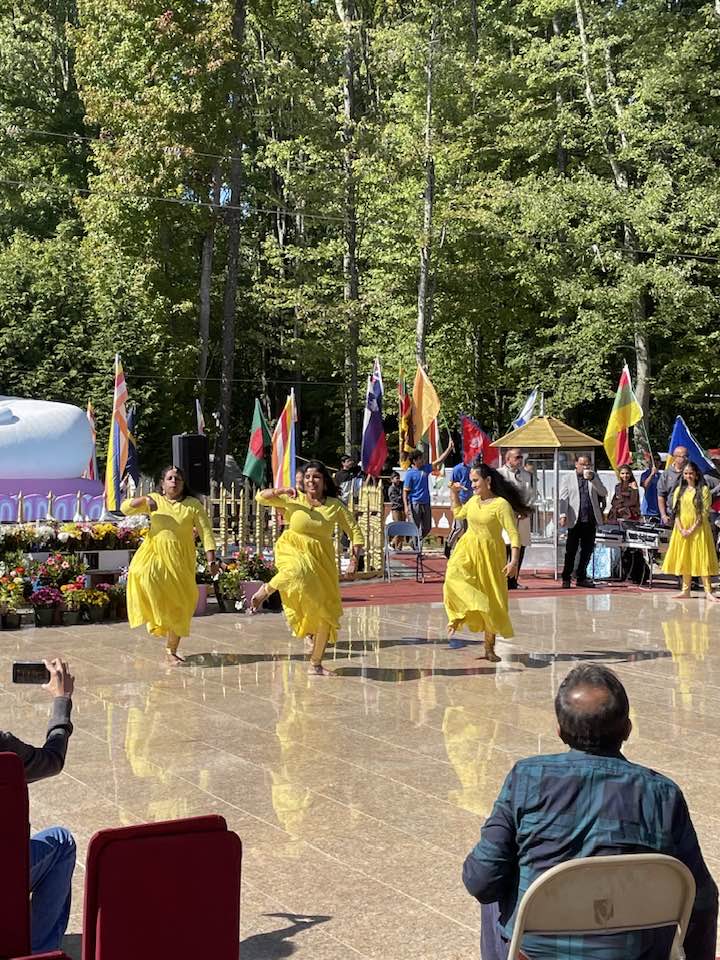
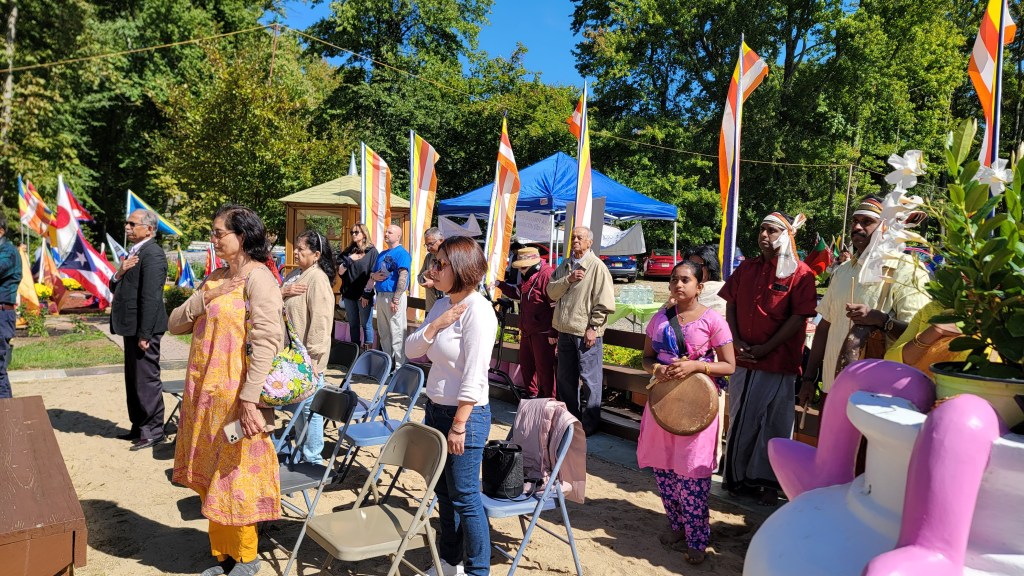
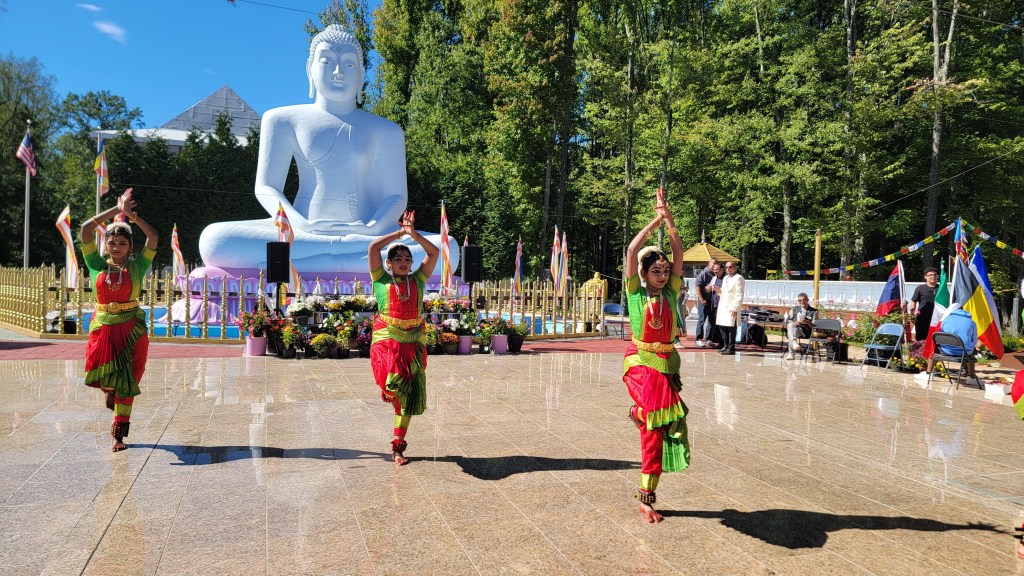
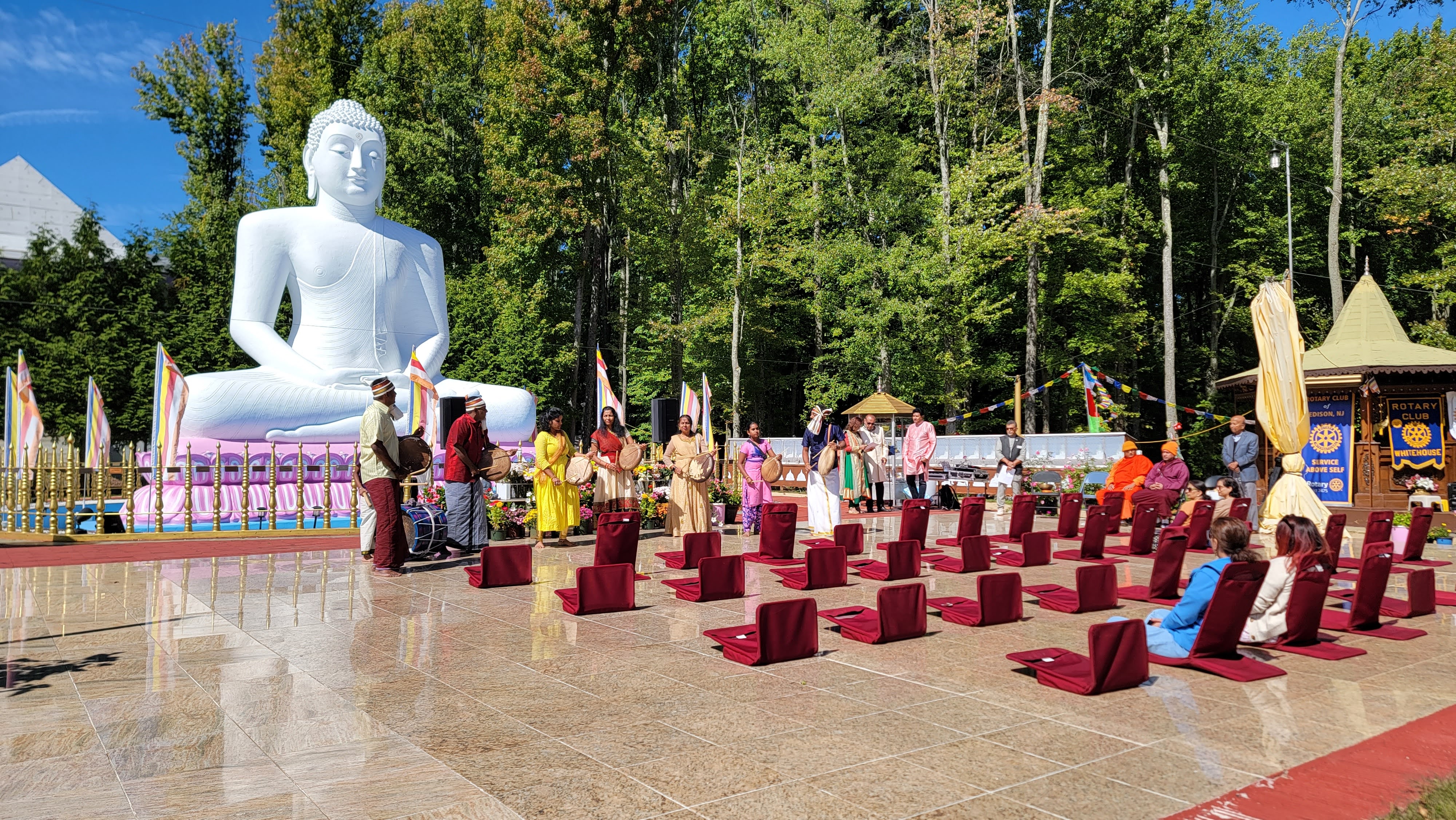
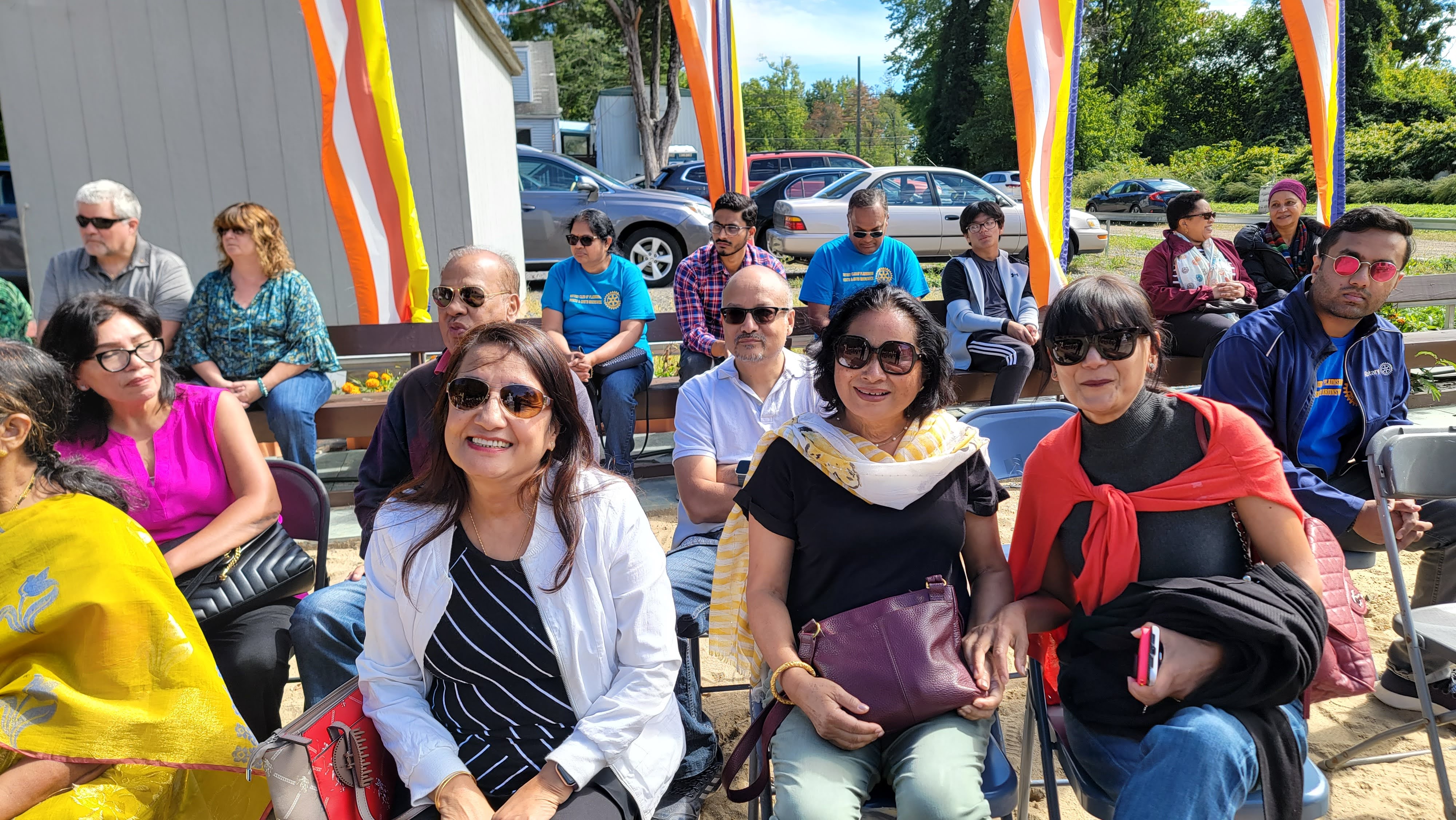
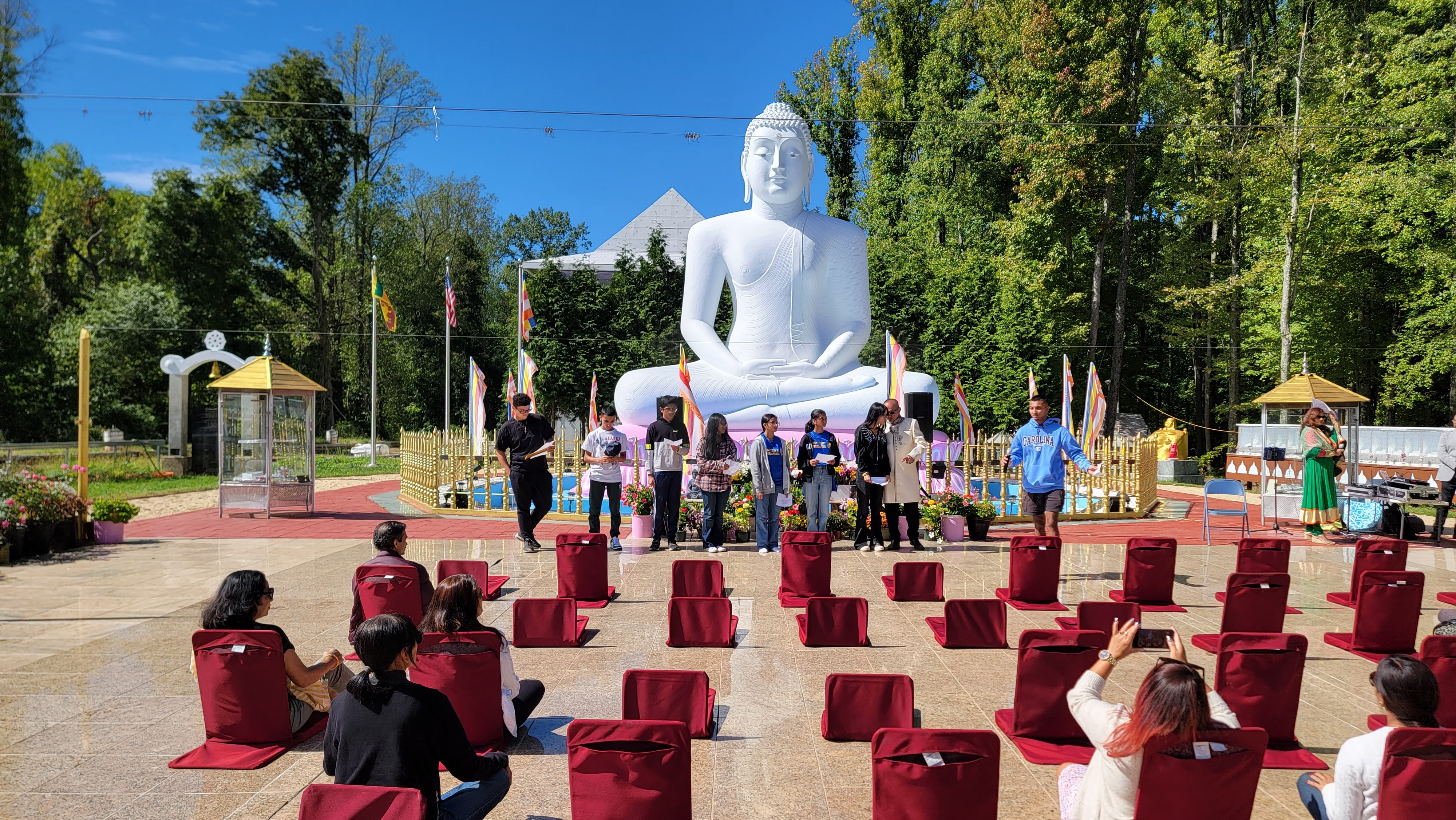
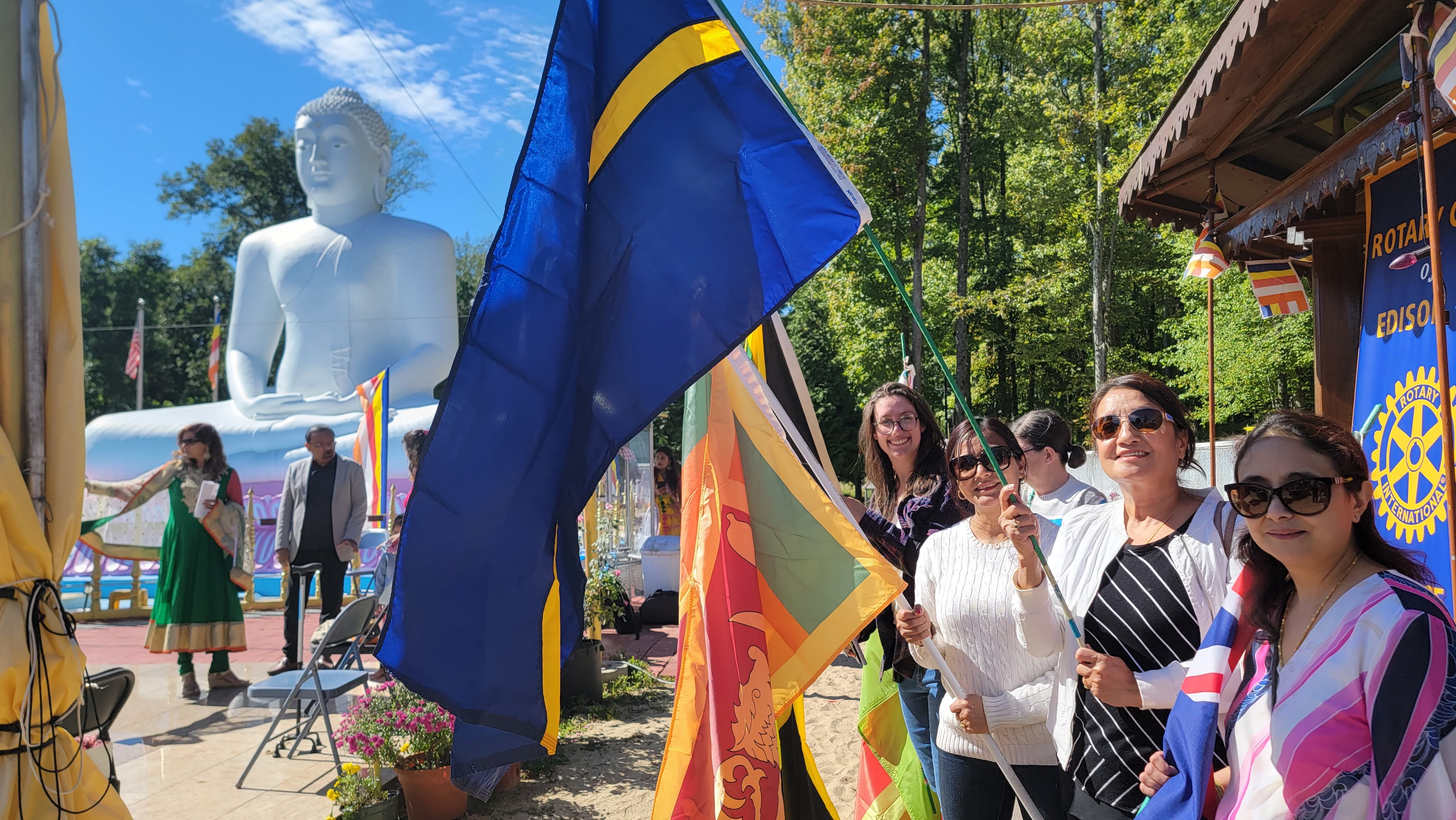
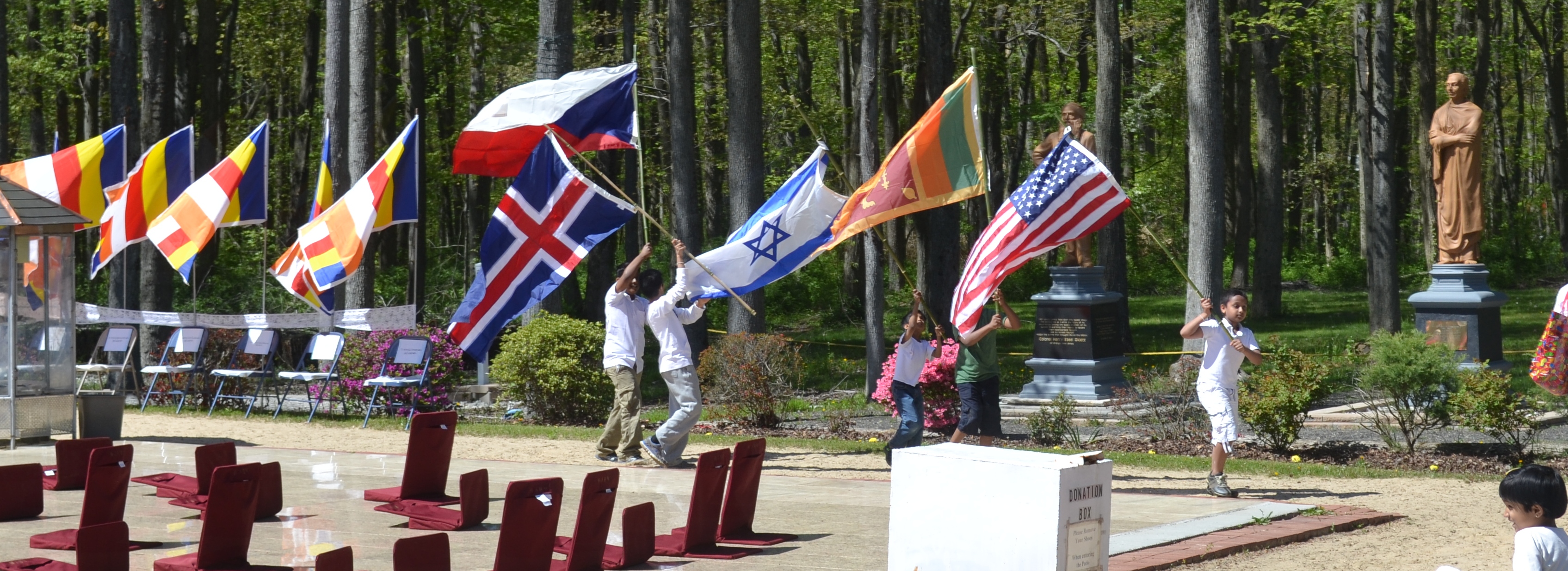
On September 24, 2022, the Rotary Clubs of Whitehouse, Rotary club of Plainsboro North & South Brunswick and Edison united with the Somerset County Cultural and Diversity Coalition and Friends of NJ to celebrate 15th annual International Day of Peace to promote peace and understanding as well as to preserve our planet. 

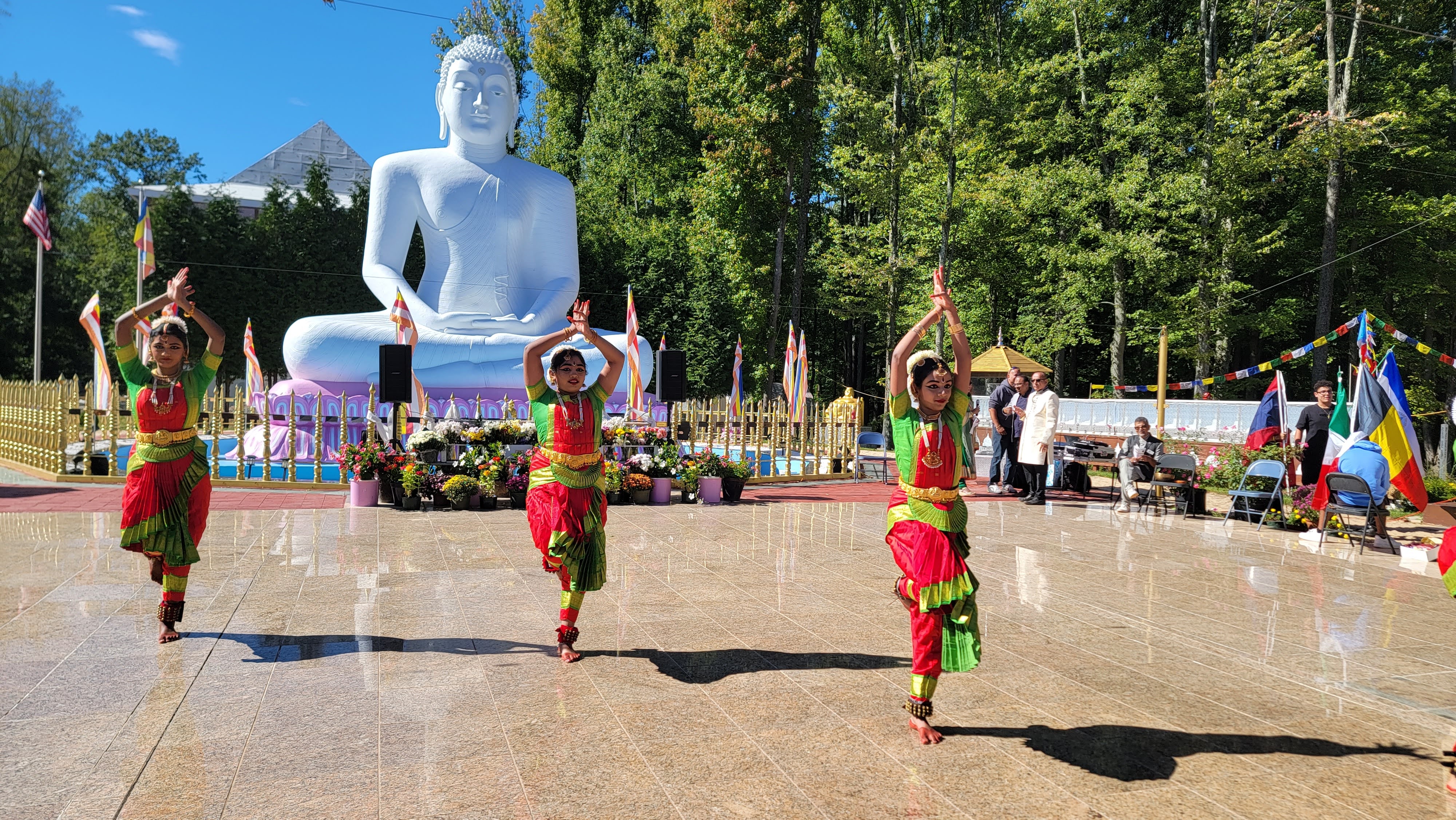
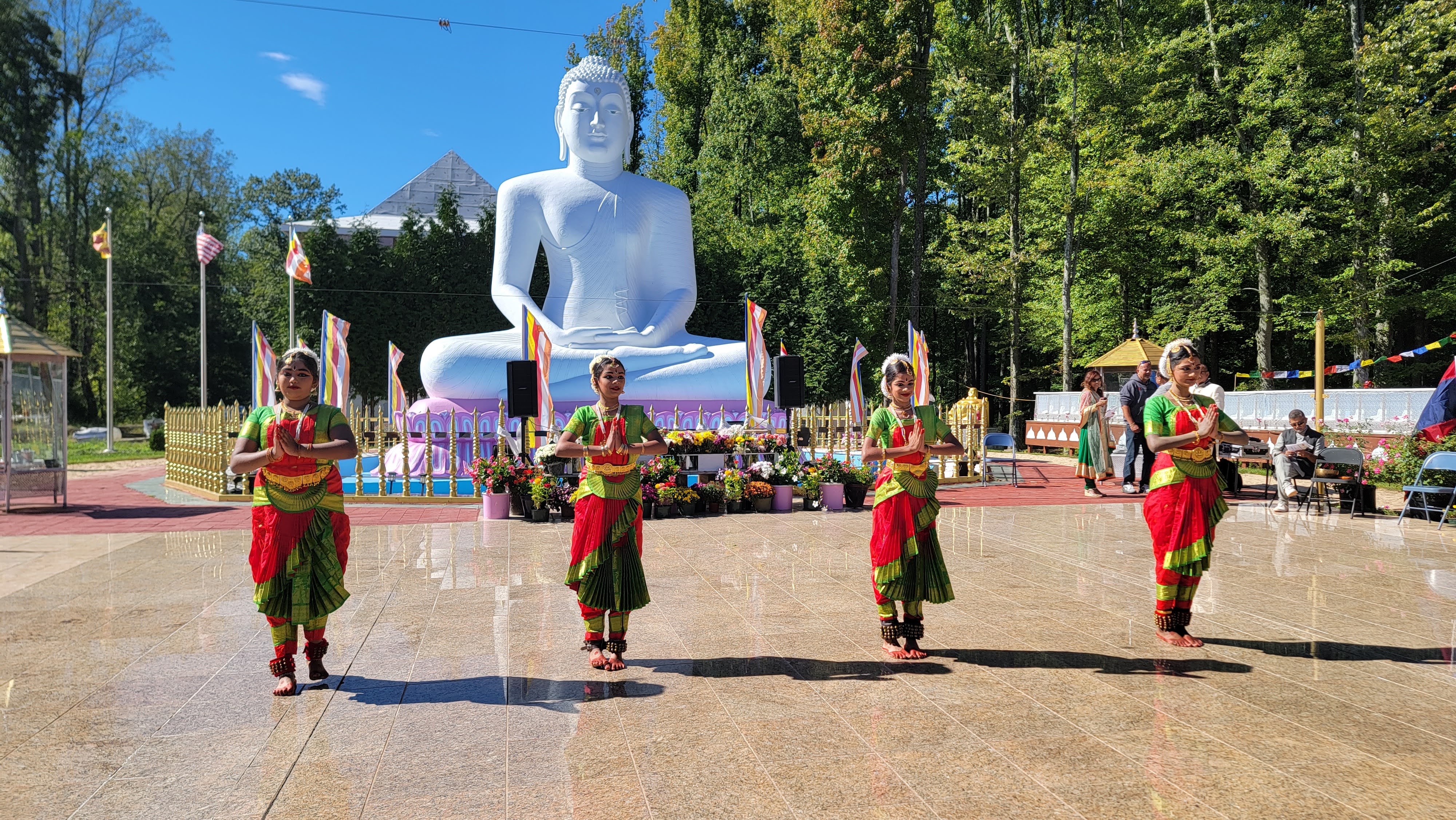
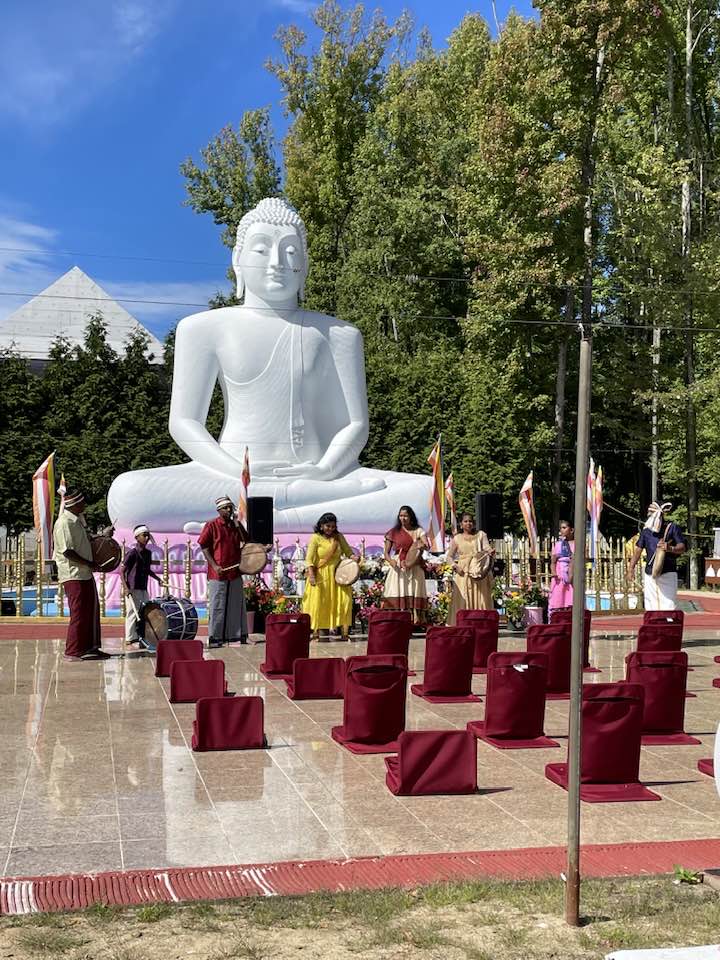
Our cultures, souls, and planet are all connected in unity. To remind us of how significantly intertwined we are, we came together in a sacred setting for prayers led by our youth group, music and dancing, chai, and homemade lunch and sweets. The Buddha smiled upon our group as we shared our belief in international peace. As the United Nation describes, Peace is not just absence of war, “It requires the building of societies, where all members feel they can flourish”.

Thank you to everyone who has contributed funds, time, and energy to our Rotary Peace Garden to promote Peace and interfaith understanding at the Buddhist Vihara Temple in Princeton, New Jersey. 

Our New Generation team is working together to build peace in ourself, our homes, our communities, our nations and our world. This peace garden will help us to learn about promoting peace and preserving the environment. 

If you would like to support our project, you may donate to SCCDiversity Coalition, which is a registered 501(c)(3) organization working to promote peace and understanding in our community and communities around the world.  www.sccdiversity.com 

POLLINATOR AND INTERFAITH PEACE GARDEN IN NEW JERSEY.

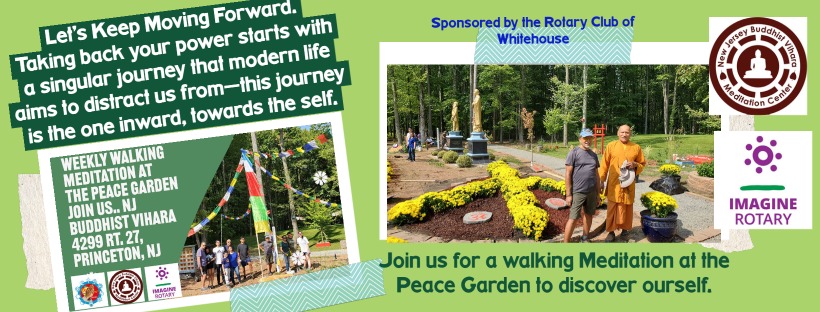
Are you looking for a way to make a positive impact on the environment and your community? Look no further than the Interfaith Peace Garden and our youth caretaker groups. Our community is dedicated to promoting social and environmental consciousness, and we have already been recognized as an International Peace Pole site and an International City of Peace. But we’re not stopping there – in 2023, we launched a walking meditation program to promote mindfulness and mental health awareness through horticultural practices. Join us and be a part of something bigger than yourself.

The NJ Peace Garden was started in 2018 as a concept of brining diverse community of somerset county by the Somerset County Cultural Diversity Coalition in cooperation with Rotary District 7510, Interfaith community leaders and various community organizations. The committee was inspired by Rotary’s theme “Peace Through Service”.    

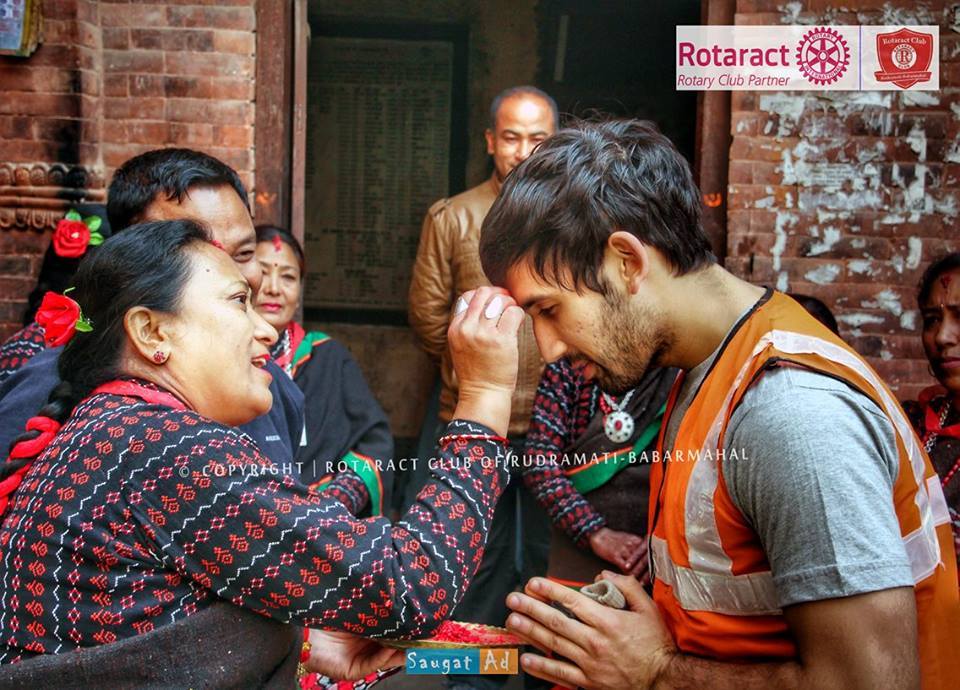
As youth group was looking for a way to make a positive impact on the environment n their community. They started working along with Rotary, Rotaract and Friends of Nepal. Central New Jeersey has become a microcosm of 21st century. In Franklin township along, there are more than 75 houses of worships. The Interfaith Peace Garden at the NJ Buddhist Vihara in Princeton, was outcome from the 2020 covid pandemic. Many community groups were looking for outdoor activities and at the same time people were also started to get interested in Pollinator garden as well. So our youth group serched around for any possible grants from other organizations.

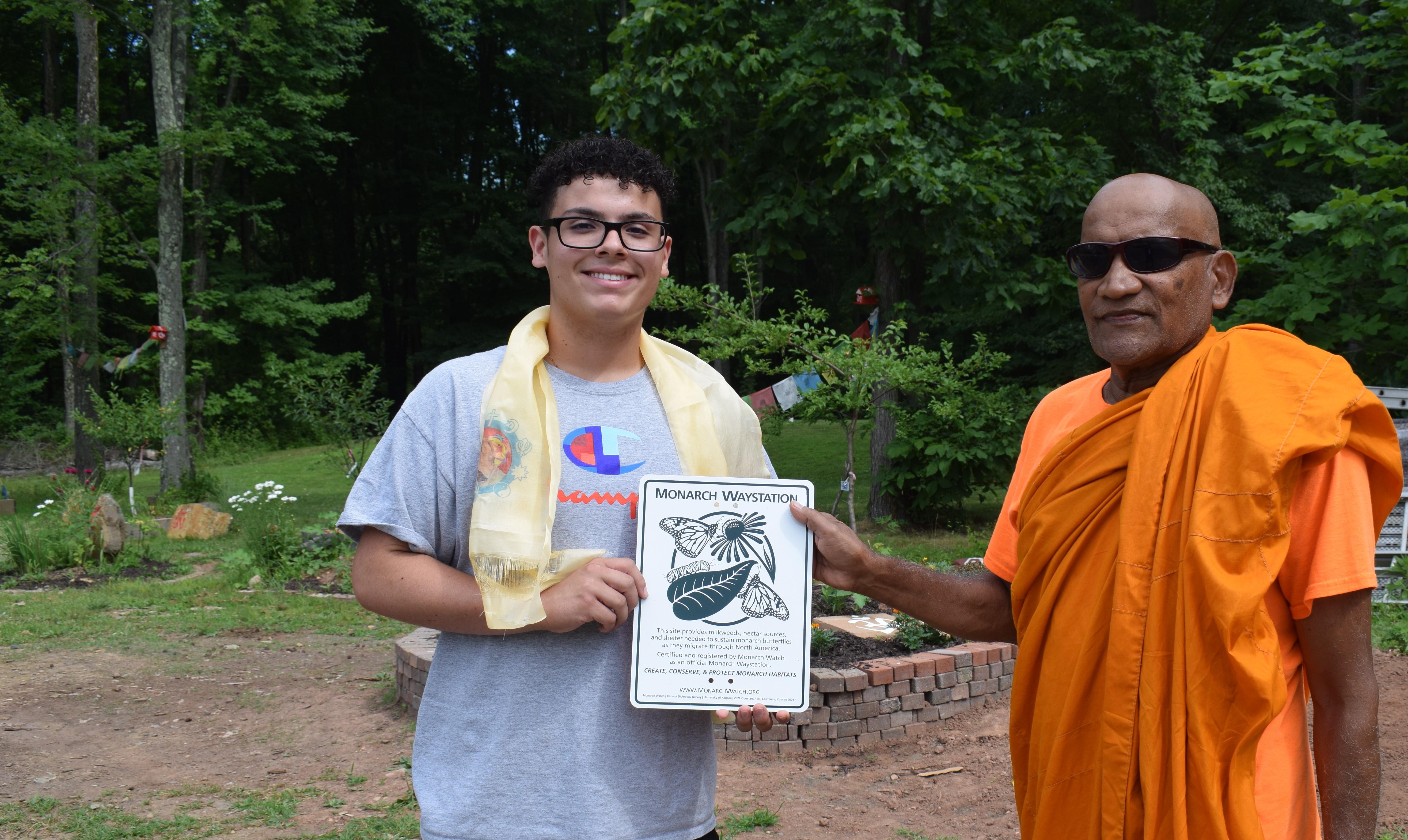
Our first native plant donation came from the Rutgers University Coop program and we planted variety of native plants. Then we approached the MonachWatch group and they provided us variety of Milkweeds for us. Next came the Xerces society, with their help we planted more than 600 native and pollinator plants in our Interfaith Peace Garden. We also received several Rotary district grants as well as grants from ChangeX and Nickelodeon. Our Youth group as a lead for the grants from Nickelodeon we planted more than 20 Orchards plants and created Interfaith Peace Mural to promote world peace and understanding.

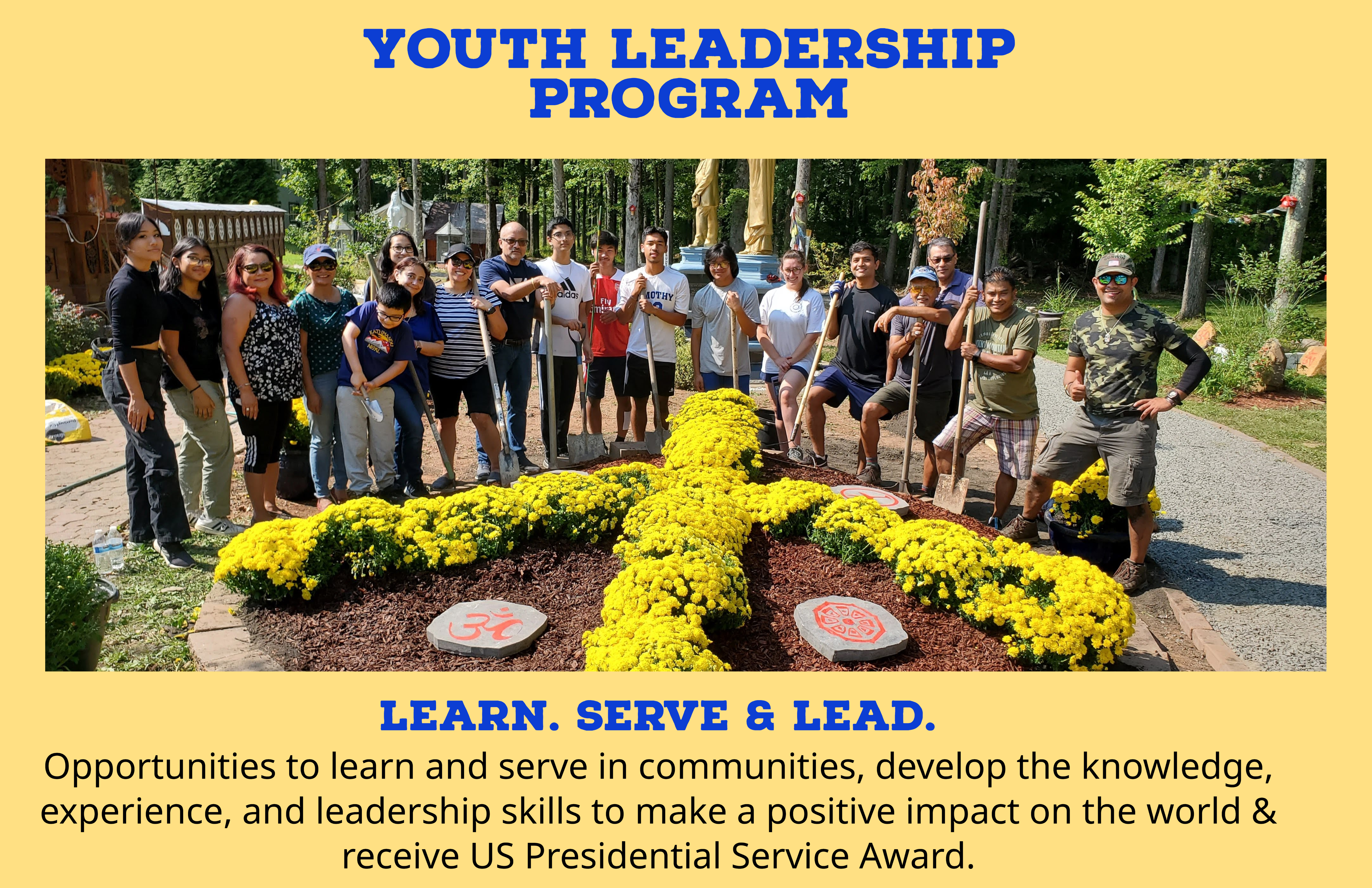
We have weekly youth volunteers who help to clean, plant as well as learn variety of leaderships skills through our Youth Leadership programs and earn US Presidential volunteer service awards for their volunteer work. If you like to have your children involved you can register at https://www.fonnj.com/join-us/

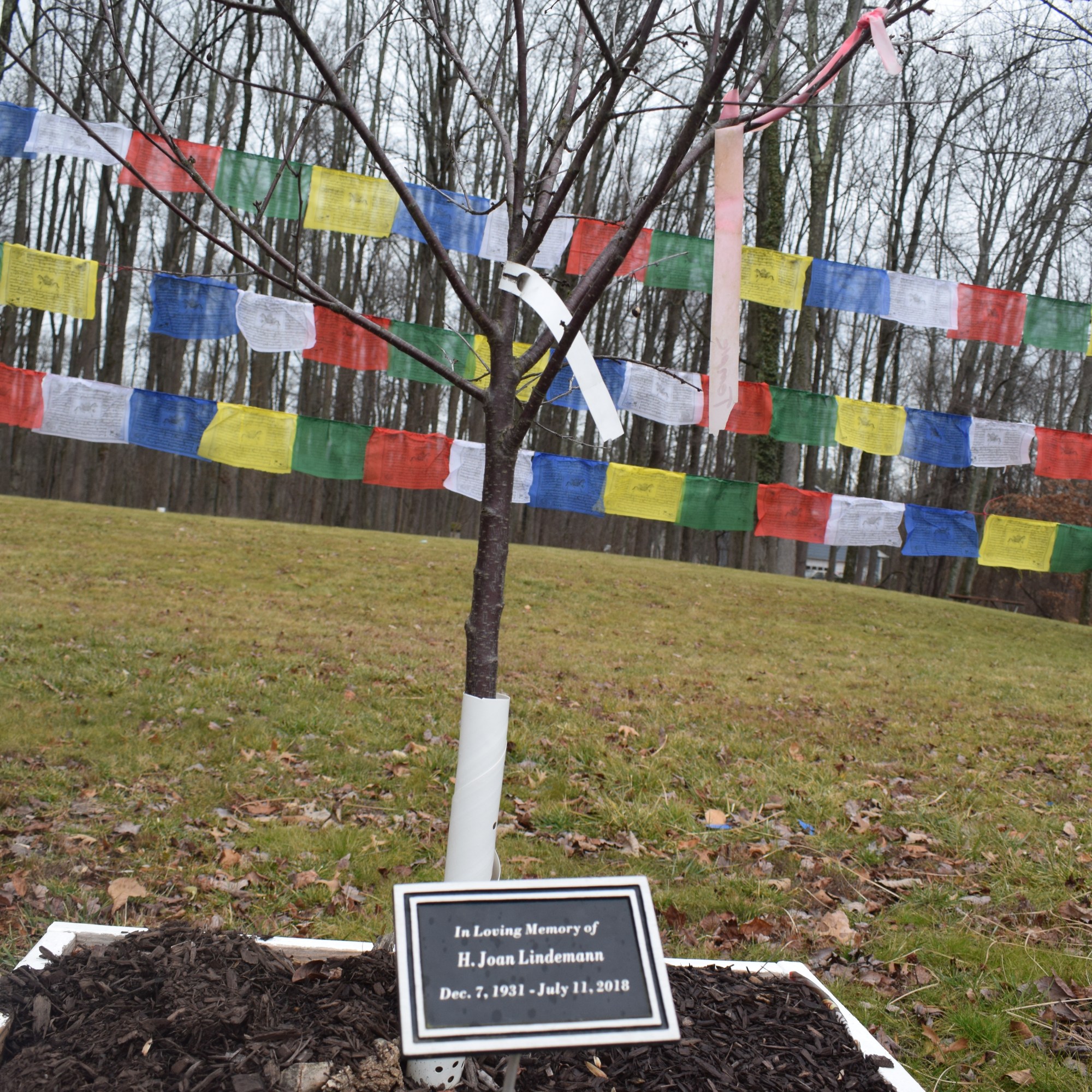
We have also started Legacy Memorial tree planting projects, where we plant trees to remember our loved ones. If you are interested in planting trees contact us at Contact

Youth group get to learn about Interfaith Peace through games, painting and caretaking. Our community is dedicated to promoting social and environmental consciousness, and we have already been recognized as an International Peace Pole site and an International City of Peace. But we’re not stopping there – in 2023, we launched a walking meditation program to promote mindfulness and mental health awareness through horticultural practices. Join us today and be a part of something bigger than yourself.

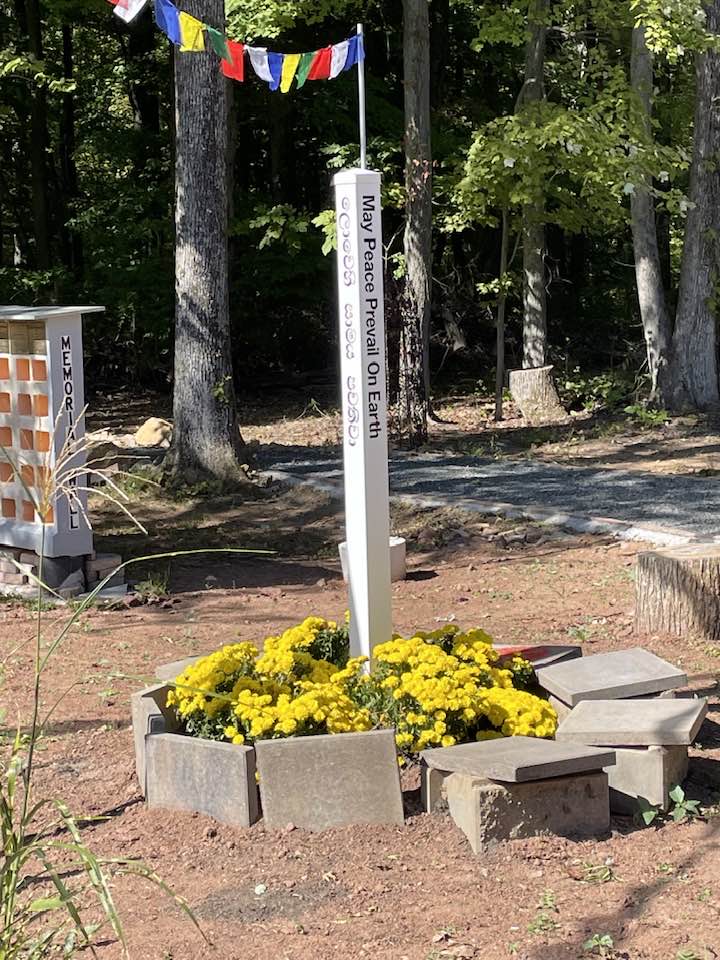
After World War II and the dropping of the atomic bomb, Masahisa’s life took on new meaning and he began to share his philosophy for a better world. He created the peace pole as standing prayer for peace with the words, “May Peace Prevail on Earth.”  His philosophy became popular and grew in Japan.  When he died in 1983, his adopted daughter took the initiative internationally, and it became The Global Peace Pole Project.   

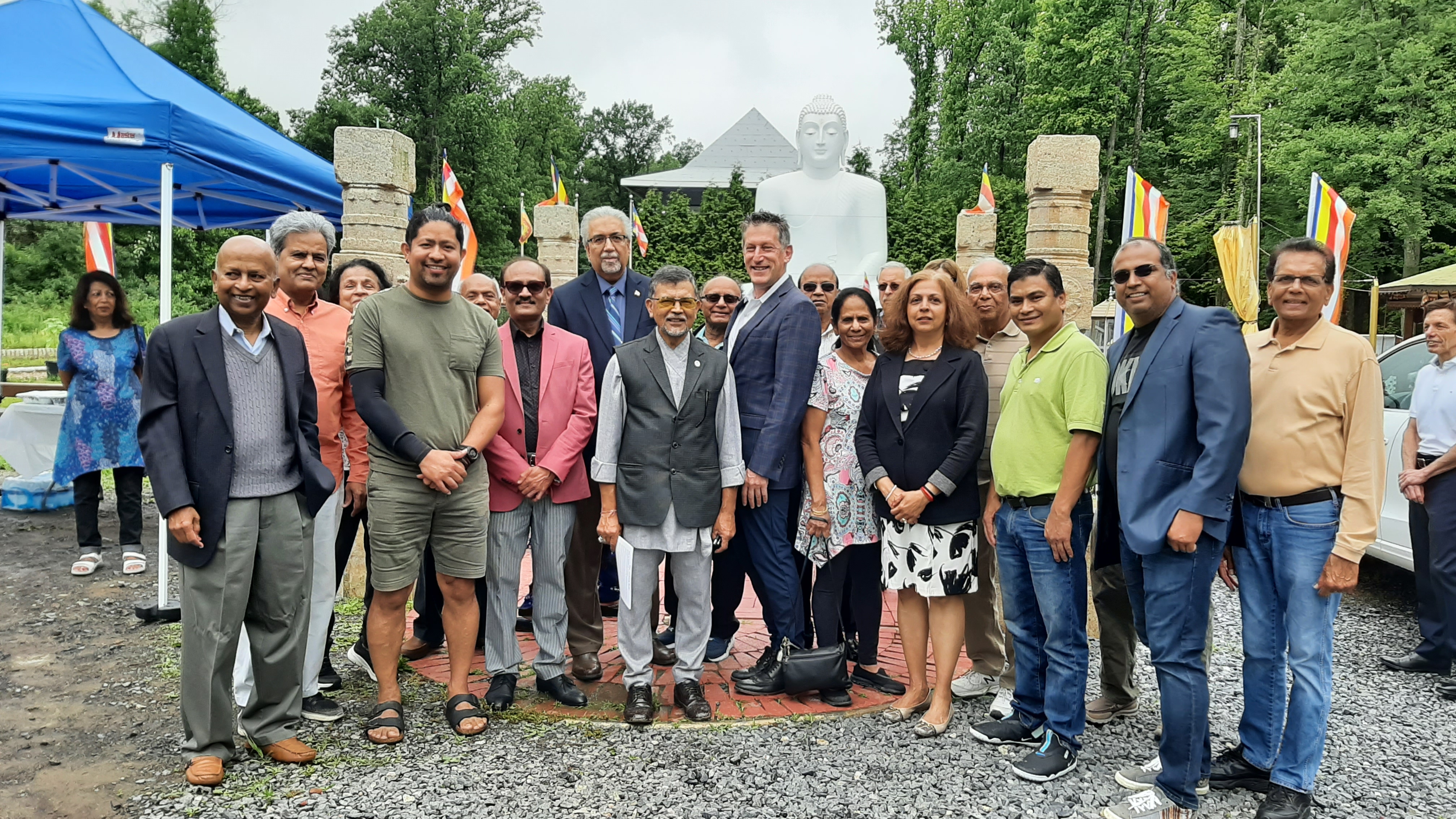
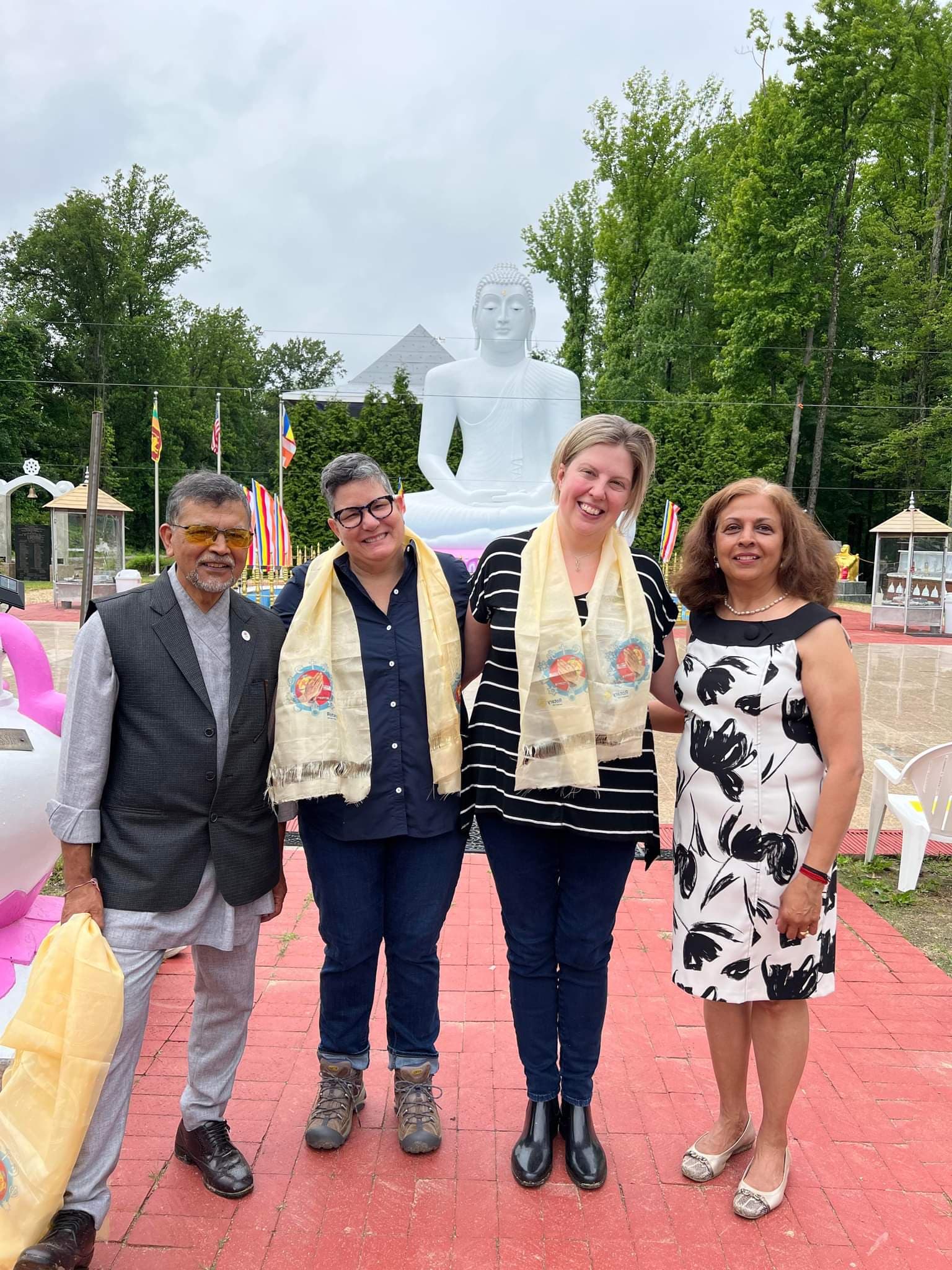
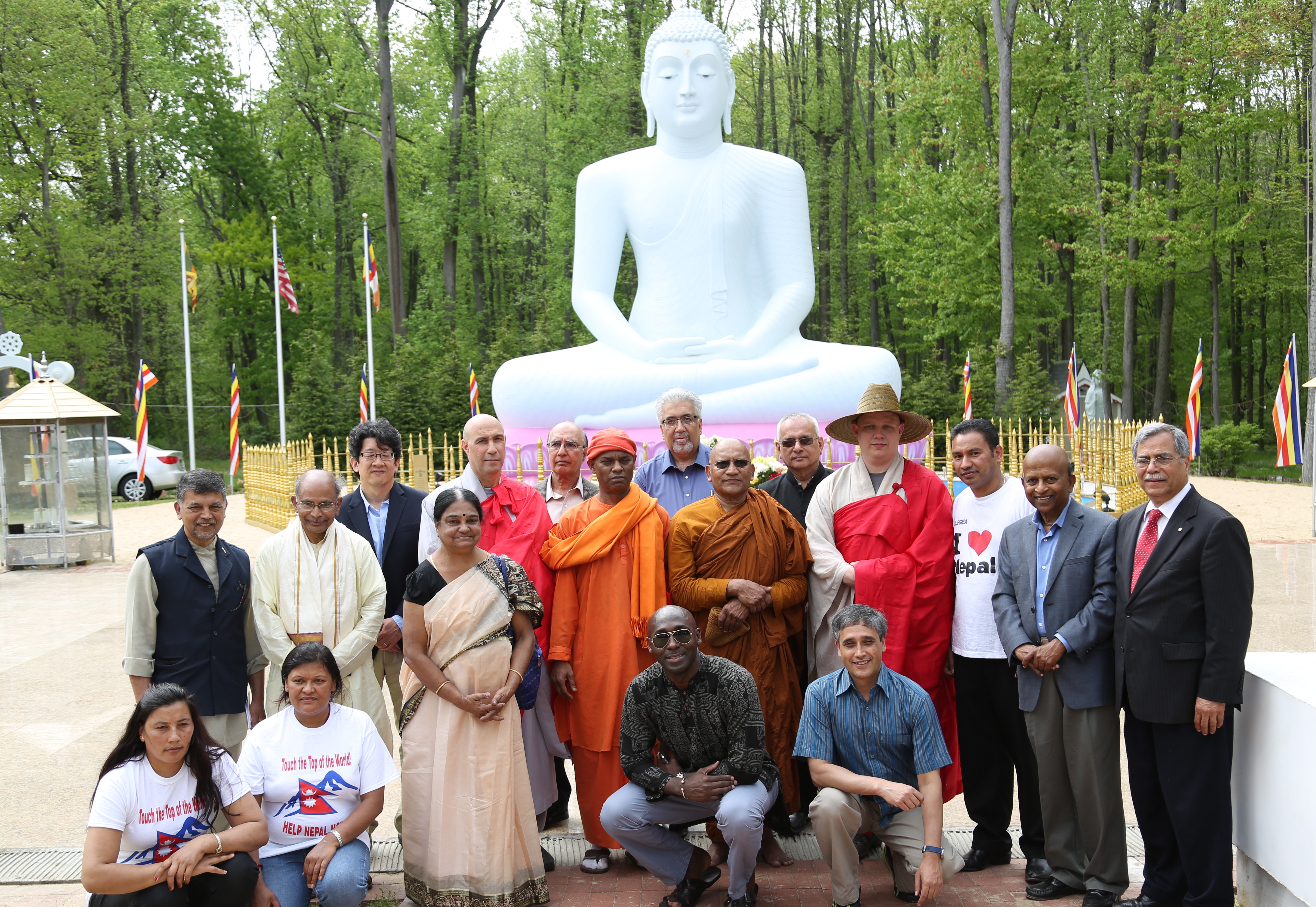
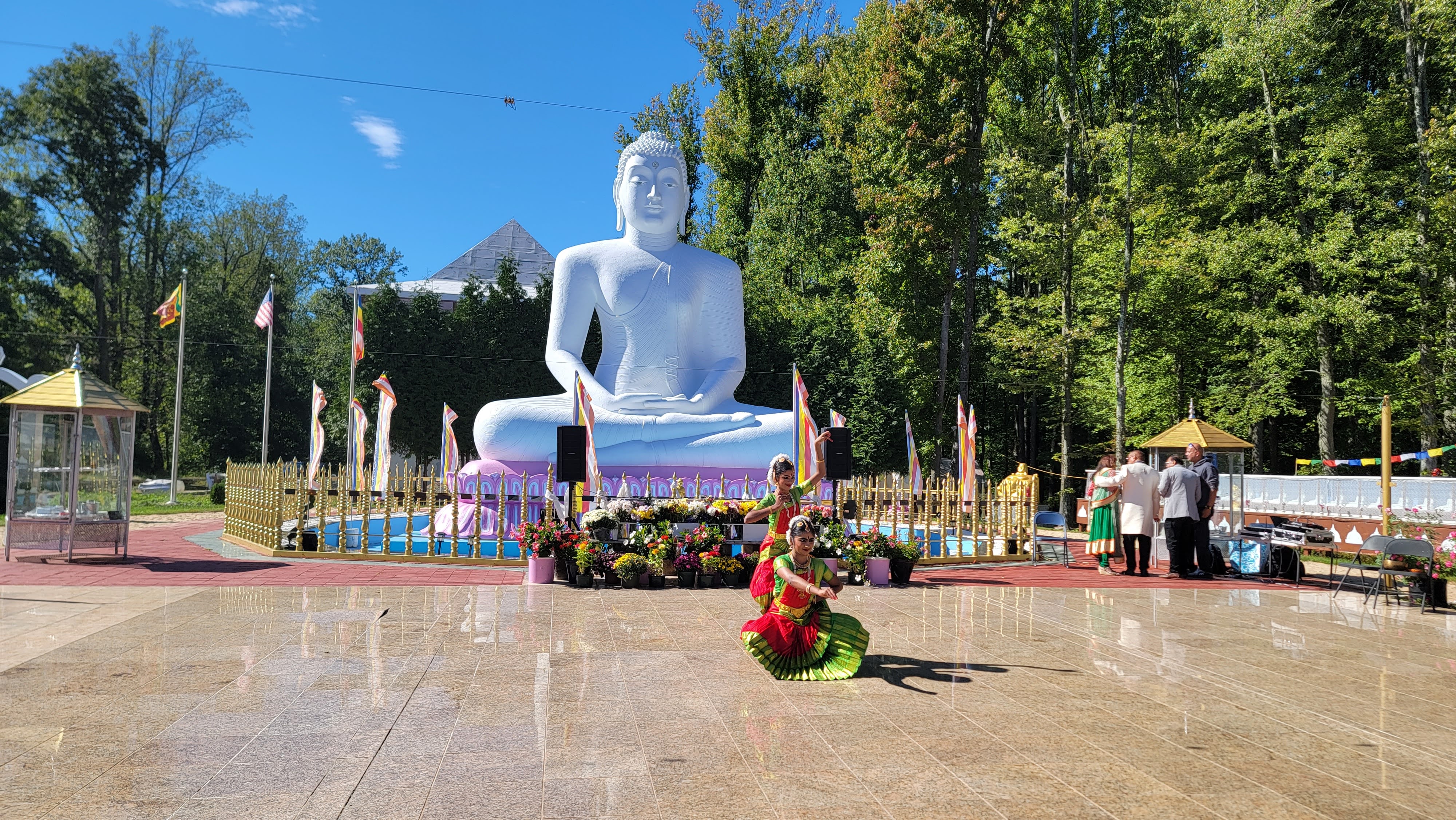
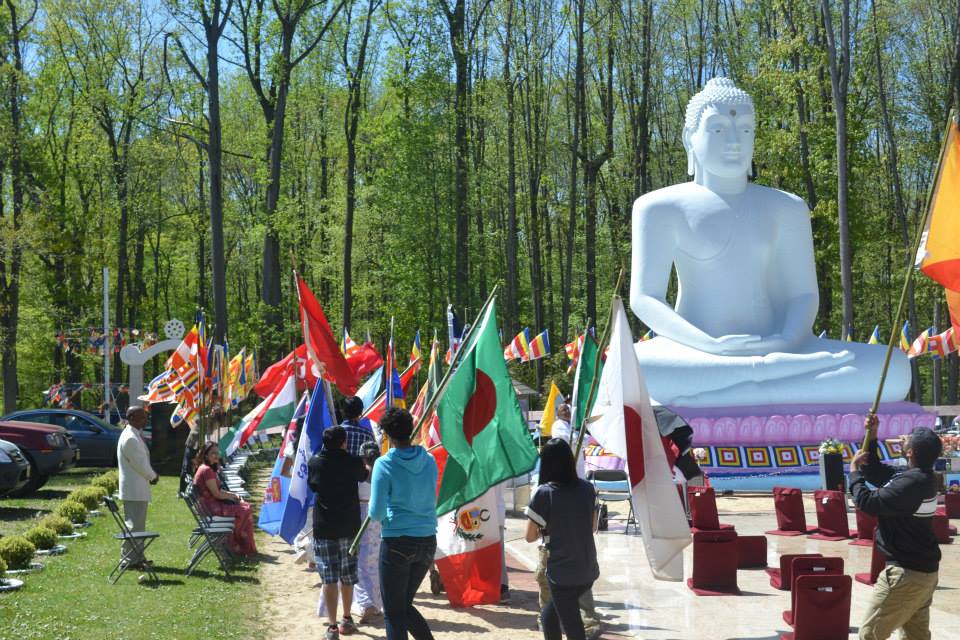
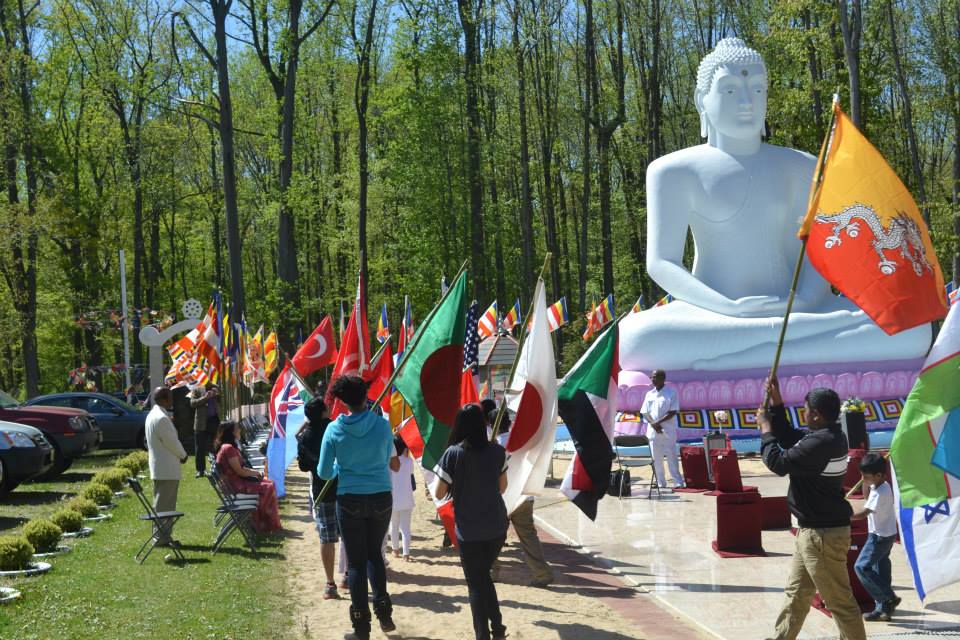
The Somerset County Cultural Diversity Coalition in cooperation with Interfaith communities, Lions and Rotary International has been holding an Annual International Day of Peace celebration in September and a celebration of messenger of peace on Buddha’s birthday in middle of May at the NJ Buddhist Vihara, 4299 Rt 27 in Princeton. The NJ Peace Garden has been visited by Tibetan and Nepalese monks, Interfaith Community leaders, Native American leaders, community leaders and elected officials.   

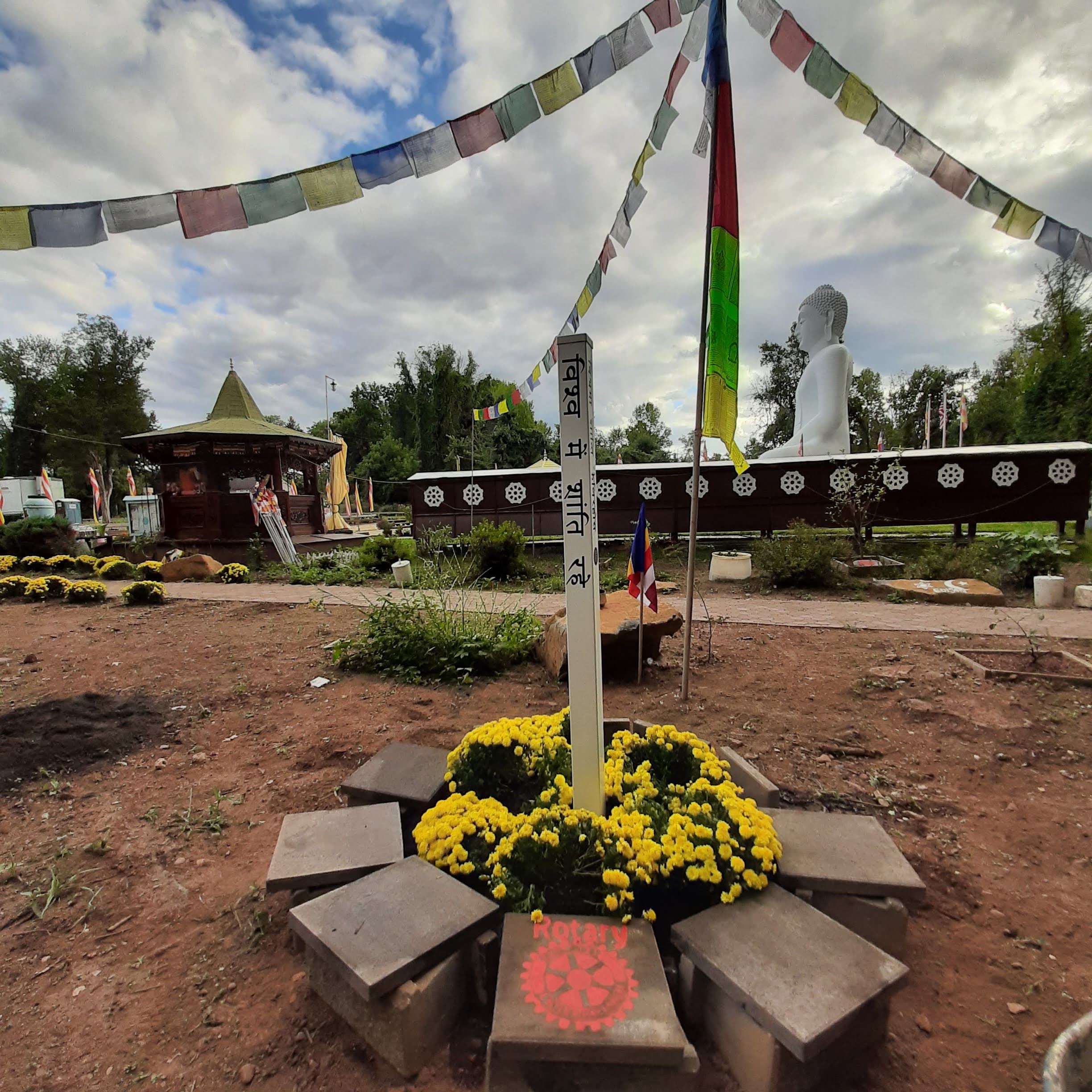
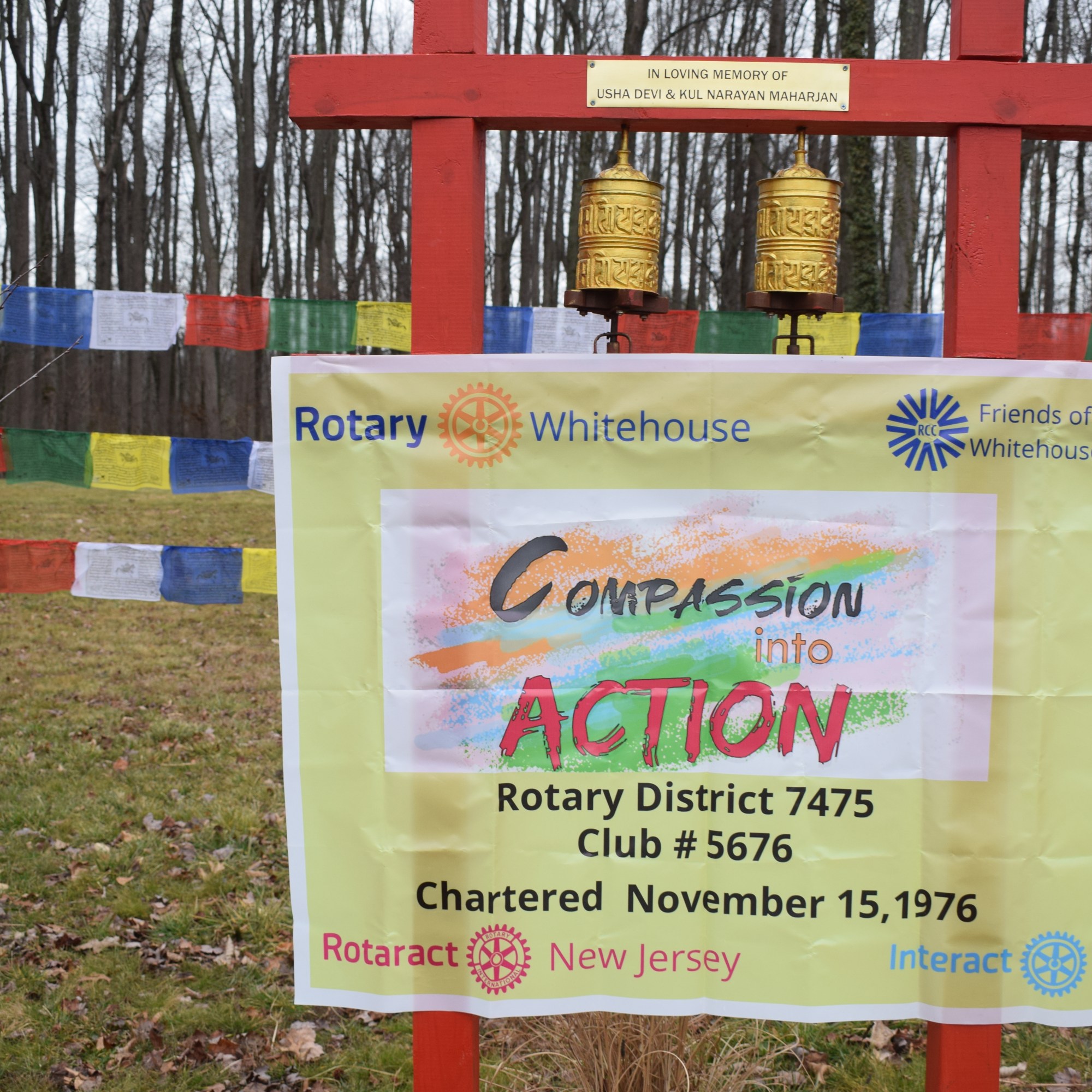
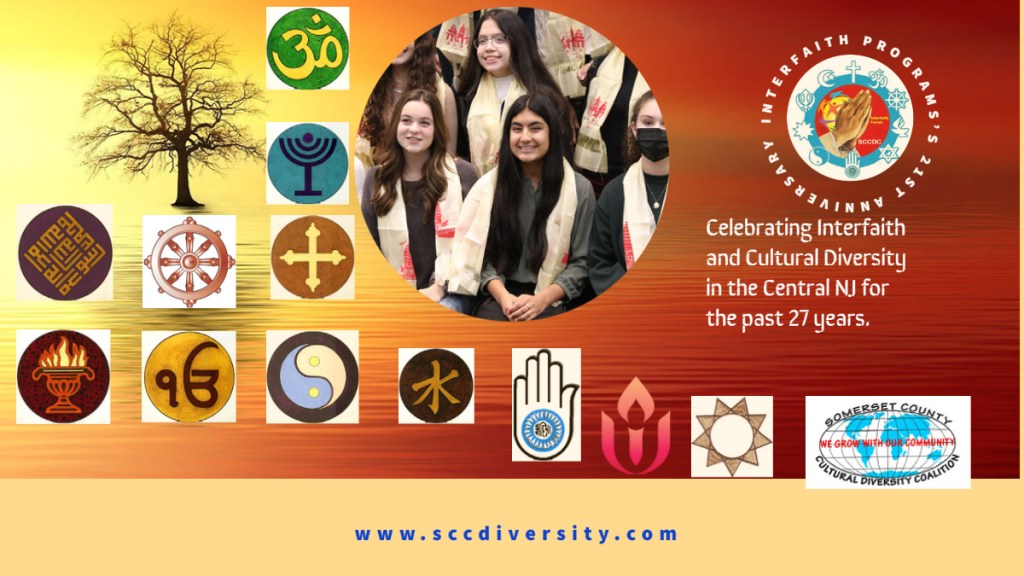
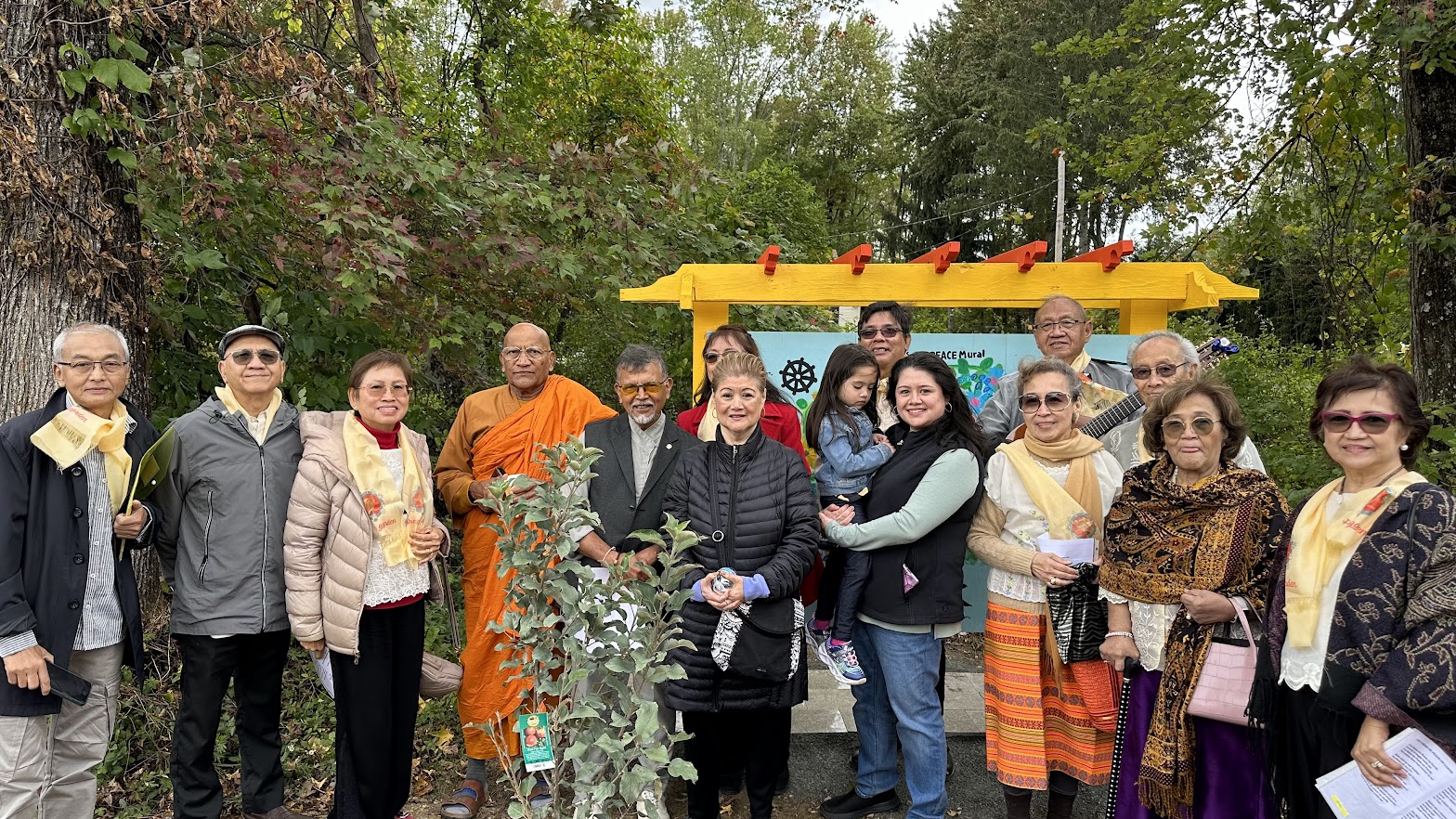
A newly updated NJ Peace Garden with the 13 different Interfaith symbols and golden rules from 13 different faith groups was dedicated on October 8th at the New Jersey Buddhist Vihara, 4299 Rt 27, Princeton during our Annual International Day of Peace Celebration.  

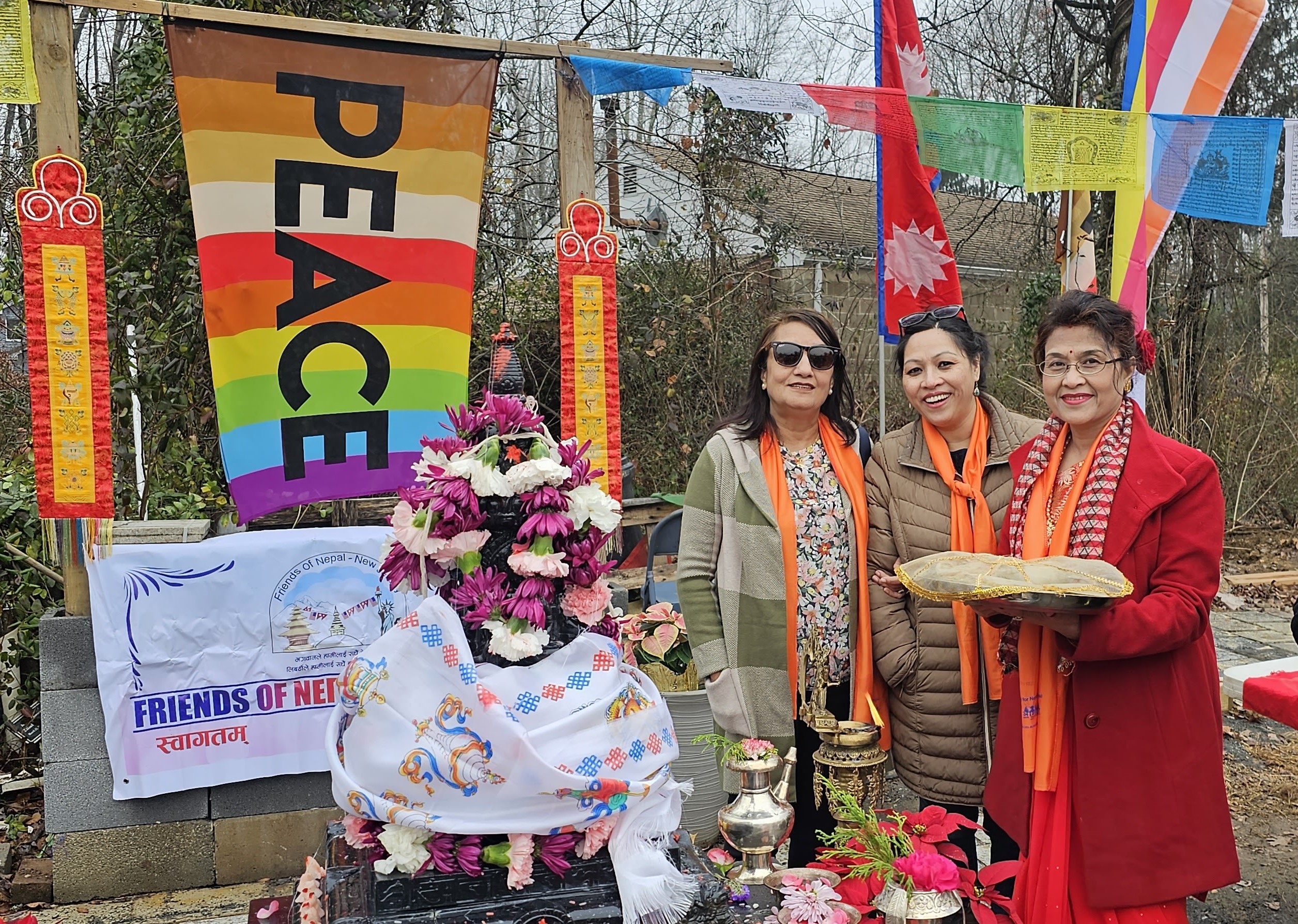
May the new Interfaith Peace Garden bring the peace to our community and around world.  Please join us for our New Jersey Nepalese American heritage festival on May 11, 2024, at 11:30 am as we grow a better World and learn to become caretakers of Earth and keepers of Peace together. Free International lunch and refreshments will be provided.

Our next Legacy Project will be to built our STUPA OF ENLIGHTENMENT at the Peace Garden. If you like to support this project, let us know.

Thank you.

Buddha’s Birthday Celebration and Peace Garden.

By: Mathews Lopes 

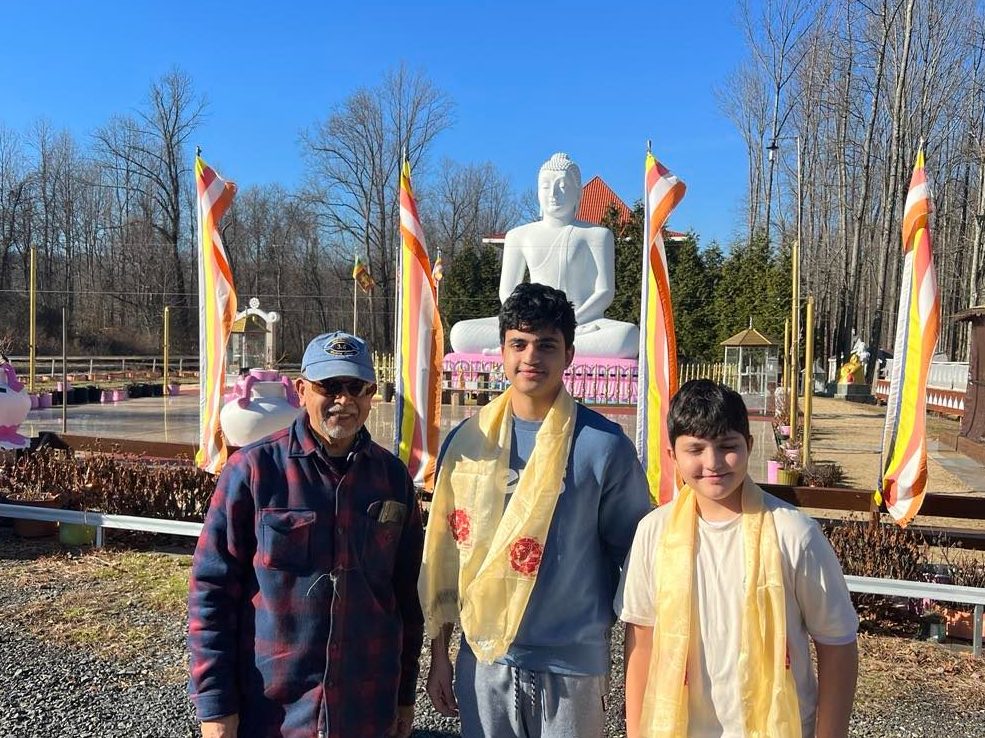
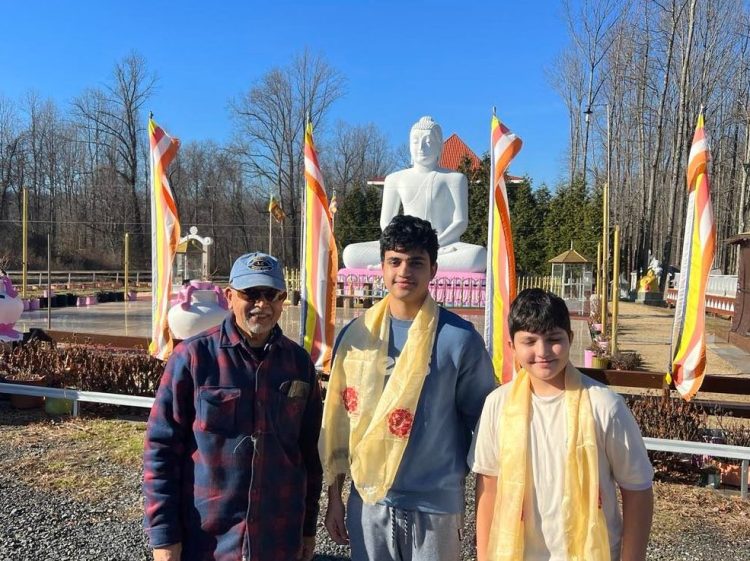
Hi, my name is Mathews Lopes, and I come to you today to share with you some of my amazing experiences at this weekend’s past Buddha’s Birthday celebration and Peace Day event.

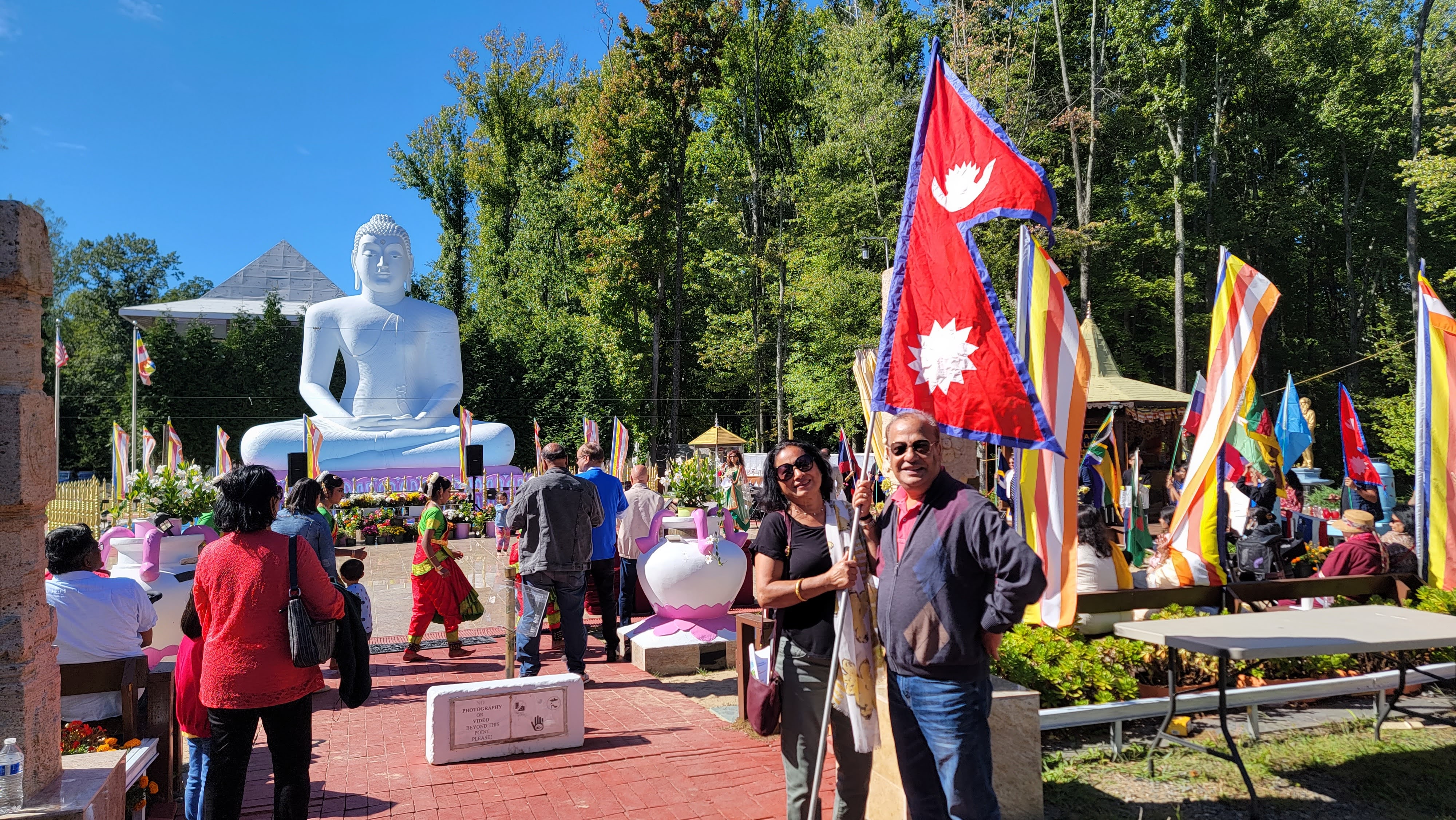
Let me take you back from the beginning. Well to start off this amazing experience I was initially incredibly nervous because I didn’t know what to expect. But upon my arrival at the statue, I knew at once what kind of time I was going to have. When I got out of the car and approached the statute of Budda, I was engulfed with the feeling of peace right away, and I felt a special connection. I was overcome with a sense of responsibility, and compassion right then and there as well. I truly felt like I belonged, and then after hearing the back story about the statue I was truly impressed even more than I already was, which is truly saying something. To sum it all up, the statue just gave me that feeling of peace and tranquility, and it was one of the most beautiful statues that I’ve ever seen in all my life, along with the amazing experience of the event. 

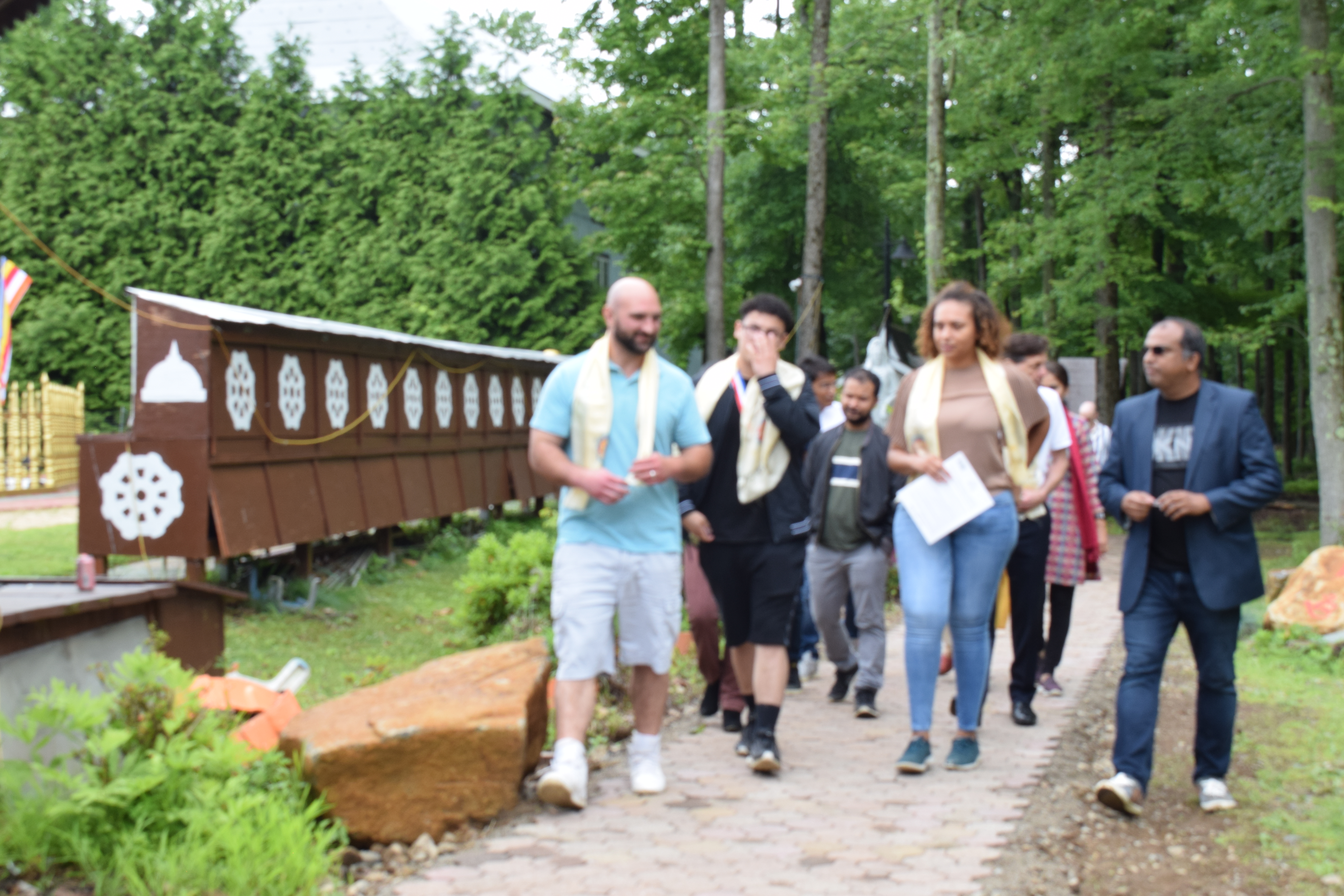
Let me now bring you to my first time walking the path of the peace garden. First off let me start off with the symbols, seeing all the symbols of religions incorporated into the garden was truly mesmerizing. Walking the path, I felt so calm and relaxed, and it made me feel grateful and truly blessed. Also walking the path, I saw the opportunity of improving it and helping my community by making it a place where people can find happiness and peace. It would also be for future generations, so that they can have a place like this. Walking this amazing path just brought me to a different place and gave and still gives me high hopes for the future, and I can’t wait to get started on this goal that I already have envisioned.  

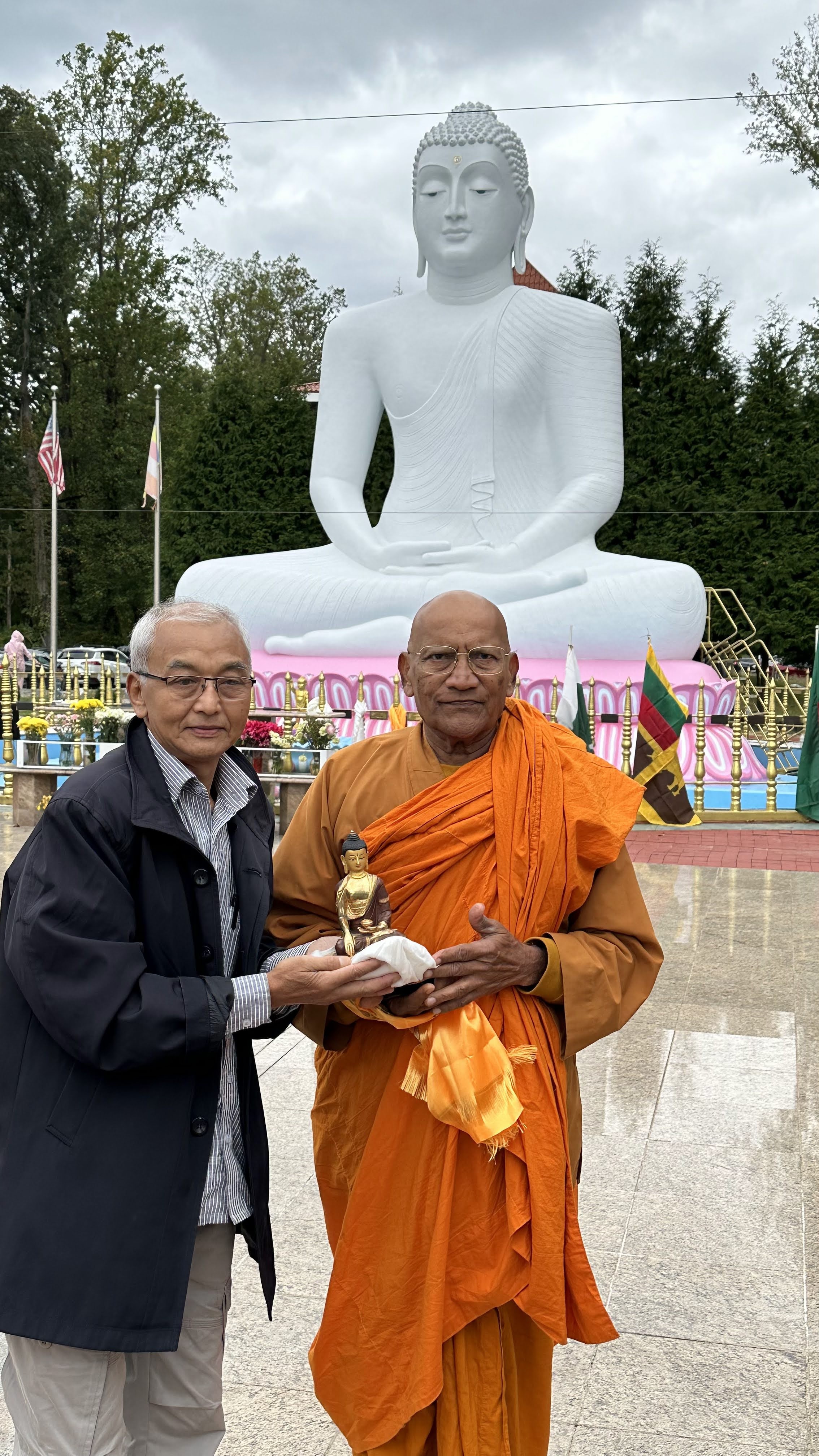
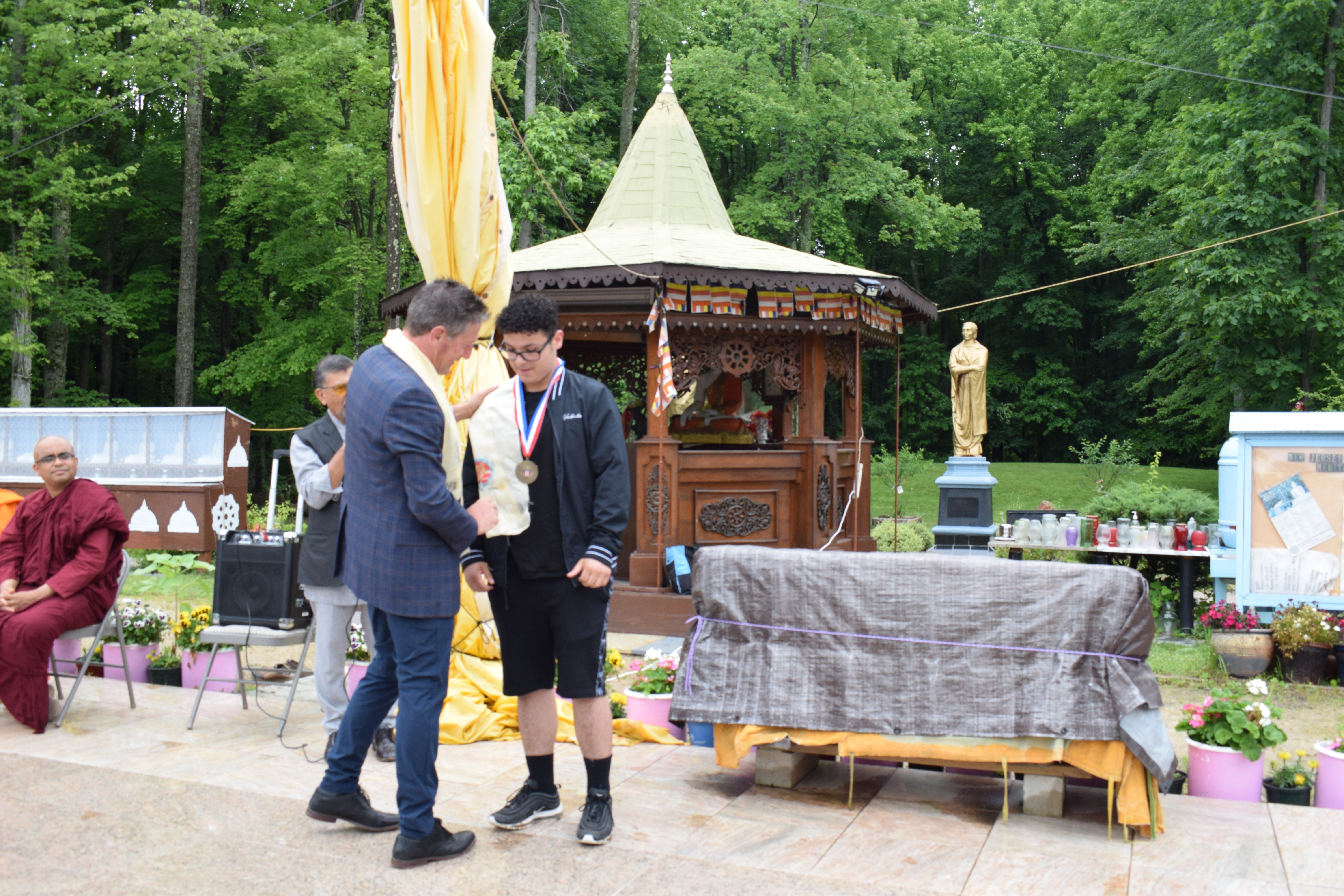
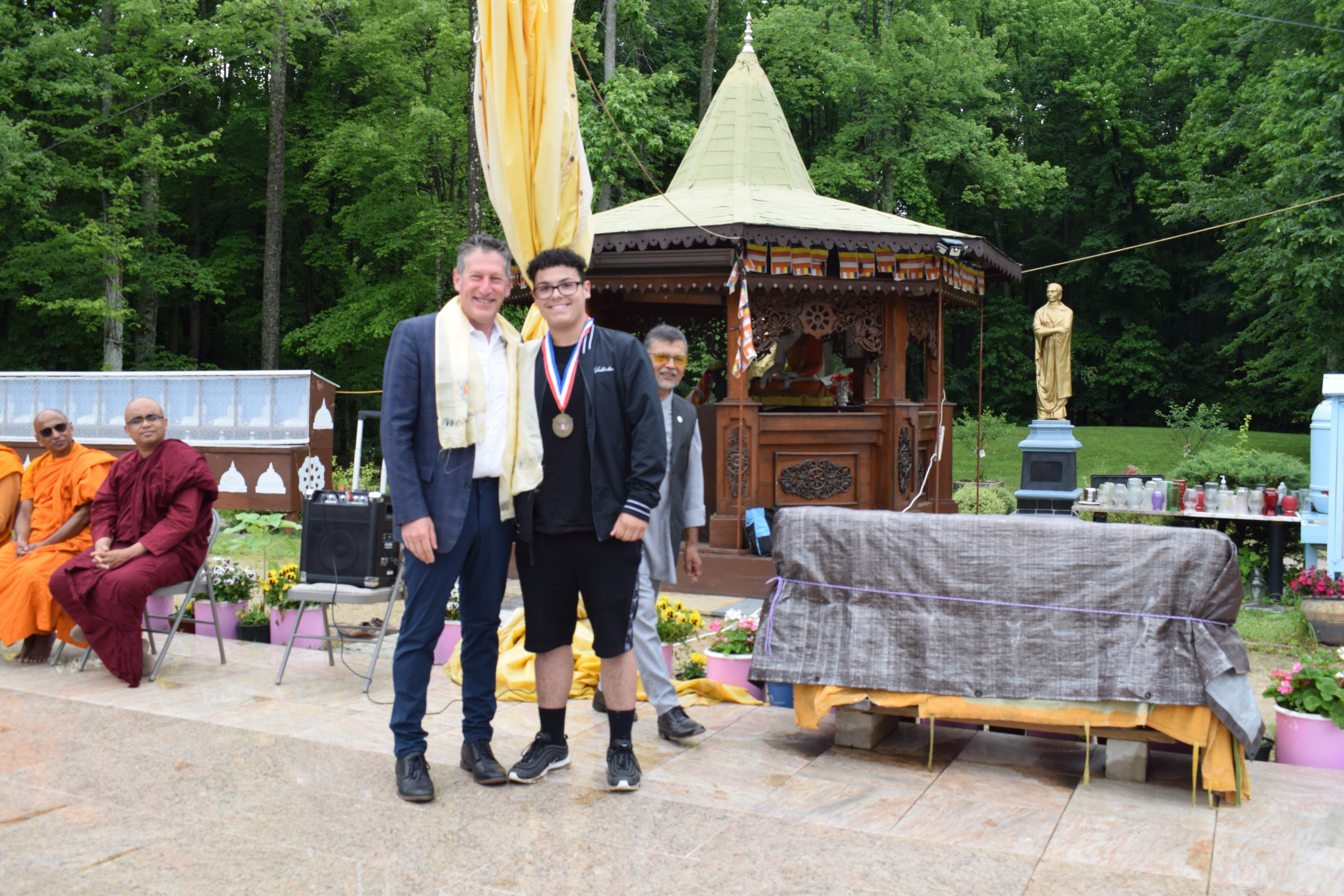
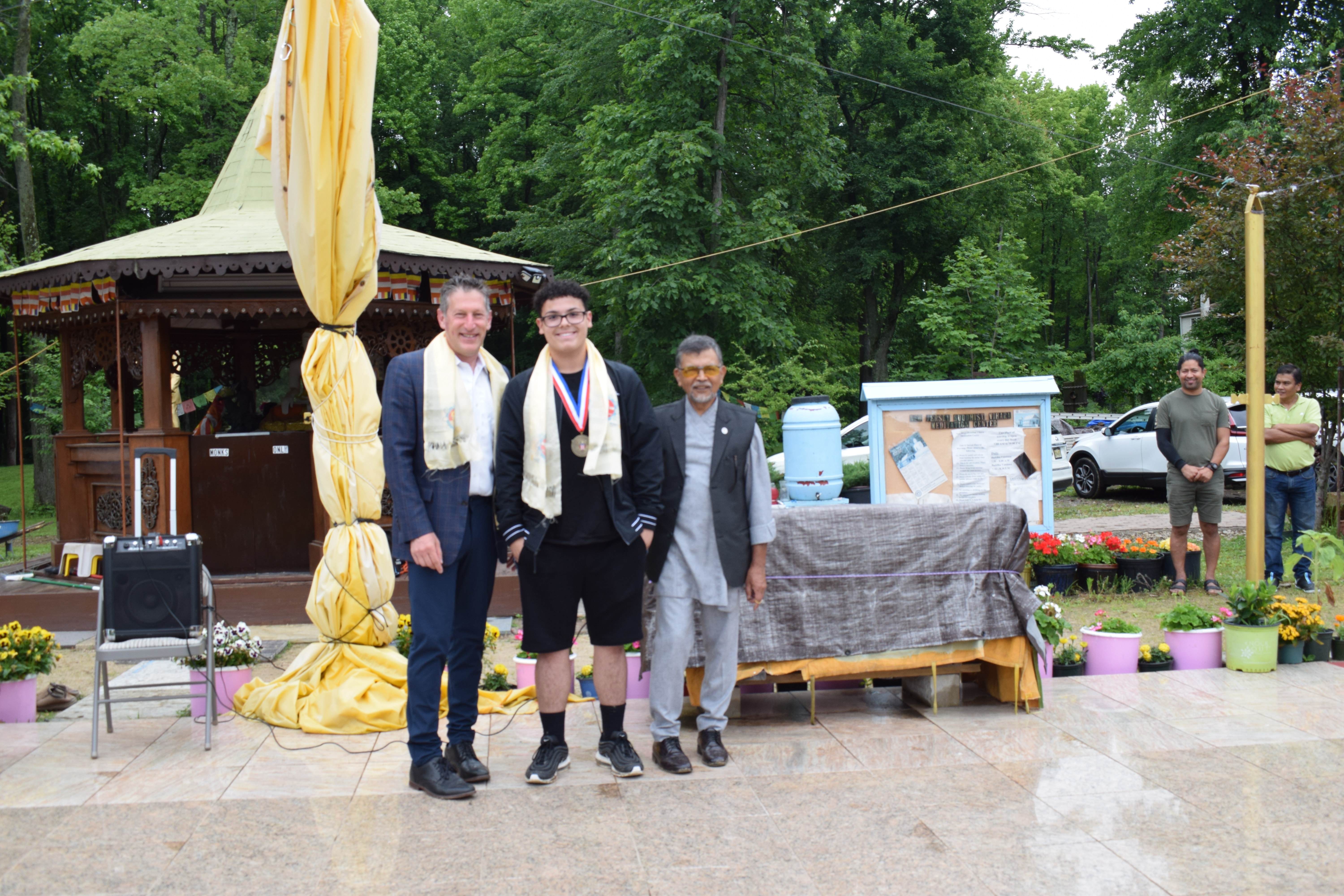
Moving on, I honestly didn’t know what to expect, I’m not familiar with the Buddhist religion and culture, but the way that the community at the peace garden treated my father and I, it truly blew me away. Everyone’s kindness and acceptance showed me that there are amazing people in this world. Experiencing their culture was amazing, seeing the monk’s prayer of peace was simply amazing to say the least as well. The food was great as well, it was a little too spicy for my dad, but I quite frankly enjoyed it. It made me feel as if I was truly part of something greater and something spiritual.  Moving on, seeing that gentlemen get a lifetime community service award reminds me that there are people on this planet that truly care, and are selfless, and that I aspire to be like one day. There really isn’t a limit on the number of words I can put into this article to show and express my gratitude for this event, I’m just so thankful that I was able to be a part of this amazing and truly life changing event/ experience.  

I am only 17 years old, but in my lifetime, I have never lived in a time without war. From Afghanistan and Iraq to what is happening right now with Russia and Ukraine. So, my hope is to contribute my time to making this peace garden a place for all races, all faiths, and anyone who wants to come to this place to see that there can be a place on this planet without hate, without judgement. A place where a simple path can clear your head, and for a moment make them smile.  That’s my goal, and as the director of this project it is my job and mission to see it through until the end. I look forward to seeing what my team and I can contribute to and seeing just what a group full of intelligent minds can come up with.  

By Mathews Lopes  

PASSION FOR SERVICE brings Suresh Shrestha to join the Whitehouse Rotary’s Community Rotaract club

“Service is the rent you pay for room on this earth.” Late Congresswomen Shirley Chisholm

Suresh helping with the Peace Garden Project.

Suresh Shrestha began his college life in public service helping many youth groups in Nepal as a member of the Sindhu Public Awakening Youth club. His passion for volunteerism continued to grow when he moved to the USA.  When he heard about the opportunity to serve as a Rotaract Club president, he jumped to that opportunity to work with the Rotaract clubs around the world.

When he moved to Kathmandu from his village Sindhupalchowk, he started working with the Sinamagal Youth Alliance. He recently helped to raise funds here in New Jersey for a child who was going through cancer operation in Nepal. Over the years, he taught youth groups in Nepal.

When he moved to New Jersey, he got involved with the Friends of Nepal-NJ as a web master and coordinating various programs and activities with the FONNJ.

He was a youth group member for many years with the Shree Sidhi Binayak Youth Club in Nepal, planning and attending their extended retreats and programs.

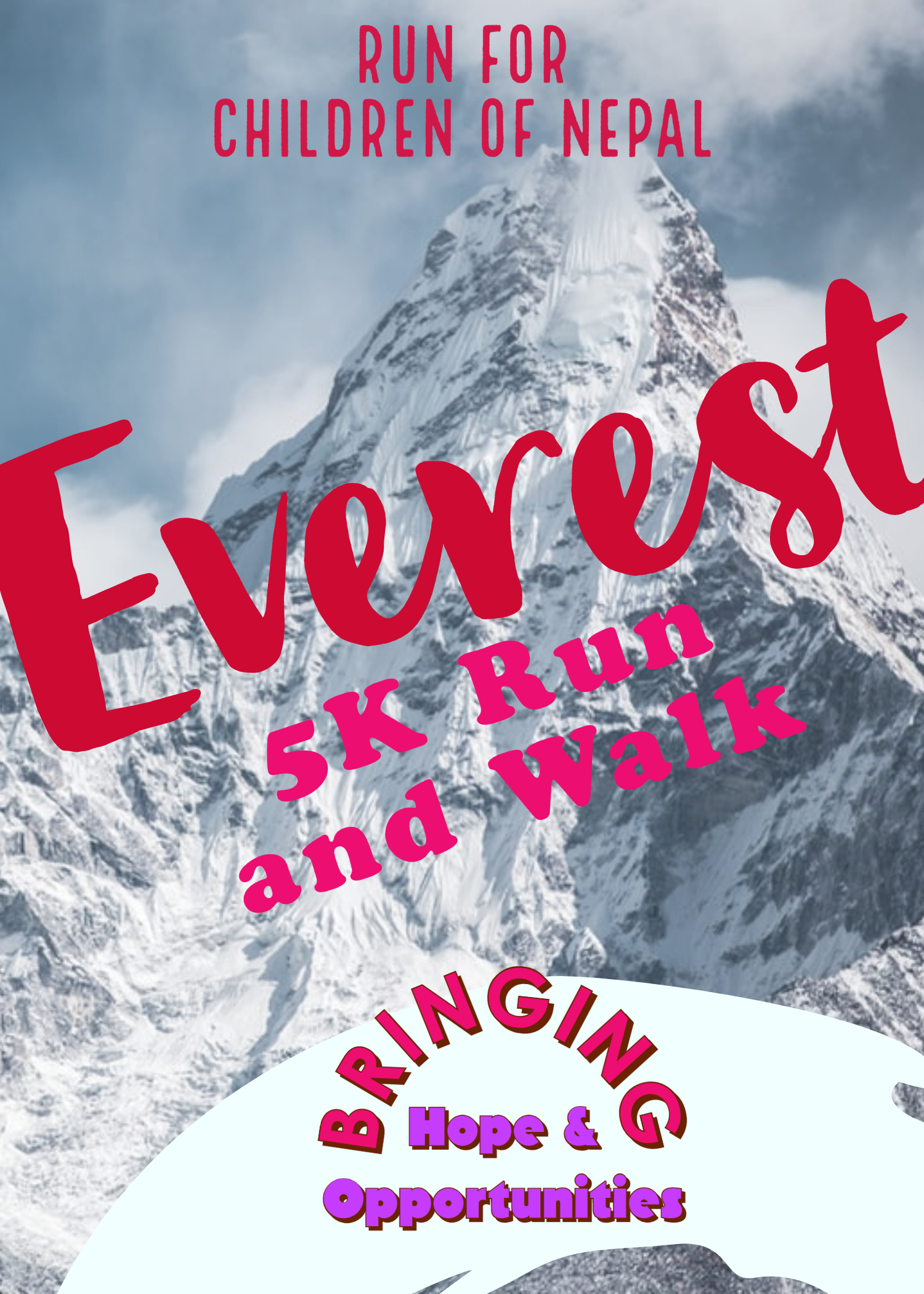
At this time, he is spearheading the Mt. Everest Run and youth programs in conjunction with the Whitehouse Rotary club.

 “We are delighted to have Suresh join the Rotaract Club of New Jersey, with his passion for helping others, he fits in with the Rotary’s motto “Service Above Self”, said Manish Karna, Director of the Community Service of the Whitehouse Rotary Club.

Manish Karna

Manish Karna
Peace Garden Project

Changing LIVES in Nepal

MILLION DOLLAR IMPACT in Nepal with Partnerships, Collaboration and Special Rotary funding.

Thanks to our supporters.

“Alone we can do so little; together we can do so much.” — Helen Keller

Dr. Tulsi R. Maharjan

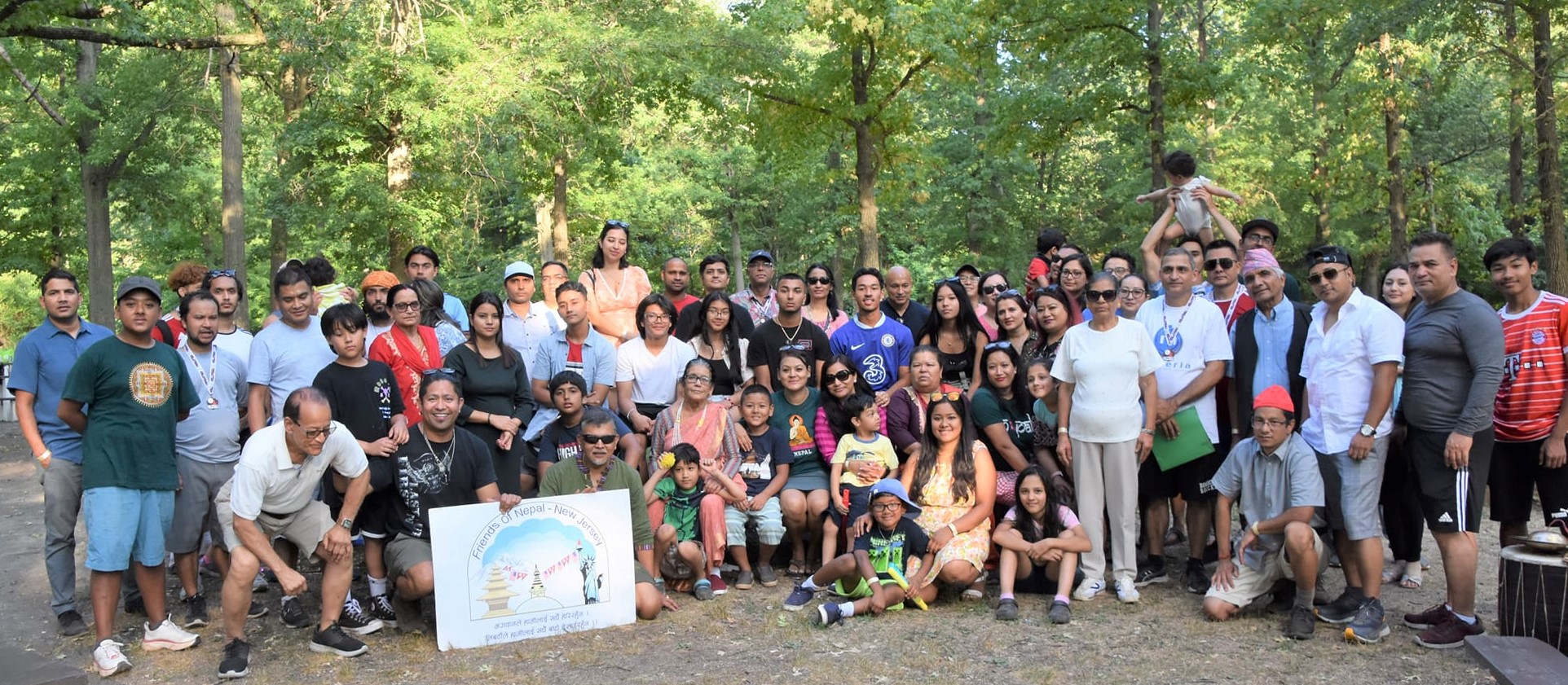
Friends of Nepal-NJ (FON-NJ) is a non-profit organization, created to promote and preserve the social and cultural heritage of Nepal and develop networking opportunities for people living in the tri-state area. Through networking and membership support, this organization has been providing educational opportunities and HOPE for individuals in Nepal.


Concerned people have been talking about what can be done here in the United States to help each other as well as what can be done to help the children of Nepal who might not have opportunities or resources to move ahead. FON-NJ has been providing resources to help each other here and also in Nepal since 1990.


Unsettling images of our homeland can be seen on the Internet and the evening news. These images disturbs and sadden us. We feel helpless not being able to do much to change the situation. What should be our response to such conditions? What can be done to ensure a brighter future for many disadvantaged people in Nepal? What can we do? Those thoughts and support from concerned people started our projects in Nepal.


I always get inspired to help after my I visit Nepal. https://theashapro.blog/2018/04/26/passion-purpose-and-promose/ In the midst of the poverty and disparity, I see committed people making a difference. If we all work together, we can make a difference by fostering hope and opportunity for new life. Since my last visit to Nepal, we have collaborated with many organizations to start special projects in Nepal. It is possible for one person, or a group of people, here to have an impact in Nepal. We do not have to make a big change at once; we can make a lot of little changes over a longer period of time. Every little change will cause another change.

I personally feel that by helping a young person fulfill his or her dream of obtaining education or skills, we will be showing the seed of kindness and hope for another generation.

Without education, I would not have been in this country. We are fortunate to be in this country and be able to achieve our dreams. Now, we can make those young people’s dreams come true through our help.


By helping people in Nepal we will also giving our children here the gift of social awareness that is necessary to live a full and meaningful life. Our children must understand that they are important to us and to the future of the world. Only by reaching out to others will they fulfill their lives.

We all know that a lasting victory over poverty will not come easily and may not be within our sole control. It will take hard work, dedication and planning by everyone, here and around the world, to make a difference. FON-NJ’s programs and activities are helping to educate, support and inspire many poor people in Nepal.  

Our projects have helped and effected lives of the people in Nepal and given them education and hope. FON-NJ has dedicated 100%  of its membership dues and Legacy Circle dues to scholarships and other projects in Nepal. We are happy to share many success stories of our efforts in Nepal. Our special partnership with the Asha Project and the Rotary District 7475 is helping to have multiplier effect in all our projects we have done in Nepal.

Making a difference in Nepal – how our projects have made a difference in the lives of children, families and communities.

I want to thank all those individuals who have already joined FON-NJ’s Legacy Circle for being valuable partners in this crusade. Together, we will be able to make a lasting difference in the lives of children in Nepal and at the same time gain a piece of mind knowing that we are helping to make a difference in somebody’s life.
 
Jaya Nepal.

2021 Annual Report https://docs.google.com/document/d/1tRBoJWJQ_6U2TqcHzQziv6jfLXsUZ2ZZdbanMZGRqHU/edit?usp=sharing

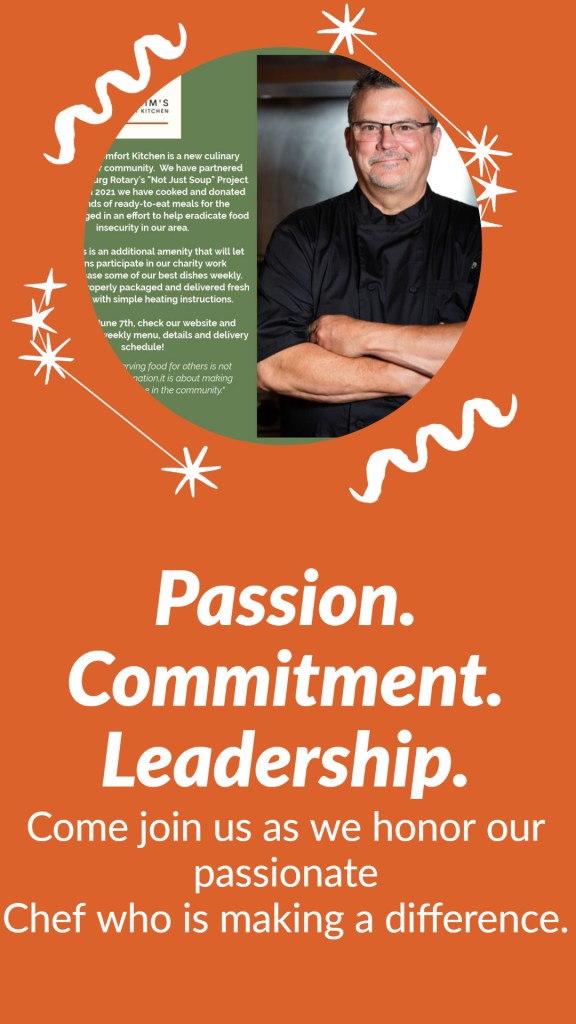
Papa Jim to receive the U.S. President’s Lifetime Achievement Award.

If you wonder, “What can one person do?” think of Jim McGrady. Jim has a long history of using his chef skills to help communities.

When he owned a restaurant in Ocean City, he frequently donated food to local shelters, rehabilitation programs, special needs kids and veterans’ groups.
When he began working at Maggiano’s Little Italy – where he picked up the nickname “Papa Jim” from the young employees – he revamped their charity strategy to help the chain donate millions of dollars to the Make-A-Wish Foundation.

Then, McGrady moved back to New Jersey and joined the Somerville Elks Lodge, which is a large contributor to the charity Jack’s Kids. He became involved in their charity work, and also used his experience to rebuild their charity strategy to help them raise 900% more donations than they had before.
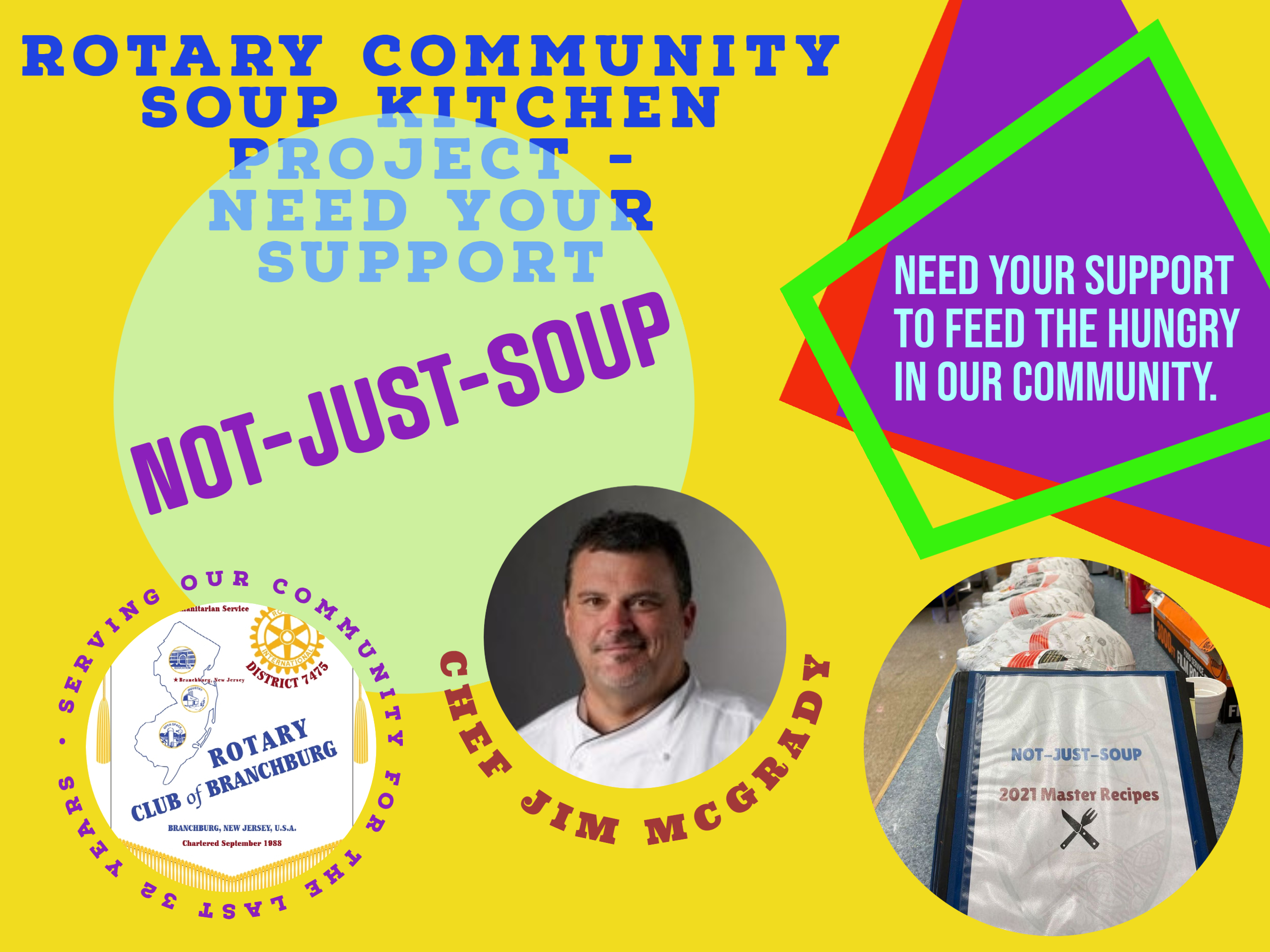
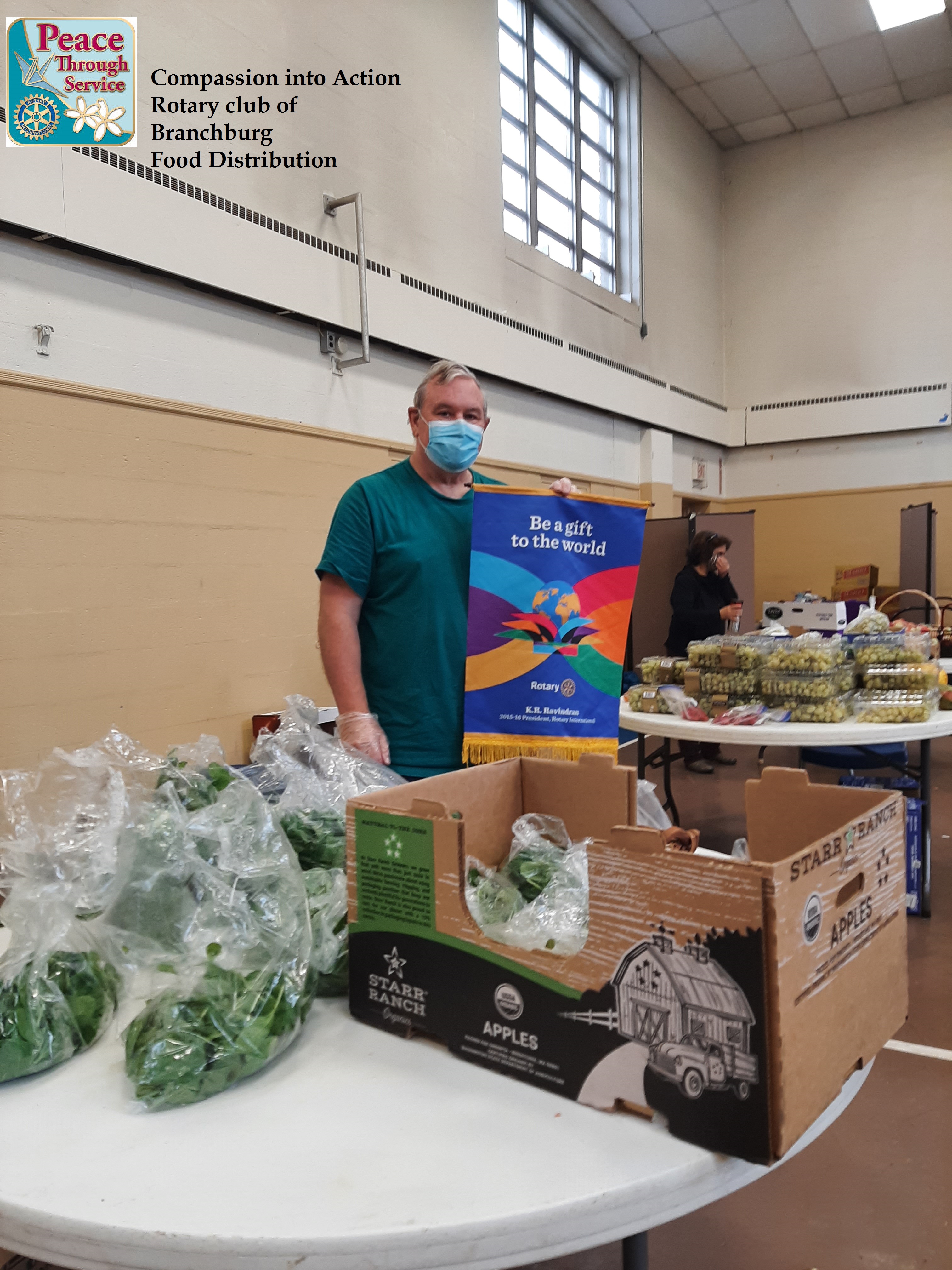
Last year during COVID-19, McGrady retired from the Elks, but he wanted to continue to help Somerset County during the time of crisis. So, he connected his old friends and partnered with the Rotary club of Branchburg and started cooking at the Bound Brook Presbyterian Church and distributing meals to various churches and senior centers in Somerset County. As a result” Not Just Soup” program was started.


Many community groups are participating in this program. This became the Community Meal Program during the Covid pandemic. The Community Meal Program grew to meet the growing needs of the community.
Through the benevolence of the community, and without any government support, the Rotary Club and different participating organizations have been able to distribute more than 300 meals a week and have also started food pantry.

In addition to his work with “Not Just Soup” Jim has started “Papa Jim’s Comfort Kitchen”

Papa Jim’s Comfort Kitchen is a new culinary service to our community. Everyone that purchases meals is also helping McGrady to donate meals to hungry local families.


Website: papajimscomfortkitchen.com
Facebook: Facebook.com/papajimscomfortkitchen.

Mr. Mahesh Advani to receive US Presidential Lifetime Achievement Award

Mr. Mahesh Advani has been an altruistic force in Central New Jersey through his involvement in a many non-profit organizations’ programs and activities from raising funds to dedicating his time and talent for the last 20 years.

He has been member of the Indian Health Camp of New Jersey for many years, an organization dedicated to providing health screening; medical consultation, diagnostic test services and need based financial support to uninsured or poorly insured individuals in the community. This organization has served more than 10,000 patients, saving more than $6 million dollars for the patients.

For the last ten years, he has been helping to organize NJ’s Peace Day Celebration to promote peace and understanding in our Central New Jersey communities. As a past Assistant Governor of the Rotary District 7475 and charter president of the Princeton Lions International, he has been helping many community organizations to work together with Rotary and Lions. He has also served on the boards of many community organizations including Sarva Dharma Center, Ved Mandir, Sadhu Vaswani Center and member of the Economic Development Committee of the South Brunswick Township, Community Emergency Response Team for the North Brunswick Township.

According to Past District Governor of the Rotary International, RID 7475 Dr. Tulsi R. maharjan “Mahesh embodies the mission of the Rotary International’s commitment to unite, nurture and bring together community people to promote peace and understanding in our rapidly changing communities. He is a community connector and community builder and exemplifies not only as a great community leader but also someone who gives back”.  

PDG Dr. Tulsi R. Maharjan

He currently lives in South Brunswick, surrounded by his wife Renu and his three children. 

Please join us on May 7 at our annual International Peace Day celebration to congratulate Mahesh.