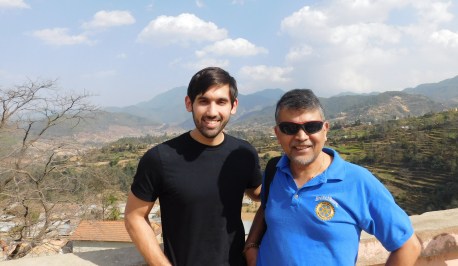
For Father and Son, Rotary is about much more than belonging to a humanitarian organization. It’s about making a difference in the world.
 “When you’re a part of Rotary, you’re really making a difference, both locally and internationally,” Dr. Maharjan said. “When you think about all the wonderful things Rotary has accomplished, who wouldn’t want to be part of one of the most successful humanitarian organizations in history?”
Dr. Maharjan recently took the helm as president of the Branchburg Rotary for the 5th time. Dr. Maharjan is a charter member of the club, which started in 1988. It’s the first time a father and son have served as Rotary members in Somerset County, Dr. Maharjan said.
 “It was fun to be able to do those things together, and it’s nice now because we can bounce ideas off of one another,” Anil Maharjan said. They have already completed three humanitarian missions to Nepal. They are planning their 4th Humanitarian mission in early February 2018.
Anil Maharjan joined the E-club last year and this year he decided to join his father’s club. Anil is a CPA and graduate of the Babson College and works for the MarketSmith as a director of the Innovation. He believes in the Rotary’s service projects and all the impact they are making around the world with various Rotary Foundation’s matching grants. Branchburg Rotary has just received $95,000 grant to implement a micro credit project in Nepal.
 Father and Son team has been working on the Asha Project in Nepal to provide scholarships, micro credit and home building for the earthquake victims since the major earthquake in 2015.
Anil said Rotary sparked his interest after listening to his father always talking about various local and international projects his club has been involved for the past 29 years.
“We’re pretty good at raising money and giving money away to different organizations,” Anil said. “But I really like the hands-on service projects, where you can see you’re making a difference.”
“I would say one of the best things I ever did in my life was join the Rotary Club of Branchburg, because they’re just one of the most generous members I’ve ever known,” Dr. Maharjan said.

 The group plans to build toilets, help at the youth center. They will also paint schools and distribute school supplies to poor children in Nepal.
 You can visit http://www.theashaproject.org for more information about the mission and projects.


 In hopes of getting more Rotaract students to be involved with the Rotary, the Rotary club of Branchburg has started a new program called Pathways to Rotary, where Rotaract members can become members of our Rotary club. We envisioned a future where Rotaract members will work with the Rotarians to promote the ideal of peace and understanding. Pathways to Rotary is also a great way to for Rotarians to ensure the future of Rotary. Through the program, the club employs Rotary’s guiding principles to bring vocational service to life by giving members opportunities to use their professional experiences, leadership and skills as mentors to guide young people in building a successful future.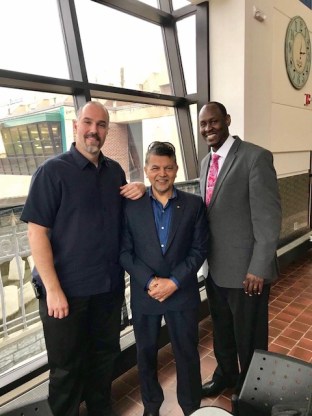

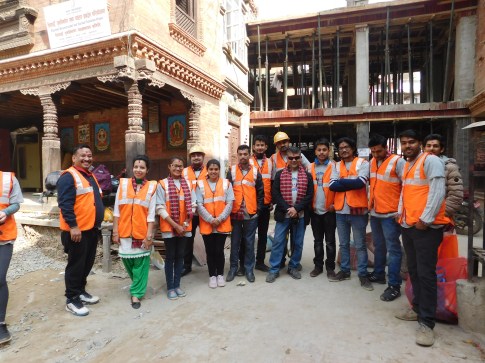 Rotary founder Paul Harris once said, “The story of Rotary will have to be written again and again.” Our club believes that in our new Pathways to Rotary story demonstrates how today’s youth can help to make a difference, given them an opportunity to serve along with the Rotary club members.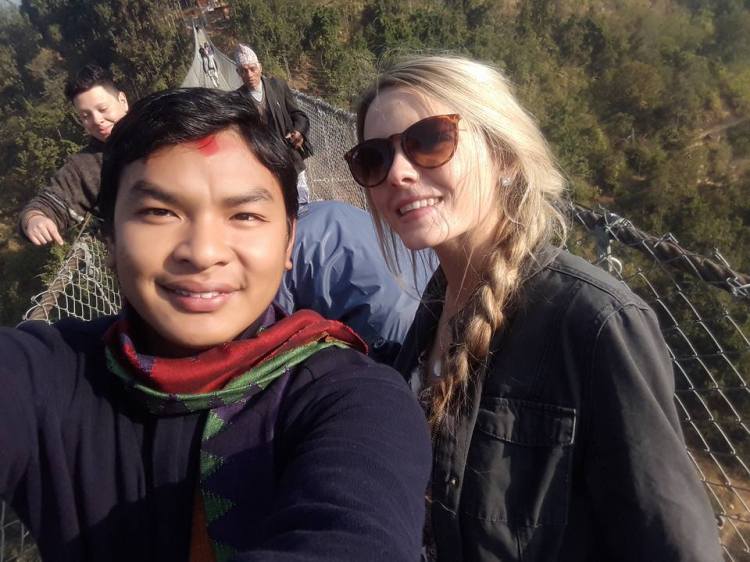


 ASHA is the Nepali word for “HOPE.” When we think about what motivates us to serve,we are drawn to this word, which is the name of my current mission, The Asha Project. To us, hope and opportunity are really at the core of the Rotary’s mission. Providing hope and opportunities to people in Nepal who are less fortunate is what motivates us.
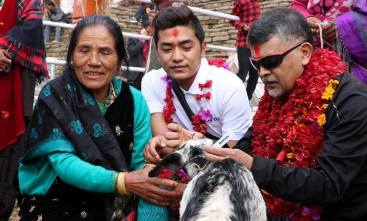 Hope and opportunity brought me to America 45 years ago and I always wanted to do something for those less fortunate people in Nepal. Now, my son has joined me as an E-club member in our district to assist with this project. We will be taking our 3rd humanitarian mission in early February 2017. While there we will also celebrate the Silver Jubilee of our humanitarian work in Nepal.
 This is why the three pillars of the “ASHA” project are: building homes to help create stronger families, creating $100,000 microcredit loans for a prosperous future and to grow micro-businesses, and providing scholarships for under-represented ethnic groups through our Rays of Hope scholarships for a brighter future.


 Sebastian’s Story
 ● Did you meet anyone who intrigued you or left a strong impression on you, and why?
 actful moments in my own life.
 THIS HOLIDAY SEASON; take a different approach.


 This is a campaign to promote the reading culture among children by providing books through an easily accessible library system in Schools in Nepal as well as provide books to students to read. Every school going child will have easy access to read their favorite books- inspiring stories with beautiful illustrations and pictures. Everyone has a dream to read a favorite book in their childhood which helps them to recognize their own strength to do something in life.
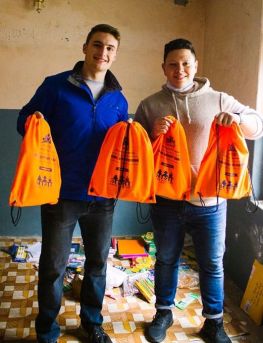 But in many parts of the developing countries books are not part of a child’s early experiences. For parents who cannot read or struggle daily to care for their families, books are not a priority. With this project we hope to bring story books and literature to children and to classrooms is something we Rotarians can to improve access to basic education and literacy.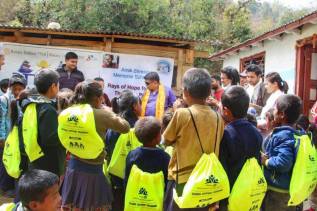
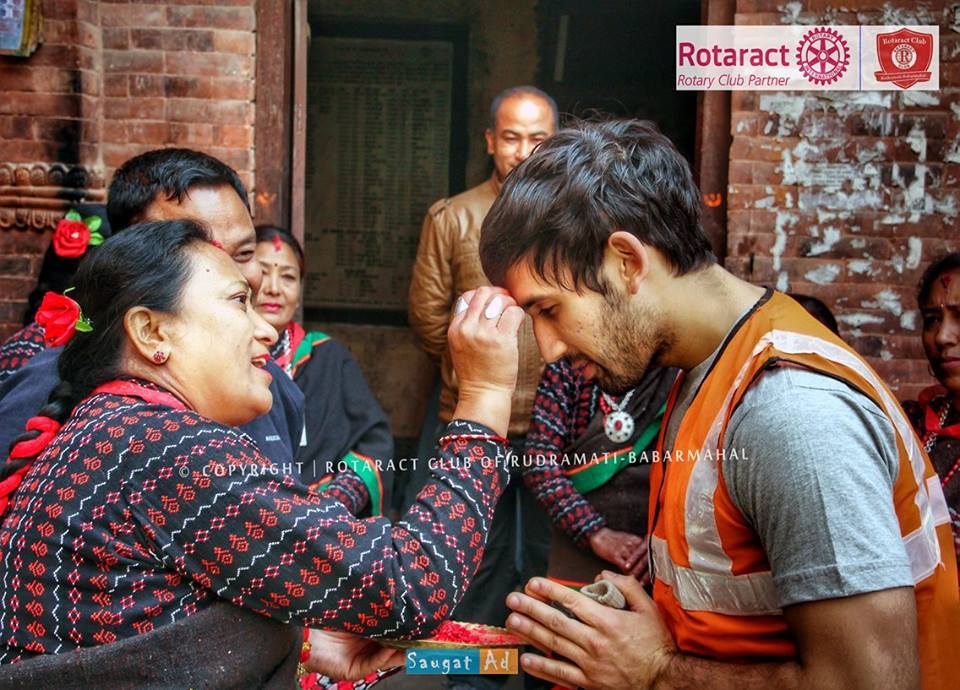


 As members of the College’s Rotaract Club, students are given the opportunity to serve the community and learn about leadership, civic engagement and responsible citizenship. For additional information about Rotaract at RVCC, contact club advisor Nemanja (Nik) Nikitovic, Nemanja.Nikitovic@raritanval.edu.
