 The Asha Project changes lives. Helping to rebuild homes and delivering school supplies impacts the people of Nepal immediately for the better. The Nepal Earthquake that struck Nepal in May, 2015 killed over nine thousand people, injured more than twenty-two thousand, and left hundreds of thousands of people homeless. Whole villages were leveled. The Asha Project works to help these people still struggling to rebuild. ASHA means “Hope” in Nepali language.
More than reconstructing buildings, the project enriches lives by making connections between volunteers and those helped. The Friends of Nepal-NJ organizes trips for people to participate in the Asha Project. While it sounds like a major endeavor, Americans traveling half-way around the globe to help people they never met, it is also something elegantly simple, one person easing the suffering of another.
 Sebastian is one such person. He recently travelled to Nepal to serve. While there Sebastian helped deliver school supplies. Many children now have a better chance of getting the quality education needed for them to succeed in life. Sebastian sowed the seeds for the future of Nepal. One of the highlights of his trip took place about an hour outside of Pokhara. The children waited hours in the hot sun waiting for over forty bags of school supplies. After waiting for hours the children looked weary. It was almost a test of endurance for them to sit there.
Then the time came. A ceremony surrounded the gifting of each package to the children. As the ceremony started the fatigue dropped away and both children and parents perked up with renewed energy. The happiness and gratitude beamed from their faces. The ceremony varied from school to school but each reflected the joy and humble thanks for the aid. These moments resonated within Sebastian, enriching his life.
 The connections made between Sebastian and the people he helped, in many ways, are more important than the supplies given out or the construction. The overwhelming kindness shown by people like Sujan Regmi, who helped organize the trip in Nepal, made the trip possible. Sujan performed every act with joy, from orchestrating where volunteers would eat to making sure they could attend church services. The warm welcomes made the service no work at all, but acts of love.
 As Sebastian put it,“We sat down and began waiting for the bus and occasionally snapped some pictures of the people around us. Two young girls began to fill around 20 empty liters full of water. After a few moments I joined in and began helping them. The one aspect of this act of kindness was that there was no formal thank you’s, no picture taking, no formal ceremony ( which were all good and healthy); just a human helping another human. This moment was why I went on the trip; I have found that on this trip the informal acts of kindness not recognized by all seemed to be the most impactful moments in my own life.”
 The Asha Project brings people together to change lives. The help that volunteers give improve the lives of children in Nepal, and it imparts deep connections to those who give their time and energy. Please reach out to the Friends of Nepal – NJ or The Asha Project to see how you can participate. The Asha Project is putting together a English illustrated book entitled “I CAN DO IT” Ma Garna Sakchu” to distribute to Nepalese students to learn English. If you like to support this project, please contact us or you can donate here.
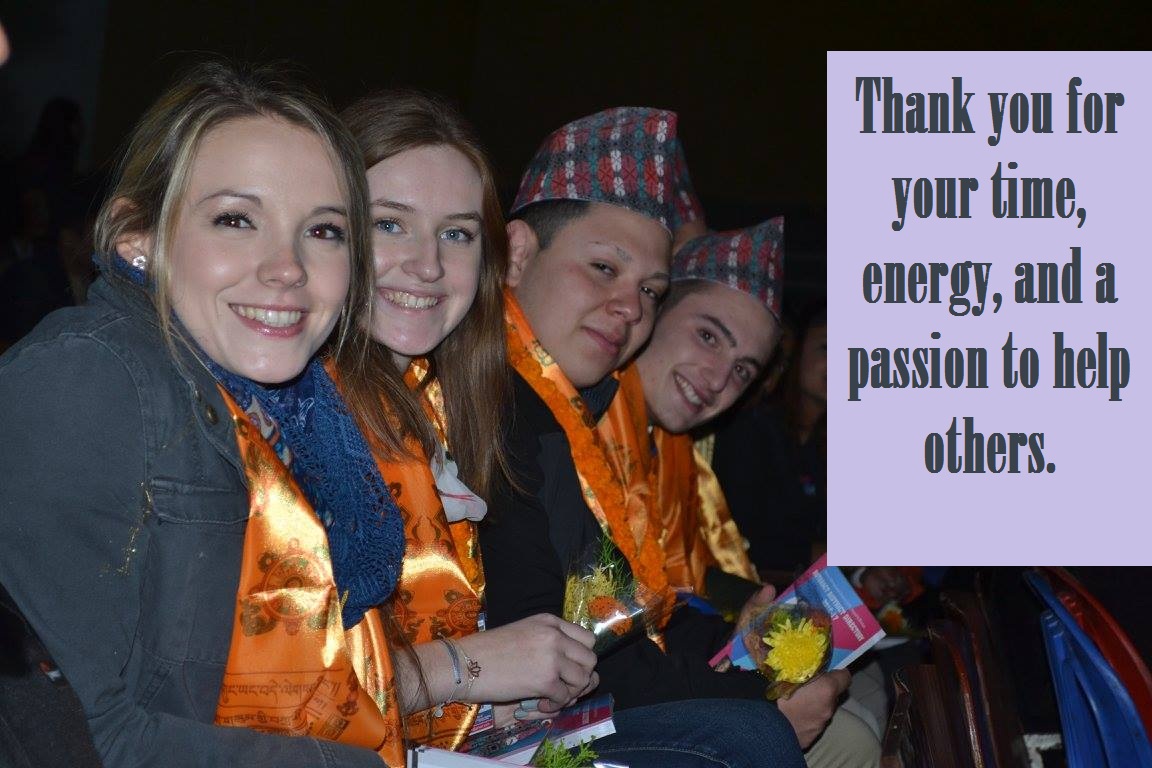
 The trip was not all work. The people were proud to show him around with excursions for sight seeing. It may not have seemed like work at all. As Ryan said, “I remember giving the students the school supplies and the smile that came to their face really made me happy in the inside.” He took to heart what he learned from Antim Gurug in Parbat, “You could go to a movie and have 3 hours of joy, but helping others is a happiness that will last a lifetime.”
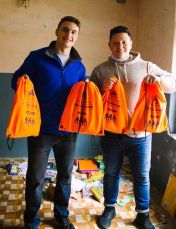 Even though the earthquake happened years ago the city of Kathmandu remains devastated. All the people work hard to put back together their lives and the place where they live. Each person does their part, no matter large or small, and helps. The gratitude for the help and school supplies deeply impressed Ryan. The experience showed him that people can be brought close together, and no matter the extend of tragedy life goes on. There are still reasons for joy.

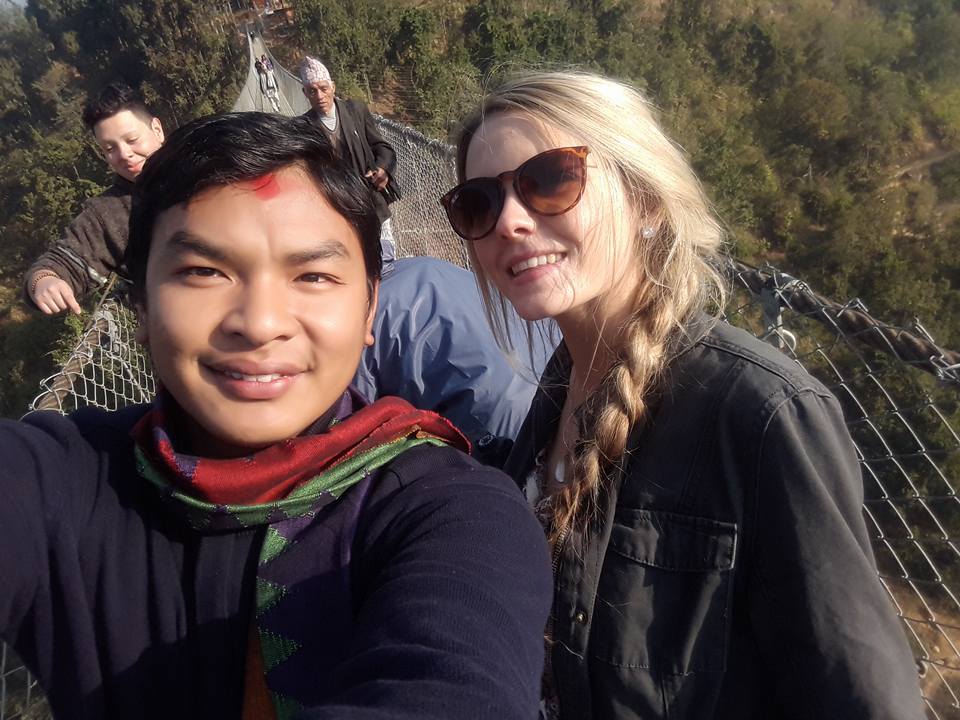
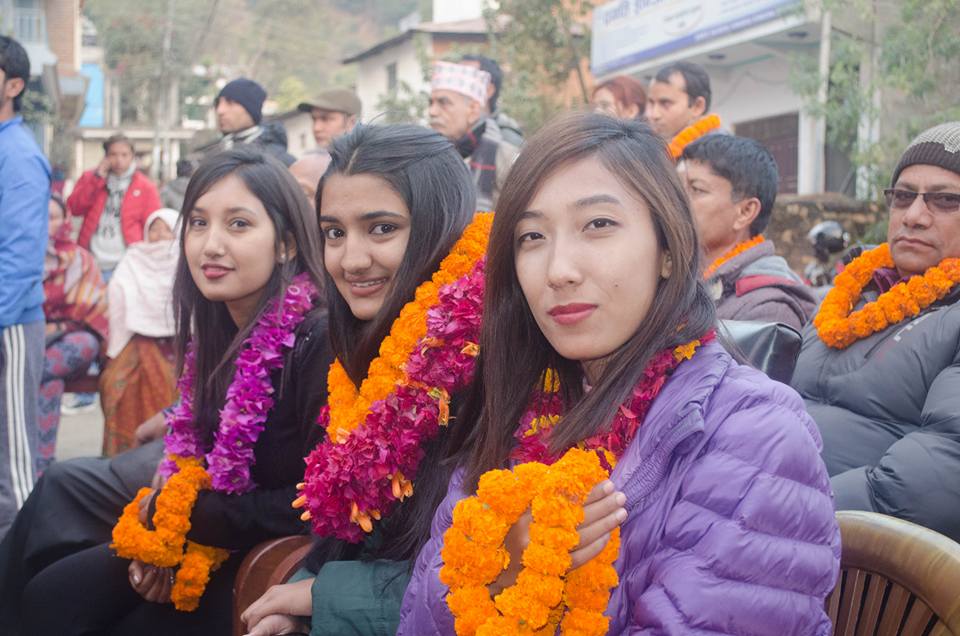

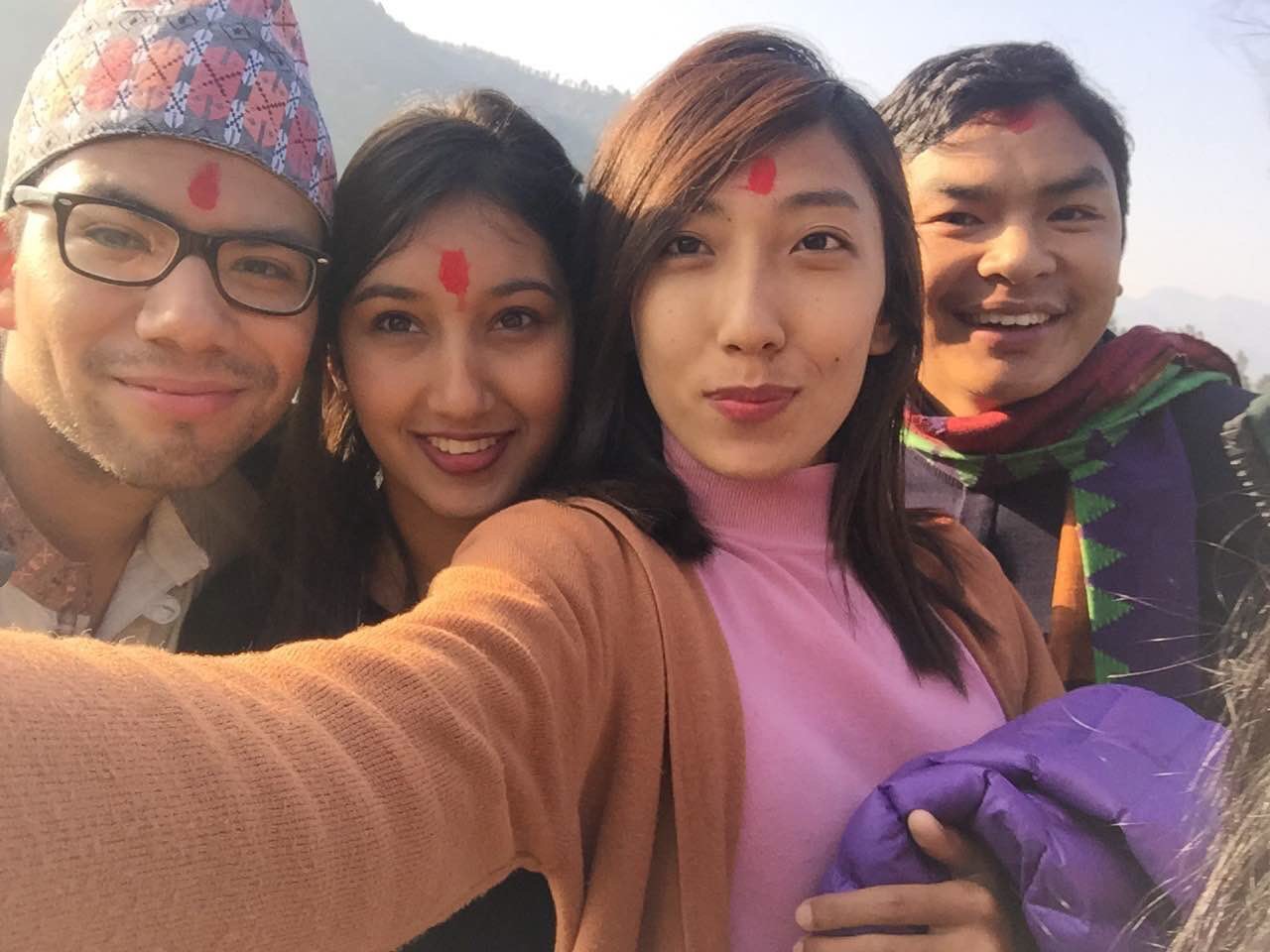 At Kusma, the adorably chubby Nishu skipped to me and asked ‘Didi, hamilai kina maya garnu vako waha haru le? ‘
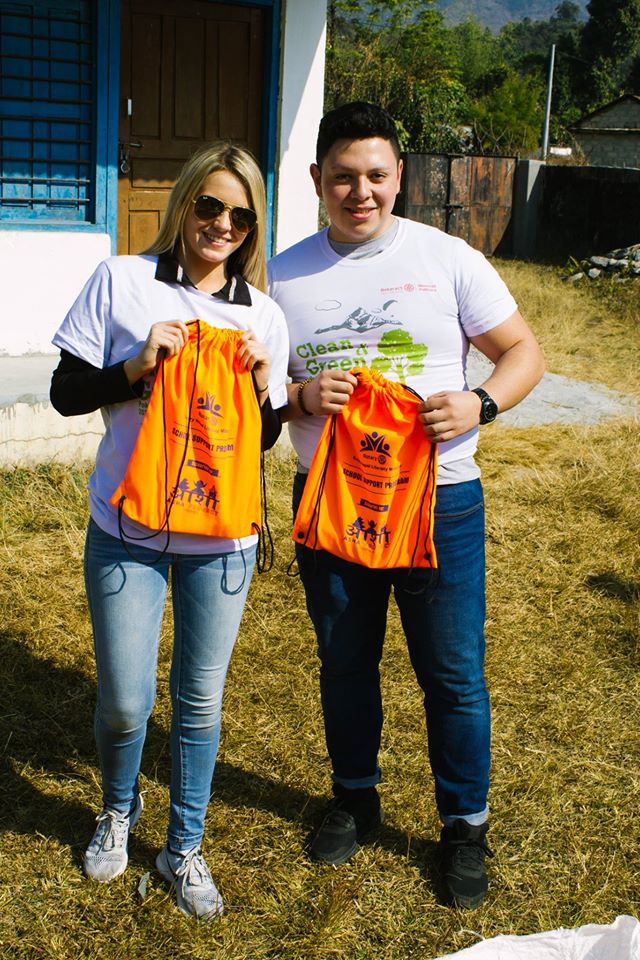 The shy kids were watching her play with them with envy from the corner, clutching the school supplies they’d just received tight and I could imagine Nishu’s heroic gossip at school the next day.
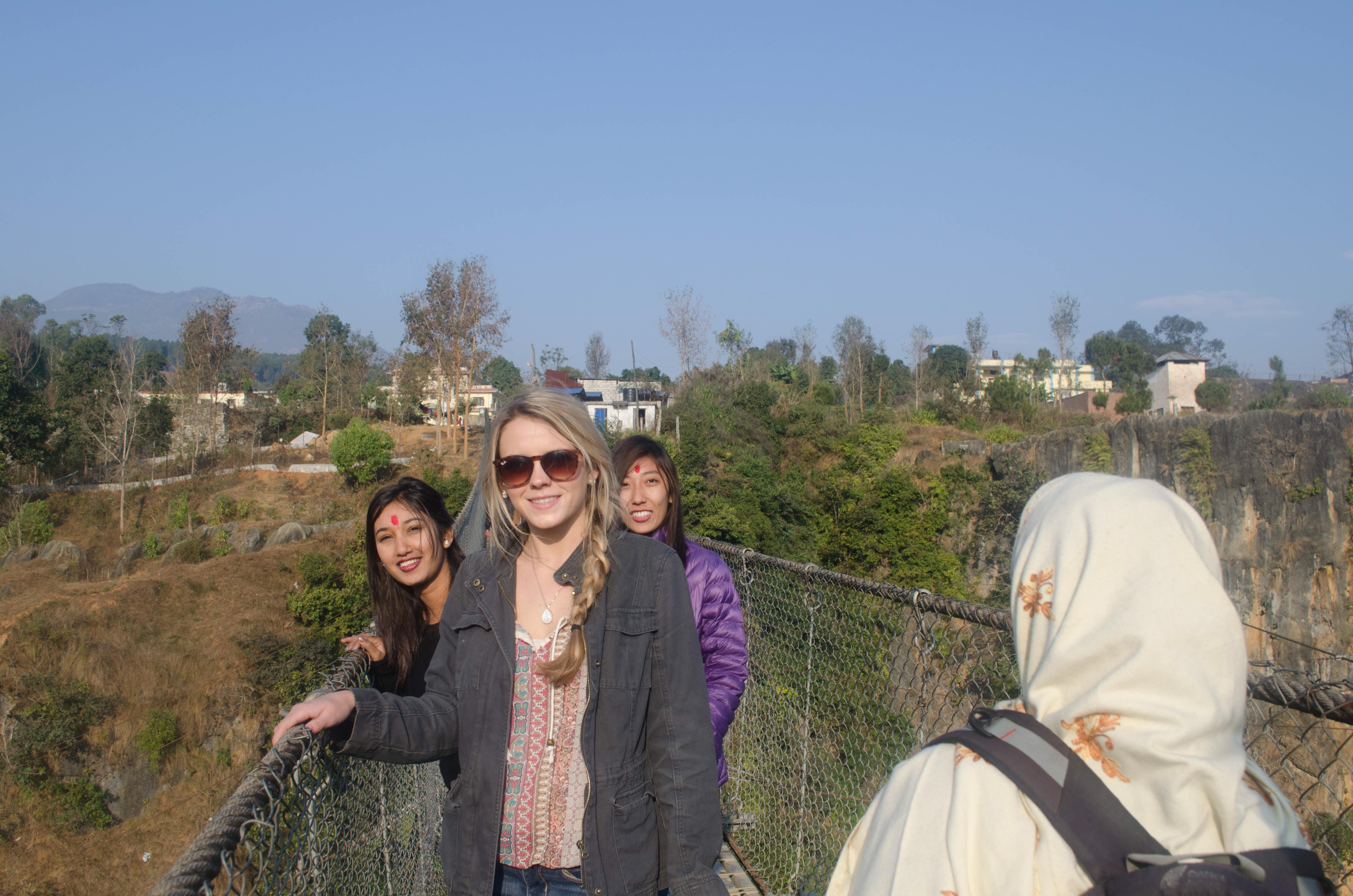 Day One: Welcome program to our Guests and attendance at the 9th Rotaract District Conference.
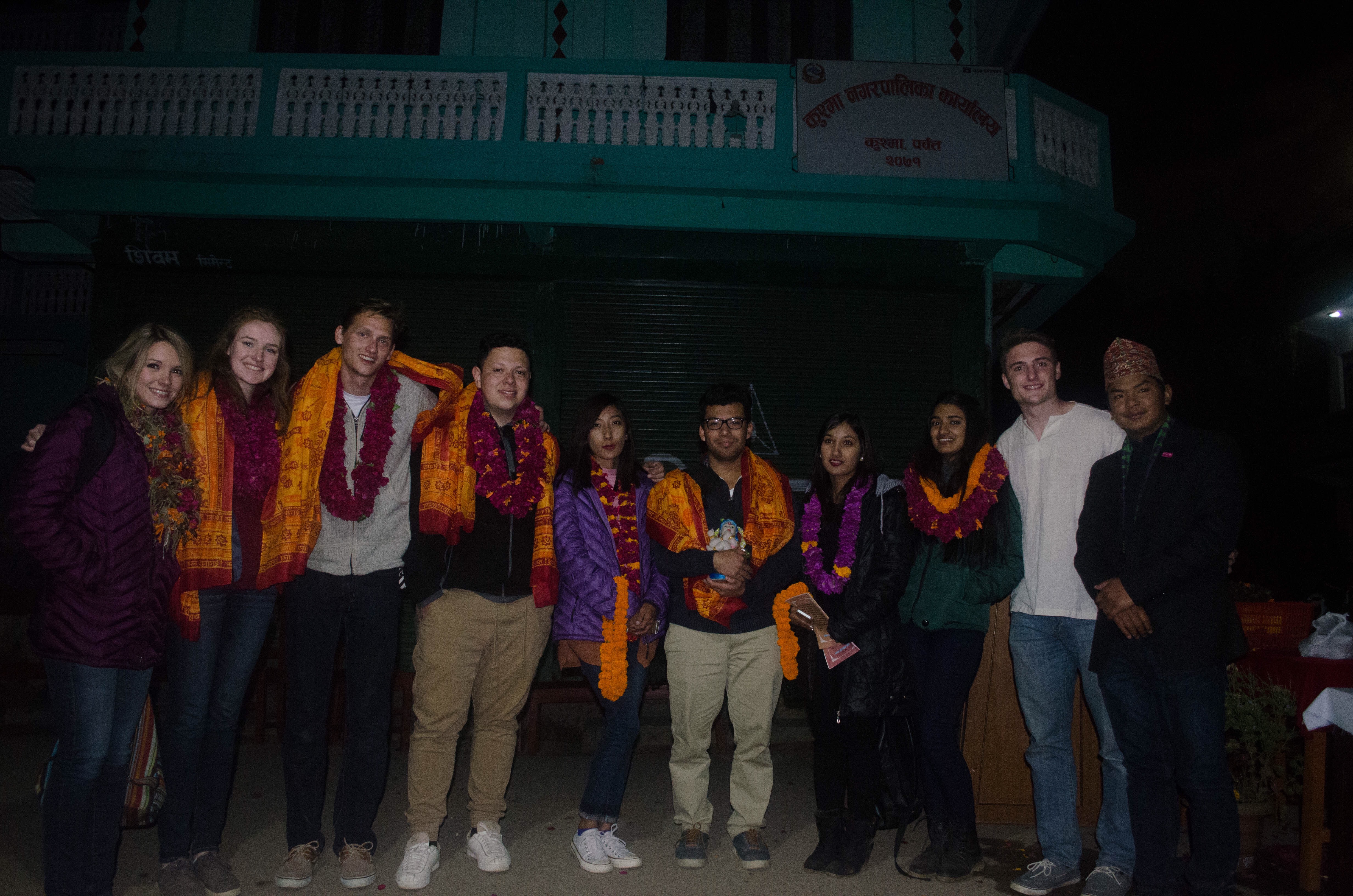 Having the exchange program helped us cultivate more meaningful, life-long relationships unlike hanging out with friends only when they’re in the mood. The endless programs and traveling, waking up early when no one wants to be cheerful, eating dinner together after an exhausting day, and everything in between was in stark contrast to today’s texting among ‘friends’ whose experiences often remain superficial. I thought it helped us become better communicators and more cooperative, assertive, flexible, resilient, patient, grateful, compassionate and forgiving adults and yes, we are Facebook friends! We took many pictures together and it struck me the way our active cameras offered a lens on the value of our culture and the way we live our lives. And yes, it also caused some of us to smile more.
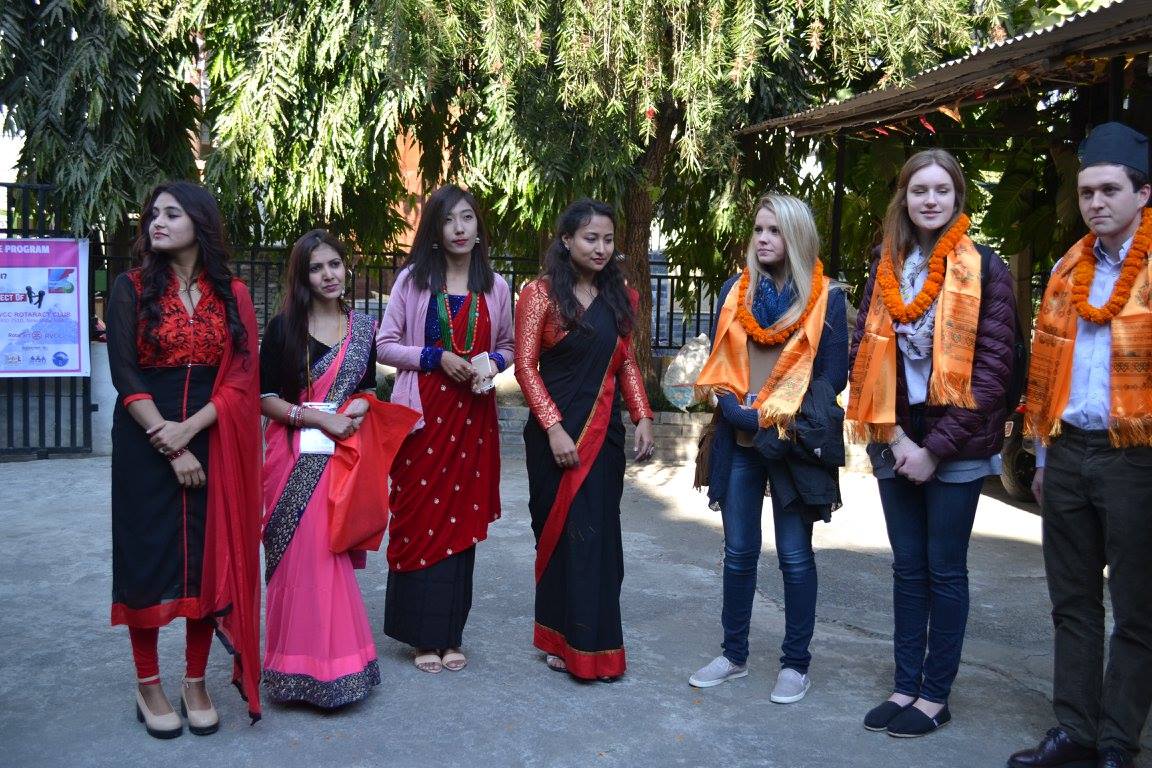 Rotaract Club of Newroad Pokhara.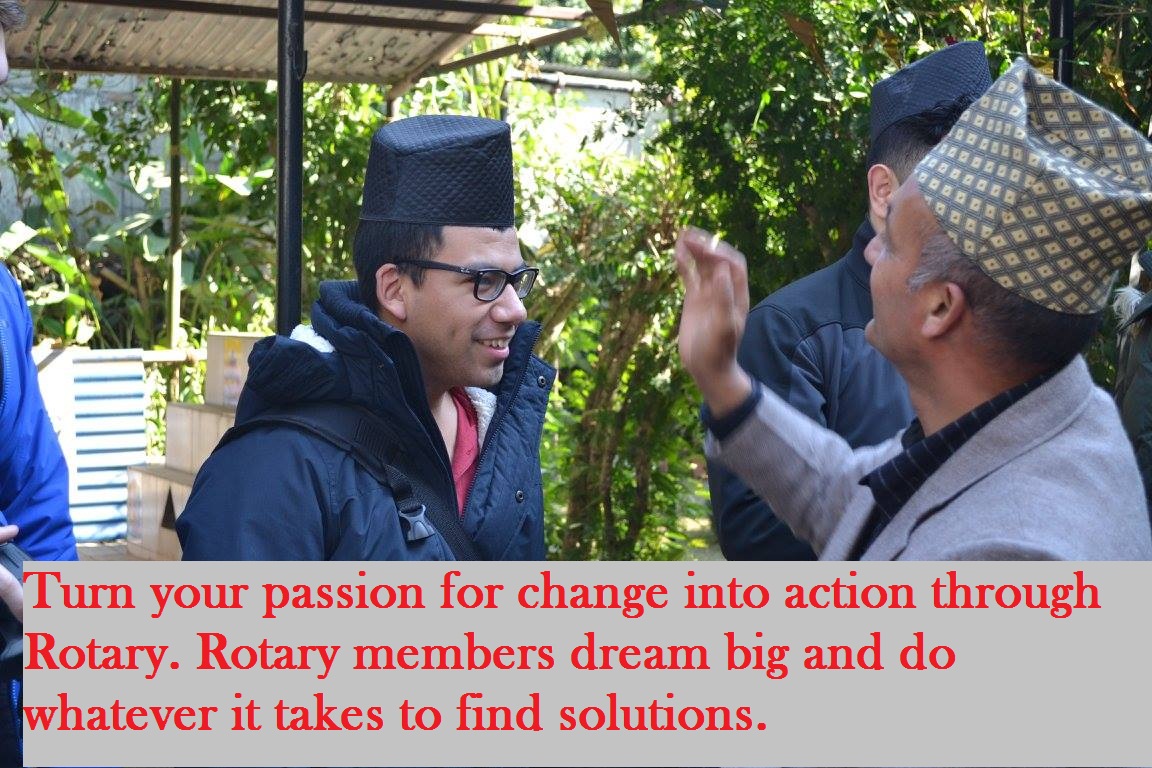
 Manuel already expresses his deep gratitude for the chance to help the people of Nepal, and gaining a new, humbling experience to share with others. And he has already made deep relationships with Nepal even before departing, connecting with Sujan, a friend of Dr. Tulsi in Nepal. By working to help rebuild houses destroyed by the recent earthquake, and distributing school supplies to Nepalese children, Manuel gains more than continuing his community service. “I know my experience in Nepal will be a humbling one as well as a life changing one.”
 Friends of Nepal – NJ is grateful to Manuel and our other volunteers for their commitment to improving the lives of people in Nepal. If you would like to contribute, like Manuel, please reach out to the Asha Project at


 Today, 103 million youth around the world still lack basic literacy skills, and more than 60% of them are women. An estimated 50% out-of-school children of primary school age live in conflict-affected areas. Enrollment in primary education in developing countries has reached 91%, but 57 million children still remain out of school.
 Rotarians worldwide are committed to supporting this goal through education-oriented projects that provide technology, teacher training, vocational training teams, student meal programs, and low-cost textbooks to communities. Rotary’s goal is to empower communities to support basic education and literacy, reduce gender disparity in education, and increase adult literacy. Here are a few examples of Rotarians taking action:
