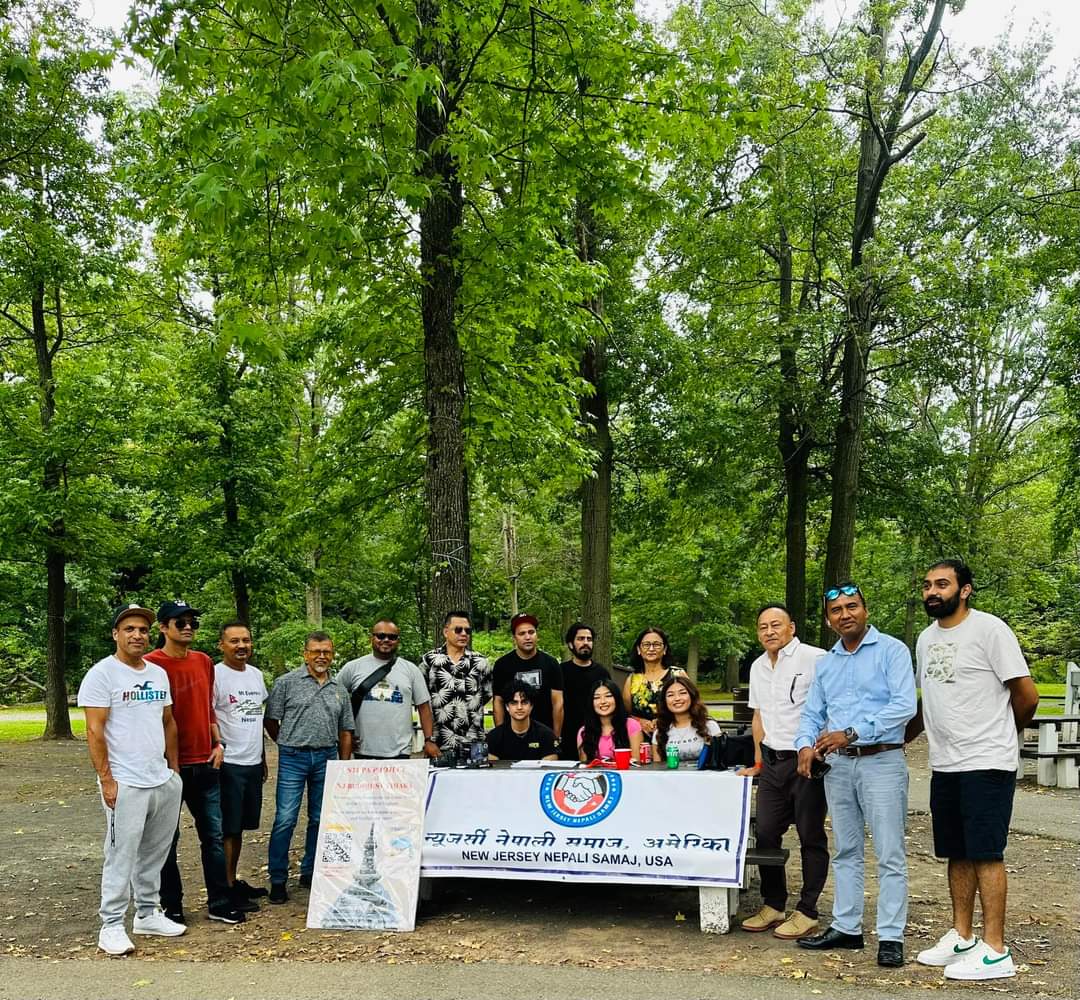
Witness the evolution of the Nepalese community in New Jersey, from its small, close-knit roots to the current landscape of diverse organizations. As the community expands, the need to foster connections across groups becomes paramount. Discover how initiatives are underway to bridge the gap and cultivate a stronger sense of togetherness.
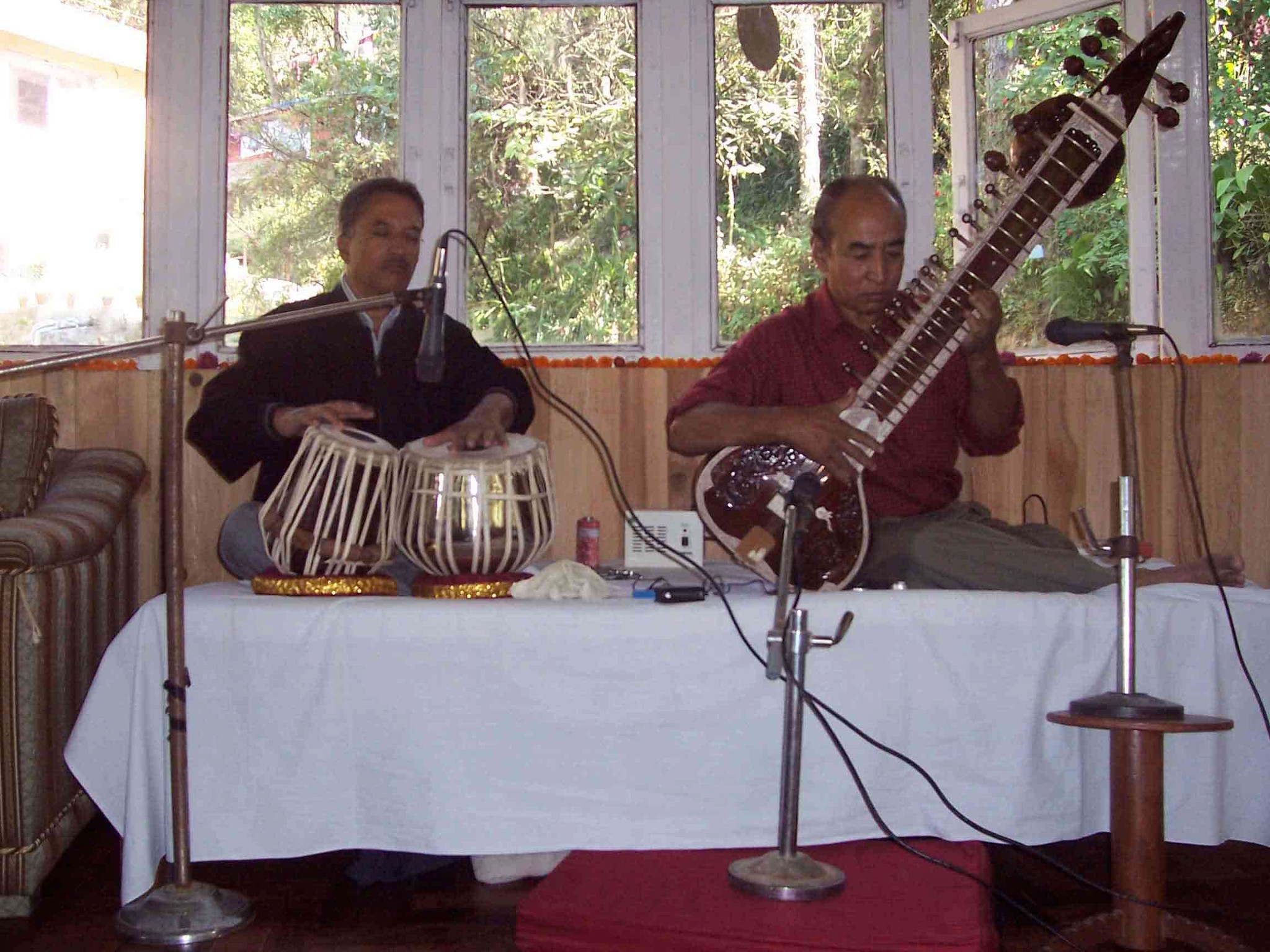
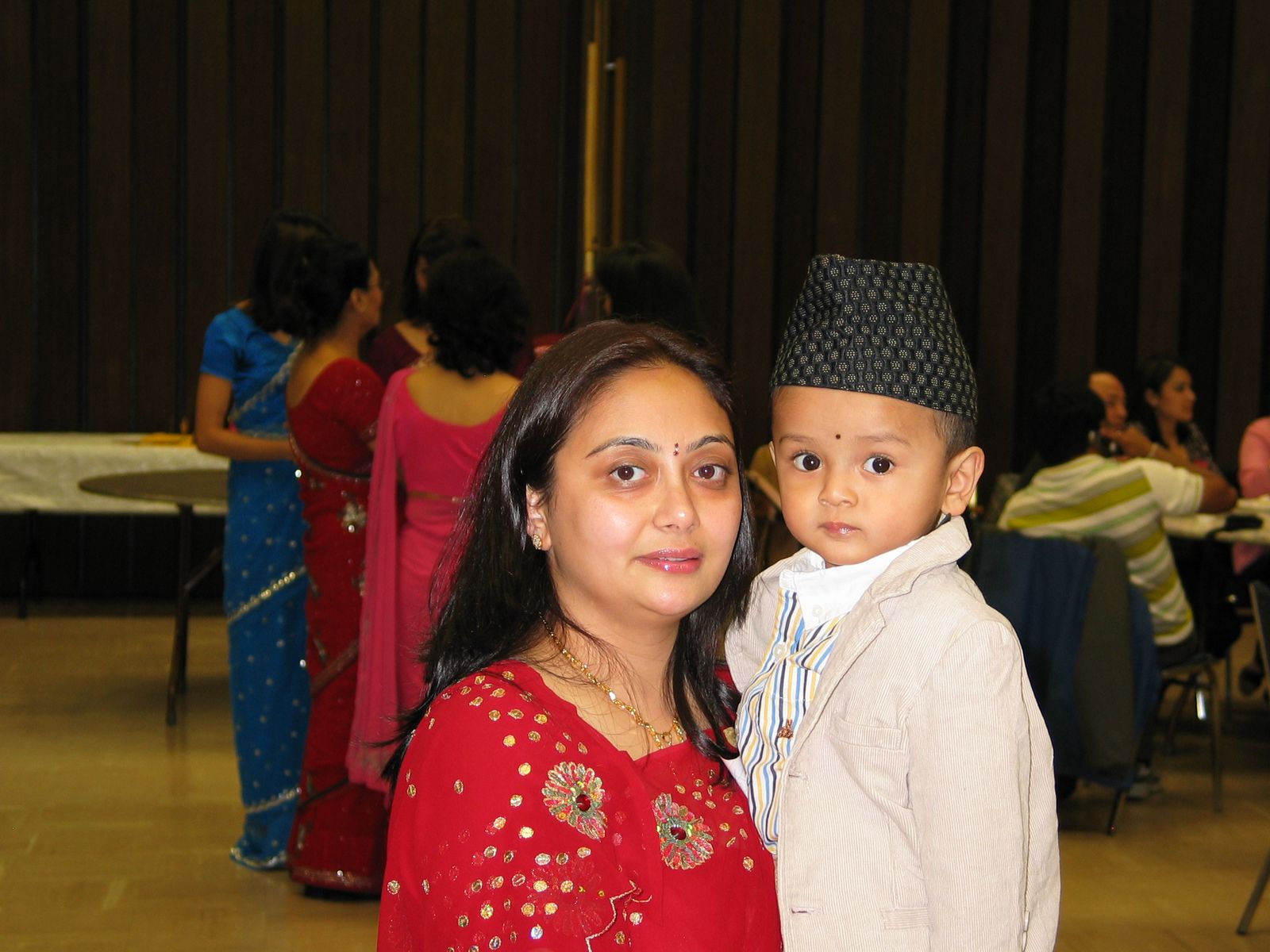
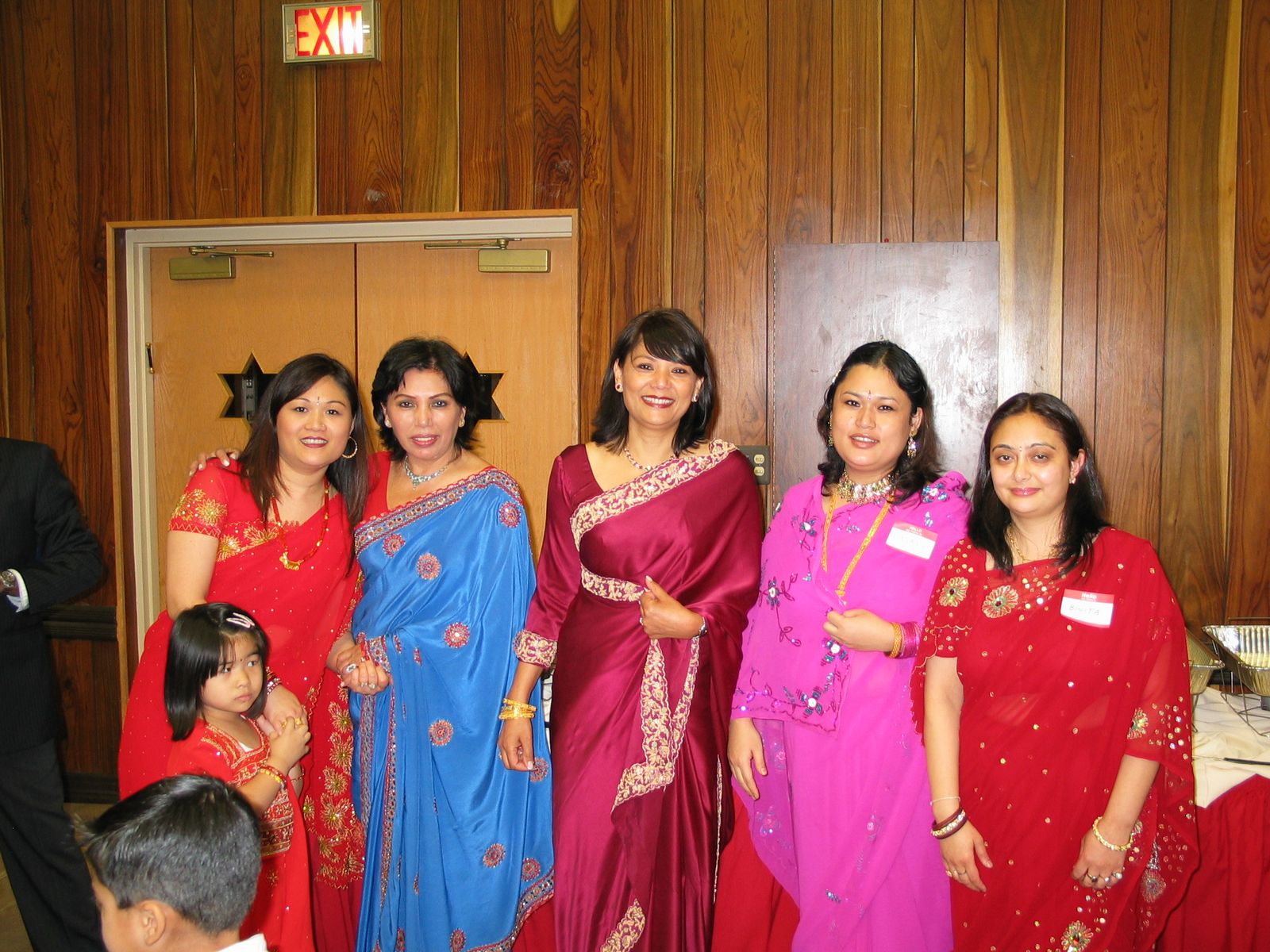
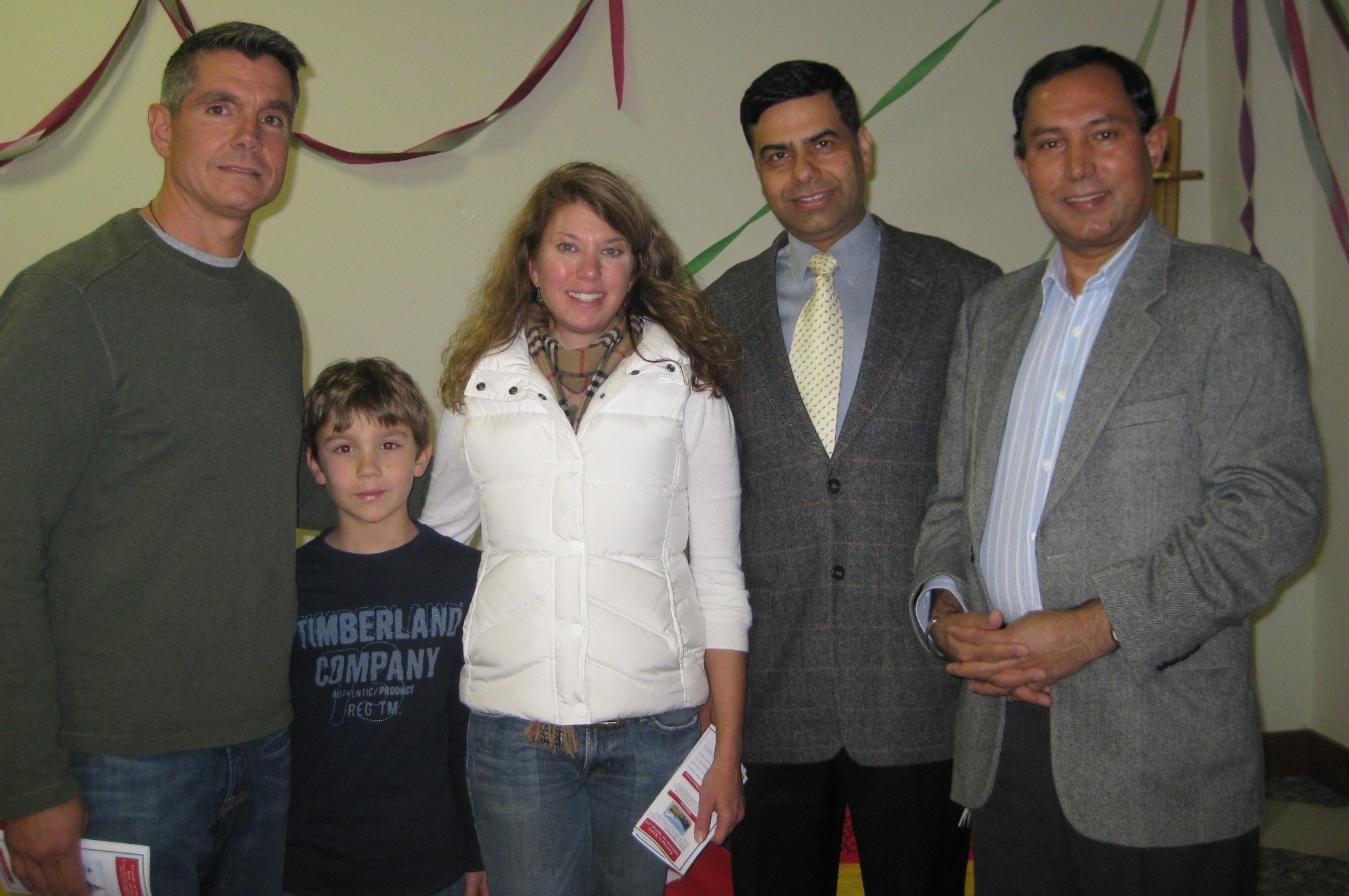
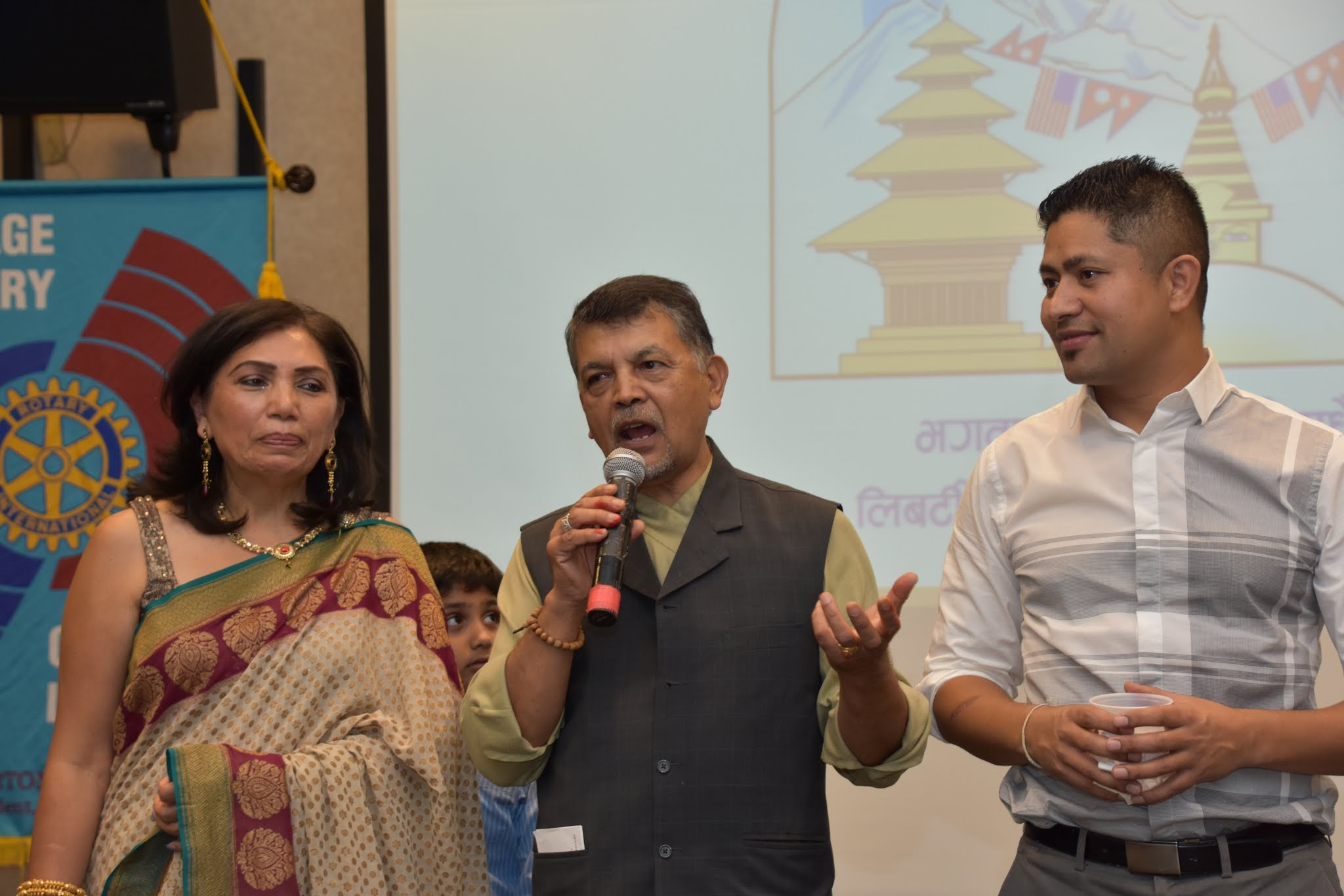
Pictures from our 2006-2007 events at the RVCC College. We hosted the first female Supreme Court Justice Hon. Sharda Shrestha.
Those early days gathering helped us to create special bonding. Our few gatherings formed the bonds that eventually solidify into long-lasting friendships.
Creating community is an important part of receiving the support we all need to navigate through life.
Our community connection with here and Nepal.
Our modern Western lifestyle can isolate us from one another, it is often difficult to forge meaningful connections. Self-protection and mistrust prevent us from reaching out to neighbors and peers, and we consequently feel like we don’t truly belong anywhere. Yet creating community can be as simple as reaching out within our own neighborhoods. To form the bonds that eventually solidify into long-lasting friendships, we must first be willing to rise above the walls of suspicion and doubt dividing us from the individuals who inhabit our neighborhood, block, or our building.
Your overtures of community needn’t be complicated. If you are a new to New Jersey neighborhood, simple call, email or message to introduce yourself.
We have many stories to share. We just want to connect with the community during the time of need. Our FONNJ is here to help. So make sure to register with our organization and perhaps we can help you to connect with our Nepalese community.
Need a help to get your kids to college, school volunteer hours, special recommendations for school/College scholarships and honor society?
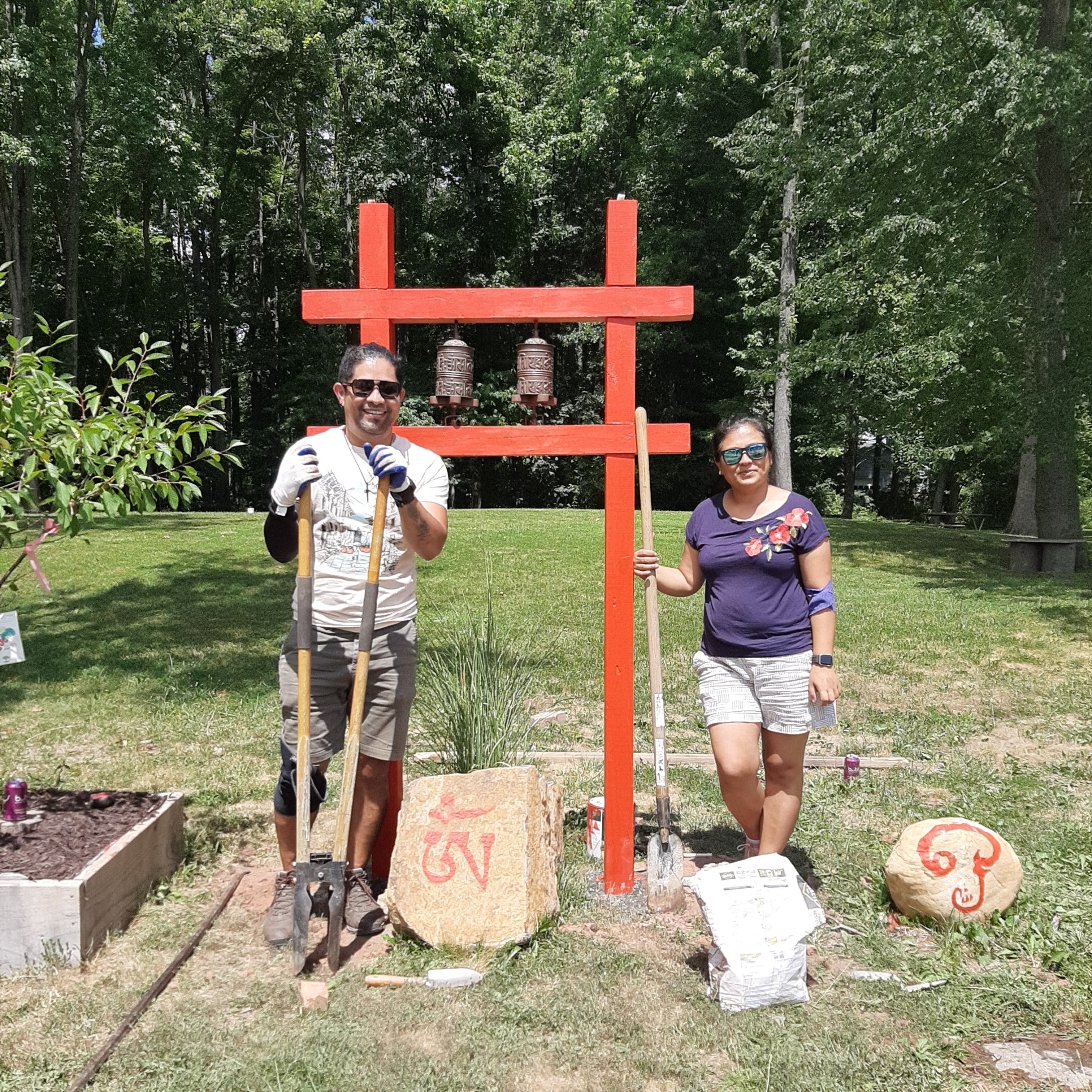
Come share your story with our community people telling them a bit about yourself and how you plan to positively contribute to your locale, even if it is something as straightforward as planting attractive flowers in our Peace Garden. Or if others have recently moved in nearby, let us know, so that we can schedule some time to welcome them to the area. By doing so, you can calm any misgivings they have while demonstrating that your neighborhood is a nice place to live.
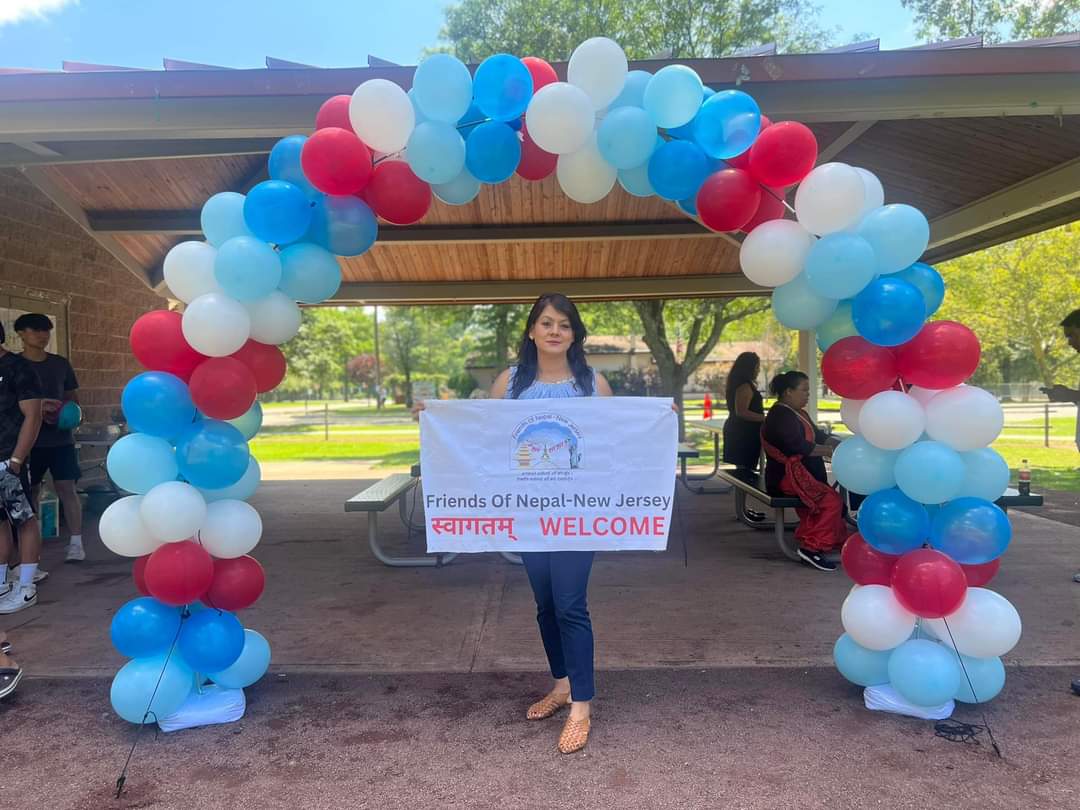
It is much easier to meet people while outdoors, so come join our first Nepali American Heritage Celebration, you will have chance to meet Nepalese community from the whole New Jersey. Come say hello and namaste to our newly acquainted friends, and you will likely get to know your neighbors speedily. And one of the easiest ways to build a sense of community is to organize neighborhood projects and events that bring people together in service or in fun.
Even if you have little in common with your neighbors, your proximity to one another can offer a wonderful opportunity to pursue new friendships and working relationships. You may not see eye to eye on matters of spirituality, politics, or lifestyle issues, but each of you understands that community helps people feel connected. As you grow to know and then to like one another, the city or town where you reside will truly become your home.
past project.
Celebration 2017
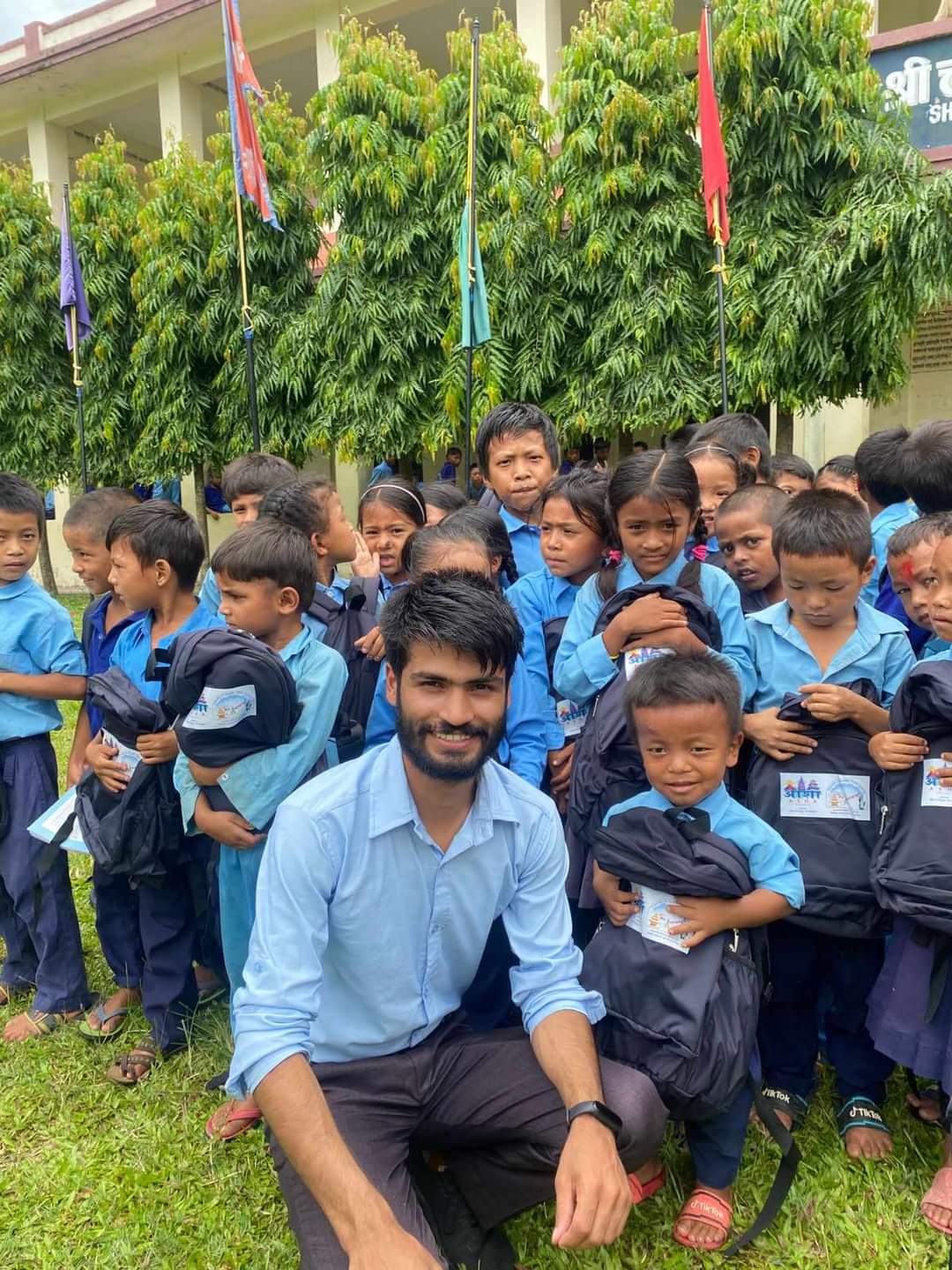
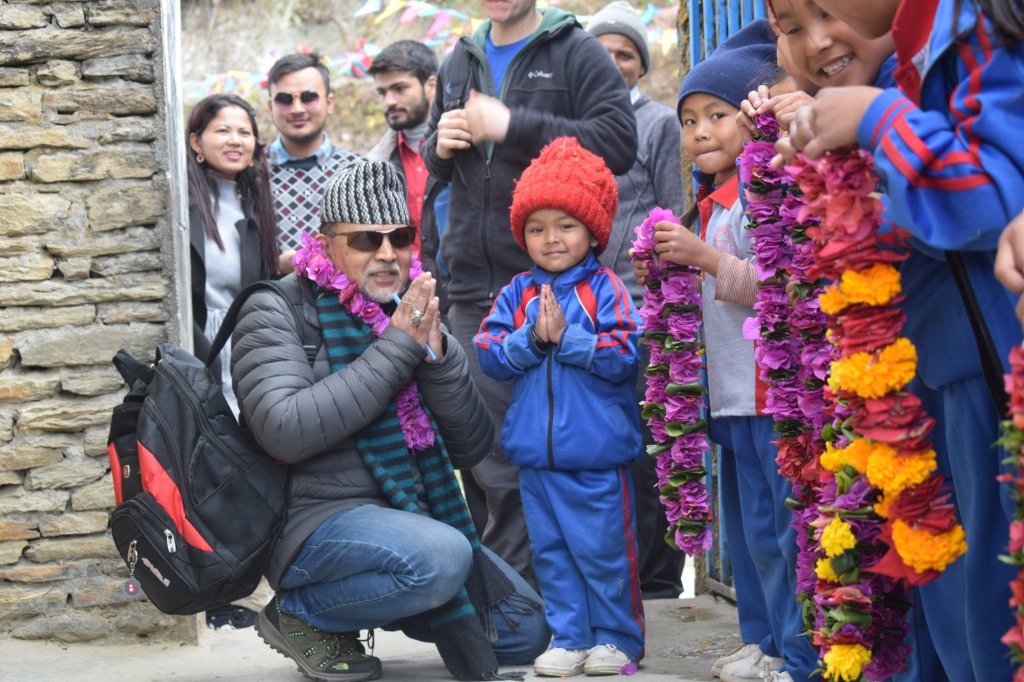
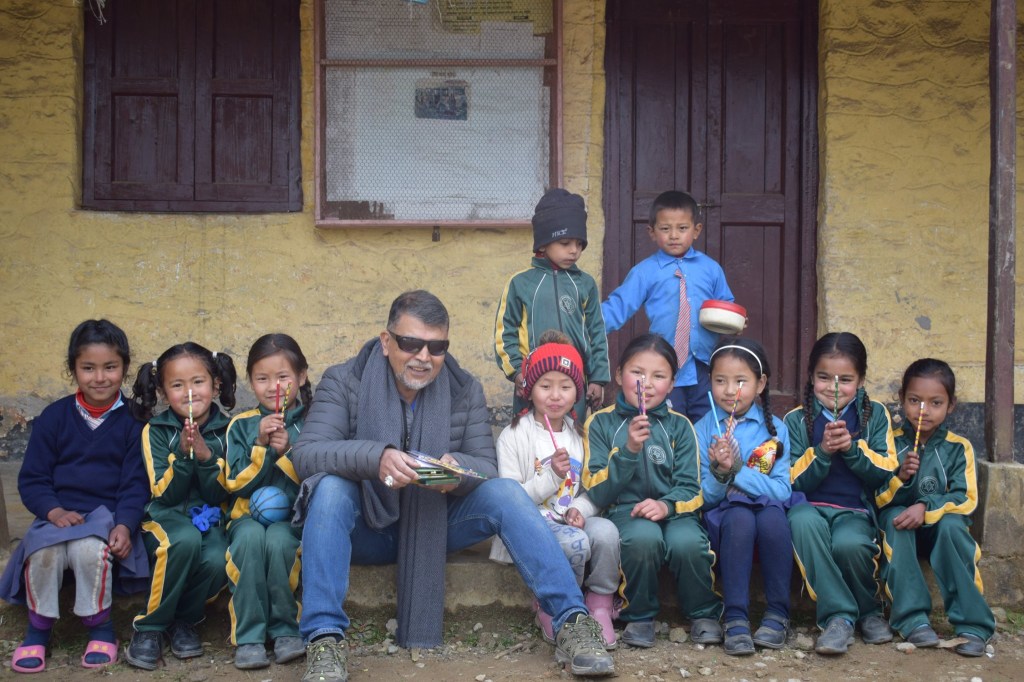
2018 Humanitarian Mission to Khada Campaign.
How our Khada helped to promote our project and receive donations for the project.
By: Jaysna Tuladhar, FONNJ’s Youth Leadership Team Member
“Alone we can do so little; together we can do so much.” — Helen Keller
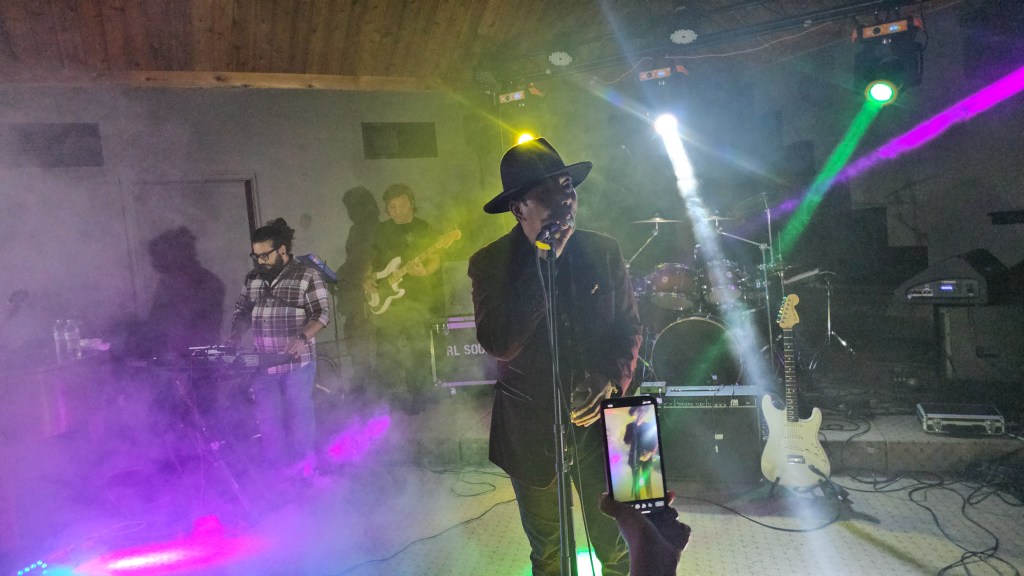
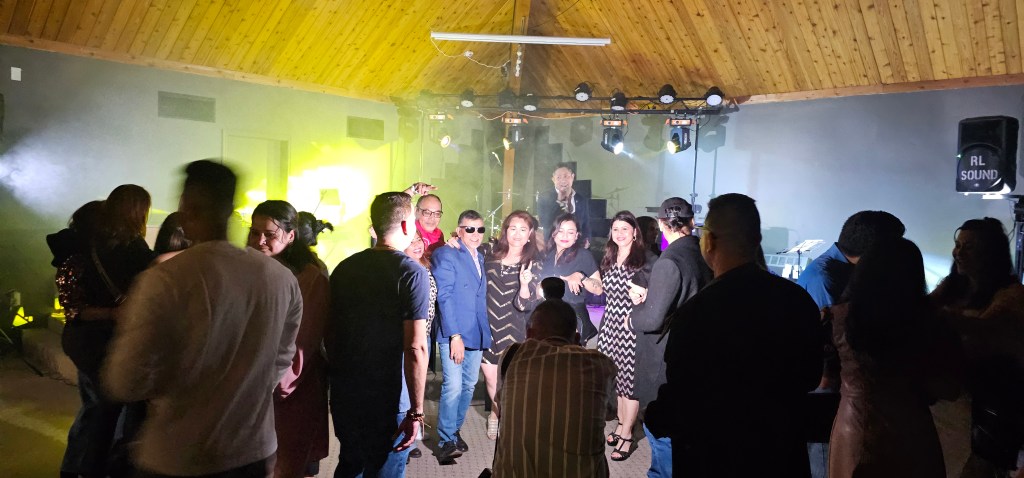
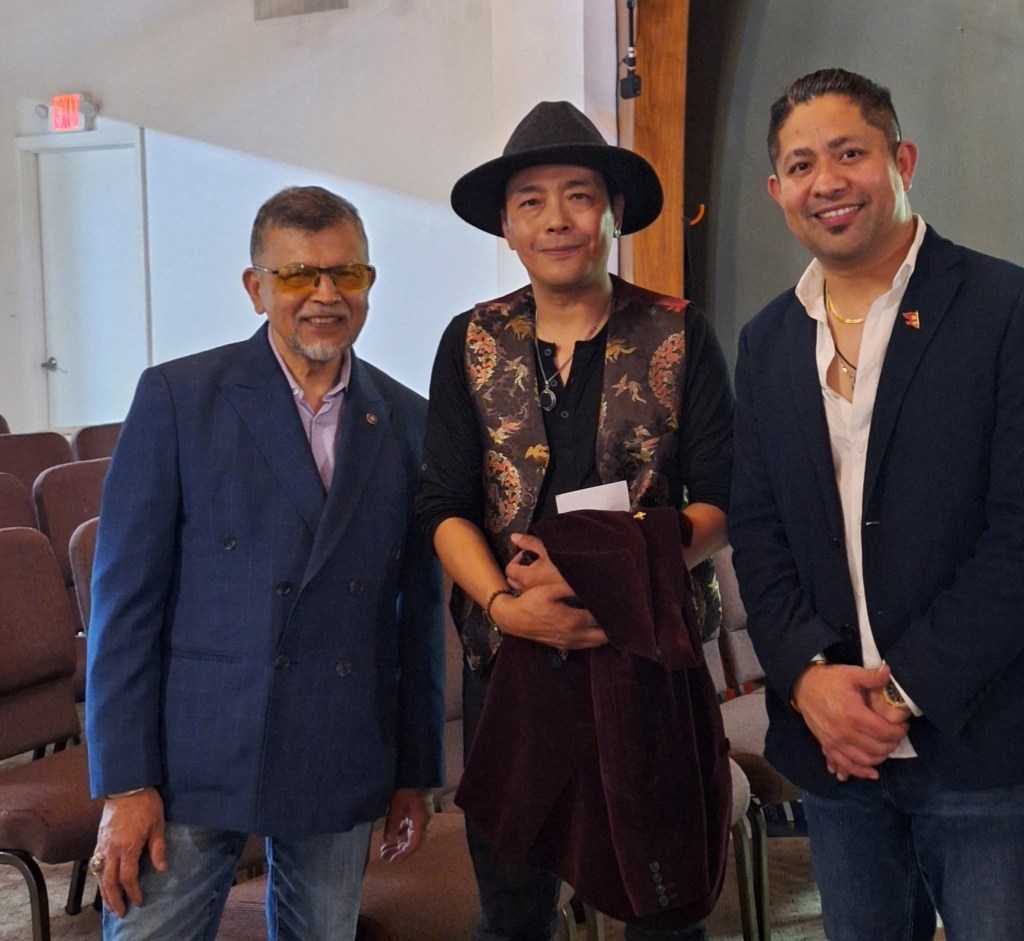
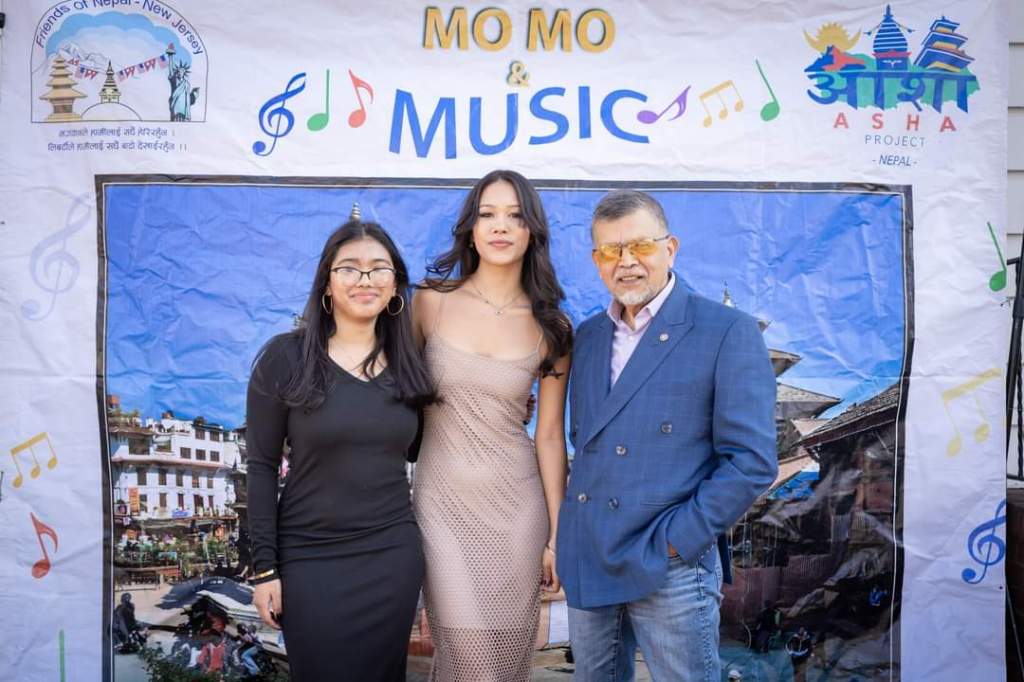
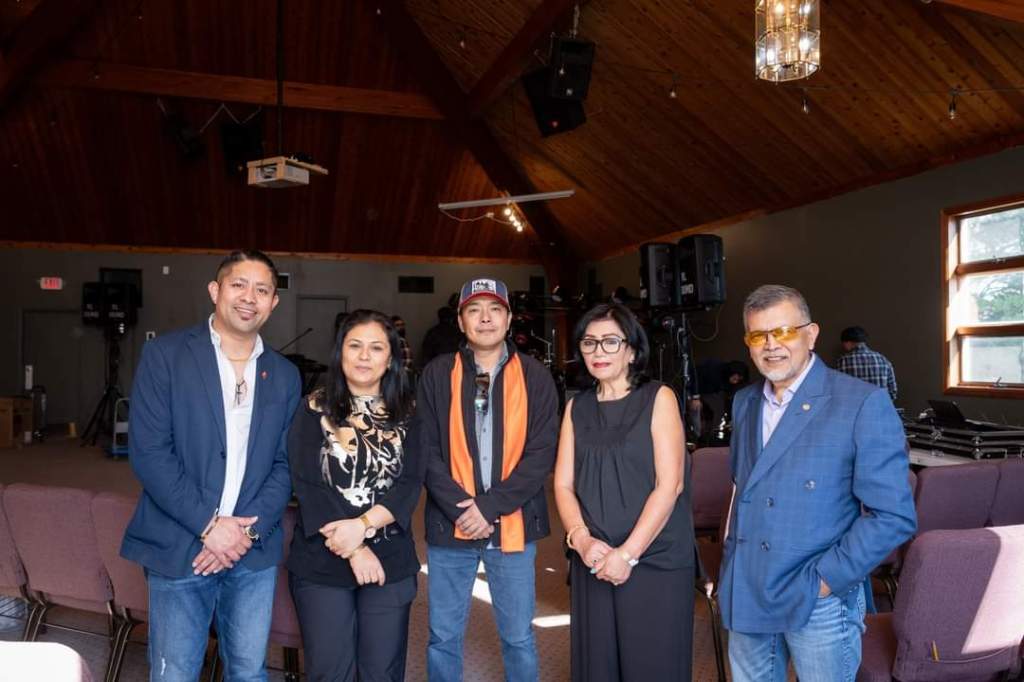
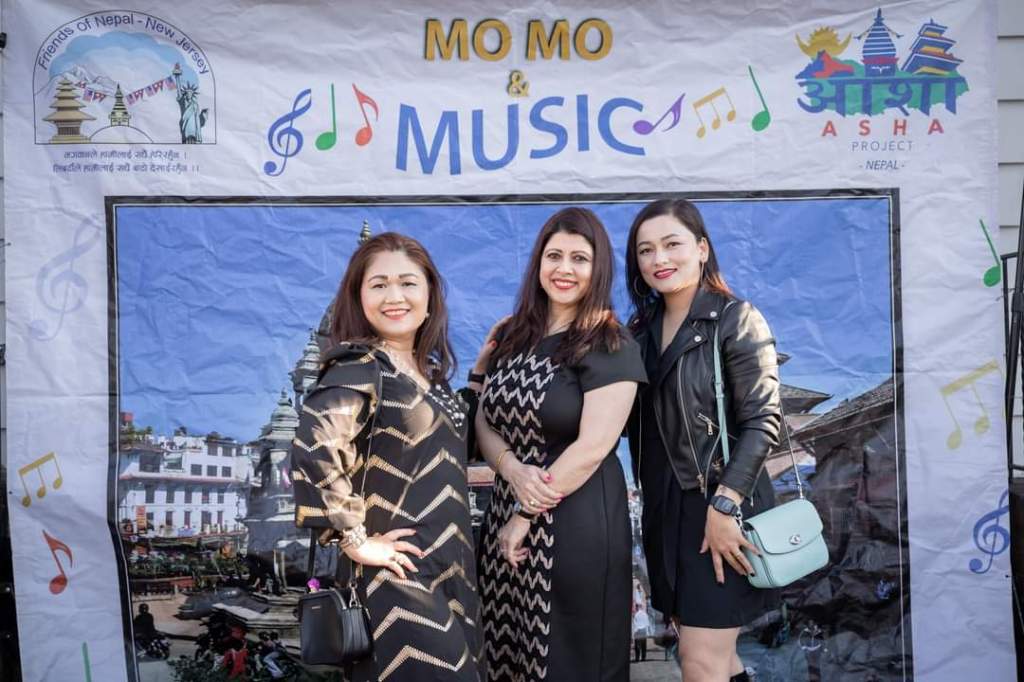
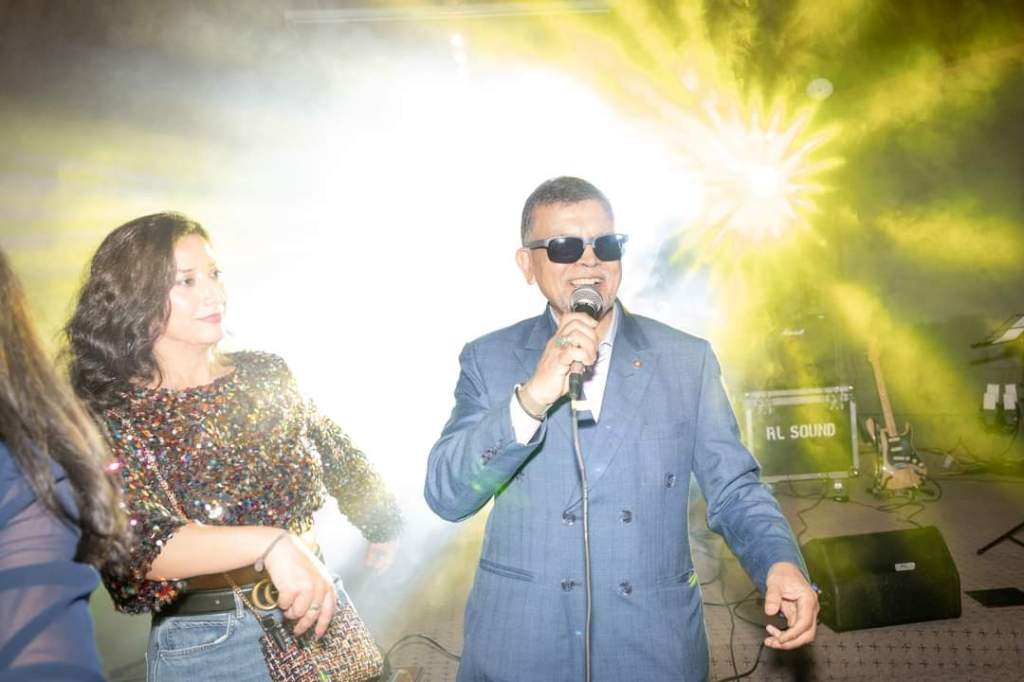
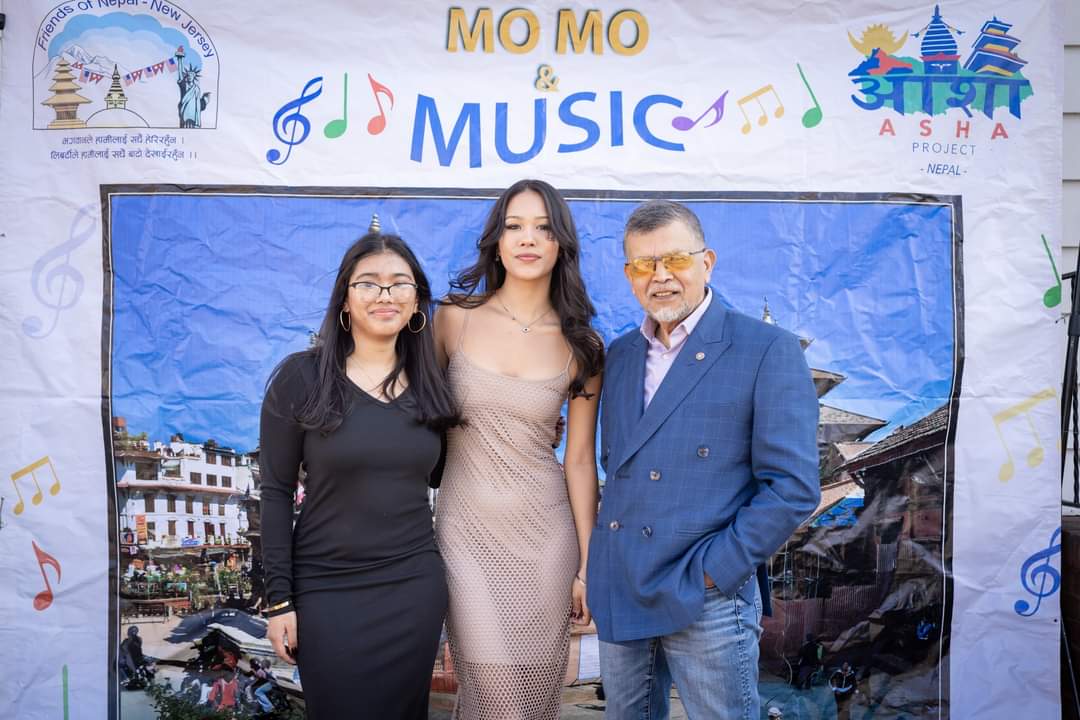
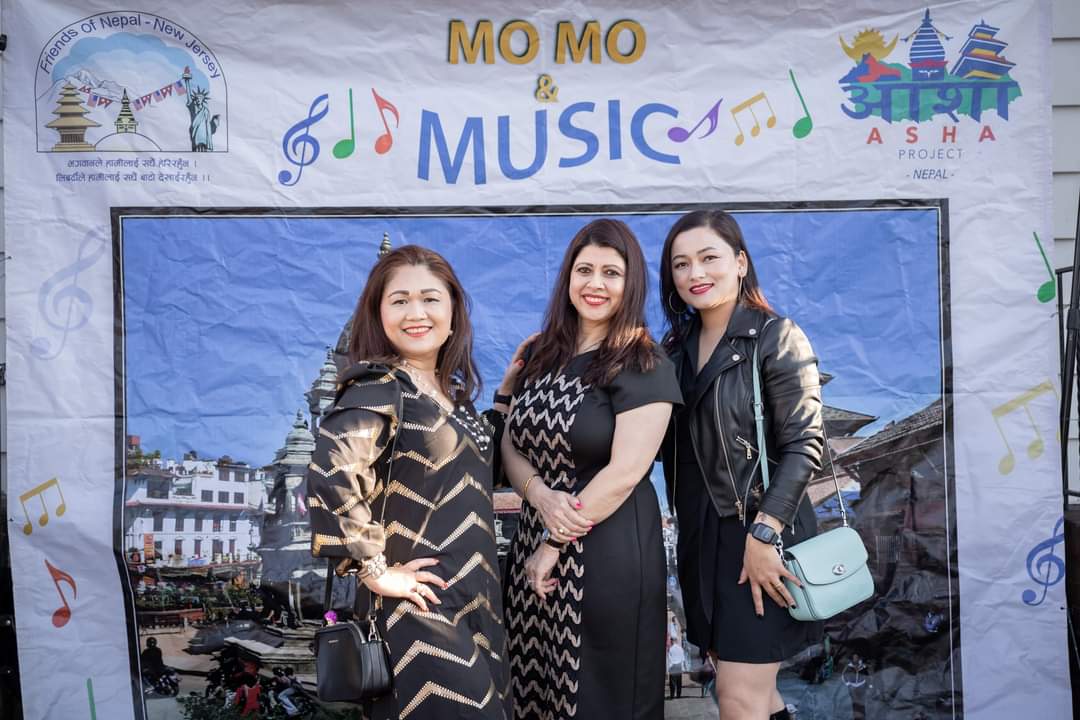
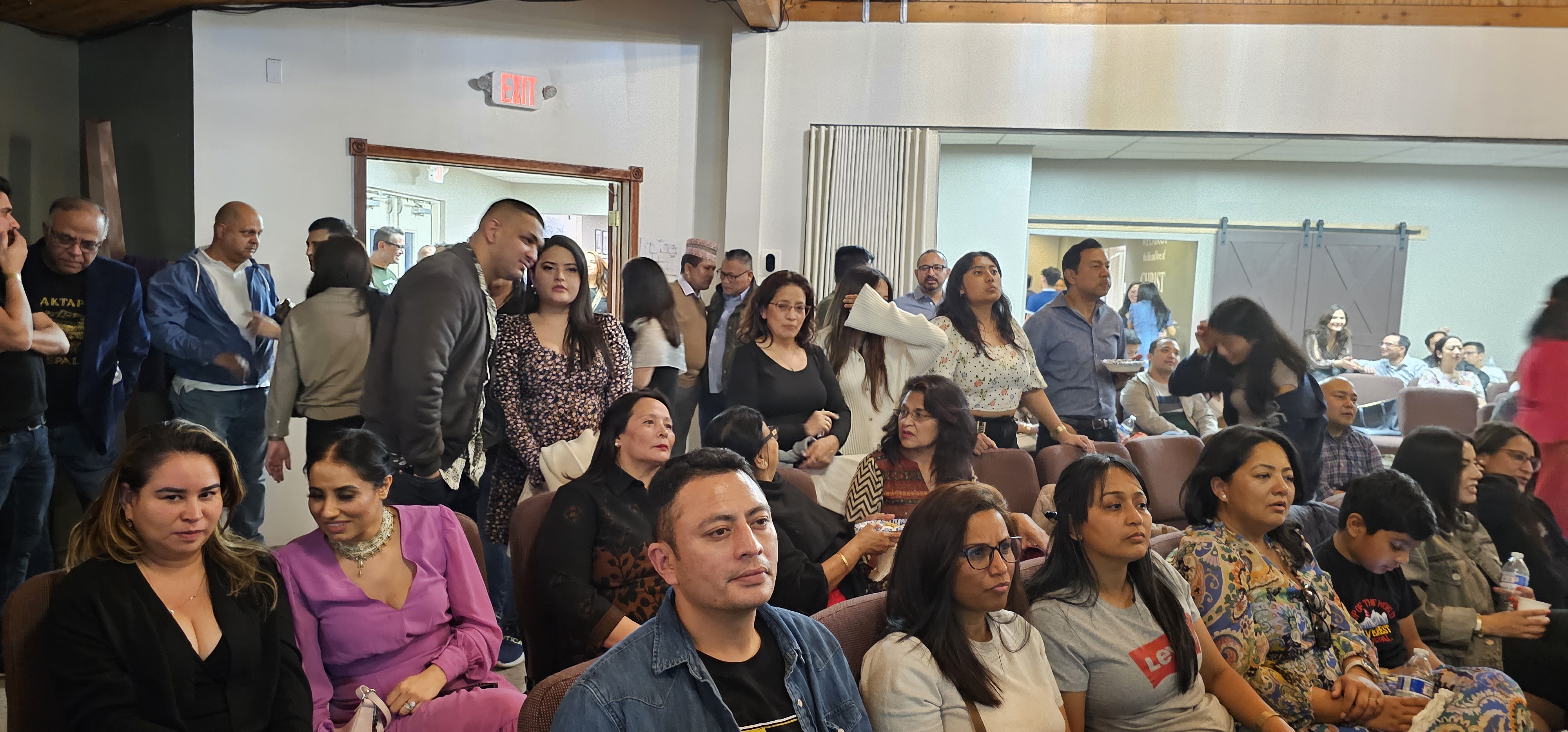
Friends of Nepal-NJ’s 34 anniversary and annual MoMo & Music event was a grand success. Thanks to our supporters, volunteers and sponsors. There are two things every Nepali person loves – great food and entertainment; and that’s exactly what the annual Momo and Music party hosted by Friends of Nepal New Jersey (FONNJ) delivered. It was held on Saturday, March 16th in New Beginnings Church in Edison, NJ.
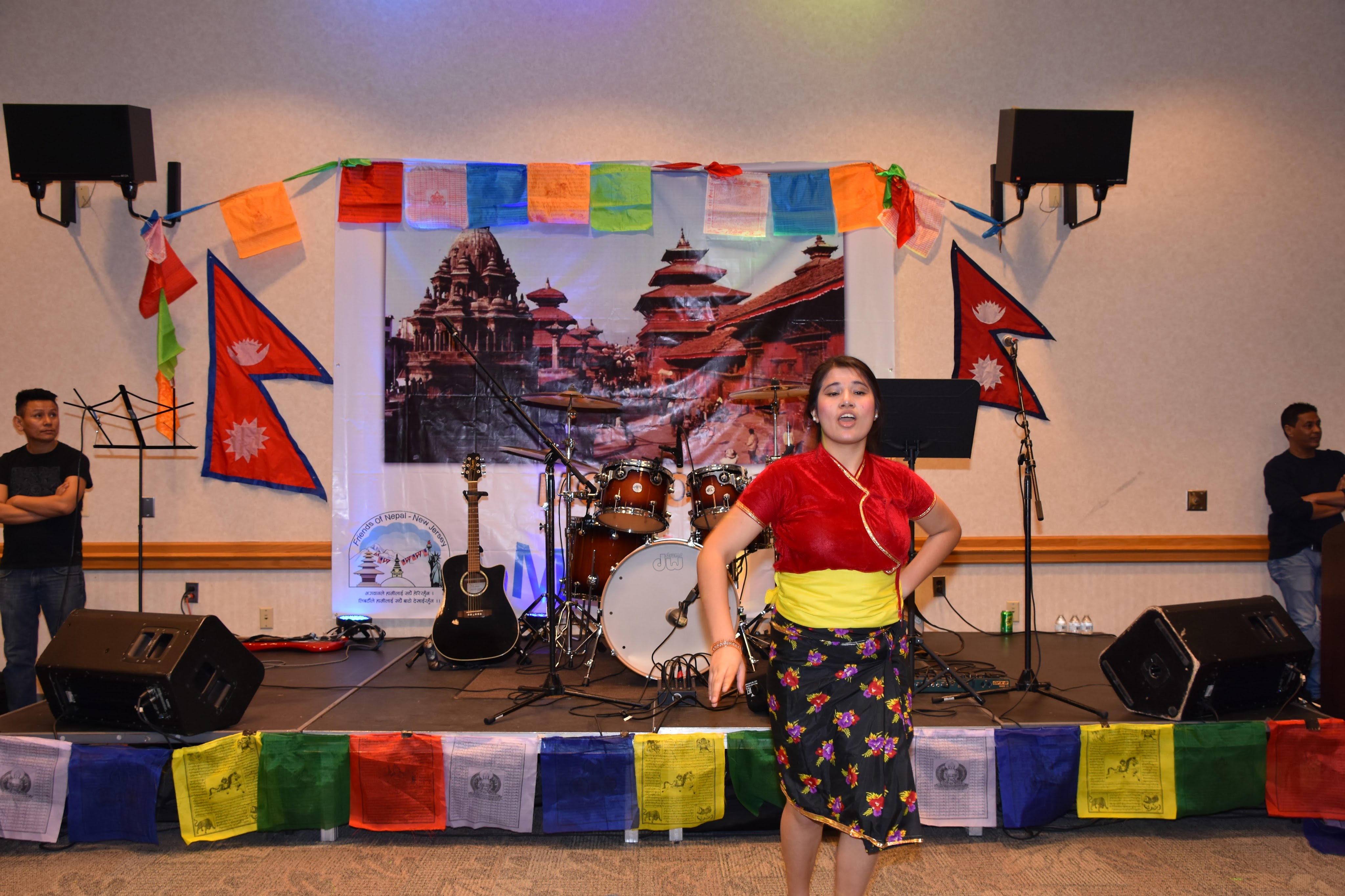
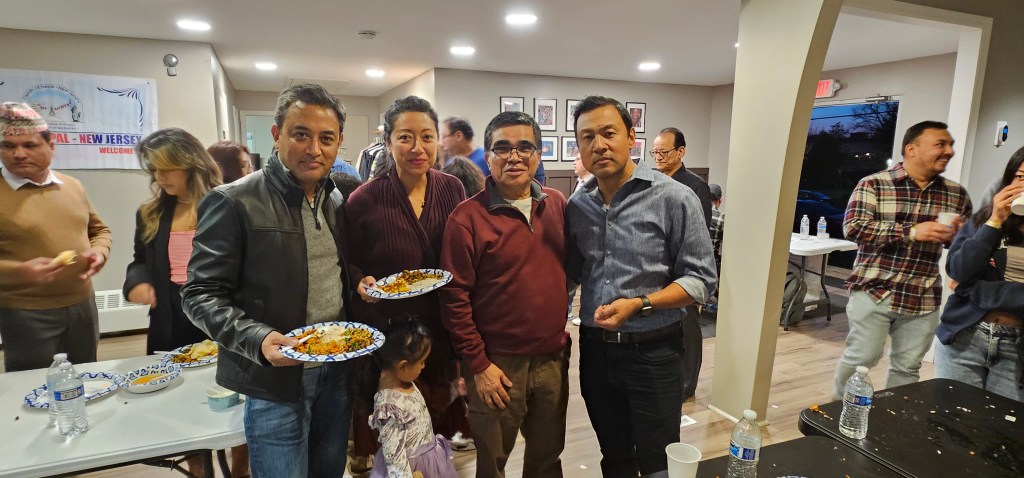
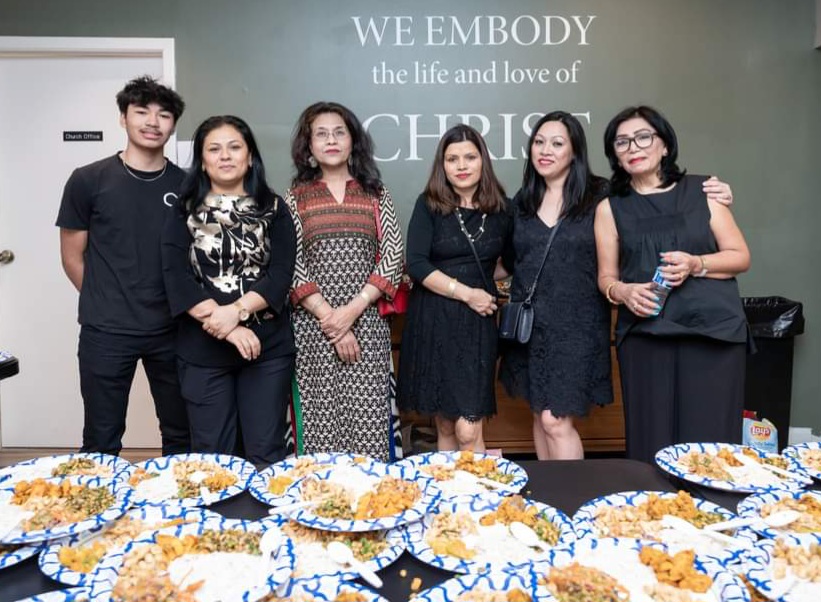
The event brought together the Nepalese community to experience the flavors of Nepal and incredible live music performances. As soon as guests entered, they were greeted with Samay Baji. It included ChoyLaa, Aloo Achaar, Bhuti, and Badam which were lovingly prepared by volunteer families within the community. Once the performance began, it was time for the momos! They were made by volunteers and freshly steamed at the event. Batch after batch, guests lined up to cash in their tickets for these delectable momos.
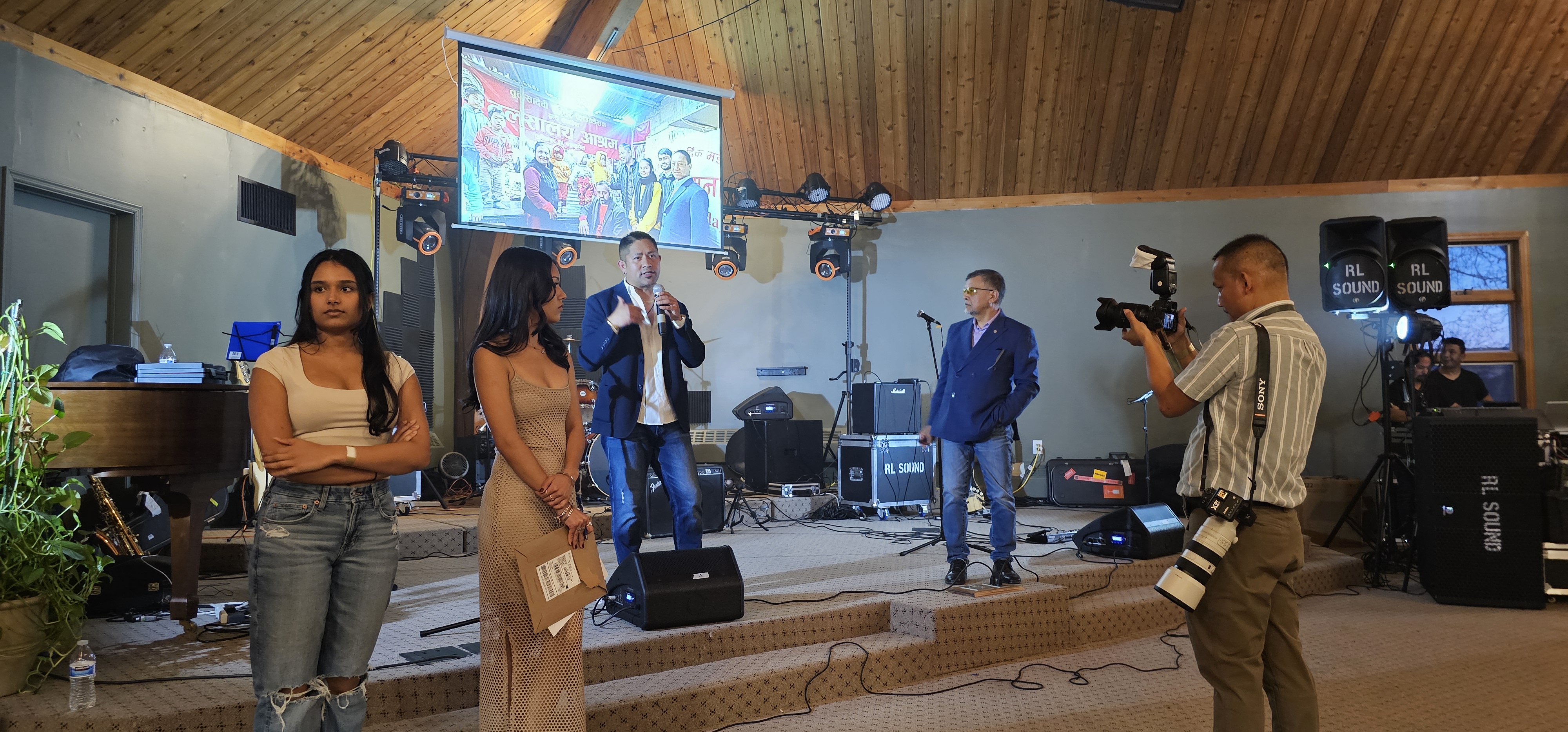
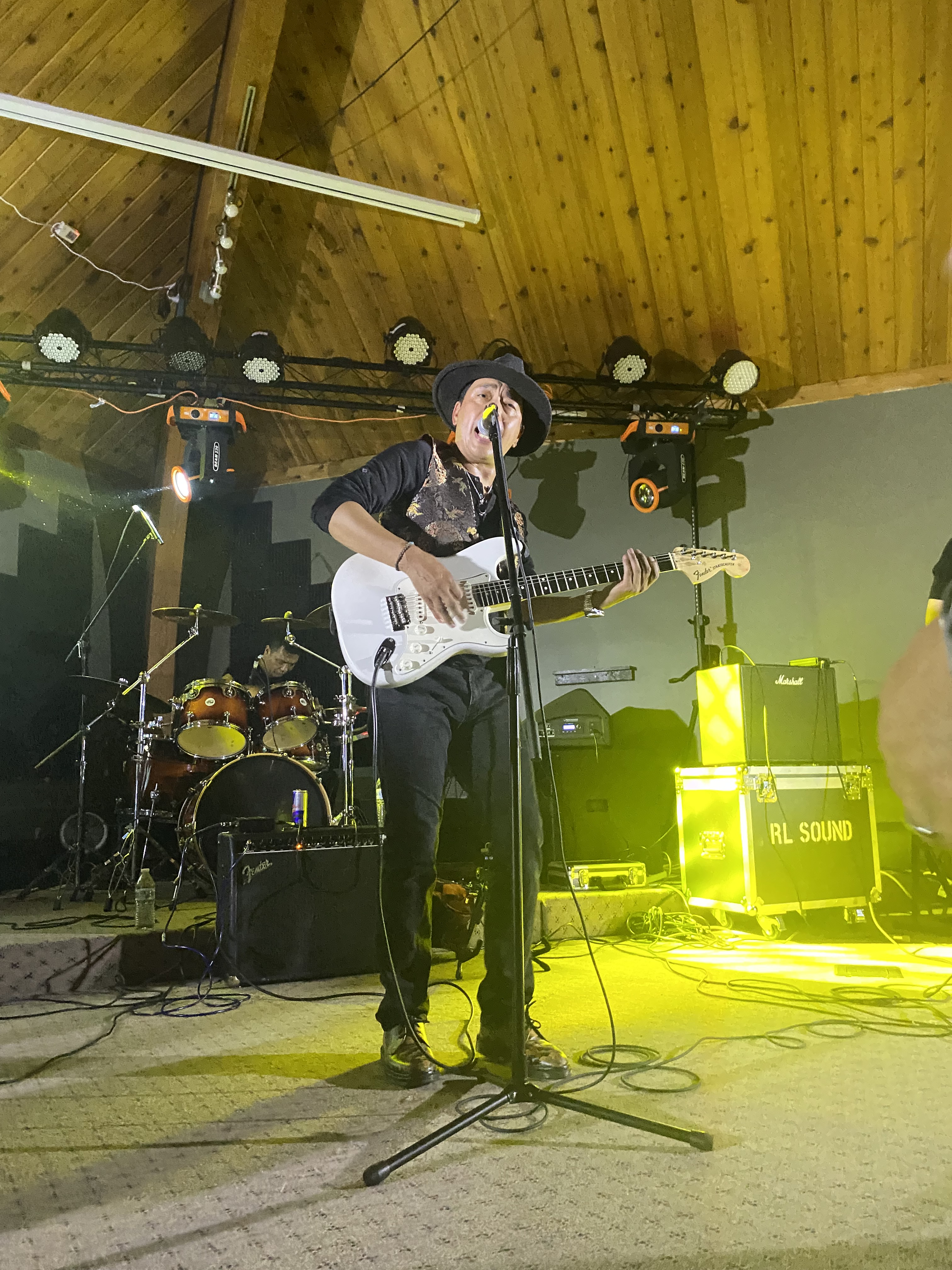
While guests enjoyed momo, performers from young to experienced performed a vast variety of songs. From 11-year-old Prapti Neupane’s rendition of “Rolling in the Deep”, to the local favorite Mary Dhakwa, to the Angel Band’s captivating performances of popular Nepali songs, every performer was a hit with the crowd! The event was MC’d by FONNJ president, Roshan Karmacharya and even included a surprise performance by Founding president, Dr. Tulsi R. Maharjan.
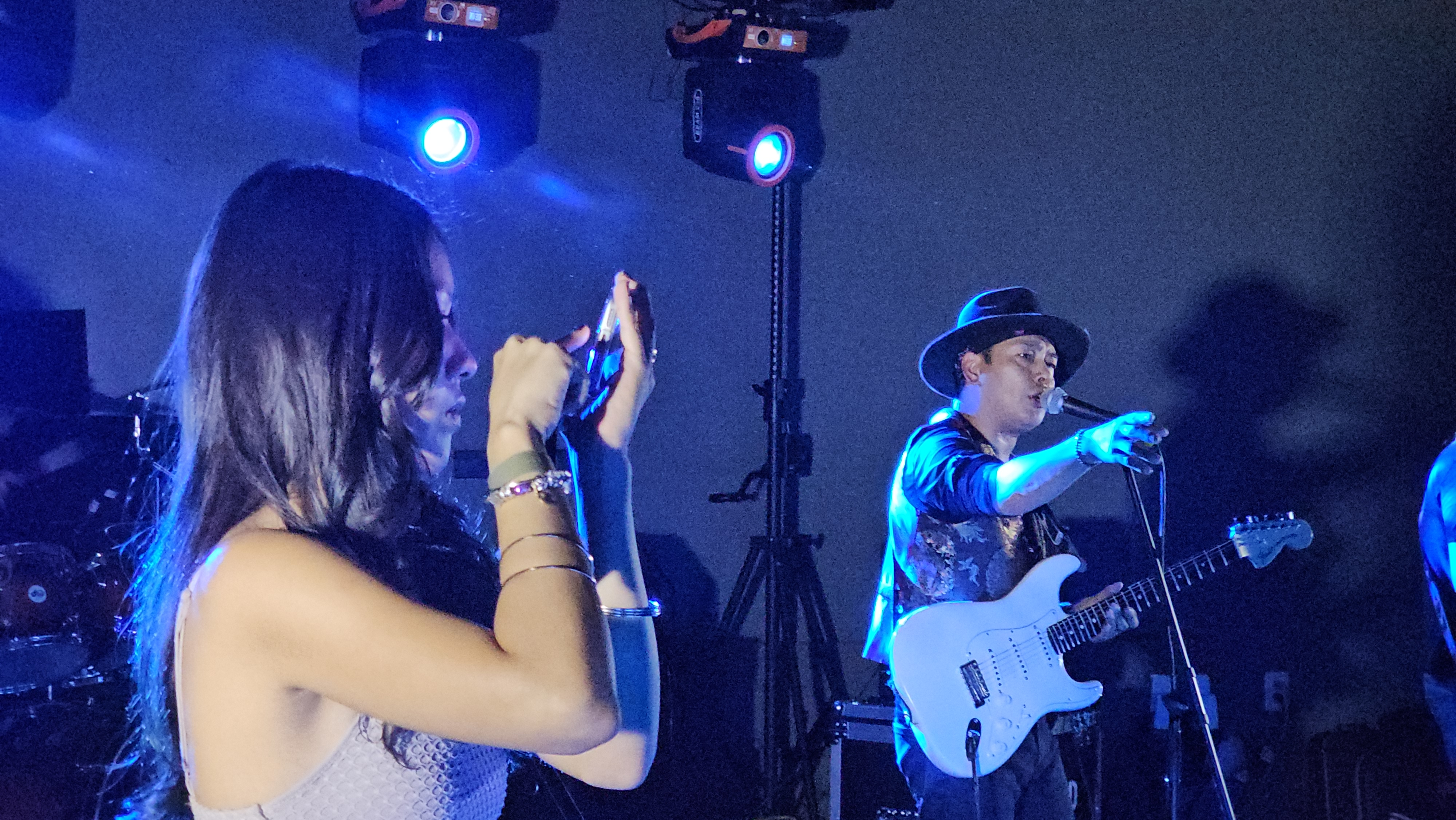
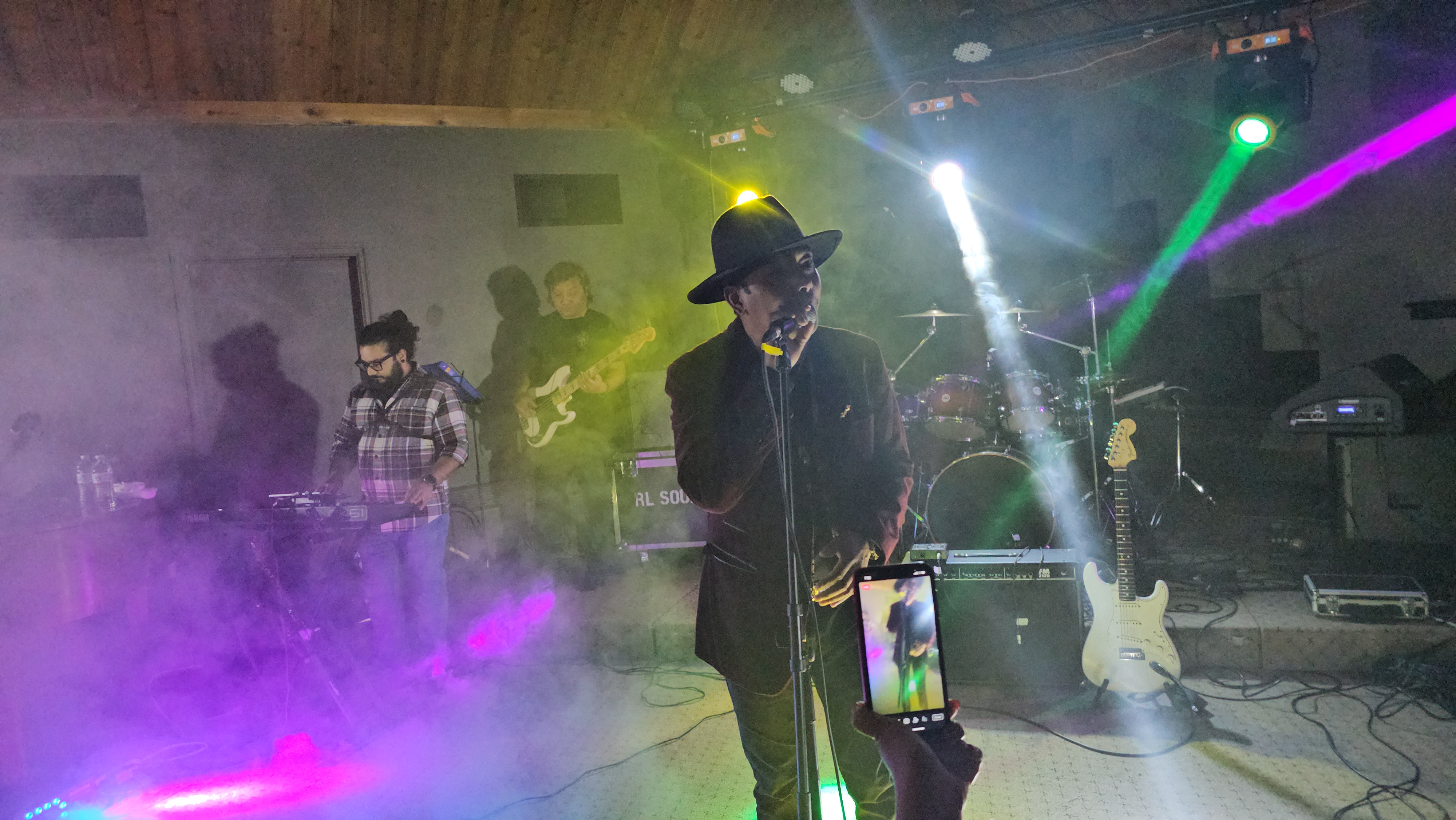
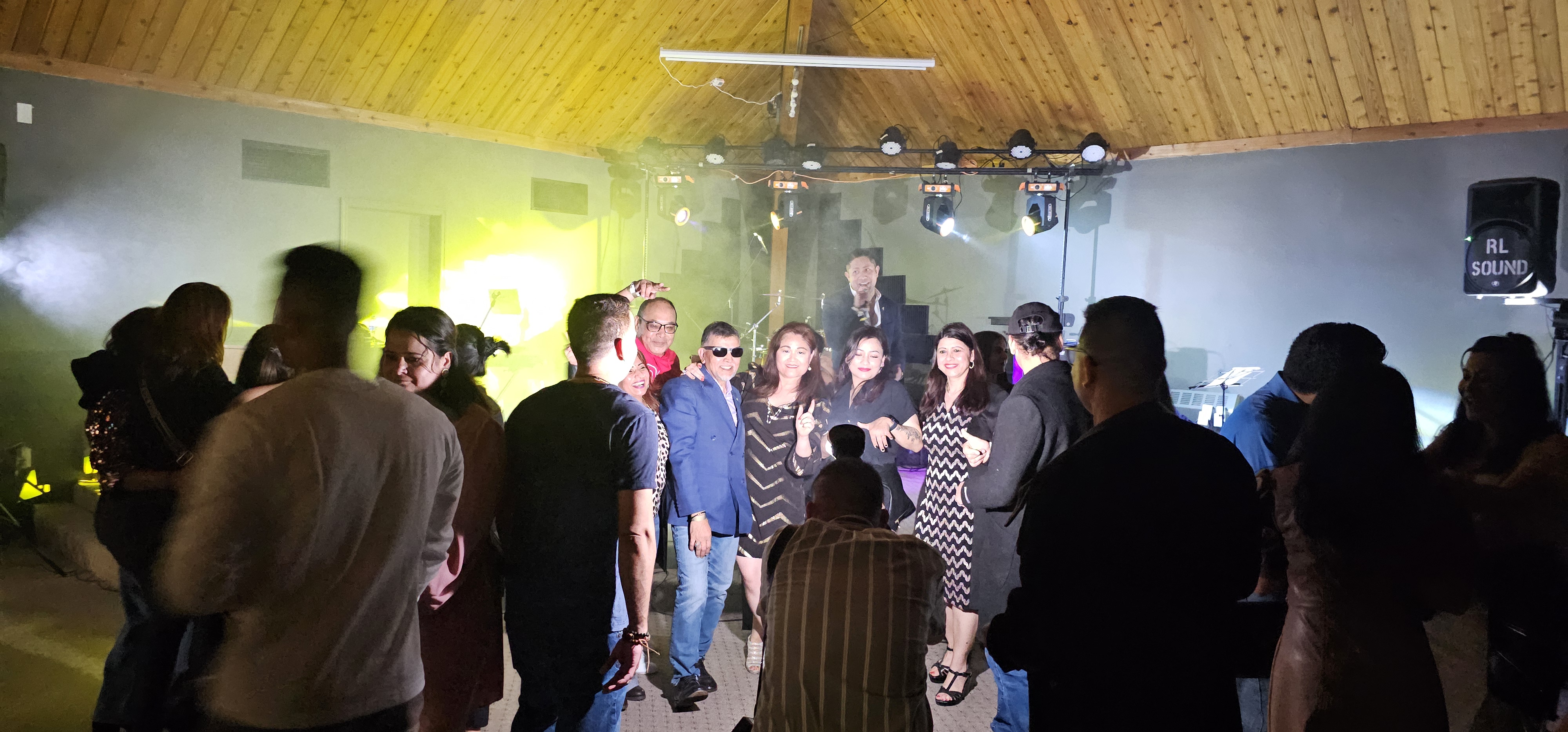
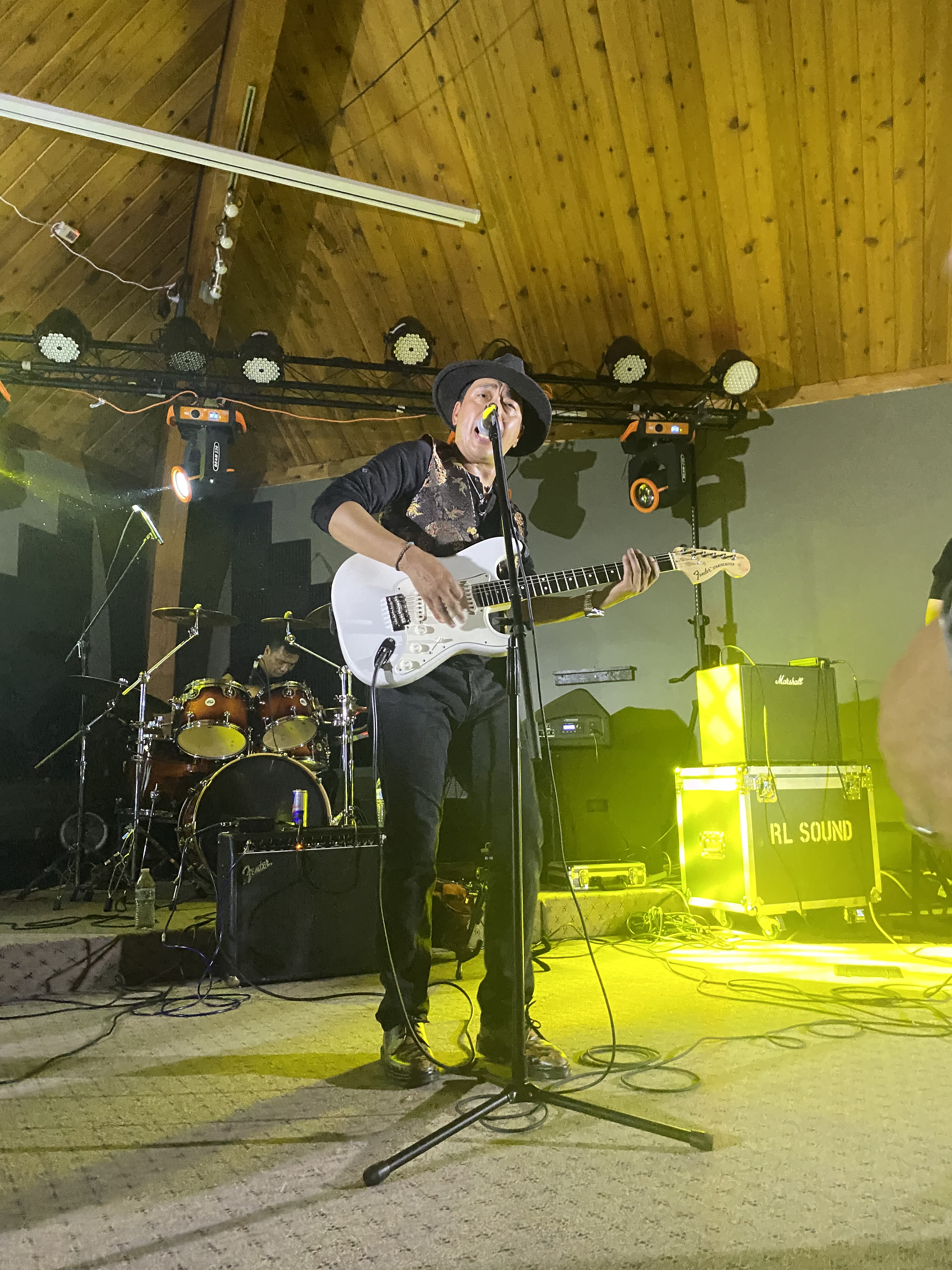
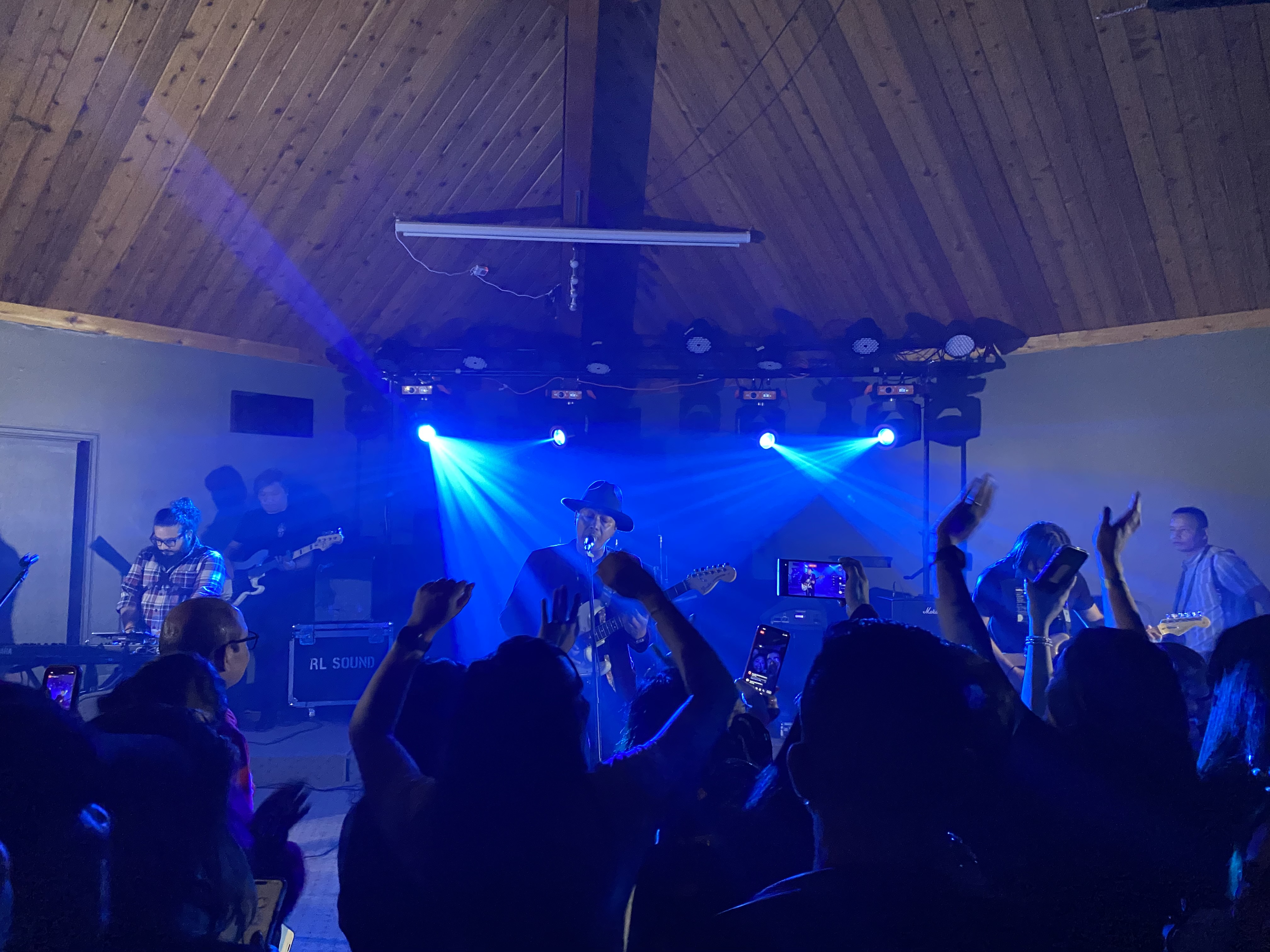
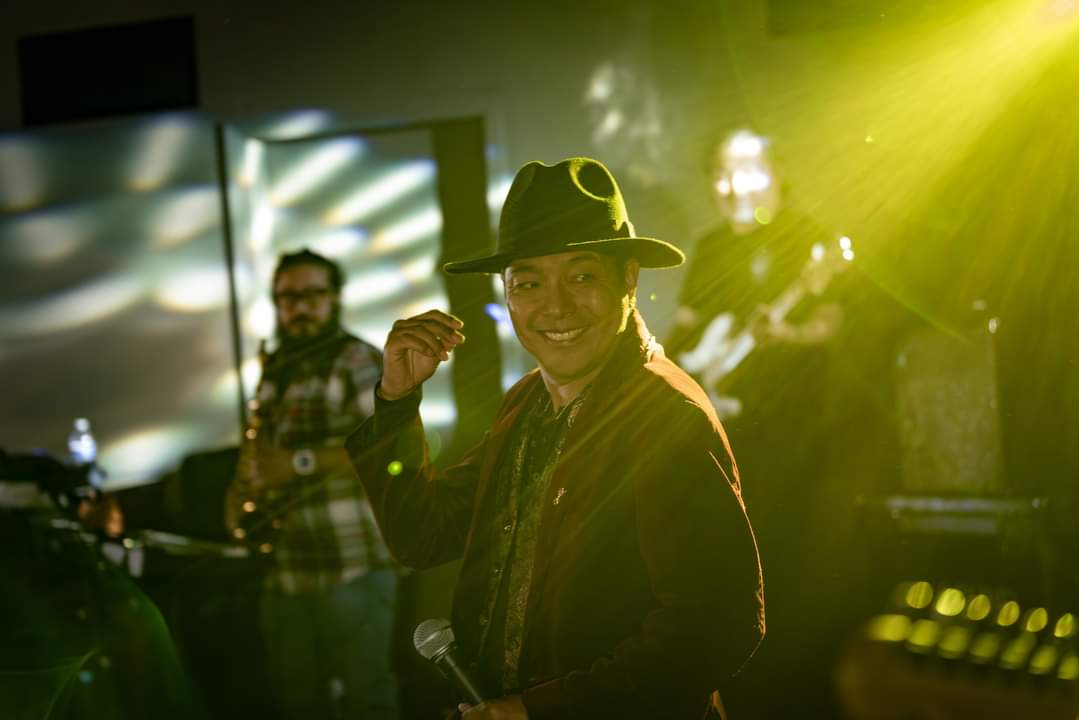
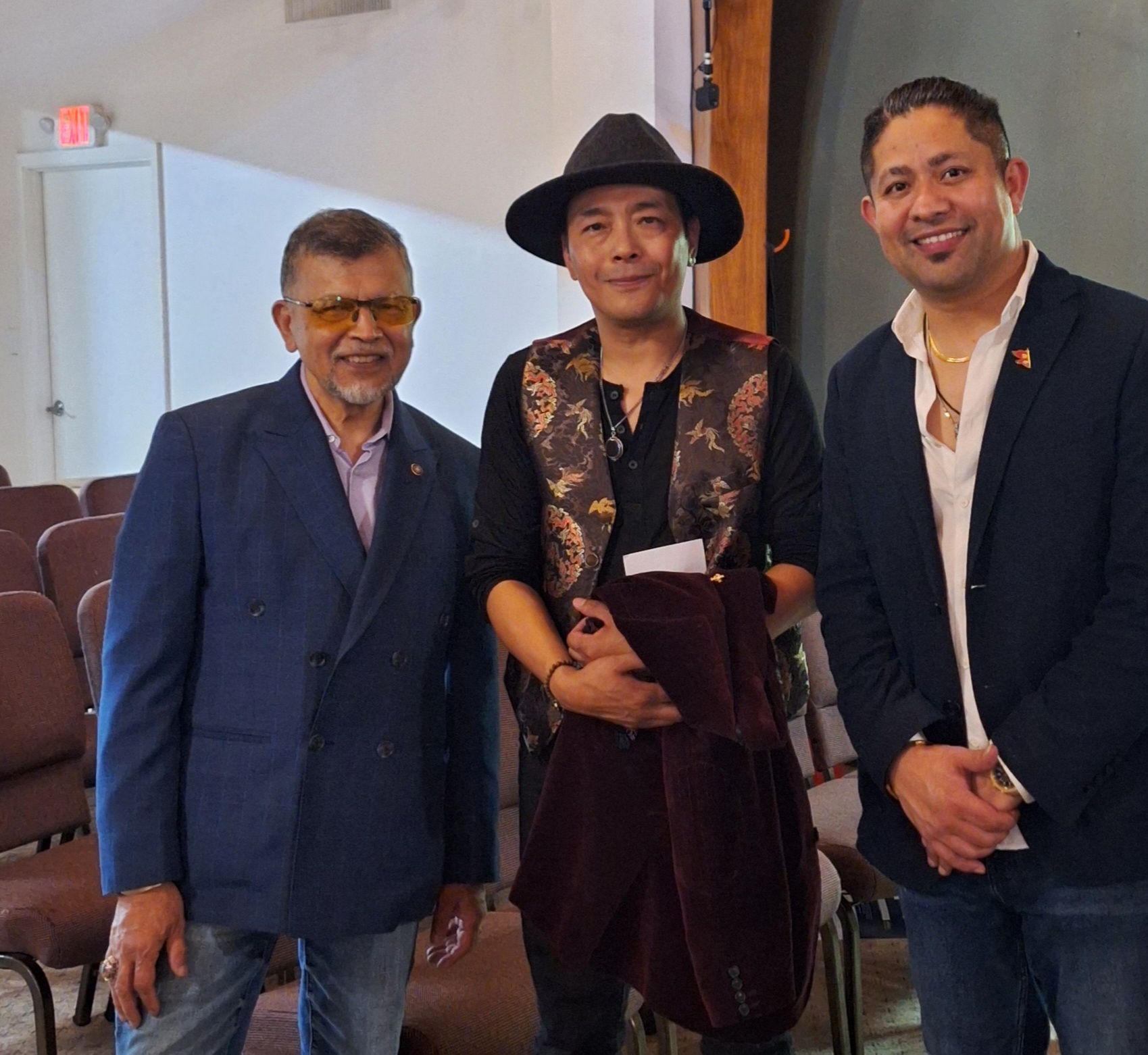
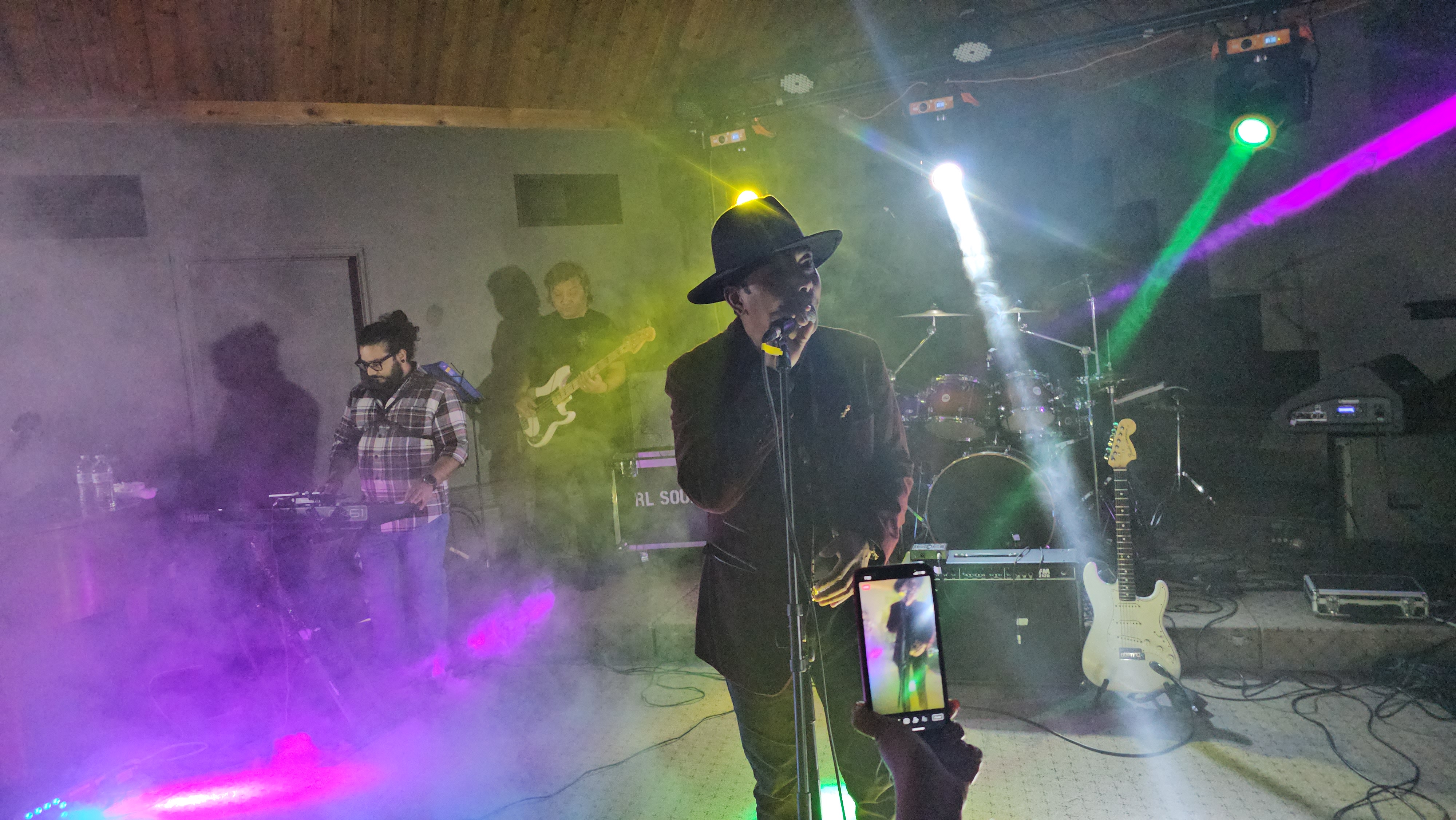
Finally, the iconic Nima Rumba ended the night with his show-stopping performance. People got up, dancing and singing along to his songs. You could feel the energy and the sense of community flowing through the room.
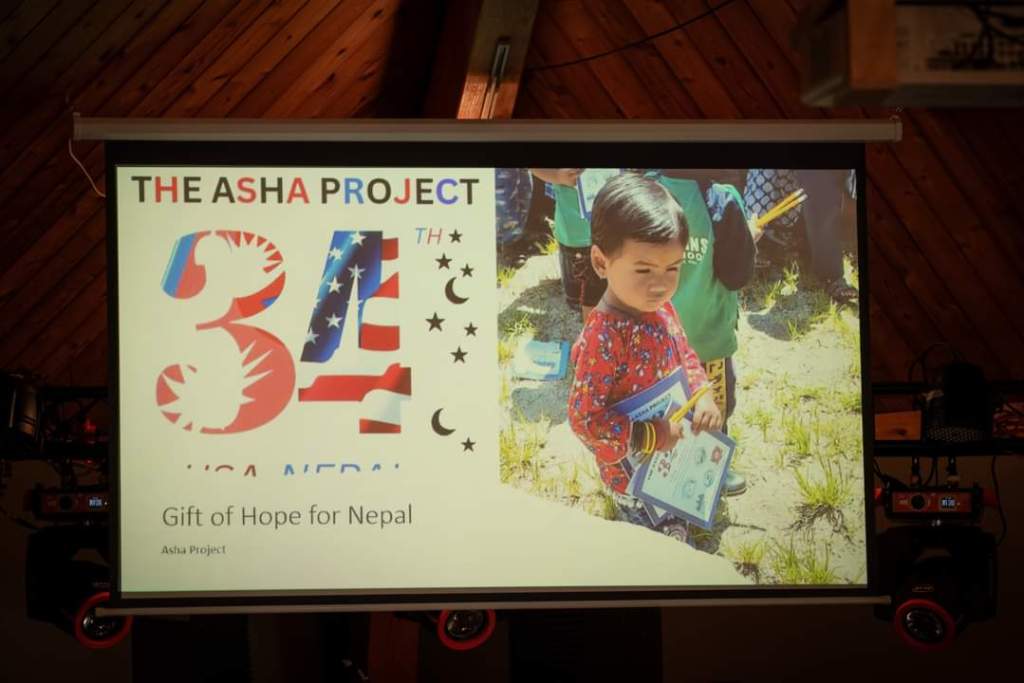
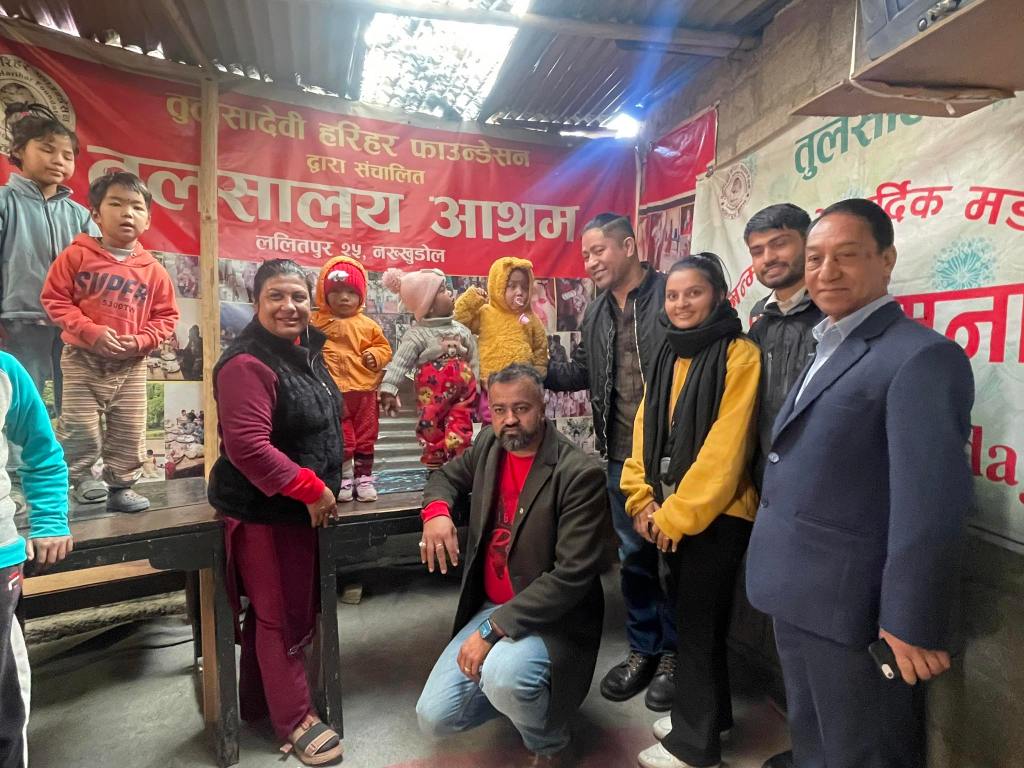
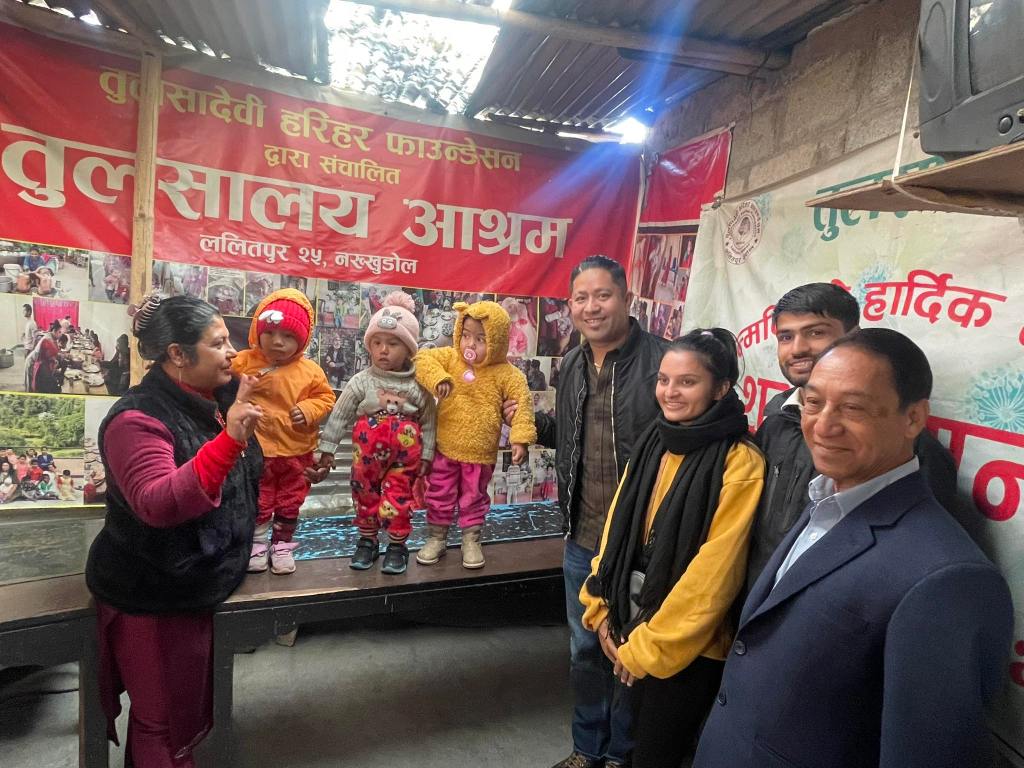
This event not only relished delicious food and captivating music, but also served a greater purpose within the Nepali community. During the event, individuals volunteered to sponsor children from various Nepali villages in need of education. Also, awareness were raised about 34 years of Humanitarian mission in Nepal which strives to provide a brighter future for underprivileged families in Nepal. We would like to thank all those individuals who have joined FON-NJ’s Legacy Circle being sponsor of children in Nepal and for being valuable partners in this crusade. Together, we will be able to make a lasting difference in the lives of children in Nepal and at the same time gain a piece of mind knowing that we are helping to make a difference in somebody’s life.
Of course, this amazing event wouldn’t be possible without the sponsors – Team McLain, Momo Hut, Airzone Travel, Spice House, Yam Adhikari, and Dil Shrestha.
The “Momo and Music” event was a clear testament to FONNJ’s commitment to promoting cultural awareness and unity. Through events like this, FONNJ continues to bring Nepali communities in NJ and surrounding states together, while also making a positive impact on the people of Nepal. Our gratitude and thanks to Suraj Bahadur Gurung of the KS Photography for those wonderful pictures and all those volunteers and executive members.
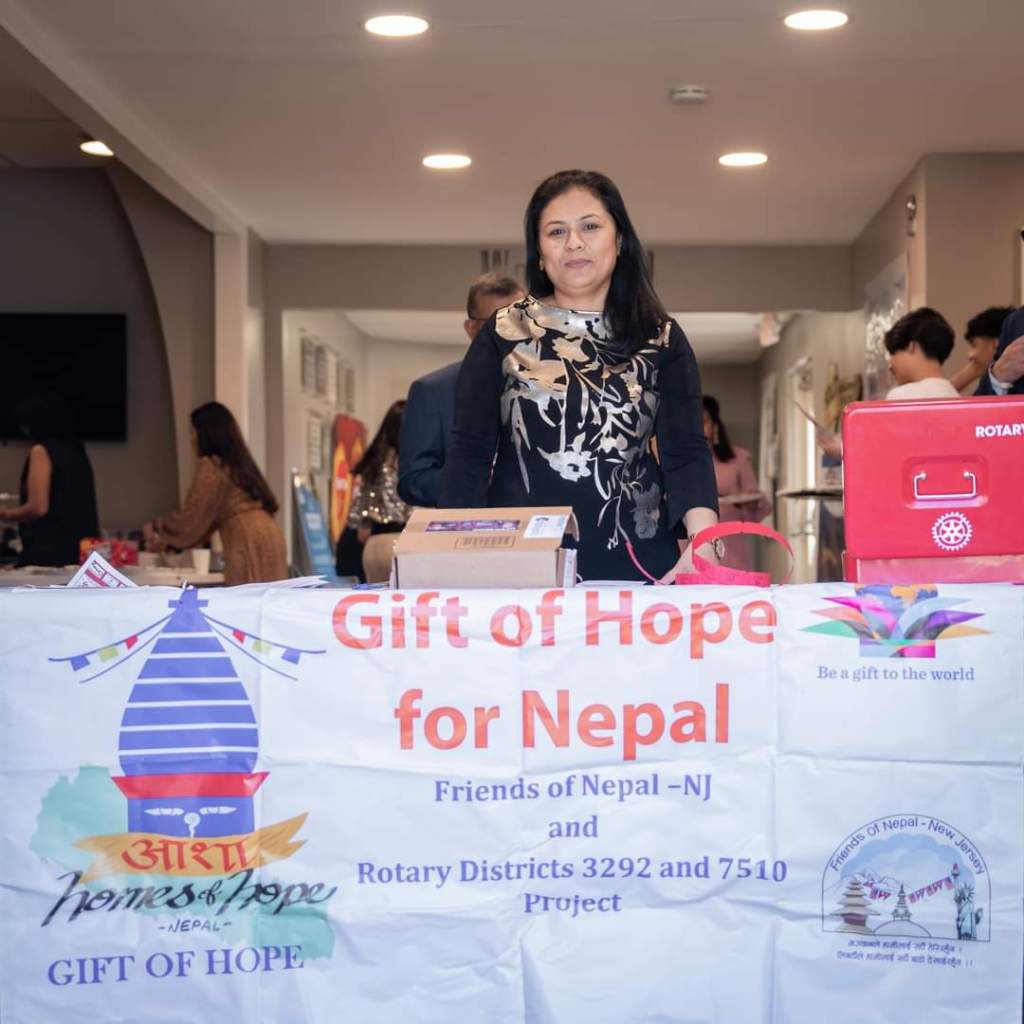
The Friends of Nepal-NJ is honored to present our 2023 Legacy Project to those fascinated by the art and cultures of Nepal.
Legacy Project was an ambitious initiative—promoting cultural identity, mobilizing volunteers and celebrating our tradition—which aims to encourage the widespread incorporation of Nepalese art and cultural tradition.
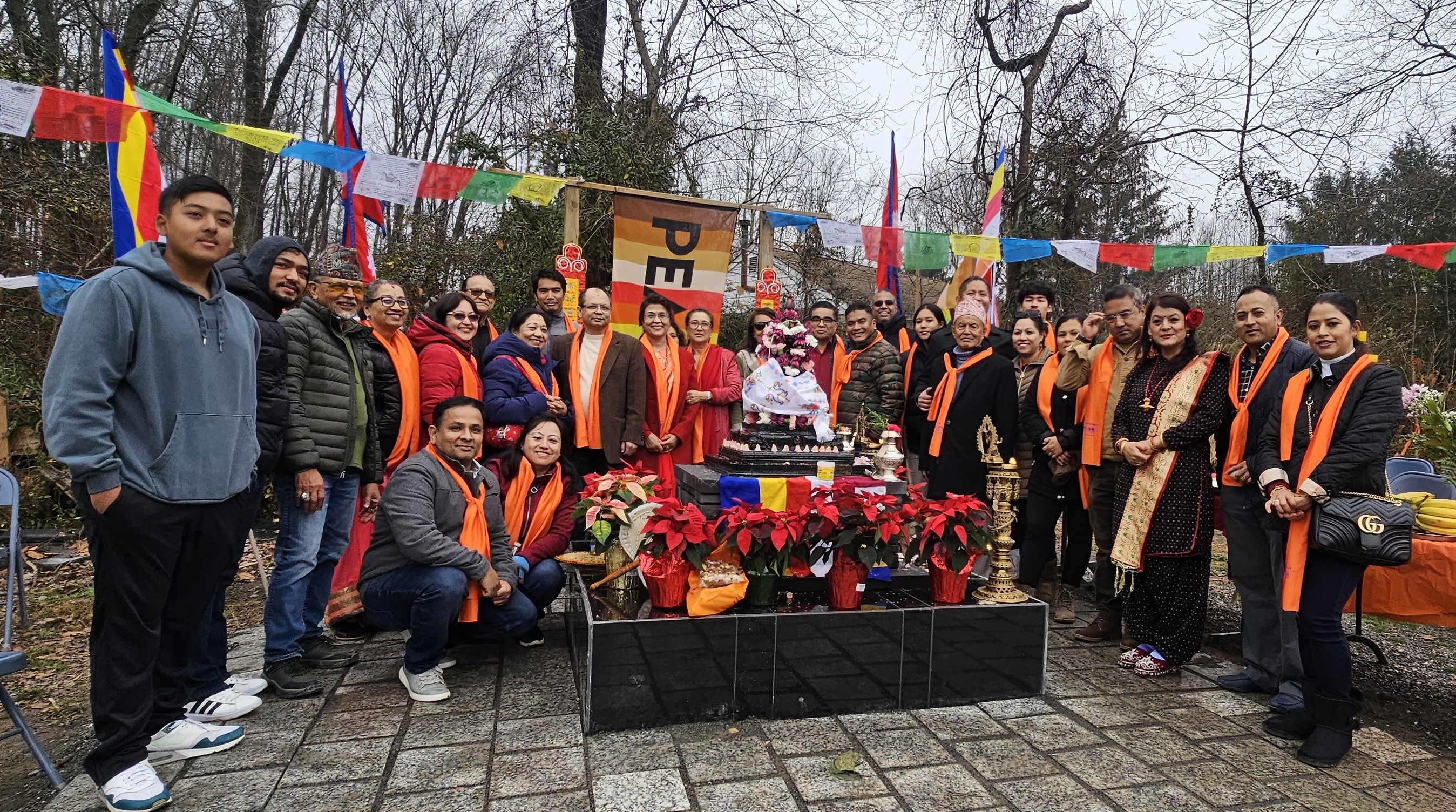
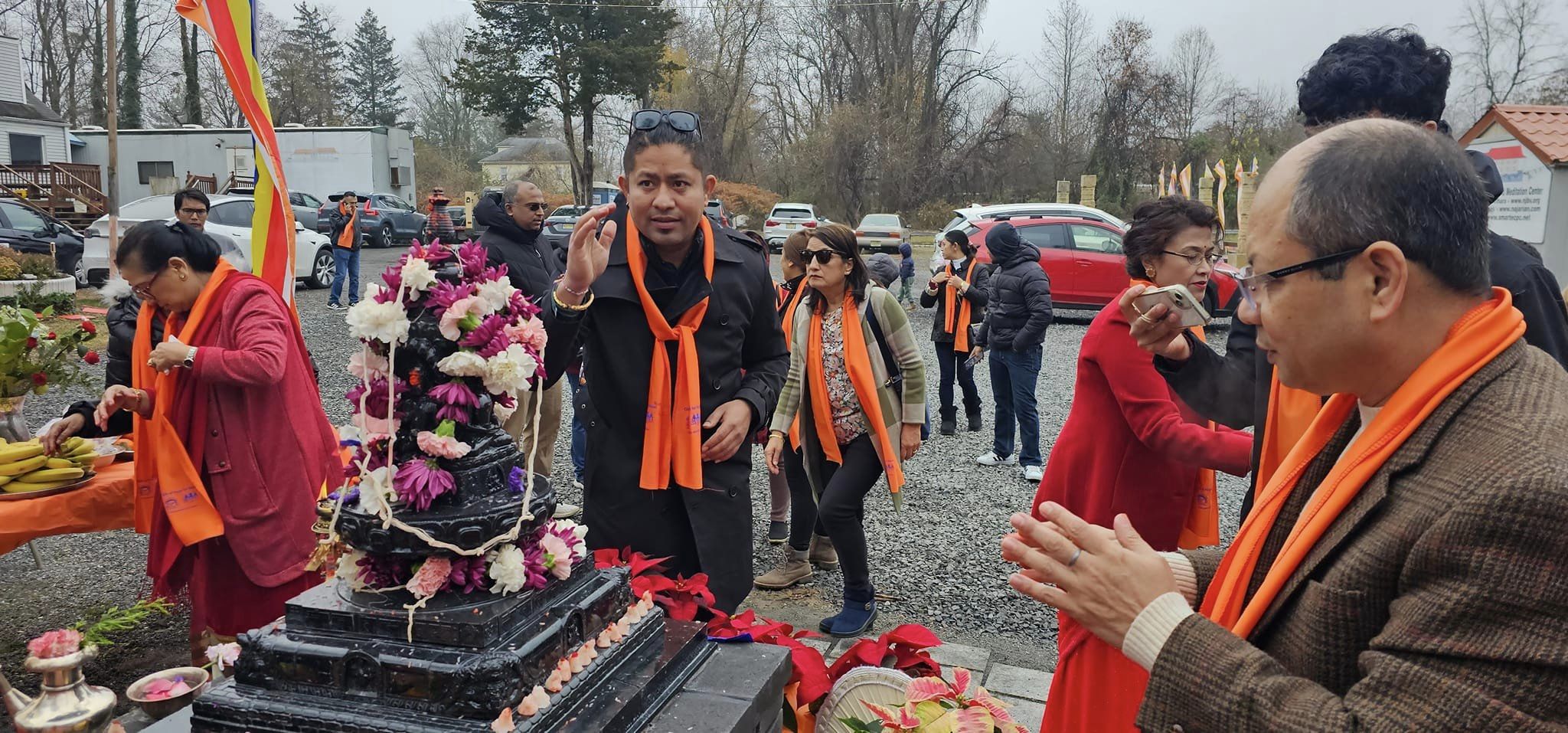
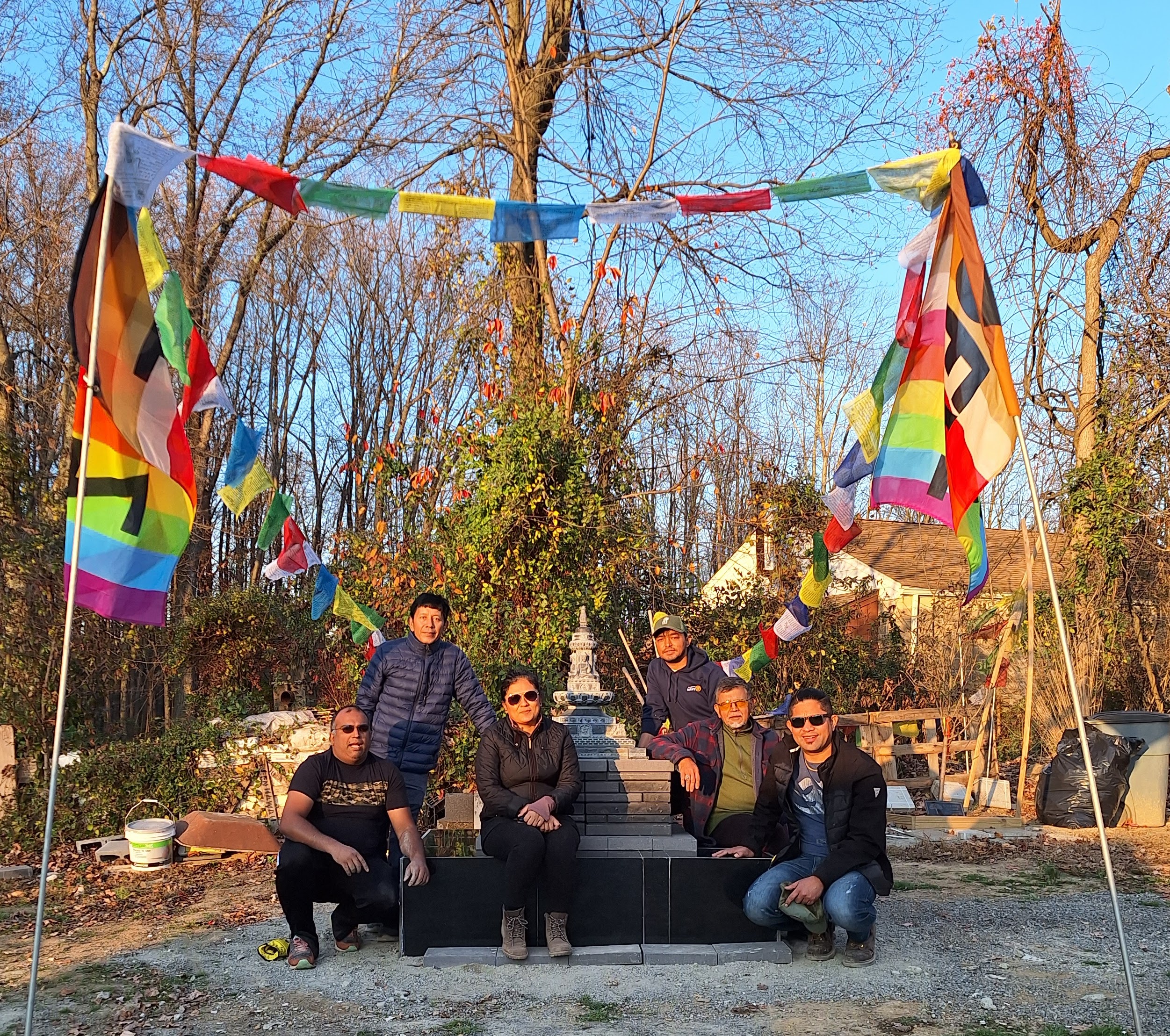
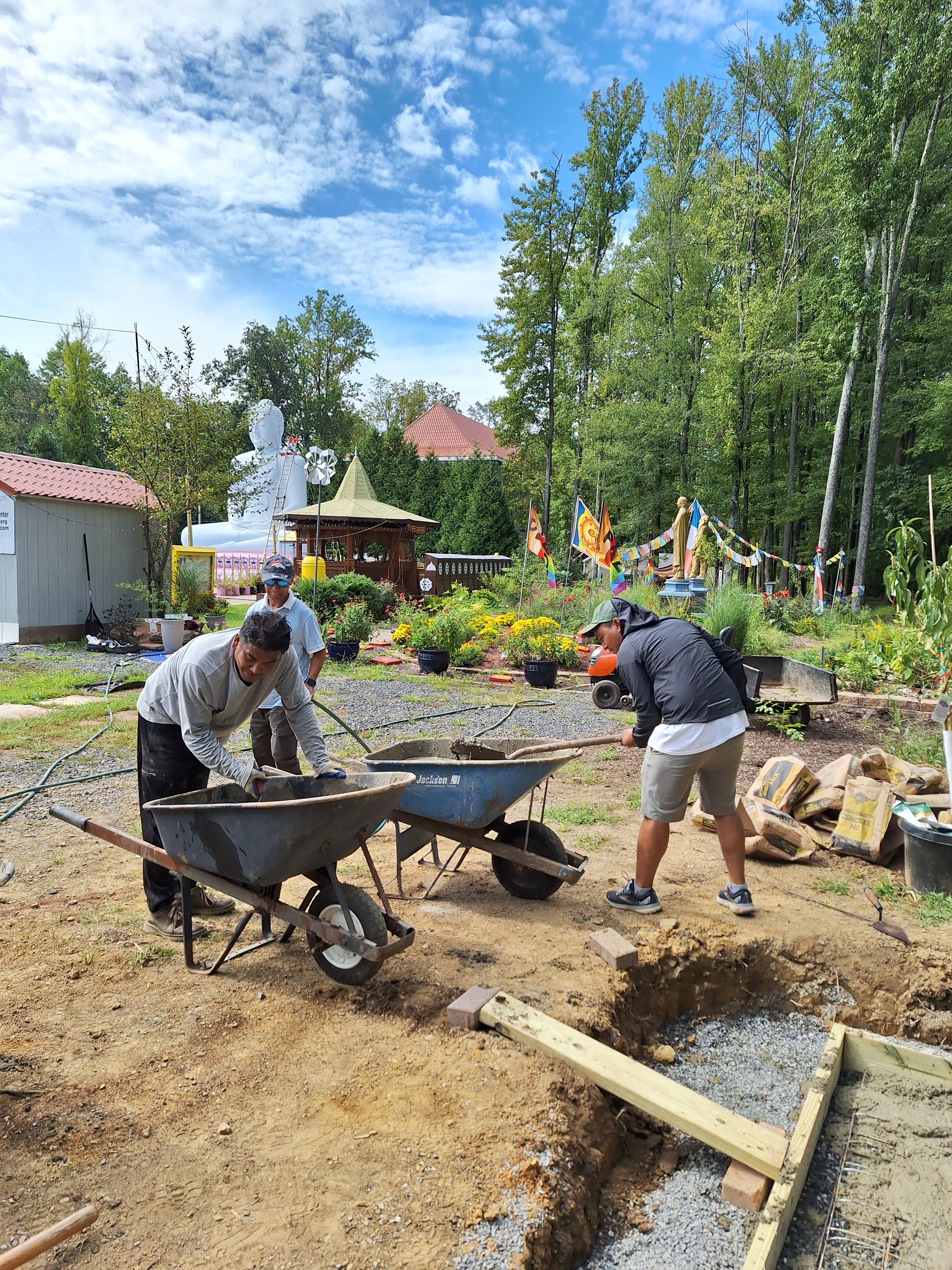
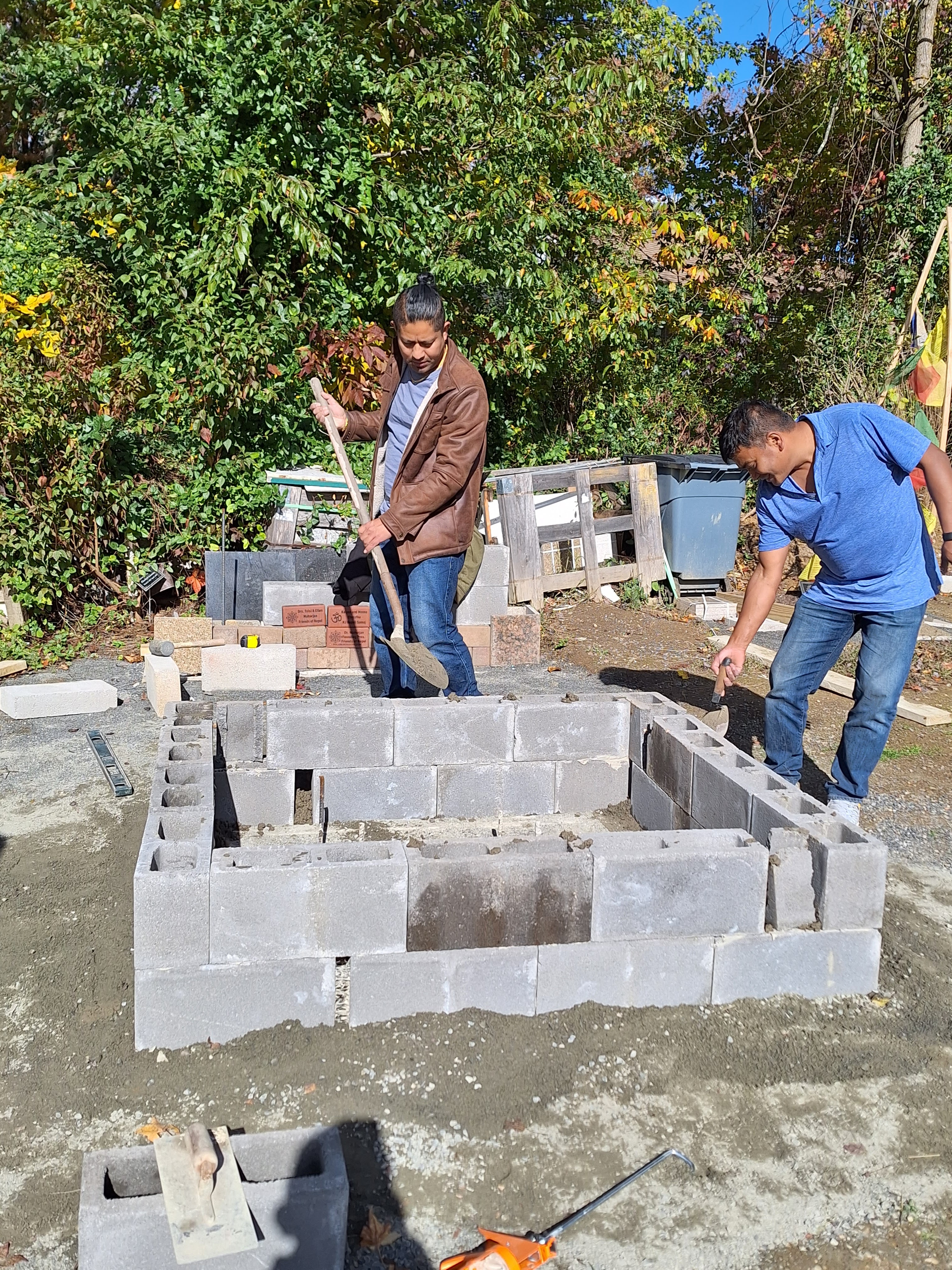
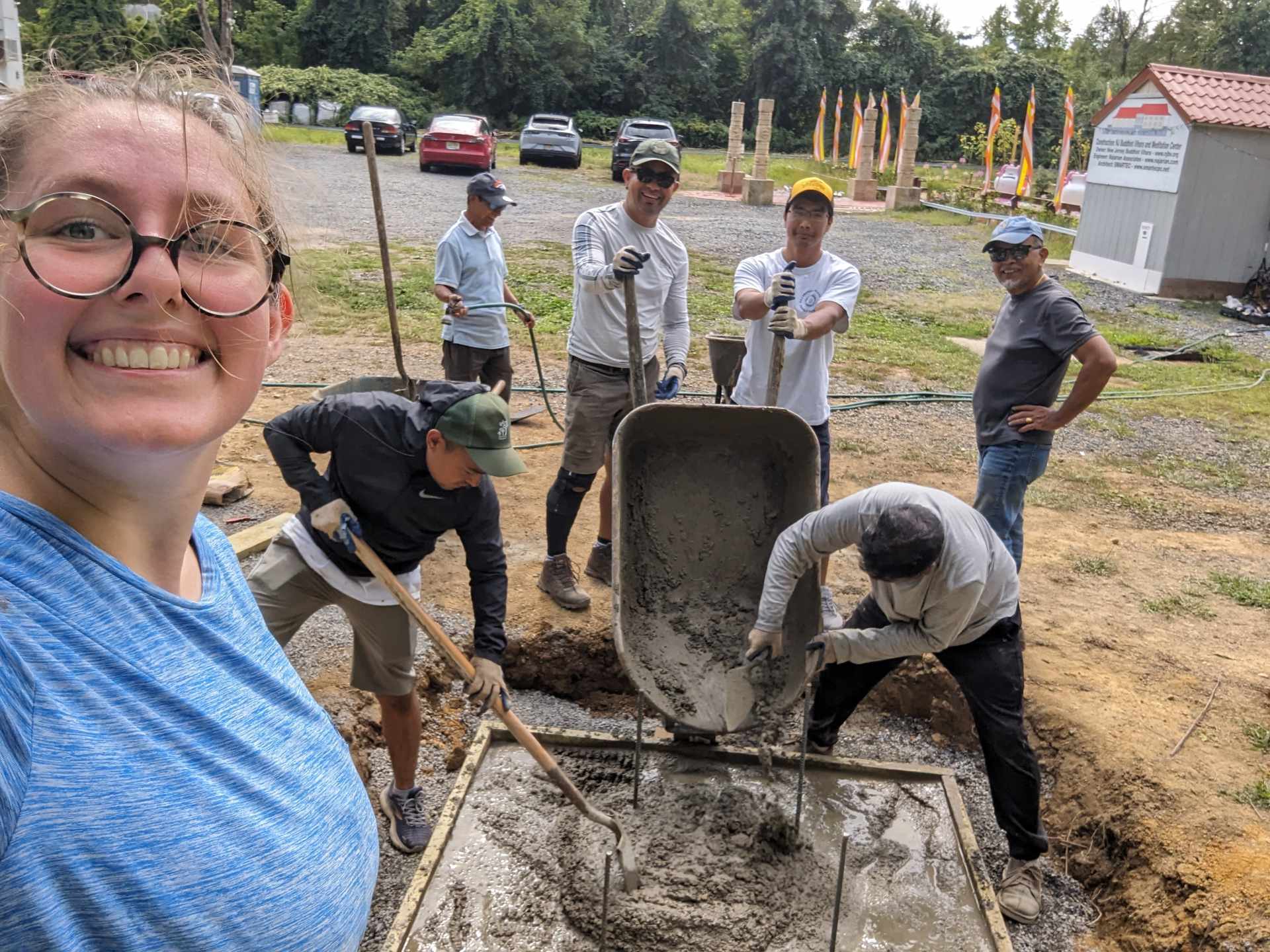
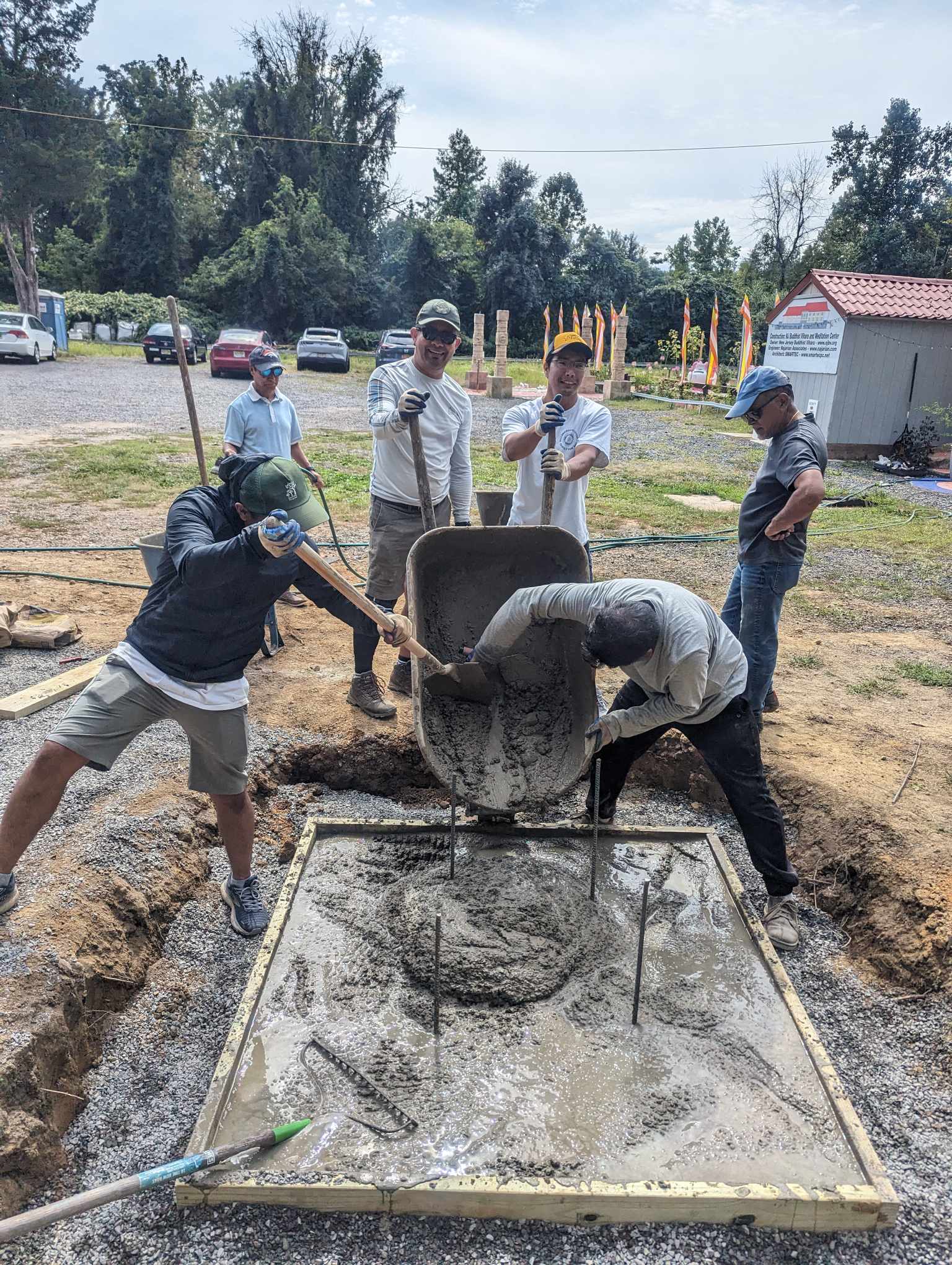
Building the Chiva or Stupa took about 10 months from identifying the location, artist and recruiting volunteers and finding donors for the project. The vast majority of the work was performed by volunteers from New Jersey community for this project. The project was led by Dr. Tulsi Maharjan, founding president of the Friends of Nepal-NJ.
Building the Chiva or Stupa was not an ordinary construction project, it was an act of devotion on the part of everyone who participated.
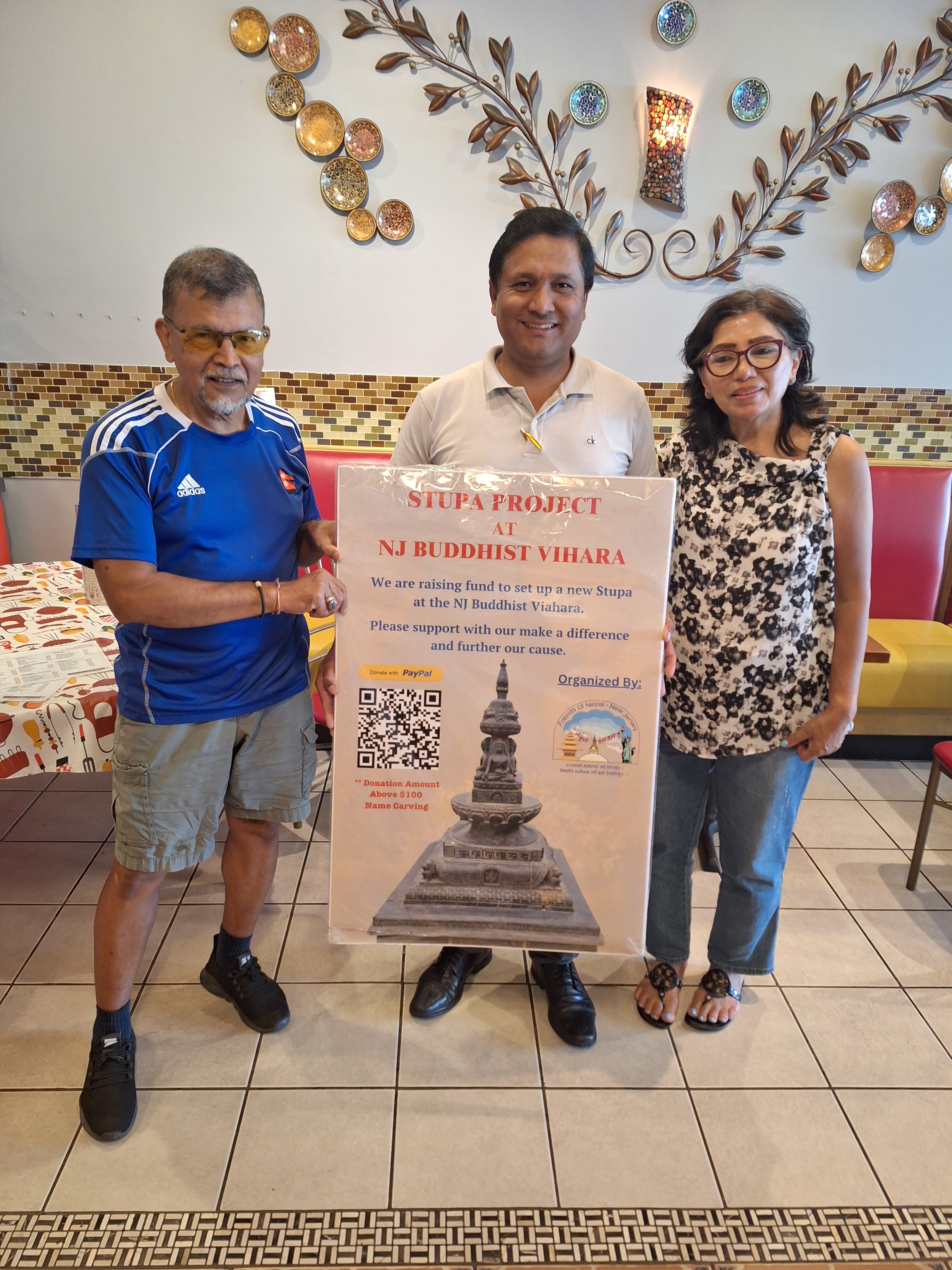
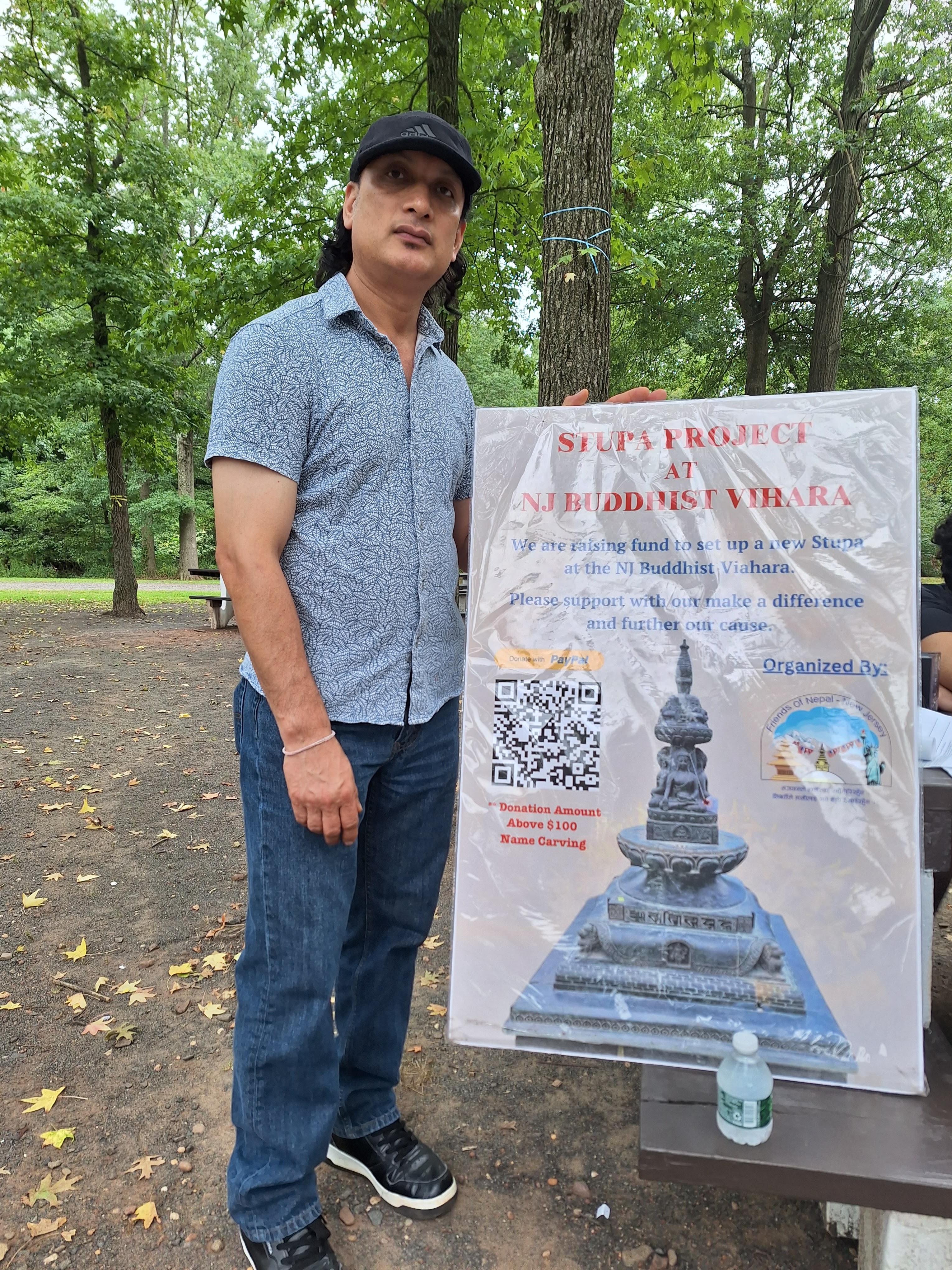
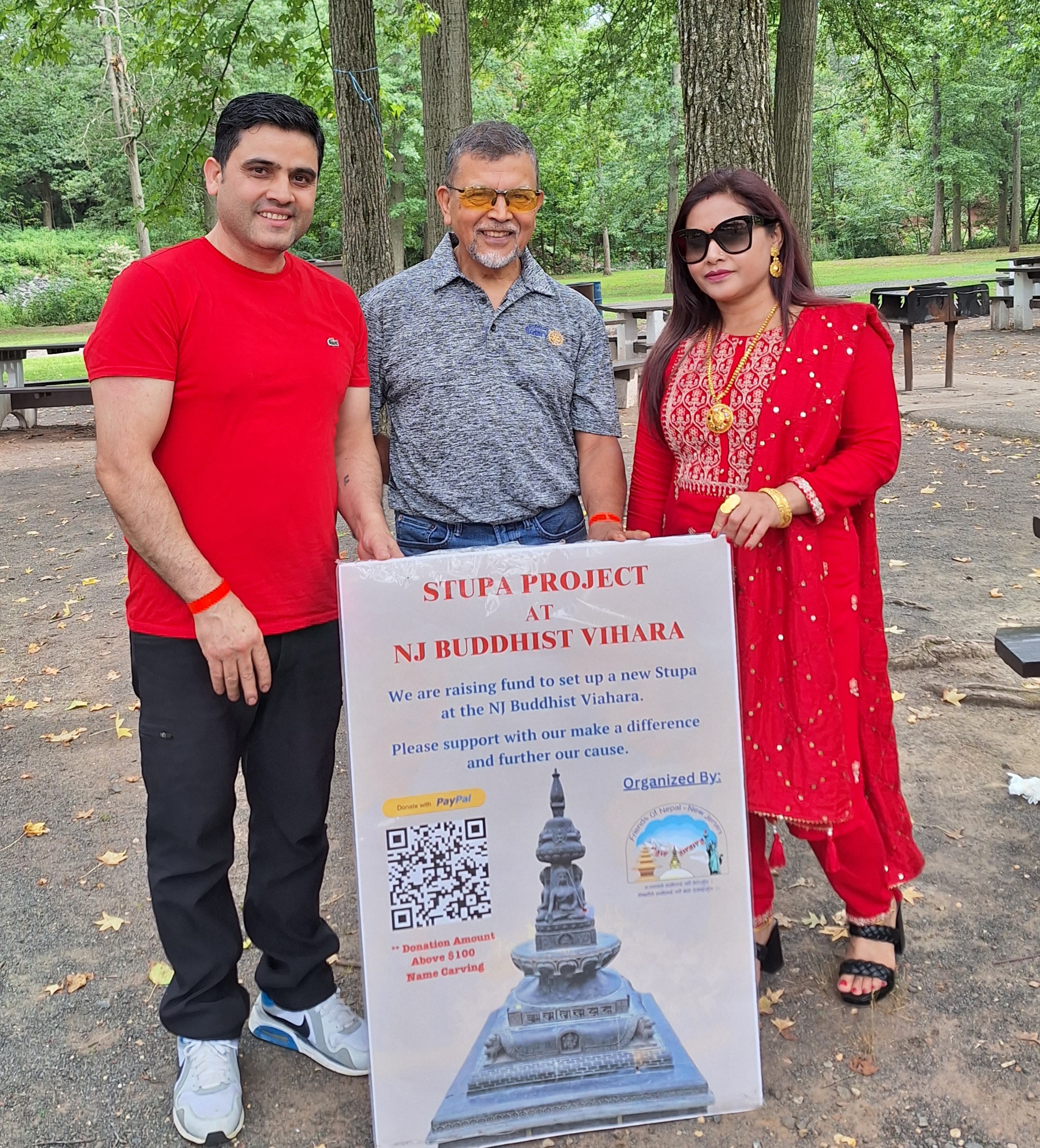
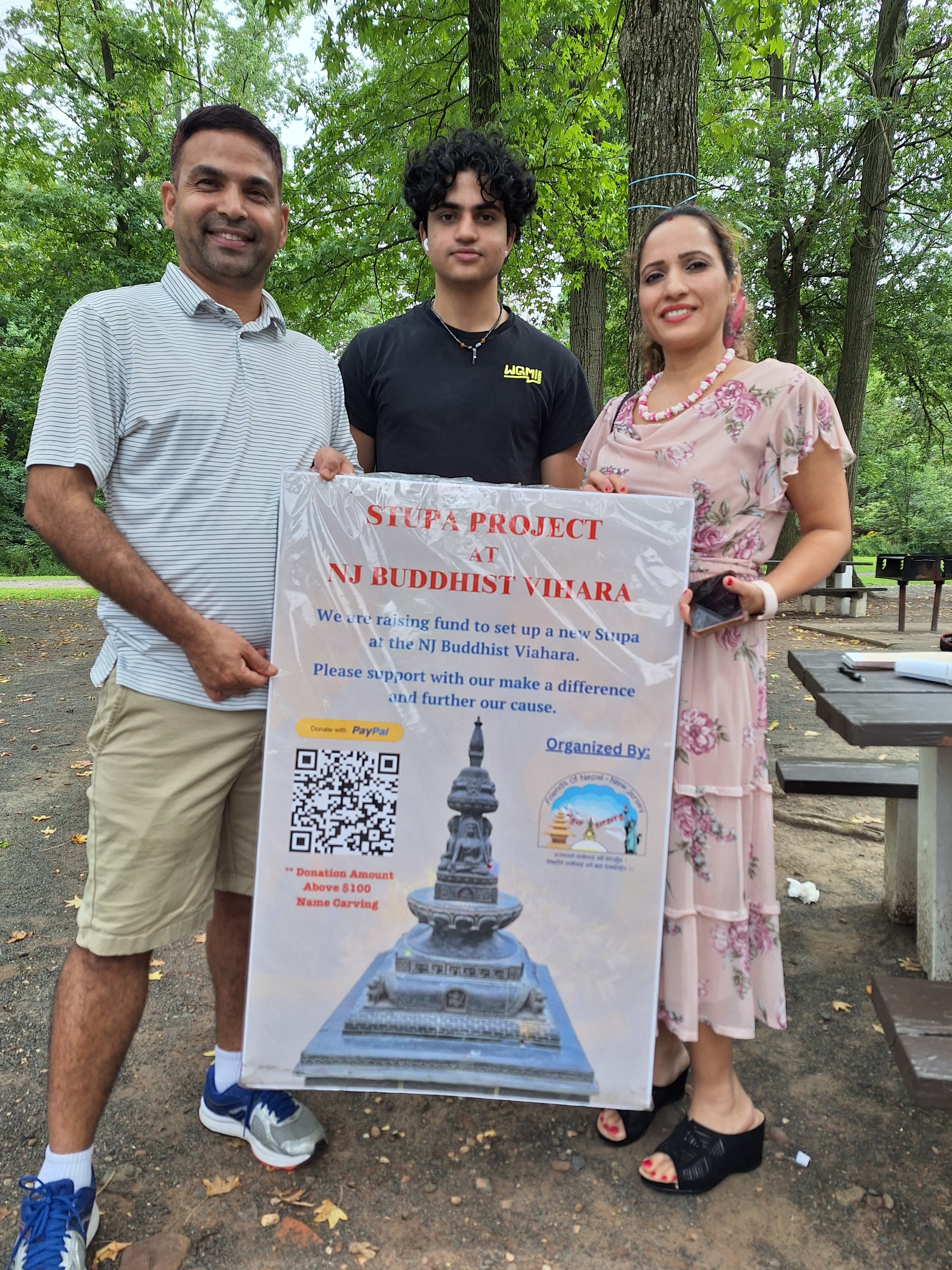
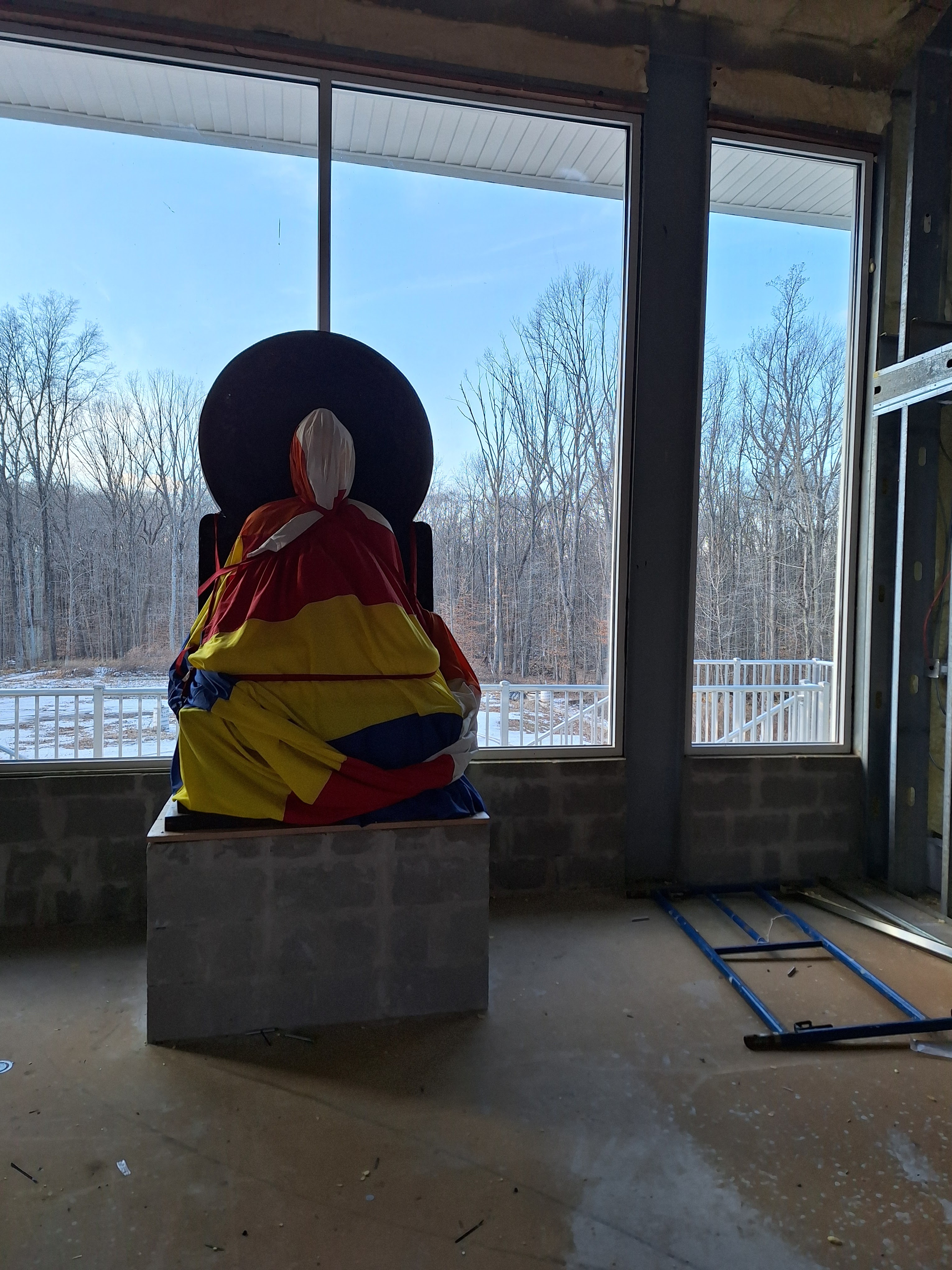
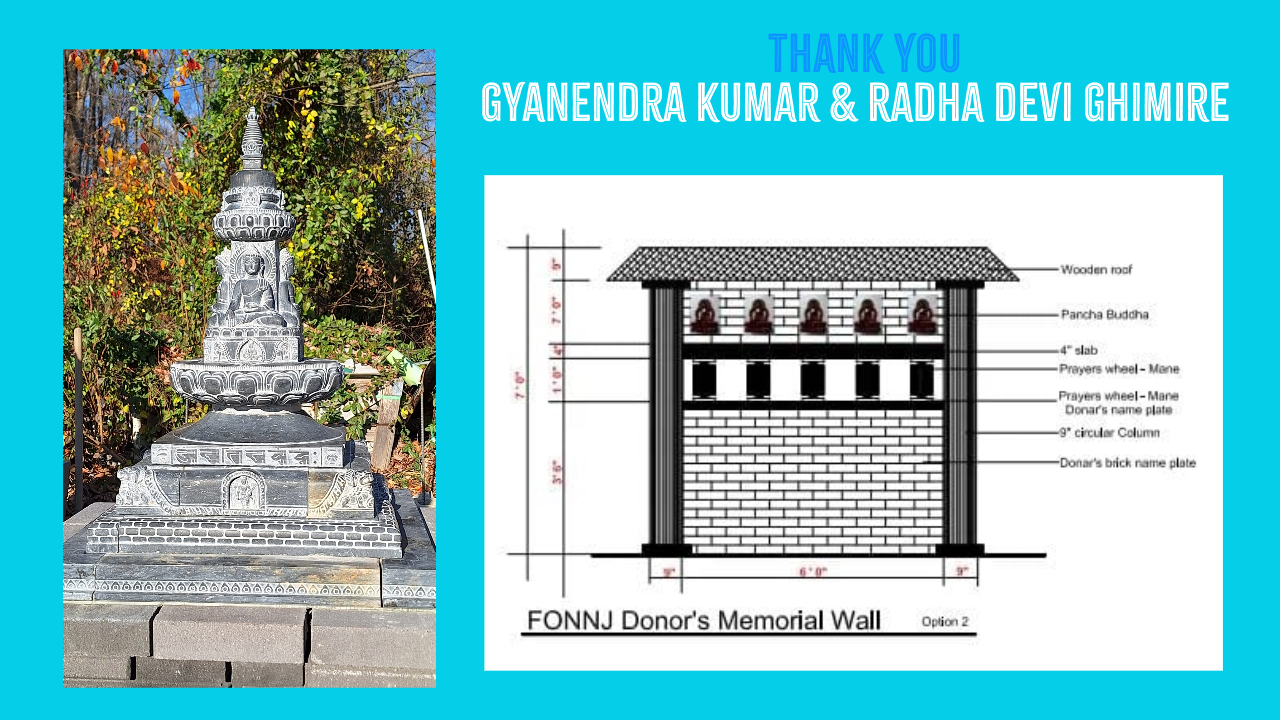
Welcome to our CHIVA and Memorial wall Project, where we celebrate the wisdom of the Buddha’s mind through building Stupa “Chaitya”.
Our community stupa is not just receptacles of offerings but also represent the Buddha’s enlightened body, speech, and mind. As you may know, the Buddha’s mind is an all-knowing and lucid, yet indefinable. Our stupa is designed to honor this profound wisdom and bring it into our daily life.
Our stupa was handcrafted by Mr. Chandra Shyam Dongol of Khokana, a skilled artisan, who carved each piece with love and devotion. We discovered the art work of Chandra Shyam Dongol through our network. We are delighted have Mr. Dongol’s art work being displayed at the Interfaith Peace garden at the NJ Buddhist Vihara. We look forward to working with him on many projects to come.
In 2024, we are planning to build a wide variety of stupas, from traditional designs to modern interpretations, each one unique and exquisite in collaboration with our growing ethnic communities. If you are interested in building your special ethnic style stupa, let us know. This is the perfect opportunity for our multiethnic community to bring home the beauty and wisdom of the Buddha’s mind at the NJ Buddhist Vihara, Interfaith Peace Garden. If you are interested being part of this project contact Dr. Tulsi Maharjan at trmaharjan@gmail.com.
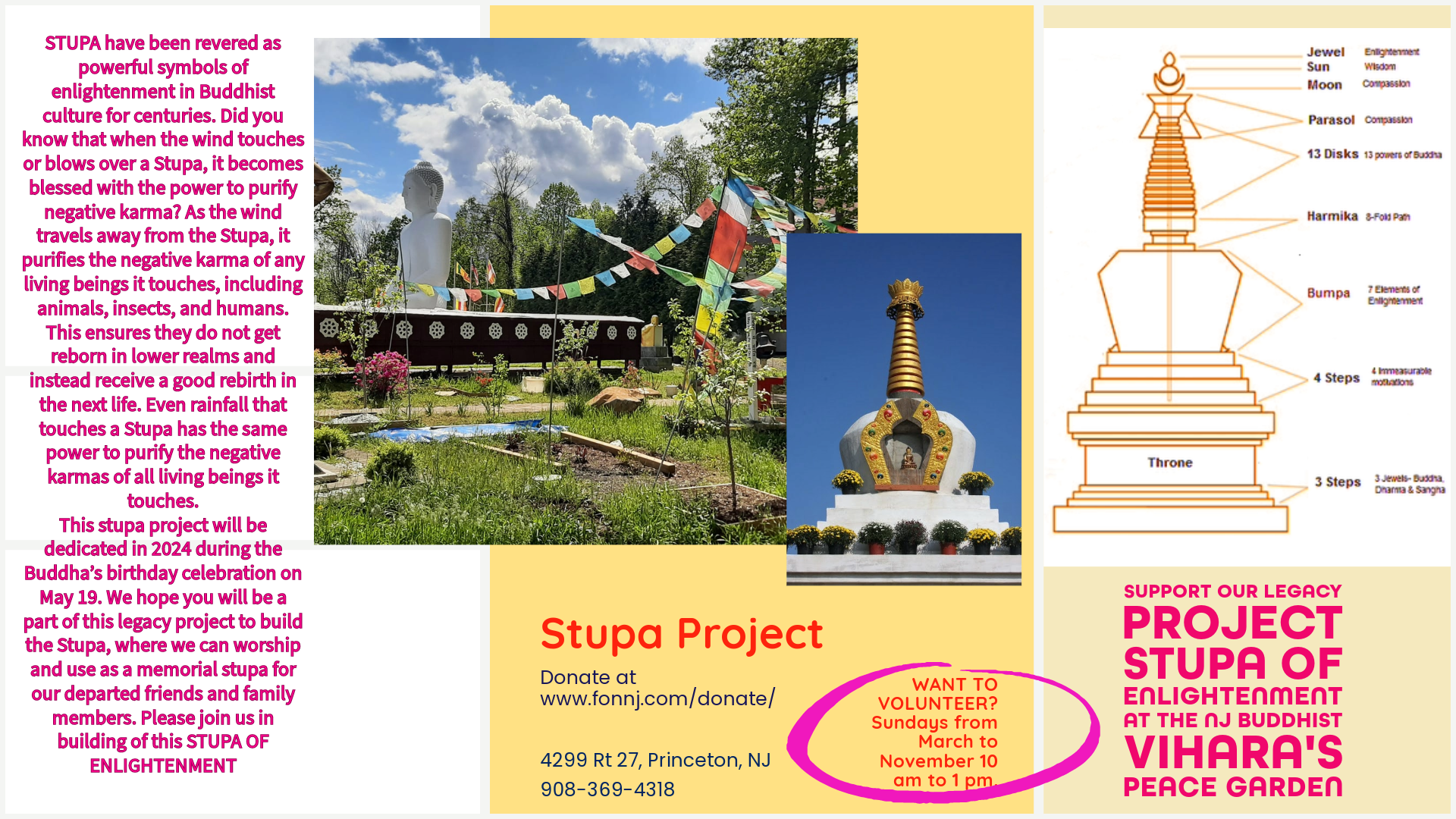
2024 Legacy Project: Stupa of Enlightenment.
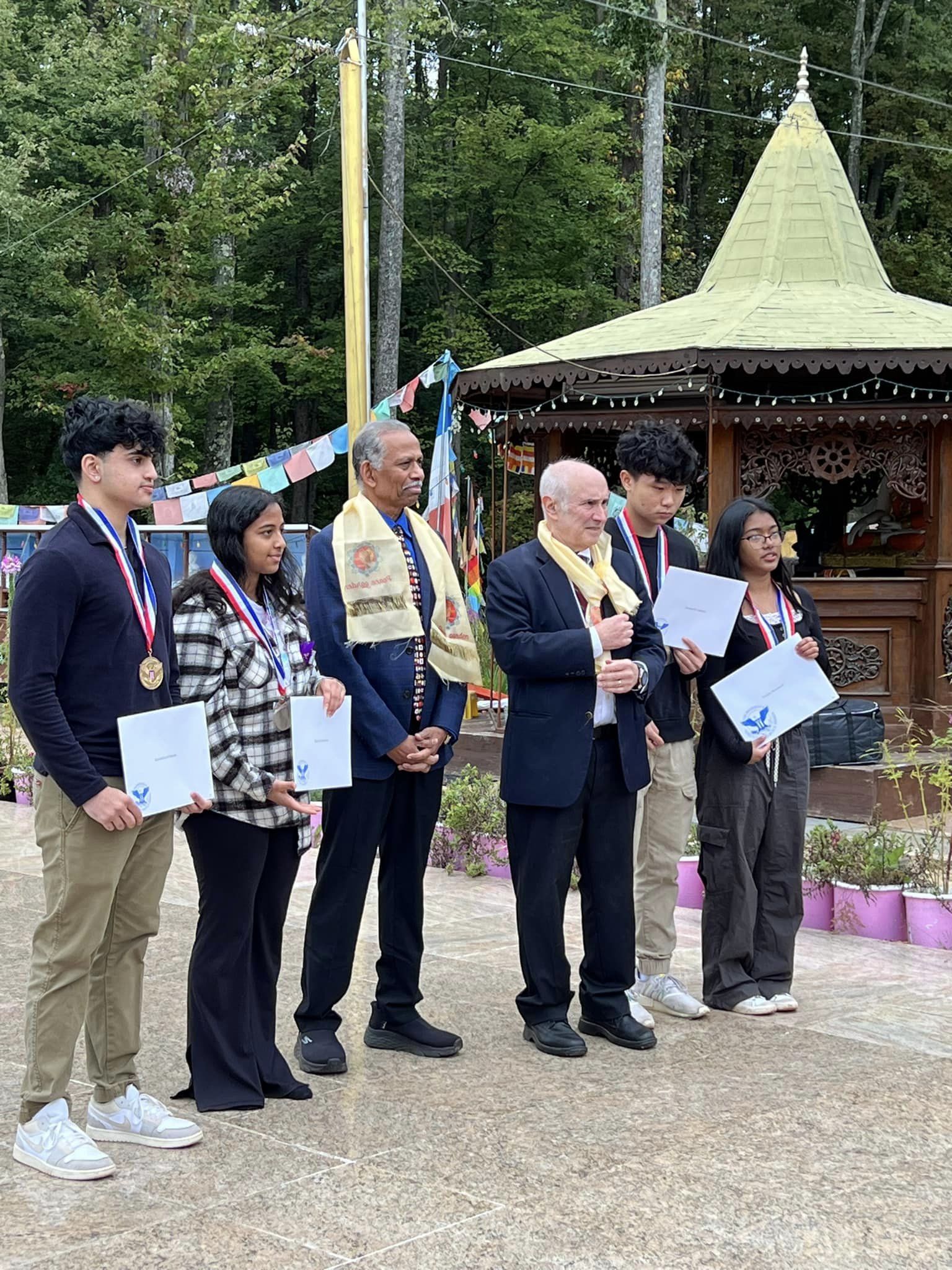
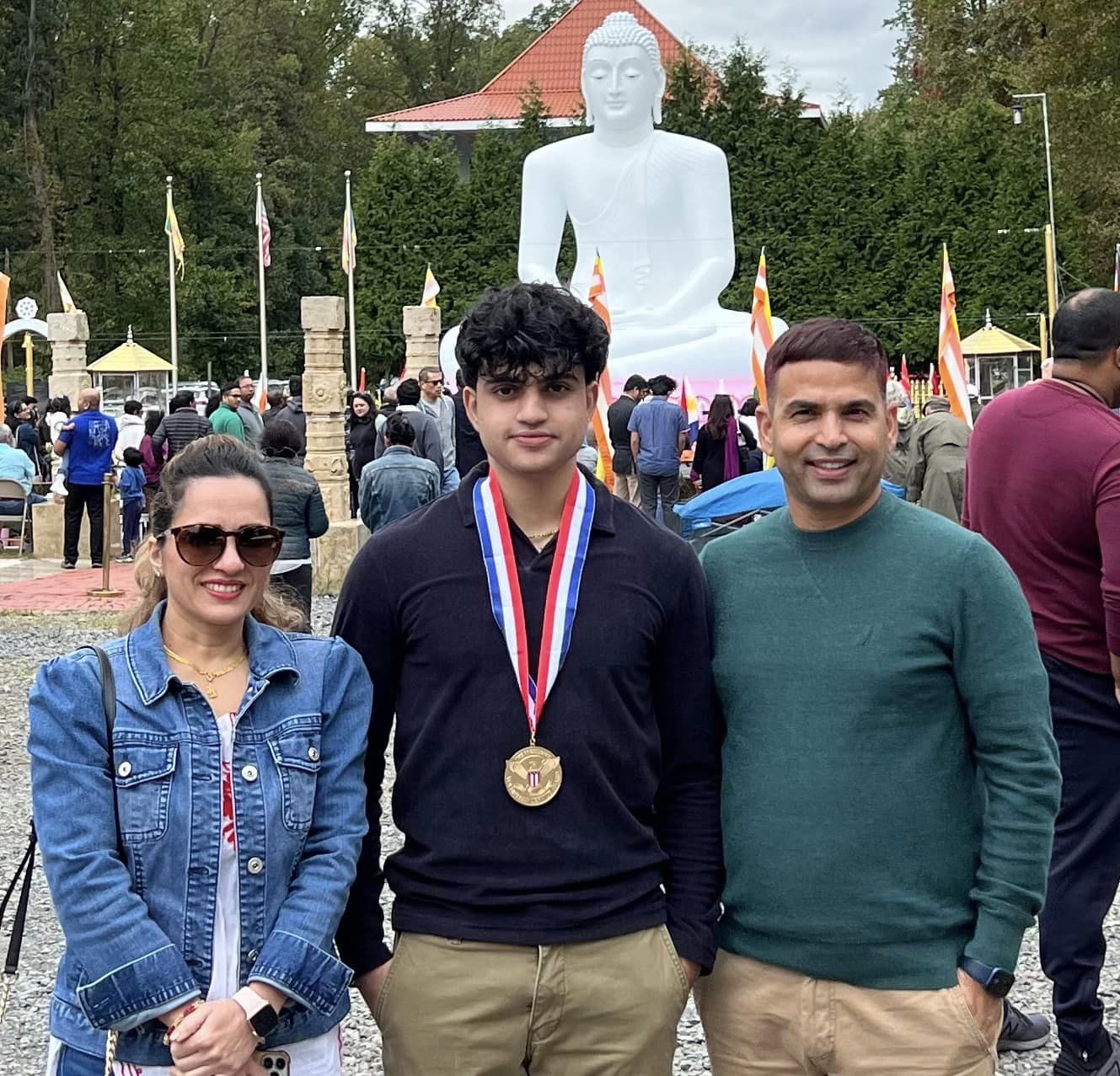
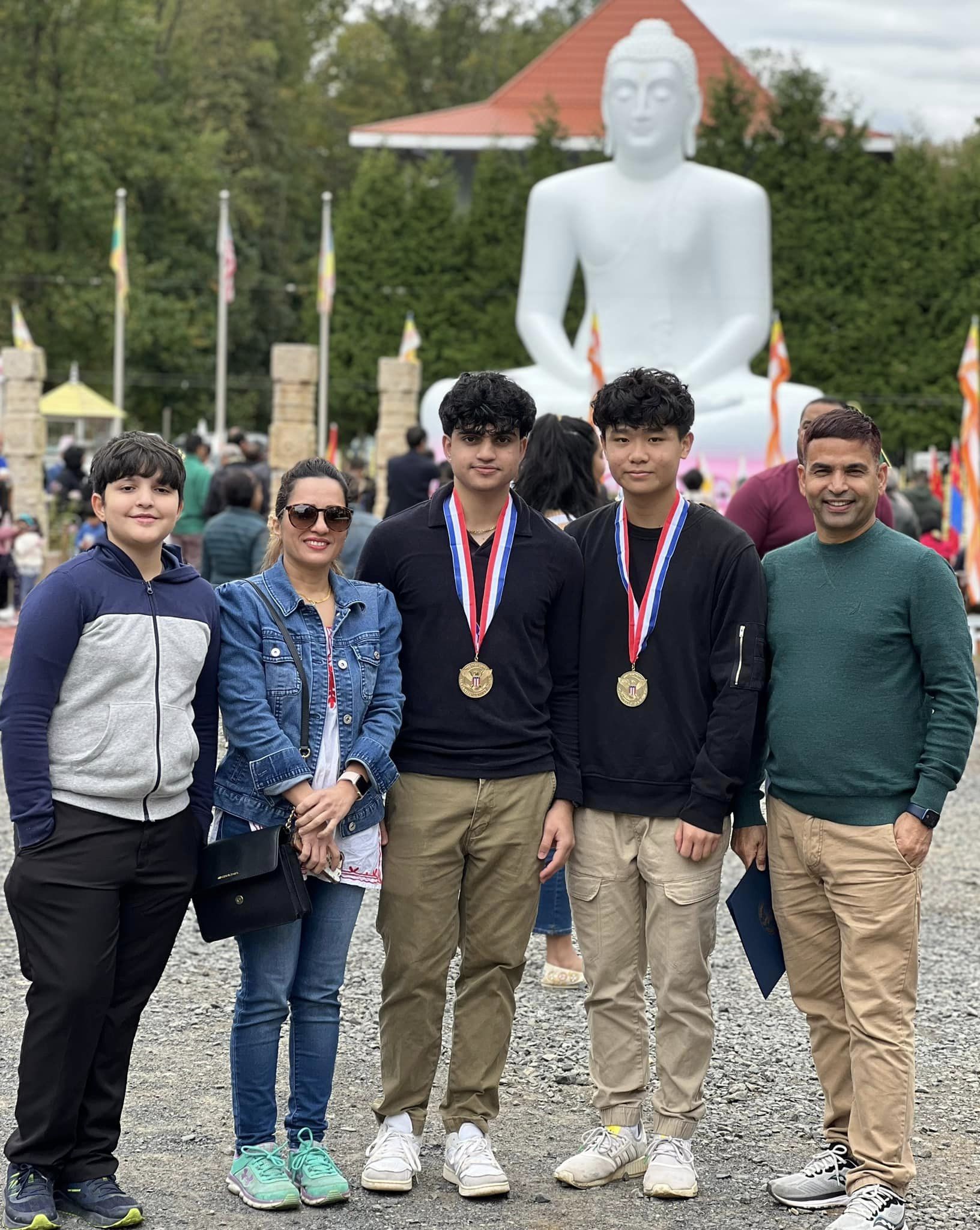
Here are some pictures of our volunteers in action. Volunteer recognition with US President’s Volunteer Service Awards.
Thank you for your support and commitments.
We would like to thank Sarad and Bijaya Manandhar of Milford for their donation to complete the top part of the Chiva with their generous donation of $5000 as part of their 25-wedding anniversary.
“Many hands have helped shape this monumental 2023 Legacy Project at our Interfaith Peace Garden, and the best of ideas cannot take place without generous supporters, volunteers including the individuals and institutions listed in the acknowledgements. Thank you all for sharing and supporting the vision of this project!”
Dr. Tulsi R. Maharjan
Lead support is provided by Sarad and Bidhya Manandhar.
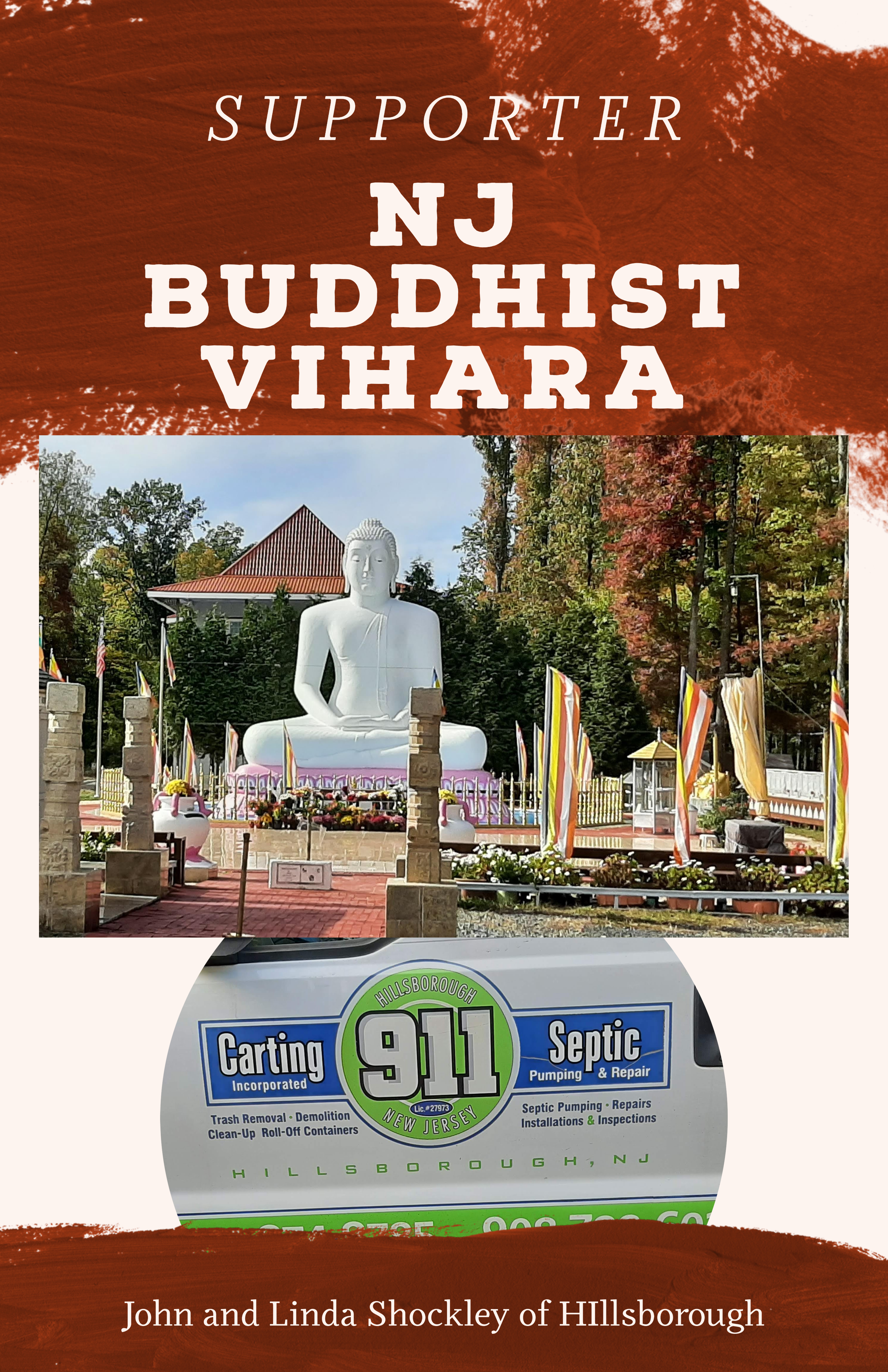
Other major support was provided by 9-11 Carter to level the ground and create the foundation as well as helping with our ORCHARD GARDEN and memorial garden project. Mr. & Mrs. John an Linda Shockley has been helping with our Interfaith Peace garden project since 2020.
THANKS TO OUR SPECIAL VOLUNTEER:
VOLUNTEER SUPPORT WERE PROVIDED BY: Dr. Manish Karna, Suresh Shrestha, Bishnu Shrestha, Sudhir Maharjan, Nima Sherpa, Avvas Lamichhane, Charles Chaung, Samantha Waldron, Rajendra Banjade, Sarad Ranjit, FONNJ President Roshan Karmacharya, VP Menuka Udas. If I missed any volunteers name, please let me know.
This project was also supported by our community members who donated $100 each for the Wall of Recognition to supplement additional funding for our Peace Garden and Chiva project. The Recognition Wall will be dedicating on May 11th, 2024 as part of our Community Buddha Jayanti and Nepal Day Celebration to recognize Buddha’s birthplace Nepal.
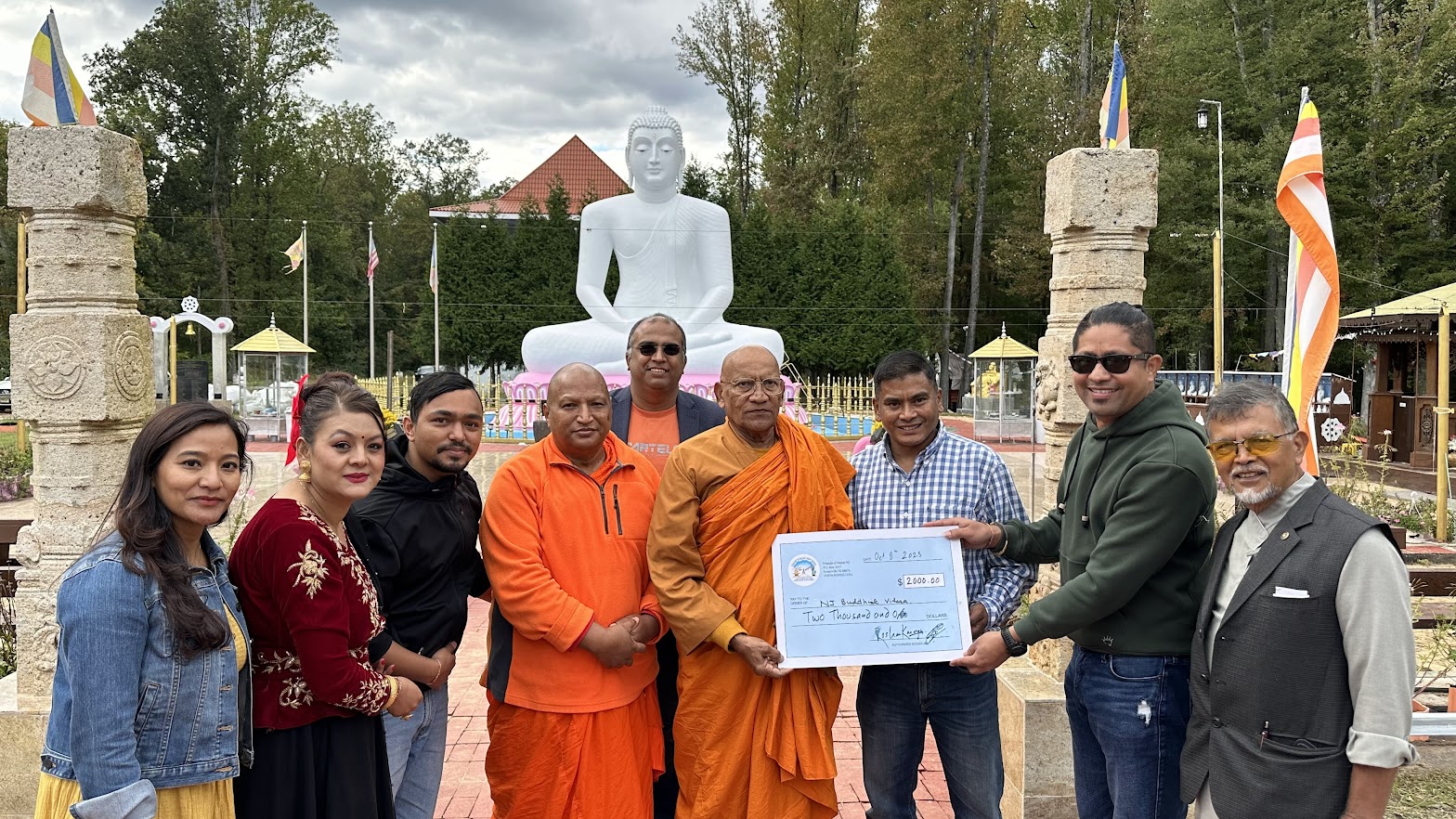
Project Chiva also has been made possible in part by grants from the Rotary District 7475, Nickelodeon and Change X. If you also like to donate funds to complete the Meditation Center project, please let us know. Once the meditation center is completed we will be able host many of our community events at the center so your support will help to complete the building project soon. Thank you again for your generosity and dedication for our project at the New Jersey Buddhist Vihara.
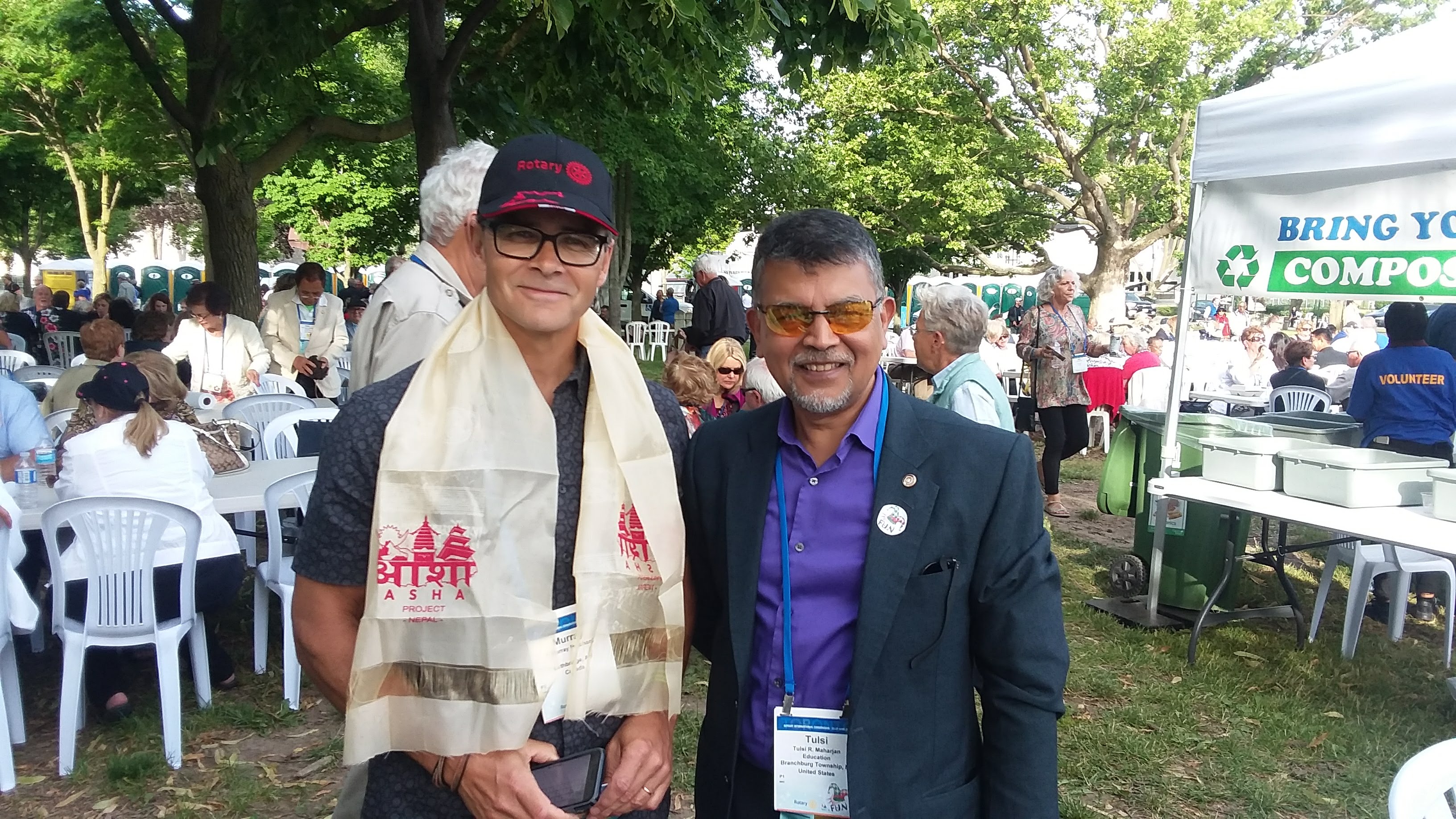
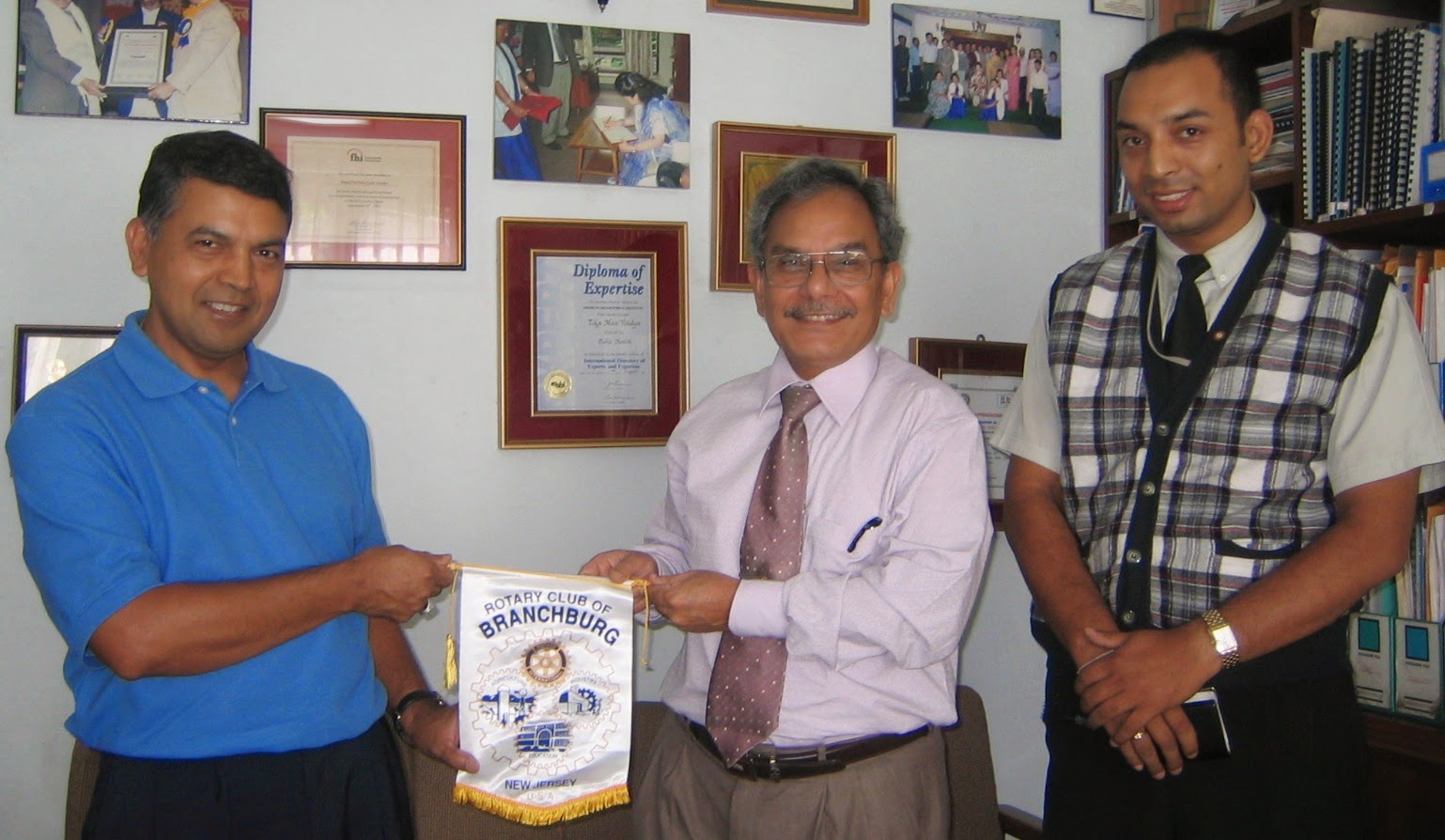
PDG Rotary District 7475, Founder The Asha Project
By: Rishi Poudel, President, Rotaract club of Rudramati
Dr. Tulsi Maharjan is the Chair of the Asha Project, Past Rotary District Governor of RI 7475, and founder of the GAP (Global Action Program) program. He is responsible for developing projects to empower youth and women in developing countries with the support from multitude of grants from Rotary and other organizations to help poor people. He is devoted to promoting hands-on volunteering services to help global communities. He is recognized worldwide for his compassion and innovative service projects. He has volunteered for many social causes and humanitarian organizations since he was a teenager. He is a world-renowned faculty on volunteerism and fundraising. He is an accomplished team builder for non-profit sectors. Dr. Maharjan is recognized for his work with youth/women empowerment and social inclusion. He has motivated many youth groups to become effective leaders. He has worked with many religious, ethnic, and regional organizations to achieve social harmony and symbiotic relationships in our communities. He closely works with individuals to improve their quality of life.
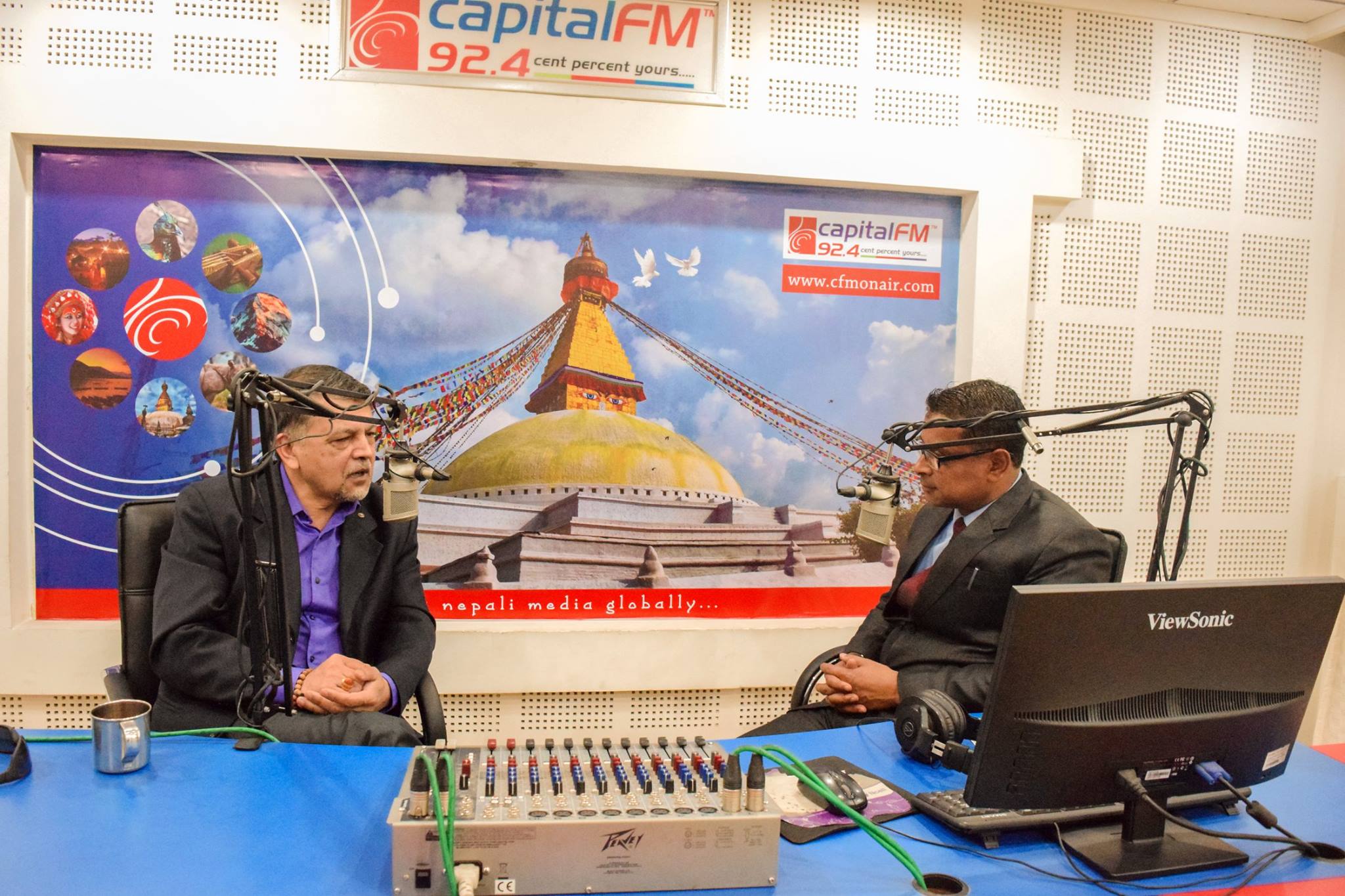
To get more insight into his journey as they get ready to celebrate their 34 years of Humanitarian service in Nepal, the Asha Project, Rotary Movements, and Friends of Nepal-NJ, our president Rishi Poudel interviewed past district governor Dr. Tulsi Maharjan.
Rishi: I know Tulsi Sir as a very positive community leader who has consistently supported various projects in Nepal. But I was wondering how you see yourself.
Dr. Maharjan: Sewa nai dharma ho,” a Nepali proverb, has always been part of my philosophy. Even in my high school days, I was involved in the Junior Red Cross and participated in the International Junior Red Cross convention in Moscow in 1970. I was also a member of the Dharma Sewa Samaj committee in pulchowk, Patan.
Rishi: Can you tell us a bit about your journey with Rotary?
Dr. Maharja: My involvement with Rotary began in 1988. When I returned to Nepal, I met two children at the Chobhar Temple who couldn’t afford to pay for school, and I wanted to help them. It was unbelievable that at that time, only $25, which we used to spend on a cup of coffee, was enough to pay for their schooling. This incident made all the difference for me, and after returning to the USA, I started to raising funds to send those kids to school. I have continued that tradition even since.
Rishi: Can you tell us about how you came to be a Rotary Governor?
Dr. Maharjan: When I was visiting Nepal in 2010, my high school friend from Tri-Padma in Patan, Dilendra mentioned about being a governor of Rotary and suggested that both of us become Rotary Governors, one from Nepal and one from USA. Before that, I had never paid much attention to it, but after the conversation, I thought, “Why not?” and applied for the position. Coming out of the same school, we were both proud because one became the district governor of Rotary in Nepal, and the other in America.
Rishi: What differences do you see between the Rotaract and Rotary movements in the past and present?
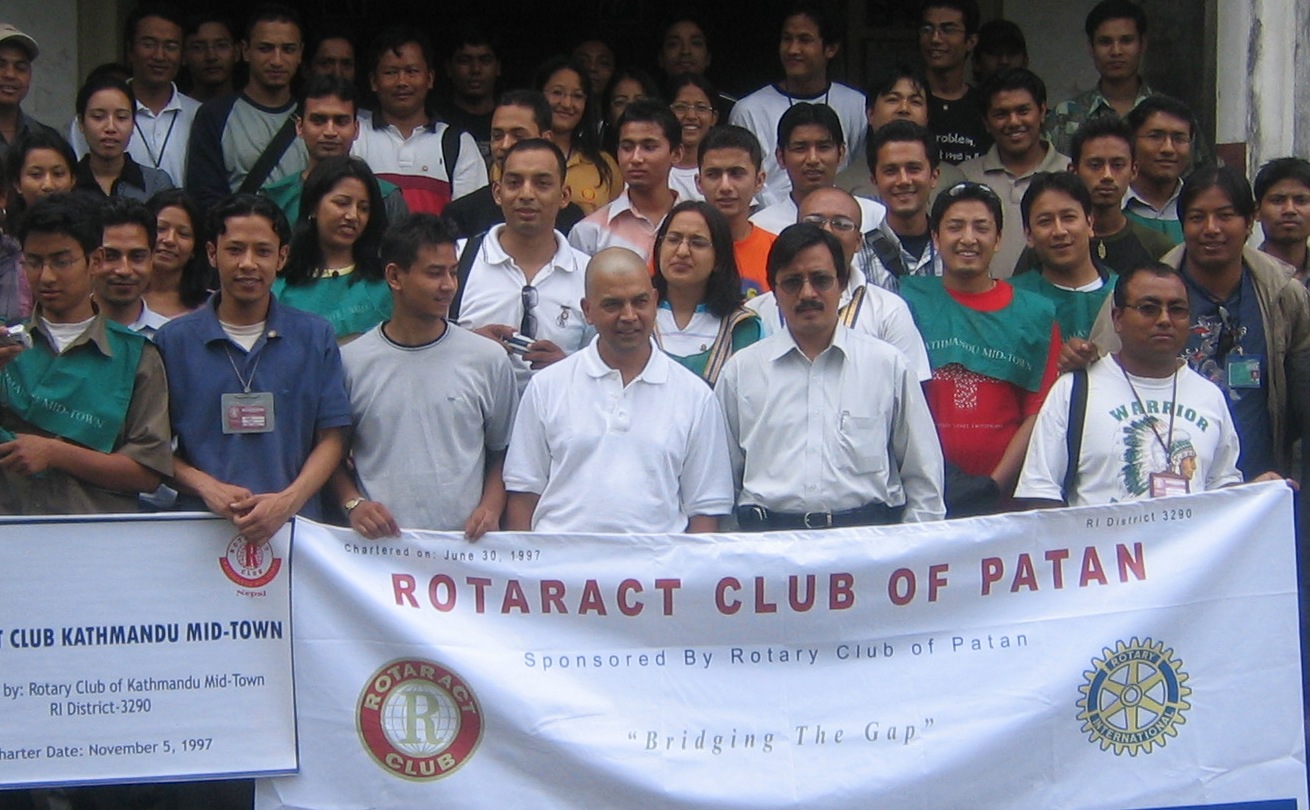
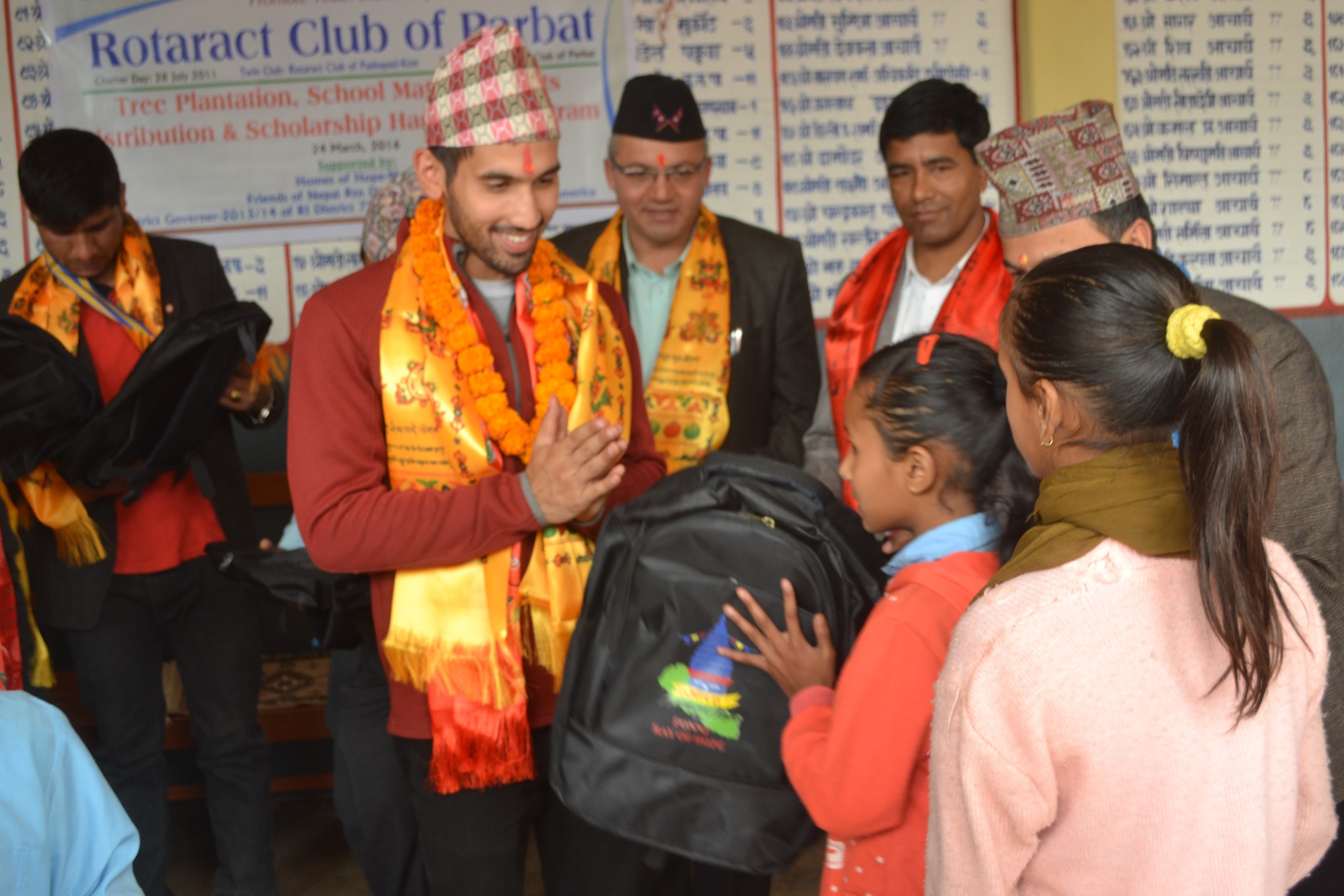
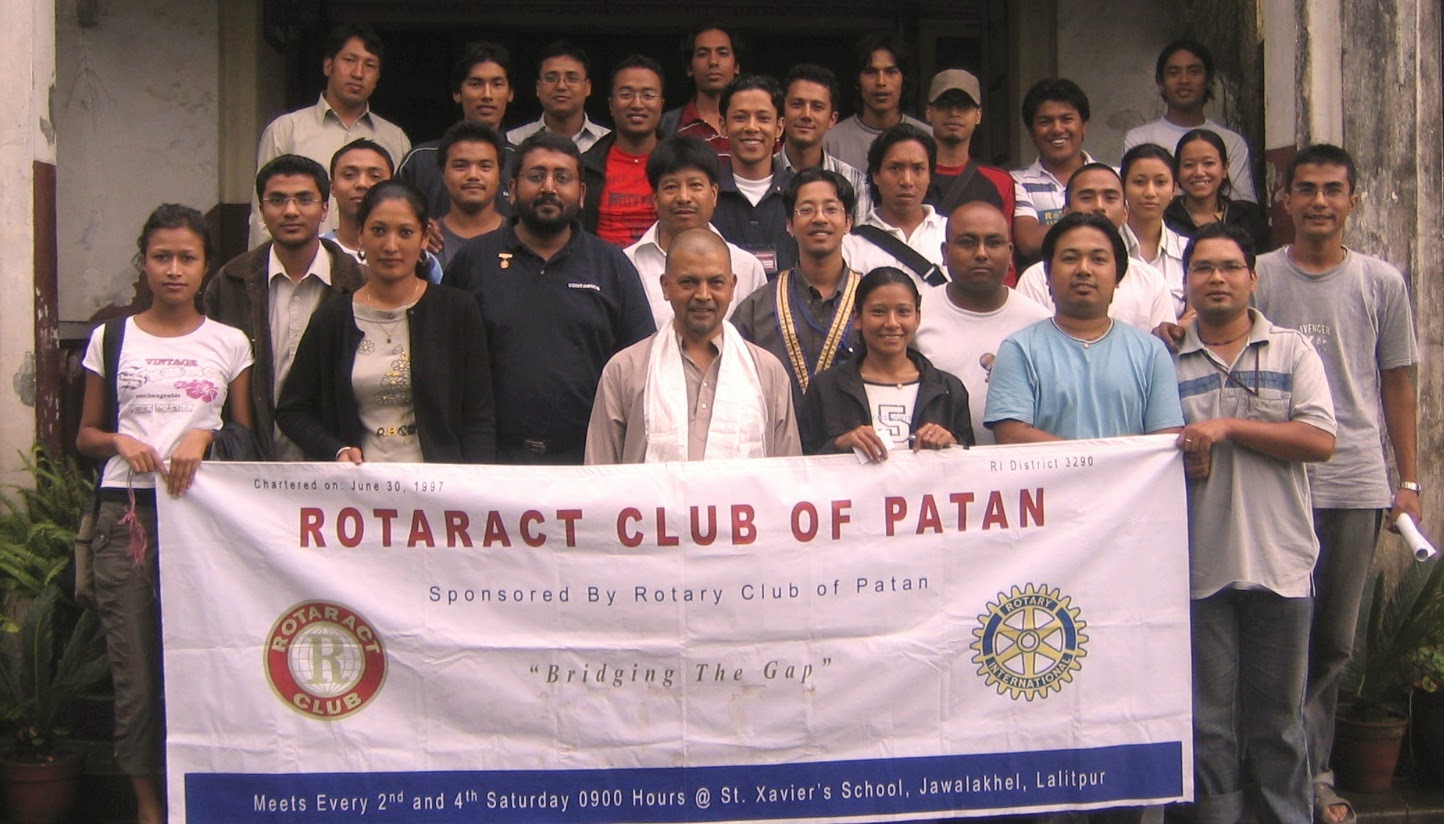
Dr. Maharjan: The number of Rotary clubs has significantly increased. During my time, there was no district rotary in our nation, and India had to approve our grant project. The current picture has undoubtedly changed significantly. We have completed more projects in the last 33 years, and not only have the projects changed but also there have been improvements in leadership. Our first International global grant in 2003 was for $5000 dollars and our 2019 grant was for $94,000. We have completed more than 25 grant projects and total investment in Nepal exceeding more than ONE MILLION dollars. I met all kinds of people all these years with different intentions and mindsets. We invested in many scholarships projects and other community projects. Just for example, after the earthquake in 2015, I met Kishor Tripathi, who now has been running different projects smoothly. In 2005 we started working with Rotaract club of Patan and eventfully those Rotaract members started E-club in Nepal with the help of our Rotary district. So, there are more Rotaractors now because they know that this platform allows them to connect around the world. And I see the increasing interest in leadership activities. We also sponsored two Rotaractors to come to USA and study here as well.
Rishi: I want to jump on the Asha Project now; the name is very interesting. Is there any story behind it?
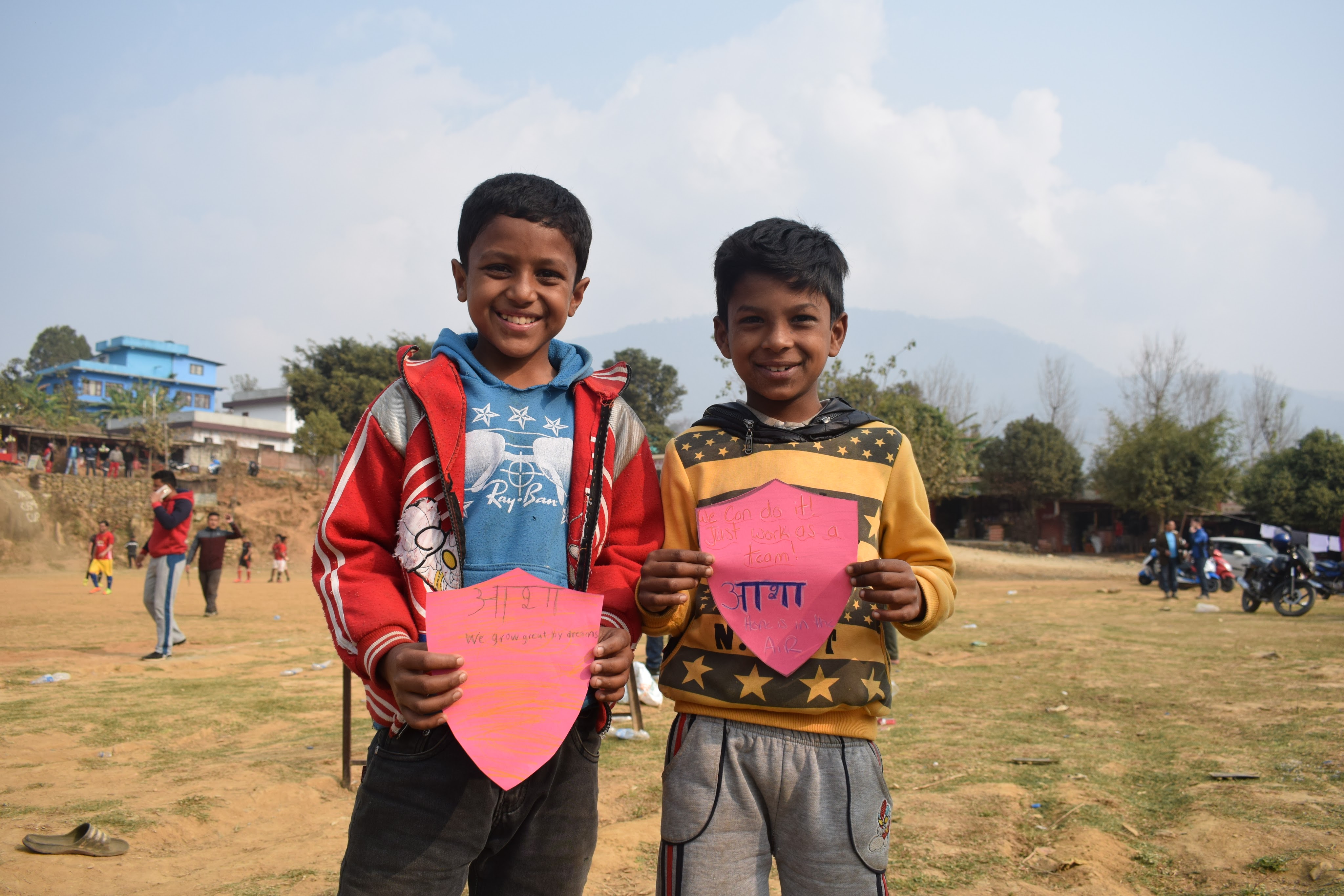
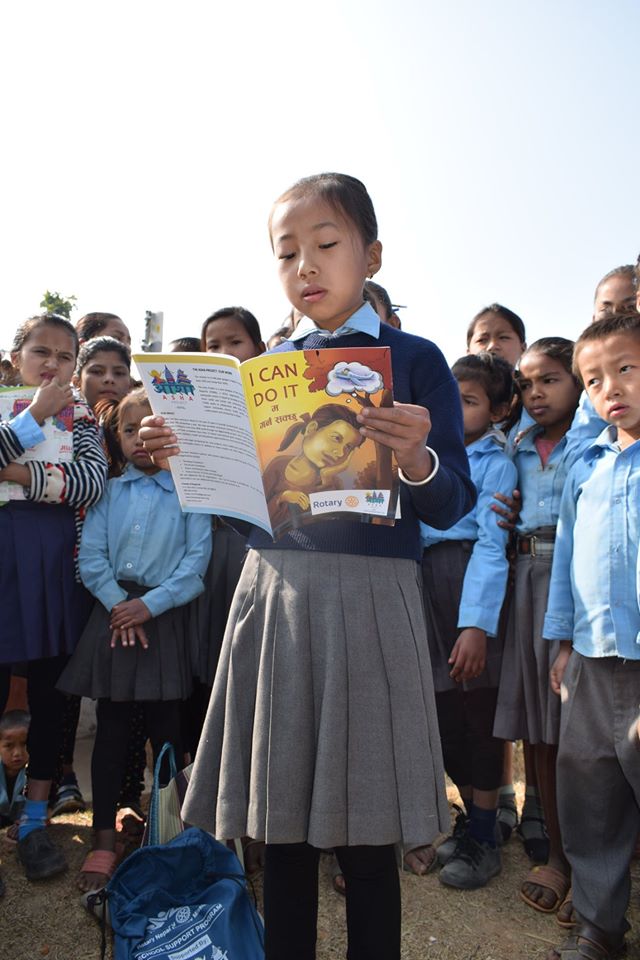
After all, the only thing we have to offer is Asha and Bharosha. Just as in our project, “Maa garna sakchu,” we see youngsters who want to be pilots or doctors, and while we can’t offer everything, we can give them Asha. So that’s the story behind our name.
Rishi: And how about the story of the Asha project—how did it come to fruition and how is it working?
Dr. Maharjan: My son and daughter were helping with our projects in Nepal and thry thought it was not focused so of projects in Nepal that were dispersed and unfocused. My son suggested that we concentrate our efforts on certain areas, so we created the ASHA project with three focus areas: “House of Hope,” “Legacy of Hope,” and “Rays of Hope.” We started with the purpose of sending two children to school, but over time we have been successful in giving scholarships to thousands of students, which we plan to continue. In the past, numerous rotary clubs approached us, but many initiatives were never realized, which was disappointing. So, we are now doing it directly through the projects.
Rishi: What were the projects that were special to you?
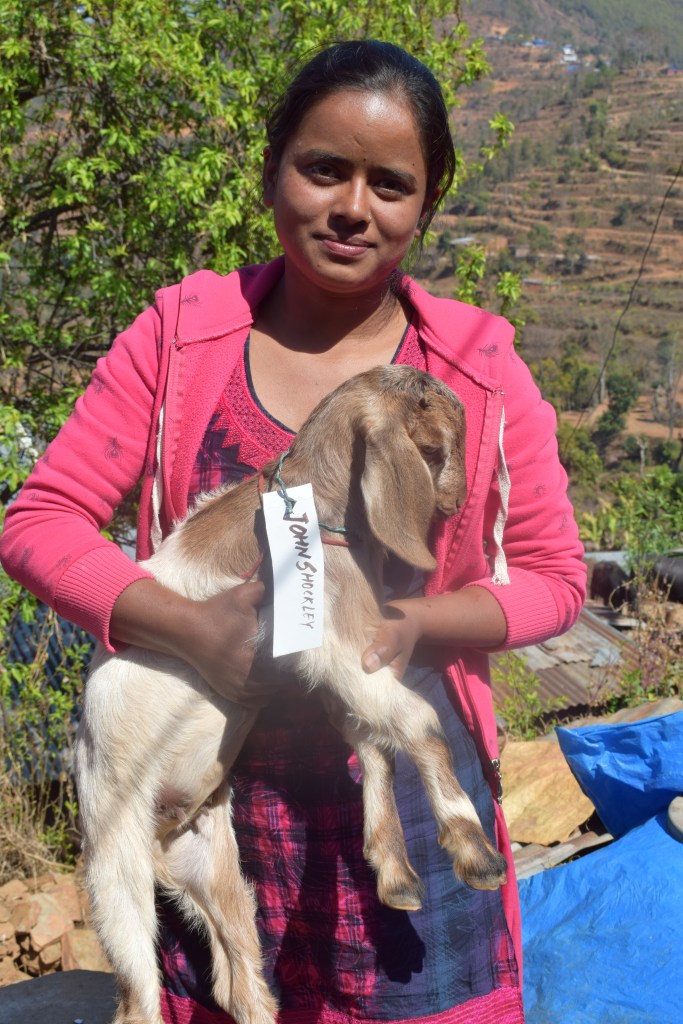
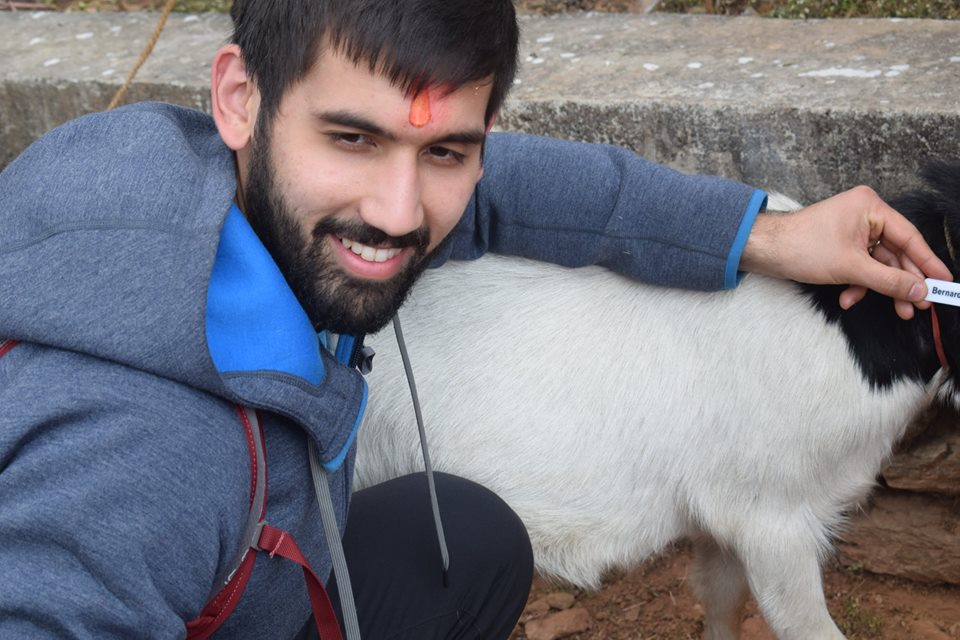
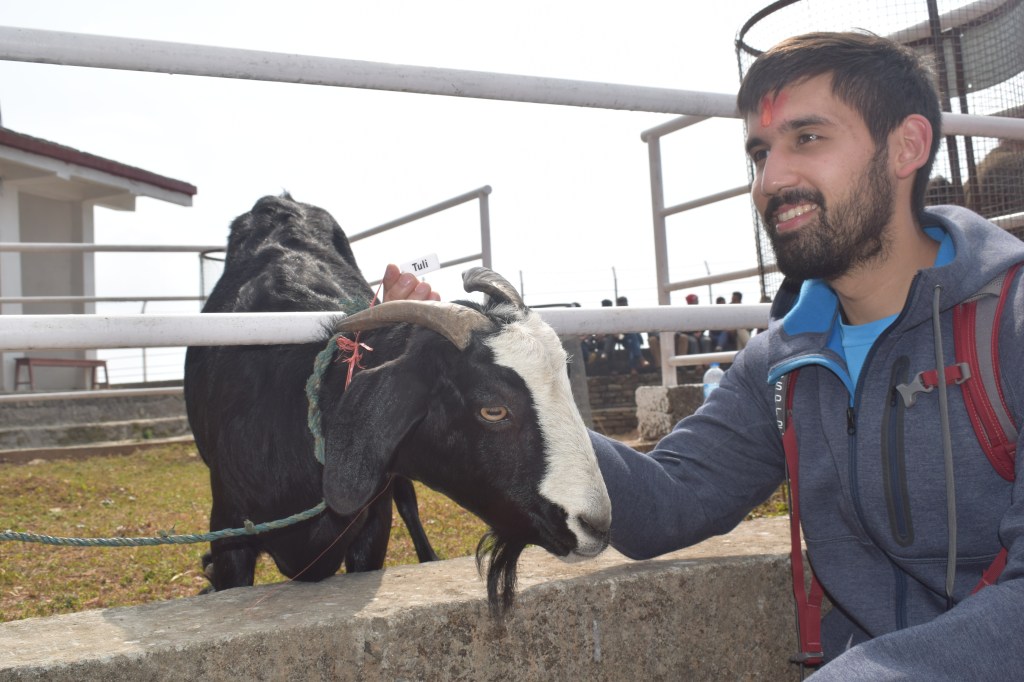
Dr. Maharjan: There have been numerous ones, like the “Goat Project,” “Microcredit Projects,” and “Three Sisters.” The “Goat Project” had the most significant personal impact and practicality in terms of the impact it had on families. We provided goats to families in 10 different districts, which had the potential to sustain them. It is a meaningful program. Additionally, the local Rotaract clubs have helped organize various youth exchange programs. We hope to continue these initiatives every year.
Projects since 2005
Rishi: You’ve been in charge of volunteer organizations for decades. What do you believe is the secret to successfully running such organizations?
Dr. Maharjan: I always say “Thank you,” which are two magical words. I appreciate even the smallest contributions. You cannot force anyone to do something. People have different expectations, and some join these projects for personal benefits while others do it for the upliftment of others. I always carry the Rotaract theme “Service Above Self” in my heart and expect others to do the same. The things you do for yourself will fade away as soon as you’re gone, but the things you do for others will always be a legacy.
Projects since 2010
Rishi: What is leadership for you?
Tulsi: A leader is someone who prefers “we” instead of “I” and is inclusive. In one word, it’s “inclusiveness.” Leaders always put people first while pursuing their vision. Being trustworthy is the best character that anyone can develop and become, not just for leaders but also for all human beings.
Rishi: What have you learned or achieved from your years of social service?
Dr. Maharjan: First, I learned from an early age that giving back to the community is a good thing. Over the years, I have had the opportunity to learn about people, there are good, bad and ugly people everywhere. Working with people you learn variety of lessons. It is part of growing up process. As the Bhagvat Gita says: “Do your karma, but do not expect anything in return. If you do not get something back, you will be disappointed”. As in Rotary its motto is “Service Above Self” when you put people first and do your Dharma without expecting anything in return then you will not be disappointed. But above all, I derive personal satisfaction from doing social service. I was involved in the social service since my early childhood as a Junior Red Cross leader and member of the Sewa Service in Nepal. Everyone wants to live a fulfilling life, and I find that fulfillment within myself. In my opinion, spreading hope is the greatest thing I can do in this world, and it brings me personal satisfaction in return.
Rishi: What are your thoughts on failure?
Dr. Maharjan: There are many problems you will face in your personal life and also in these projects, but one must learn to move on. Failure is the test from God to see how prepared you are to carry on your mission. As Buddha said ” We are here in this world for a short period of time. If you share your knowledge and experience with others you have full filled your time being on this earth”. Some are trustworthy, some are not. And yes, failure is always there. But you have to learn to solve the problem instead of holding yourself back.
Rishi: What advice would you provide to young people?
Dr. Maharjan: Mindset is everything, and you can be anything you want to be in this world. The world itself is a big stage to showcase your skills. Try to excel in whatever you’re doing because there are many opportunities around us. Don’t look for instant gratification because fear has always been a major factor that holds someone back from exploring their potential. Learn to overcome fear by doing your best and going beyond your limits. Every step of the way is a learning experience.
This time of year reminds us of all that we have to be grateful for, as well as the impact we’ve had—thanks to your support and participation.
As we celebrate another year on the calendar, we’re proud to share few pictures of our activities.
Finally, we want to express our deep gratitude for your belief in our club and its special we are playing locally and internationally. Your support and leadership mean so much to us.
Wishing you and yours the very best of health and peace this season and throughout the New Year ahead.
FEW HIGHLIGHTS OF MHA ROTARY’S ACTIVITIES
Special Breakfast and induction ceremony was held on August 16th.
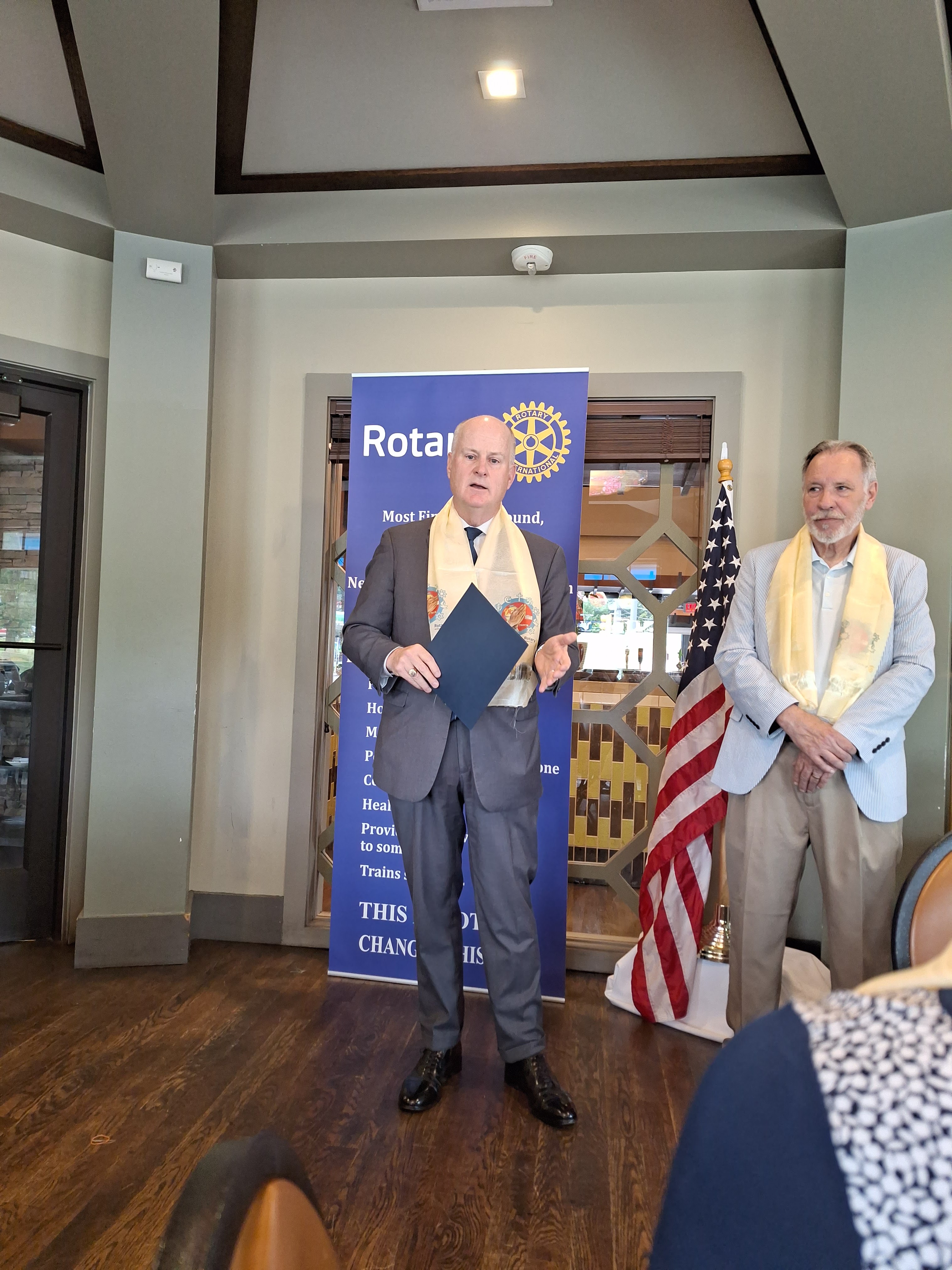
Sheriff Gannon was inducted on August 16, 2023.
It was great to see all our members at this special breakfast.
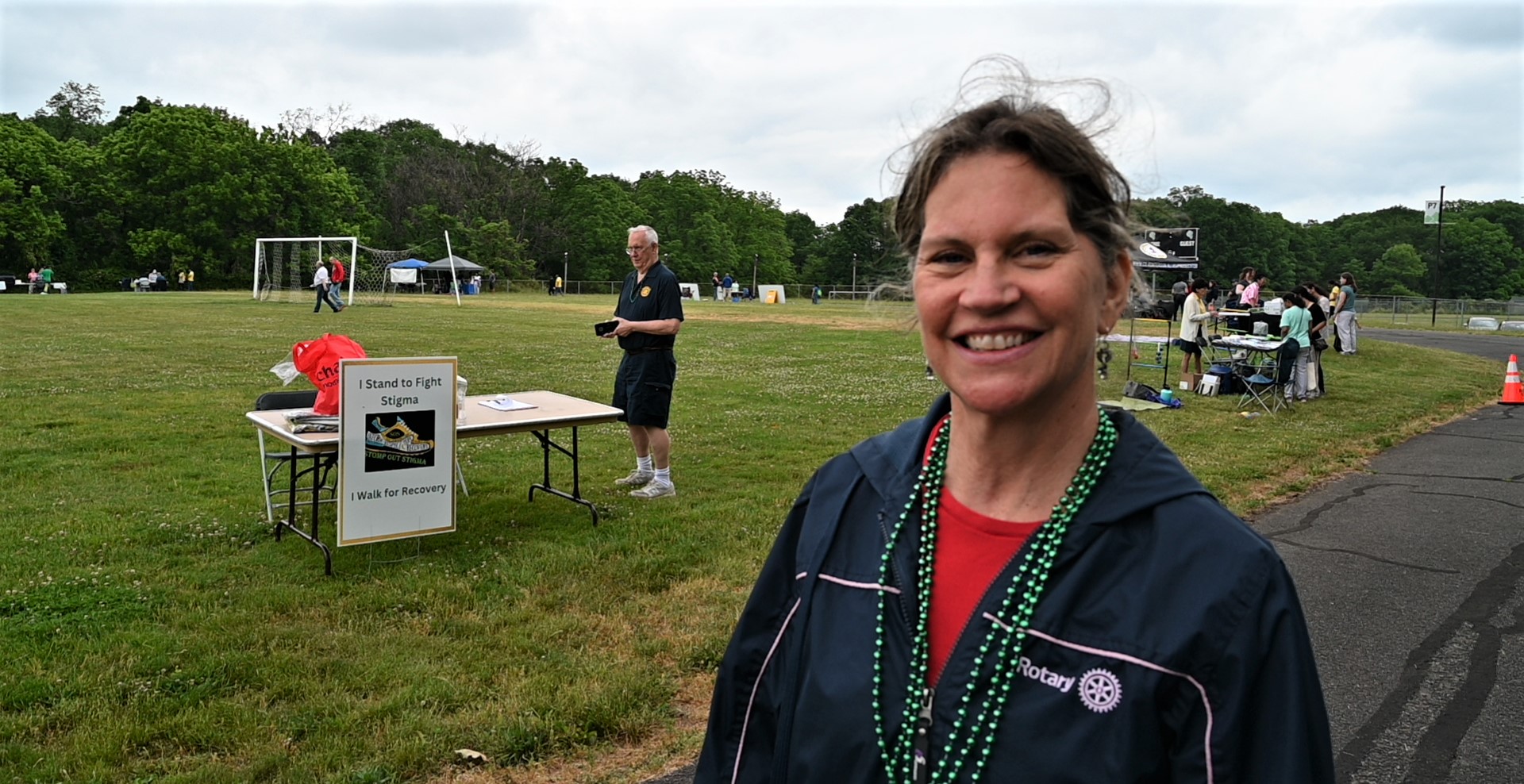
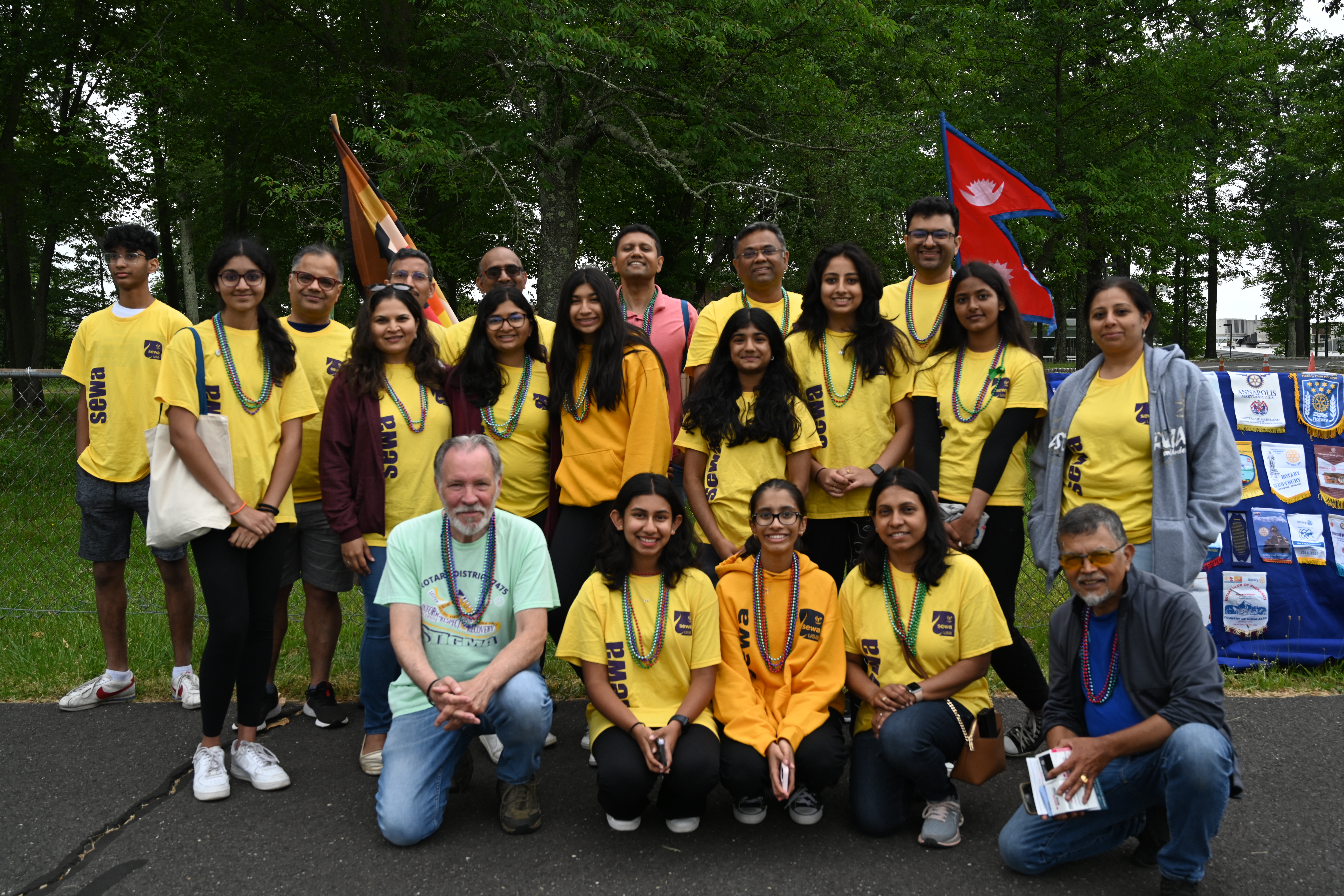
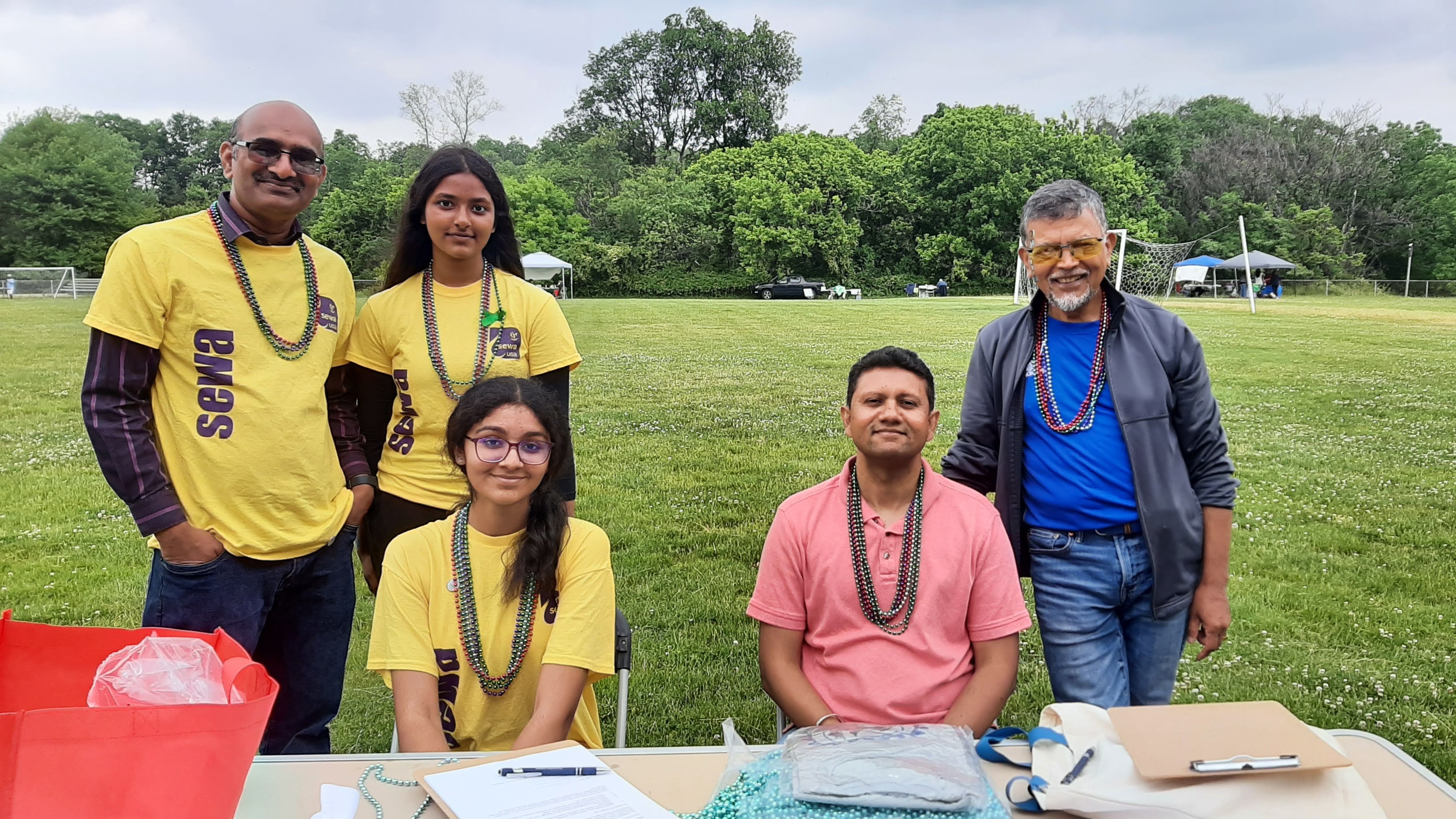
Mental Health Awareness Month Celebration
Mental Health Awareness Month has been observed in the U.S. since 1949. This year on June 4th, MHA joined with the Hunterdon County Mental Health group to promote the national movement to raise awareness about mental health. Together, we have been fighting stigma, providing support, educational programs as well as doing public advocate for policies that support the millions of people in the U.S. affected by mental illness.
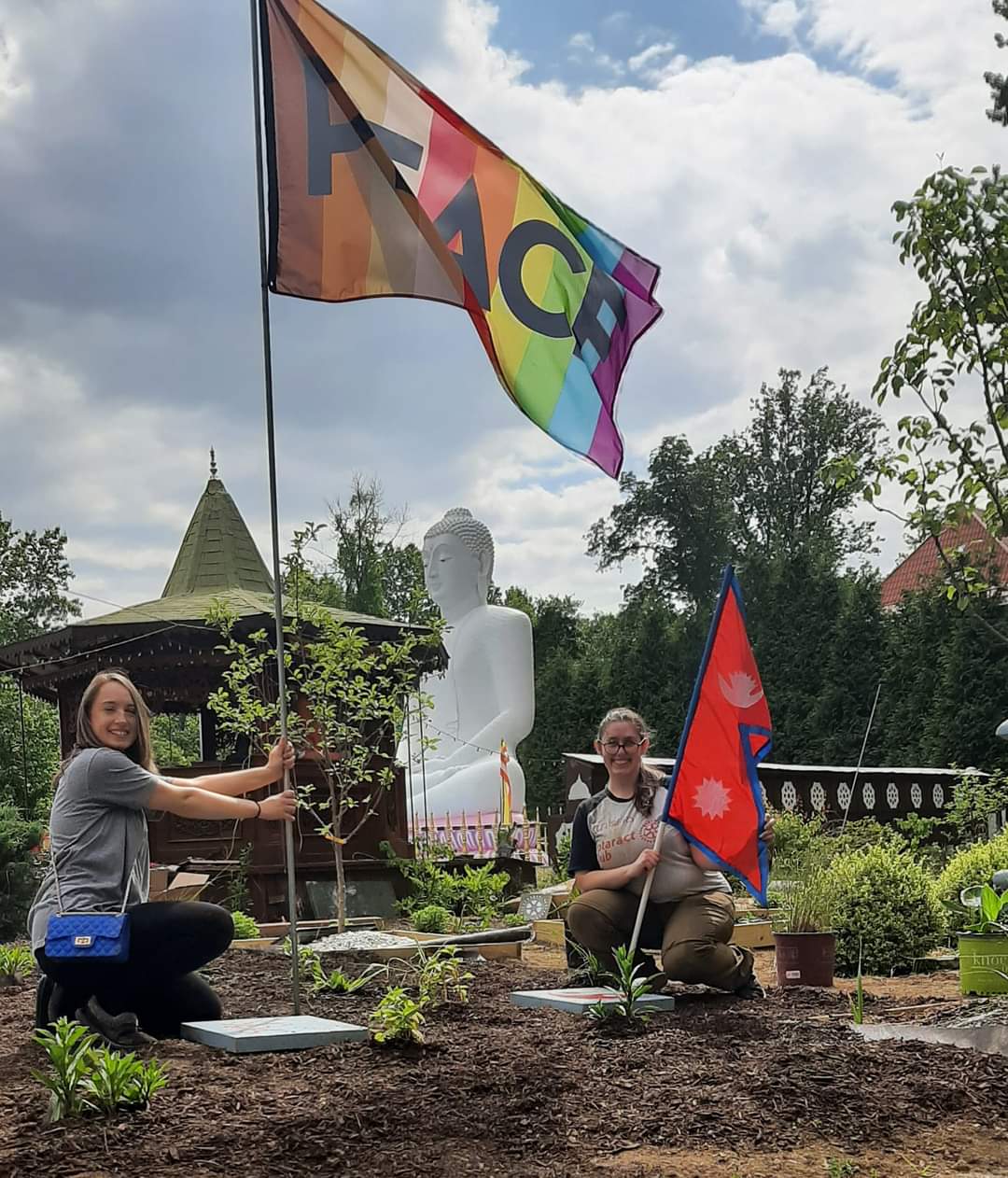
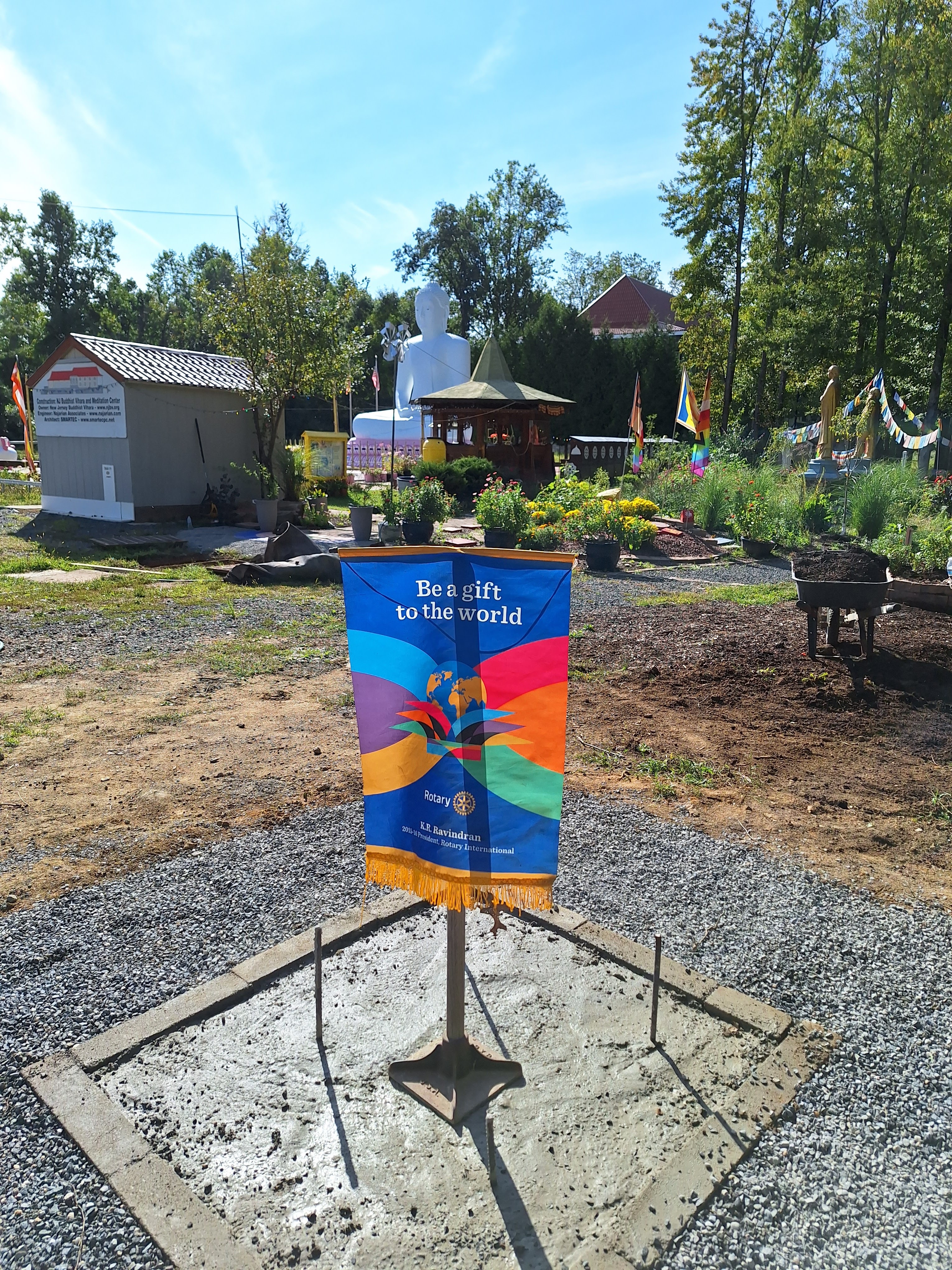
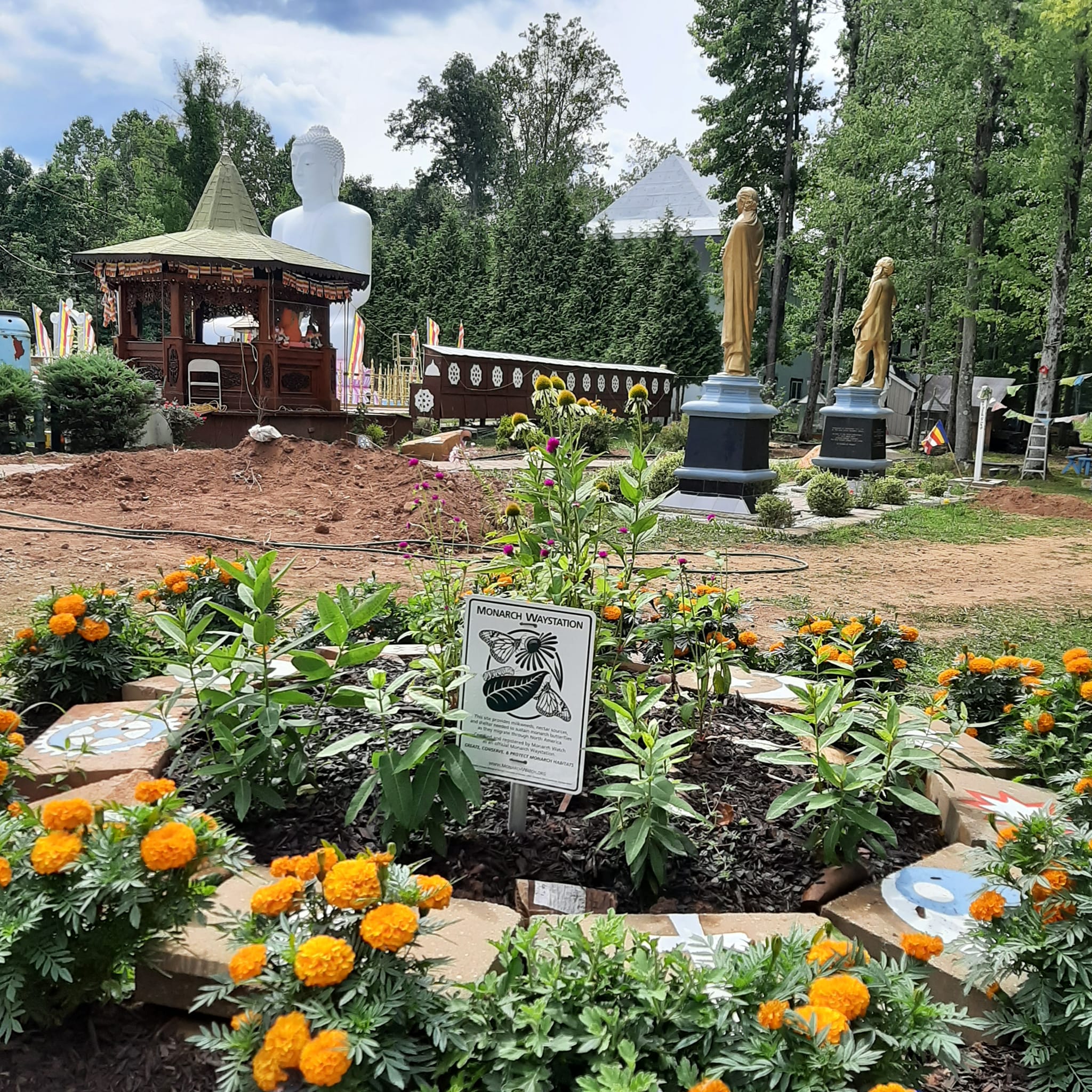
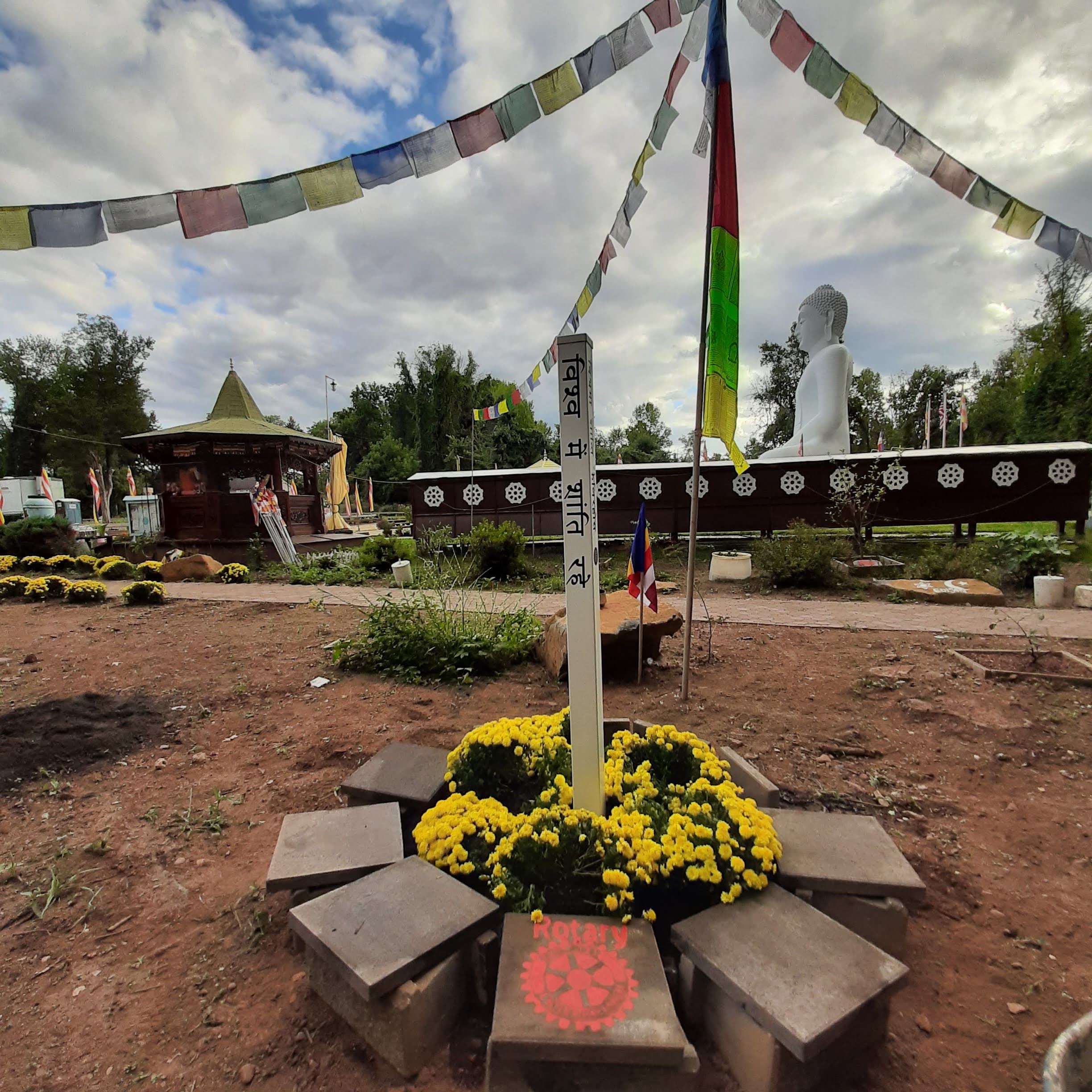
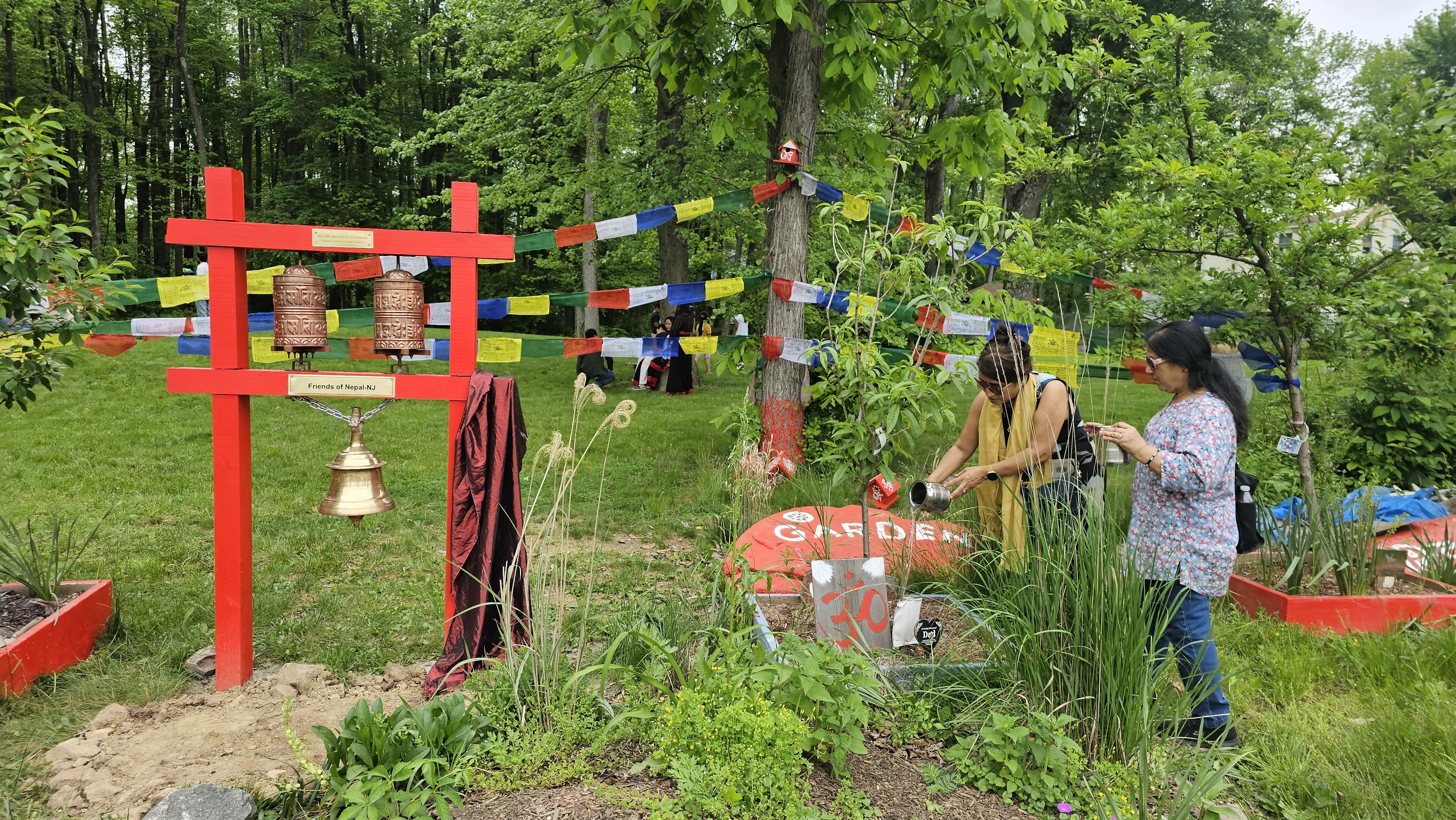
Therapeutic, Peace and Pollinator Garden at the NJ Buddhist Vihara.
With grants from the Rotary district, some local companies as well as Nickelodeons, Xerces Society and Pollinator Partners, we have set up the Therapeutic, Peace and Pollinator garden at the NJ Buddhist Vihara.
A therapeutic garden, according to the American Horticultural Therapy Association, is “a plant-dominated environment purposefully designed to facilitate interaction with the healing elements of nature. Interactions can be passive or active depending on the garden design and users’ needs.” Some of the types of therapeutic gardens include sensory gardens, healing gardens, restorative gardens, enabling gardens, and habilitation gardens.
Benefits
Working in a garden offers many benefits. Some of these benefits include connecting with nature, social interaction, and learning new skills. People of all skill levels can learn to grow and care for plants, and gardens can be designed so that they are accessible to everyone. If you are interested in volunteering at the garden, please let PDG Tulsi Maharjan know. trm7510@gmail.com
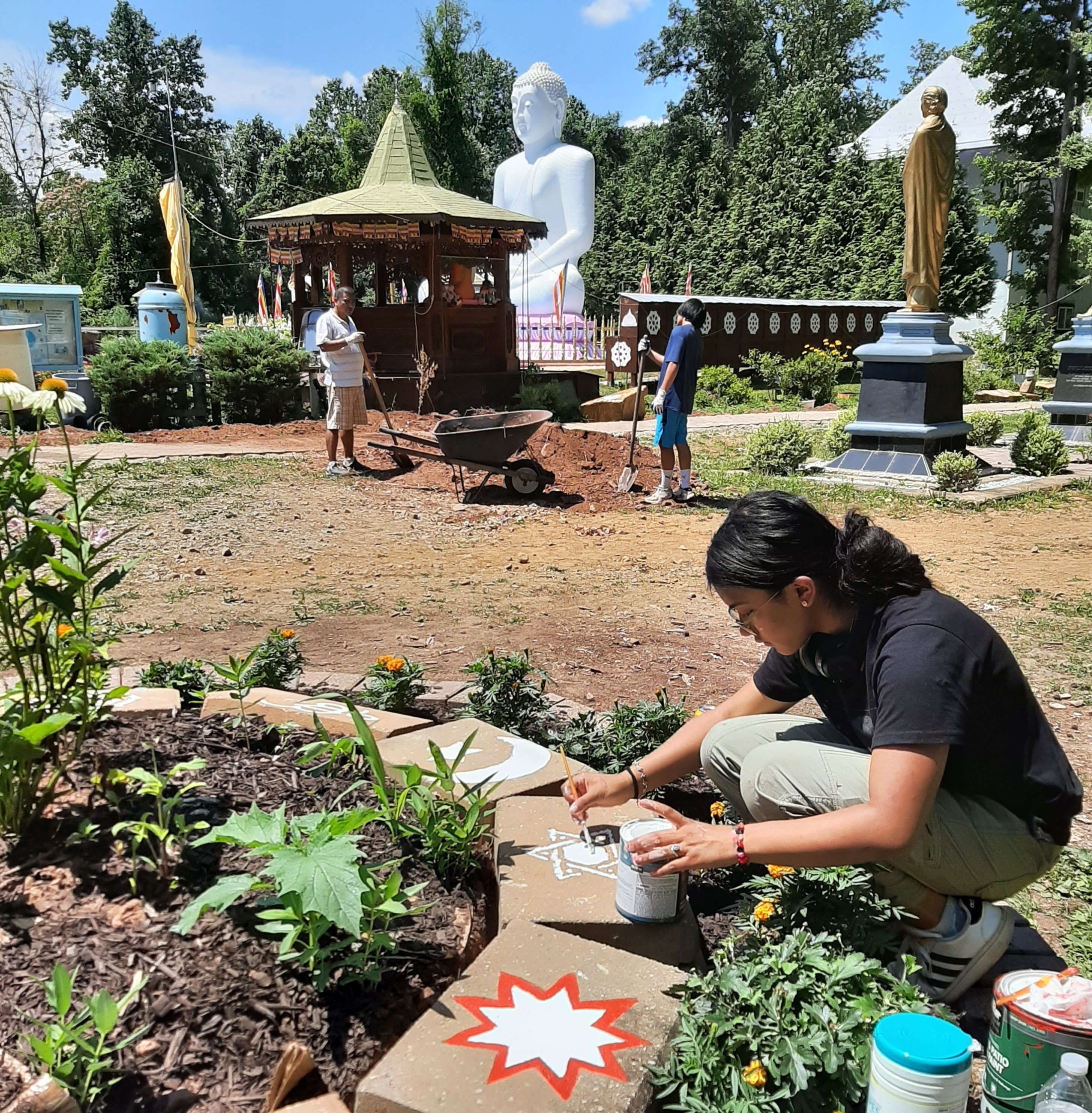
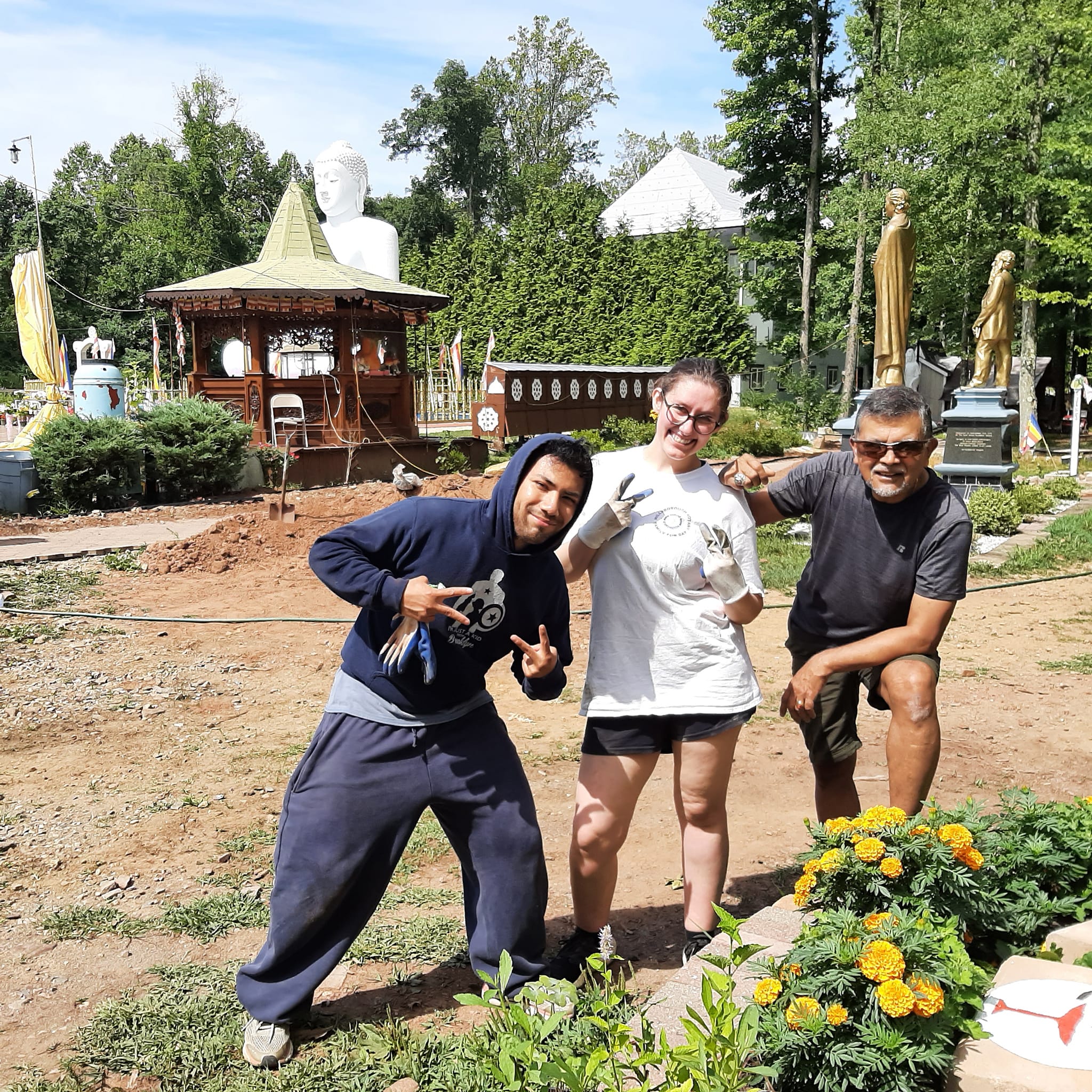
Volunteers helping ..
International Global Grant for Nepal.
MHA to host a special guest from Nepal.
Ms. Silvi Joshi, a member of the MHA from Nepal will be visiting us to learn more about Mental health practices in USA in April/May 2024. If you would like to have her visit your clinic, work place to share information, let us know. Silvi on the left of the picture.
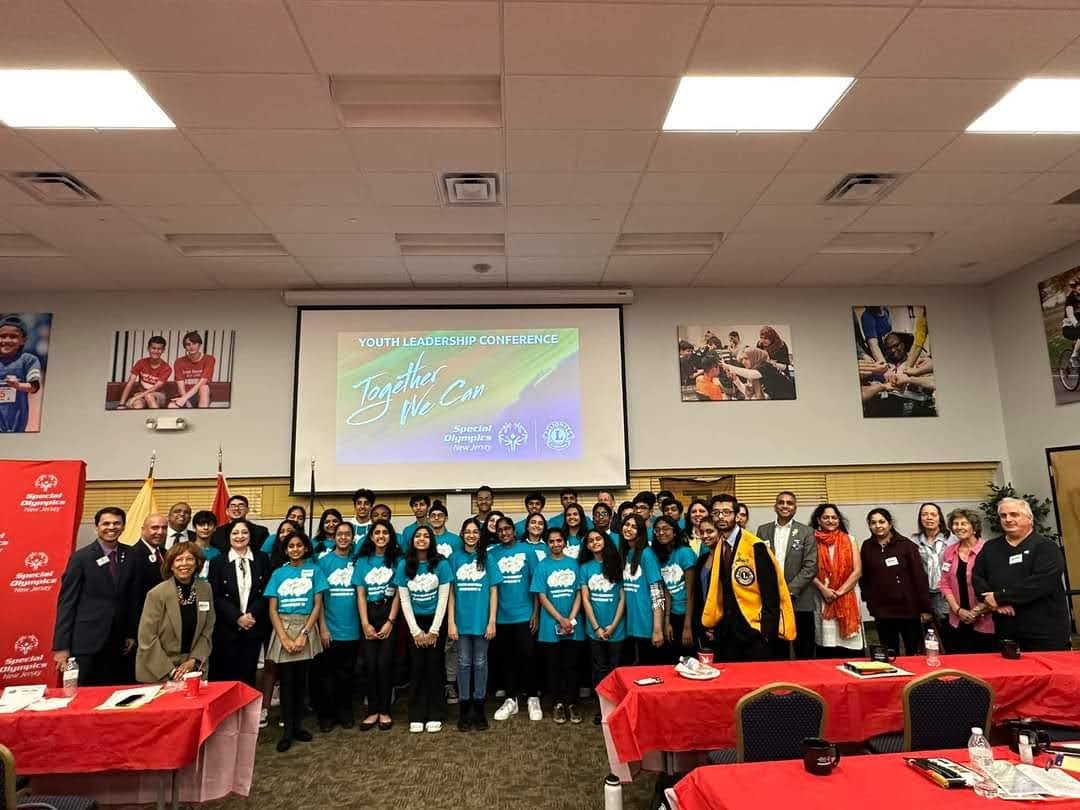
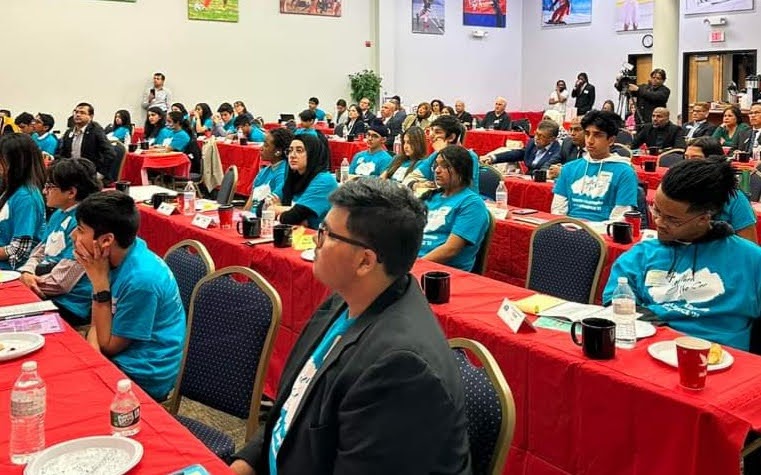
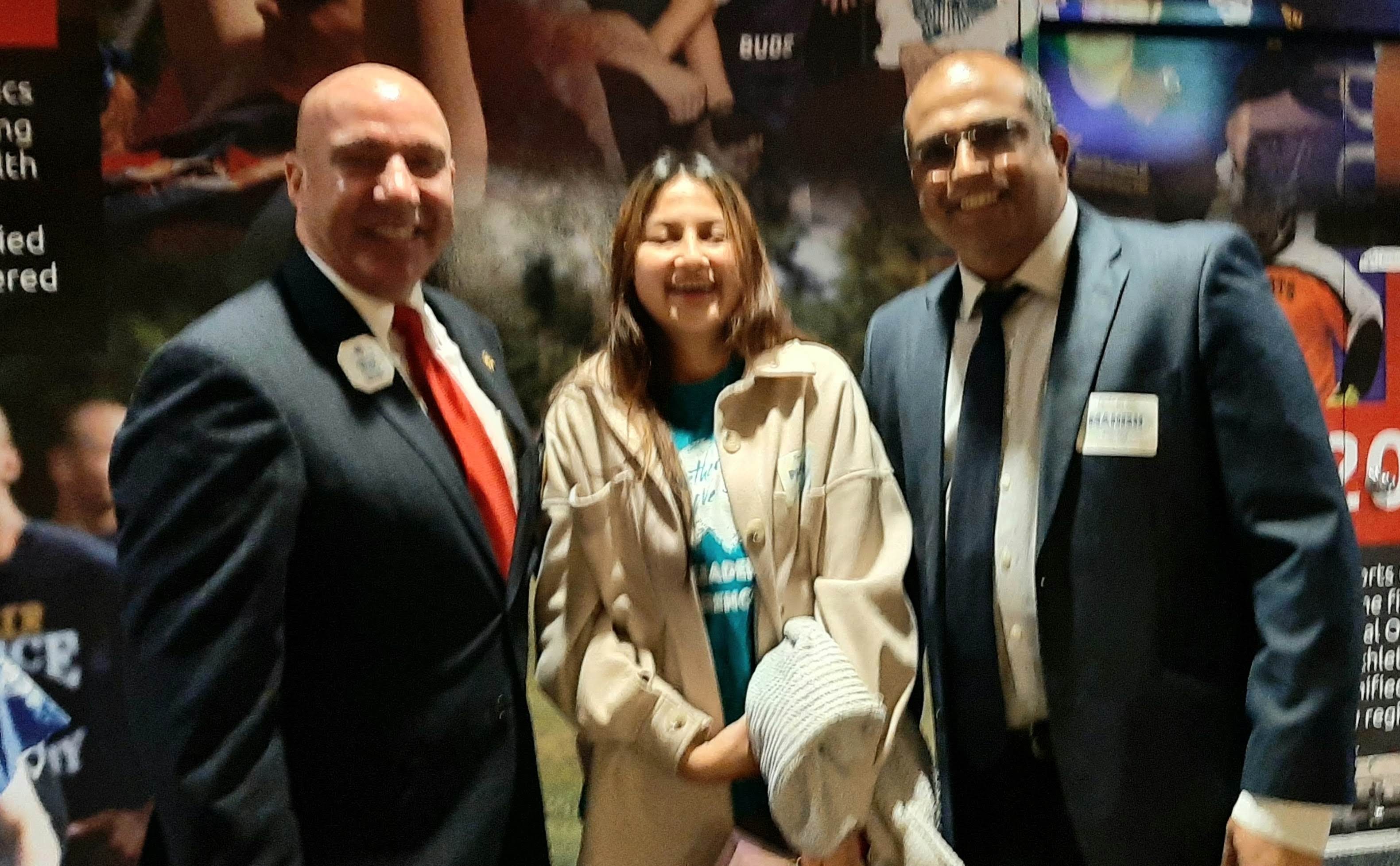
Early in March 2023, I had the honor of attending the 2023 Youth Leadership Conference sponsored by the Lions International along with many community organizations like Rotary International, Friends of Nepal-NJ and many more at the Special Olympics village in Lawrenceville, NJ .
This experience taught me lessons on the importance of strong leadership and visionary thought in creating a better world. The conference featured several prominent speakers, including NJ Senator and many community leaders, each drawing from their illustrious careers in their respective fields to impart upon us the most important teachings from their lives.
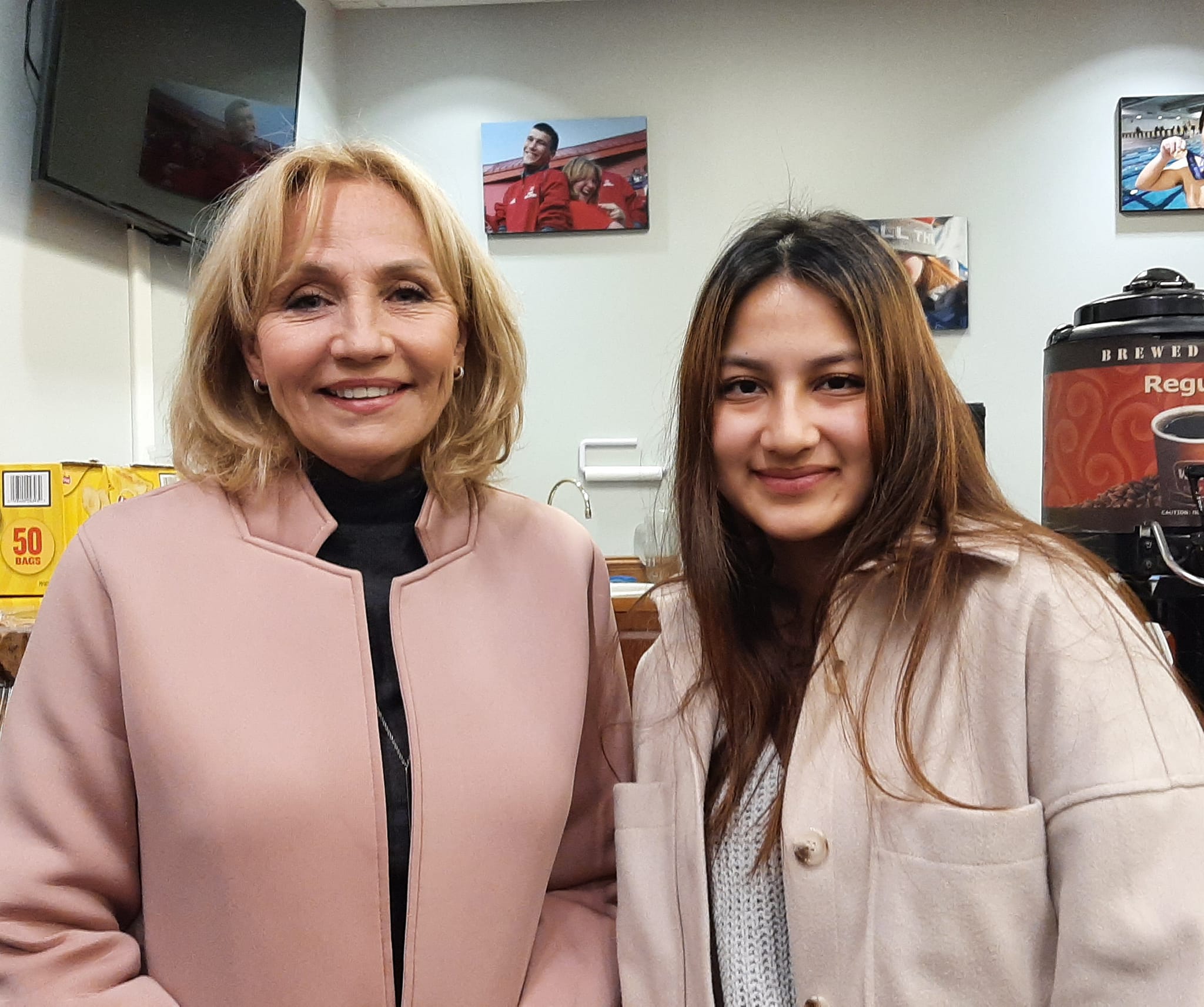
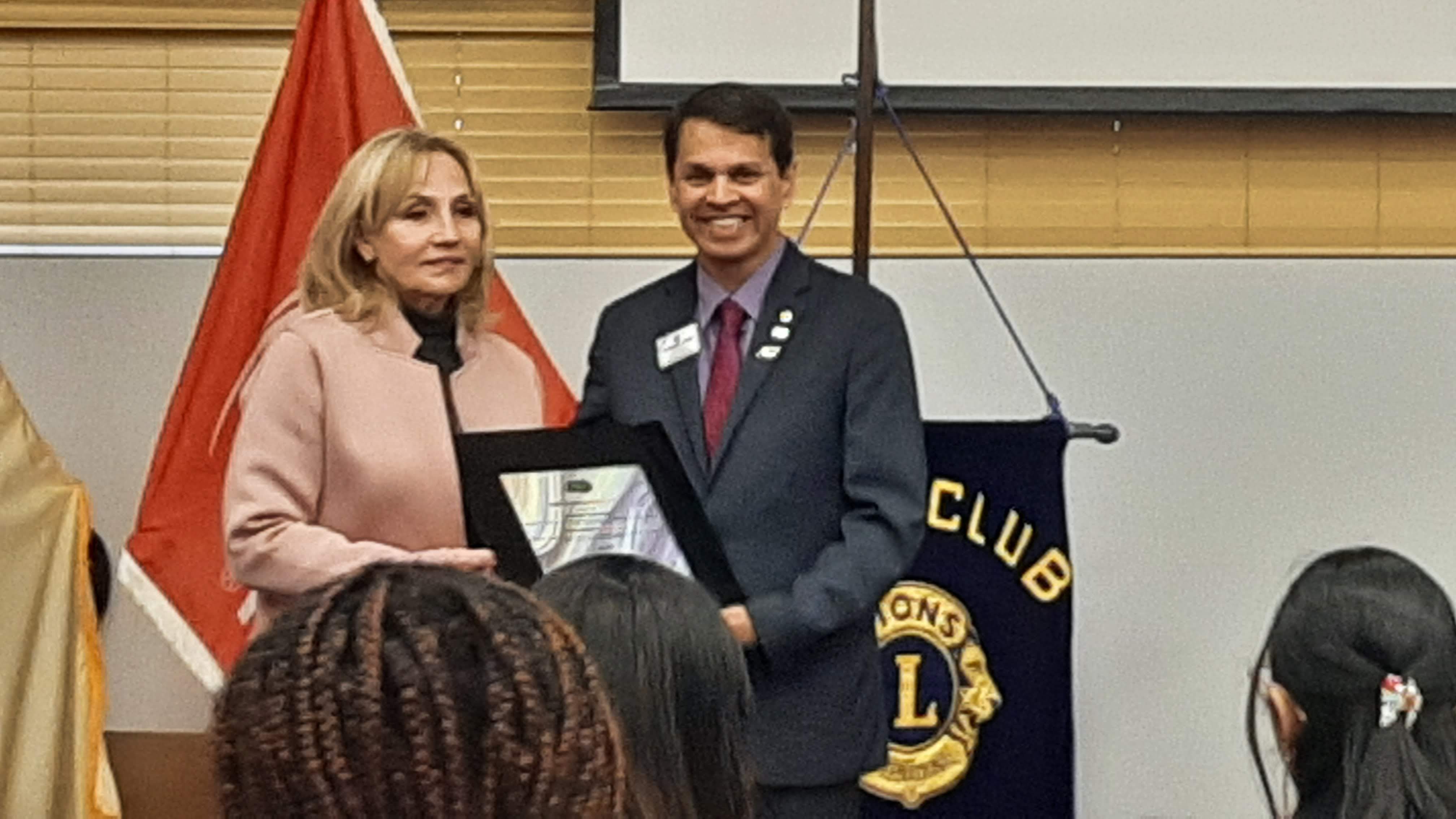
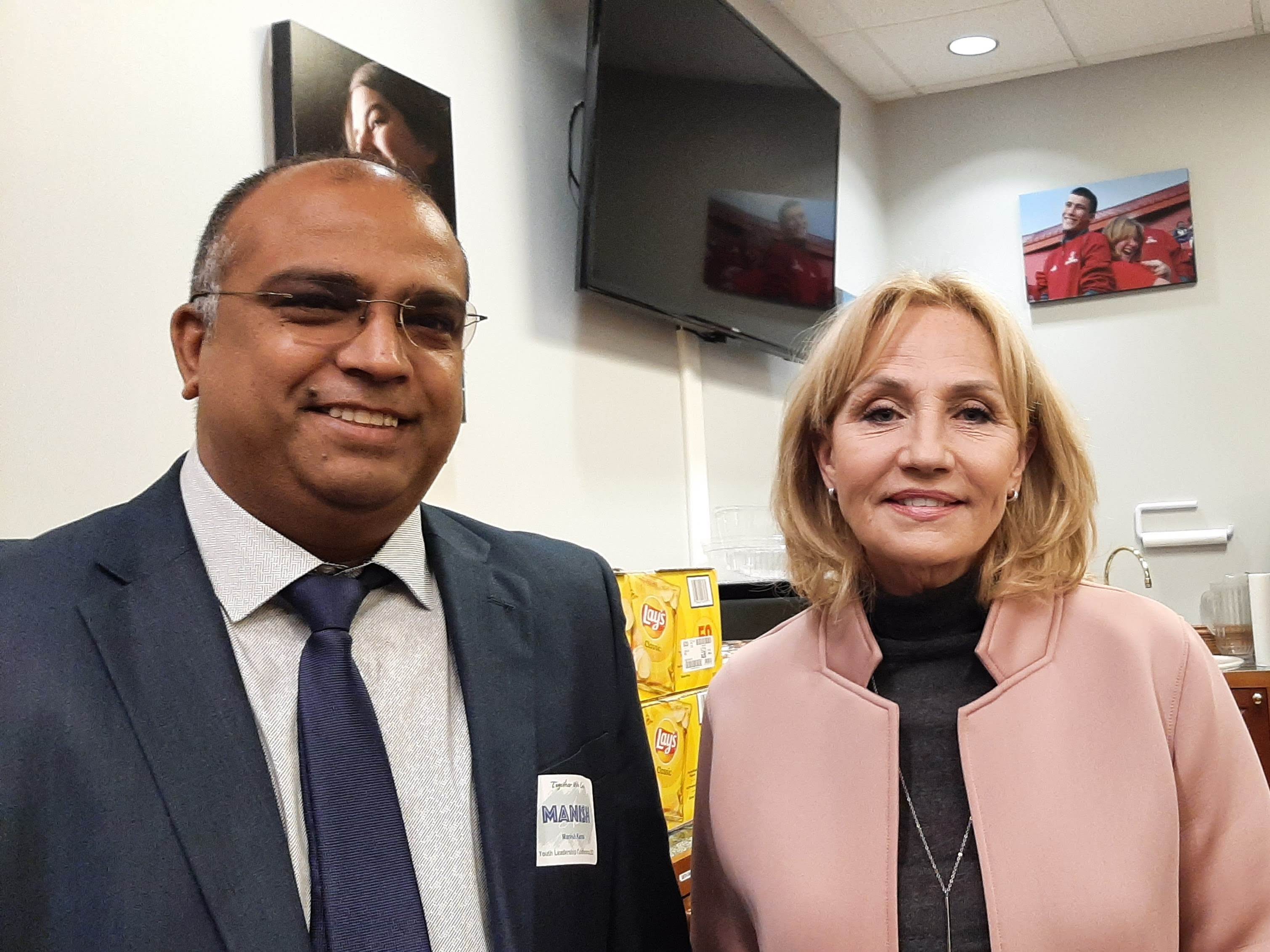
The conference was inaugurated by a speech by Former Lieutenant Governor of New Jersey, Kim Guadagno. She spoke on the importance of a strong education as a foundation for chasing our ambitions, as well as her experiences as a minority in a male-dominated field. She taught us that we should never be afraid to defy the norms and expectations of society in chasing our ambitions.
Next, Colonel Alan R. Smith provided several points on strong leadership, advice that he had gathered from his years of service in the Marine Corps. He described the importance of having a team and the role of an ideal leader as one who listens to and engages with their people.
Nazanin Ash, the CEO of Welcome.US spoke about her experiences and struggles assimilating to American culture, which inspired her to create a nonprofit organization that coordinates the support of refugees. The Welcome.US program admitted more than twenty times the number of refugees in 2022 than the US government did.
At this point, I was eagerly dreaming up ideas of the next big idea to change the world, but I was a little intimidated by the daunting prospect of embarking on an ambitious endeavor, especially with the relatively few resources I had as a high-schooler.
Thankfully, Ashton Burrell reassured us that one doesn’t need money to make a difference in the world, just passion and simple kindness can make a difference. It takes many small steps to reach a bigger goal. No matter how ambitious our goals may be and how passionate we are for achieving them, we must never abandon our mental health, especially in today’s time.
John Schweska spoke on the importance of mental health, especially in teenagers. Over the span of the conference, I noticed one recurring theme amongst all of the speeches: the importance of working both for and with your team.
With the experiences of all of these leaders tucked in my head, I felt a little more confident in my ability to change the world. If ever I feel overwhelmed in trying to realize my ambitions, I can always think back to the agenda of the conference: “Together We Can.”
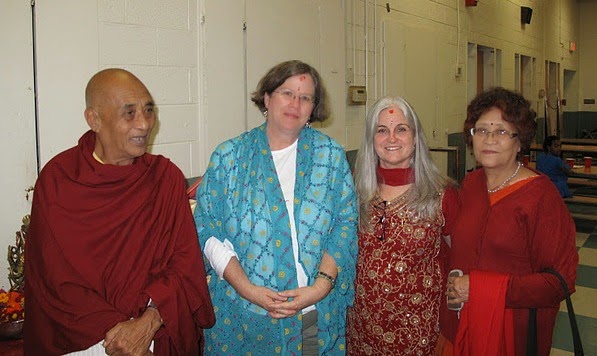
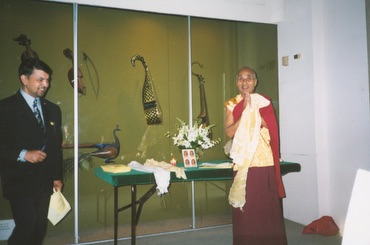
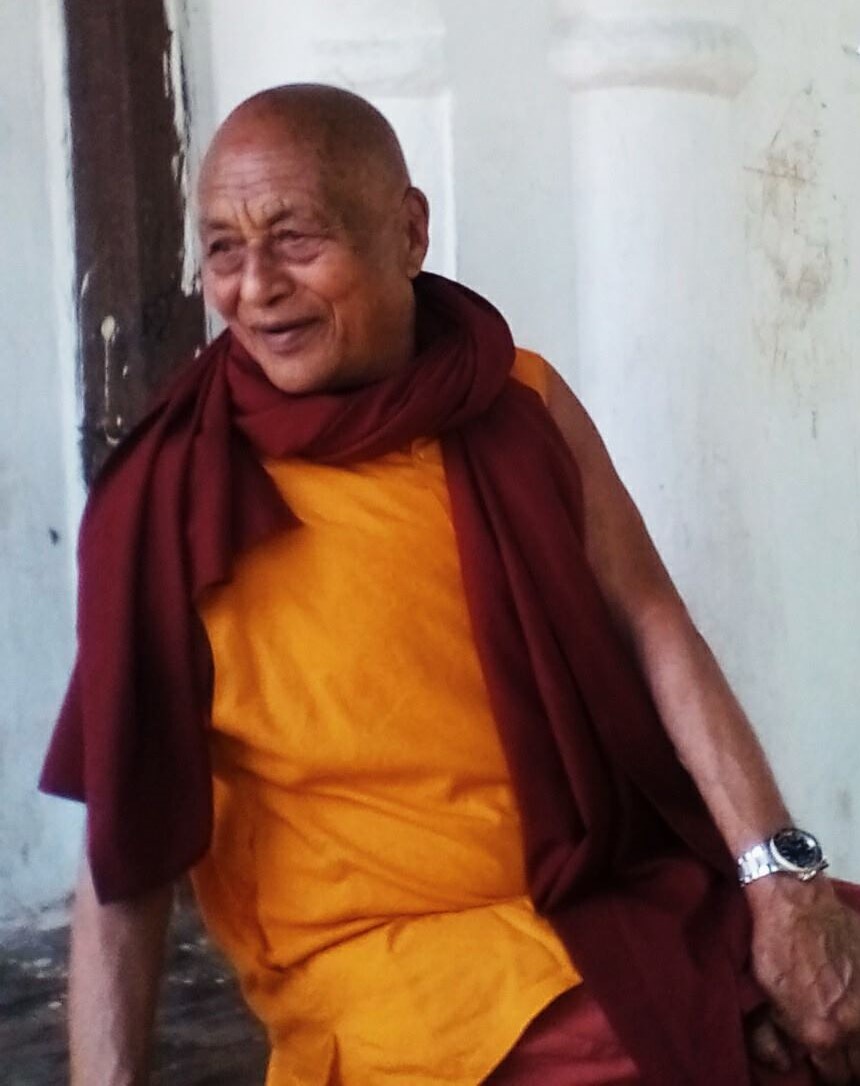
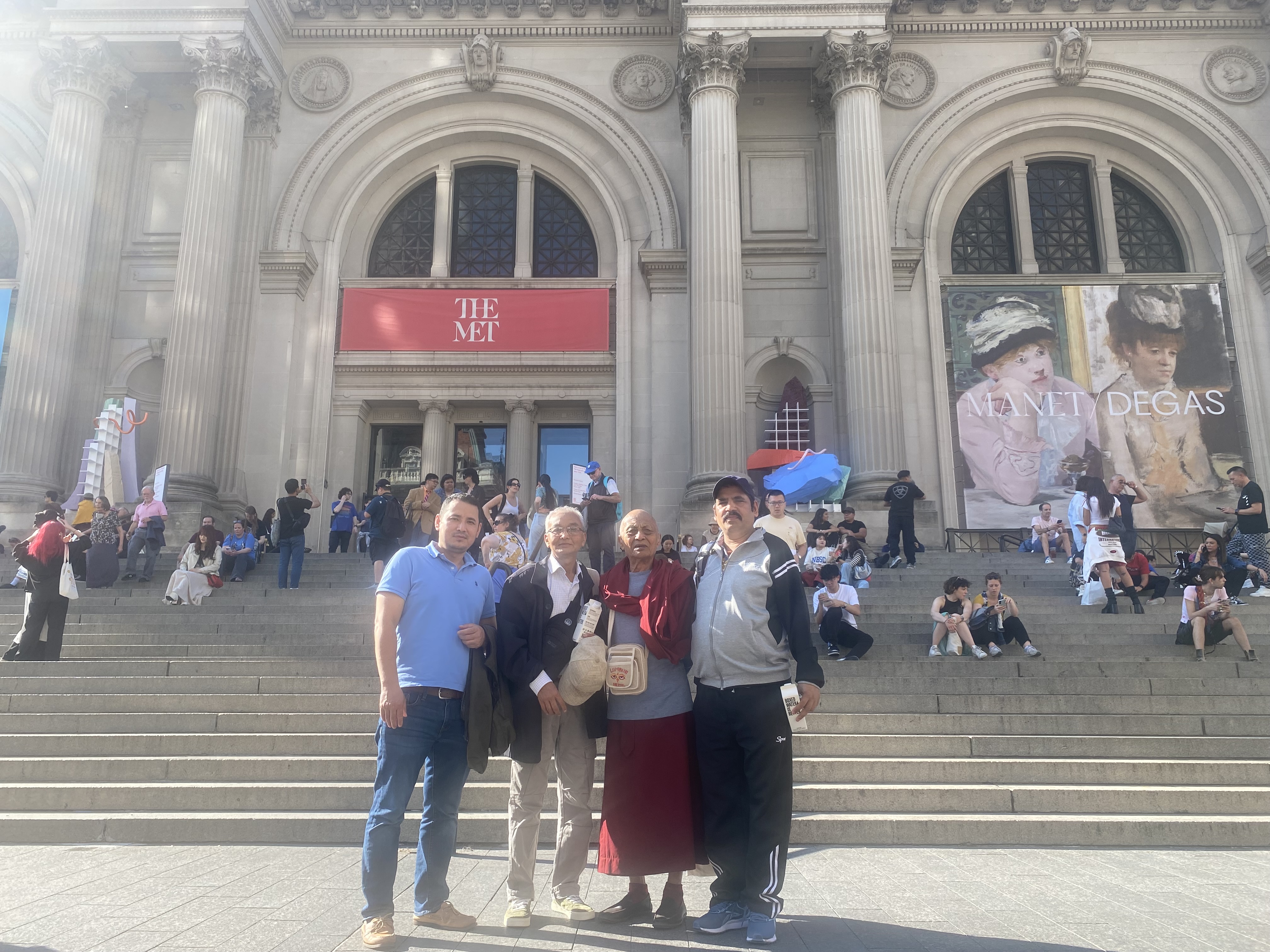
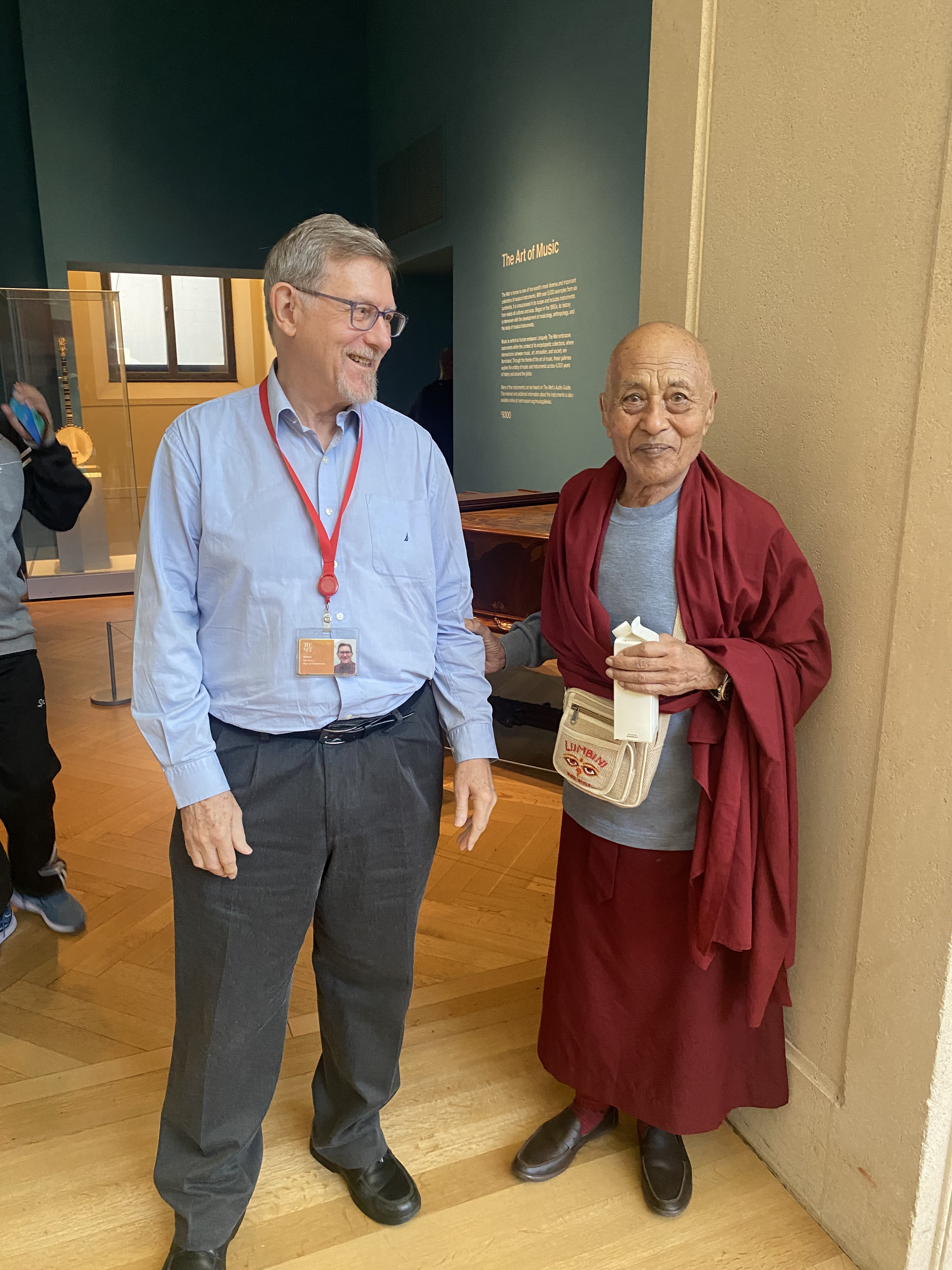
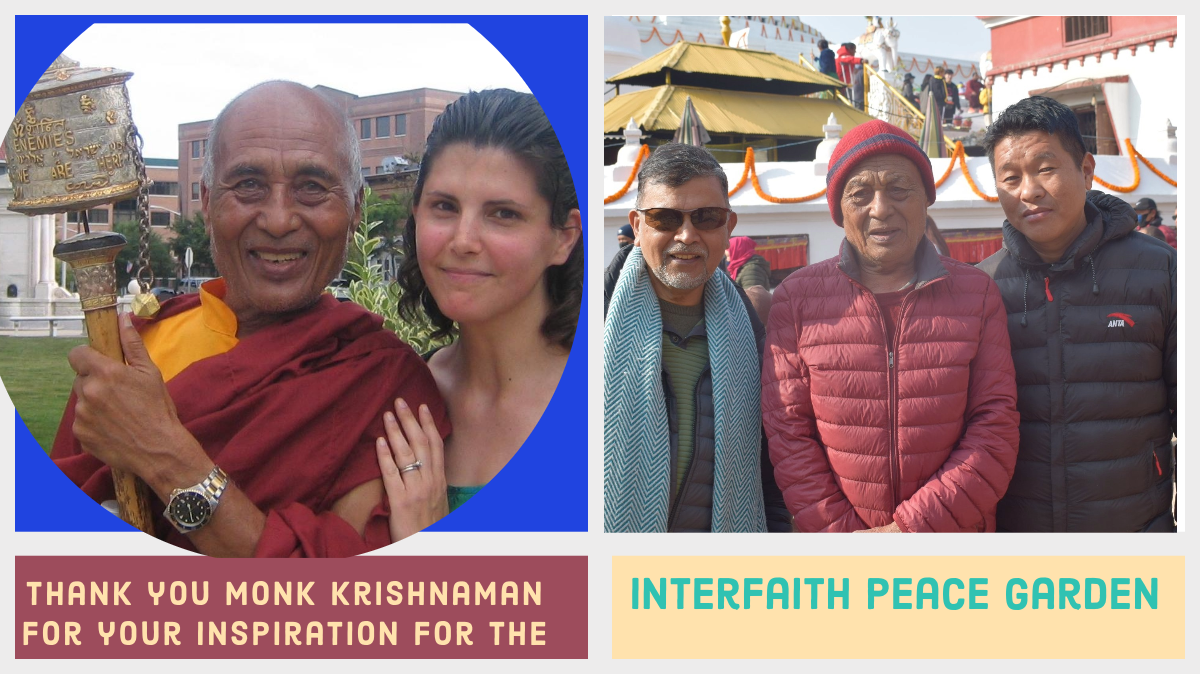
25 years ago, when Monk Krishnman visited the MET, the absence of Nepali instruments at the Museum did not go unnoticed by him.
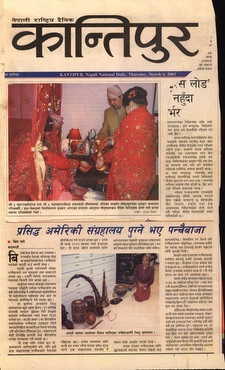
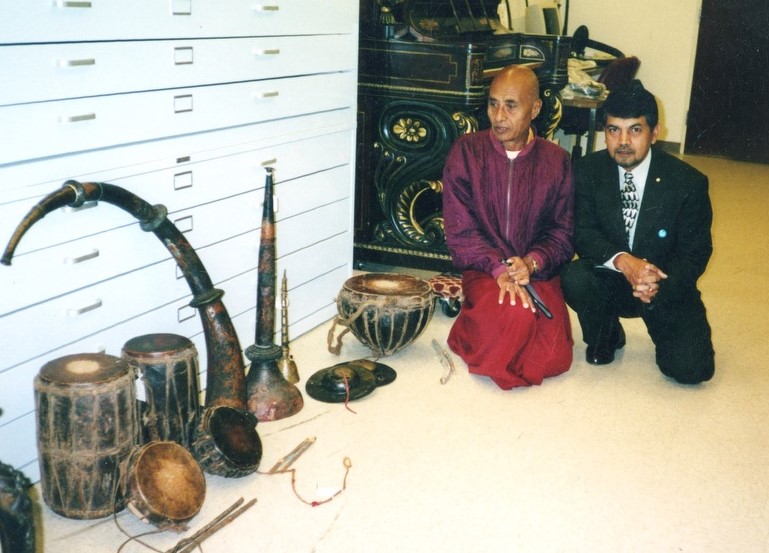
Determined to showcase the rich musical heritage of his homeland, he offered the museum a set of traditional Nepali instruments called ‘Pancha Baja’. Krishnaman’s efforts have paid off, as the museum accepted the instruments 1993 and finally in 2003, the MET designated Nepal window with his Pancha Baja display and making Nepal a part of its diverse musical collection at the MET. This accomplishment is a proud moment for Nepal and its people, as it marks the recognition of their unique cultural identity on a global stage.
A deeply religious man, he joined the order of the Mahayana Buddhists to become a monk in 1992. He then began to play a larger role in life, writing books, organizing international peace walks and has now become a sort of a cultural historian. I met him during his Peace Walk from Washington to New York in 2002.
As he recalls, “While I was in America, I visited The Metropolitan Museum of Art in New York. There I noticed that the museum had musical instruments from all over the world, but none from Nepal. So he made his mission to collect those instruments and donated to the MET.
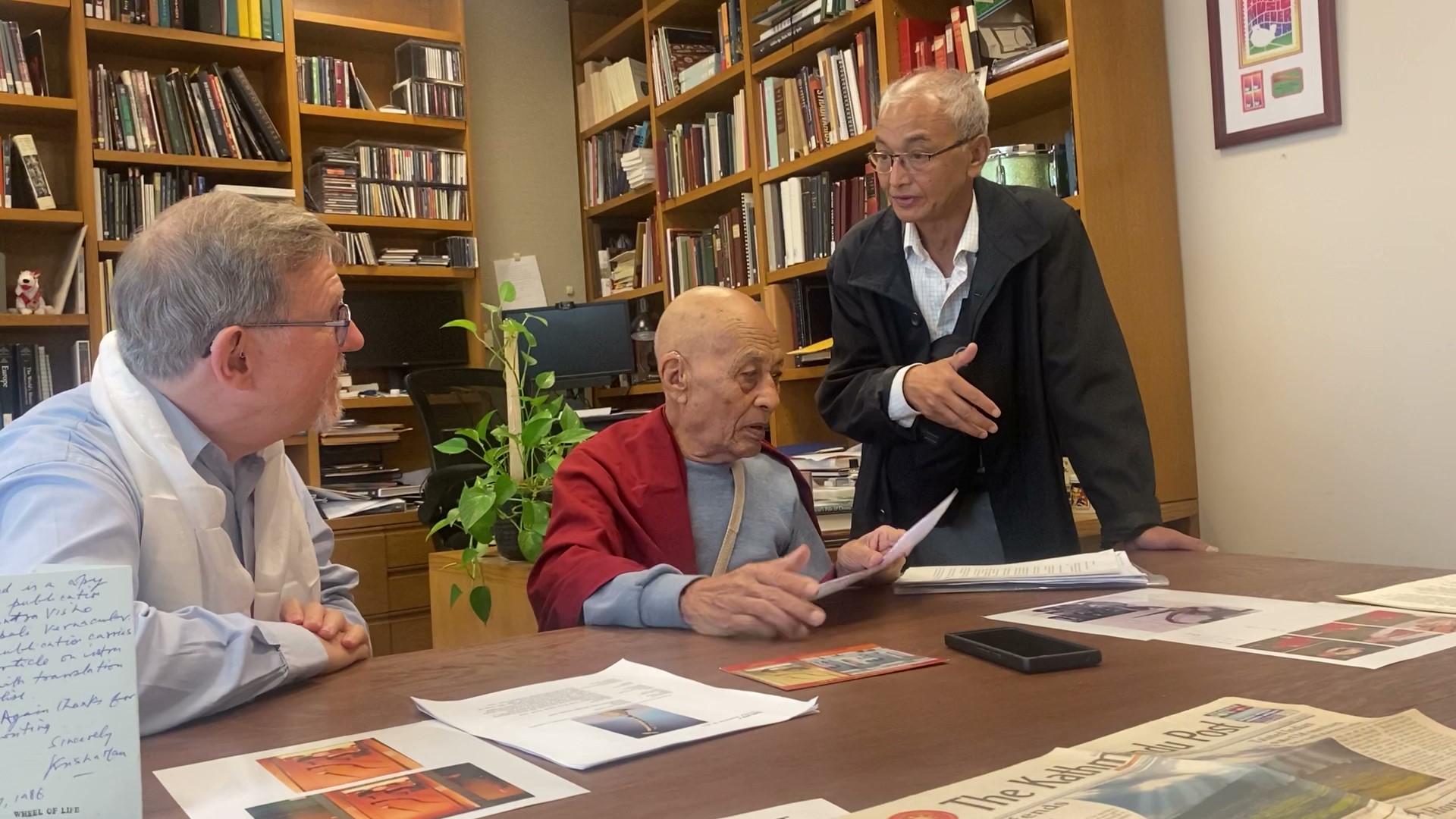
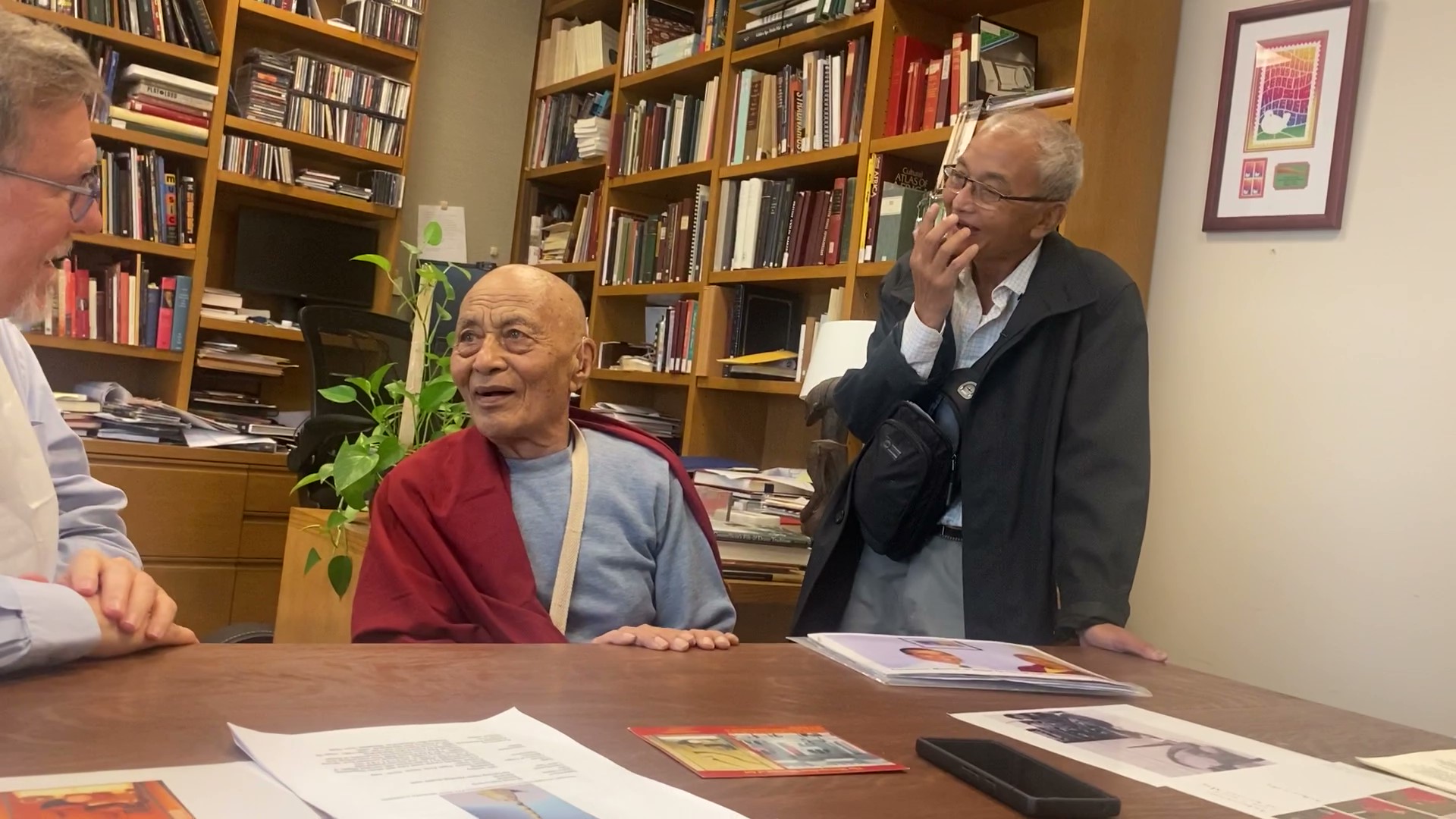
But those instruments were not displayed for a long time. With the help from the Friends of Nepal-NJ and many other organizations as well as US Ambassadors, we were able to meet with the director of the museum and convince him the importance of musical instrument. He was very proud that it was accepted, and Nepal has been represented in such a prestigious museum.
Unfortunately, during recent renovation of the MET, display pieces were reduced, and they were able to display only two pieces of instruments along with similar sets from India.
At the age of 92, Monk Krishnaman, determined to convince the MET staff, he visited again last week to have a full display of his Pancha Baja instruments at the MET.
Monk Krishnaman has been promoting Nepal and Nepalese music and culture for a long time. Let’s hope that his wishes will come true and have a full display at the MET soon. That is his last wish and he made 7000-mile trip at the age of 92 to convince the MET staff.
As the Bhagvat Gita says: “Do your karma, but do not expect anything in return. If you do it to get something back, you will be disappointed.” He is confident that full display of his Pancha Baja will take place soon.
Every trip I made to Nepal he came to meet me to get his message to the MET staff and finally we were able to get him visa to come for the visit. Hopefully, his last wishes will come true soon. Hopefully his last mission will keep him focused and continue his last fight.
May his last wish will come true.
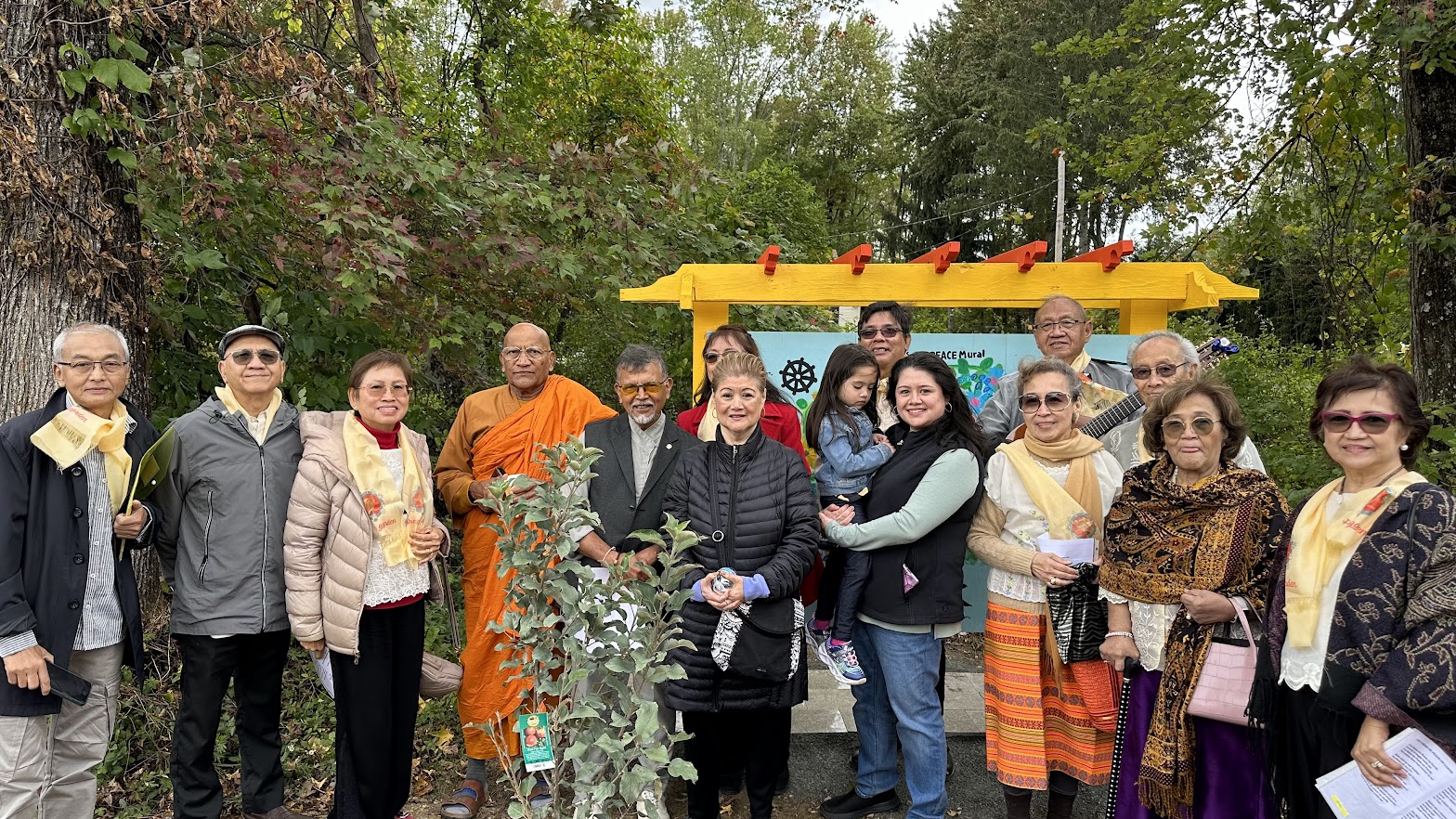
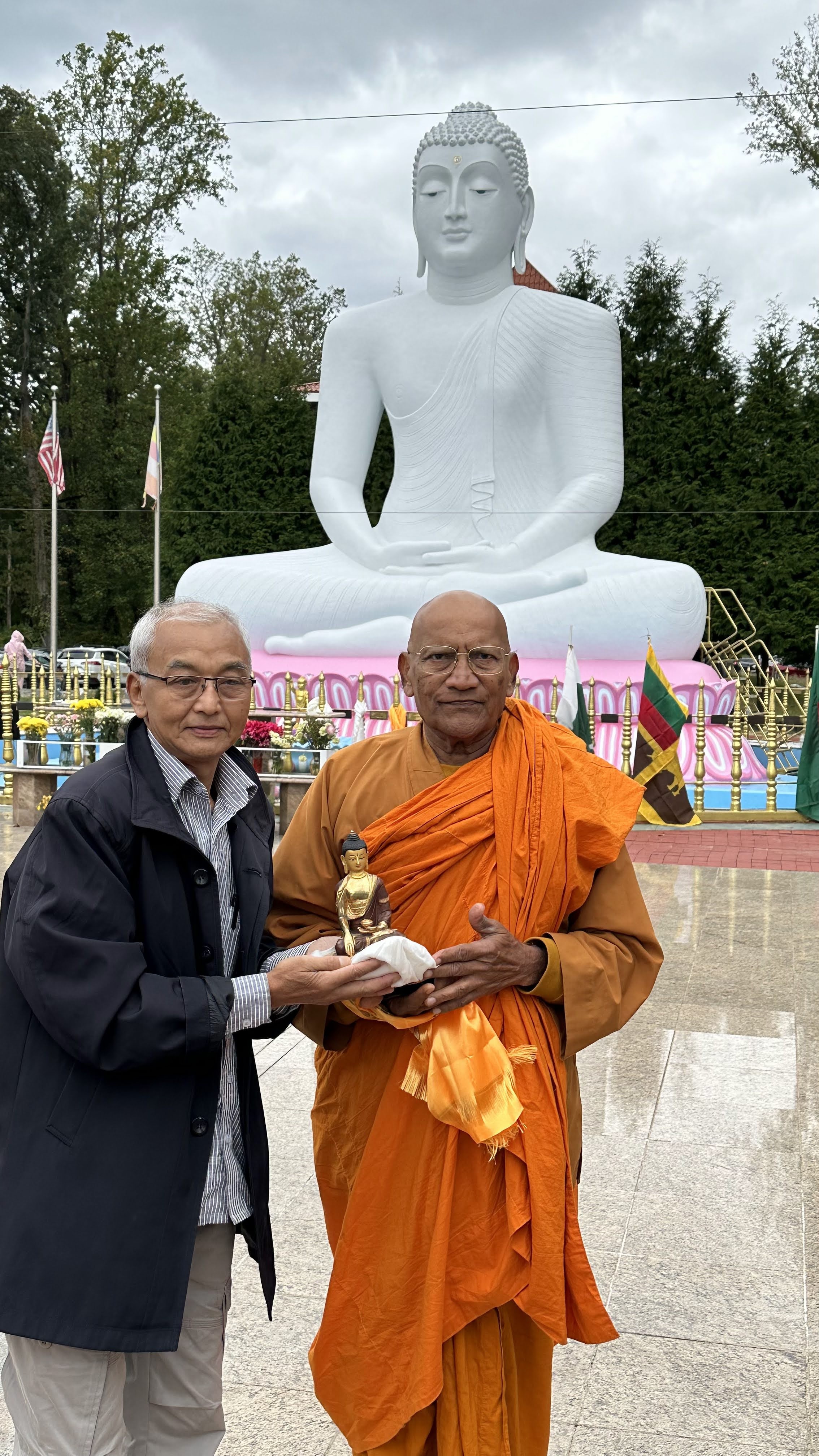
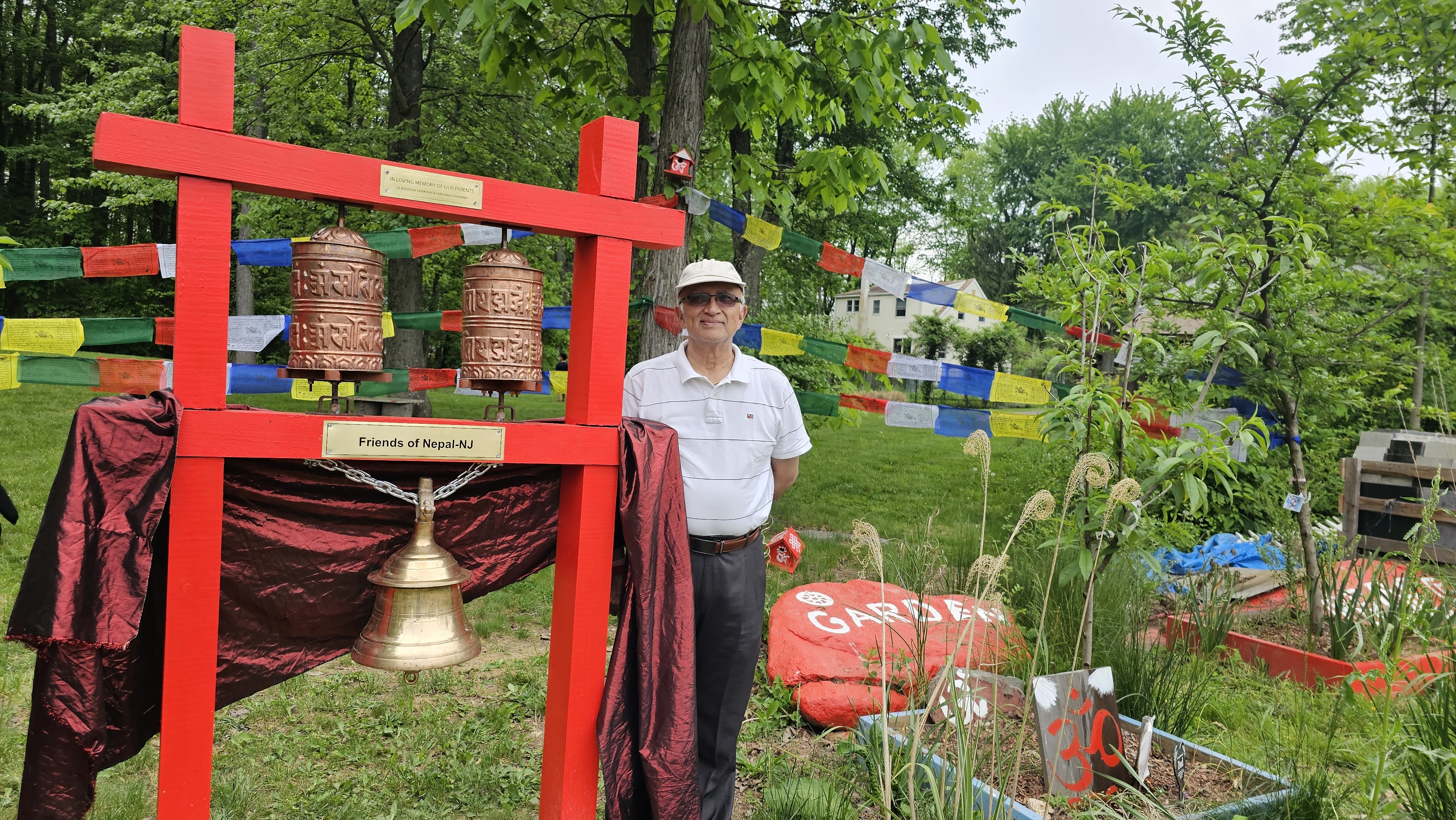
Monk Krishnaman was also instrumental in setting up an Interfaith Peace program in New Jersey. Last week we dedicated the Interfaith Peace Garden at the NJ Buddhist vihara. Unfortunately, he was not able to visit, due to his ill health and his son Ashok Manandhar, represented him at that Peace Celebration and presented special Buddha on behalf of his father to Ven Bhanthe Hungampola Sirirathana Nayaka Thero.
Parents name: Sudhir Maharjan and Hashina Shrestha
School Activities at the school: International Alliances, Student Helping Honduras, Tri-M Music Honors Society, Marching band, varsity swim, peer leader
Community Activities and support: FONNJ Youth Group Volunteering
I’m still unsure what I want to do in the future considering I am a sophomore in high school. There’s a lot of choices I have with what I want to study but I’ve been interested in human behavior and/or psychology. I plan to complete high school and go to college.
Q. What do you believe are three keys to being a good citizen?
I believe that the 3 keys to being a good citizen are being respectful, responsible and being involved within the community.
Q. What piece of advice that you have received that has made a difference in your life?
Do not worry about what other people think. This really keeps me going as a high school student because in this society, most teens tend to overthink situations with people judging and so because of this, we become afraid of the worst things possible. But hearing other people’s opinions and thoughts have made me realize that I am not alone, and that people aren’t always judging you in the way that you think they are.
Q. Who is your favorite teacher?
As much as I like all of my teachers, my favorite teacher is my choir teacher, Mrs. Johnson. I’ve had her for all of high school so far and I plan to have her for the rest of my high school experience. She always finds a way to challenge me and I always learn so much from her as both my teacher and a person. She is always there for me when I need it and always makes my class fun.
Q. Who is your favorite community program?
My favorite community program would have to be the FONNJ events that we host.
Q. How have you tried to make your school/community a better place?
I’ve collected donations of canned food to help with homelessness and have spread awareness about it at my school in order to help the community.
Q. What accomplishment are you most proud of, and why?
The accomplishment I am most proud of is receiving the President Award. This really helped me see in myself how I can help a community. This helped me realize that even the little things can help the community. Working for the president award helped me appreciate and value the new skills I’ve learnt from other people in the community.
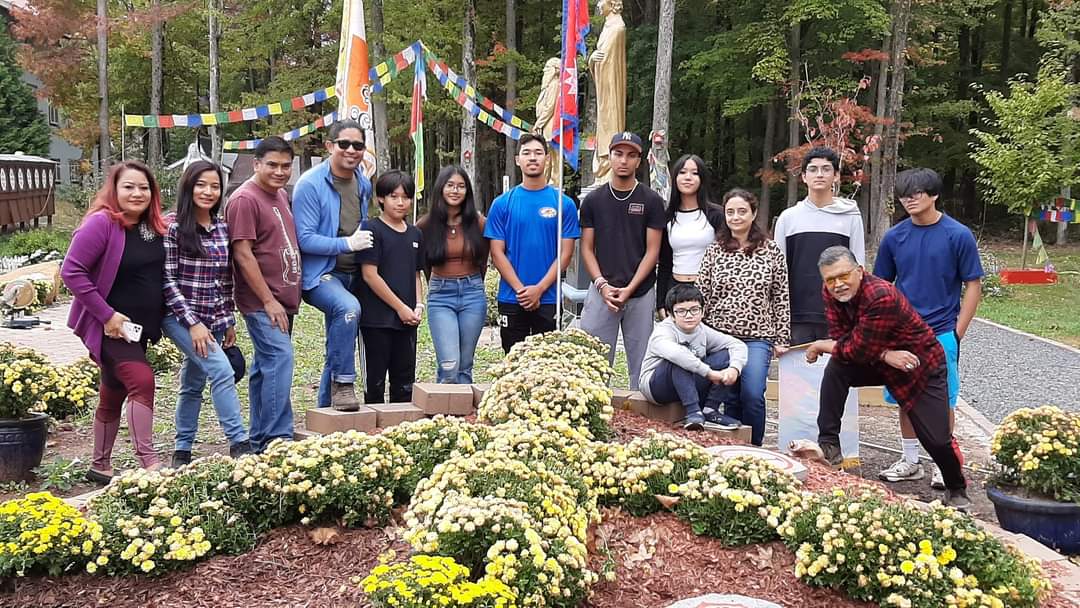
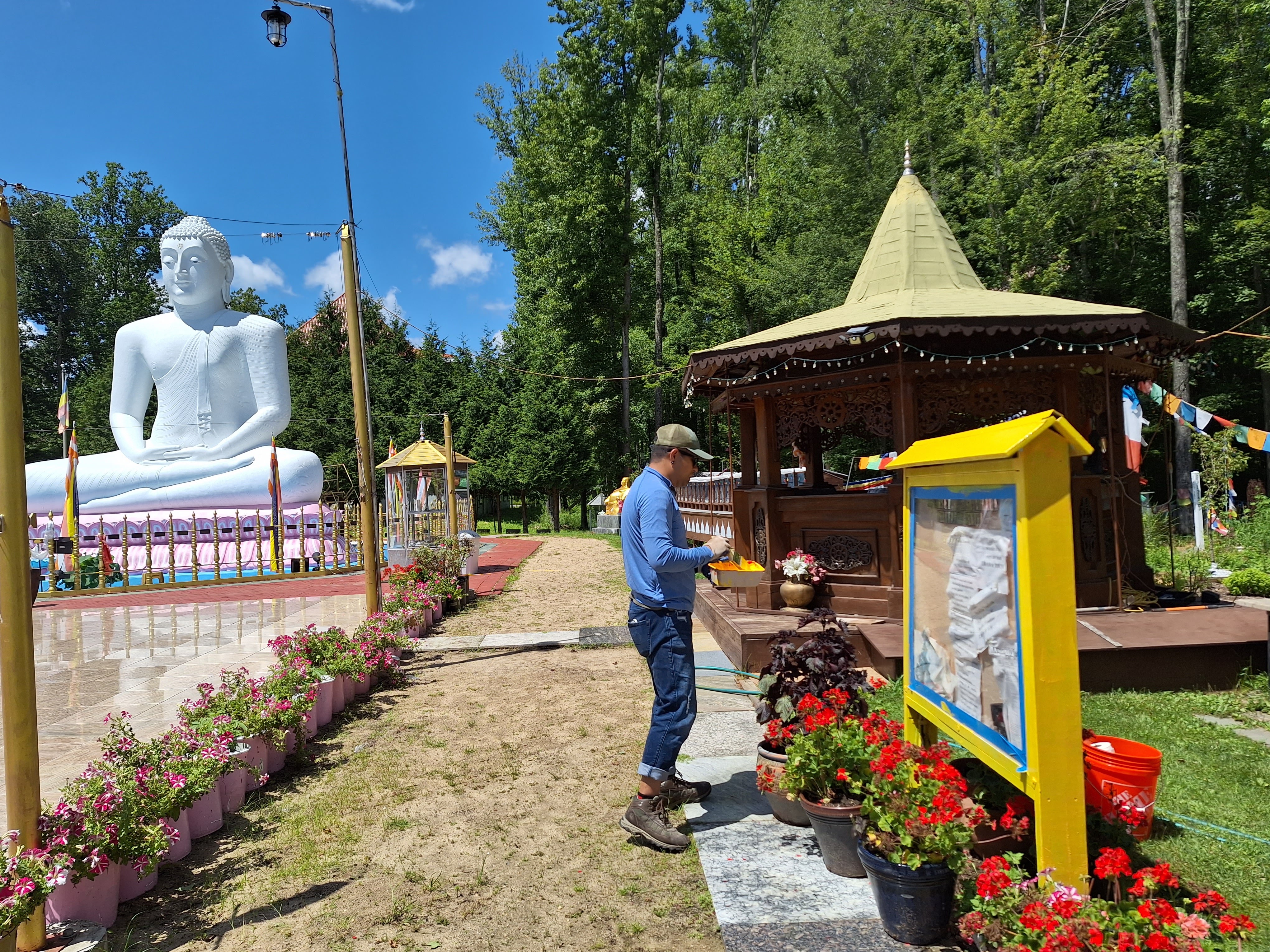
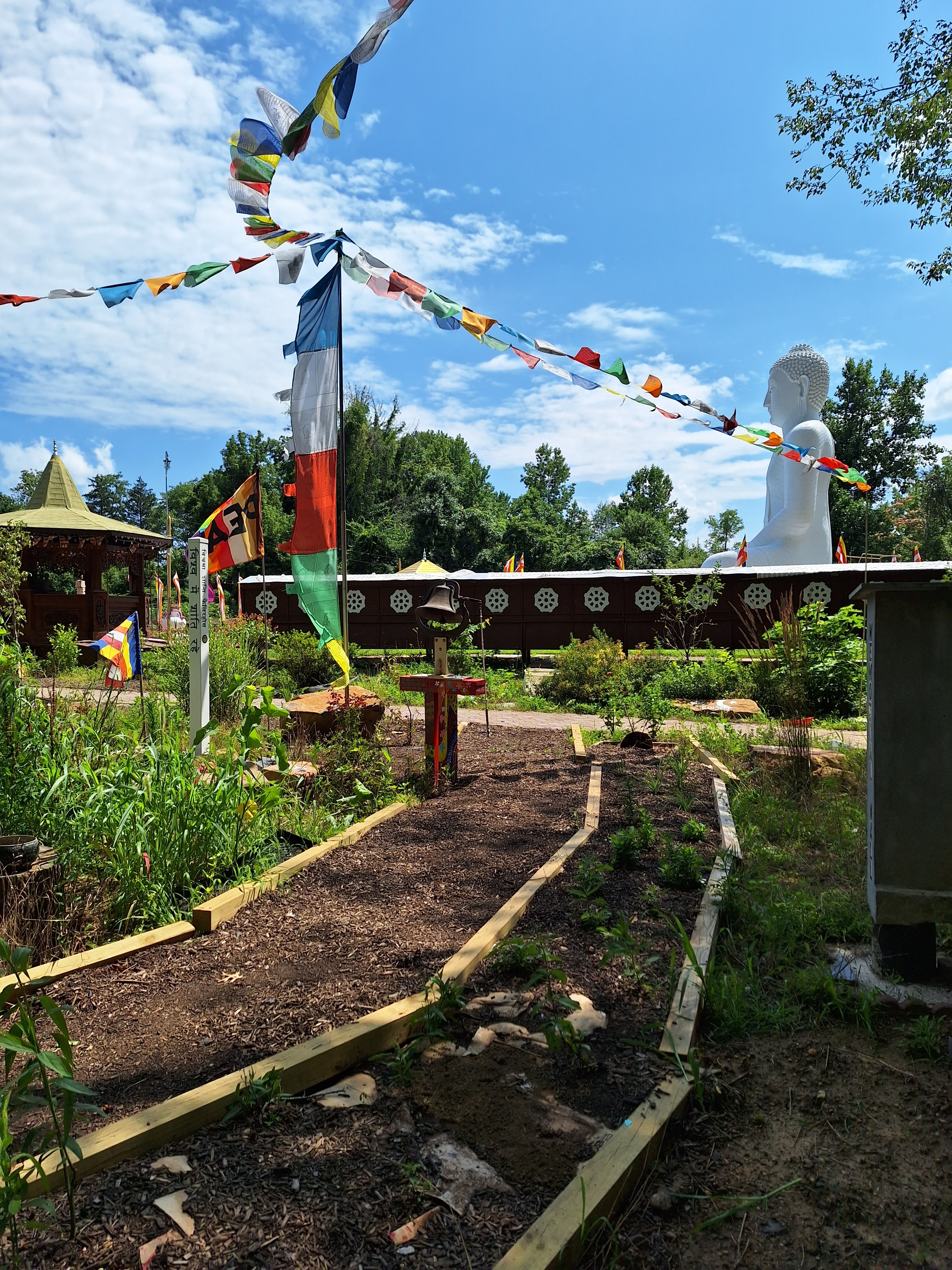
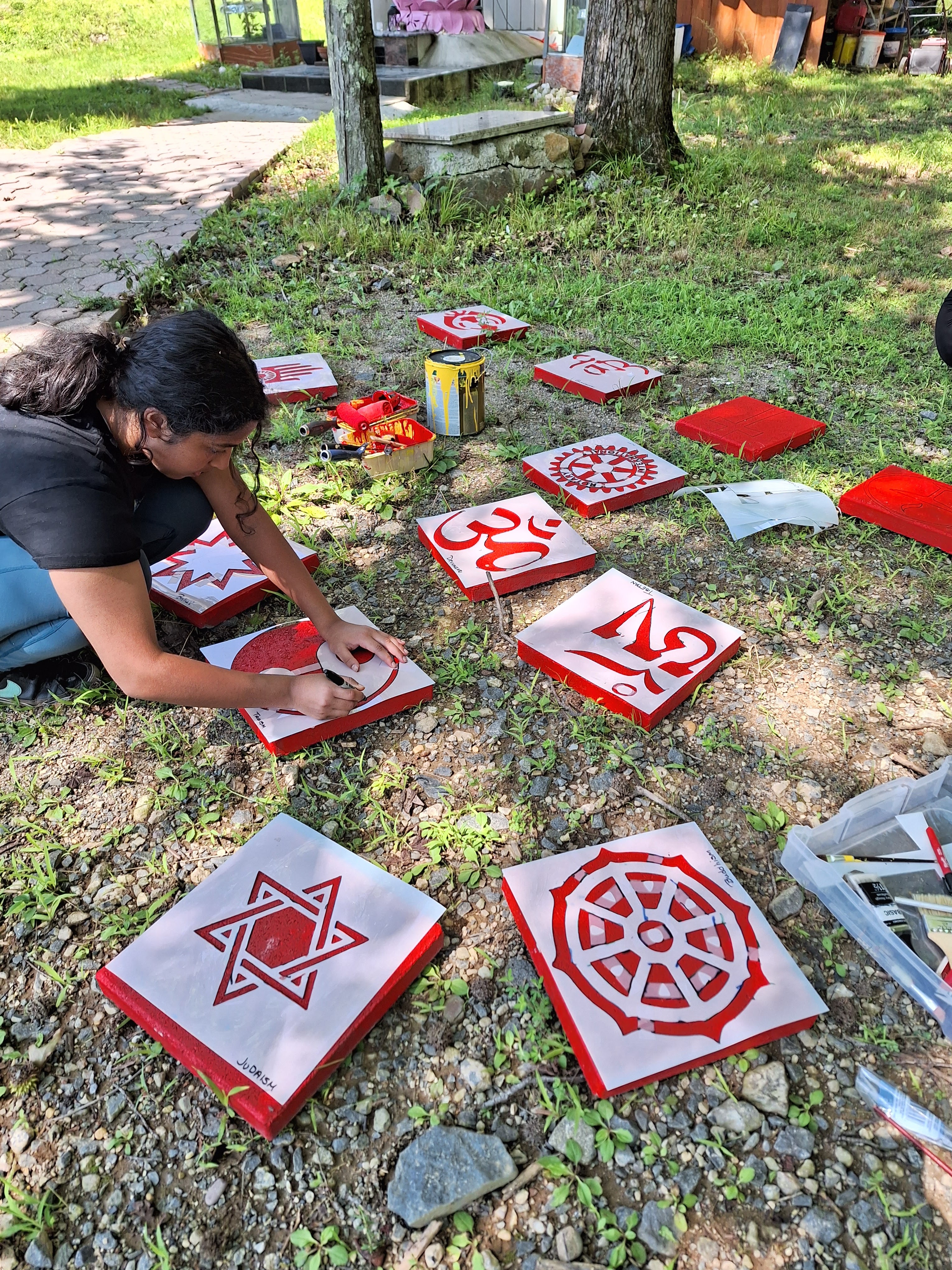
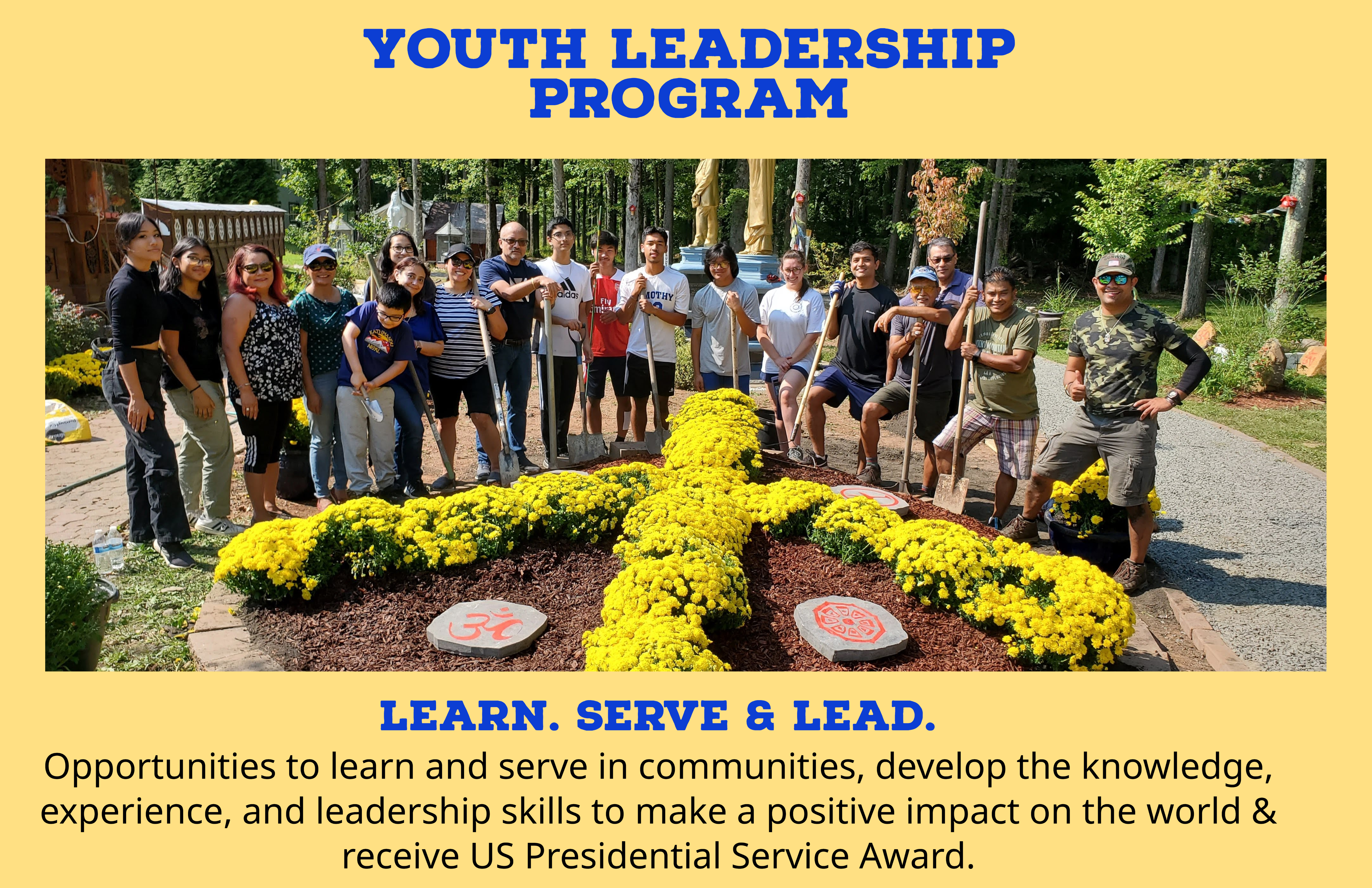
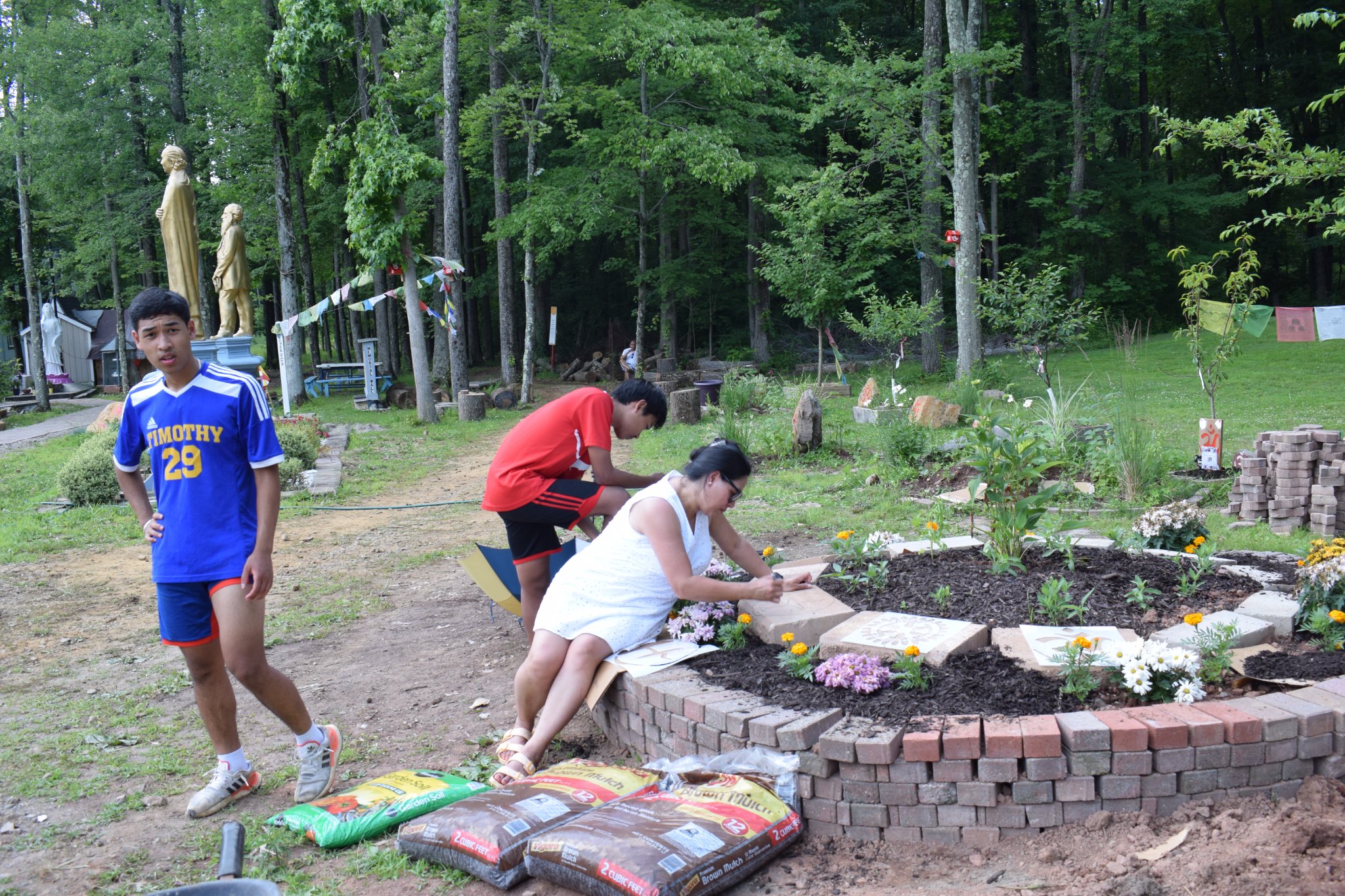
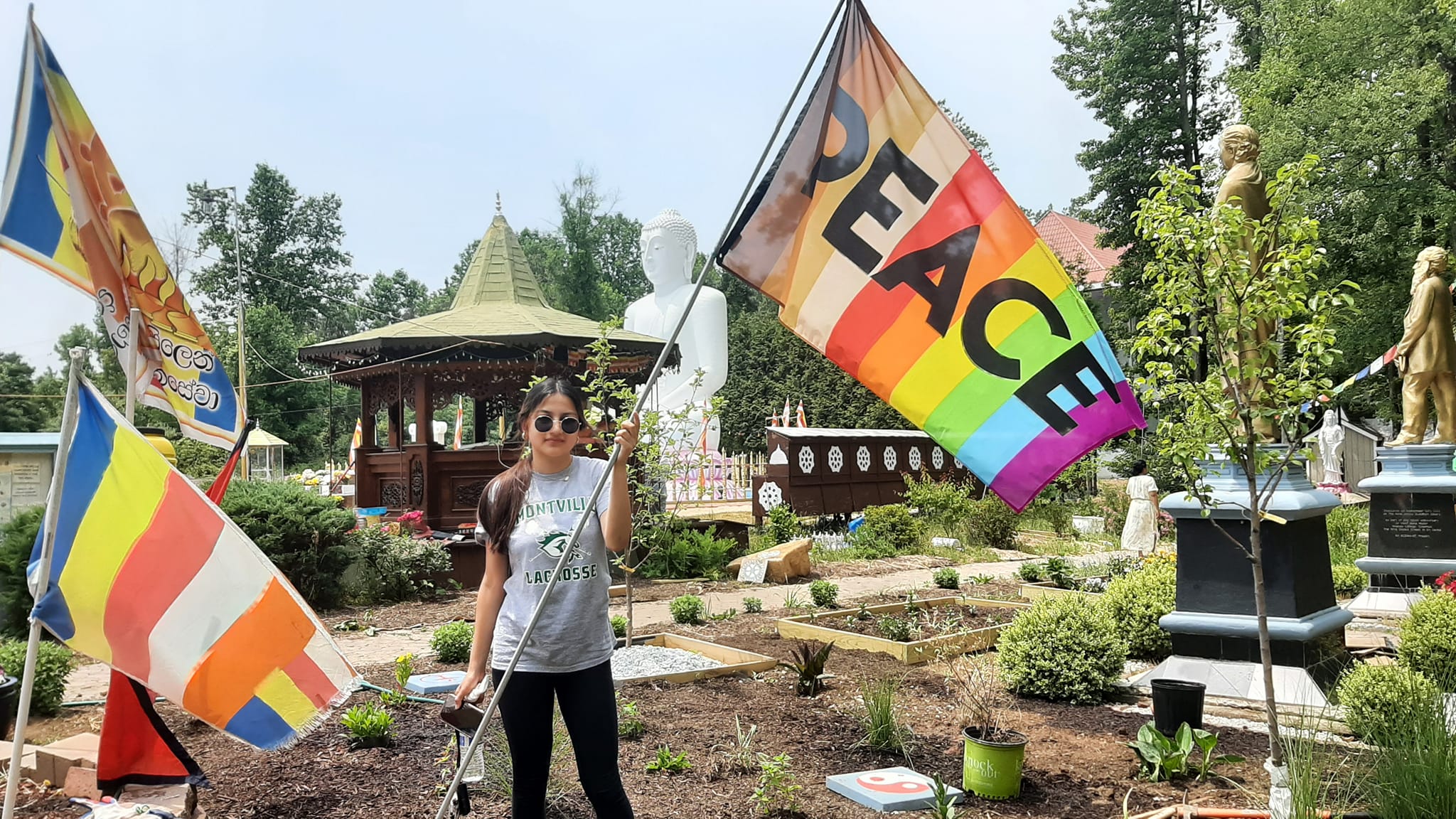
With the cooperation of adults and children from all around New Jersey, the plain area around the Buddha statue at the New Jersey Buddhist Vihara Temple is slowly but steadily becoming a lovely Peace Garden. Every weekend, volunteers come to the temple to help with various tasks such as gardening and painting garden stones. I’ve been to the temple three times now to help out, and I’m looking forward to revisiting. Through various activities, I was able to experience new facets of the community each time.
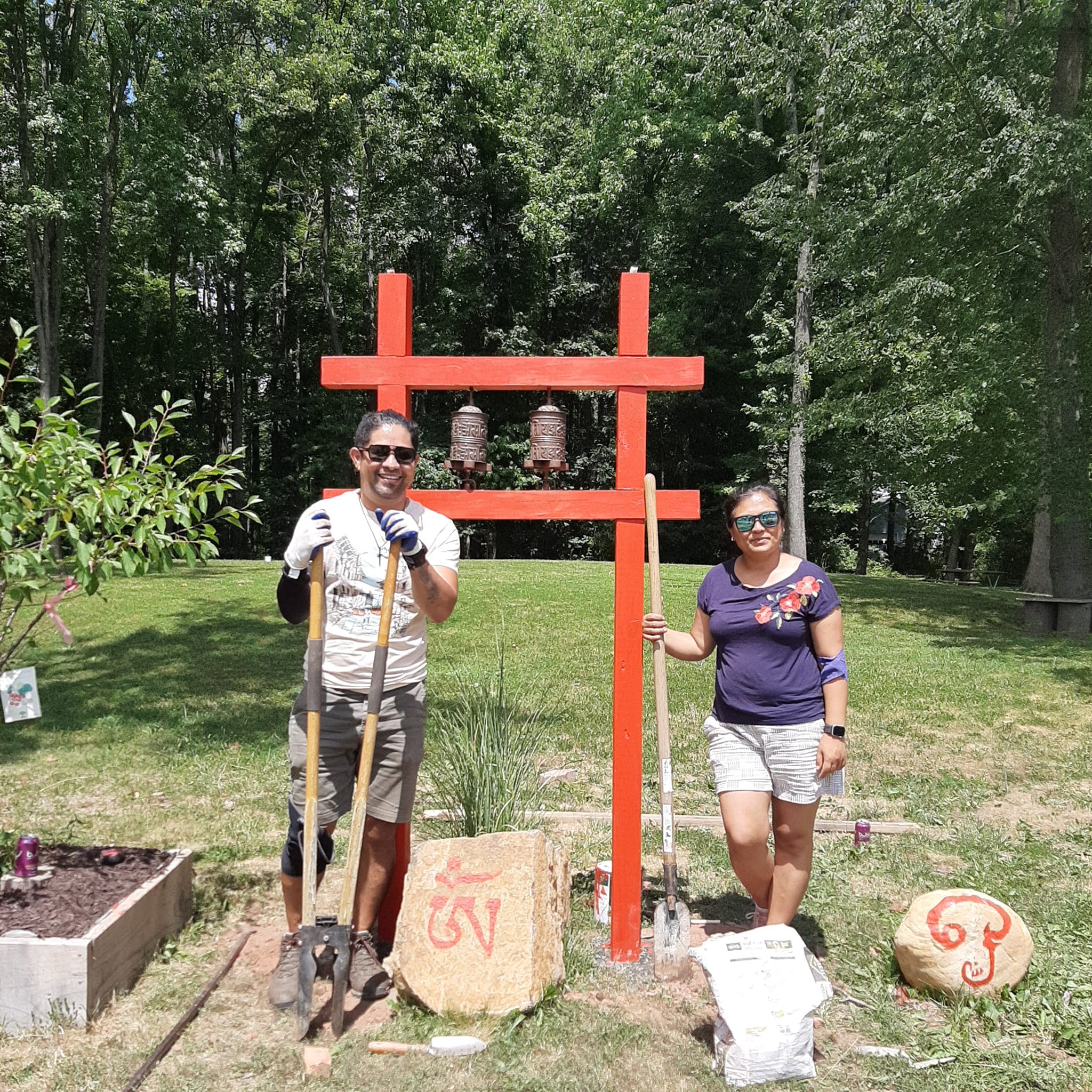
This is new addition to our project, which was just inaugurated last week during our Peace celebration.
Buddha’s 2567th birthday was celebrated with our Nepalese community on Saturday, May 13th, at the temple. This was the first time I had the opportunity to meet many volunteers and members of the community. Because it was so packed, my friend Saumya and I were assigned to handle a rock painting station for the smaller kids. There were not just children present at this station, but also their parents and grandparents. I got to talk with the adults (mainly the grandparents) about where they lived in Nepal and their various temple experiences. I, along with a few other volunteers, had the opportunity to read story about the Buddha, his history, and his birthday. This story provided me with an abundance of new information and allowed me to gain a better understanding of the temple and Buddha.
My second volunteer experience at the temple was mainly about gardening. We were all planning to put flowers and plants in the garden, but we couldn’t accomplish it unless we removed all of the weeds that were interfering with the process. While Saumya and I were pulling weeds from the parched dirt, it was explained to us that not all weeds are wasted. They are used to generate compost, which eventually provides nutrients to the soil and helps plants grow. This may be common knowledge, but it came as a shock to me, as I didn’t know that the things invading the plants could actually be transformed into something that could benefit them. We added fresh dirt, planted the plants, and mulched them after removing the majority of the weeds. Despite the fact that I came into this as a gardening novice, I can safely state that I know what I’m doing now. I was able to learn about the process as well as participate in it.
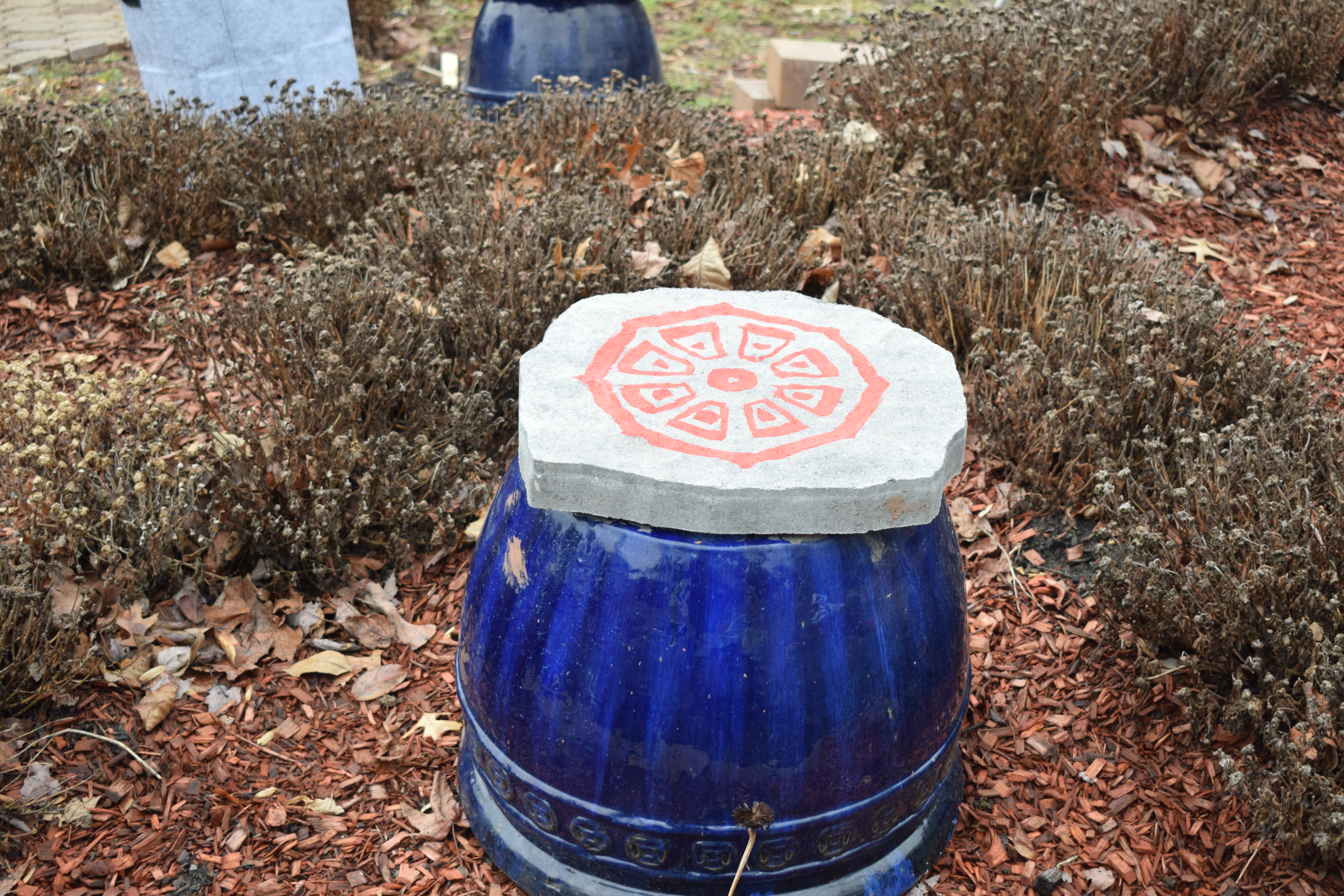
We were just cleaning up the garden the third time I visited the temple. The flowers we had previously planted had all bloomed and looked wonderful. Weeds would, of course, start sprouting again and overrun the garden. Fortunately, the weeds will eventually be returned to the soil and fertilized. We learned about how pollinators help nourish plants and how they aid the garden in general while mulching the weed-free regions. After about an hour or so, it began to rain, forcing us to move indoors. We began painting the stones that are scattered throughout the garden. We began with the first/background layer and will try to paint different symbols on them during our next visit. Each symbol has its own meaning and significance, and I’m hoping to figure out what they all represent and how they relate to the temple itself.
We have diverse groups of volunteers, which allows me to broaden my understanding of rapidly changing diverse community and appreciate my own culture even better. Because it’s at a Buddhist temple, I also get to witness how Buddhist culture works, which helps me understand how people follow different religions. Despite the fact that I have only attended the temple three times, I have learned a tremendous amount with each visit. Whether it’s gardening, history, or science, volunteering at the temple is about more than simply the hours you put in; it’s also about the information and skills you develop.
Thank you for the opportunity to learn about rapidly changing diverse culture of New Jersey and at the same time gaining leadership skills to learn about 21st century life and career skills as well as to engage as active citizens in a dynamic global society and to successfully meet the challenges and opportunities of the 21st-century global village.
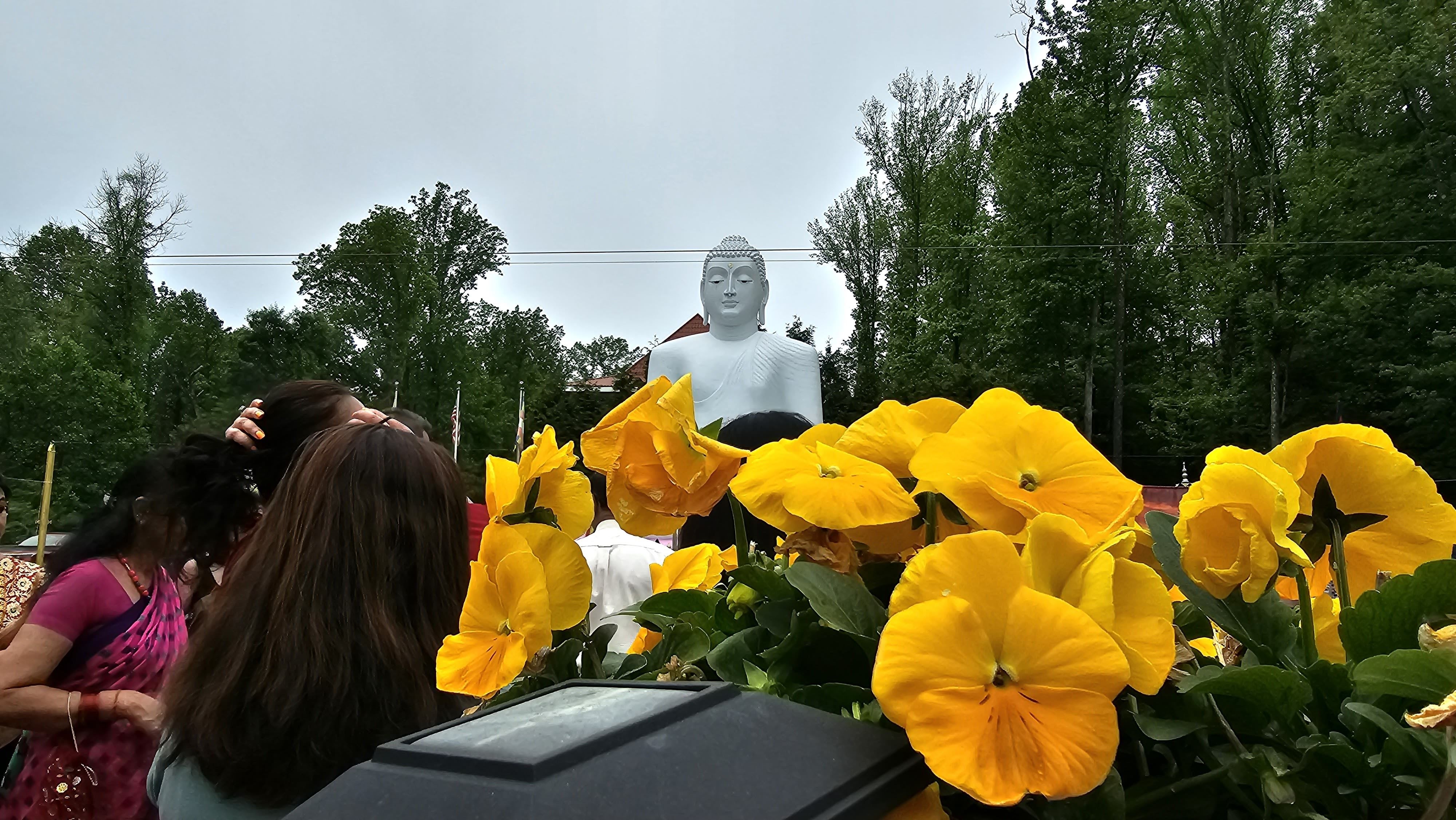
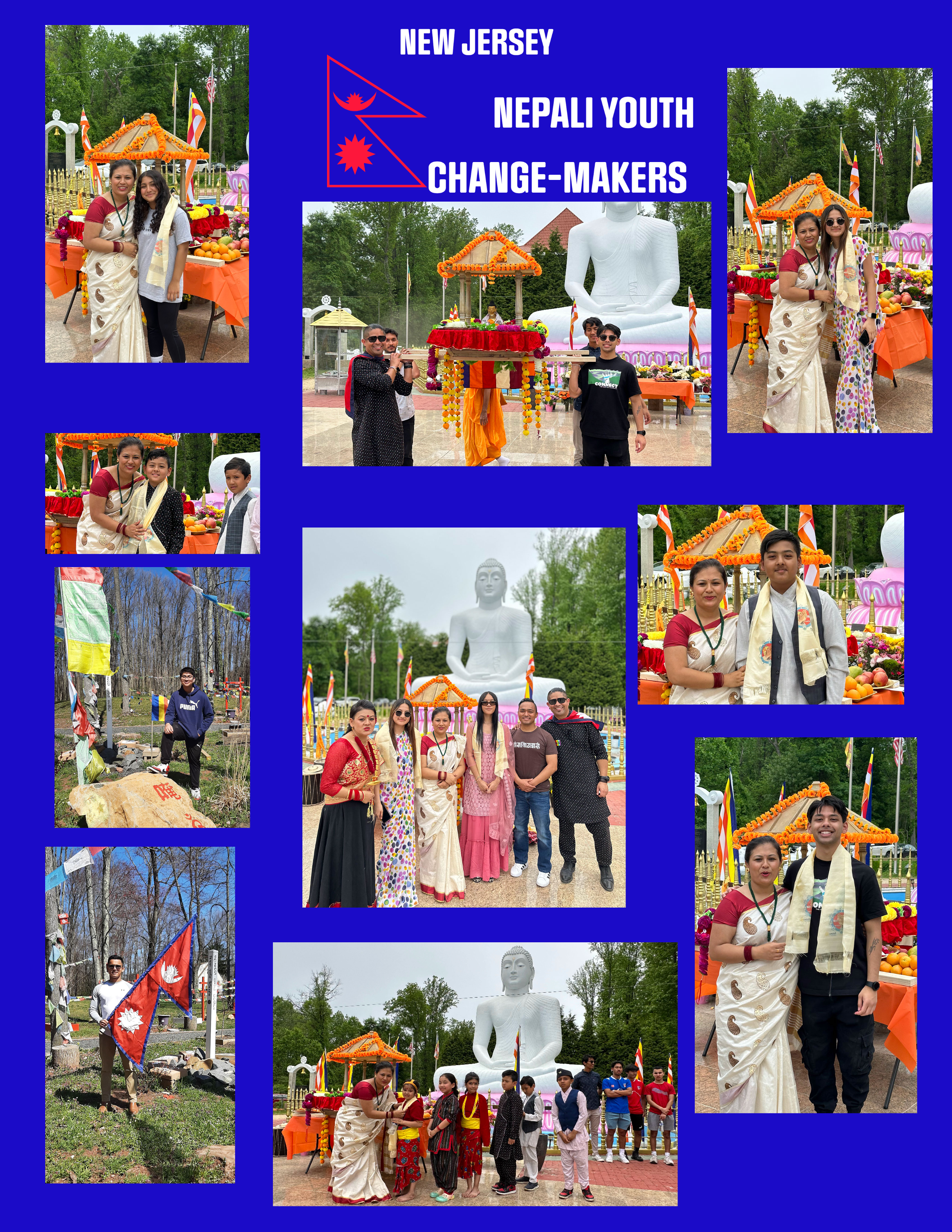
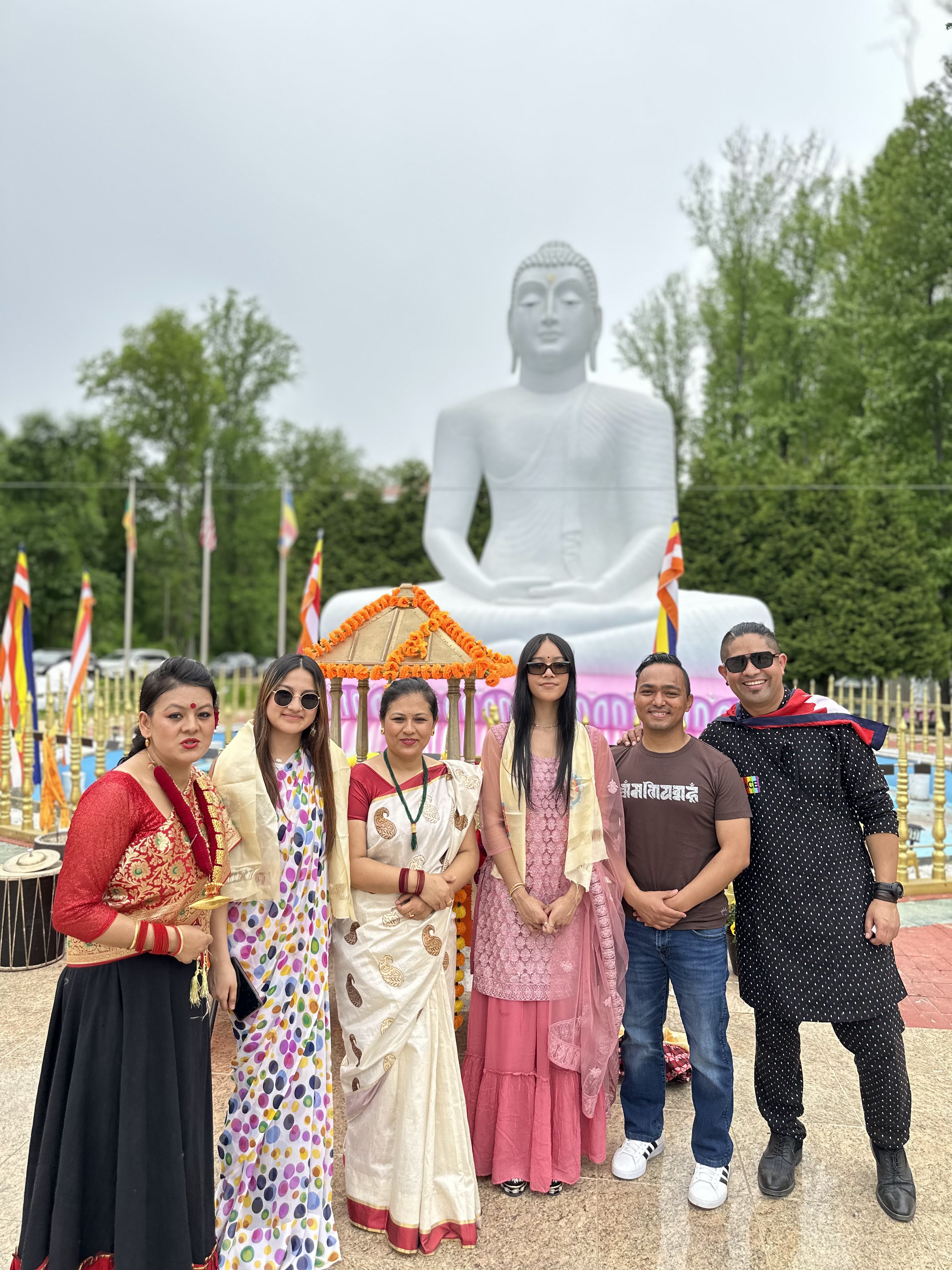
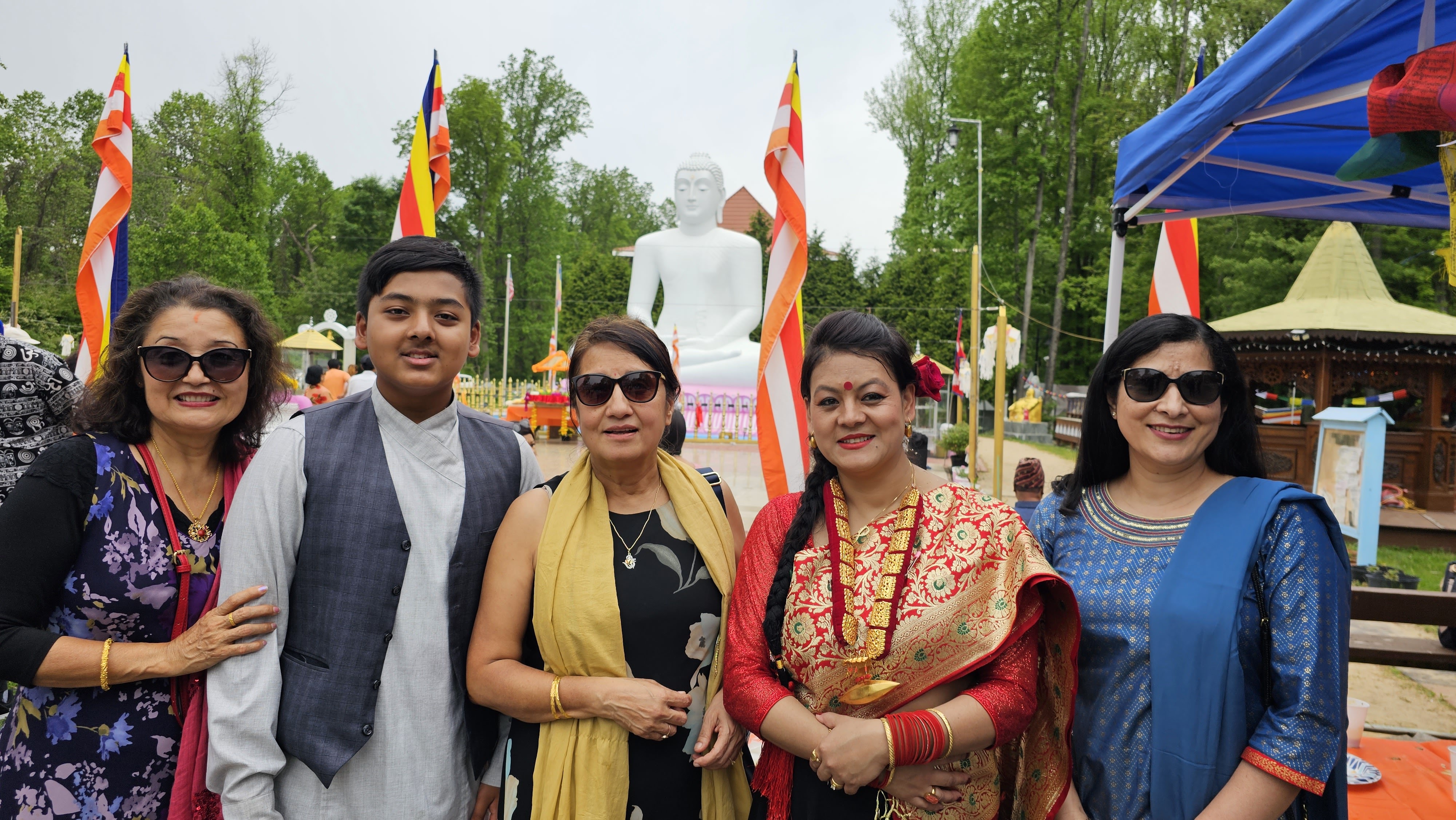
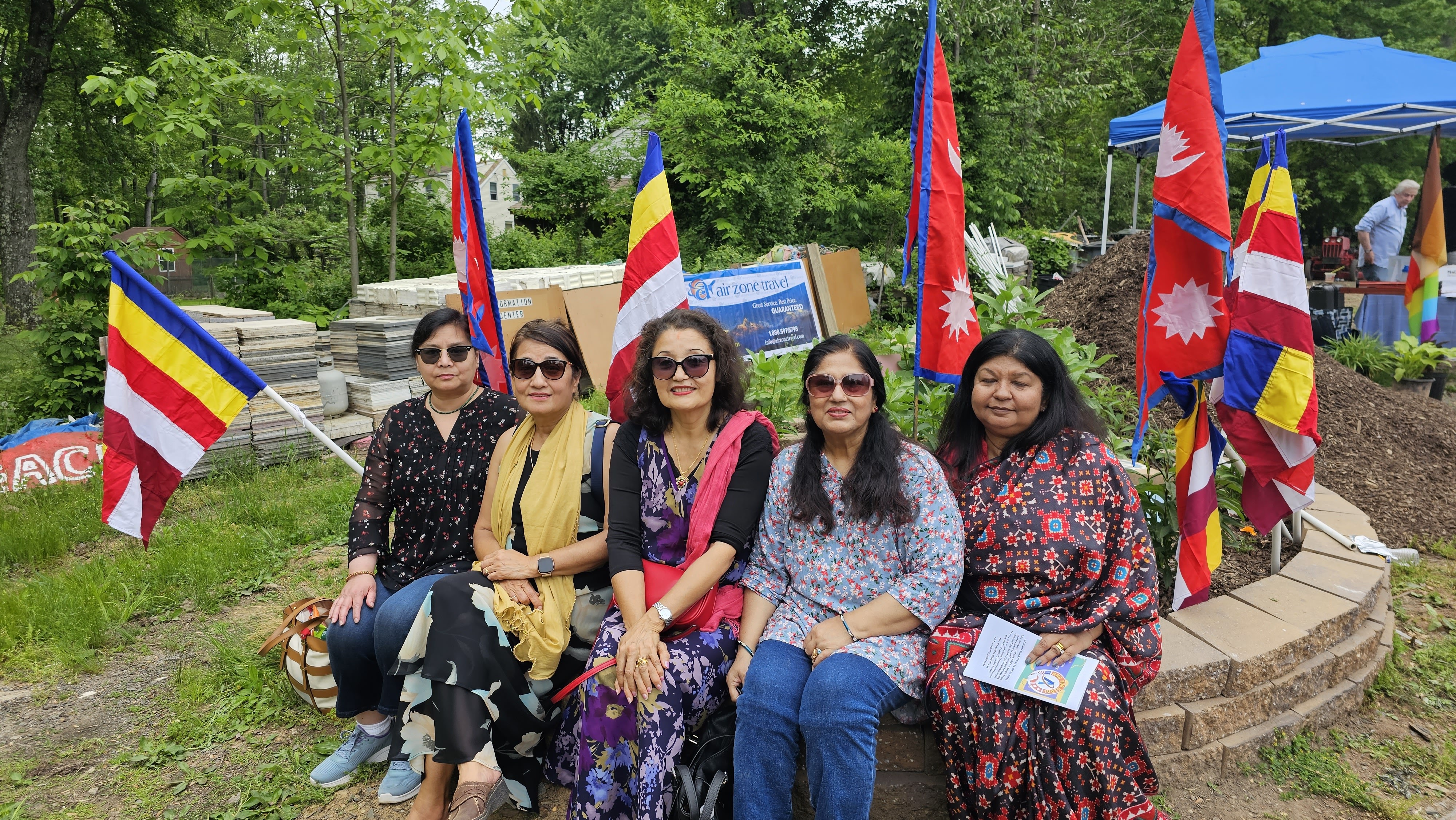
This year, friends of Nepal-New Jersey held their annual Buddha Jayanti event on the thirteenth of May with a new twist- they also celebrated Nepal Culture Day. Held at the New Jersey Buddhist Vihara in Princeton, the event featured prayers, kid’s art projects, story times, speeches, dance performances, and even a parade. Led by a carriage built by members of FONNJ, attendees took laps around the large Buddha statue featured at the temple.
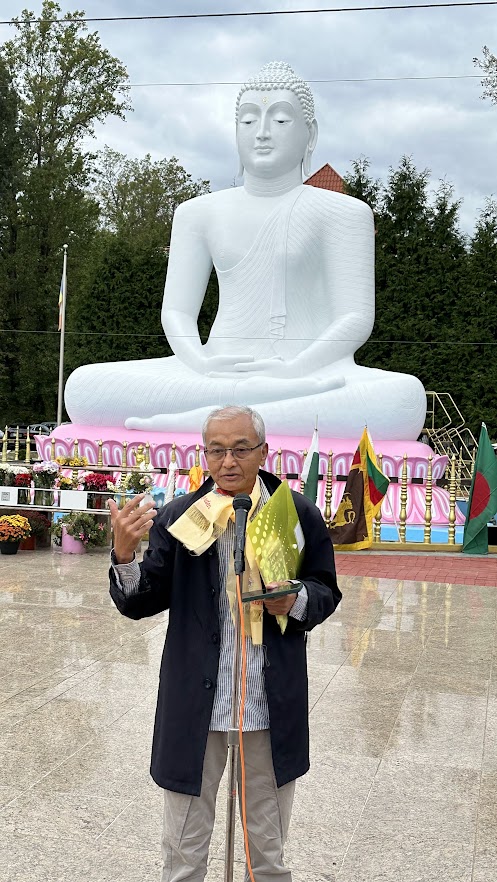
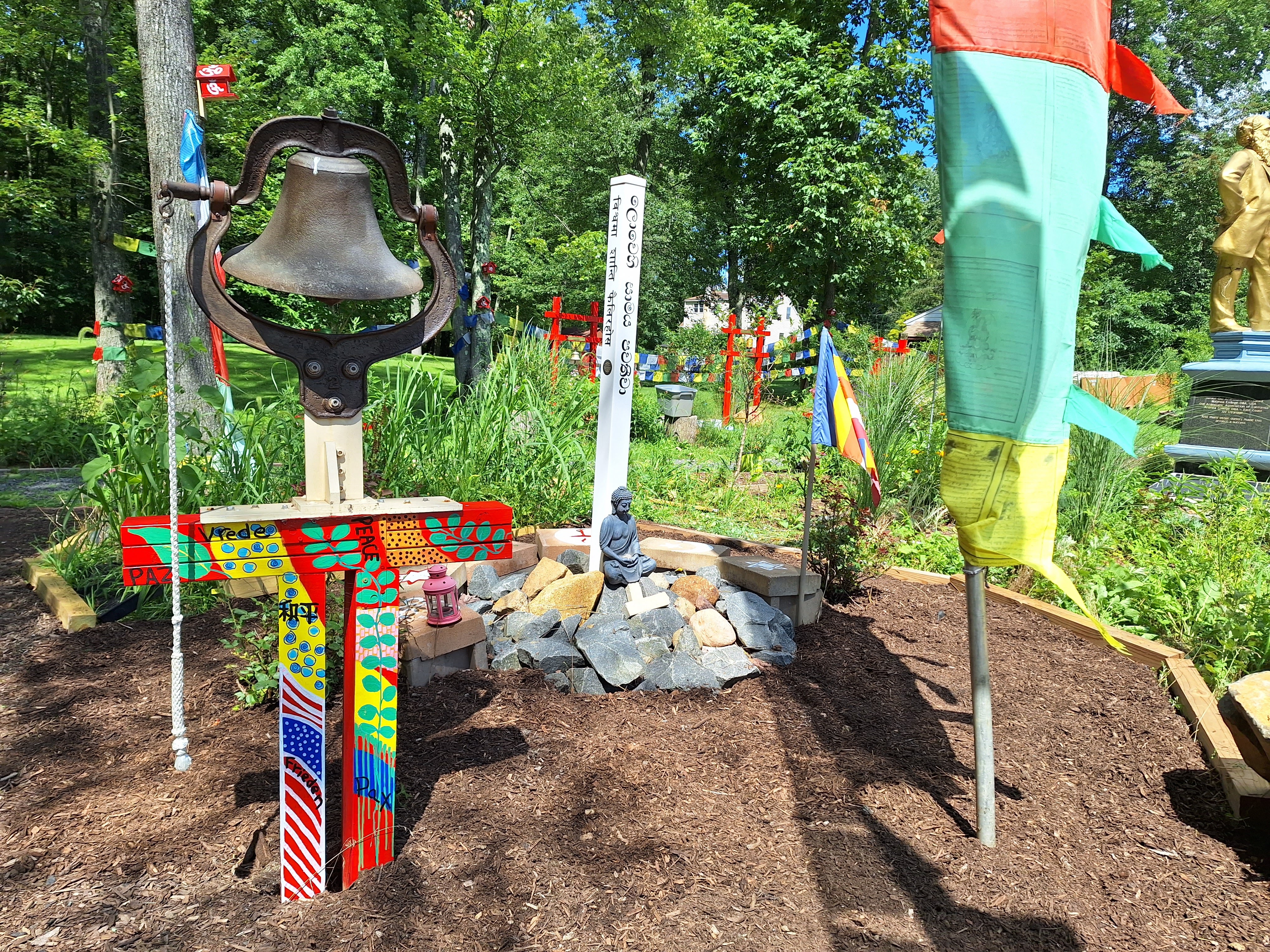
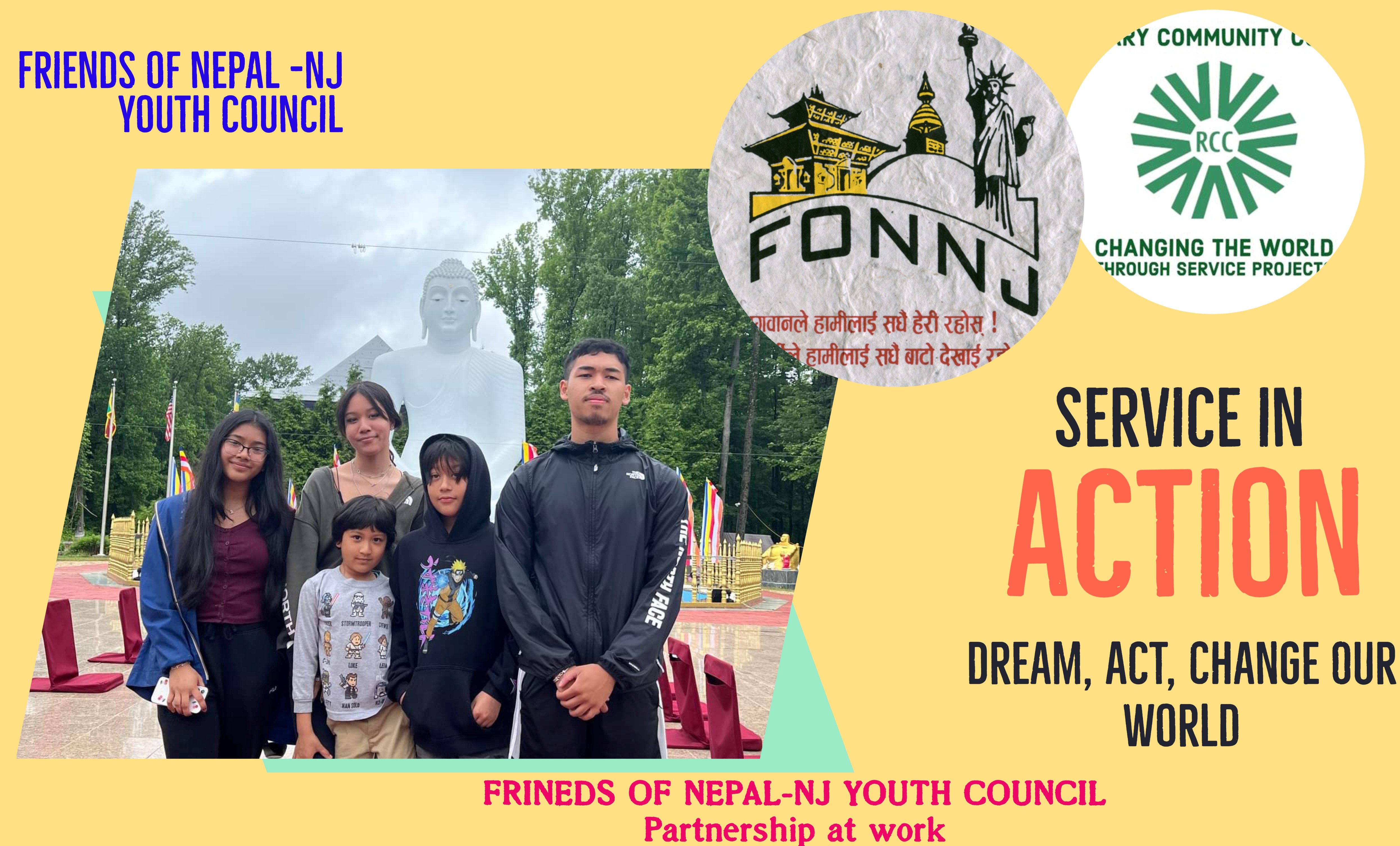
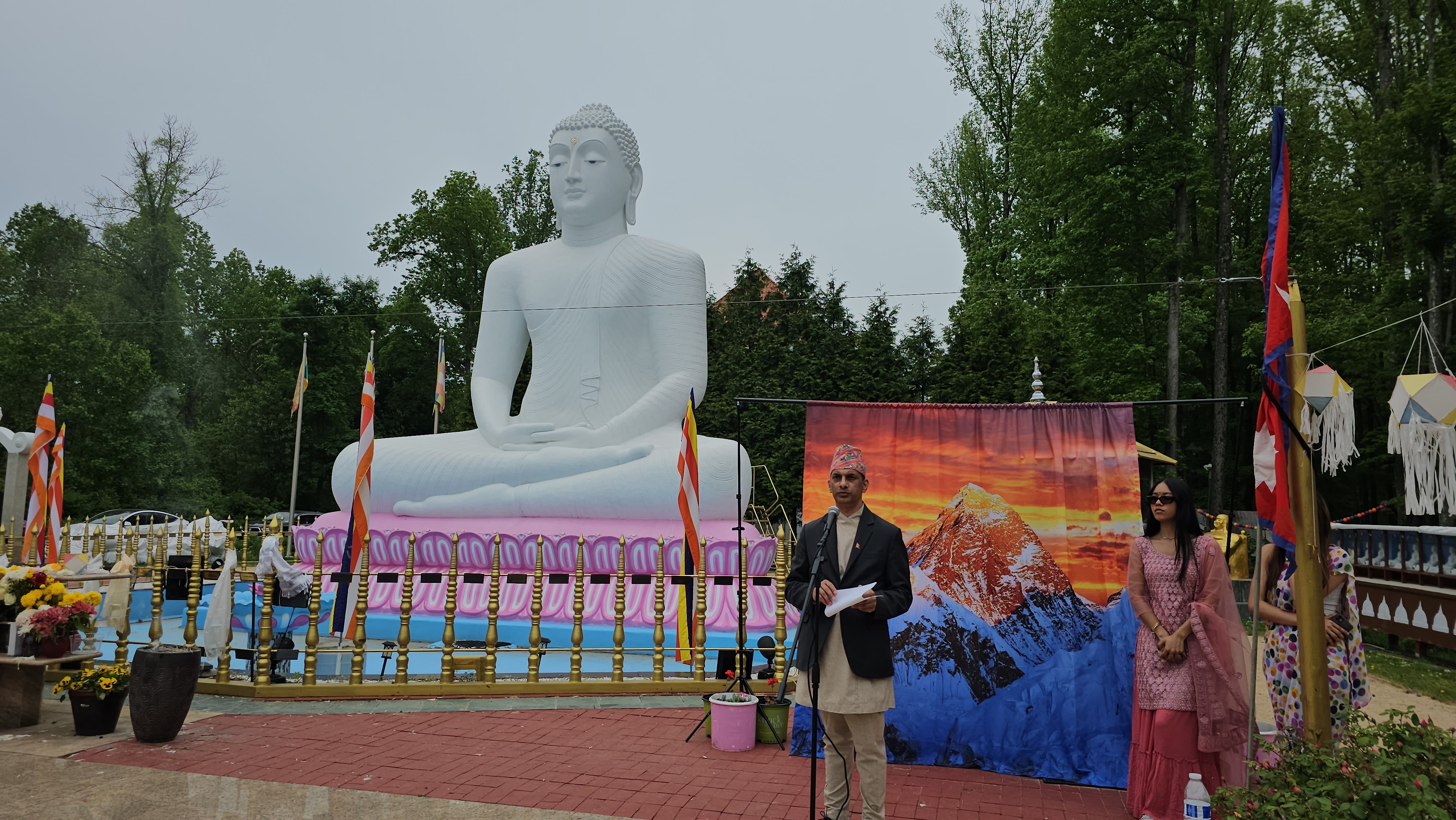
A bell ringing ceremony initiated the start of the event, where FONNJ President Roshan Karmacharya and former President Tulsi Maharjan delivered a speech then rang the bell at the peace garden. Members of the youth team have been working on the Peace Garden every other Sunday. “We’ve been working on the garden, fixing it up and cleaning. It symbolizes peace and diversity and inclusion within all religions. People of all races and religions are welcome to visit.” said Avash Lamichane, a volunteer part of the youth team. They have transformed what was the plain patch of land next to the temple into a beautiful garden with a pathway which includes flags, flowers, painted rocks, and decorations.
The youth chapter, a new group started under FONNJ, is a program catered towards the younger generation, where they participate in volunteering events, fundraisers, leadership opportunities, and more. “Our focus was on fostering a sense of unity, where individual identities were set aside, and each team member made an equal contribution and exerted their efforts. Alongside our offerings to Lord Buddha, a symbol of reverence and inspiration, which held great significance for us, we also dedicated ourselves to ensuring the success of Nepal Day.” said Suresh Shrestha, a leader of the youth team.
Nepali school students performed during the event. These students were taught by Kabina Singh. “Every Sunday we start Nepali class with the Nepali anthem since 2021,” Kabina Singh, the teacher of the group, said. The American national anthem followed, sung by Sahara Maharjan, a youth team member. A welcoming speech talking about the meaning of Buddha Jayanti and why it’s important to celebrate was delivered by Nepal Consulate General Bishnu Gautam before Pragya Shrestha and Ritee Karmacharya took over to MC the event. “I was nervous at first, but it was fun to announce the activities with Ritee. We also read the story of Buddha’s life to the audience.” said MC Pragya, a Rutgers freshman studying biology.
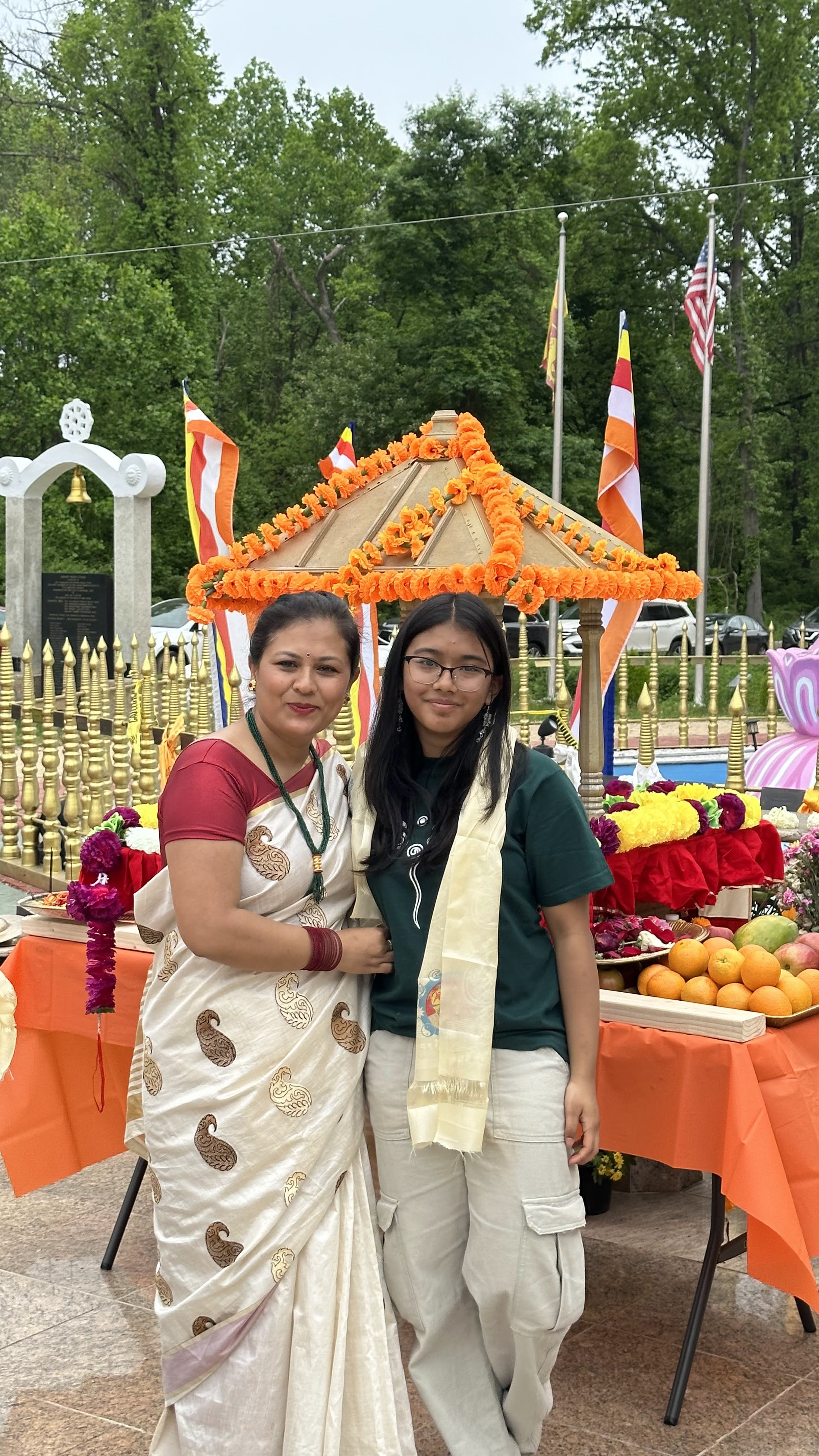
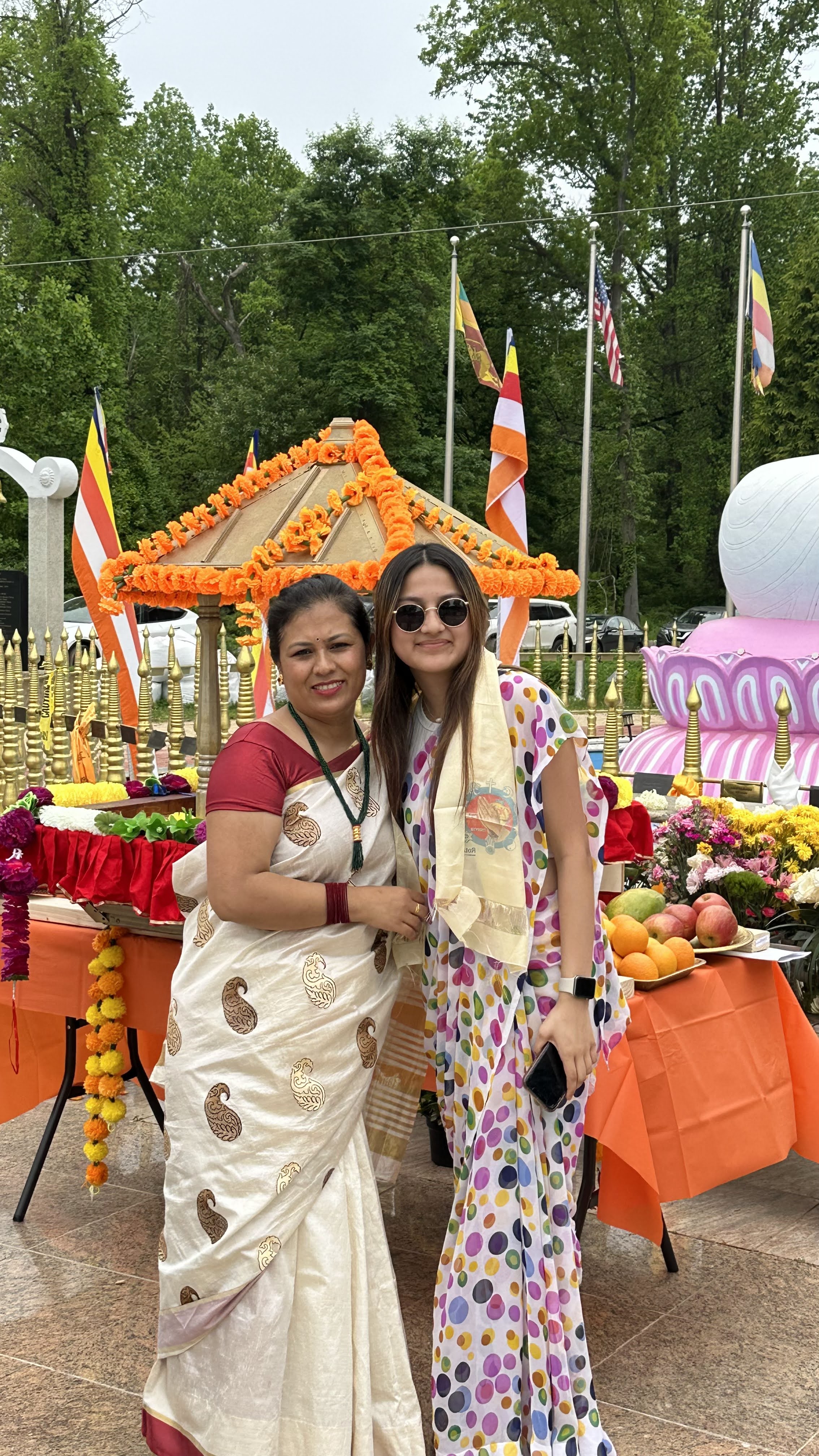
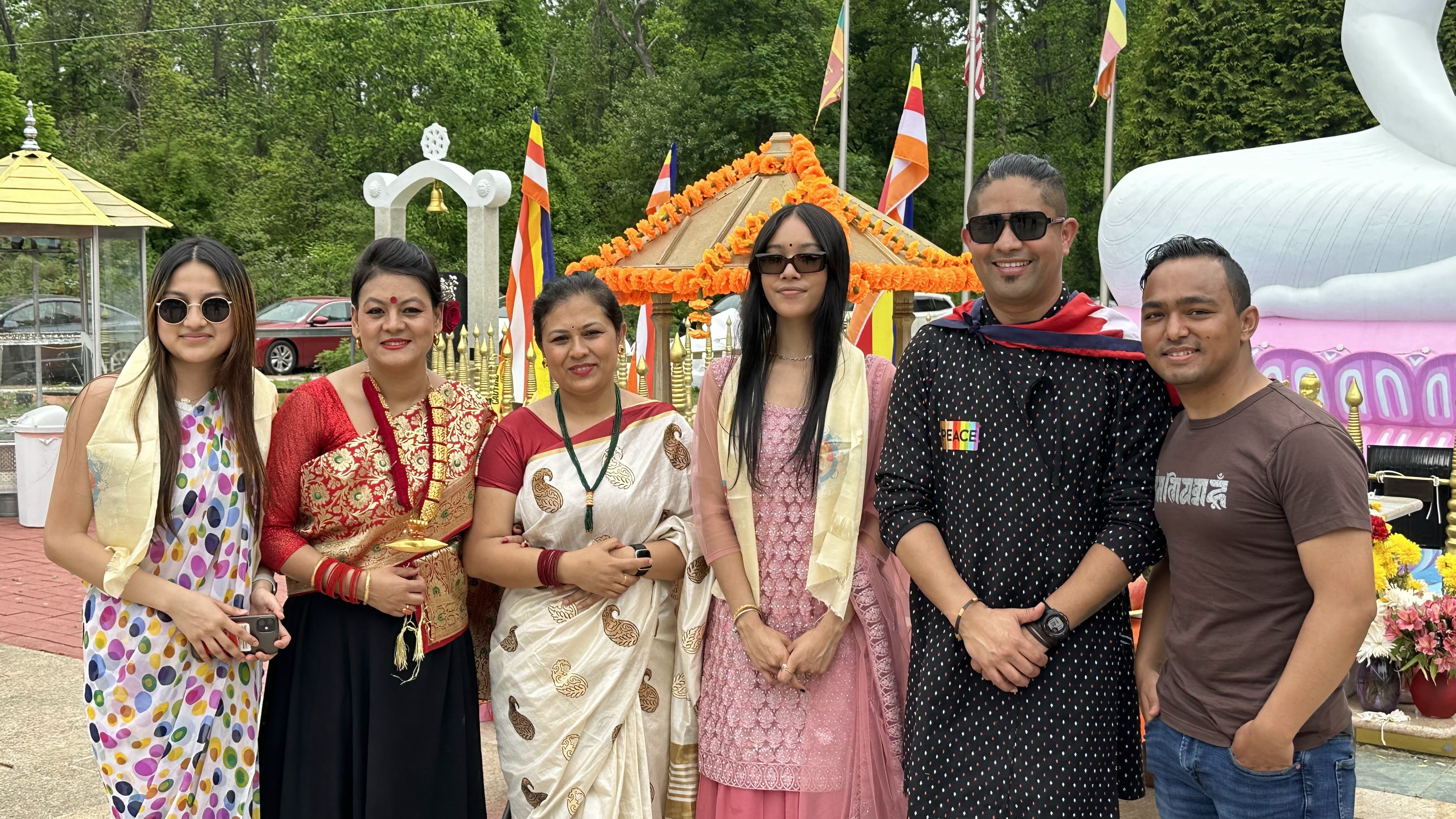
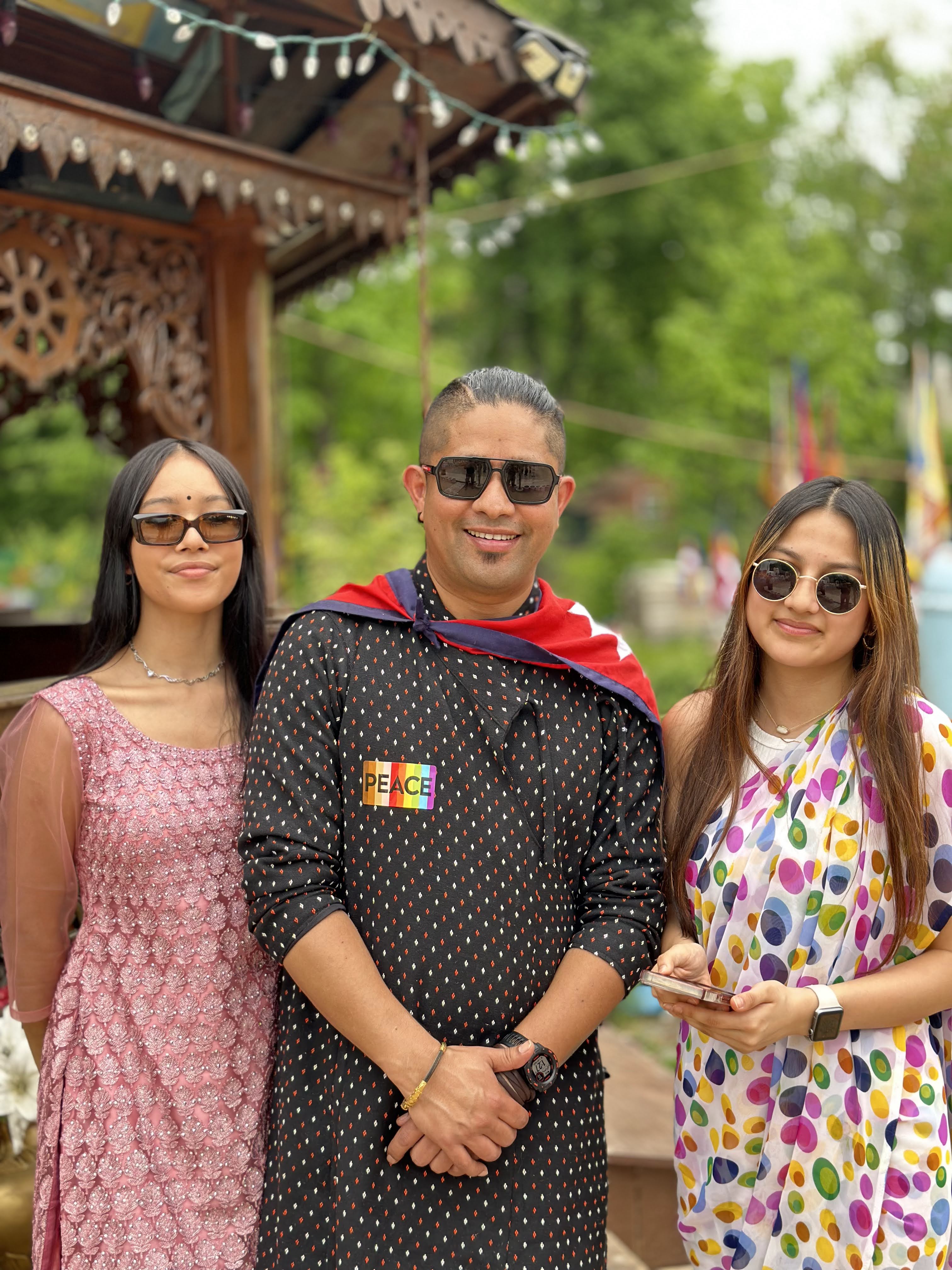
A parade led by a carriage carried by members of the organization with a mini statue of Buddha inside of it followed, and all guests walked around the large Buddha statue three times. FONNJ members worked together to build the carriage, symbolizing a rath in order to honor the god. Fruits, flowers, and dhoop were laid out in front of the temple as an offering. Guests carried flags and dressed in their cultural attire to show their Nepali pride. Students from the Old Bridge Nepali Class performed to a variety of songs featuring Buddha and unity between different ethnic groups within Nepal. Kabina Singh and Menuka Udas led prayers where everyone sat together and chanted the Buddhist prayer “Namo Tassa.”
As the event concluded, guests helped themselves to authentic Nepali food, which included rice, cheura, aloo tama, and more. Members of FONNJ contributed to the food and most brought something along with them.
According to Dr. Maharjan, Founding President, “It was great to see diverse groups of people representing various ethnic communities from Nepal as well as various communities. 35 years ago, when I first came to New Jersey, I had to drive one hour to go to Buddhist Vihara, now it’s only 15 minutes from my home. It was great to celebrate Buddha’s Birthday with a diverse group of people including American and other South Asian friends. I would like to congratulate youth Leadership team members for their dedication and commitment to promote and preserve Nepalese cultural heritage in America. We look forward to having an even greater event next year with everyone’s participation”.
“The event was a huge success,” President Karmacharya says. “It had an amazing turnout and it was even better than we expected,” he added. If you missed out on this year’s amazing event, be sure to join next year!
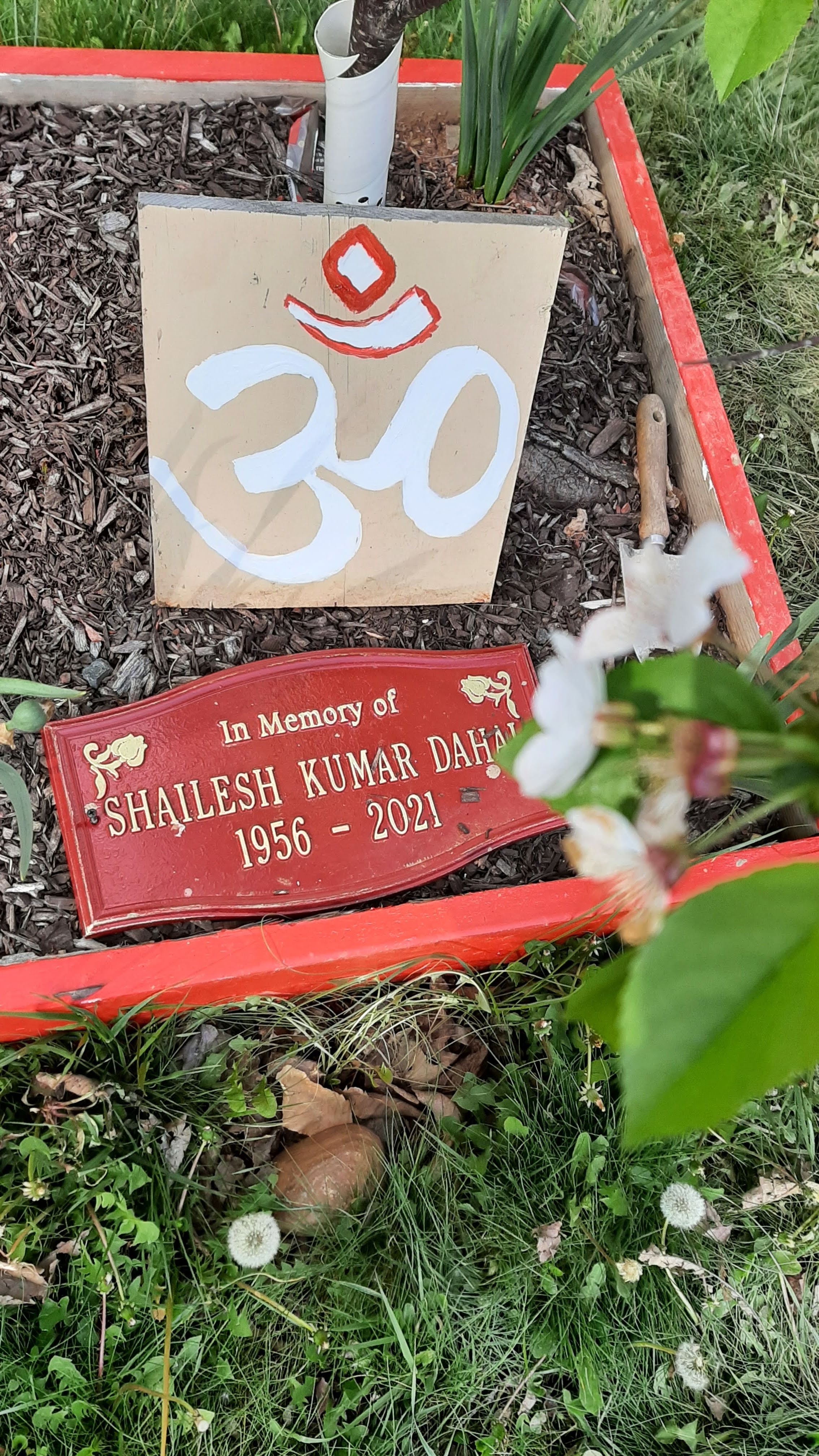
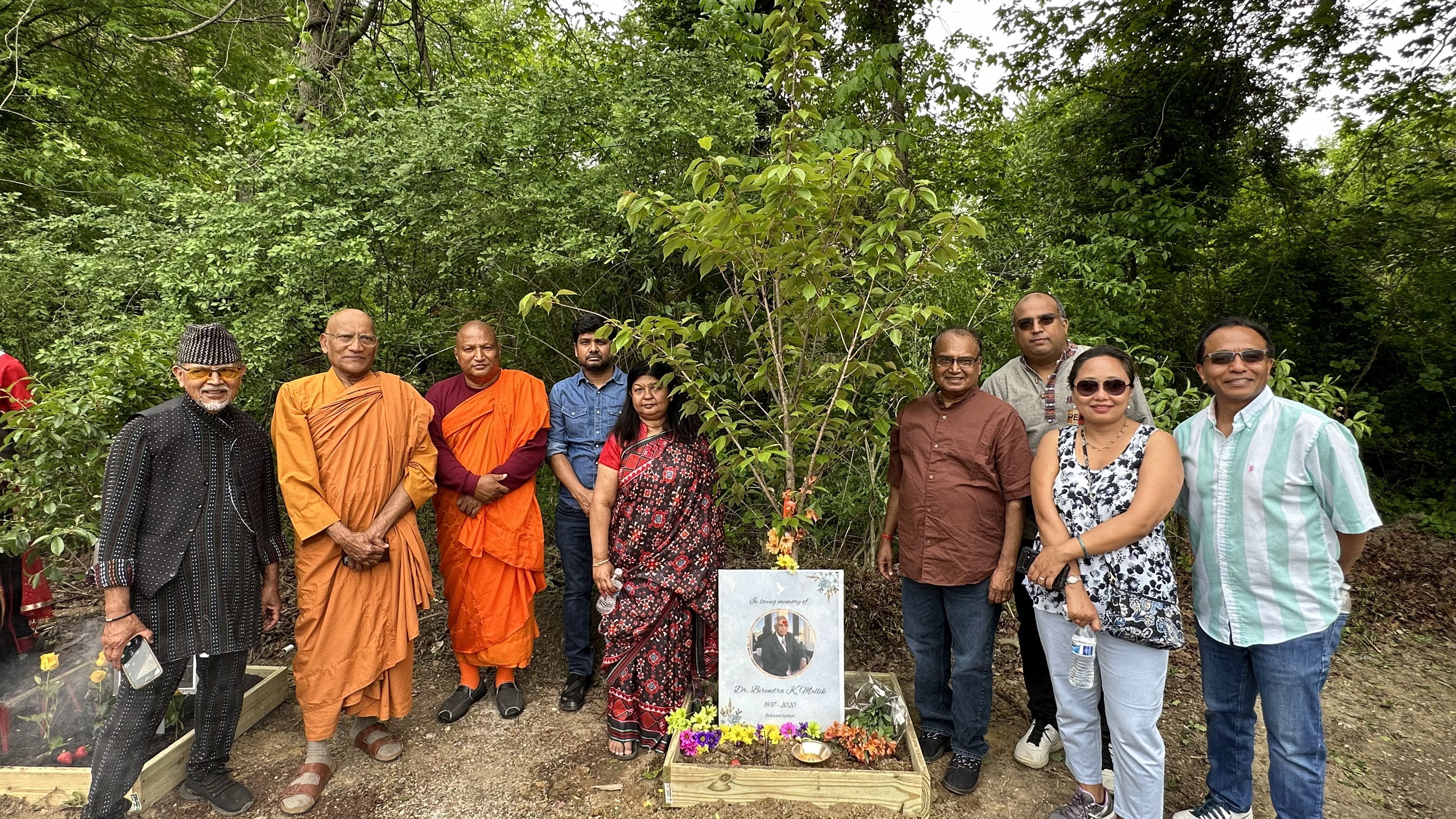
Before end of the event, three trees were planted in memory of the FONNJ families who had passed away this year. “People are welcome to come plant a tree at the peace garden in memory of a lost one.” said FONNJ President Roshan Karmacharya.
Posted on Photos provided by Bhushan Shrestha, Rakesh Shrestha and Bikash Shrestha
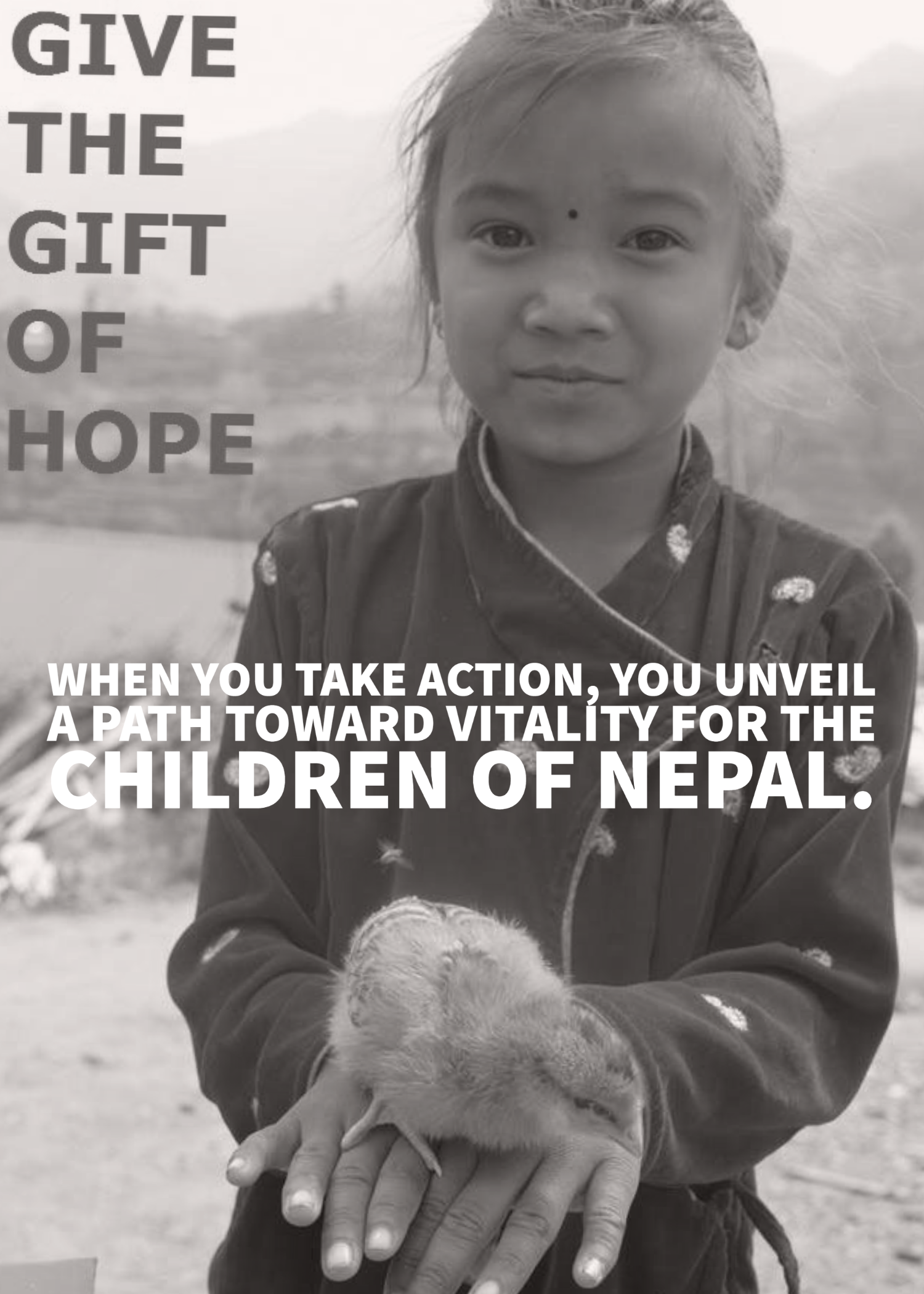
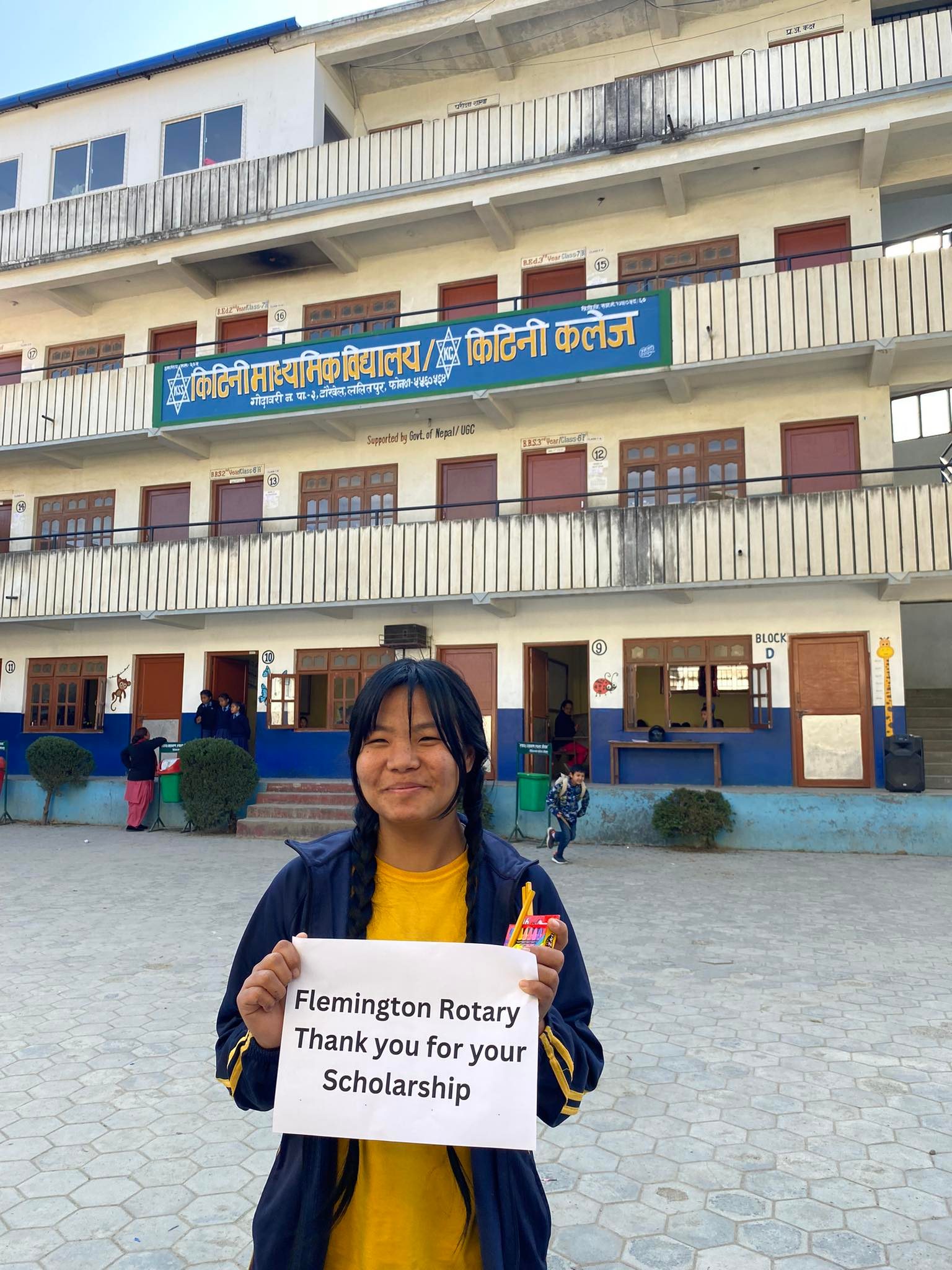
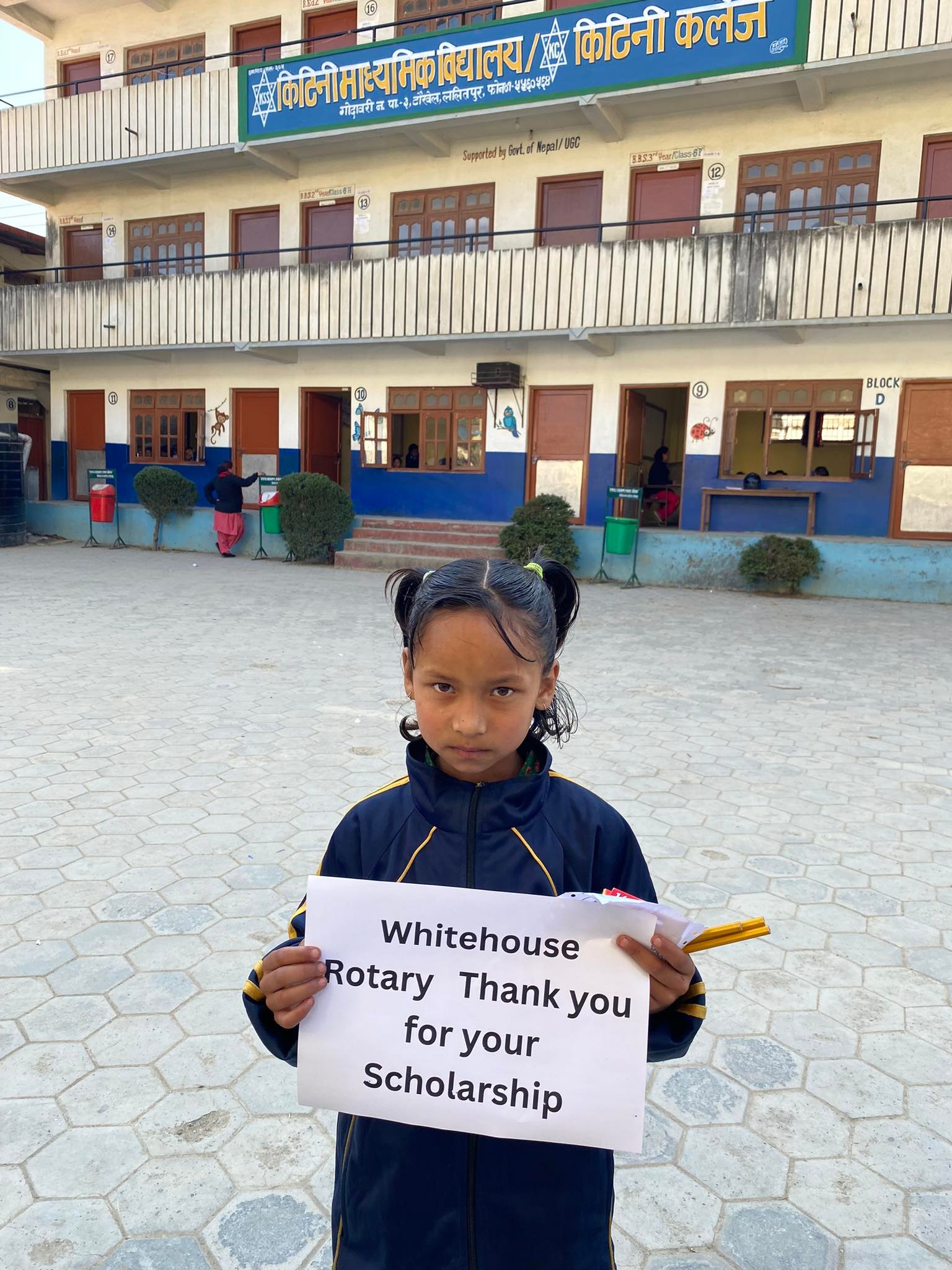
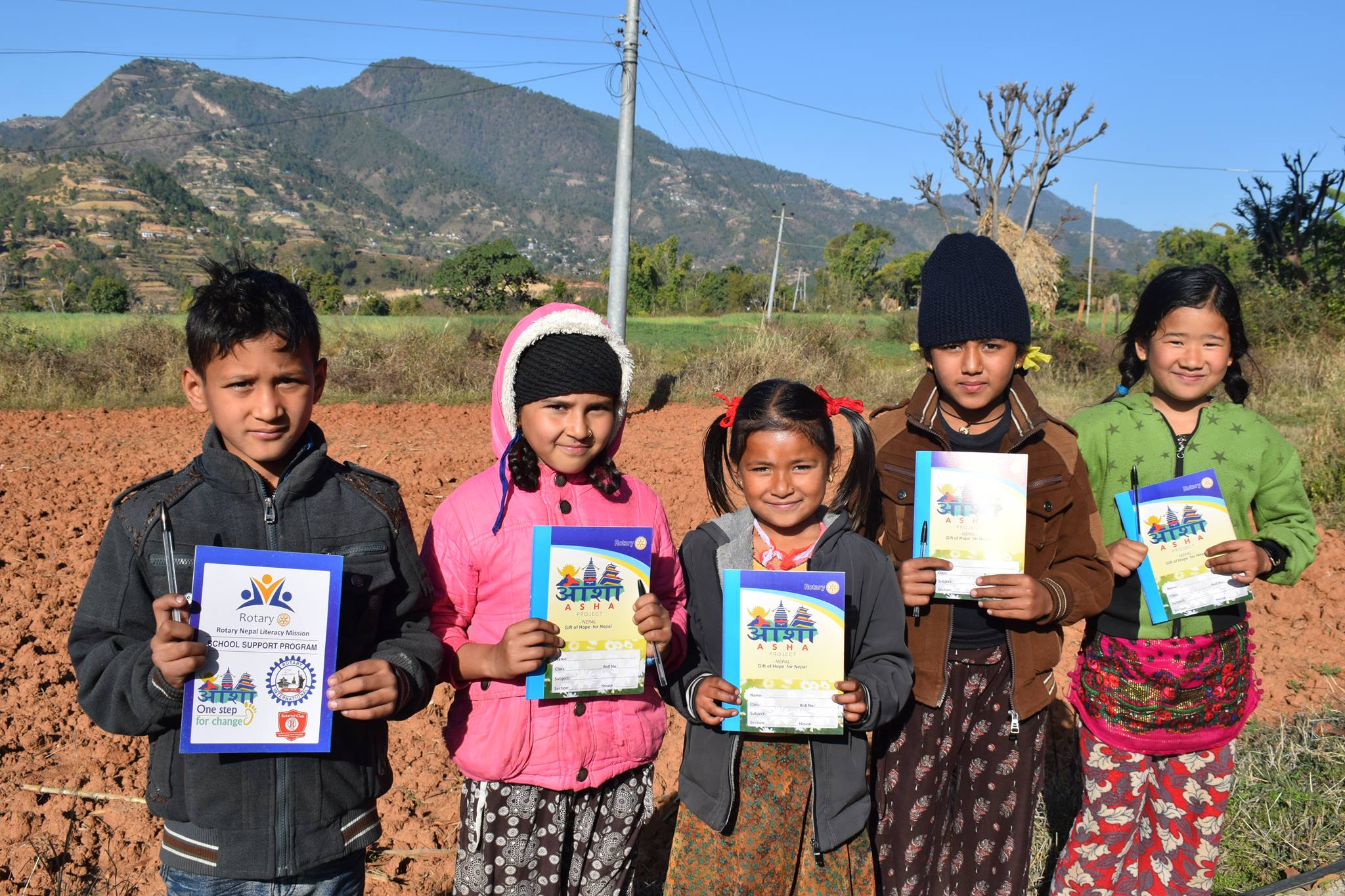
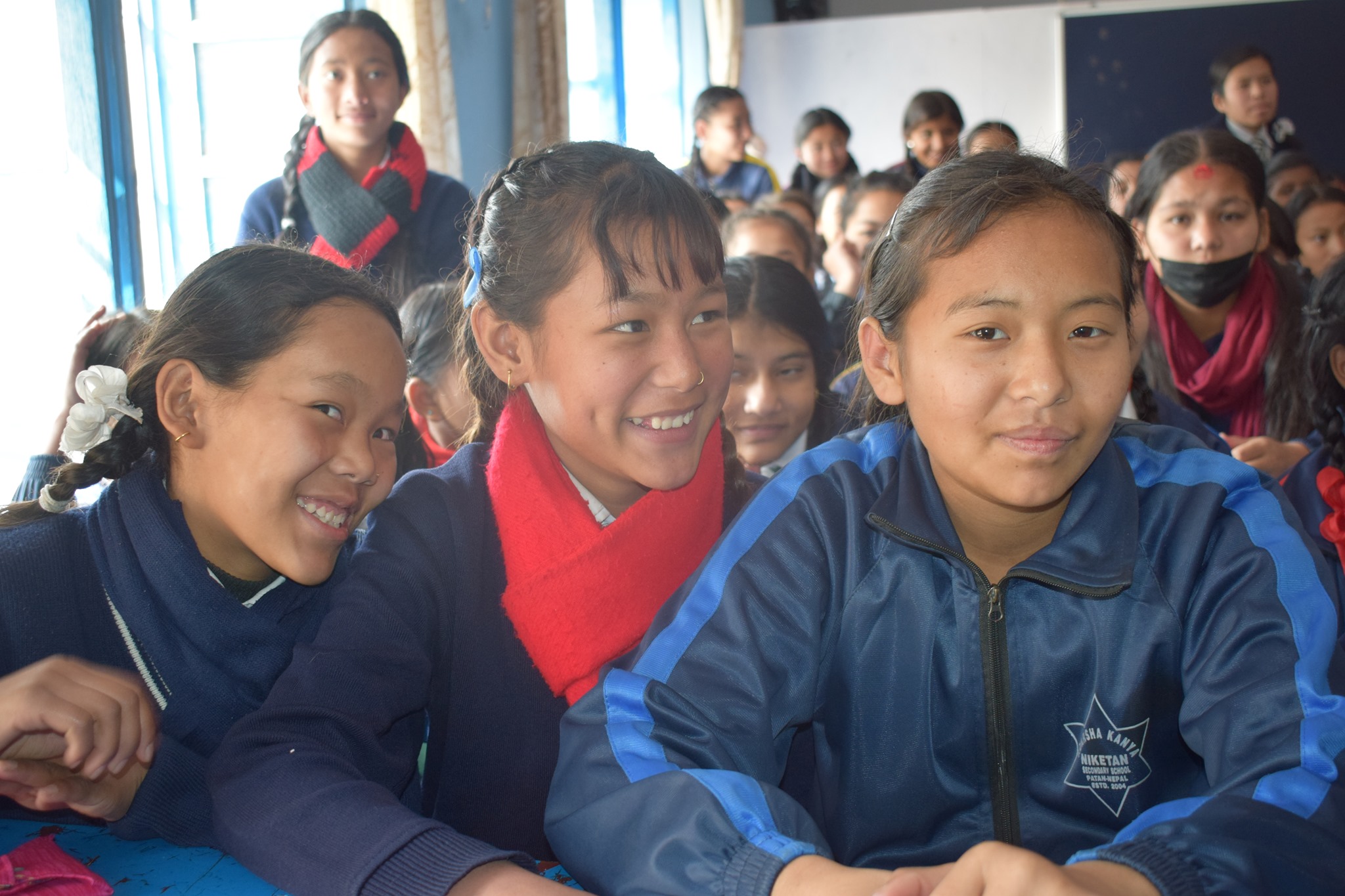
FONNJ’s annual Scholarship Drive is set to end on July 30, 2023. However, the club is just $2000 short of its $7,000 goal and is hoping the community can help. “By donating, you can inspire, influence, and encourage community’s upcoming leaders and dreamers to flourish in the future,” Roshan Karmachary, President of the FONNJ, said.
Last year, the club gave out more than $5,000. This drive is only a small piece of the club’s fundraising initiative for its scholarship program. Over the past 33 years, the Friends of Nepal- NJ and the Asha Project has distributed over $168,000 in scholarships to poor children in Nepal.
“We are trying to help close the gap between cost and the ability to get an education for Nepalese students. We want to ensure greater social mobility for future generations, and to encourage these students to do their best to get education,” Dr. Tulsi Maharjan, Founding President of the FONNJ said.
Any donation or sponsorship is appreciated. The club’s sponsor levels and benefits can be found on its website at http://www.fonnj.com/donation Donations can be mailed to P.O. Box 5015, Somerville, NJ 08876. Donations can also be by credit card through the FONNJ’s website,. The drive ends on July 30, 2023.









































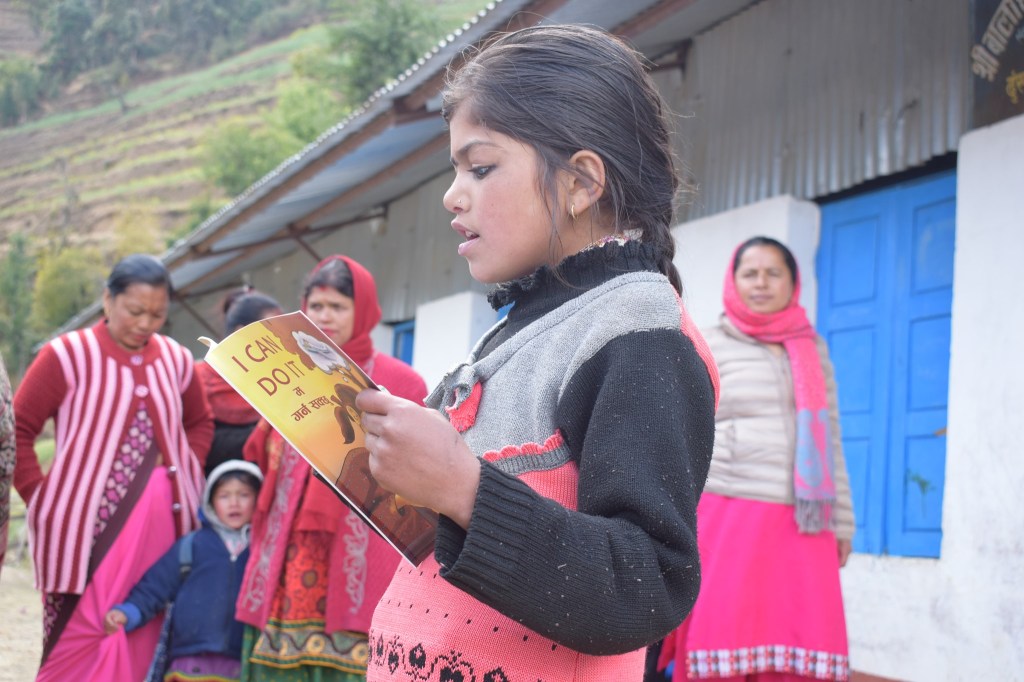
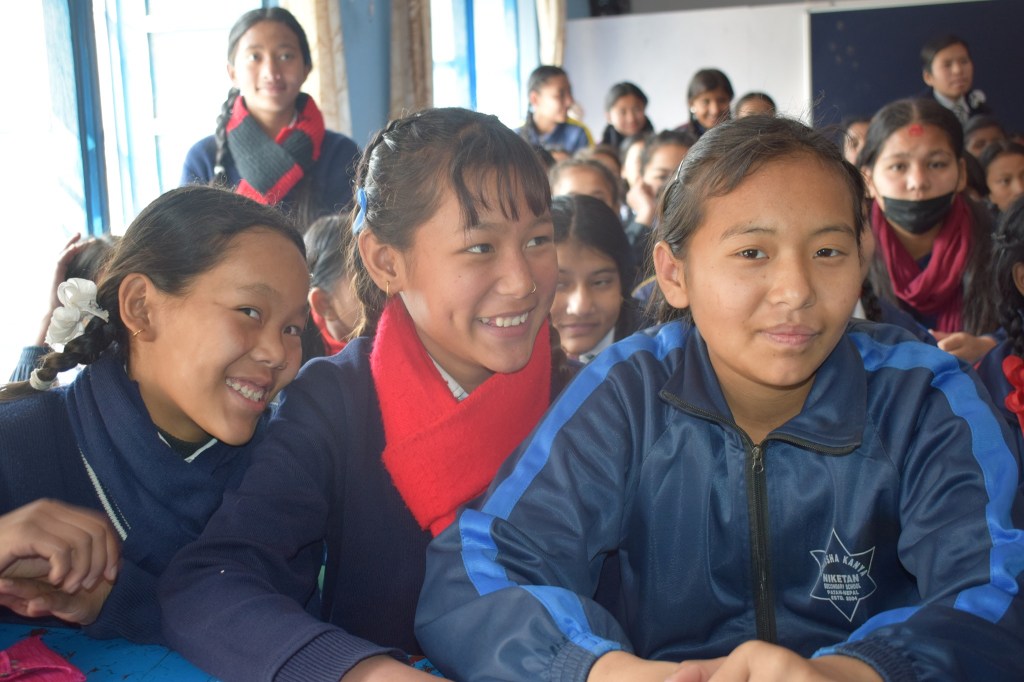
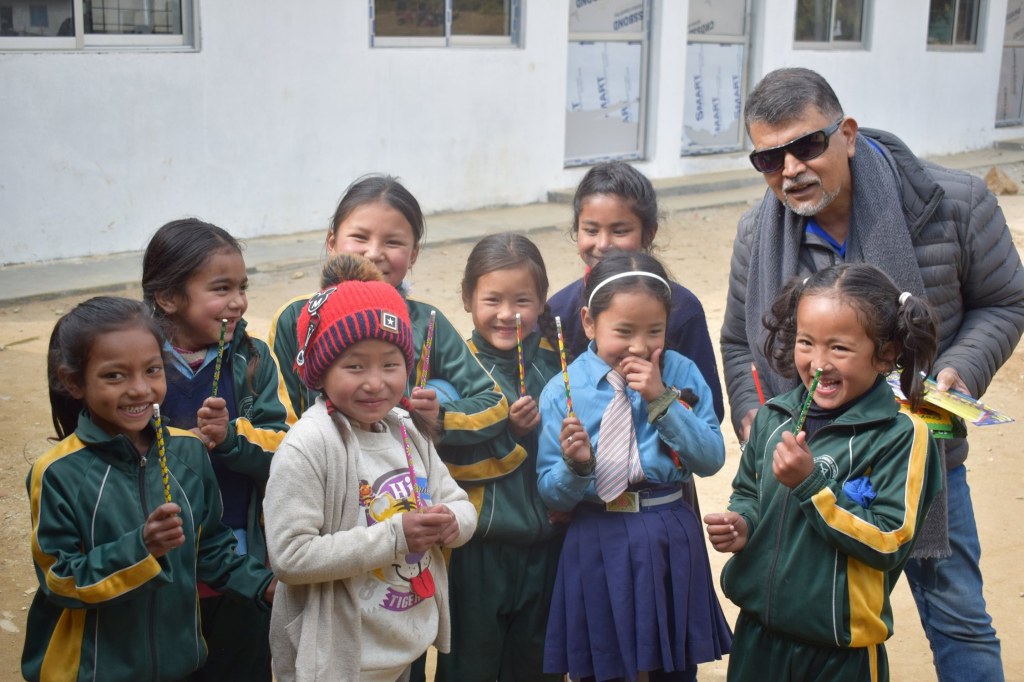






















































































































 The Asha Project