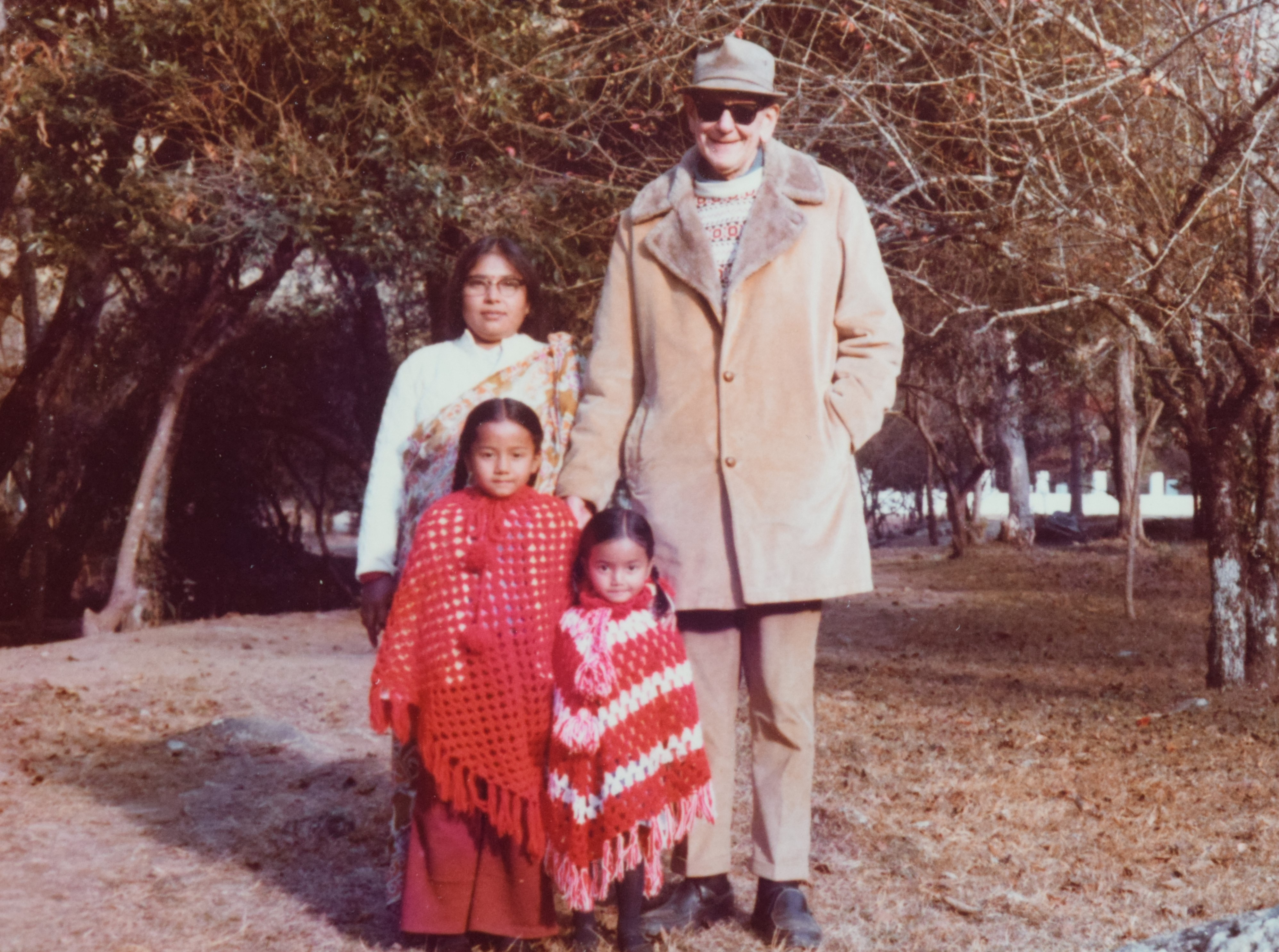
साउन १५ ,काठमाडौँ। ८८ वर्ष अगाडि नेपालमा जन्मेकी उषा महर्जन पुल्चोककै सबैभन्दा प्रिय र सम्मानित व्यक्ति बन्नेछिन सायदै कसैले सोचेको थियो होला। यति मात्र भन्दा तपाई को मनमा प्रश्न आउन सक्छ , को हुन् उषा महर्जन? ?कसरी लोकप्रिय र सम्मानित बनिन ?
आज हामी यिनै प्रश्न को उत्तर र उषा महर्जन को जीवनी लाइ समेट्न गइ रहेका छौं। बुबा लोक बिक्रम शाह र आमा रति देबी महर्जनको कोख बाट १९९० असार मा जन्मिएकी उषा महर्जन एक खुला हृदय कि महिला थिइन्। आफु मात्र गरूँ , आफु मात्र खाउँ र आफु मात्रै लाउँ भन्ने आजको यो स्वार्थी संसार मा म मात्र होइन मसंगै मैले धेरै लाई अघि बढ्न सहयोग र साथ् दिनुपर्छ भन्ने सोचाई राख्ने महिला थिइन उनि !
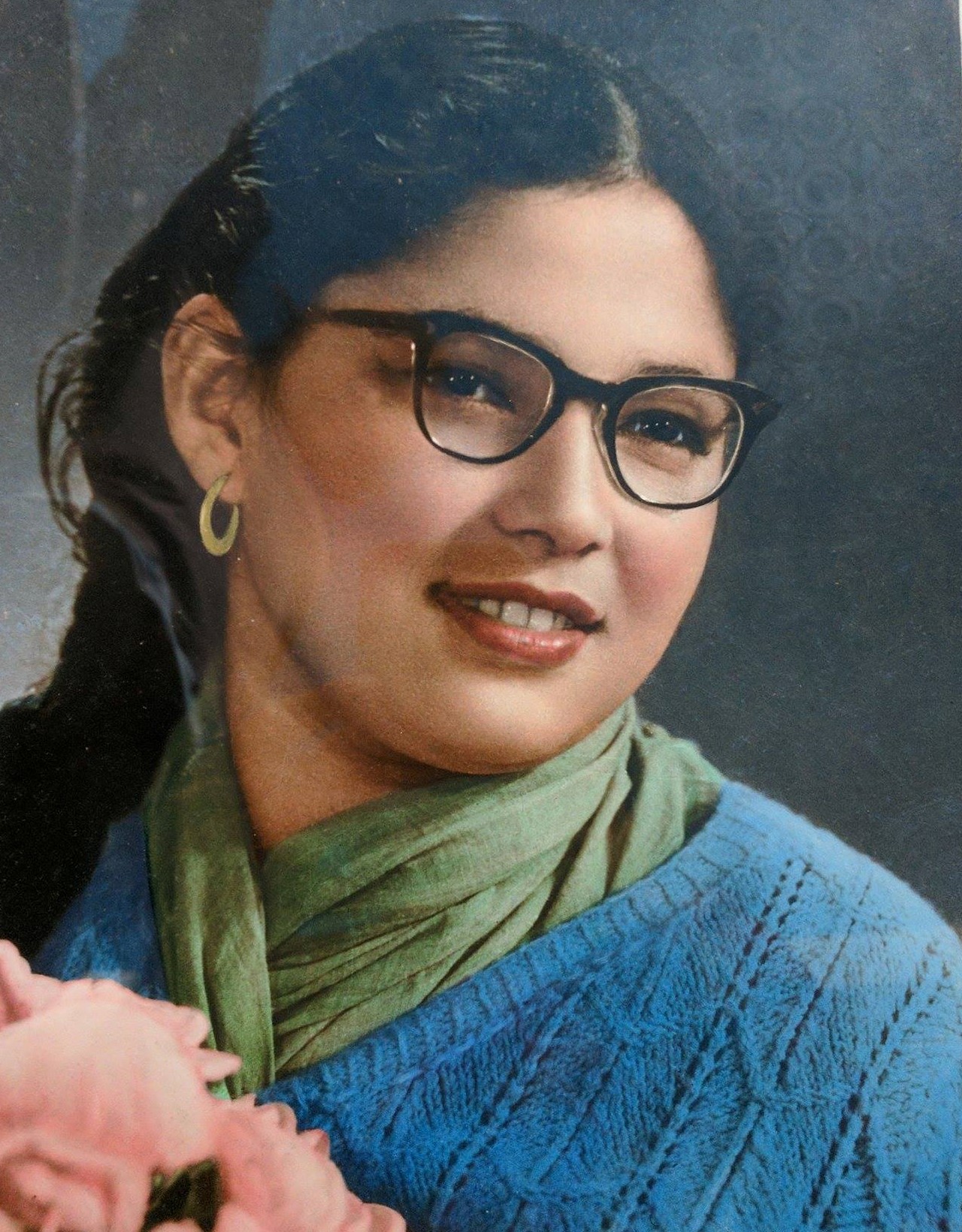
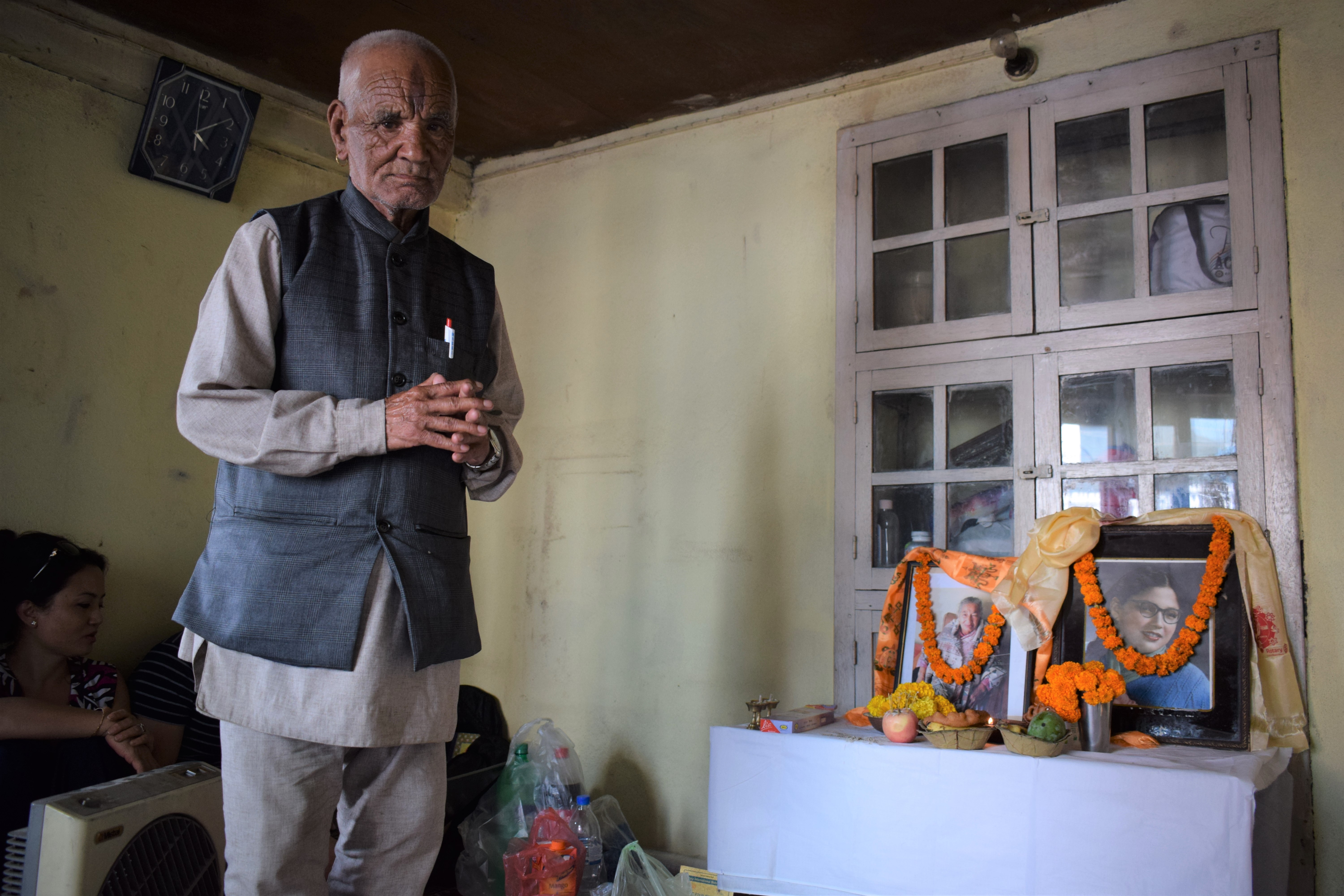
उनि पुलचोकको अनौपचारिक मेयर थिइन भन्दा फरक नपर्ला । उनी समुदाय र परिवारको आधारस्तम्भ थिइन। उनी शिक्षित थिइनन , तर अरुलाई शिक्षित बनाउन आफु बाट हुनसक्ने सक्दो सहयोग गर्थिन । उनि महान थिइन , गरिब , दुखि ,मेहेनती सबैको मर्म लाई आफ्नो मर्म बनाएर संधै नै लोक को सेवा मा , समाज सेवा मा तत्पर उषा आज हामि बीच छैनन् , उषा को आशा को दियो अब रहेन , आज धेरै मानिसहरु अभिभावक बिहिन महशुस गरिरहेका छन्। तर उषा ले जजसको जीवन मा दियो बालेर गएकी छिन त्यो दियो कहिले निभ्ने छैन , यो त सम्झना को दियो हो ,निराशापछि को आशा को दियो हो , कसैले पनि उनलाई चाहेर पनि आफ्नो मन र मस्तिस्क बाट निभाउन सक्दैन ! उनि ति सबै मनमा जीवित छिन , जसलाई सहयोग गरेर उनले नयाँ जीवन जिउन सिकाइन , जसको जीवन कोपिला बाट फुल बन्न सक्यो , असक्षम बाट सक्षम बन्न सक्यो , उदास बाट उत्साही बन्न सक्यो।
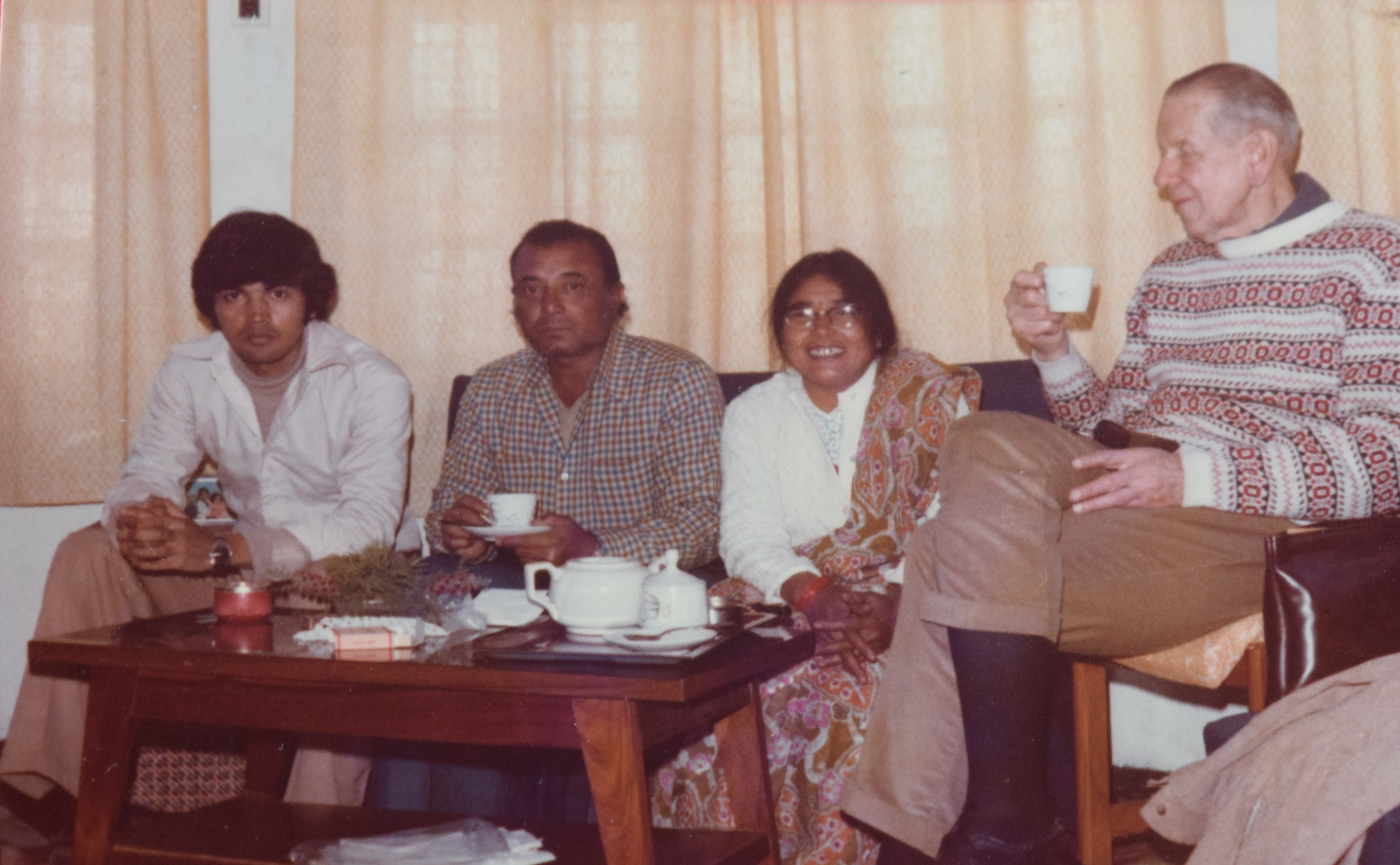
कुल नारायण महर्जन संग बिवाह गरेकी उषाका दुई छोराहरु रहेका छन् ,शालिकराम महर्जन र तुलसी राम महर्जन !कान्छा छोरा तुलसी राम लाई अध्ययन का लागि अमेरिका पठाएर , जेठो छोरो शालिक राम का साथ त्यो समय मा चाइना छिरेकी थिइन् उनि !
उनि आफु शिक्षा बाट टाढा रहे पनि आफ्ना सन्तान को शिक्षा मा कहिले बाधा व्यवधान आउन दिईनन ।निडर थिइन् उनि , हिम्मतिली थिइन् र अरुलाई हिम्मत दिन सिपालु थिइन्।
उनको प्रशंसक असंख्य छन् , समुदाय मा धेरै को लागी उनी एक सल्लाहकार थिइन । उनले धेरै शिक्षा बाट वञ्चित बच्चाहरूलाई सेन्ट जेभियर स्कूलमा पढ्न मद्दत गरिन ।
रोटरी मा पनि प्रख्यात थिइ न उषा ! यद्यपि उनी एक रोटेरियन थिइनन् ।रोटरी मा पनि उनका निर्णय सम्मान का साथ सुनिन्थ्ये ! बच्चा , बृद्ध , युवा सबै मा छाप छाड्न सफल उषाले हामि सबै लाइ छाडेर गइ सकेकी छन् तर हाम्रो मन बाट आफ्नो याद , माया , सम्मान लाई हामिबाट लिएर जान सकिनन्।
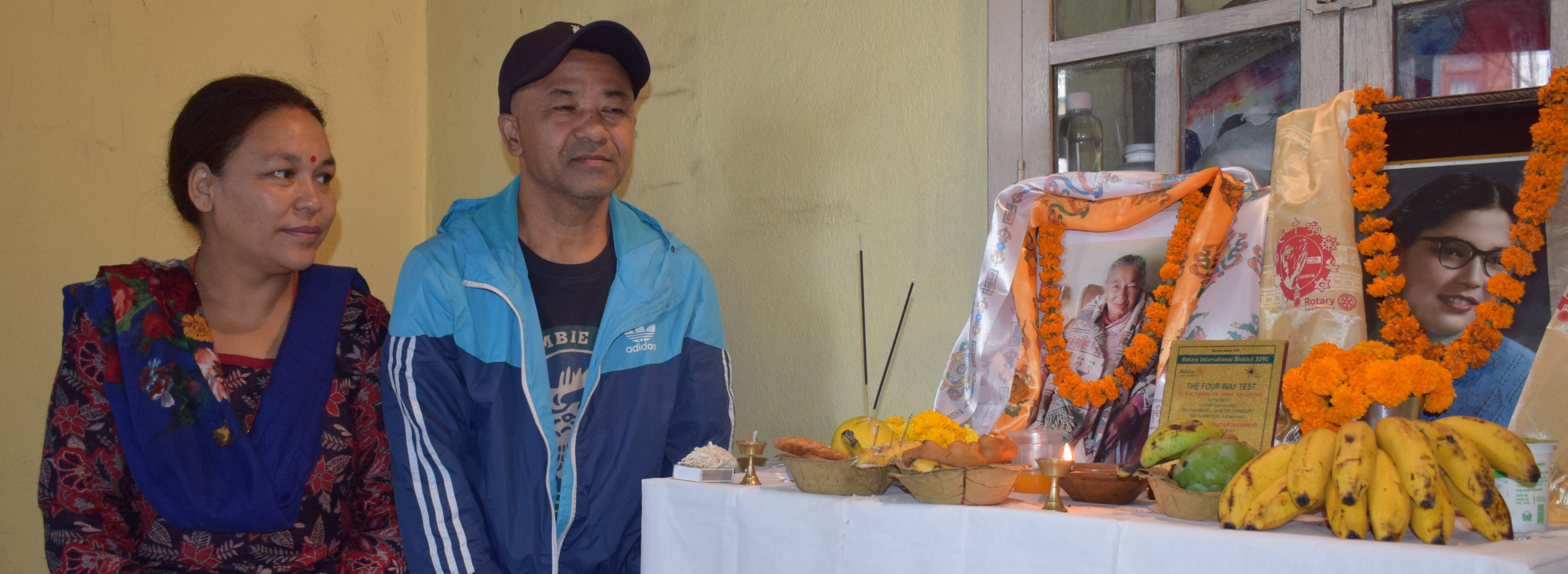
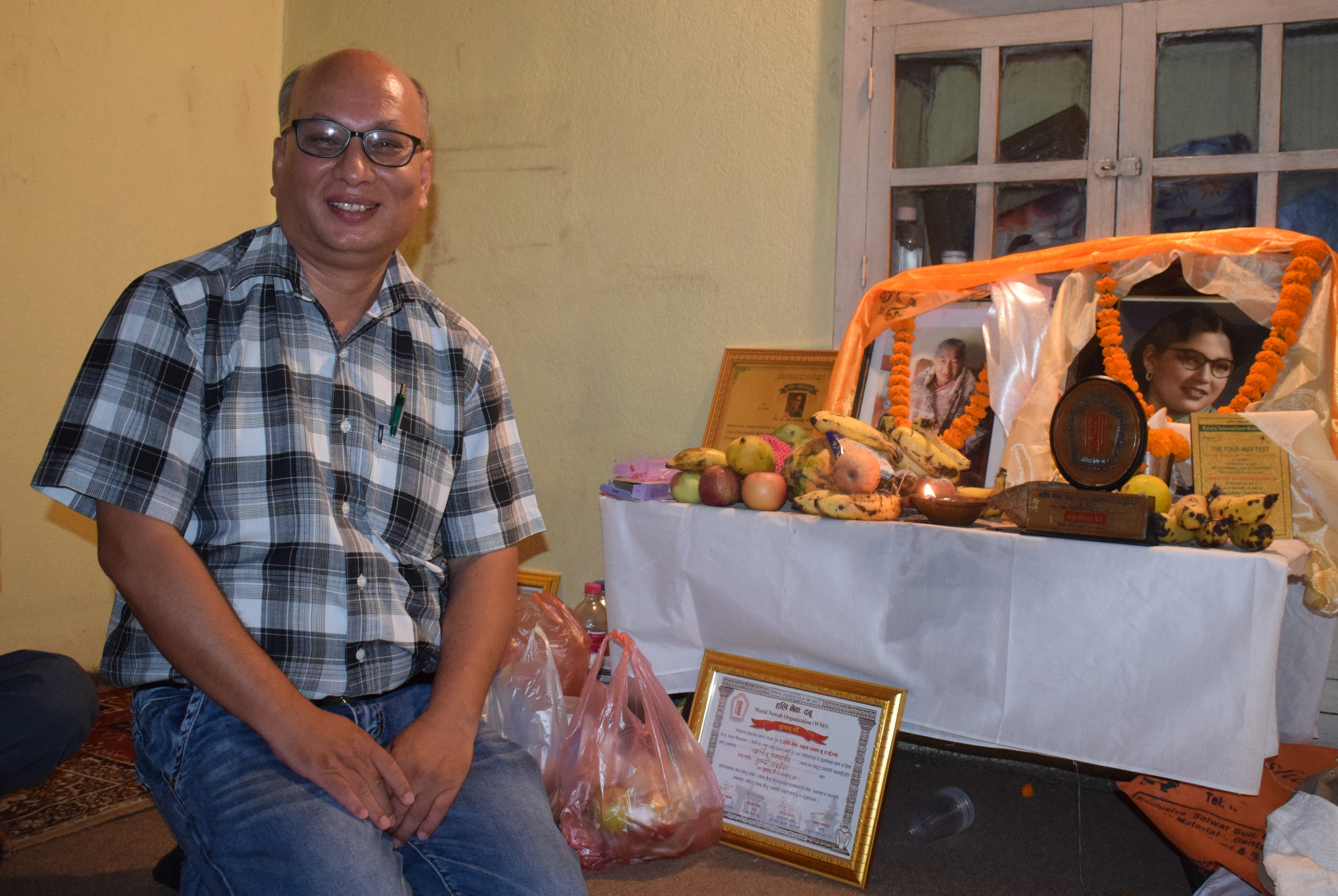
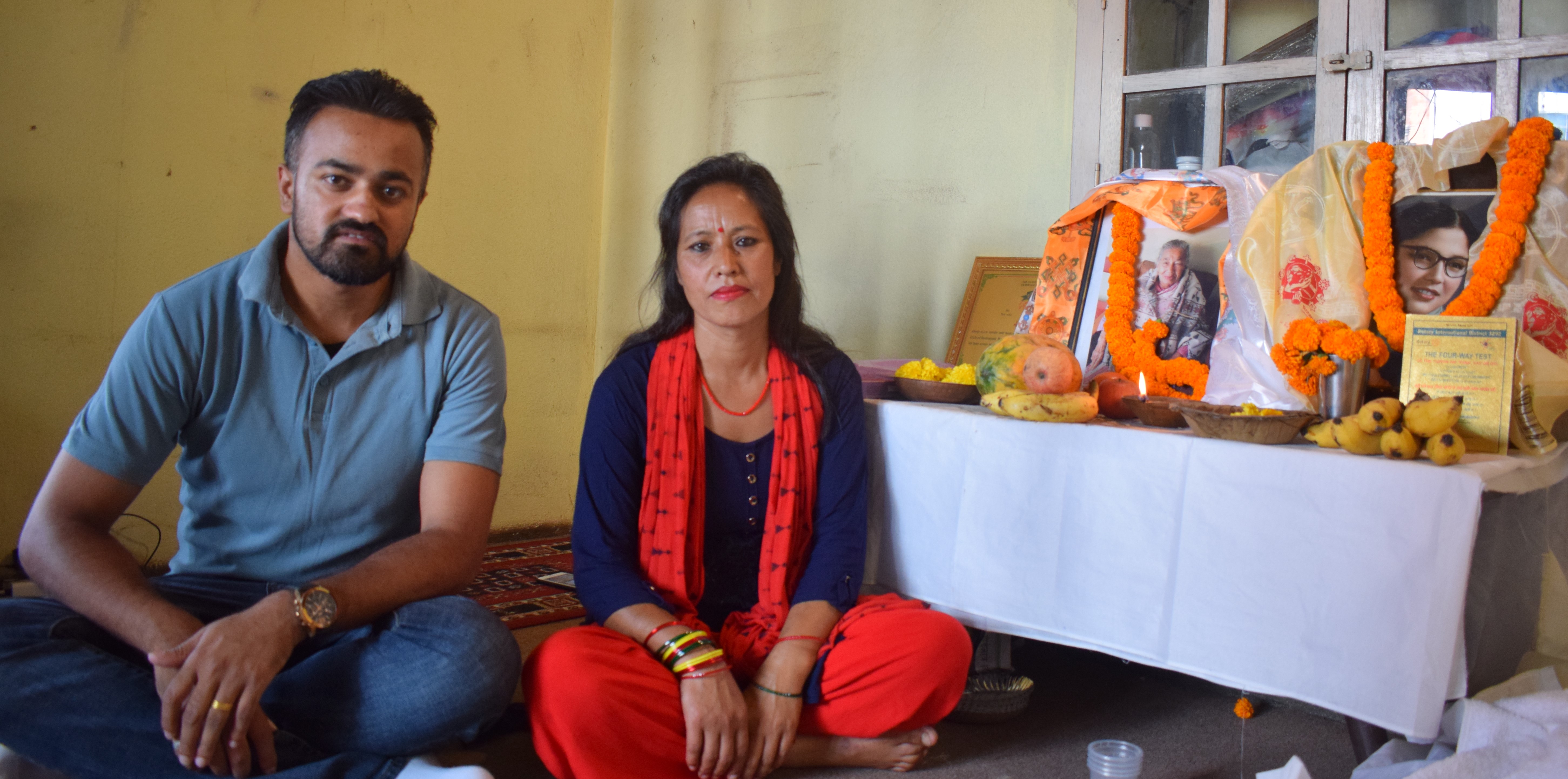
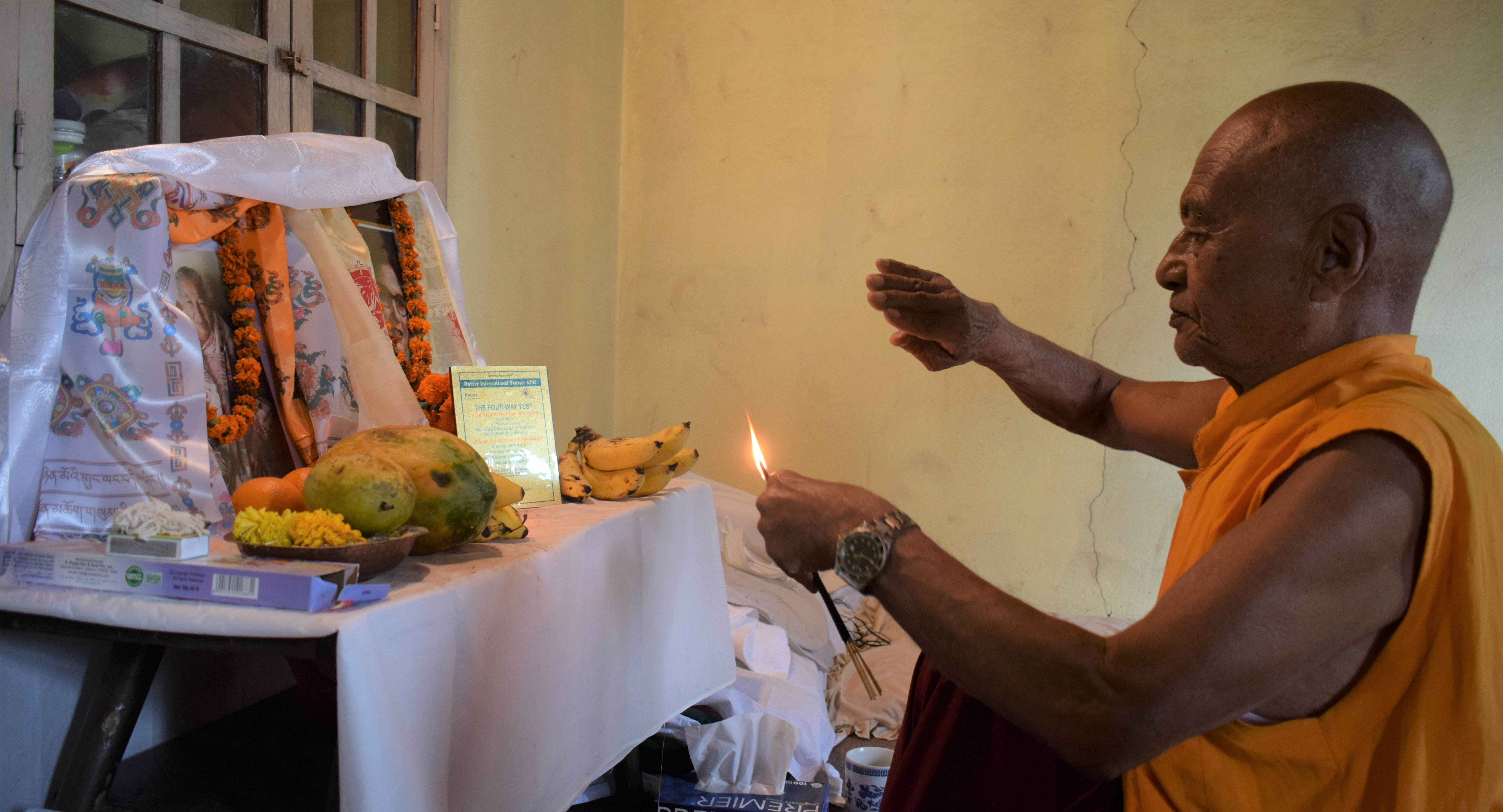
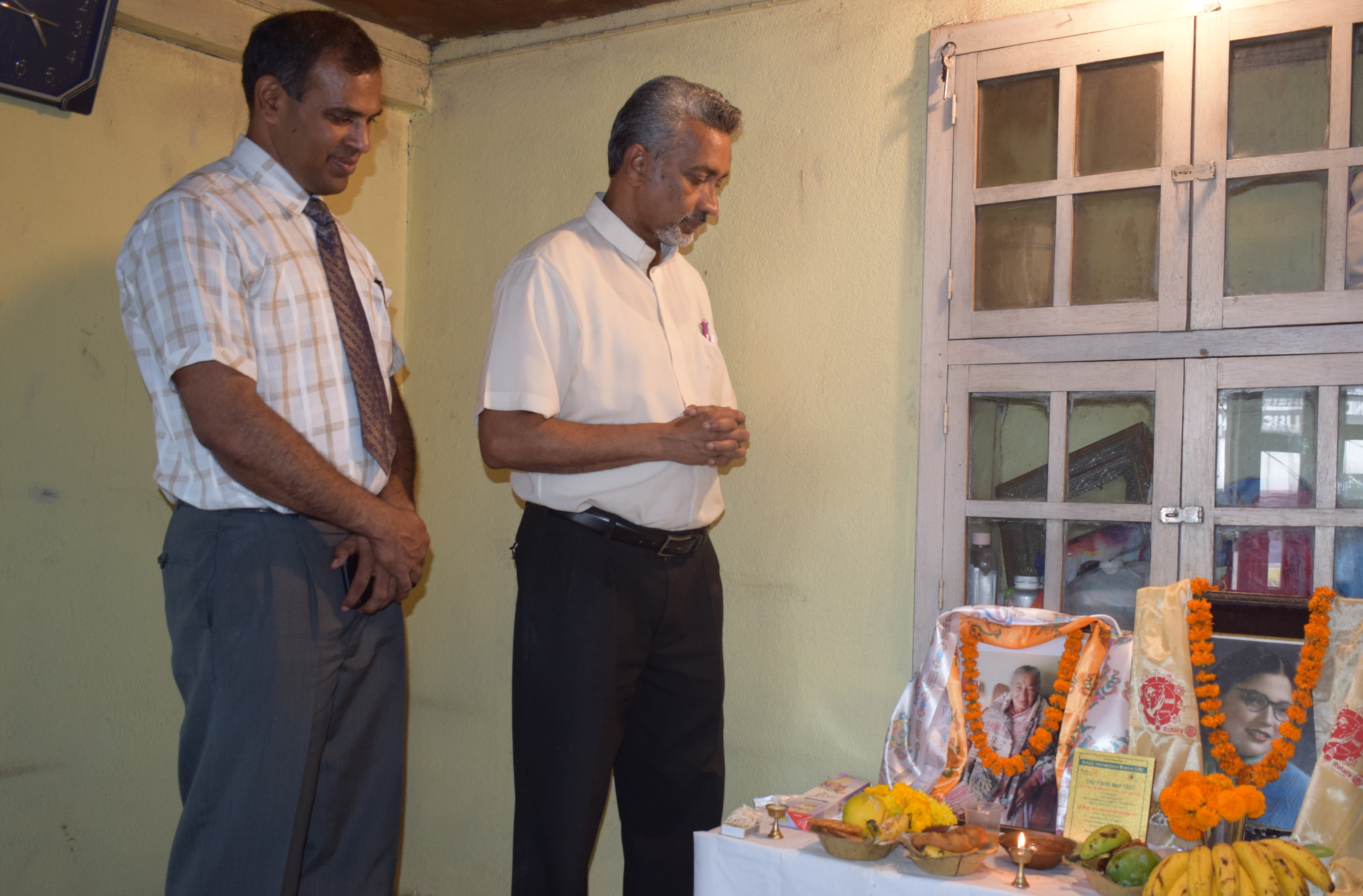
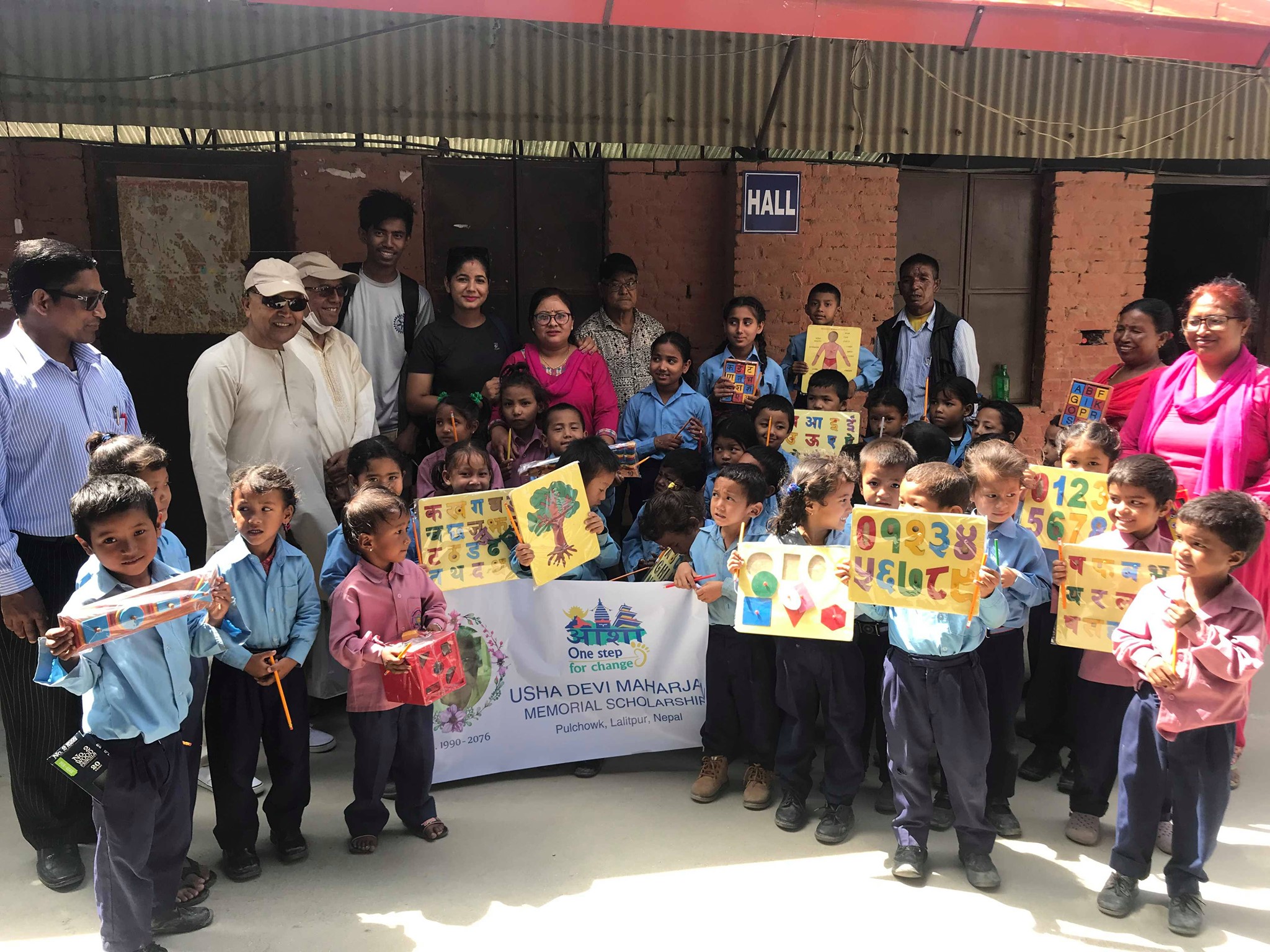
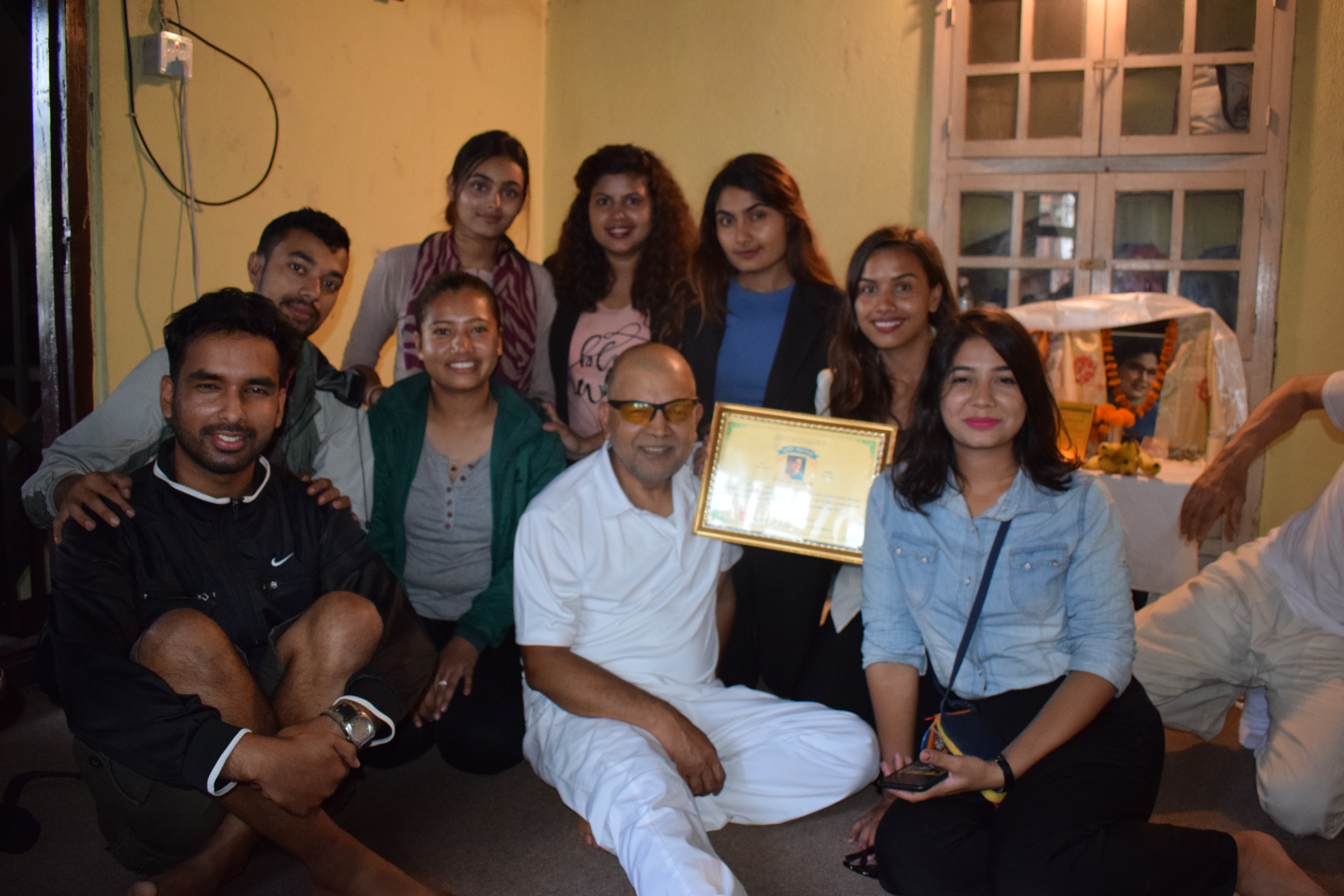
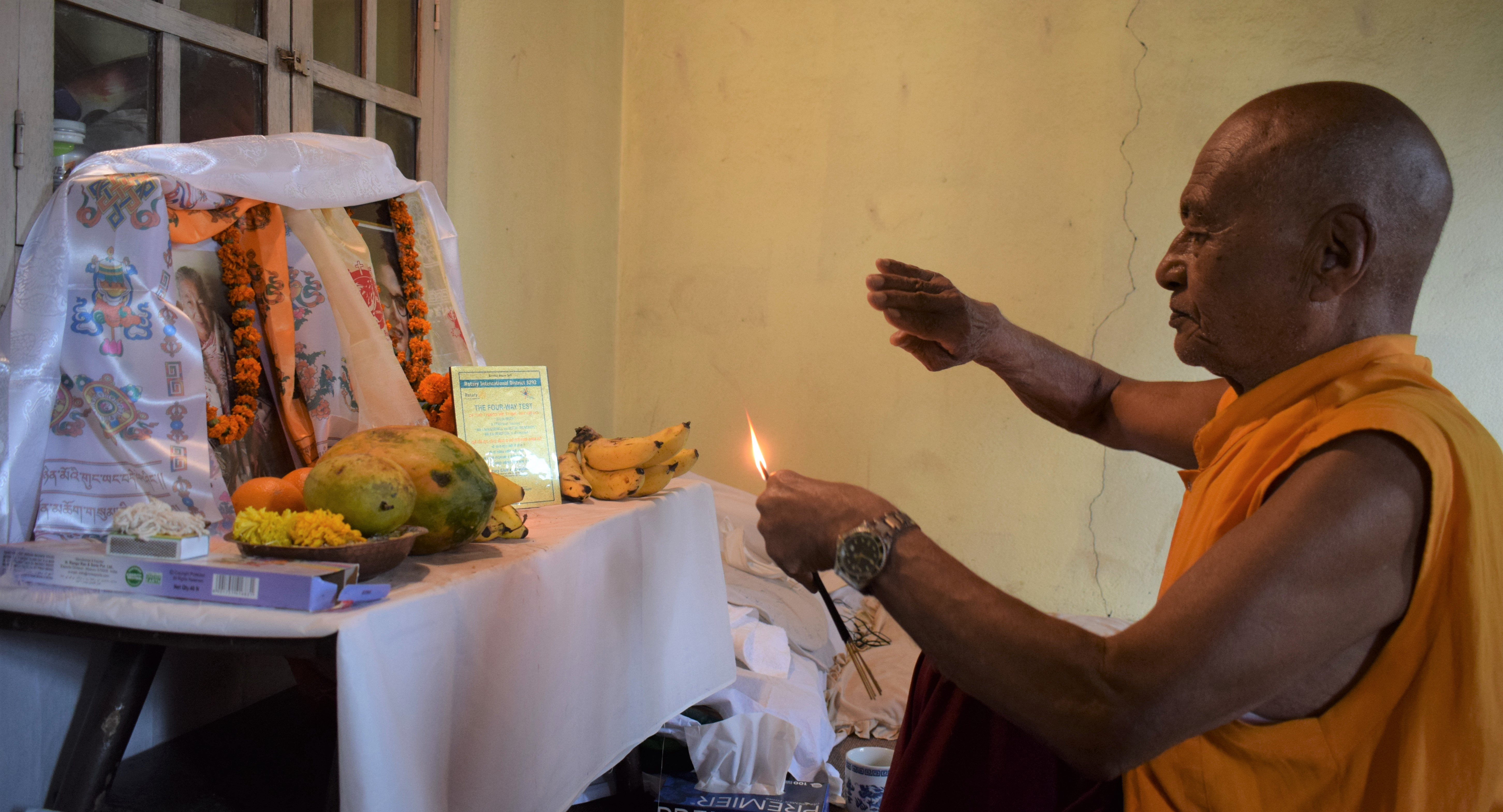
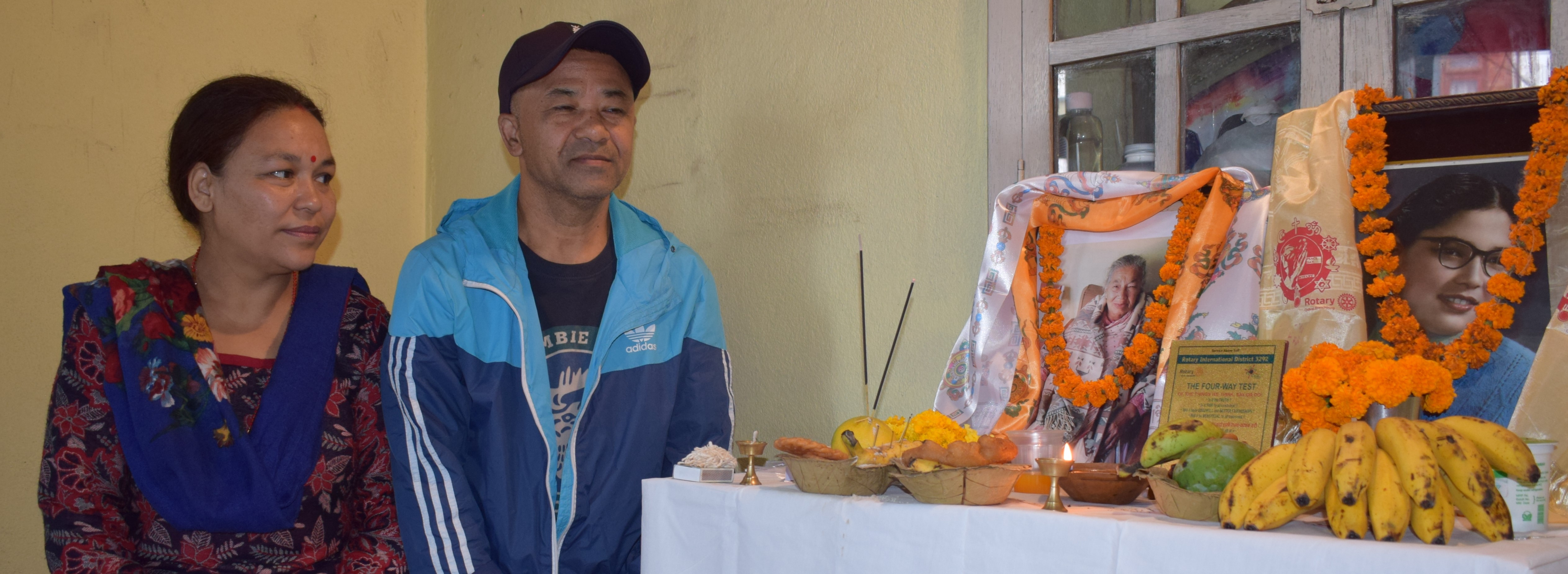
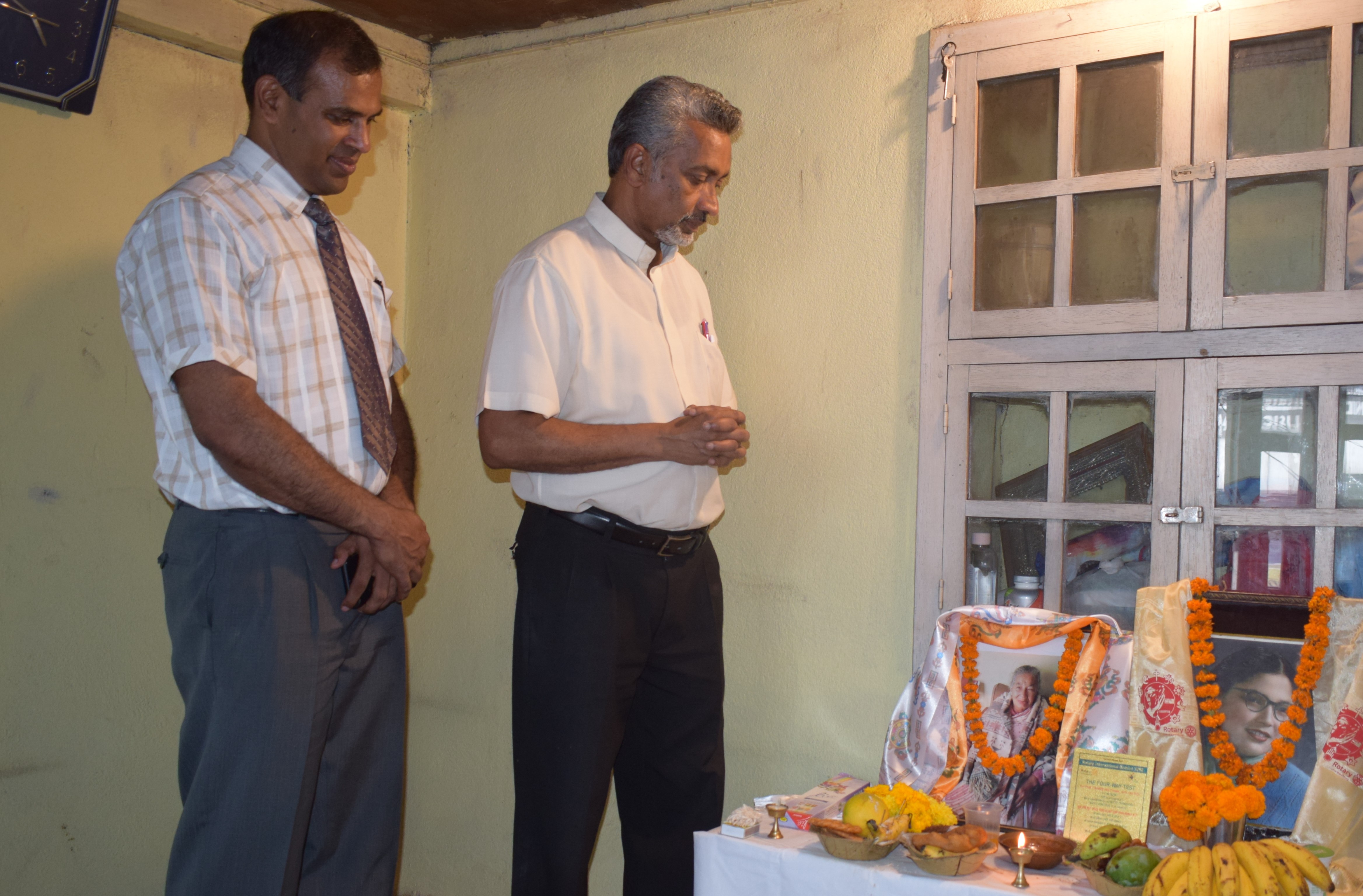
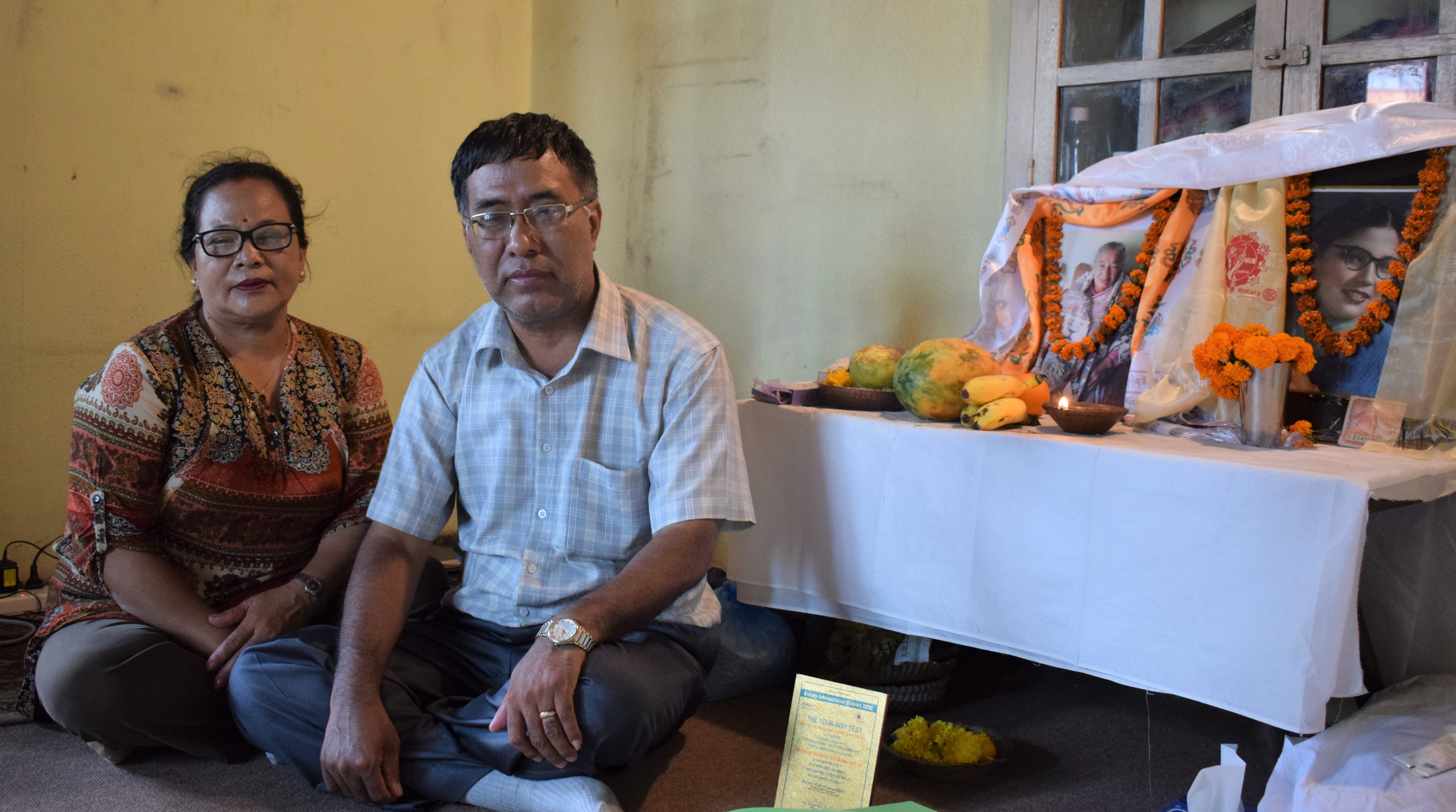
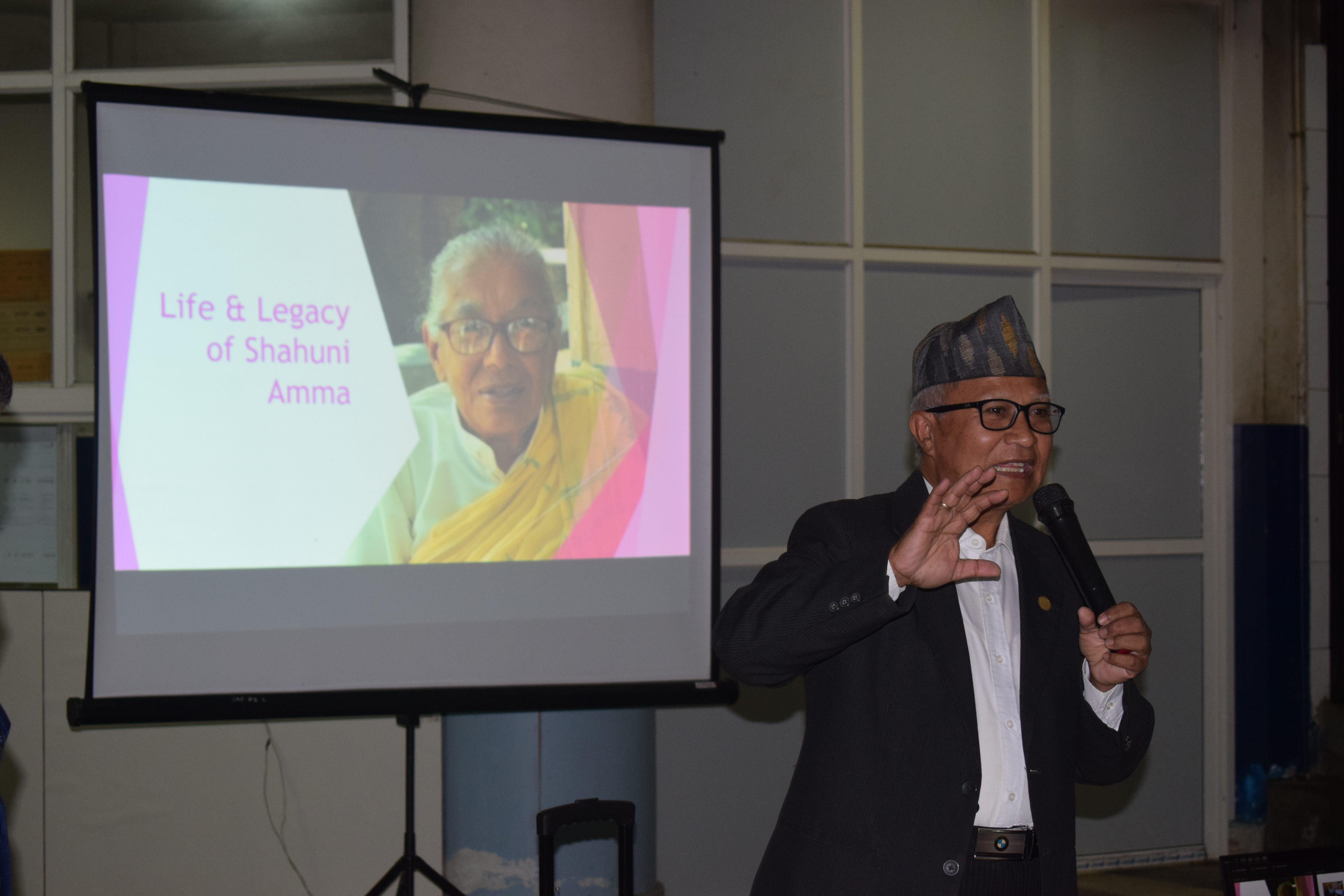
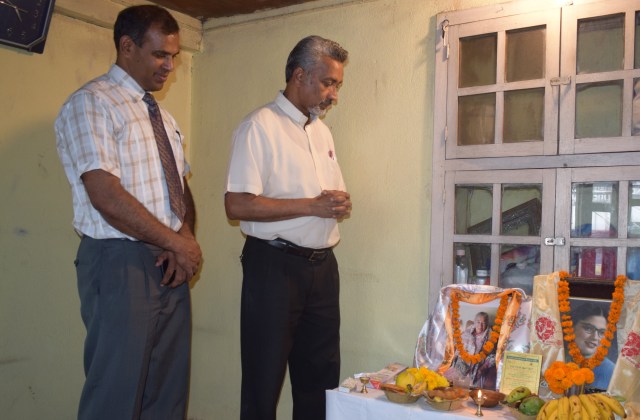
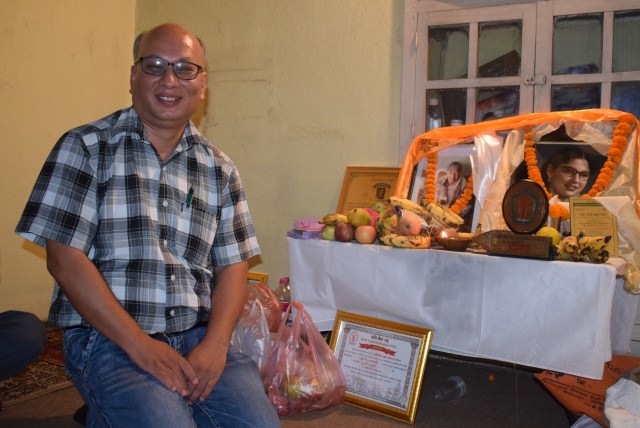
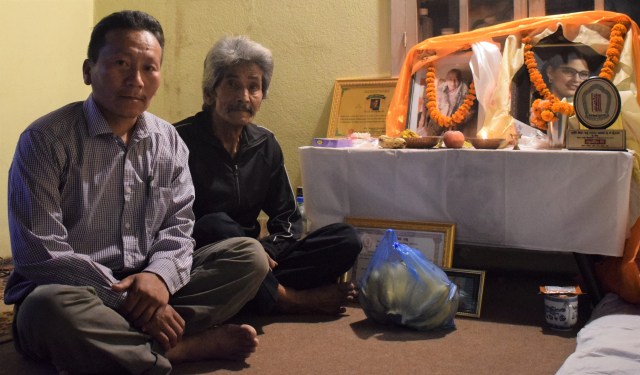
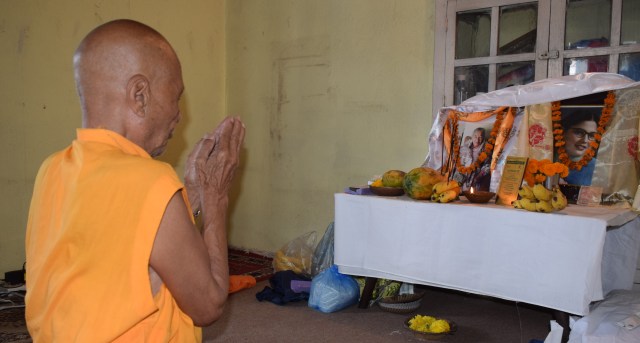
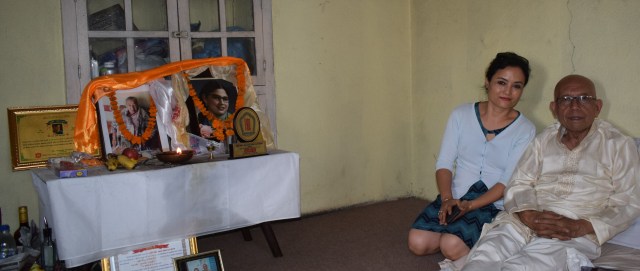
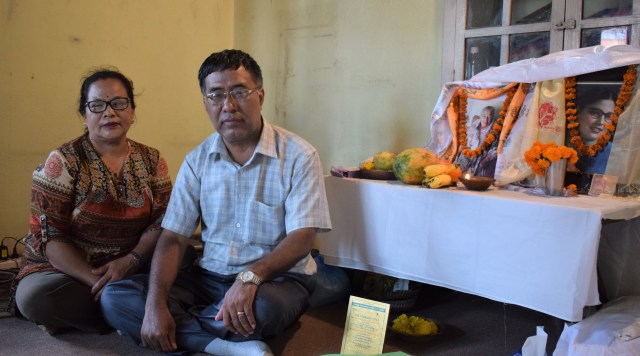
उनको अनुपस्थिति ले दुख त दिएको छ उनको परिवार लाई तर आज उनको परिवार उनको जीवन र विरासतलाइ मनाइ रहेको छ। उनको परिवार ले उनकै मन पर्ने बिद्यालय सेन्ट जेभियर स्कूलमा छात्रवृत्ति सिर्जना गरेर उनको जीवन र विरासत मनाउने निर्णय गरेको हो ।जीवन मरण त संसार को एक नियम हो , तर धेरै कम को मृत्यु खास बन्छ , उत्सब मनाउन योग्य बन्छ , आशु संगै आफ्ना प्रति गर्व महशुस गर्न लायक बनाउँछ र जुनी जुनी सम्म अमर रहन्छ !
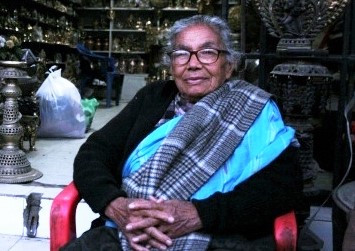
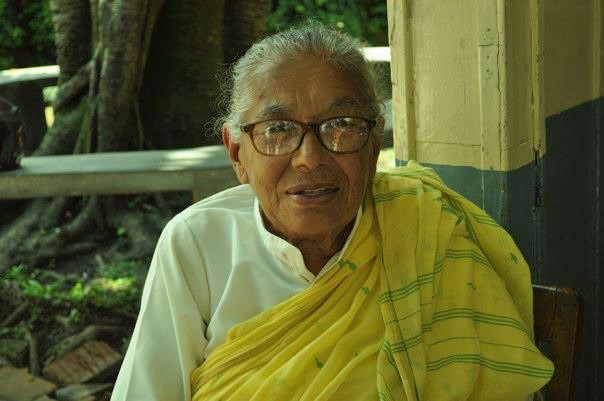
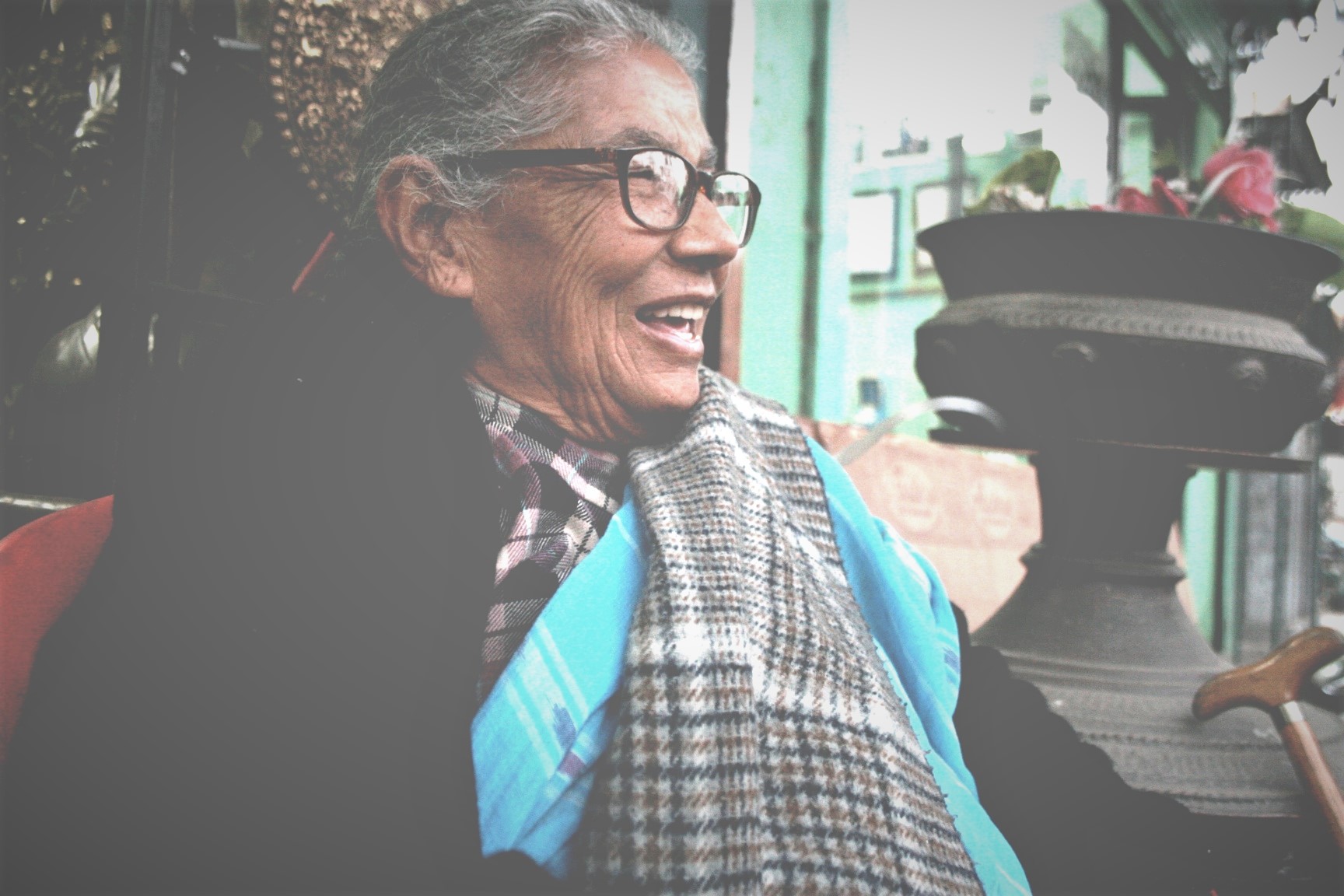
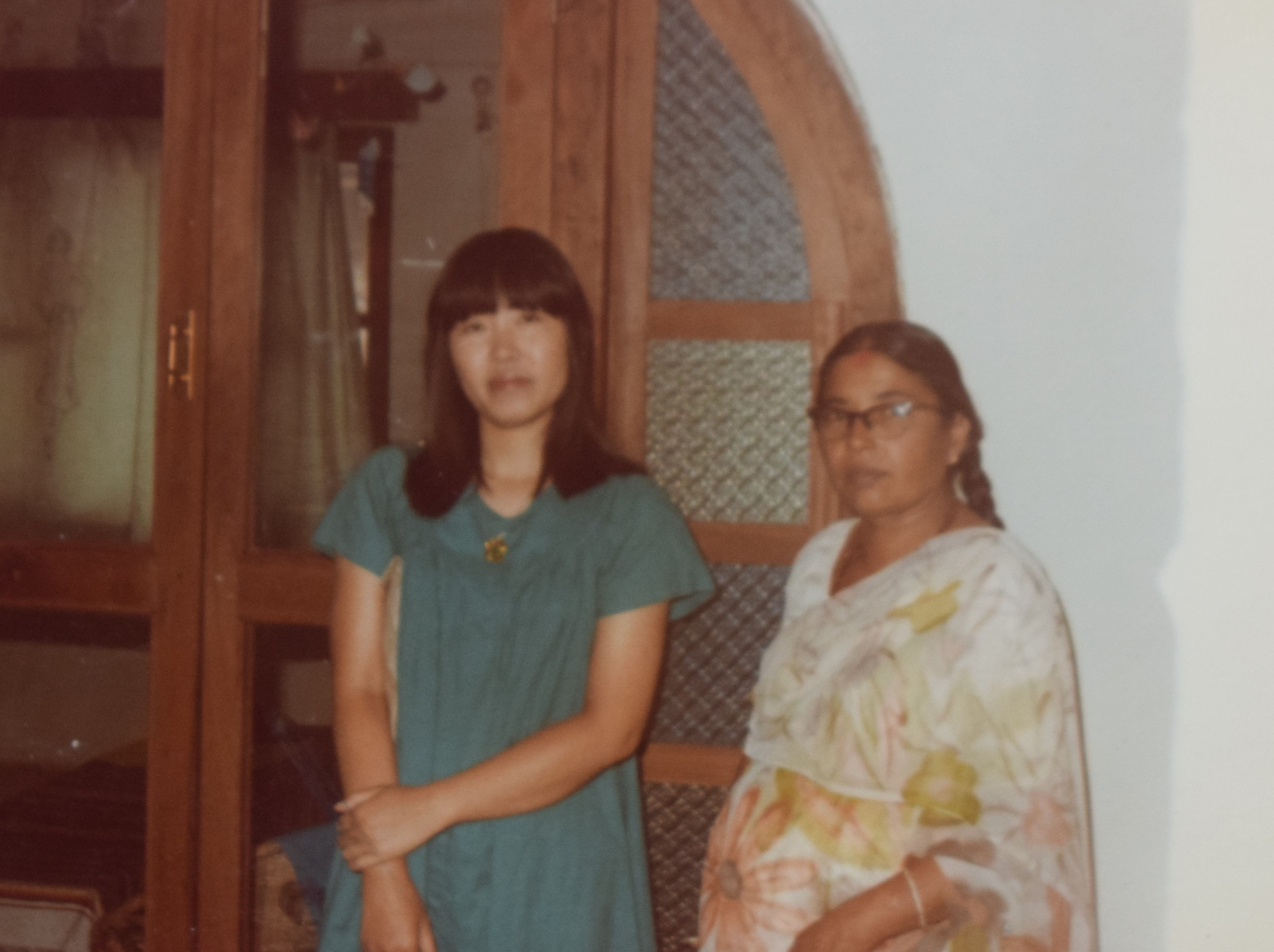
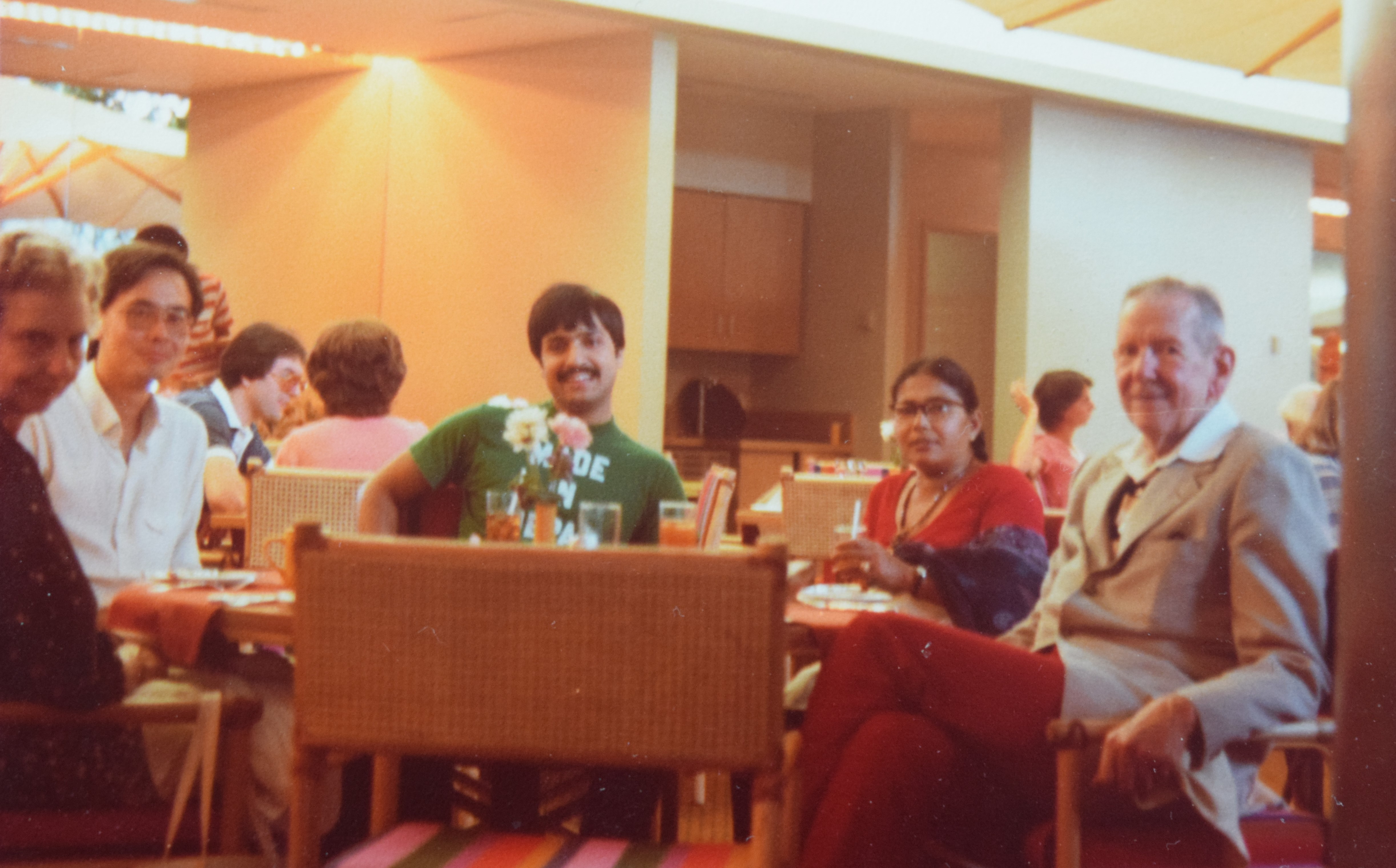
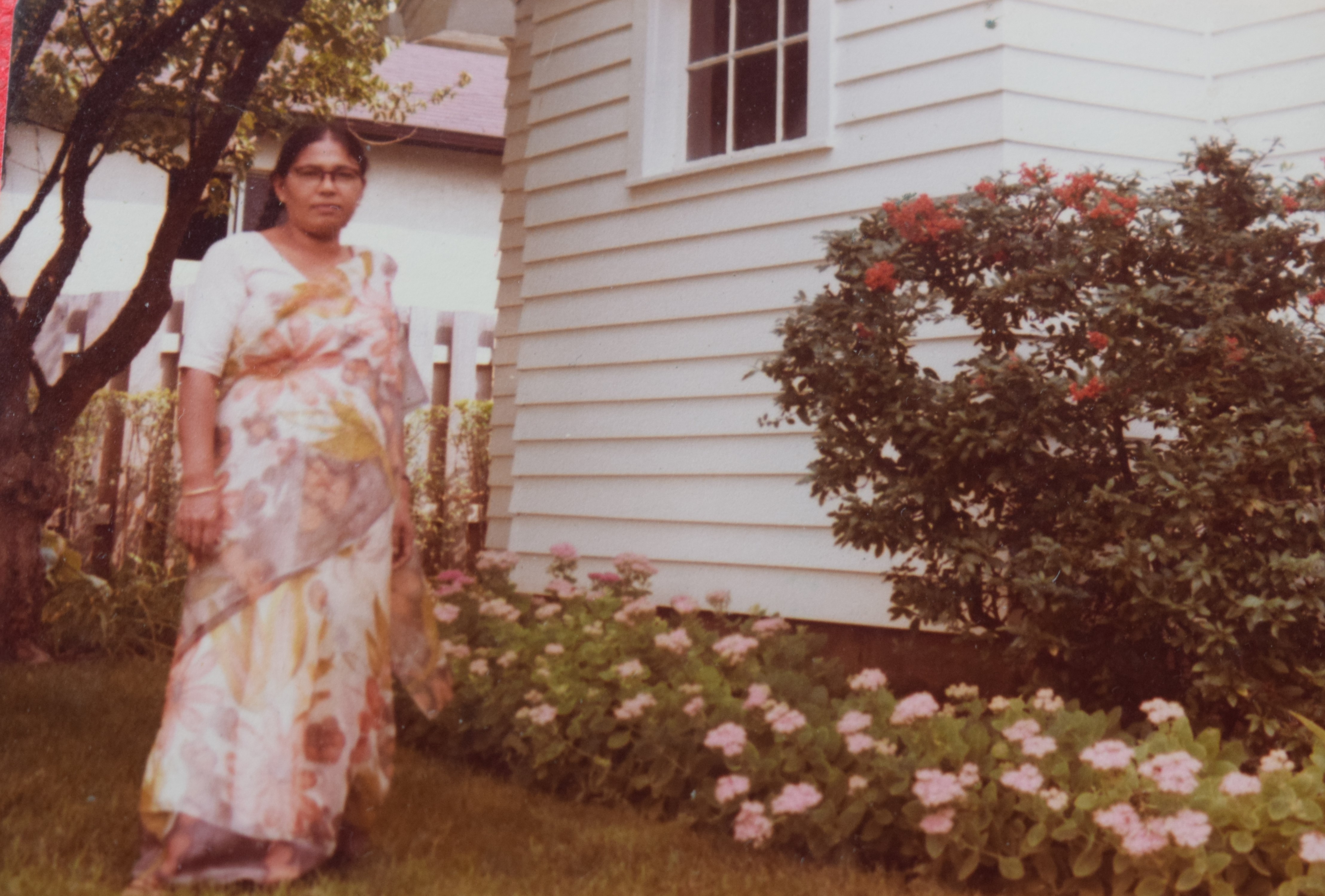
Mentor, friend, wife, grandmother,great grandmother—Usha lived a life of many roles and with many talents. Born in Nepal 88 years ago, Mrs. Maharjan would ultimately become one of the most-beloved and well-respected person in Pulchowk. We call her an “Unofficial Mayor of Pulchowk”. She was the pillar of the community and family.
She was not educated, however, she managed to send her two sons to China and USA to study. She admitted her grand kids and great grant kids to St. Xavier and St. Mary school and helped many underprivileged children to get into St. Xavier school and other schools in Patan.
Helped many local people financially and motivating people in the community to do better by giving her life example.
In 1960 she worked in China with the Nepalese Ambassador Mr. Keshar Bahadur KC and took her elder son along with the family to study in China.
In 1972 she managed to send her 15 year old son to America to study.
Even though she was not a Rotarian she lived by Rotary’s 4 way test.
1. Is it the TRUTH? 2. Is it FAIR to all concerned? 3. Will it build GOODWILL and BETTER FRIENDSHIPS? 4. Will it be BENEFICIAL to all?
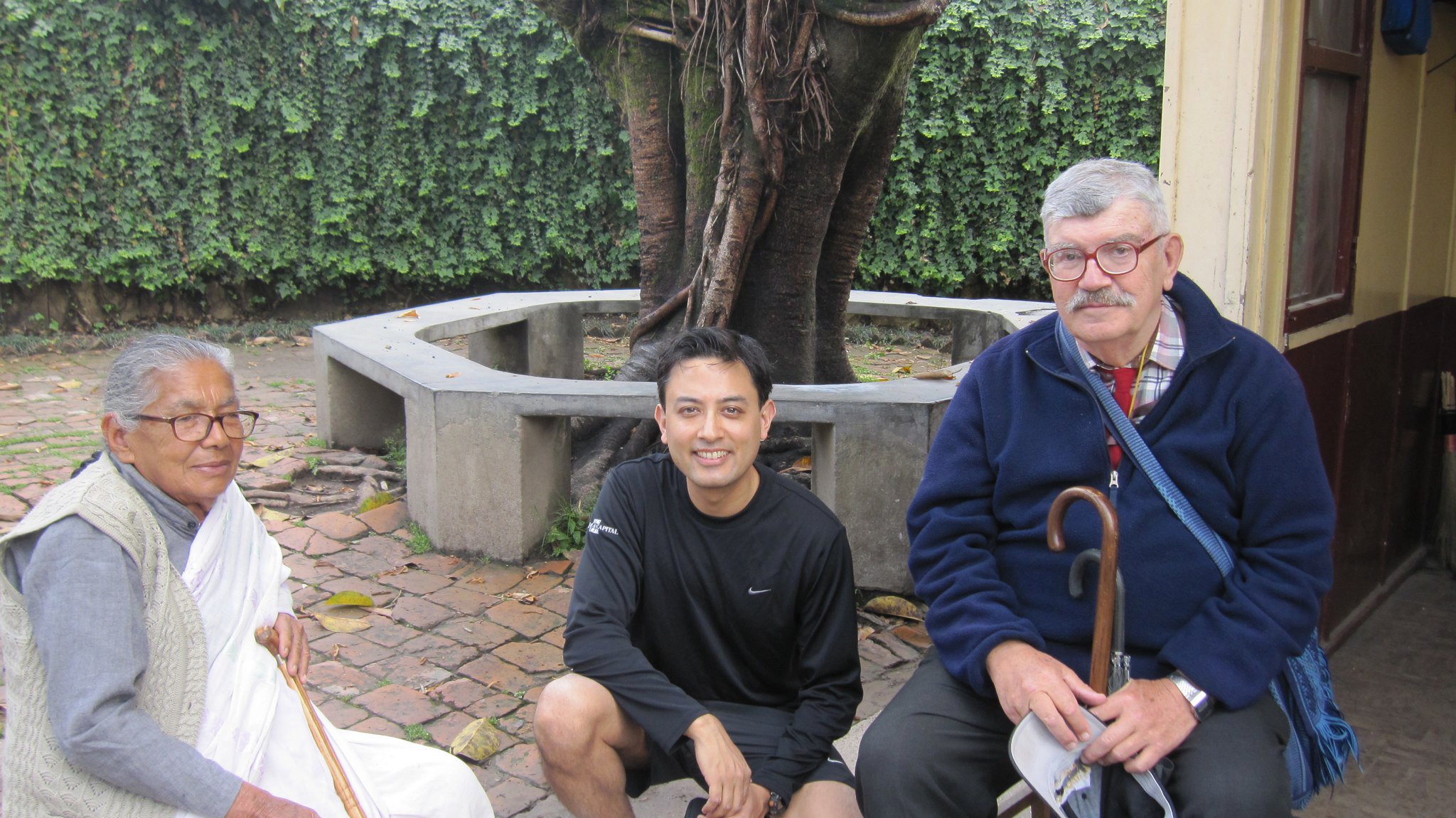
While her notoriety was great and her accolades numerous, for many in the community, she was a mentor. Approachable and authentic, Mrs. Maharjan was available to community people to help anyway possible.
We are celebrating her Life and Legacy by creating a Memorial scholarship at her favorite St. Xavier School.
May she REST IN PEACE.
TRIBUTES FROM FRIENDS AND FAMILIES:
TRIBUTES AND MEMORIES FROM FRIENDS AND FAMILIES:
Sauni Didi
Memories
It was in 1980, when I first came to Nepal, that I met Didi
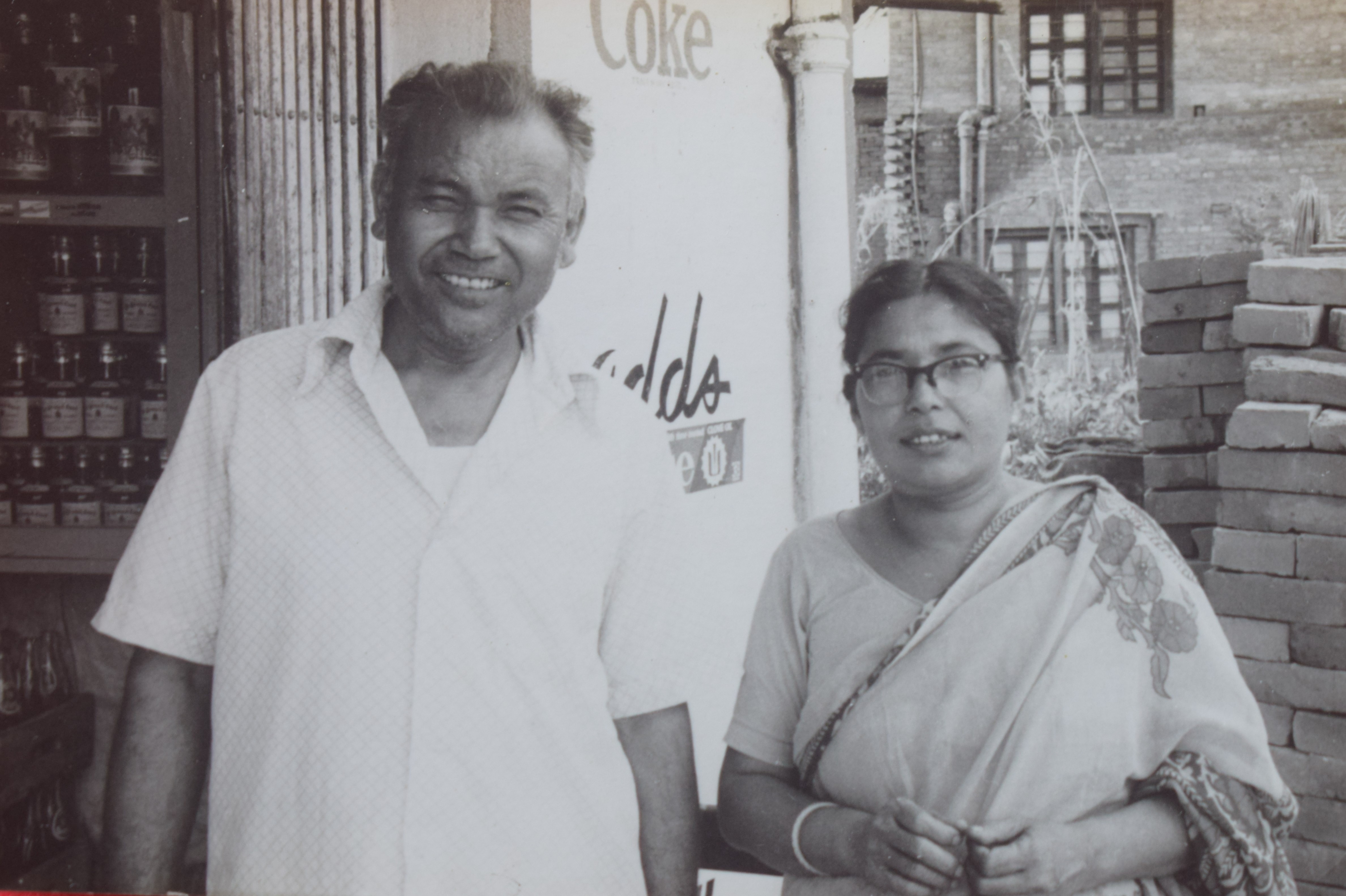
and Sauji. At that time they had a tuck shop in our school to supply stationey
for the hostel students. She was very friendly with the students and spoke to
them lovingly like a mother. Later the
hostel was no more and the shop also was closed. She had good rapport with all
the fathers and brothers. Later every year she used to invite us to her house
during Dashain for a big “bhoj” with home-made Newari raksi. She took pride in
saying that this raksi is more than 30 years old. “Nathini pani janmeko thiyena”,
she would often say. It was really of
excellent quality. Occasionally she would send a bottle for me saying it is
cold medicine for you.
Many students remember her sitting at the guard house for
long hours. When Fr.Marty Coyne was alive he was her companion near the gate. She knew all the news and gossips around
Jawalakhel and would share with Fr.Coyne. At dinner table Fr.Coyne would share
the same news with us. She enjoyed the company of children and many would greet
her “Namaste” at the gate, and some would take her blessing. One negative
aspect of her life was that she could never accept the fact that her younger
son married a “kuire” girl from the USA, though didi was very friendly and
close to many American fathers for many decades !
In the last couple of years it was difficult for her to walk
and someone would reach her to school and take her back home. At Dashain time
she felt bad that she could not feed us due to ill health. On the occasion of
important Nepali festivals she would give a party to the fathers and the
maintenance staff of the school. Often she would ask about the fathers who are
here and abroad, especially about those who are sick. After my mother died last
year I visited her and said, “My mother is gone, now you are my mother.” She
was very happy to hear that.
She had a lot her friends in Patan area and they visited her
often. Though she was wealthy she liked to live a simple life. Till the last
days of her life she had good memory and recognized people easily even by
voice. I am happy that God did not give her much suffering in her last days and
she bid us goodbye after a few days of sickness.
***We miss your loving presence at our school, Didi,
We miss your sweet
smile that refreshed us
And your love filled words that comforted us.
Thank you for being part of our lives
May you be counted in the company of the angels
And may the Lord
of love reward you abundantly***
Fr. A. V. Mathew, S.J.
St. Xavier’s School, Jawalakhel
Fellow Rotarian, Rotary’s Past District Governer, Dr Tulsi Maharjan, My condolences to you and your family on the passing of your Mom. It is never easy to lose a mother—doesn’t matter how old she was. I pray for your peace and comfort as you continue your life journey without your mother’s earthly presence. Stay strong Dr Tulsi!
Best Nabaraj KC, Rotary Club of New York Queens Family!
Keith Federman Sending my condolences. I’m very sorry for your loss Tulsi. If the values we instill in others, and the caring and kindness is legacy what we leave behind, she has left quite a legacy. Sending prayers.
Chandra Sakya Heartfelt condolence to you and your family !
Shanta Khadgi My deepest condolences to you and family Tulsi ji. May the departed Soul rest in peace.
Gyan Lal Maharjan May God bless her soul! She was just amazing! Rup Kumar Shakya अनिच्चावत संखारा उत्पादवियो धम्मिनो उपज्जित्वा निरुझन्ति तेसं भूसमोसुखं!!!
Rajendra Basnyat Thanks to Maharajan brothers for establishing one outstanding students award in the name of Usha fufu for continuity of her attachment/legacy with St. Xavier’s school
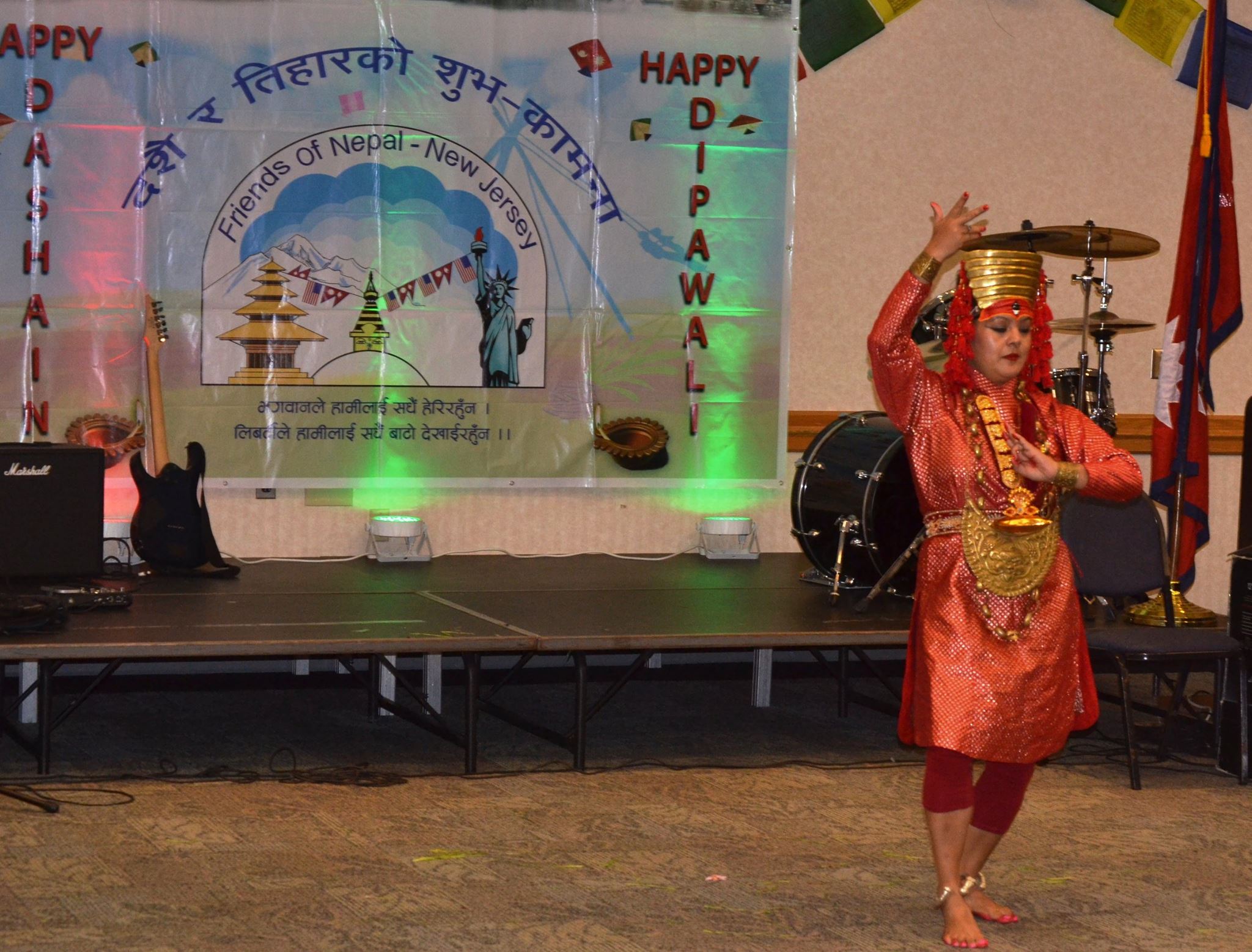
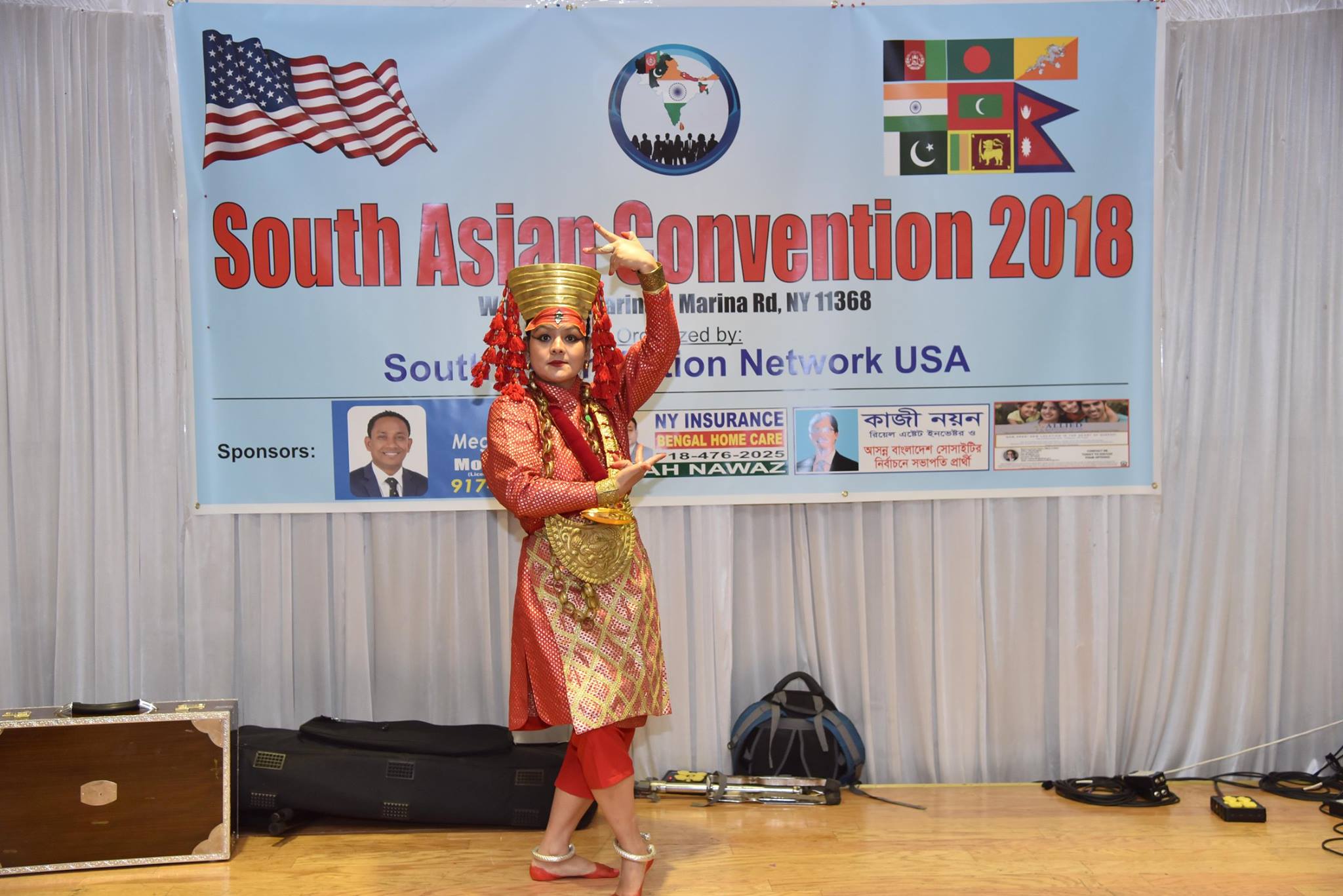
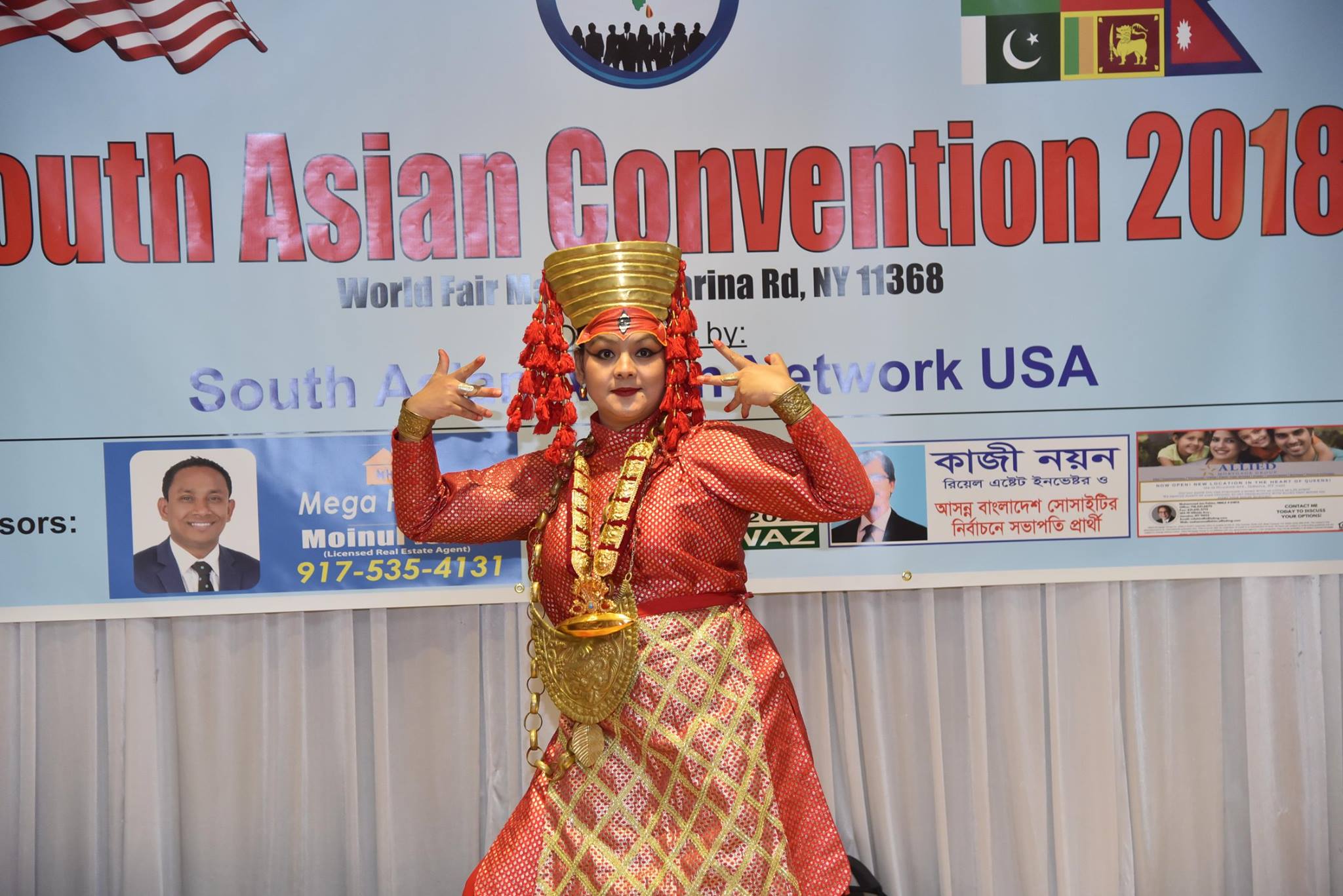
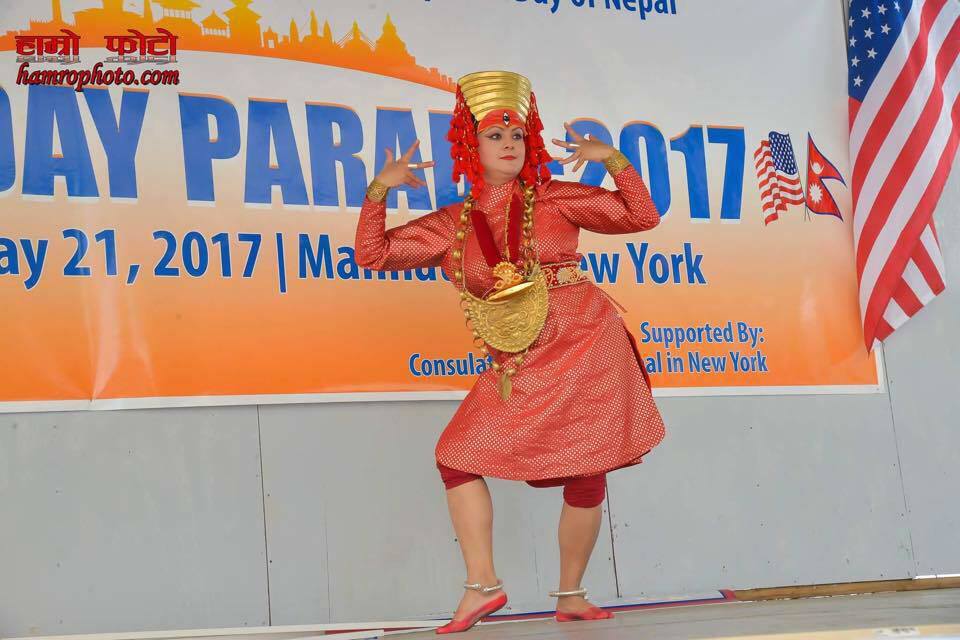
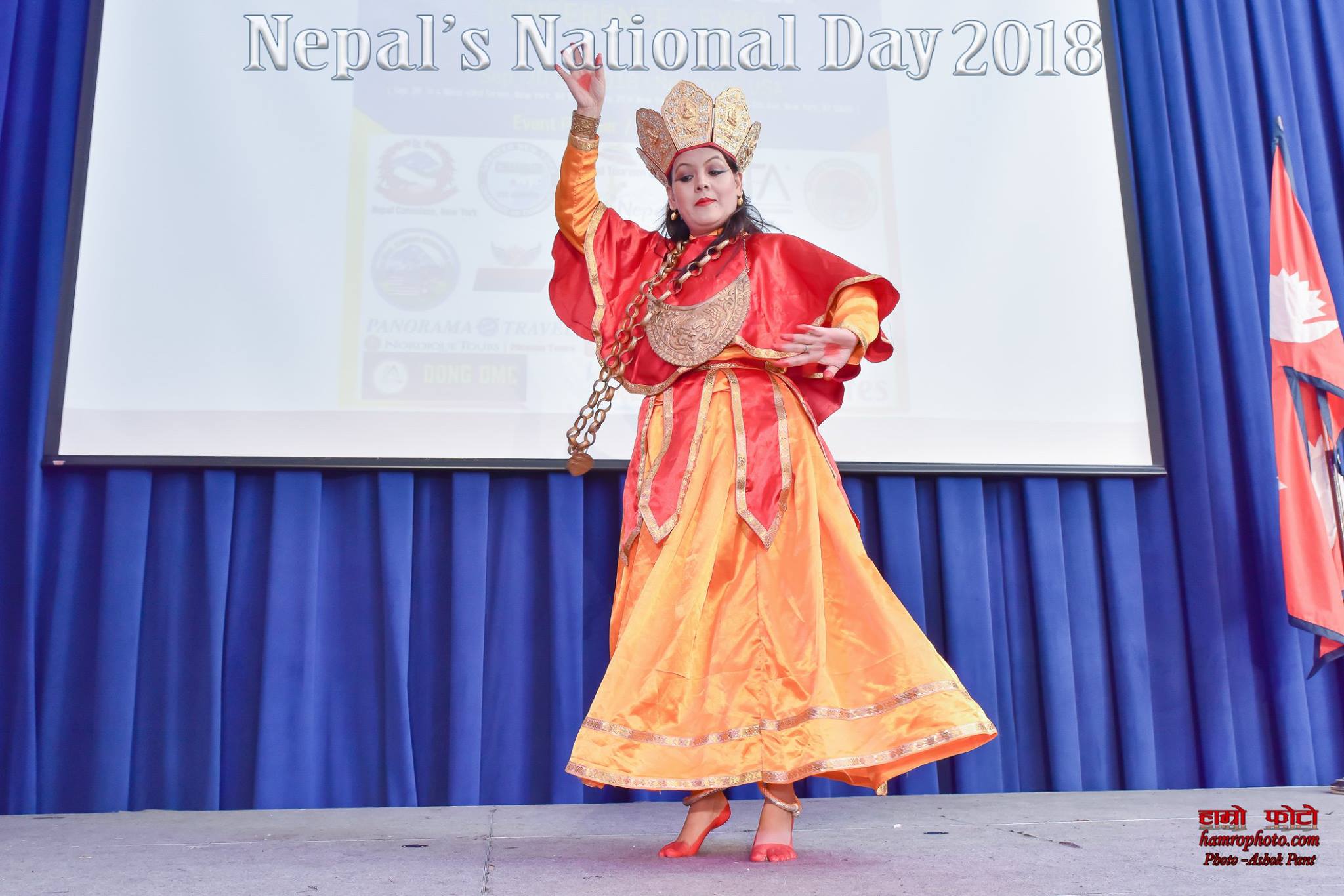
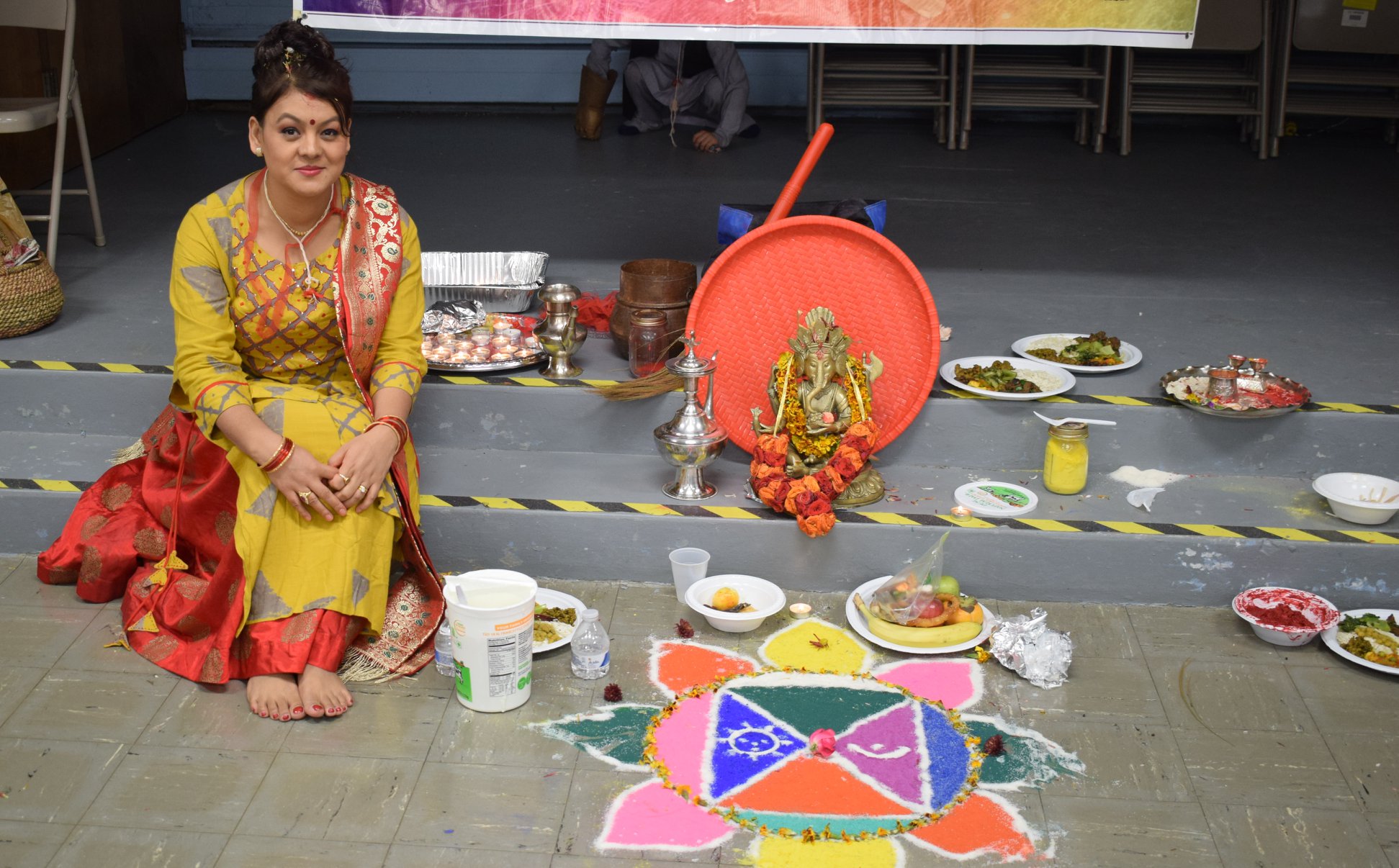
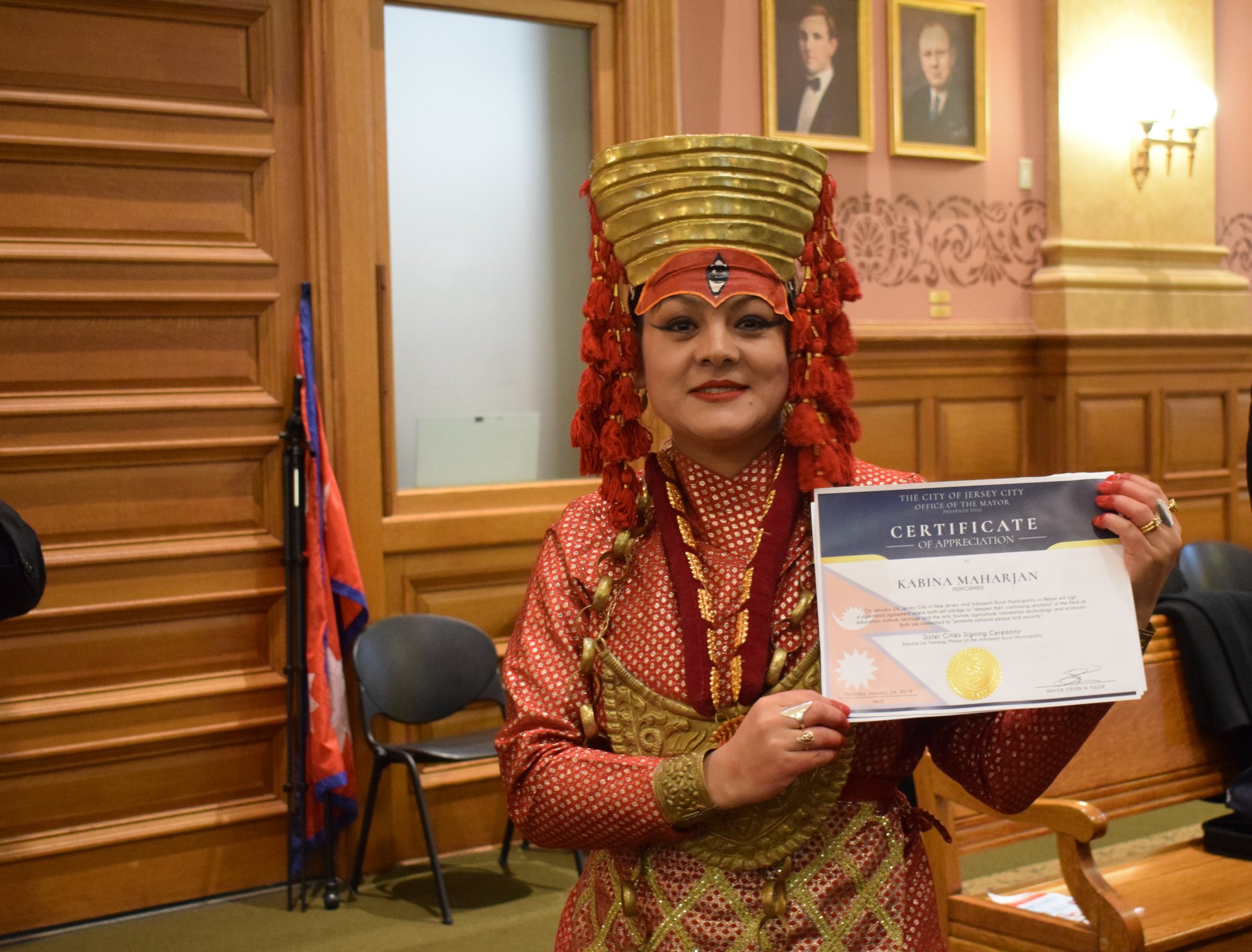
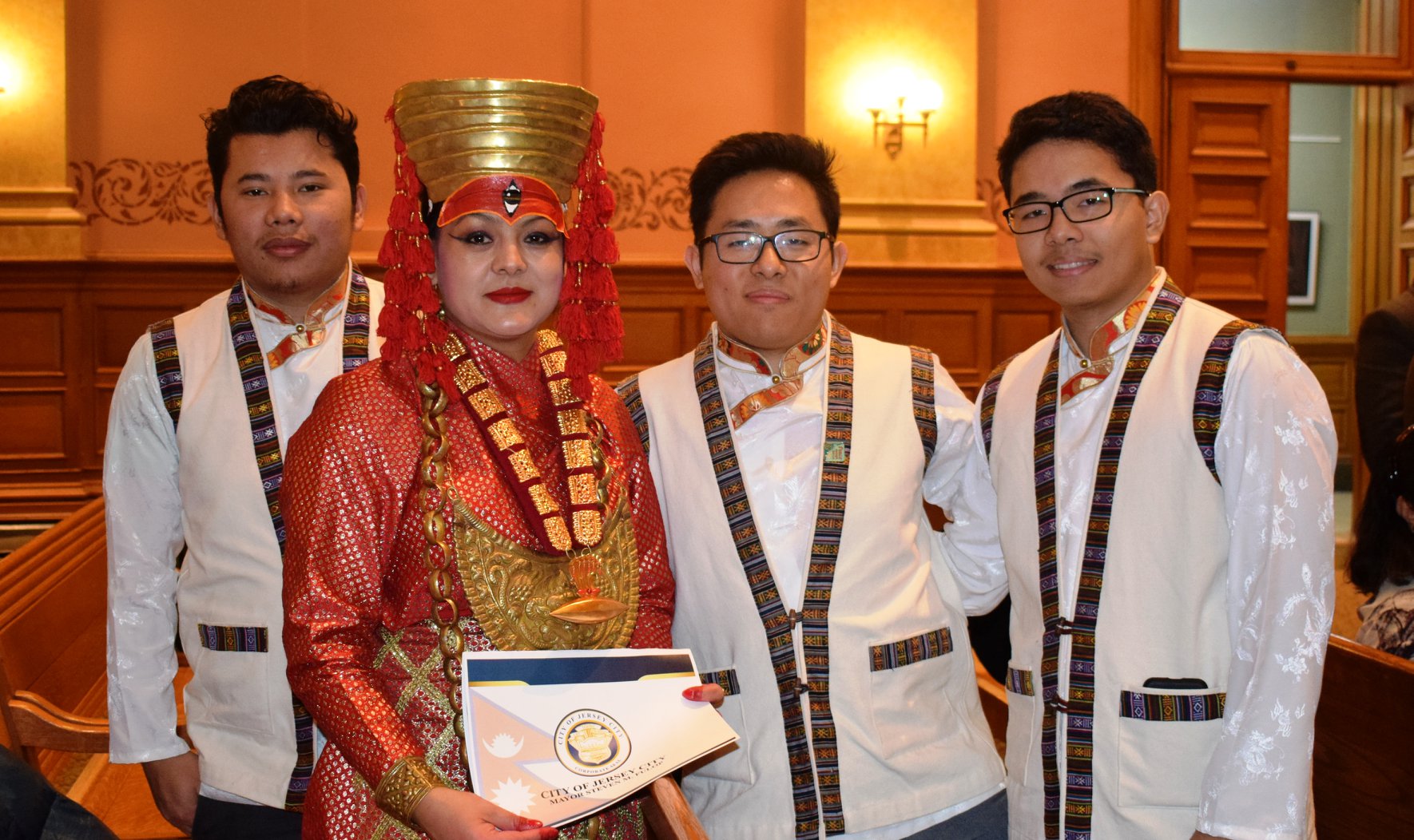
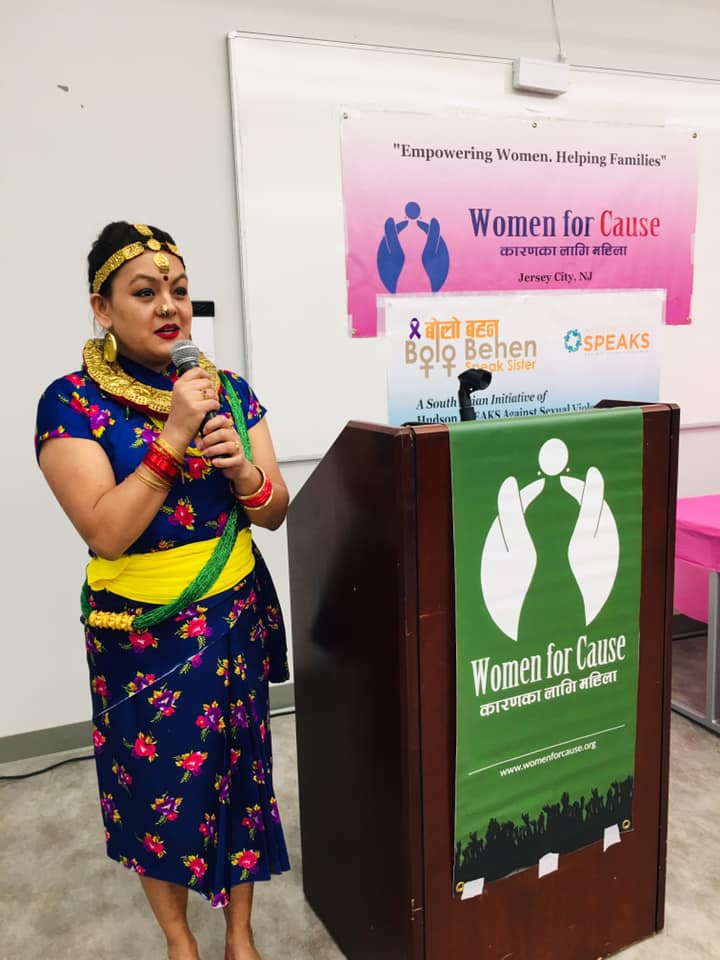
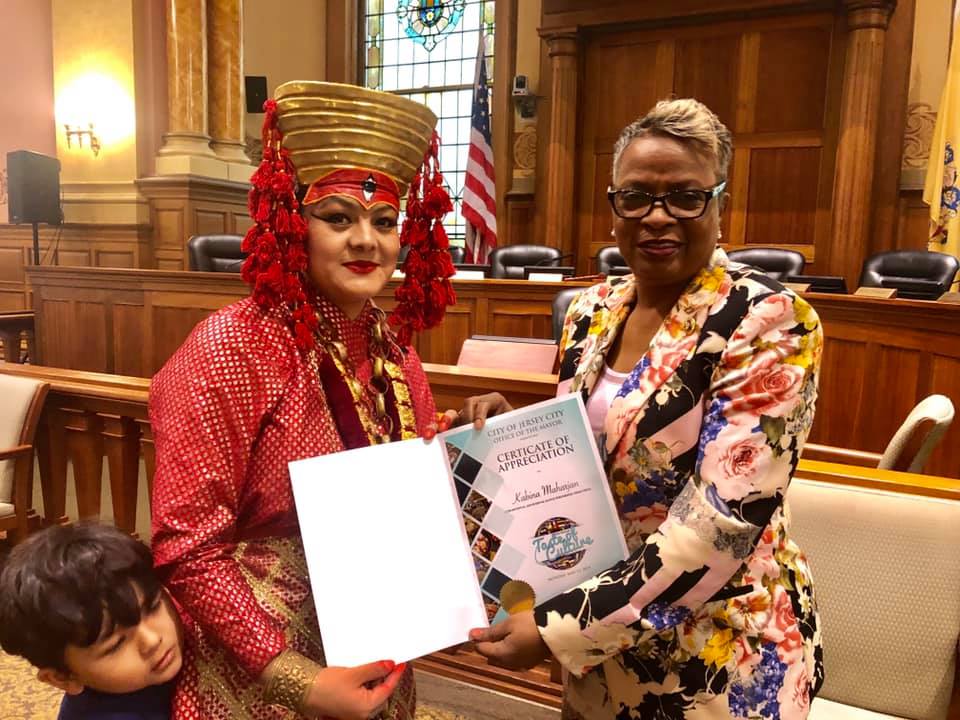
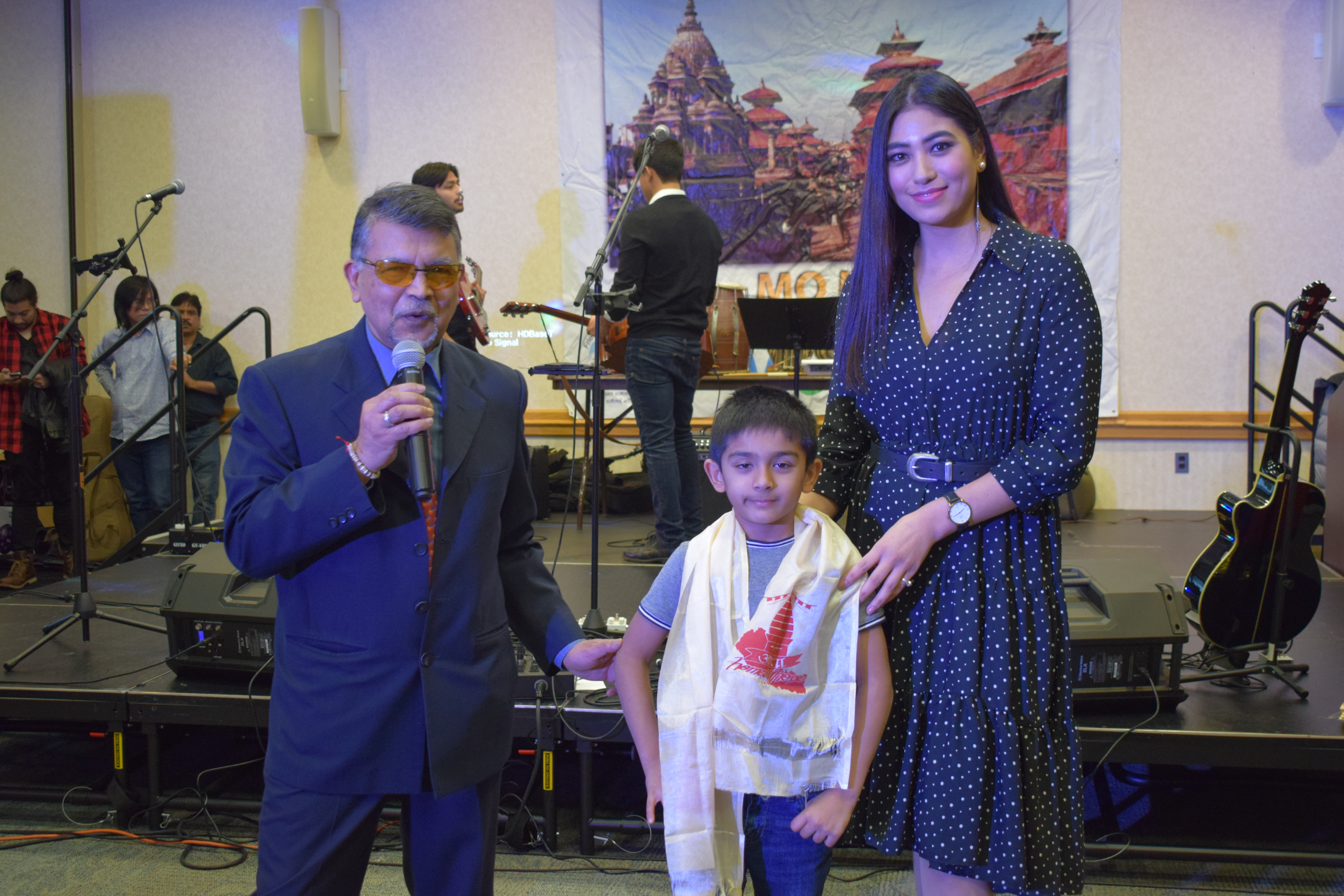
WE are delighted to have Kabina Sing Maharjan being selected as a new Cultural Ambassador of the Friends of Nepal-NJ.
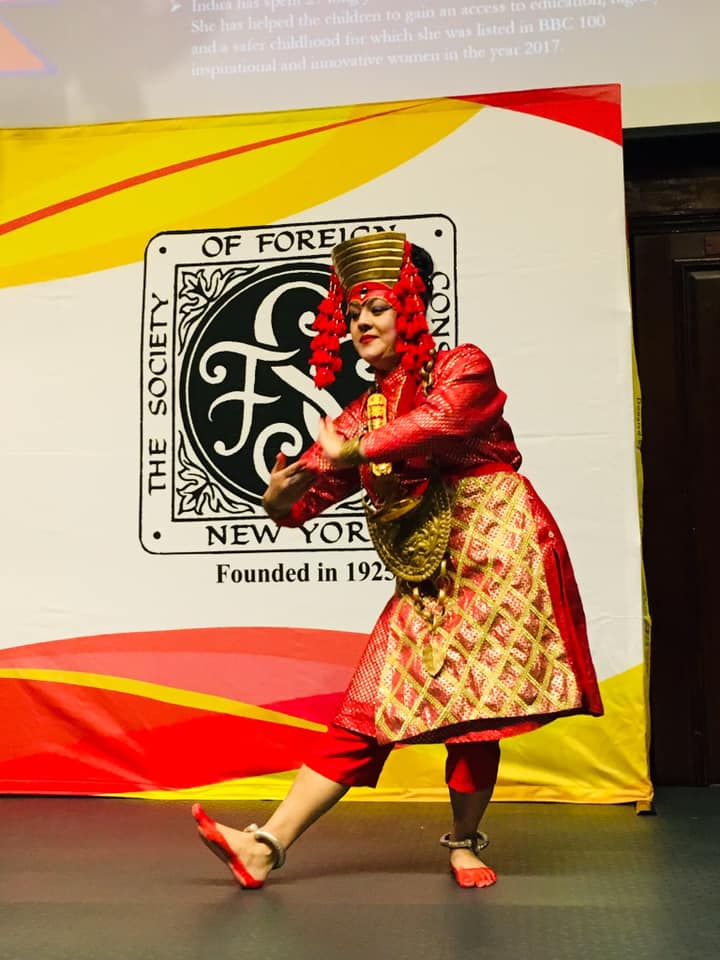
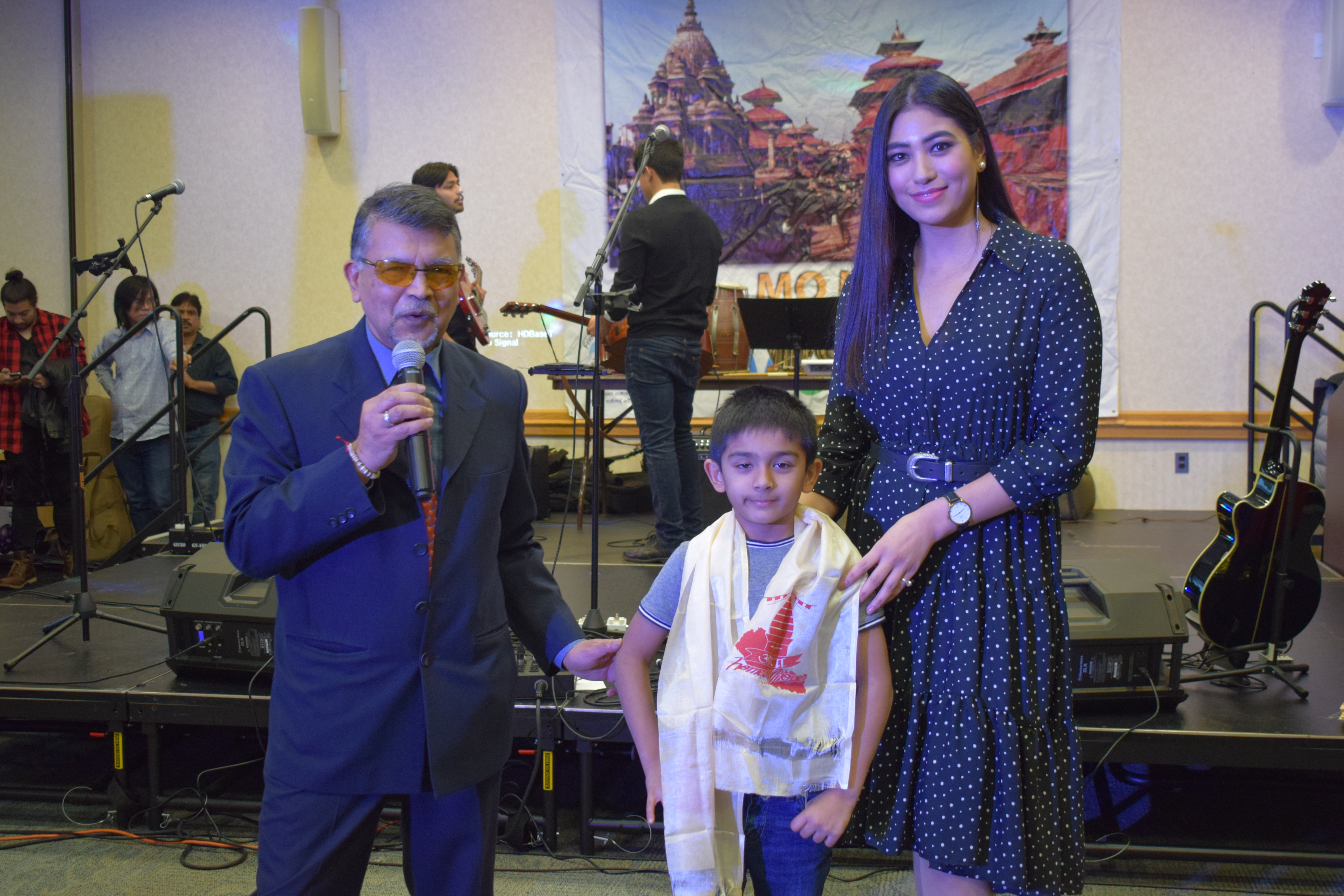
KABINA PERFORMING AT THE NEPAL DAY PARADE 2017
Kabina has been presenting her performances at various special functions in the tri-state area for more than 10 years.
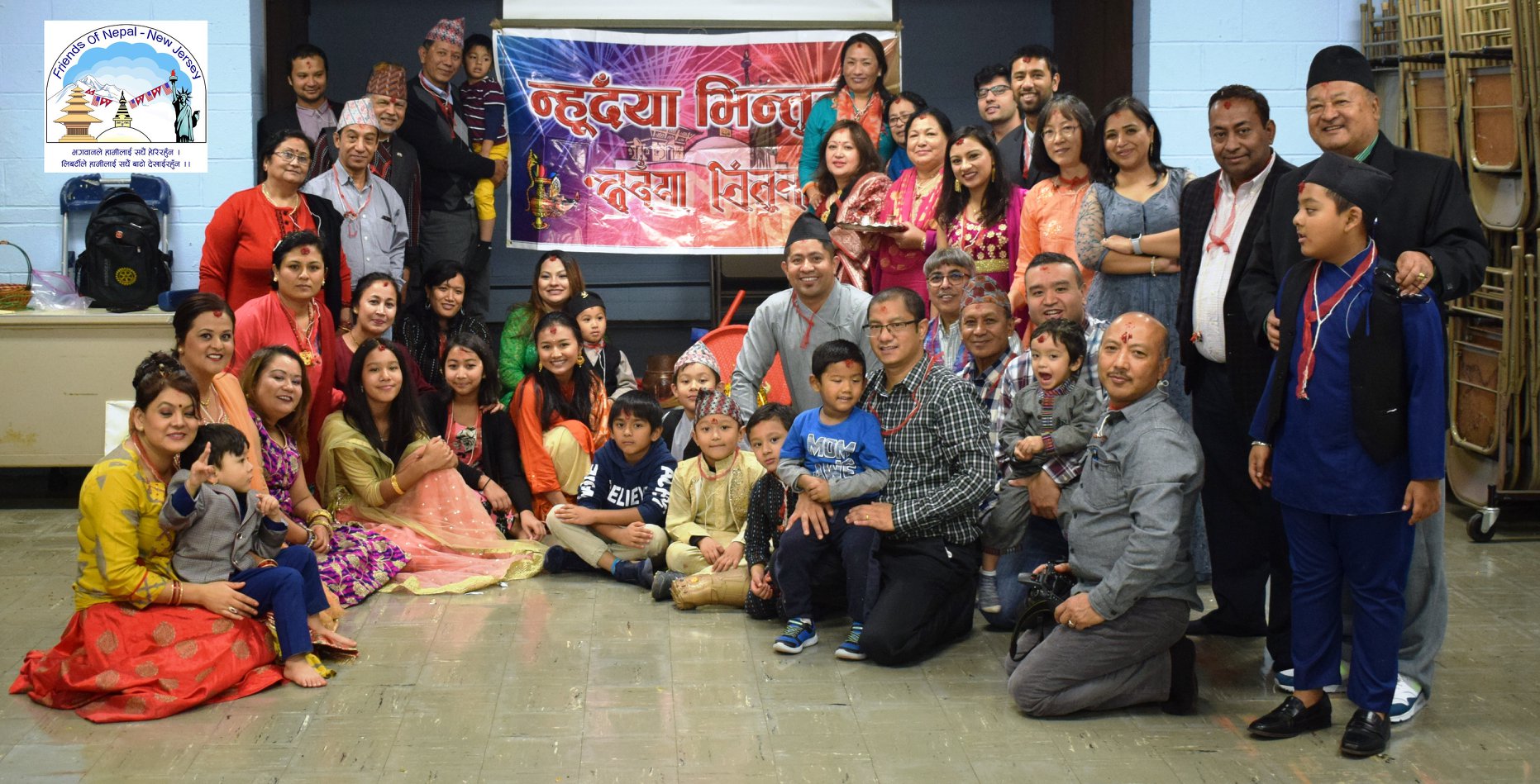
According to FONNJ President Dr. Tulsi R. Maharjan “We are delighted have Kabina represent us in various functions and promote our cultural heritage in America”.
Kabina born in Khokana, Patan has been performing in various programs ever since her high school year, she had also taught dances to children in school. Dancing is her passion and she would like to continue teaching dances and promoting Nepalese cultural heritage in America. If your organization is interested in having her perform, please contact her at http://www.fonnj.com.
Gift of HOPE for Nepal 50 years ago, I remember waiting the days, when the Nepal Junior Red Cross gave out a “Small GiftBox” from the USA. Every April, I waited for that day, to receive this Small Gift Box, containing two pencils, erasers and few candies. That was, what I most wanted in the world.
“A Special Gift Box from America”
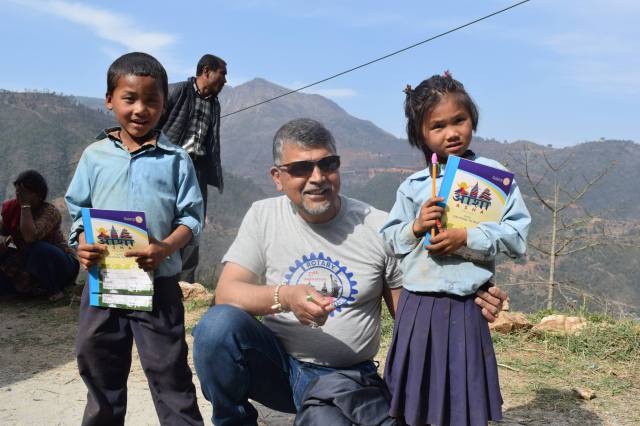
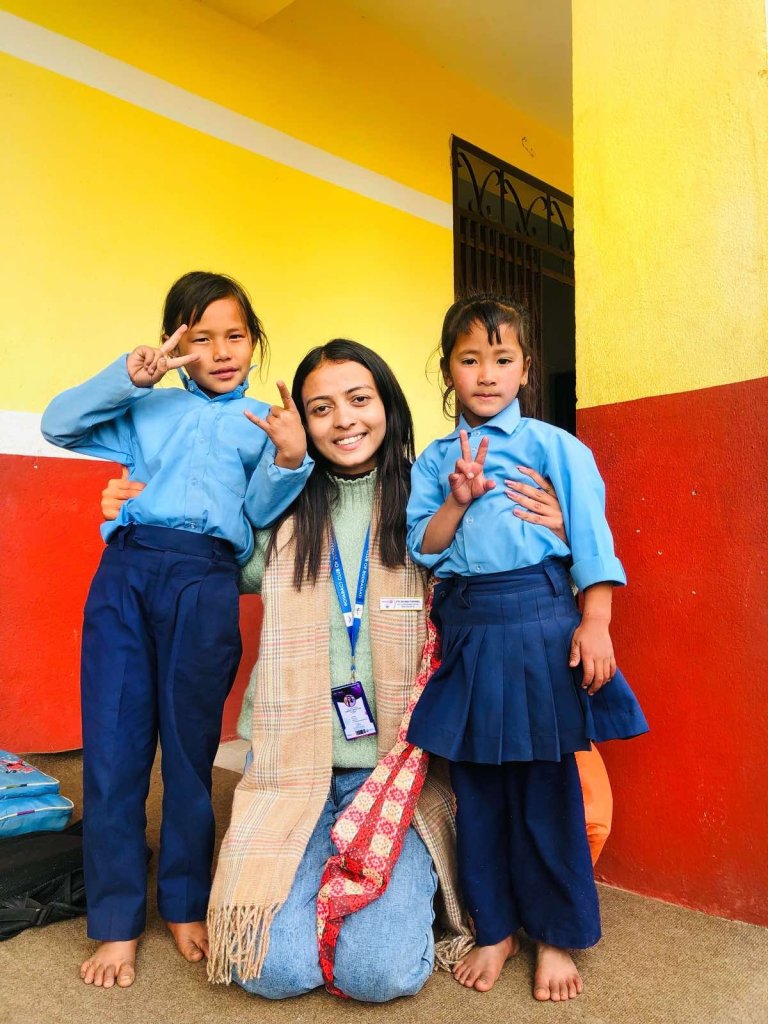
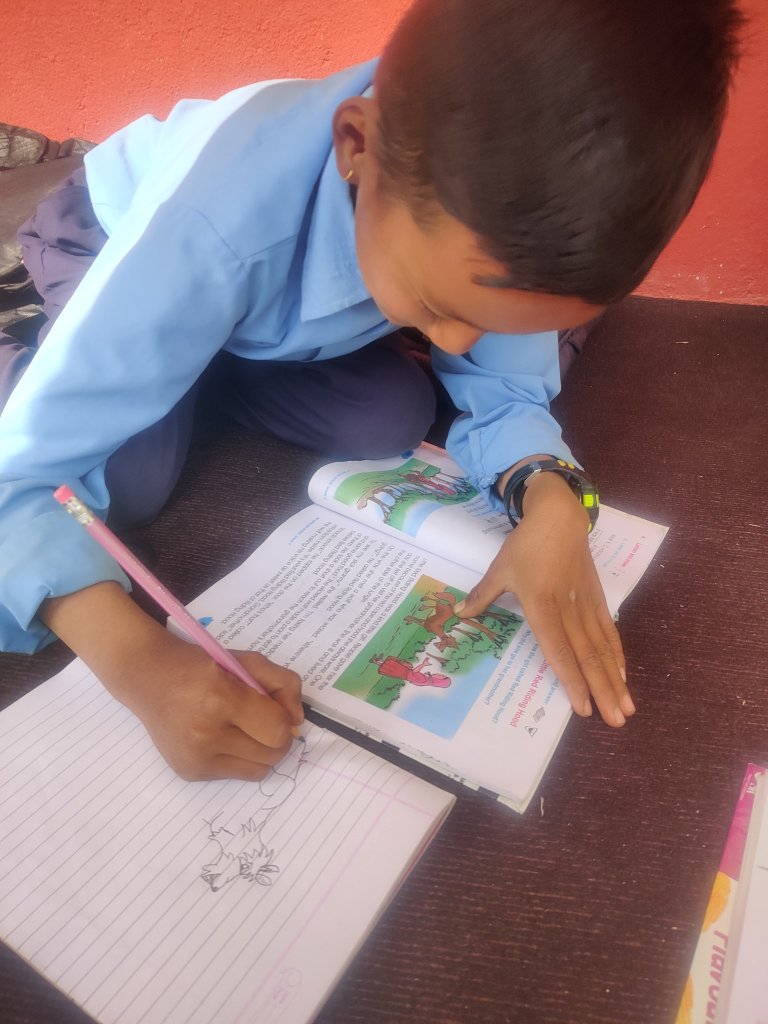
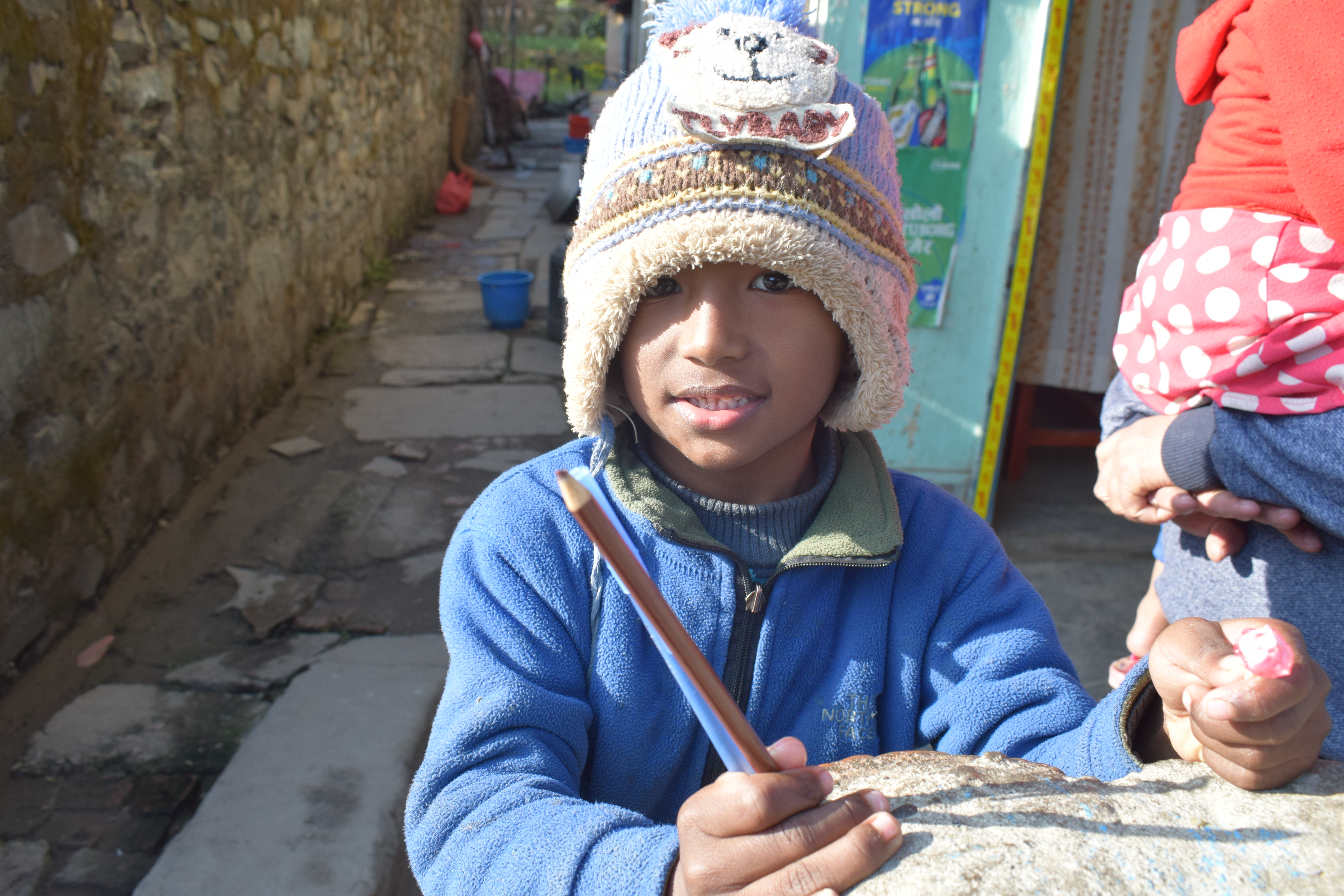
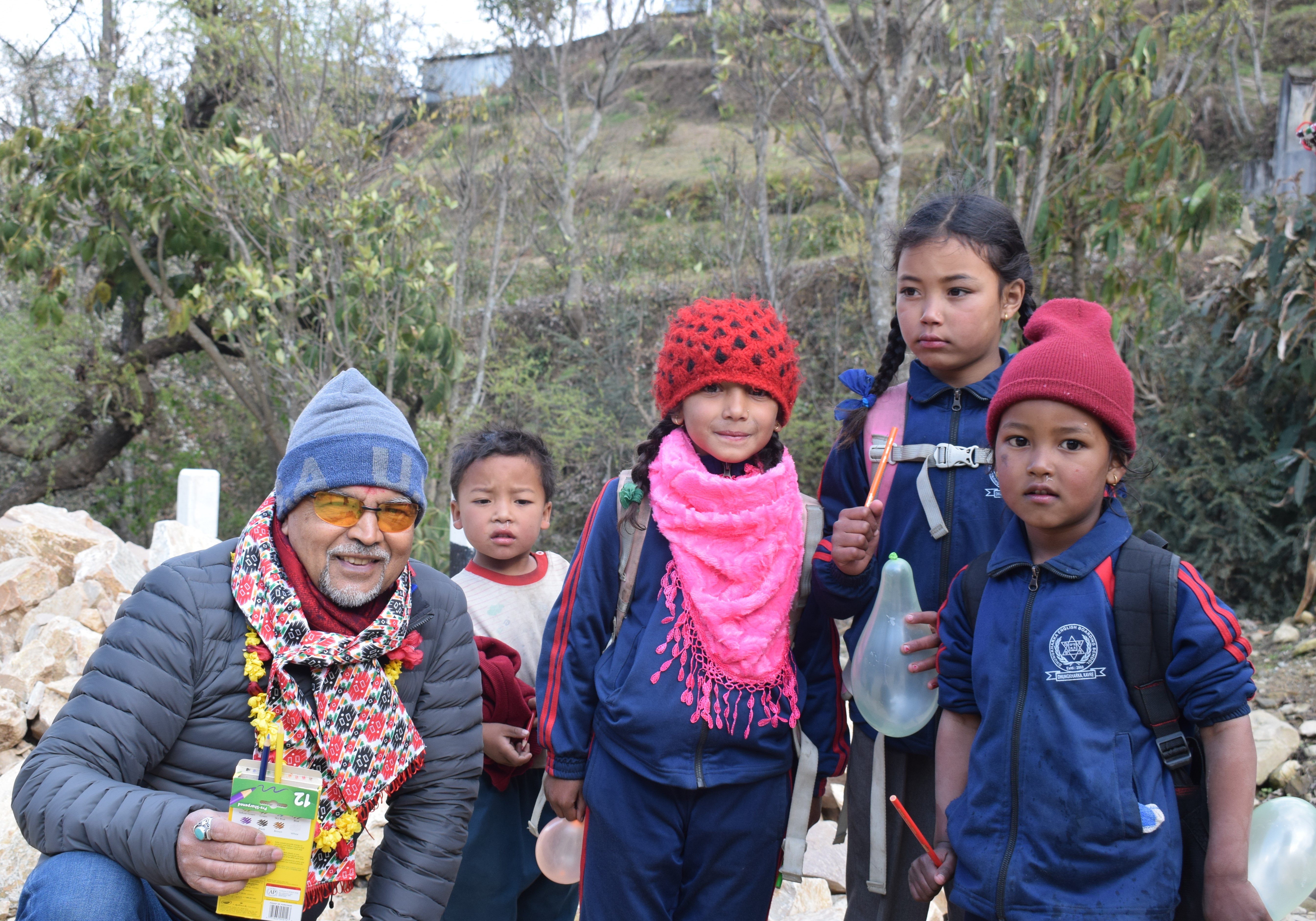
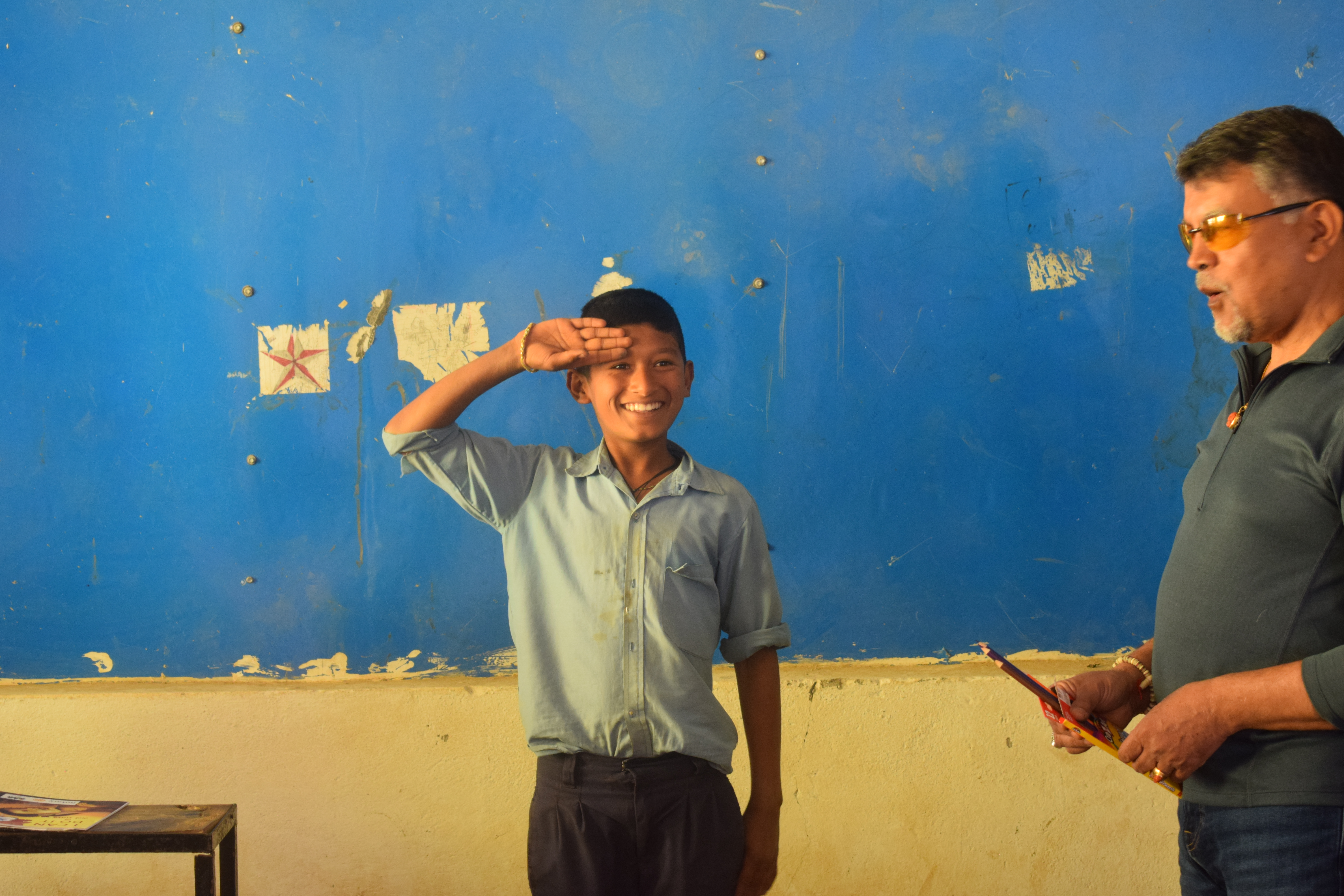
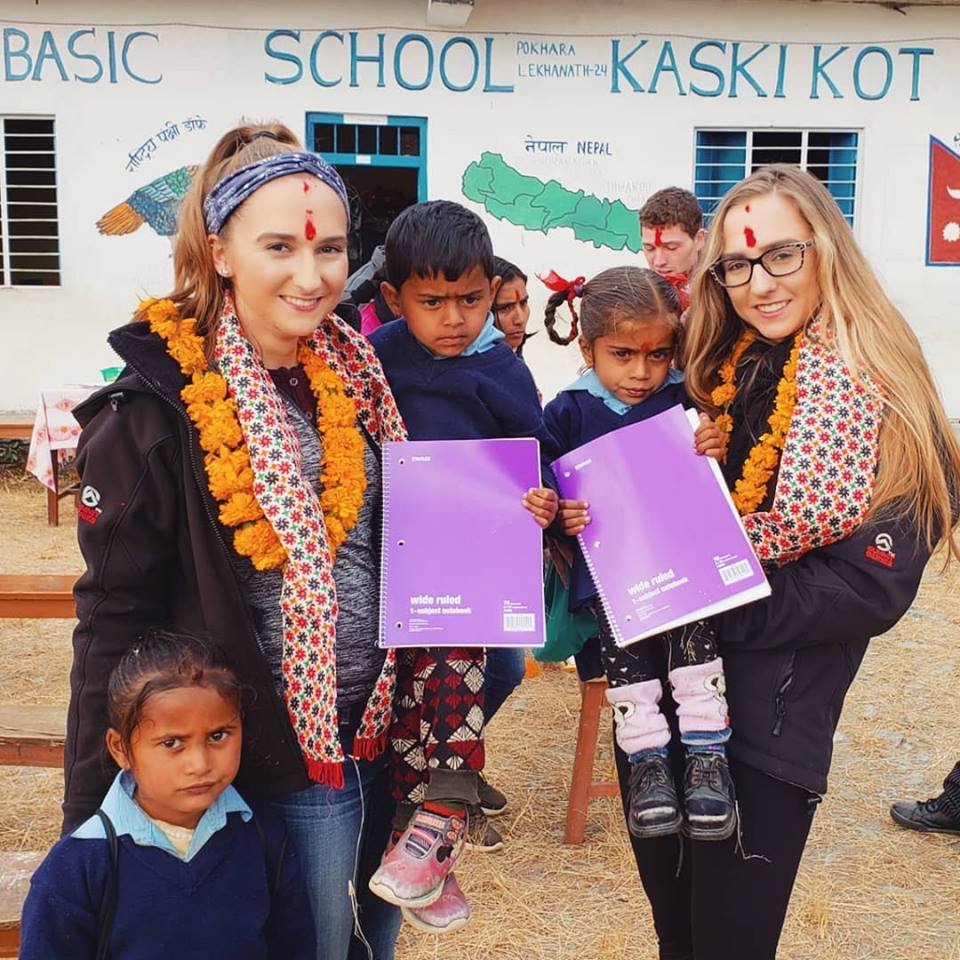
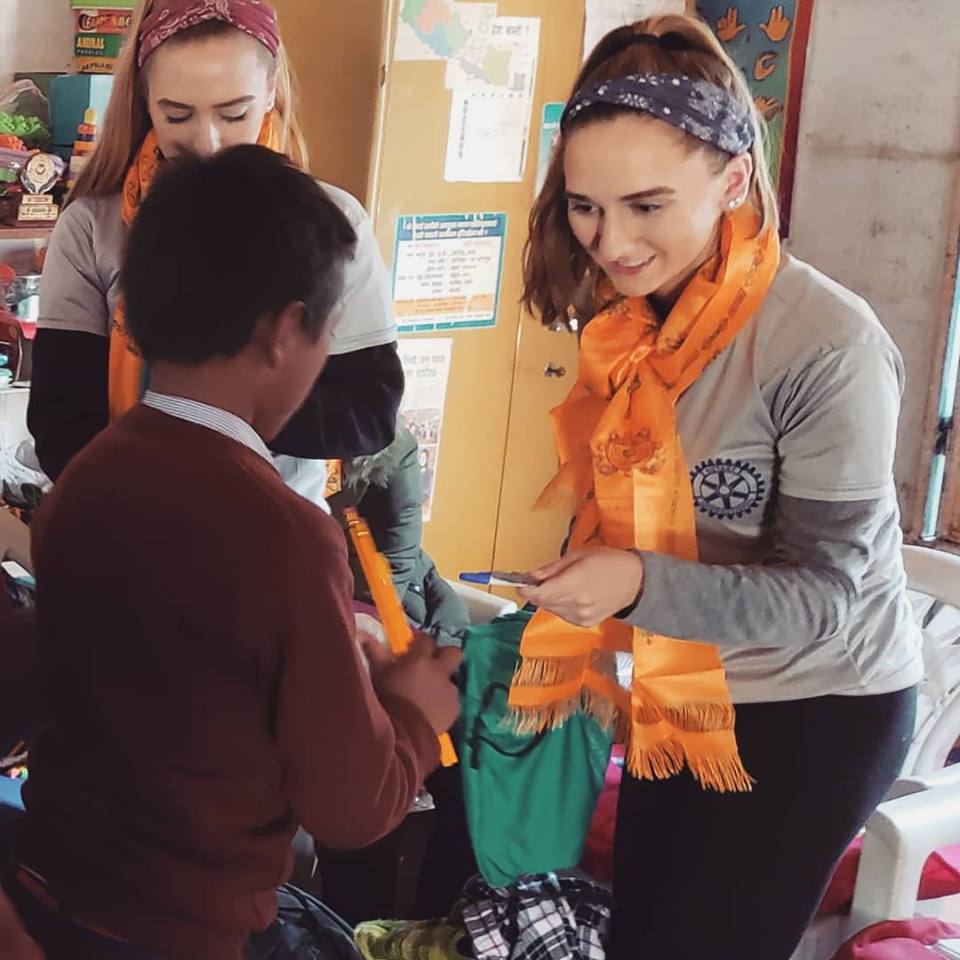
Now, when I visit Nepal, I reach into my backpack, and hand students a pen, a pencil or a notebook, and I see a wave of endless possibilities washed for these students. Seeing their smiles and bright eyes provides me with a sense of happiness. I see the profound power and promise that a small gift such as a pencil, a pen or a notebook can generate. That is our ASHA project- A Promise of Hope. ASHA means HOPE in Nepali language. It is amazing how a small word can represent so much. Providing Asha means, that is our purpose. To provide hope in all aspects of life, by supporting programs managed by the people of Nepal for the people of Nepal.
Guided by our Three Pillars: RAYS OF HOPE, LEGACY OF HOPE and HOMES OF HOPE
We support projects that create a promise of hope for the people of Nepal. Over the last 28 years, we have visited many village schools, distributing thousands of pens and pencils across many districts in Nepal. These gifts, led to powerful partnerships with local parents and children regardless of language differences. Through these discussions and partnerships, it became clear that there was a need for an international non-profit, led on-the-ground by a staff of locals within the country. The effort would require active village participation in each school, and deep support, trained teachers and tracking of the progress of each student to ensure their success. These were the principles and guidelines on which the ASHA Project was founded in April 2015, after the devastating earthquake in Nepal.
Since starting an educational scholarship with a small $500 donation in 1990, we have helped provide more than 4000 scholarships, built computer labs, science labs, libraries, developed clean water projects and provided more than $150,000 worth of micro credit loans in Nepal. Through a grant from the Rotary Foundation and individual donations, we have invested more than $800,000 in Nepal.
In the process, we have learned a lot. We’ve learned that education is a living, breathing entity that with the right nurturing evolves into something spectacular. We’ve learned that the growth process is a challenge but each pencil, each dollar,each supporter makes a difference and is essential. The ASHA Project is now a national movement of passionate individuals, many of whom are the most dynamic and impactful leaders we have ever seen. They are committed to supporting a world with greater educational opportunity for all. Thousands have joined us, making contributions through acts both large and small.
We fundamentally believe that a day will come in our lifetimes when every single child will have access to a quality education, meaningful employment through micro credit loans and a well- managed community. We will continue to work tirelessly in breaking down the restraints of today to enable the possibilities of tomorrow for the children and families of Nepal.
Hope has the power to move people. Hope has changed the course of history, and millions of lives. The magic of hope is what we are looking to spread here with the ASHA PROJECT in cooperation with the Rotary International District 7475 and the Friends of Nepal-NJ. Using our three pillars, HOMES OF HOPE, RAYS OF HOPE, and LEGACY OF HOPE, we are determined to spread the idea of a brighter, more prosperous, and stronger future.
ASHA PROJECT was originally founded in 2015 in response to the Nepal earthquake which left thousands dead, but our mission extended much before that. Starting from a small $500 donation in 1992, we have provided thousands of dollars in scholarships and have helped build places of hope such as science labs, libraries and water projects. In addition to that, we have loaned more than $150,000 in micro credit loans in Nepal, along with countless donations.
SINDHUPALCHOK PROJECT
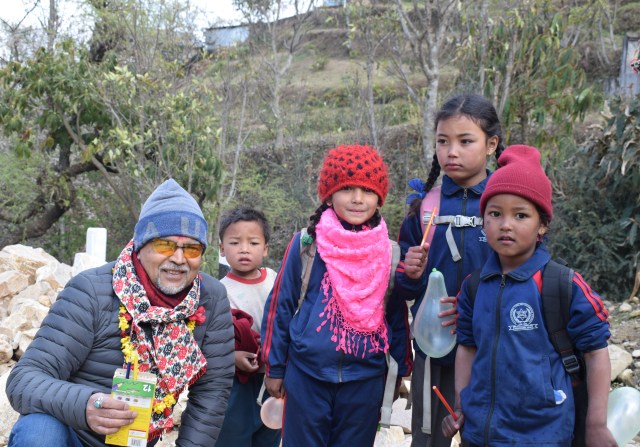
“Seeing a smile and brightened wide open eye is my sense of happiness. I see the profound power and promise brought through something as small as giving a pencil, a pen or a notebook”.
Dr. Tulsi R. Maharjan, Founding President of the Asha Project
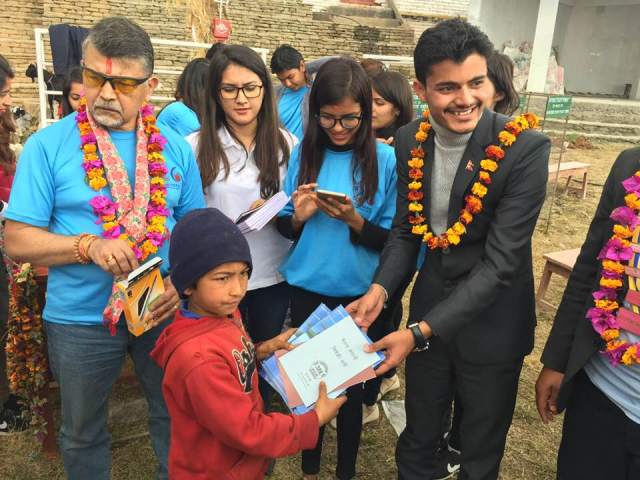
Almost as important as hope, is the importance of education. It is every child’s right to receive an education, which in turn increases hope. ASHA PROJECT has distributed hundreds of thousands of pens and pencils to symbolize opportunity. The power of learning and information creates the leaders of tomorrow.
To this day, ASHA PROJECT has been persistent in spreading the message of hope to everyone. This is our biggest ambition, and we will work to break down the barriers and spread the idea of hopefulness and optimism to everyone across Nepal.
“It is amazing how a short, four letter words can represent so much. ASHA means HOPE in Nepali, and that is our purpose. I would like to personally thank you for being a part of team. Your support for the ASHA PROJECT has transformed the lives of not just individuals, but entire communities, empowering them with the tools to break the cycle of poverty”.
Dr. Maharjan
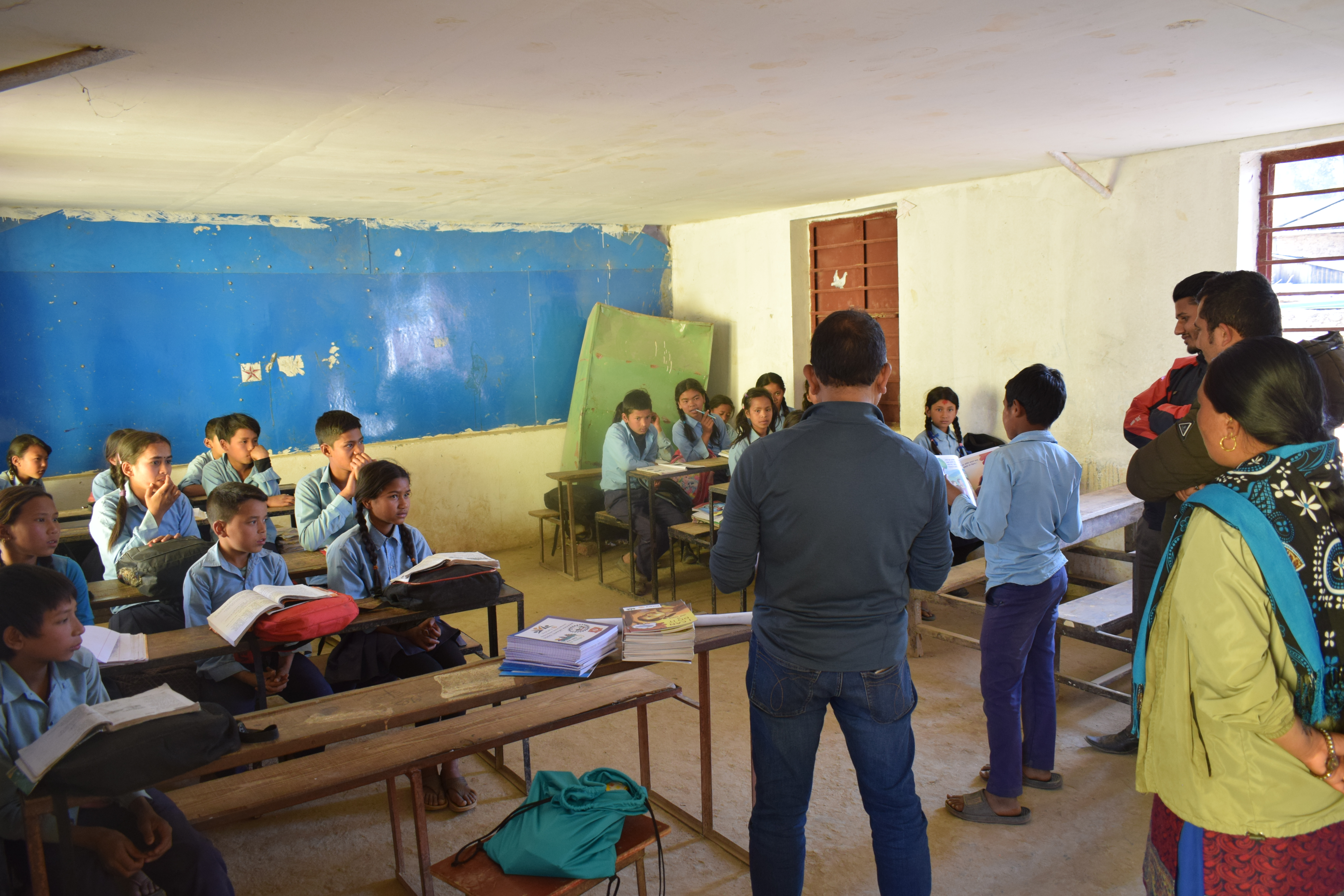
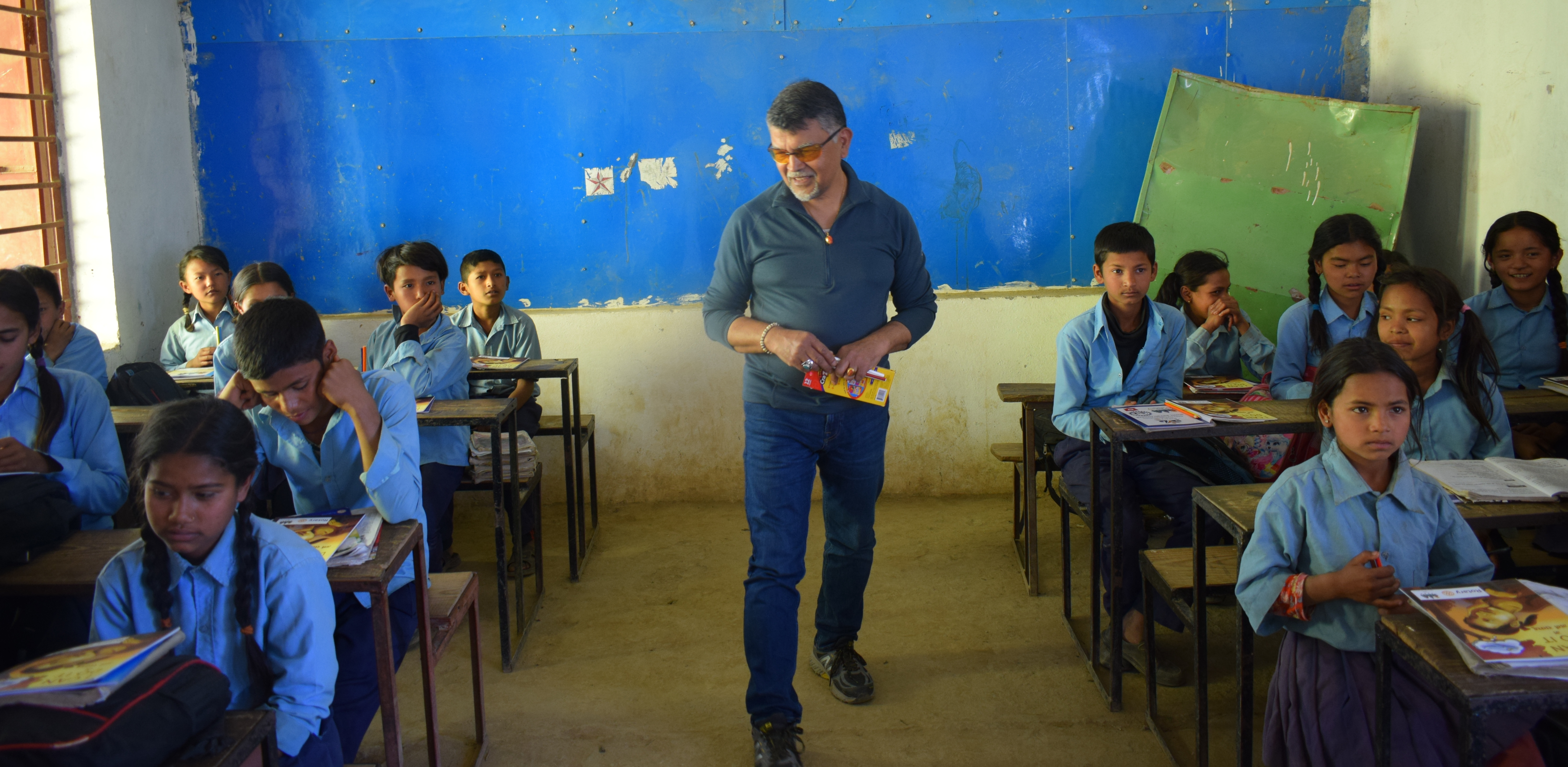
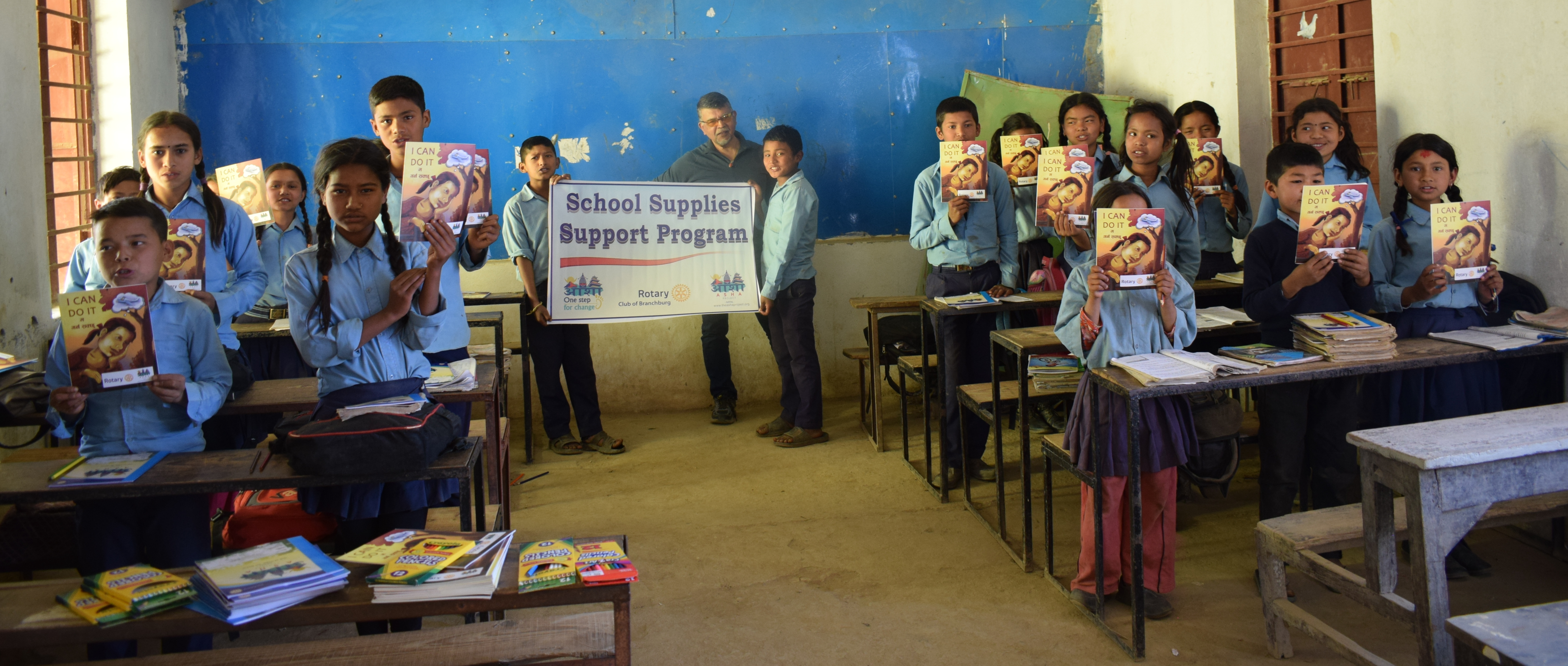
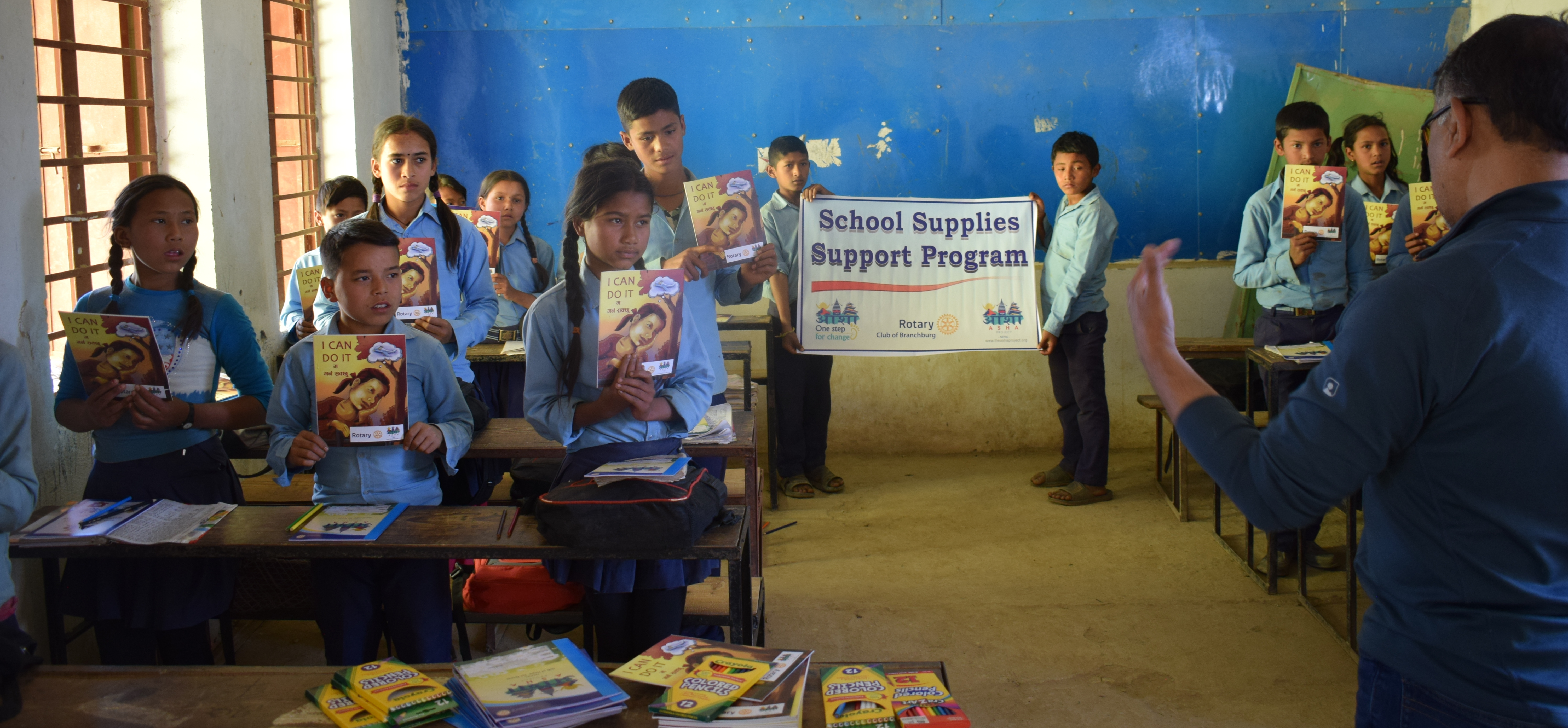
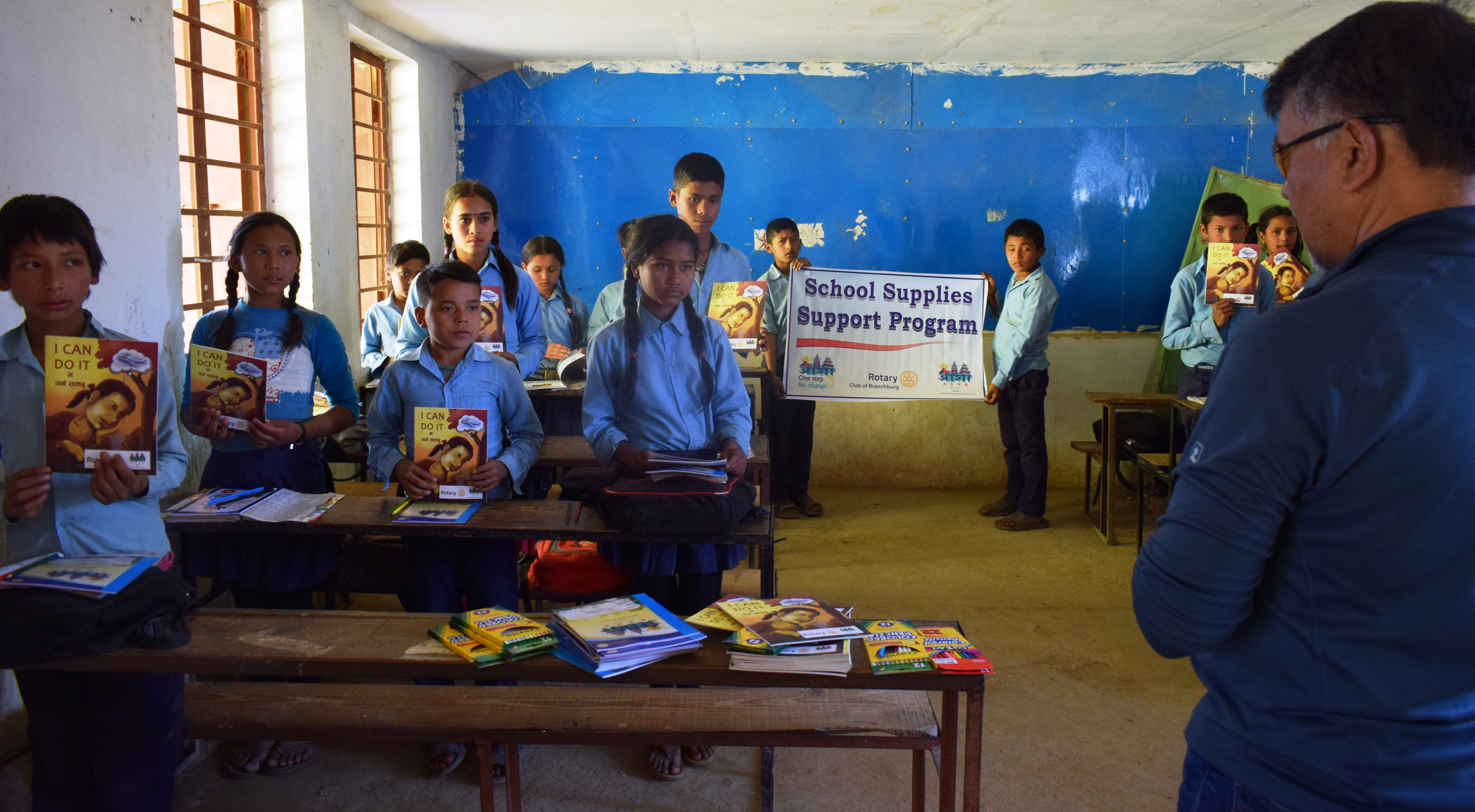
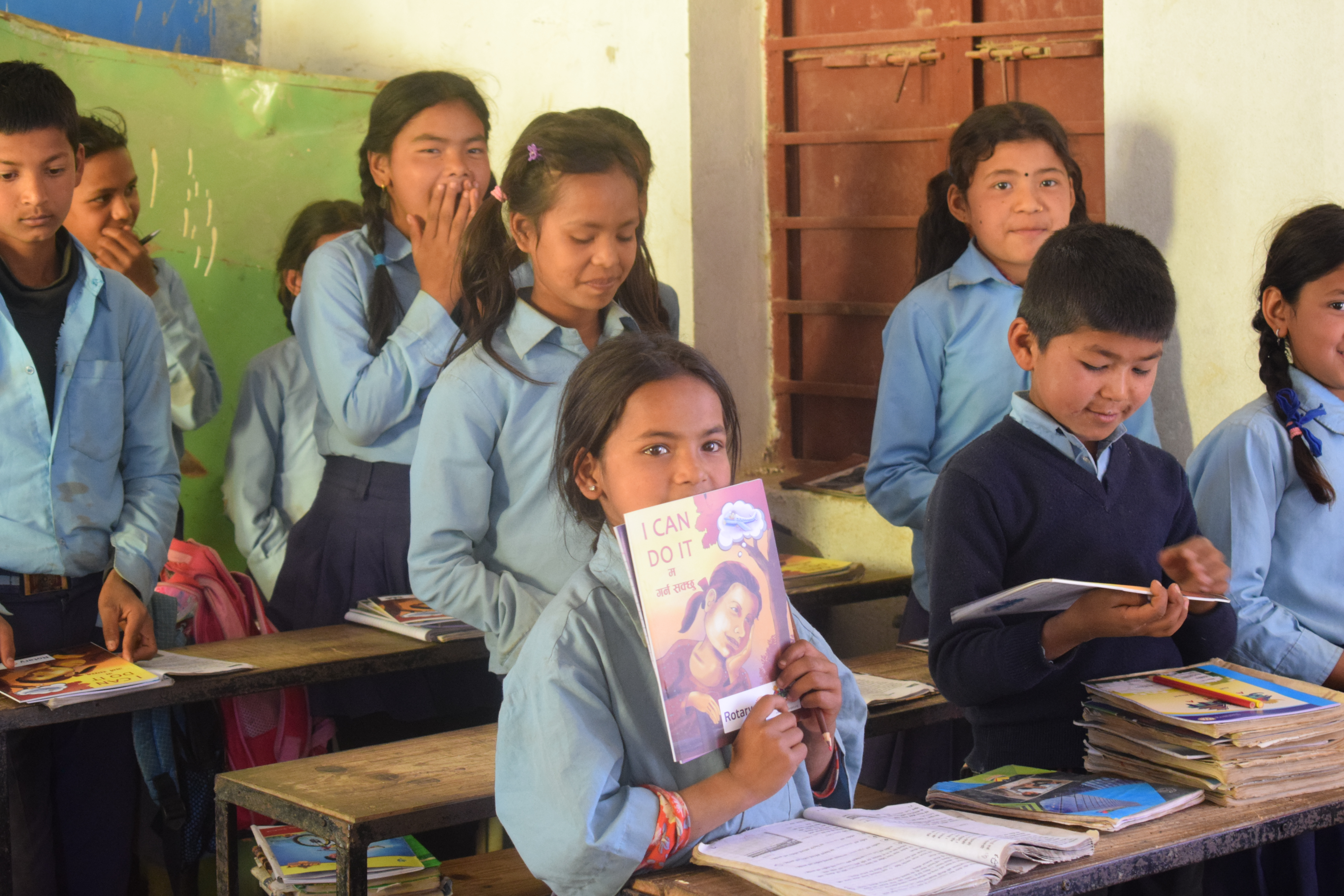
School visit School visit.2019 School visitWhat I want to be when I grow up? Ma Garna Shakchu – I can do it.A promise of HOPE
“What will really stick with me for the rest of my life are the youth leaders. They are such an inspiration to me and I can only imagine the great things they will accomplish in their lives. When you think about the ripple effect that will have, you really start to feel a sense of the scale of what is being accomplished by our ASHA PROJECT.”
Changing Lives.. one school and one student at a time.
The Asha Project brings people together to change lives. Our support brings hope and opportunities to improve the lives of children in Nepal, and it imparts deep connections to those who give their time and energy. Please reach out to the Friends of Nepal – NJ or The Asha Project to see how you can participate.
Marcus Karna being recognized for his help in carrying “Gift of Hope” supplies to Nepal
It is nothing new to hear about people living in poverty and not being able to afford adequate education and education supplies for children in Nepal.
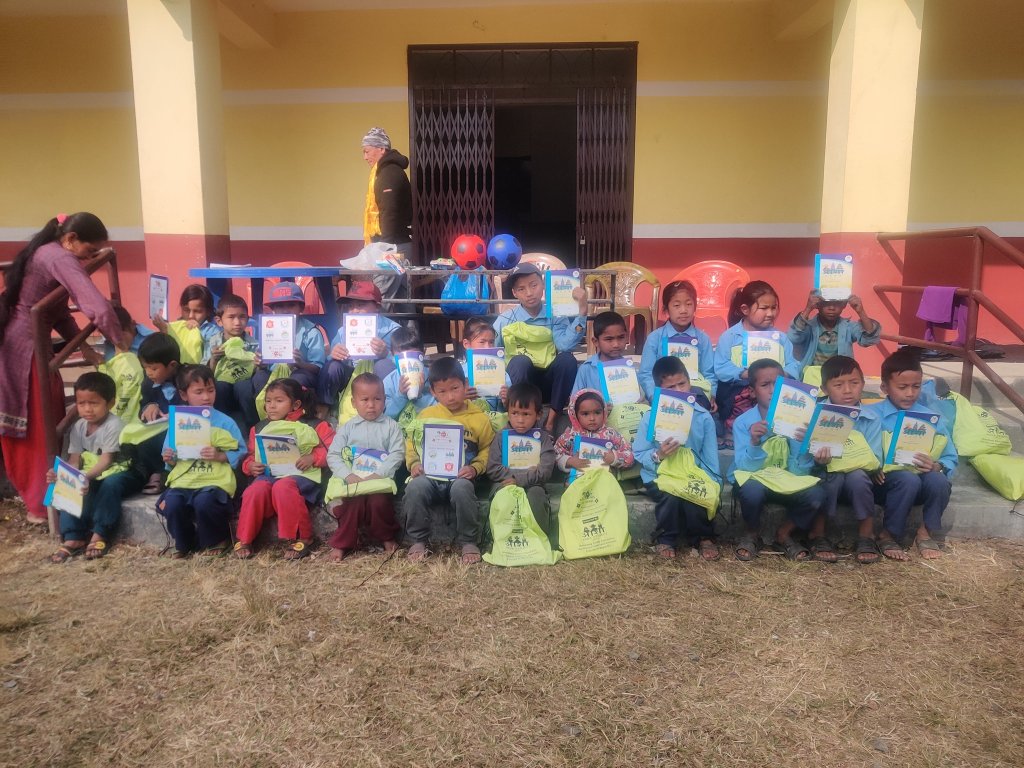
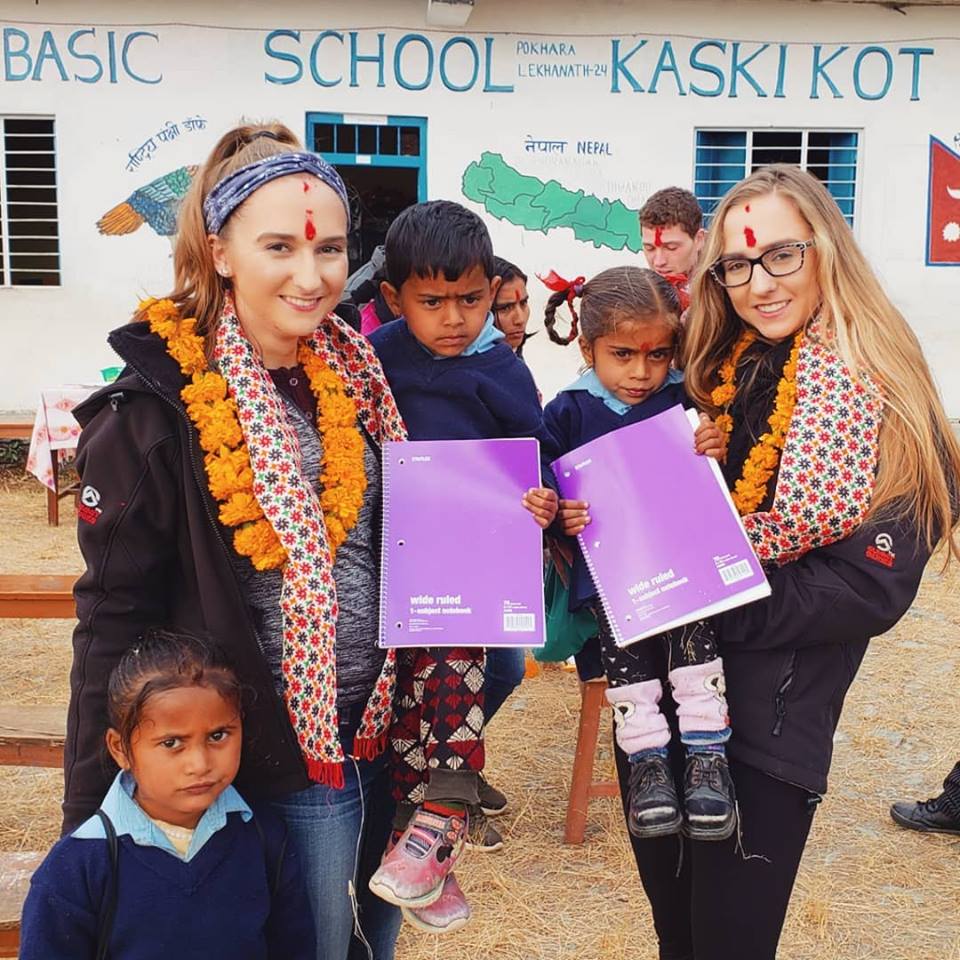
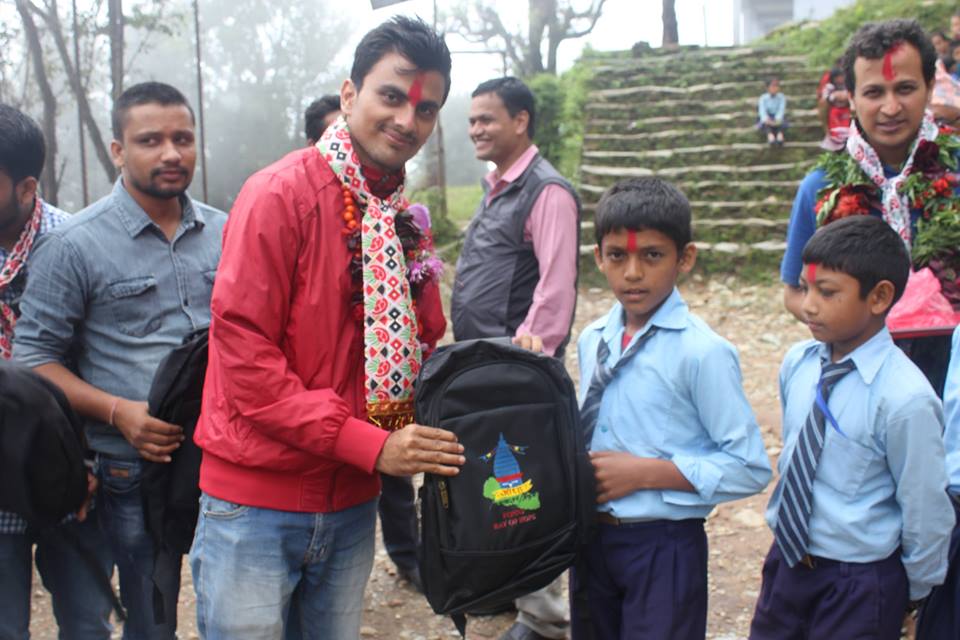
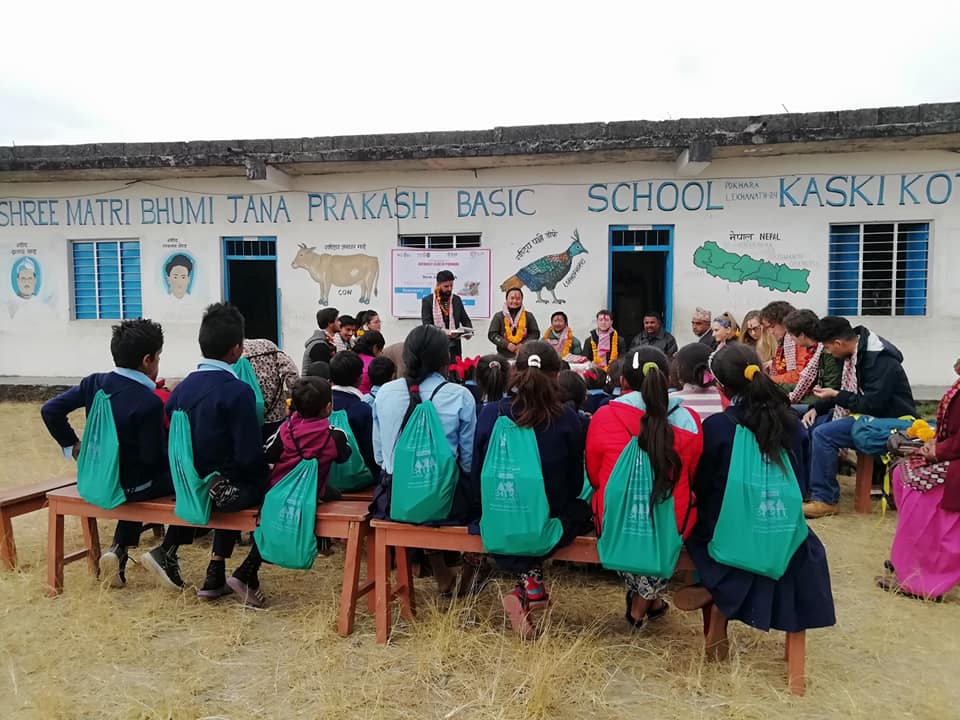
School supplies distribution in Pokhara
In Nepal, there are people struggling to obtain the basic necessities such as school supplies, uniforms, and quality education. For the ones that are fortunate enough to get private schooling, the school supplies they need are not affordable and beyond reach. With all of this in mind, we created a Project to bring hope where there is none.
In 2015, after the Nepal Earthquake the “Gift of Hope Project for Nepal” was introduced to many of our friends and colleagues. Our mission and desire is to provide education and educational supplies for the poor and neglected.
The Asha Project’s first project, building a school in the vicinity of greater Kathmandu, is currently underway. We have supported many women in Nepal with $100,000 micro credit, more than $200,000 worth of Vocational training and $100,000 health program in cooperation with many Rotary clubs in Nepal.
We ask that you join us on our journey and offer a helping hand to achieve the goal by carrying school supplies to Nepal, if you have any space in your travel to Nepal.
The Gift of Hope project can provide school supplies to many needy children in Nepal. We thank you in advance for whatever support you can offer.
Marcus Karna being recognized for his help in carrying “Gift of Hope” supplies to Nepal
BRANCHBURG — Times have not changed in Nepal, poor children in Nepal are still looking for any school supplies for their school day. To assist poor families in Nepal the Asha Project, a Rotary and Community partnered program is working with local Schools and community groups to collect school supplies for the Asha Project’s 2018 Humanitarian Mission to Nepal.
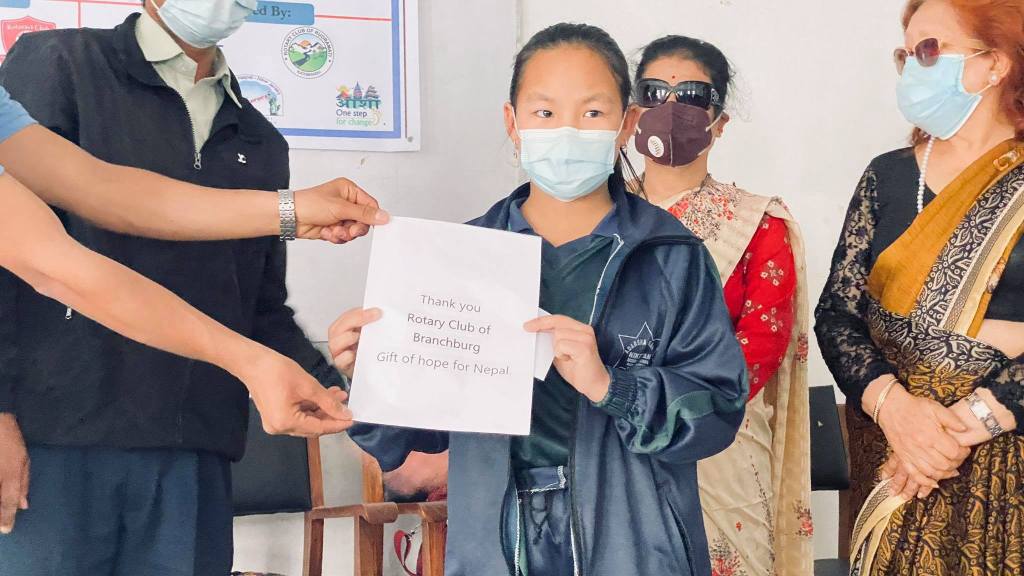
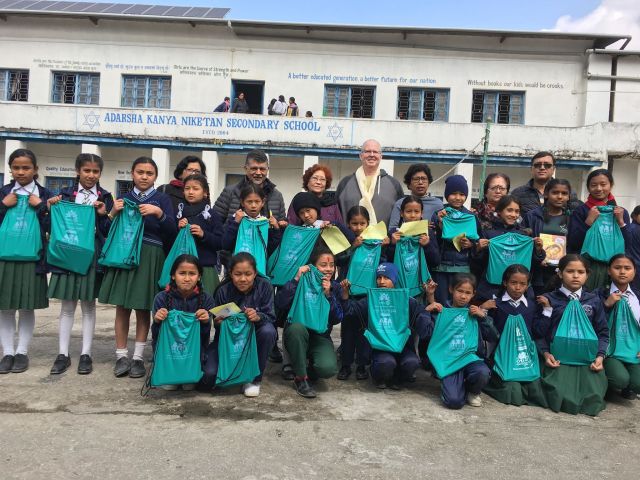
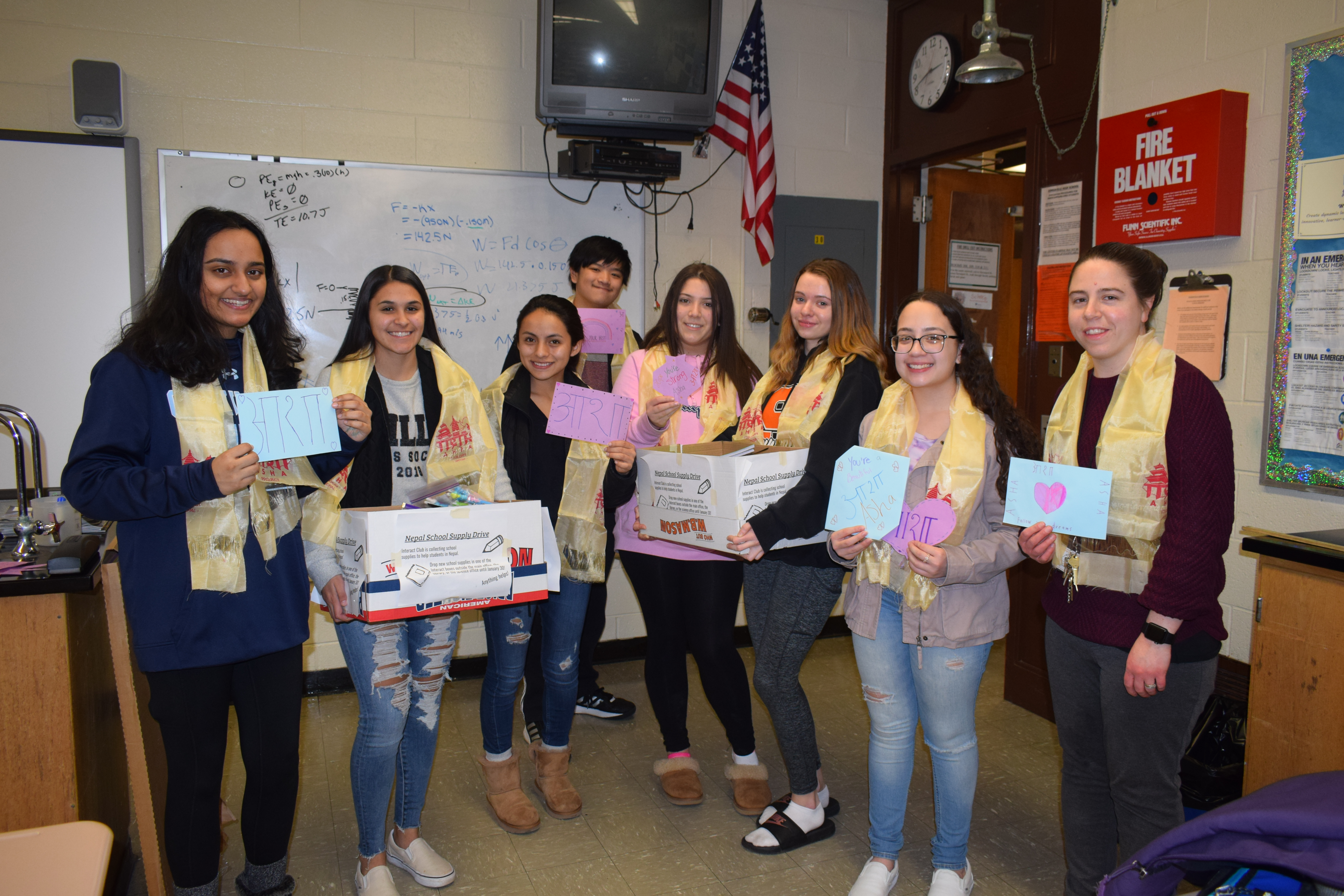
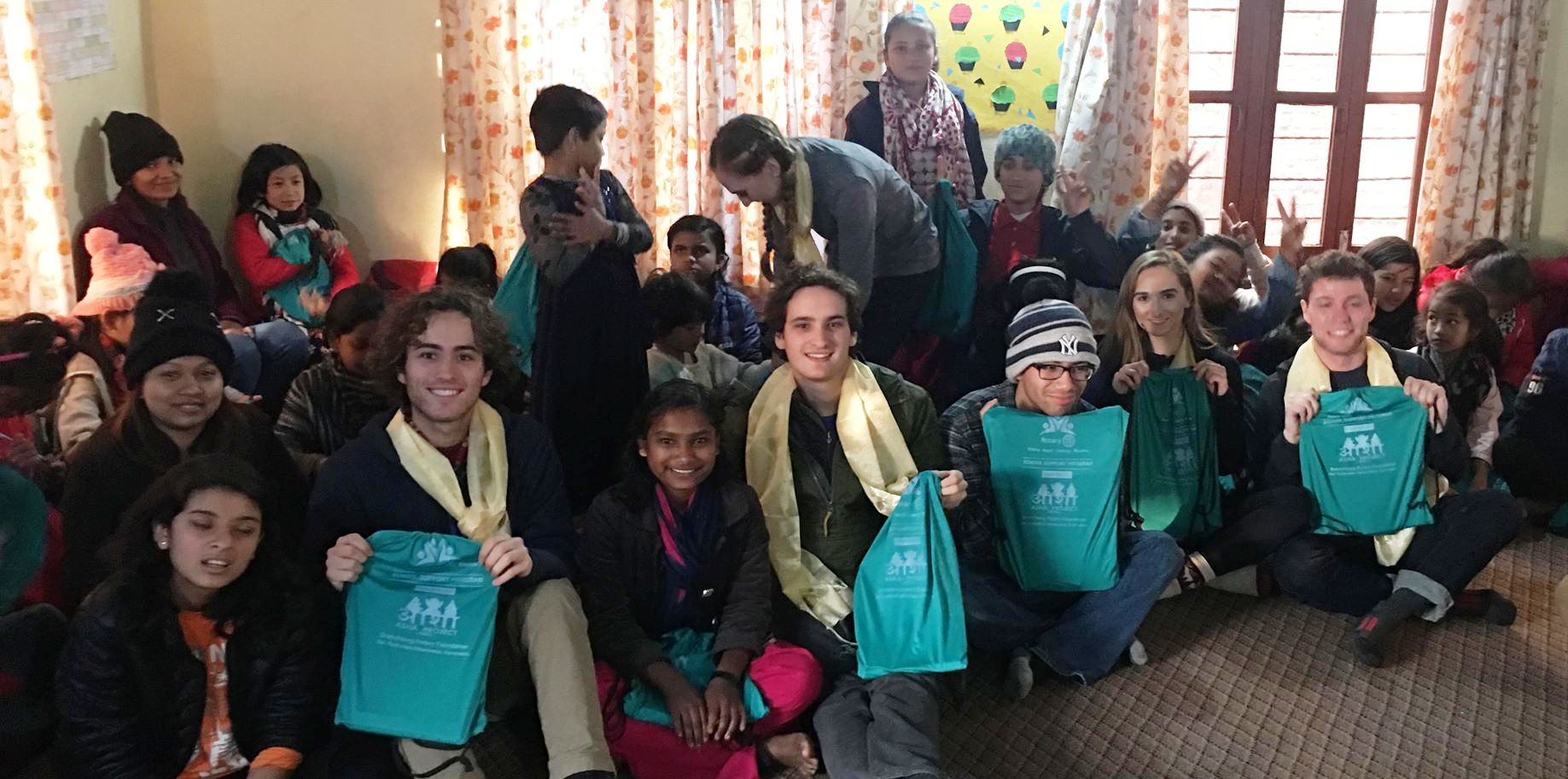
Recently, the Somerville High School Interact club members collected school supplies and wrote Massages of HOPE for the school children in Nepal. They pulled together donations from their class and every member of the Interact club members wrote a message in Nepali word called “ASHA”. The Asha is the Nepali work for Hope. The Rotary Club of Branchburg has been helping in Nepal for the past 26 years. The Somerville High School Interact club members put together several boxes of school supplies decorated with the ASHA word. These school supplies will be distributed to poor school children in Nepal during the Asha Project’s 2019 Humanitarian mission to Nepal from February 15-March 1, 2019.
Interact students from the Somerville High School.
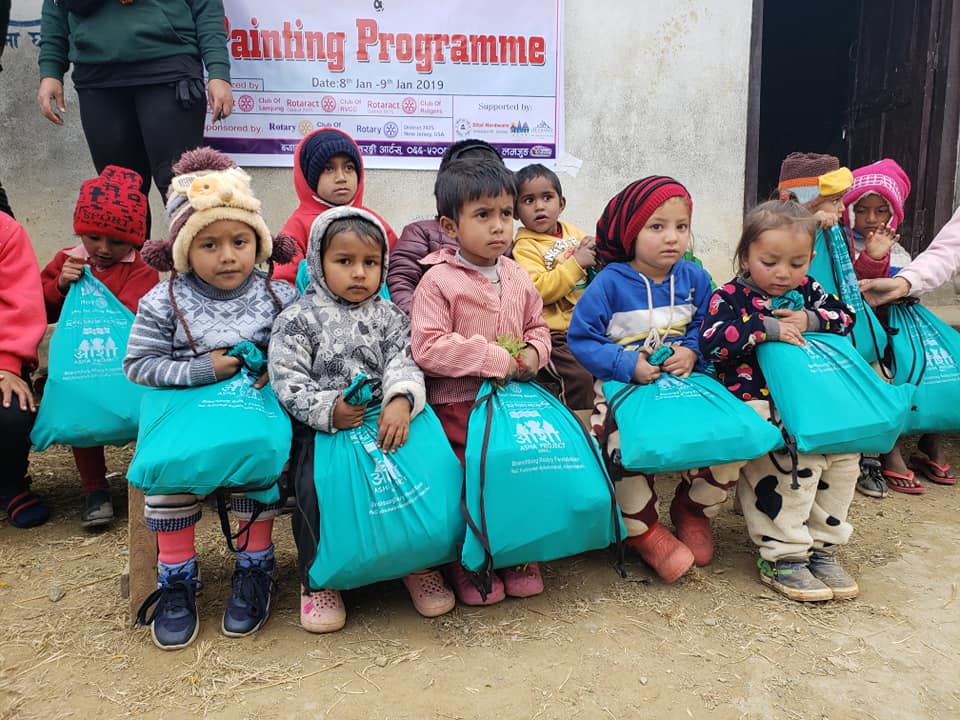
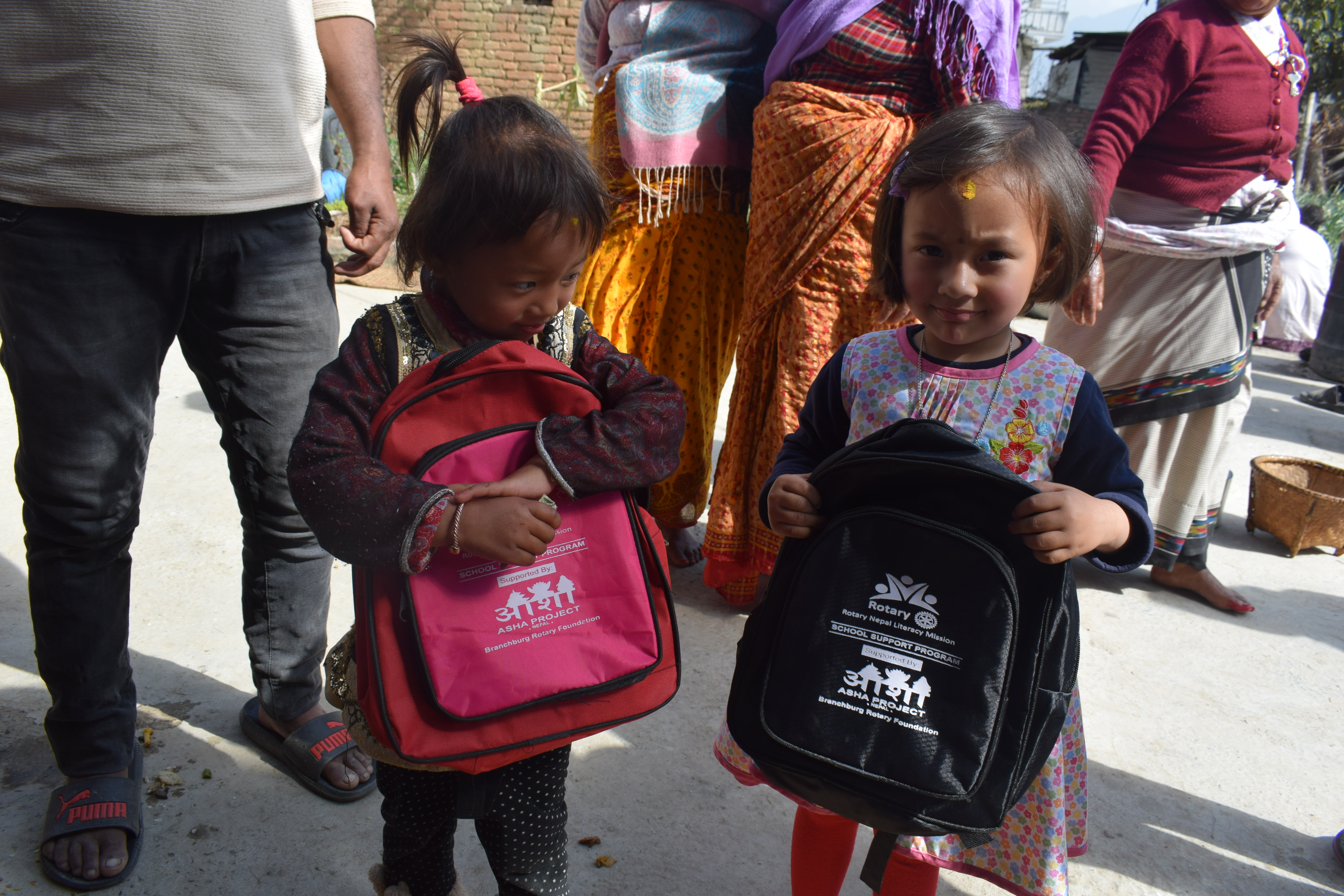
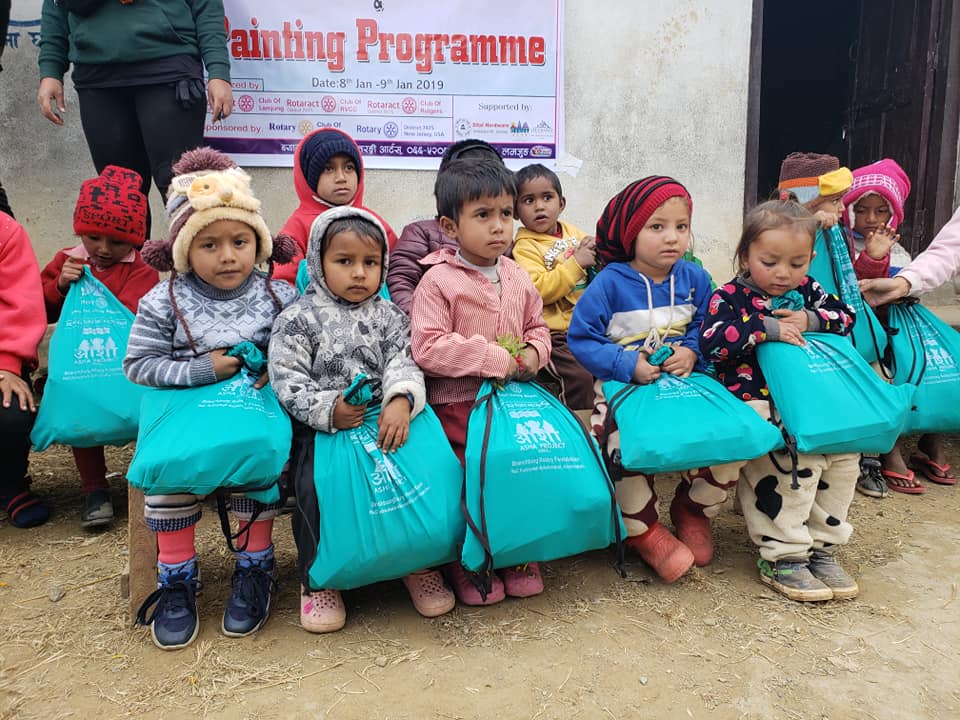
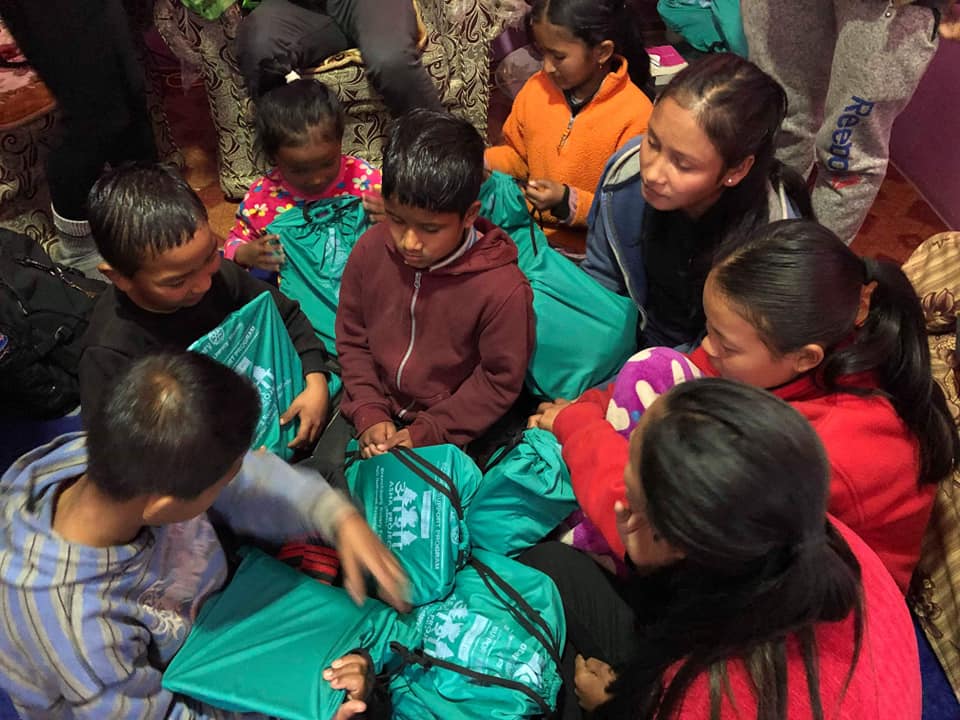
In addition to the school supplies like notebooks, boxes of crayons, pencils, erasers, folders and other supplies, the Branchburg Rotary donated $2000 toward the purchase of a new school bags.
“Individuals from all Rotary members also donated a variety of school supplies that the students or the school could not afford,” Maharjan said. “These supplies will help to make a better learning environment for students in Nepal.”
According to Interact Club Adviser Ms. Kelly “The Interact Club piloted this collection, but I am sure next year we can do it on an even larger scale! Although the box may not be big, it is filled with lots of love and friendship”.
Dr. Tulsi Maharjan, Past President of the Branchburg Rotary and a team leader for the 2019 Humanitarian trip, said students in Nepal is looking forward to this special gift and students are “lucky” to receive special gifts from America. We hope to have students from Nepal SKYPE with the students and have cultural exchange as well. We hope to continue this project.
Rotary’s vision statement, “Together, we see a world where people unite and take action to create lasting change — across the globe, in our communities, and in ourselves.”
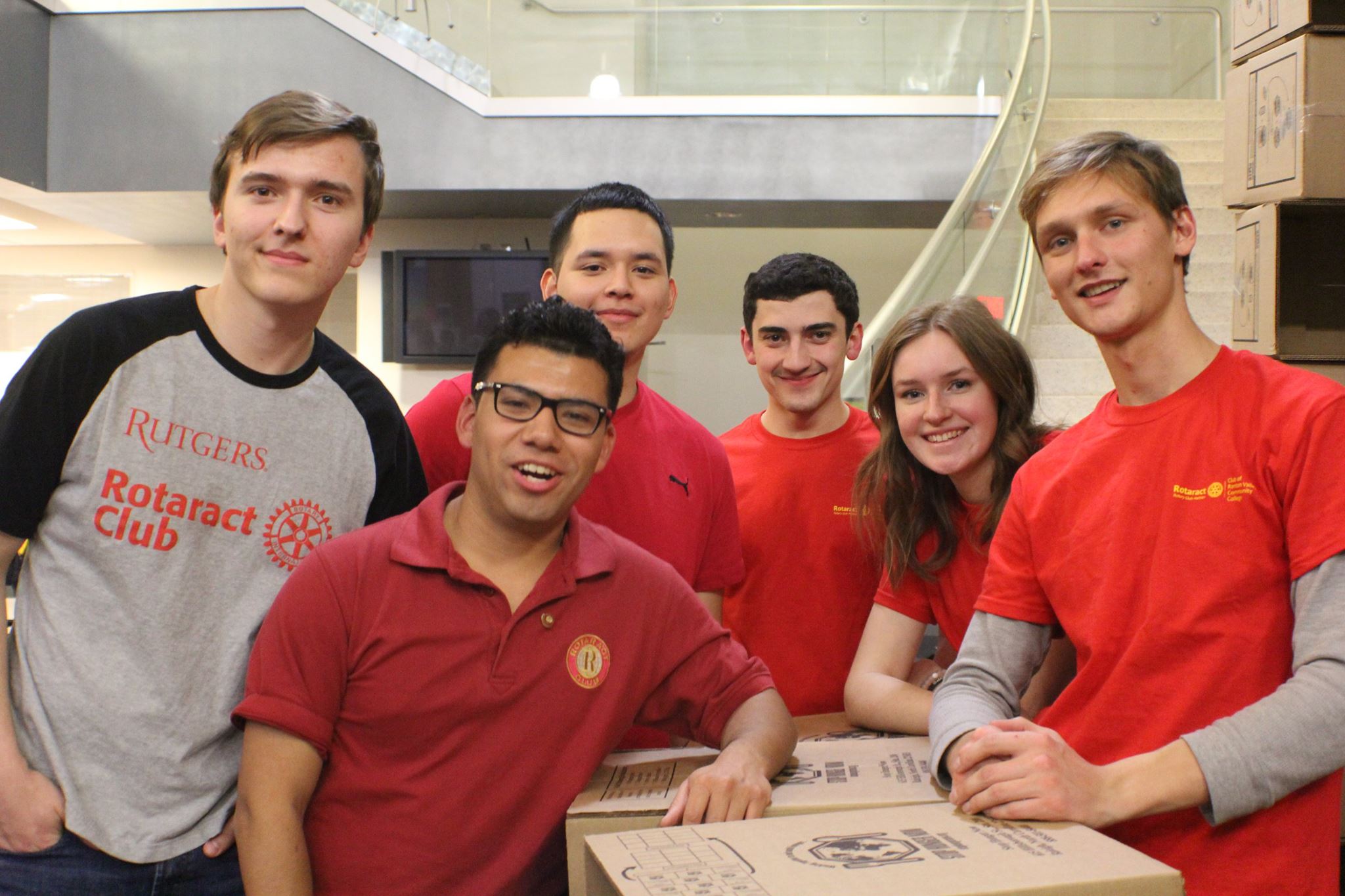
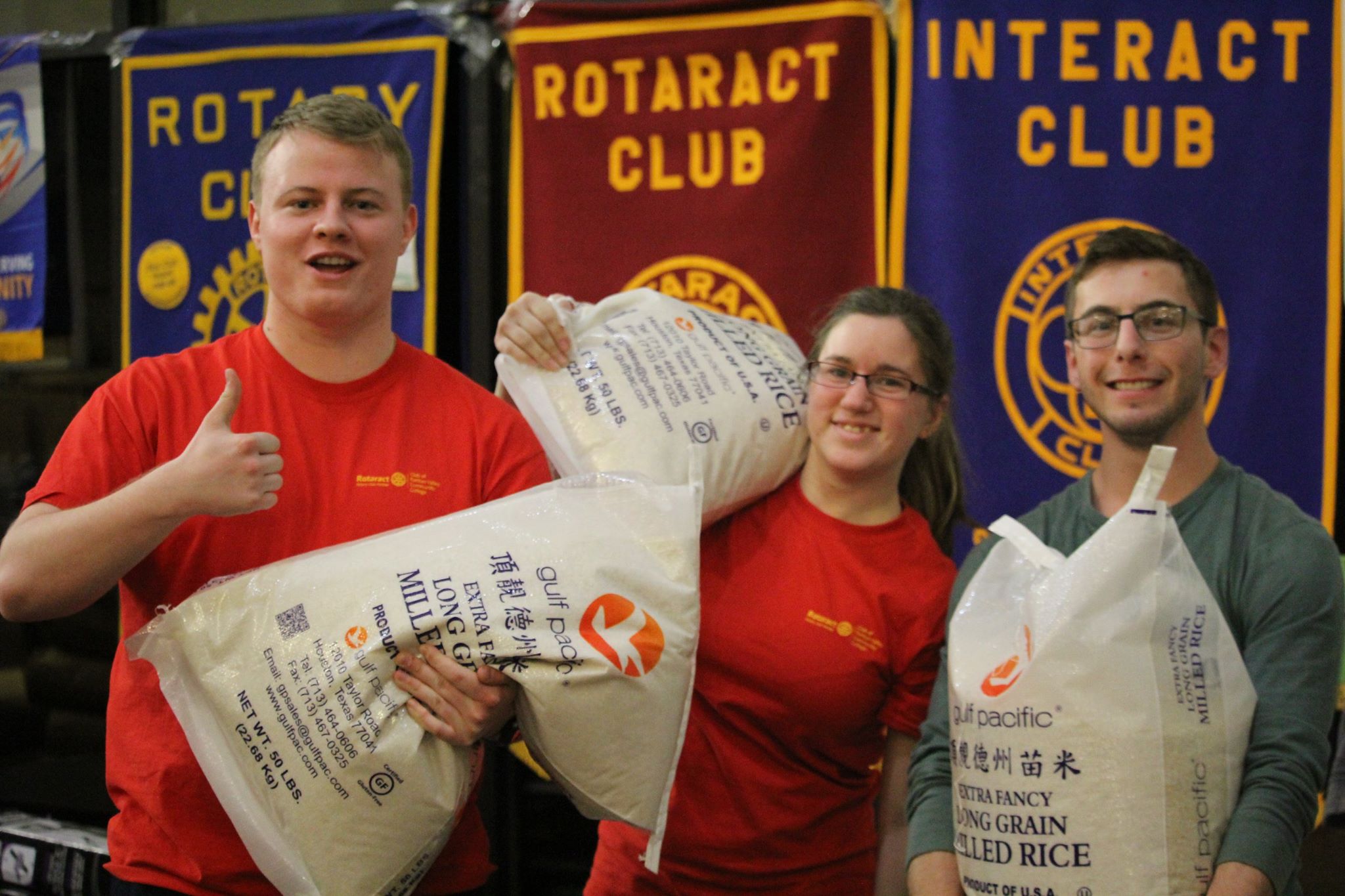
Come join us at CENTRAL NEW JERSEY’S largest ROTARY+ROTARACT+INTERACT+COMMUNITY WINTER FOOD PACKING EVENT on March 28, 2020 at the Raritan Valley College, cafeteria in Branchburg.
The Central New Jersey Rotary Families in collaboration with our local organizations plans to prepare 100,000 meals for needy people in the Central New Jersey area and donate to the local Food Banks.
As part of this campaign Central New Jersey Rotary, Rotaract, Interact Clubs and community organizations are planning to join together to prepare 100,000 food packages for malnourished children in our community and donate to our local food bank on March 28, Saturday from 12 to 6 pm at the Raritan Valley Community College Cafeteria.
This special service project is a part of Central NJ Rotary Club’s effort to curve hunger in the Central New Jersey area. This project is more than just bringing a smile to the recipients; it is also an opportunity for each club’s members to gather with their spouses and/or children to enjoy night of fellowship and the joy of giving back. “The members of the Rotary Club value the relationship we have developed with the Central New Jersey communities and Rotary clubs, and look forward to working on service projects in the future,” said Rotary Past District Governor Dr. Tulsi R. Maharjan.
Come join us at our 6th Annual Winter Meal packing event. Our goal, with your help, is to raise $45,000 to fund over 150,000 meals to feed 900,000 children who are suffering from hunger.
Volunteers of all ages are Welcome!
Suggested
donation of $25 per person and Or $40 per family and $150 per community
organizations.
Contact us at
RotaryDistrict7475@gmail.com or 908-369-4318.
Emily Fabiano, 2019 Humanitarian Mission and Cultural Exchange
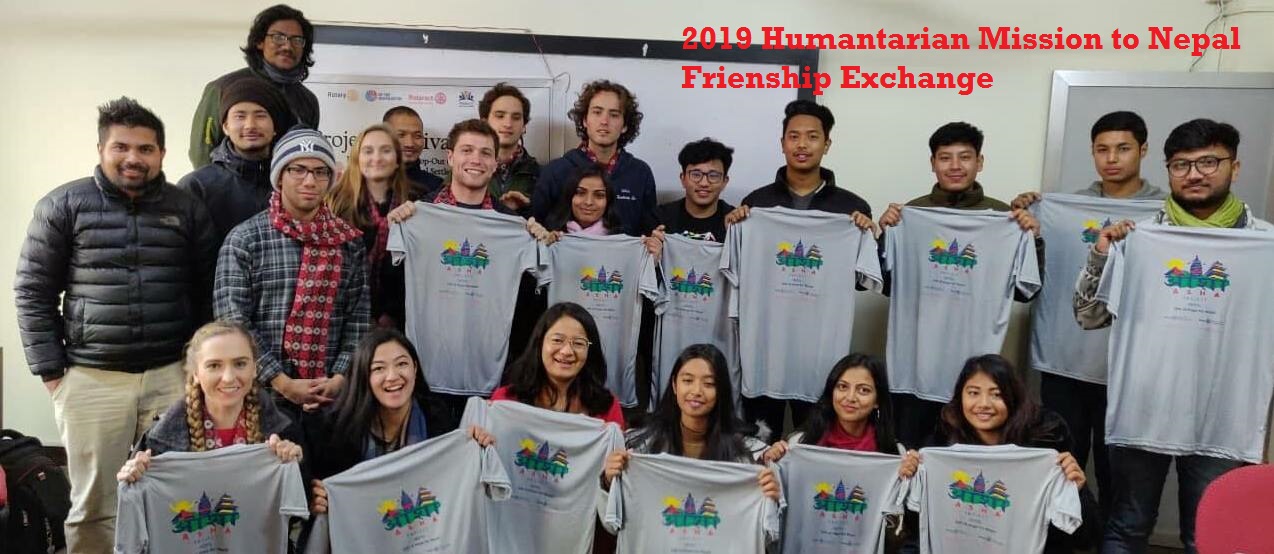
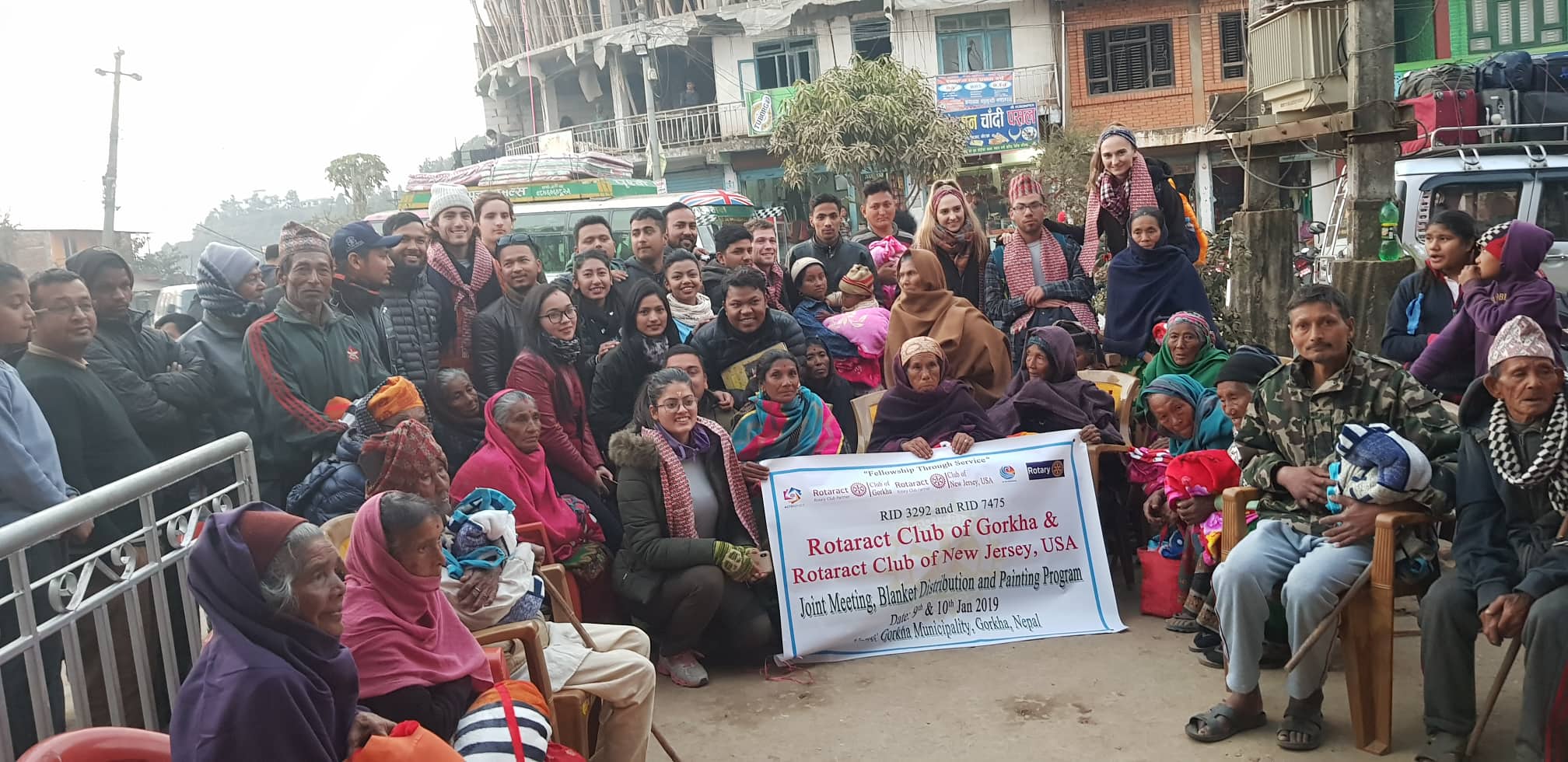
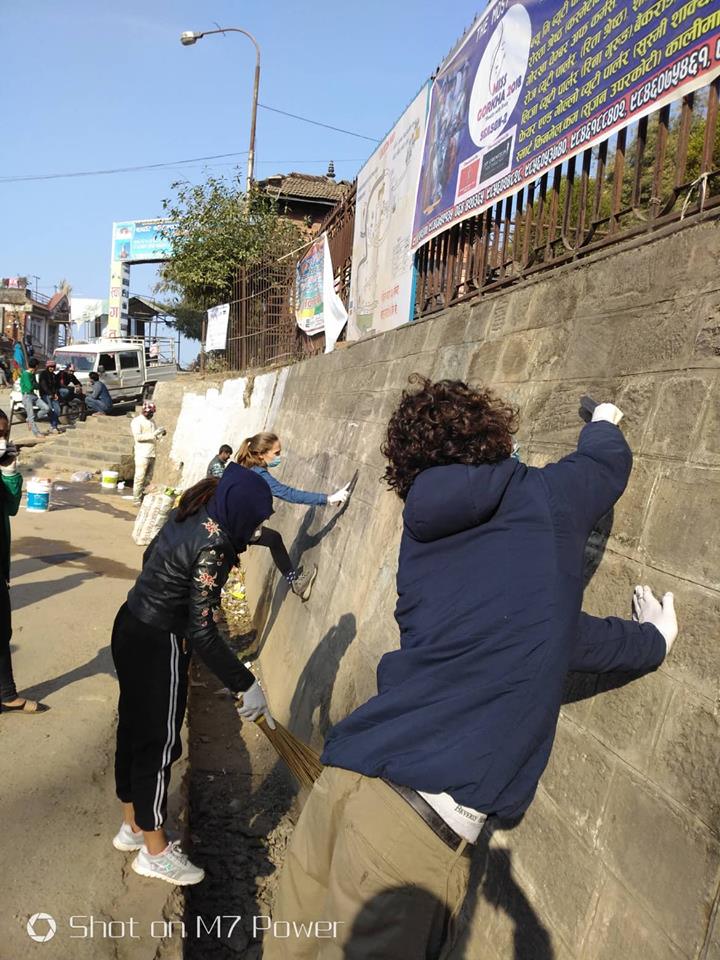
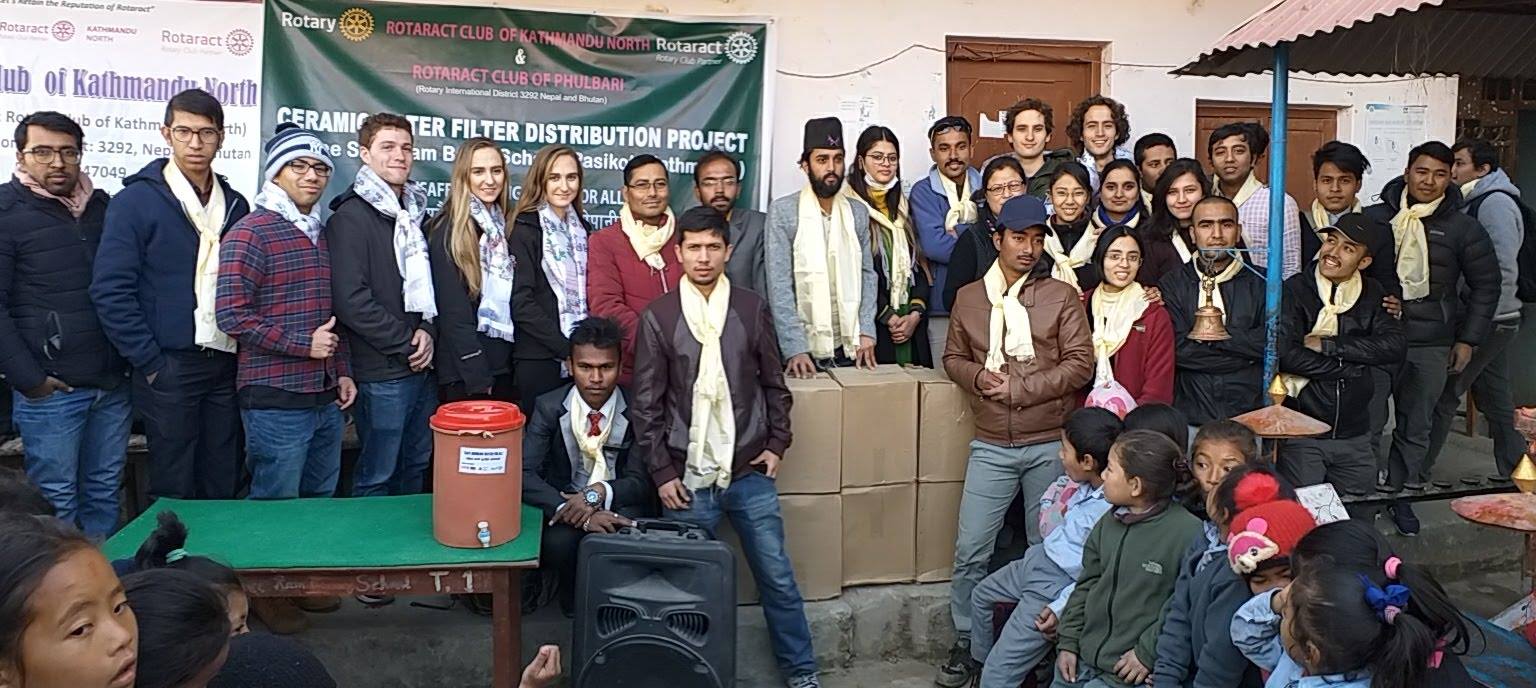
While my friends were out partying and midnight struck, the plane I was on became filled with clapping and cheering. It was now 2019 and my Emirates flight was departing for my third humanitarian mission and cultural exchange in Nepal. I was excited to see my friends in Nepal again, but I had doubt about whether it would be worth it to travel to the same place for the third time this year, especially after getting food poisoning during my previous visit. I was unsure if the experience doing projects in Nepal would impact me as much as it did the first time I took part in this mission. Did I make the right decision to go to Nepal again? Myself and five other students from NJ have checked 300 pounds of donations for schools and orphanages, and our adventure started on New Year’s Eve.
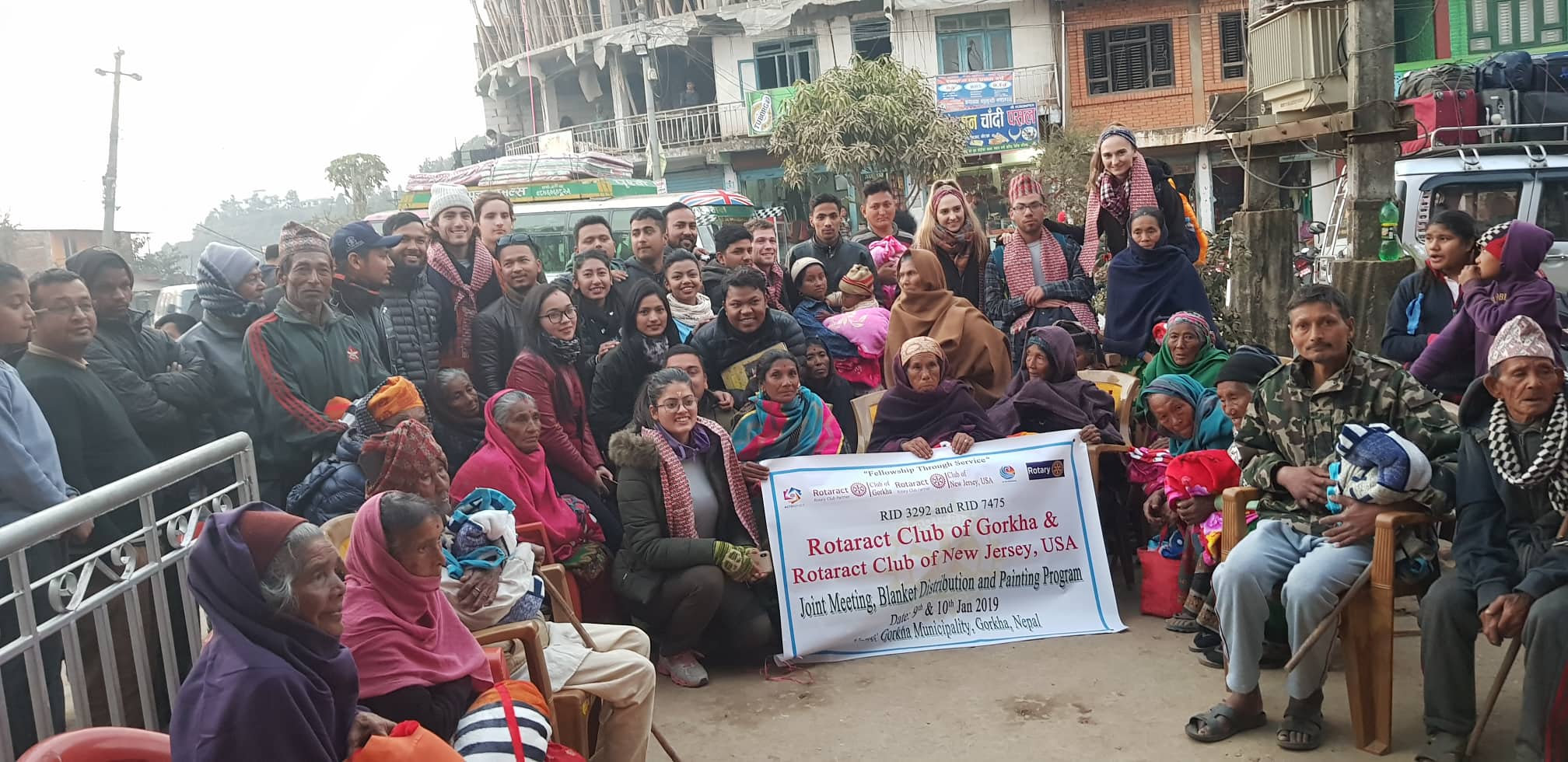
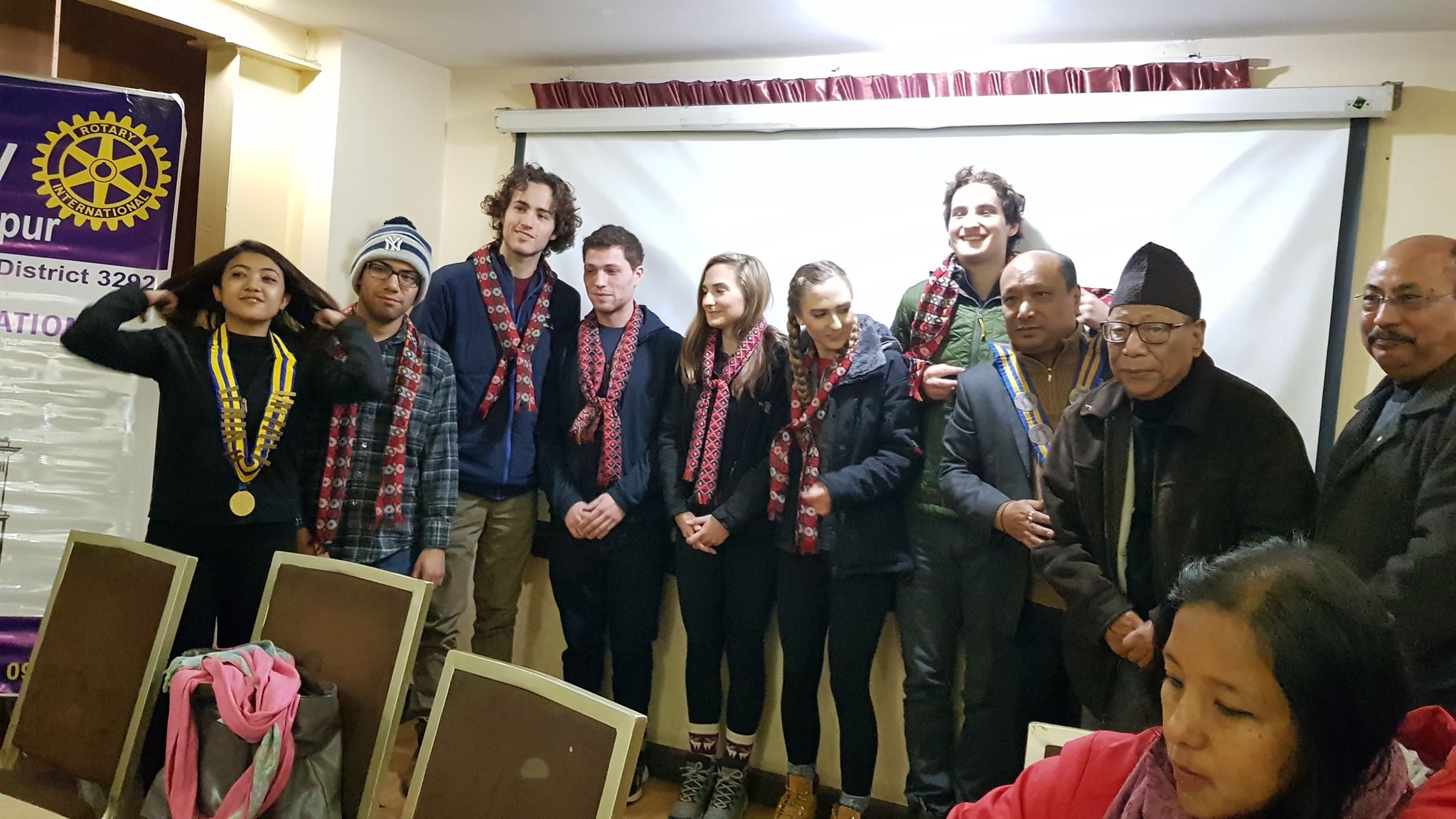
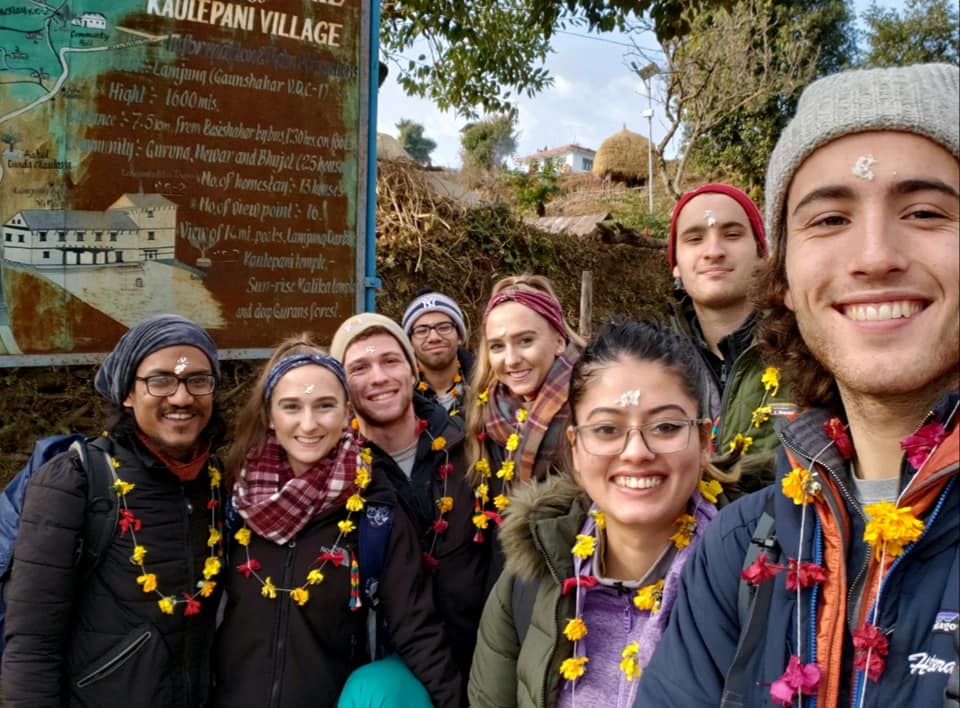
After about 40 hours of traveling, 8,000 miles from home,I was reunited with my friends in Nepal and we picked up right where we left off. I remember our first day in Kathmandu, we were jumping from program to program, and ultimately, I think we met with five different Rotaract clubs in just the first day when normally, we meet with one or two. This showed how much our friends wanted to see us again now that we were back in their country, and how excited the new clubs were to meet us. I made a lot of new friends in these clubs, as every club met us with warm welcomes and we could see how appreciative they were to have us in their country. This is true for every village we traveled to, and every new club we met with. The Nepali have a phrase “Guests are Like God,” and this is extremely evident in the way the Nepali host us. I remember one of the Rotaractors that hosts us everytime we come to Nepal, Narendra, made a comment that stuck with us while we were there. He told us “You guys are not tourists to me, you’re my friends,” which was very comforting for all of us to hear. Despite Nepal being on of the world’s poorest countries, this country has the most generous people I have ever been surrounded by, and this is what brings me back to this country time after time.
For the first few days I remember having a hard time adjusting. I was not used to sleeping without heat, taking cold showers (if we even had access to a shower), or hiking to the top of a “mountain” to where I will sleep for a night. These experiences are what make the trip meaningful and memorable, and taught us to appreciate many of the things we take for granted. In these moments it is hard to keep a positive attitude, but looking back I am grateful for living a very different way of life for two weeks. To experience the lifestyle of one of the world’s poorest countries has shaped my character immensely, and has changed my outlook on life and what I want to do in life. After being exposed to how kids live in Nepal, it makes me feel like I have no right to complain about my daily problems, because unfortunately most of my daily challenges/complaints are nothing compared to the way people live in Nepal.
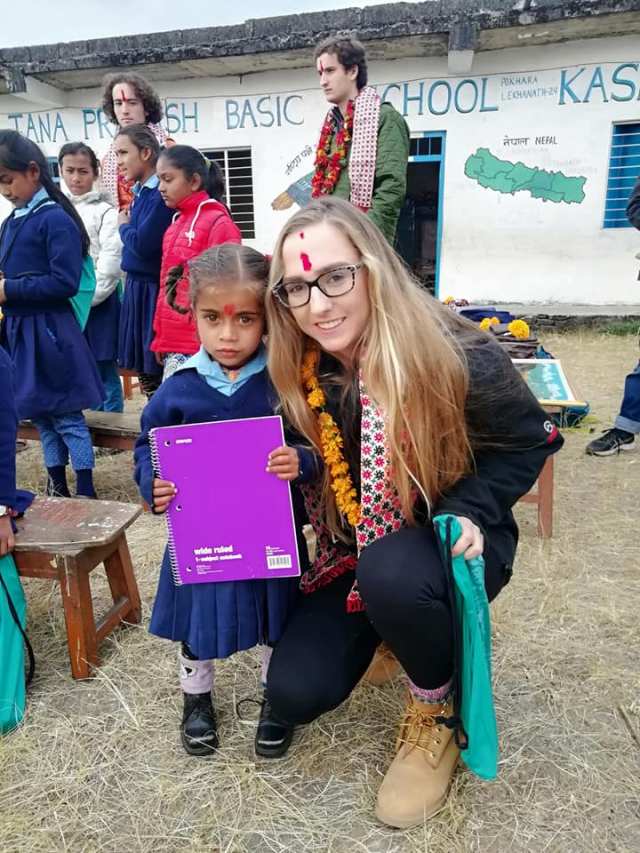
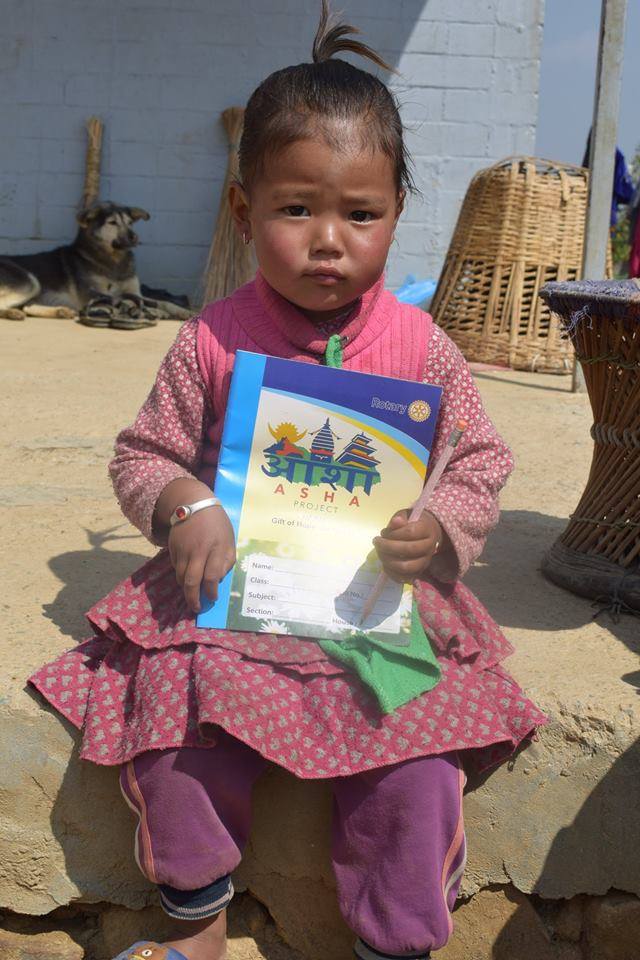
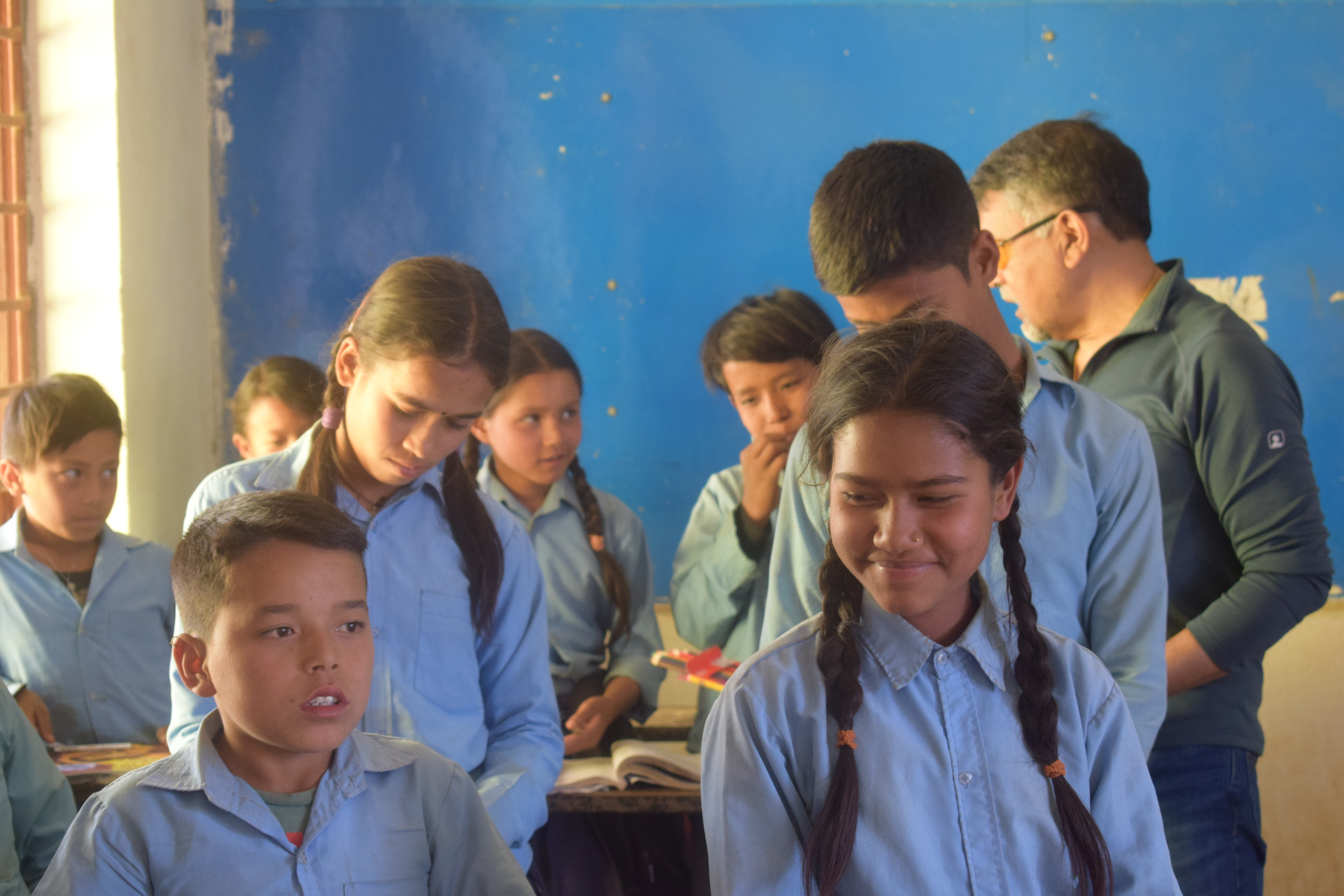
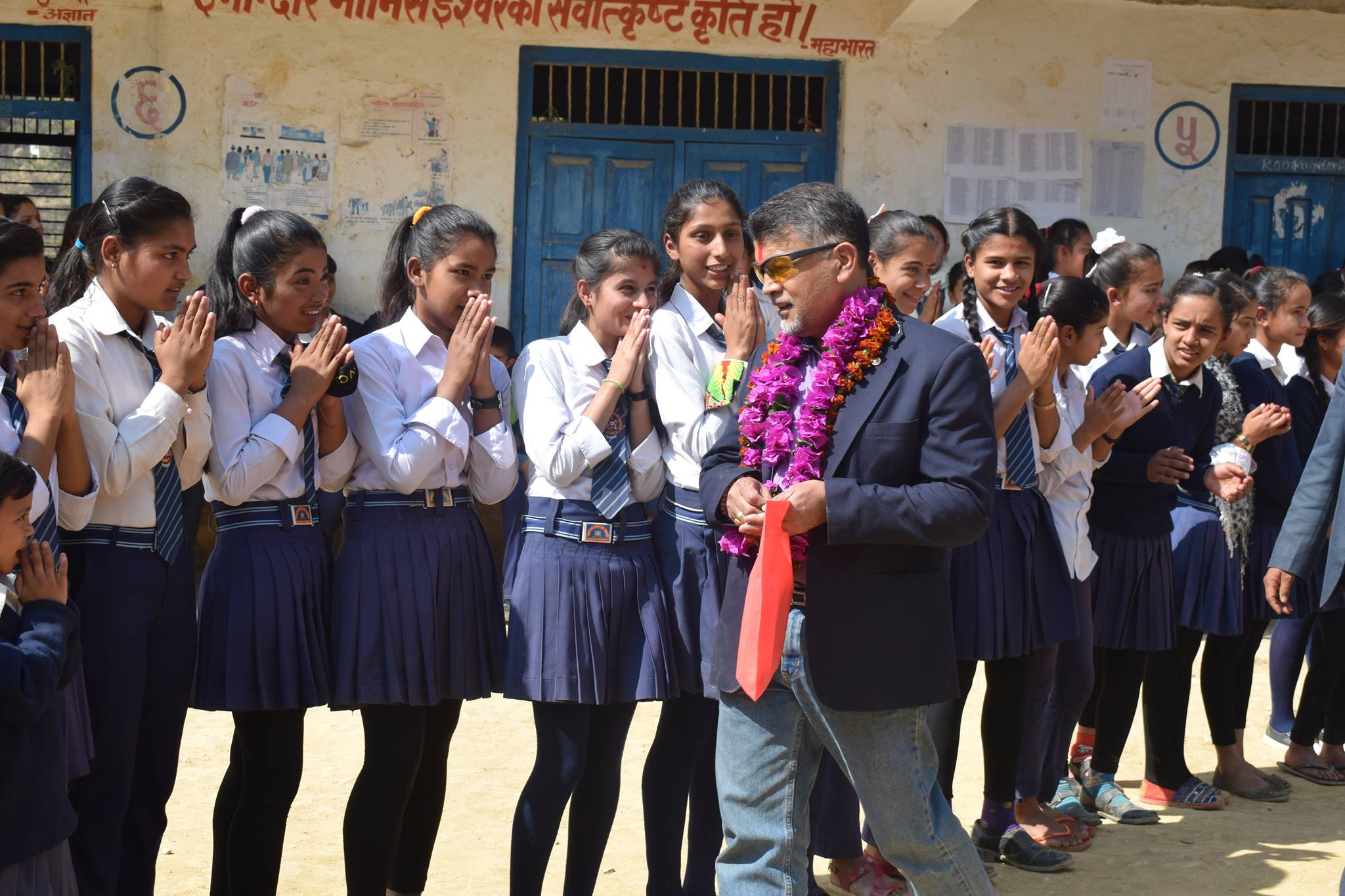
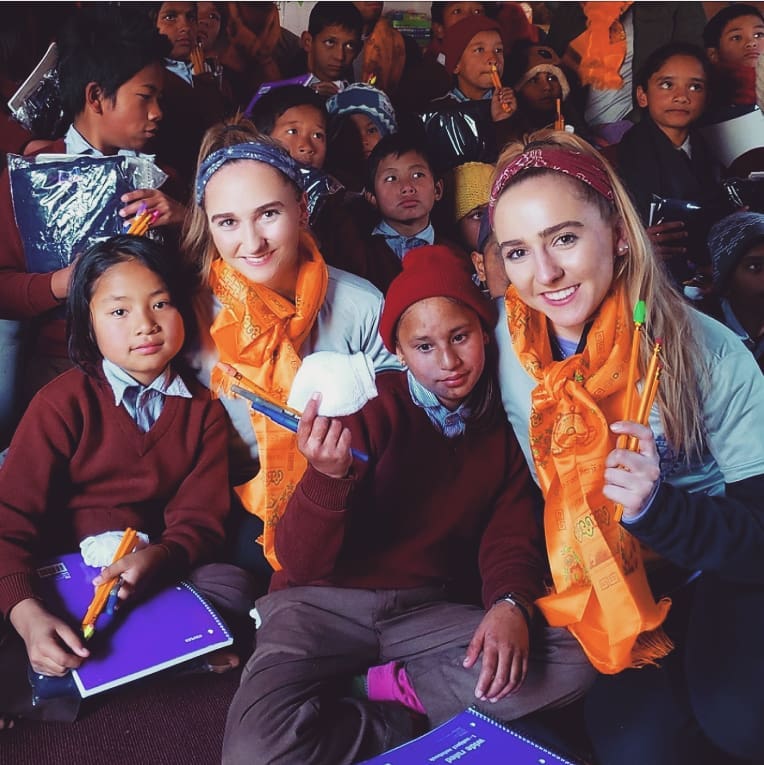
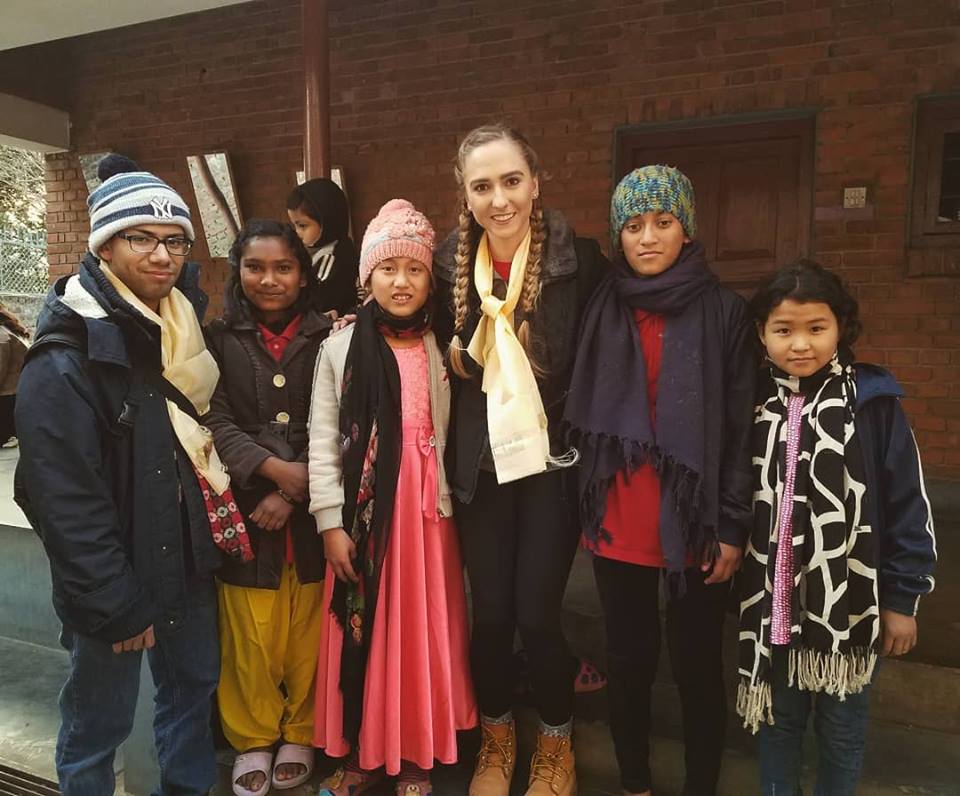
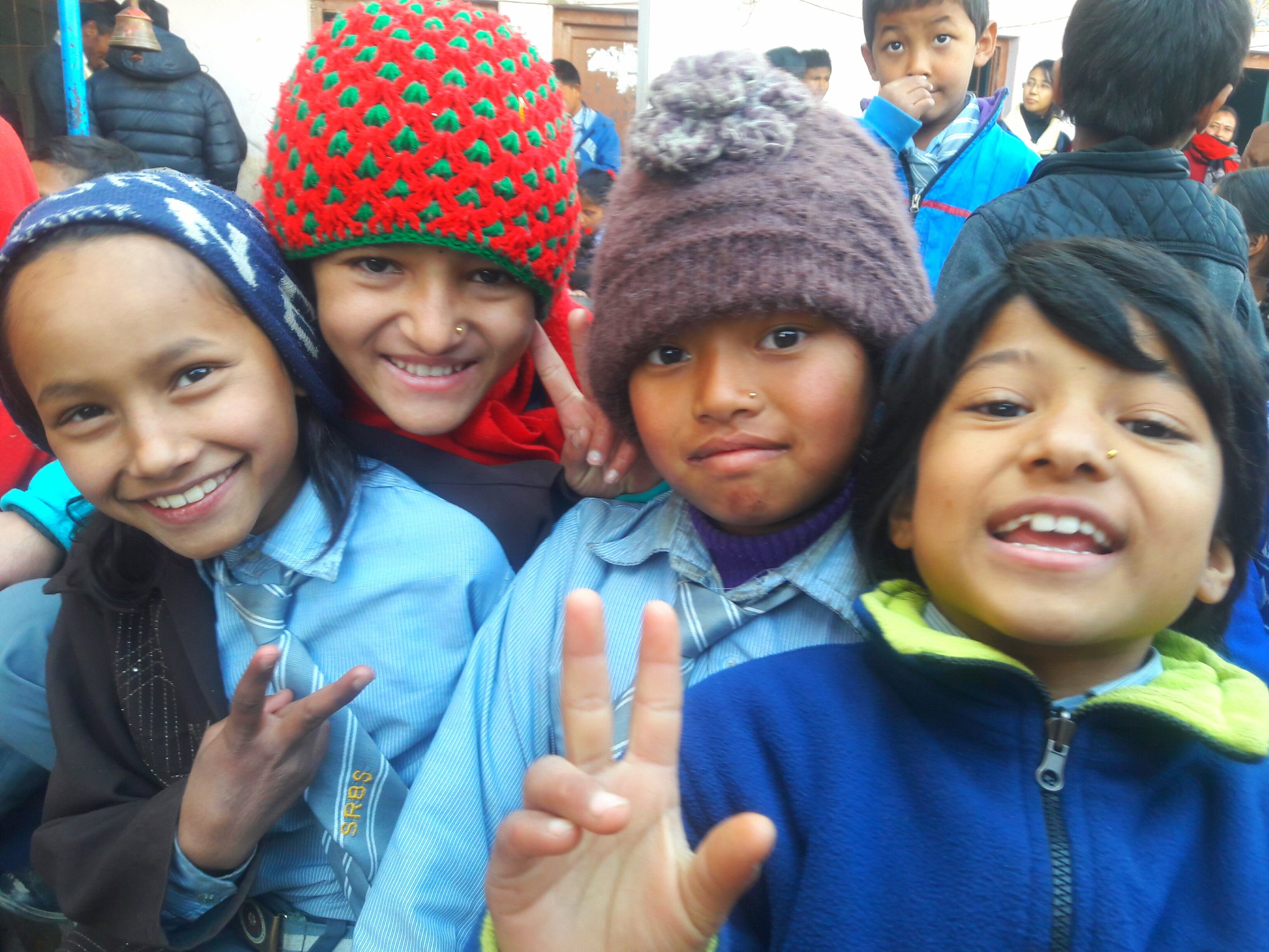
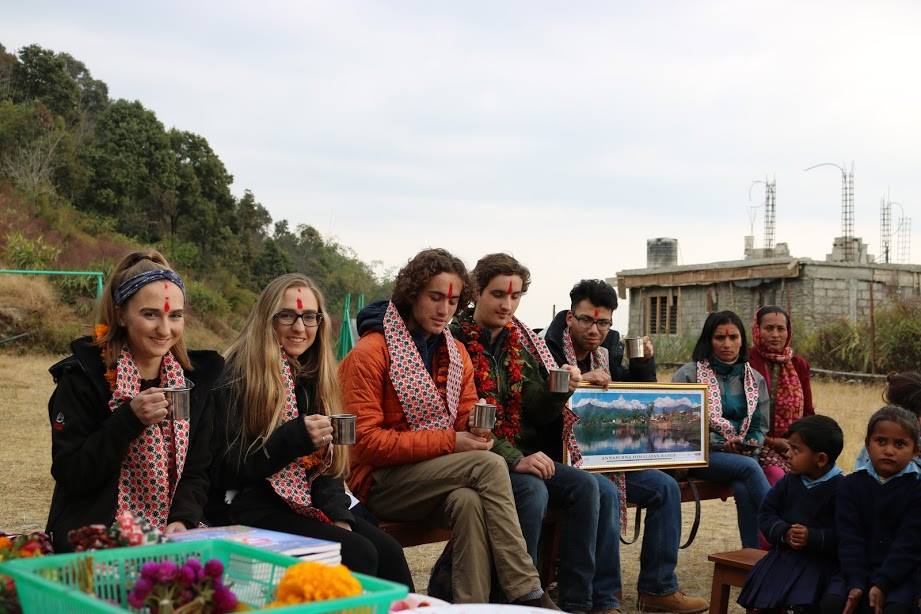
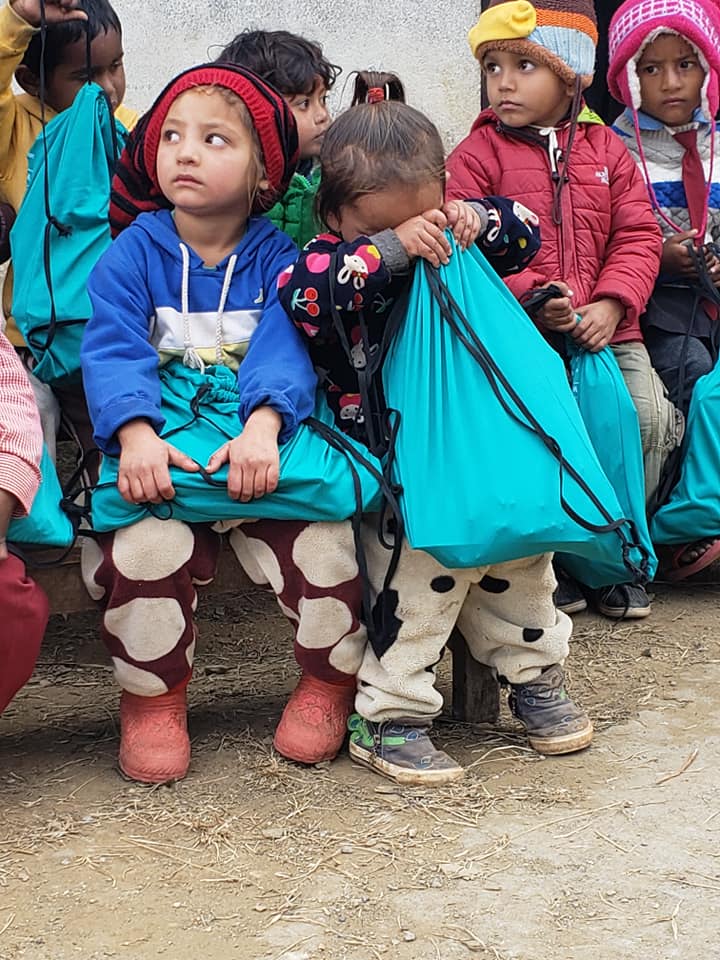
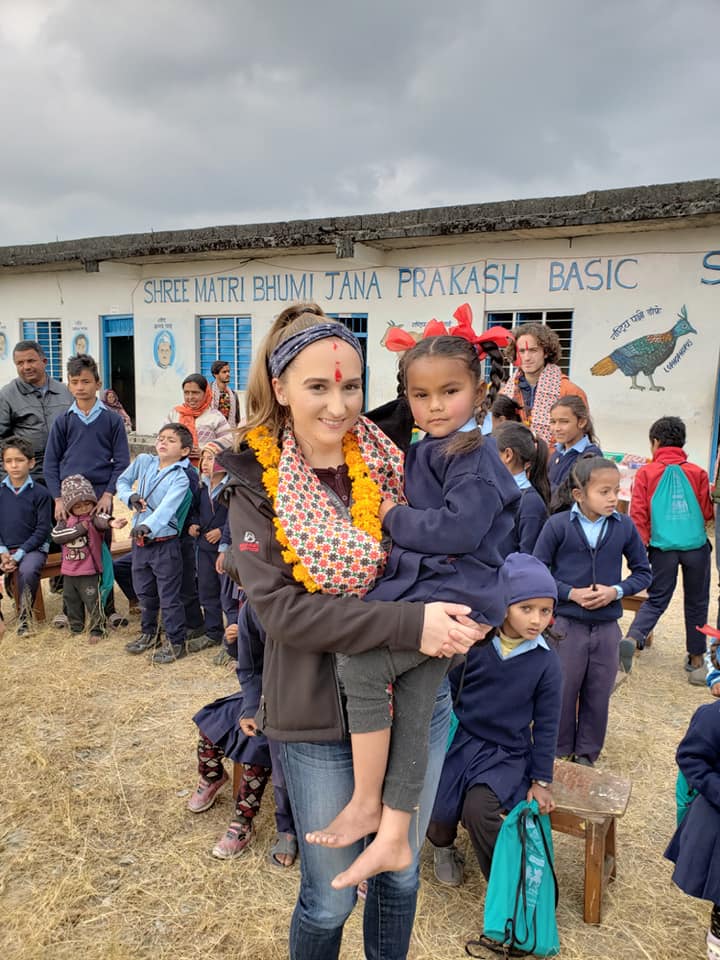
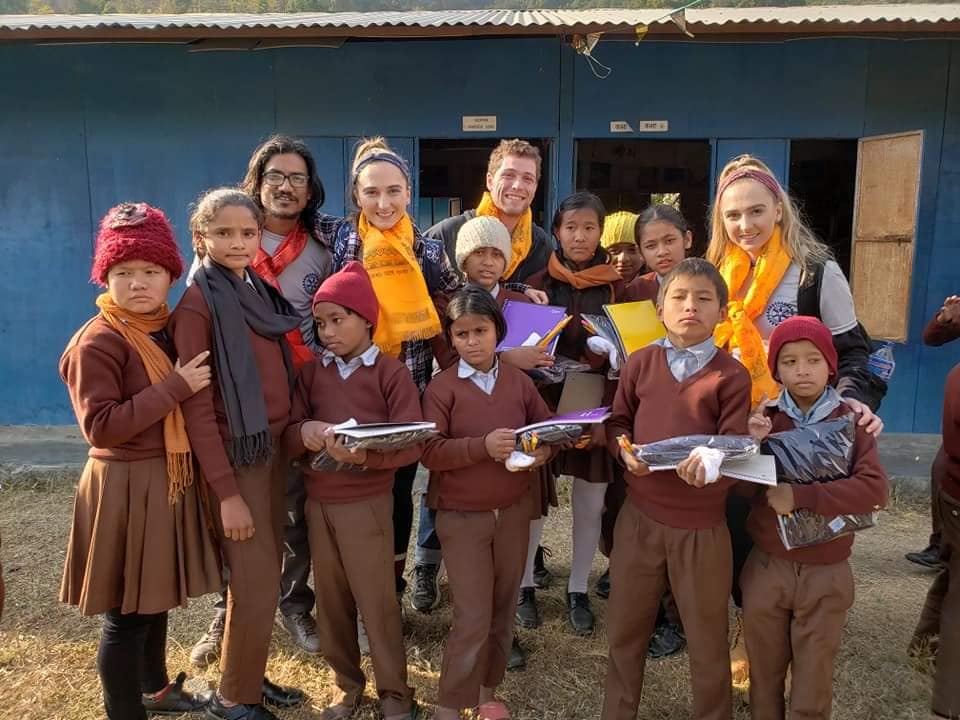
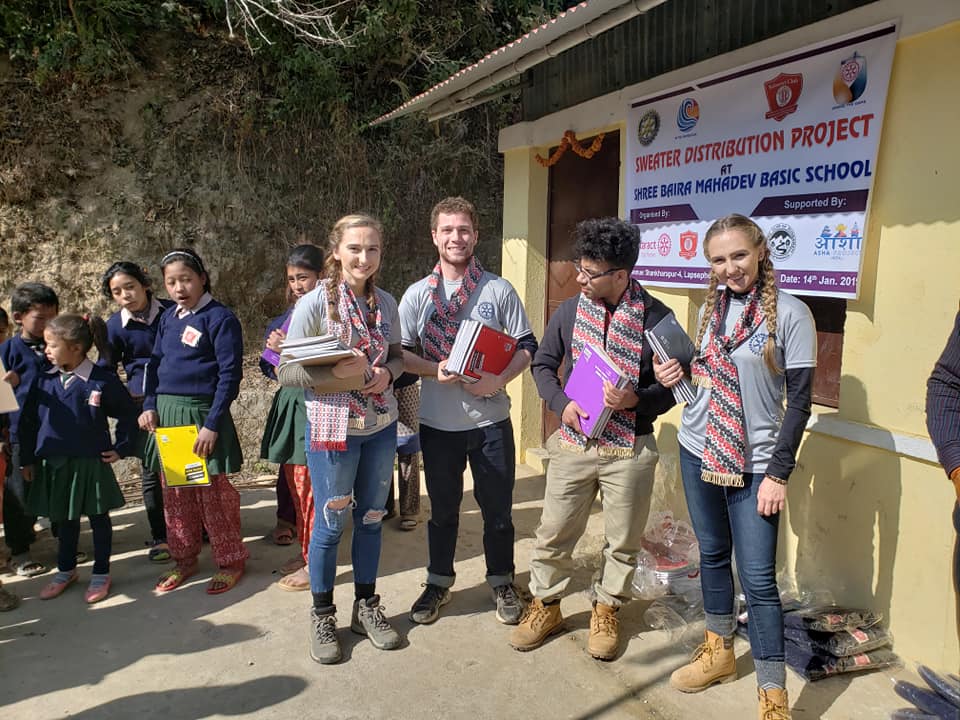
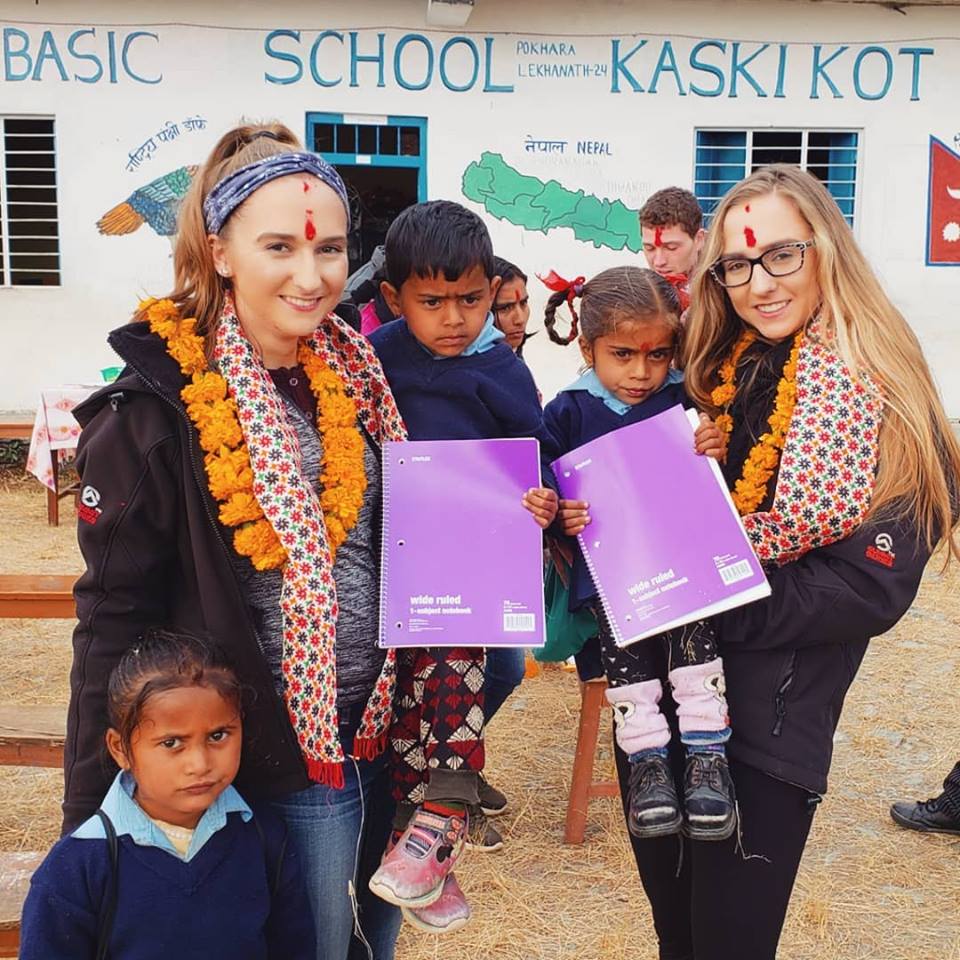
At every school and orphanage we went to, the kids melted my heart and I wanted to take them all home with me. We could not walk through a school without all the classes looking at us, clapping and cheering, overwhelmed with excitement, as if we are celebrities; these kids had the biggest smiles on their faces the second they saw us. It is times like these when I am reminded that this trip is worth it. It was interesting to find that kids would touch my hair because they have never seen blonde hair before, or to be amazed that they are seeing identical twins (I am a twin).The way that the schools and orphanages welcome us each time made us all feel greatly appreciated for what we came to Nepal to do. Everytime we went somewhere we were welcomed with scarves, hot tea, and biscuits. Seeing the circumstances of where some of the kids go to school is not always easy, but we are there to help the students in any way we can by providing them tools they need, such as notebooks, pencils, rulers, and even socks sometimes. I remember a little girl at a school in Pokhara, she did not have any socks or shoes on, and she just sat in my arms so content. Seeing this girl, and the way she responded to receiving a pencil we gave her was really touching to me. Another great moment was when we brought some blankets to an orphanage that we had stuffed in our checked luggage. The owner of the orphanage told us the kids were sharing beds because the orphanage did not have enough bed sheets. I remember thinking that there was no way I could pack these blankets in my suitcases, but I am really glad that I decided to squeeze them in when I heard the owner of the orphanage tell us this. It is always difficult to say goodbye to the kids when we finish a program and must leave. The kids always stand in a group waving goodbye to us. Although I only briefly meet and interact with the kids, saying goodbye to them feels like I am saying goodbye to my closest family and friends. Even when we went to schools with deaf and mute students, there was still an unspoken connection with these kids, which was really meaningful to me.
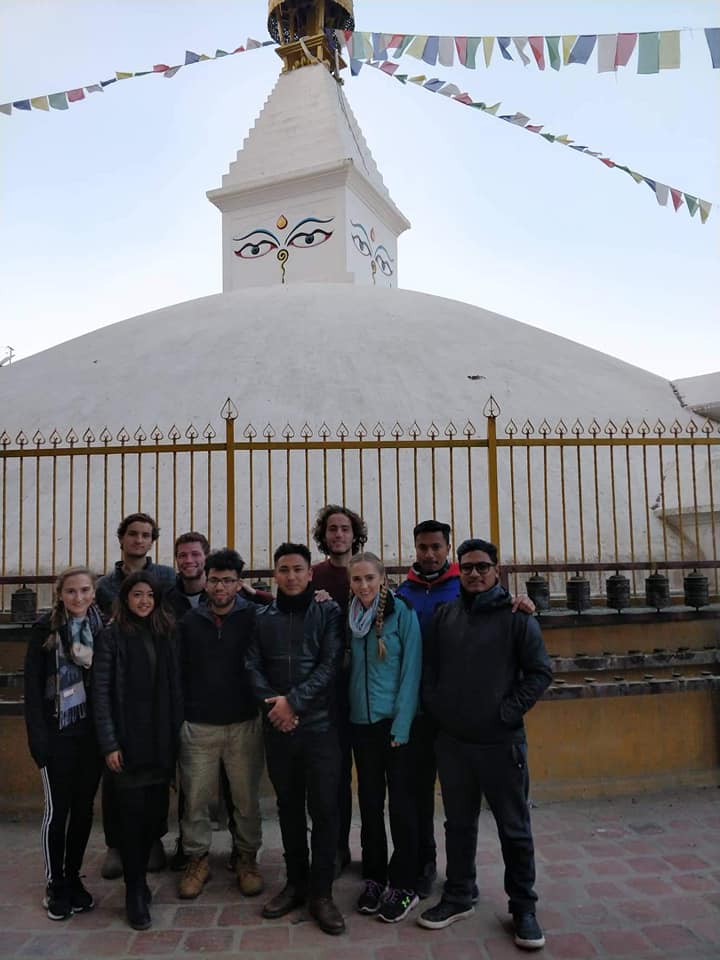
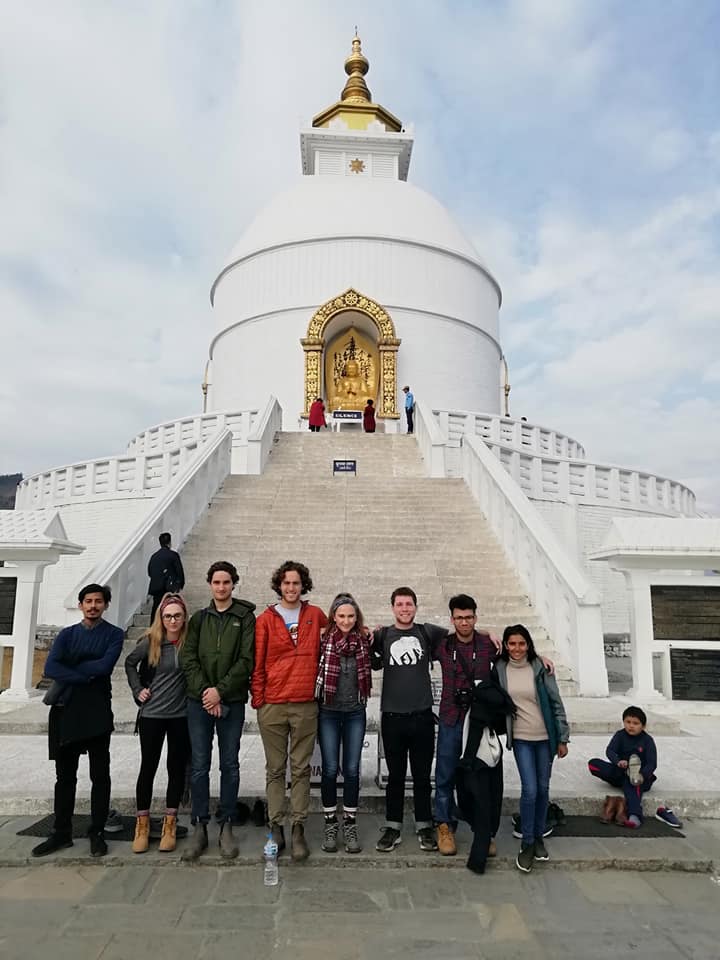
Our itinerary was packed from day to day, but the busy schedule was worth it to get the most out of our time there. While we did many projects at schools and orphanages, we also had a cultural exchange taking place, and attended a number of Rotaract meetings. For example, myself and the other club members from the USA had a recipe exchange with the Lalitpur Rotaract Club. This was a lot of fun because we (the Americans) got to help the Lalitpur Club make MoMo, an iconic food of Nepal, while us Americans made nachos for the Nepali club. Although nachos are not a true “American” food, the Lalitpur club loved them and thought the combination of food was interesting, but really tasty. The various clubs that hosted us took us hiking and sightseeing to many places including the World Peace Pagoda, Swayambhunath, Boudhanath Stupa, and so much more. For me, simply walking from one place to another is “sightseeing” because the country is so different from where I come from; everything is new and intriguing to me.
Although conditions were very rough at times on the trip, we all kept a positive attitude and made every situation enjoyable as we learned to become more innovative. For example, we did not have a warm shower in a village, so we used heating rods in a bucket of water to heat the water. Our “shower” for that night was a bucket of warm water to bathe. At another guest house, we did not have warm showers, but we did have hot water boilers designed to boil water for tea. So, we all combined and had a total of three hot water boilers, providing enough water for one person to “shower.” I am studying engineering in school, so I enjoyed having these opportunities to be innovative. Our mottos for the trip became “You have to adjust,” and “It’s fine we can manage.”
While pretty much everything is different in Nepal one thing that stands out is the transportation. Many times, a group of us would be travelling and we would need to take a bus to get somewhere. A COMPLETELY FULL bus would pull up, and our hosts would tell us that this is the bus we are taking. A lot of the time I would be thinking “Are we seriously getting on that?” and everytime the answer was “yes.” I remember being on one of these buses and it got stuck in a large hole in the dirt road in the middle of a lot of traffic. I was squished between people so it was hard to see, but the bus was rocking back and forth and there were so many fumes from the driver trying to get the bus out of the ditch. After burning rubber, and many people getting off the bus and standing in traffic, the bus was moving again! Another time, we were on a small bus going to a school and I was thinking back to last year when we went to this same school…we walked a chunk of the way. The bus got to where a lot of water was flowing across the dusty dirt road, under a footbridge and down the cliff. At this point I continued to wonder why we were not getting out and walking like we did last year; clearly this was not designed for vehicles to drive through, and the footbridge is there for a reason. But the driver continued, and we got stuck in the water. The bus was not moving, so a bunch of people had to get out and push the bus through the water, up the hill. Although these situations do not sound appealing, they are entertaining for people like me, and again, times like these make the trip memorable and exciting. Traveling from place to place was always an adventure in itself, as you never know what could happen in Nepal. Another thing I really love about Nepal is the breathtaking scenery. Seeing pictures of the Himalayan mountain range, and the tip of Everest is one thing, but to see them in real life is surreal. Where I live in American I cannot wake up every morning, and go outside and sip tea with a view of the Himalayan mountain range.
In the end, it was worth it.
It was worth it to travel 40 hours and it was worth it to bring donations that weighed more than me.
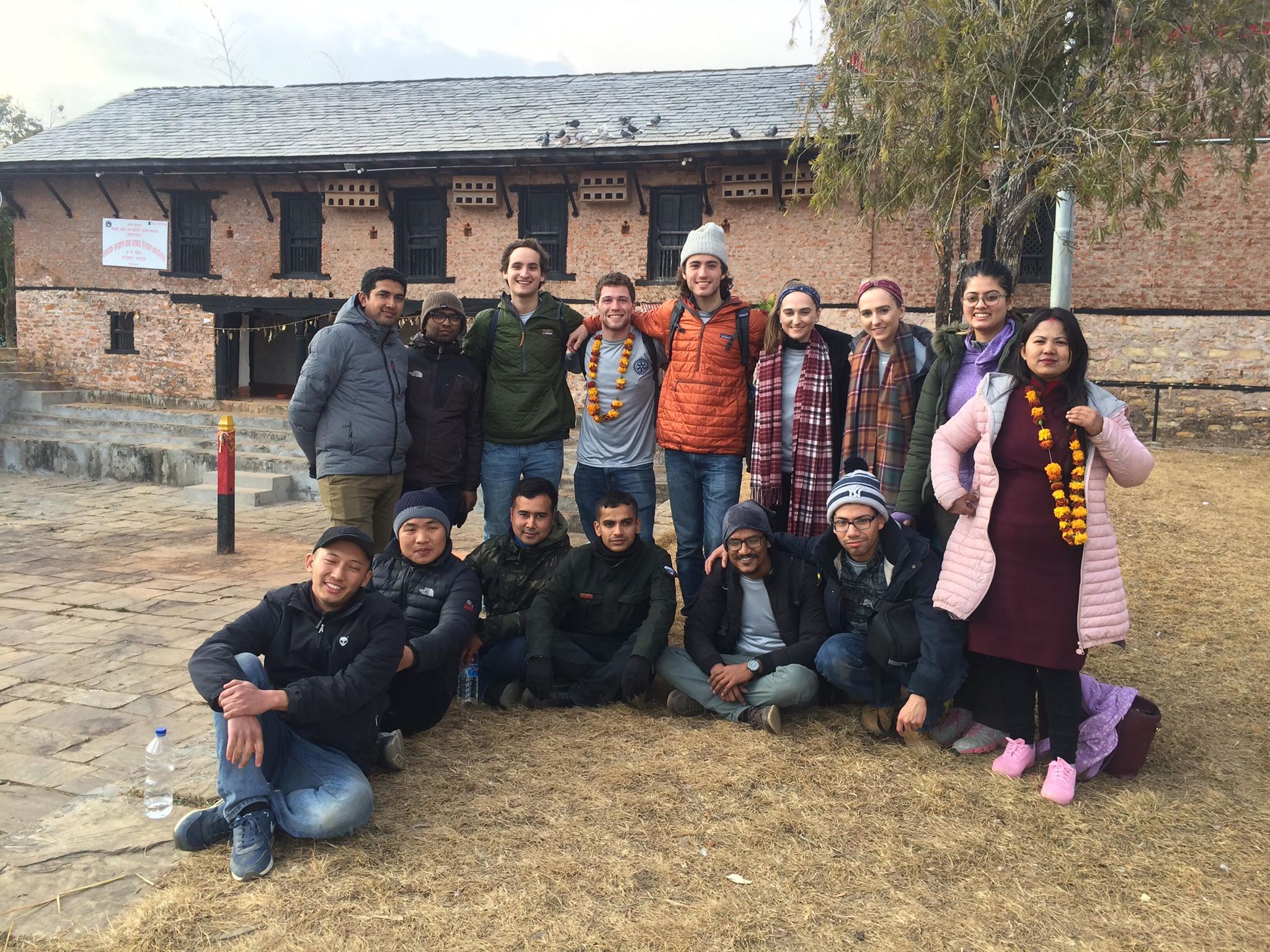
A huge thank you to all the clubs in Nepal that hosted us, and a special thank you to my friends Jyoti and Narendra who traveled to all the villages with us, I do not know how they handled being with us six Americans for fifteen days, 24/7. While I have summarized my experience here, putting my experience and satisfaction from doing the projects into words does not do justice. The only way to know how amazing it is to be a part of this mission is to actually go to Nepal and experience it for yourself. I am really glad that all the friends I make in Nepal stay in contact with me, and I am excited for future projects with the clubs in Nepal.
People always say “third time’s a charm”, which as a kid I used to believe was true. Now that I have just returned home from my third humanitarian mission to Nepal, I can say this is not true because I am already so eager to go back. Most people would get bored of going to the same place or doing the same thing multiple times, which is understandable because repetition tends to be a bore. When I was getting ready to go to Nepal for my second and third time, all my friends and family kept asking why I kept wanting to go back to a third world country, after they heard my complaints about lack of heat and hot water. The answer is simple; the humanitarian fulfillment I experience in Nepal, and the experiences I have with all the friends I have gone on the trips with and my friends in Nepal outweigh the lows of the trip.
Choosing my favorite moment of the trip is one hundred percent impossible. Taking part in this trip through Rotary International and in support of the ASHA Project, we are busy on average from 7am-10pm everyday we spend in Nepal, visiting schools and orphanages, going to club meetings, or even just sightseeing. If I had to pick my best moment, I guess the only way to sum it up would have to be the moment our flight took off from Kathmandu airport when we were returning home. It was about 9:30 pm in Nepal and all six of us on that trip were sitting together on the plane. I just remember first looking over at the group, and every single one of us was asleep before the plane even took off because it was a long and tiring two weeks away from home. Then as we took off, I looked out the window and said my last good-bye (for now) to the dusty and chaotic city of Kathmandu. This was the most impactful moment of the trip because it is saying “see you later” to all my friends there that took care of us, all the students at the schools and orphanages we visited, and now made all the experiences we had just a part of our past as we move onto the next chapter.
Not knowing when myself or any of us will return is what makes leaving Nepal difficult, but I have been fortunate enough to be able to stay in touch all year with some of our friends there. It was also very hard knowing it was time to leave this amazing country knowing that we helped as much as we could while there, but knowing that there is so much more that can and still needs to be done. As much as I complain while I am in Nepal, I miss the hectic environment of having to do things like boil water with two coil rods or having to use tea kettles in order to have a hot shower; or even freaking out every-time we would drive somewhere with our luggage, hoping that our suitcases do not fall off the top of the vehicle and roll down the mountain.
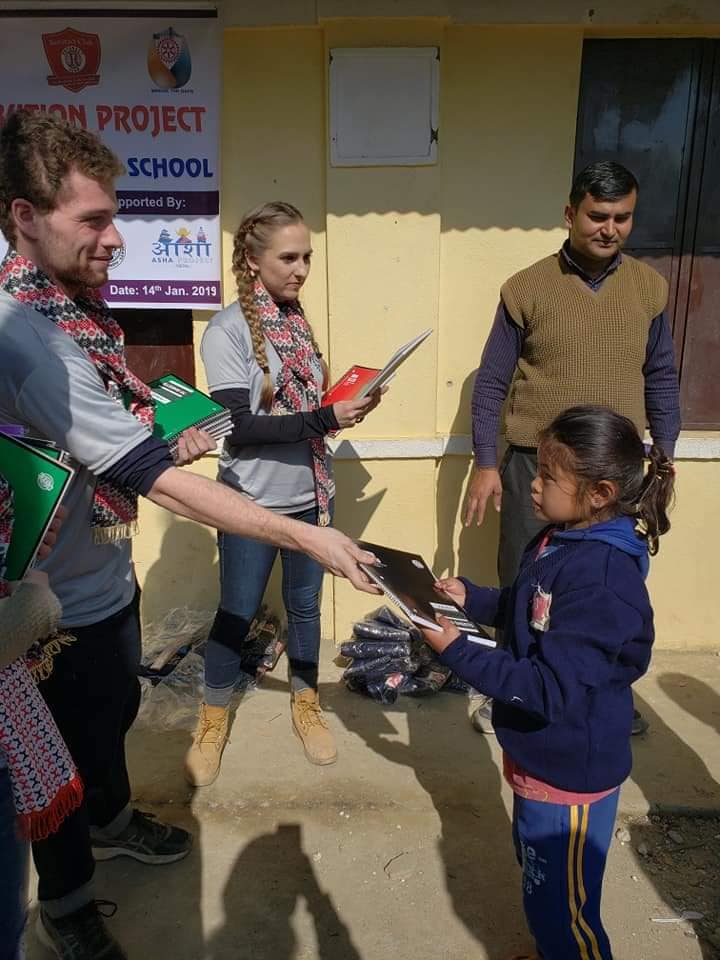
Words can’t describe what it is like visiting the schools and orphanages in Nepal, and the pictures do it no justice, but I can sincerely say taking part in these experiences first-hand are unlike any other. Some schools we hiked up a mountain to, or took 3+ hour bumpy bus rides to get to, and some schools we took a vehicle to and rolled backwards down the hill multiple times before our vehicle finally made it. The schools have no lights or heat, many of them are just small buildings with a couple tiny rooms and bleachers for the students. We handed out supplies; such as pencils, pens, notebooks to the students; and it is incredible to see how ecstatic one pencil makes a kid. Most of the kids would be very excited to see us, as many students would even come up behind me and touch my hair because they have never seen blond hair before. The motto of Nepal is “Guests are Gods”, and those experiences are what really proved to me that this is absolutely true. The students and school faculty treated us with nothing but open, warm hearts and waving good-bye to them after our programs were finished was a feeling very surreal.
I could sit here now and write a book about all that I have learned in Nepal from taking part in this mission, all the experiences I had, and how this trip changes my outlook on certain things in life. I remember one night when we had a joint dinner with three Rotaract Clubs in Nepal, and for some reason all the other American students in my group had left to go back to the guest house already, but I was still at the dinner. I was standing there talking to everyone, telling them about my experiences so far, and then all of a sudden I was getting ready to also head back to the guest house and they started saying stuff in Nepalese. So my friend translated for me and said they were fighting over who wanted to take me back to the hotel. The generosity of the people in Nepal is astounding, and that is another reason that I am so anxious to want to go back and continue to help their community.
I think my biggest takeaway from participating in this trip multiple times is that it has made me start to realize what I want to do with my life once I graduate with my Bachelors in Chemical Engineering. I want to continue to work in underdeveloped nations doing both humanitarian work, as well as over time learning how to implement more engineering projects in these countries to give me the opportunity to also put the skills I have learned into use. To conclude, I plan on traveling back to Nepal by January 2020 at the latest, and until then, I will be wishing everyday that I could be back there sooner! NAMASTE

























































































 The Asha Project