Justice Sharada Shrestha: A Legacy Forged in Determination and Duty
Part I: The Catalyst for Justice and the Tutor’s Path
My first English tutor was Justice Sharada Shrestha, Nepal’s first woman judge—a figure whose history was driven by a fierce, personal conviction. The path she chose was not accidental; it was forged by a singular, powerful motive: to study law and secure the freedom of her father, who had been imprisoned for his service under the deposed Rana regime. This act of profound filial duty fueled her determination, making her pursuit of law not just a career, but a quest for justice.
When I was in the fifth and sixth grade, I was privileged to receive her guidance. She was patient and compassionate, yet firm in teaching English grammar and writing. She emphasized that education was the greatest shield and most potent weapon, urging me to develop independent thought.
Part II: Thirty Years of Disconnection and a Serendipitous Reunion
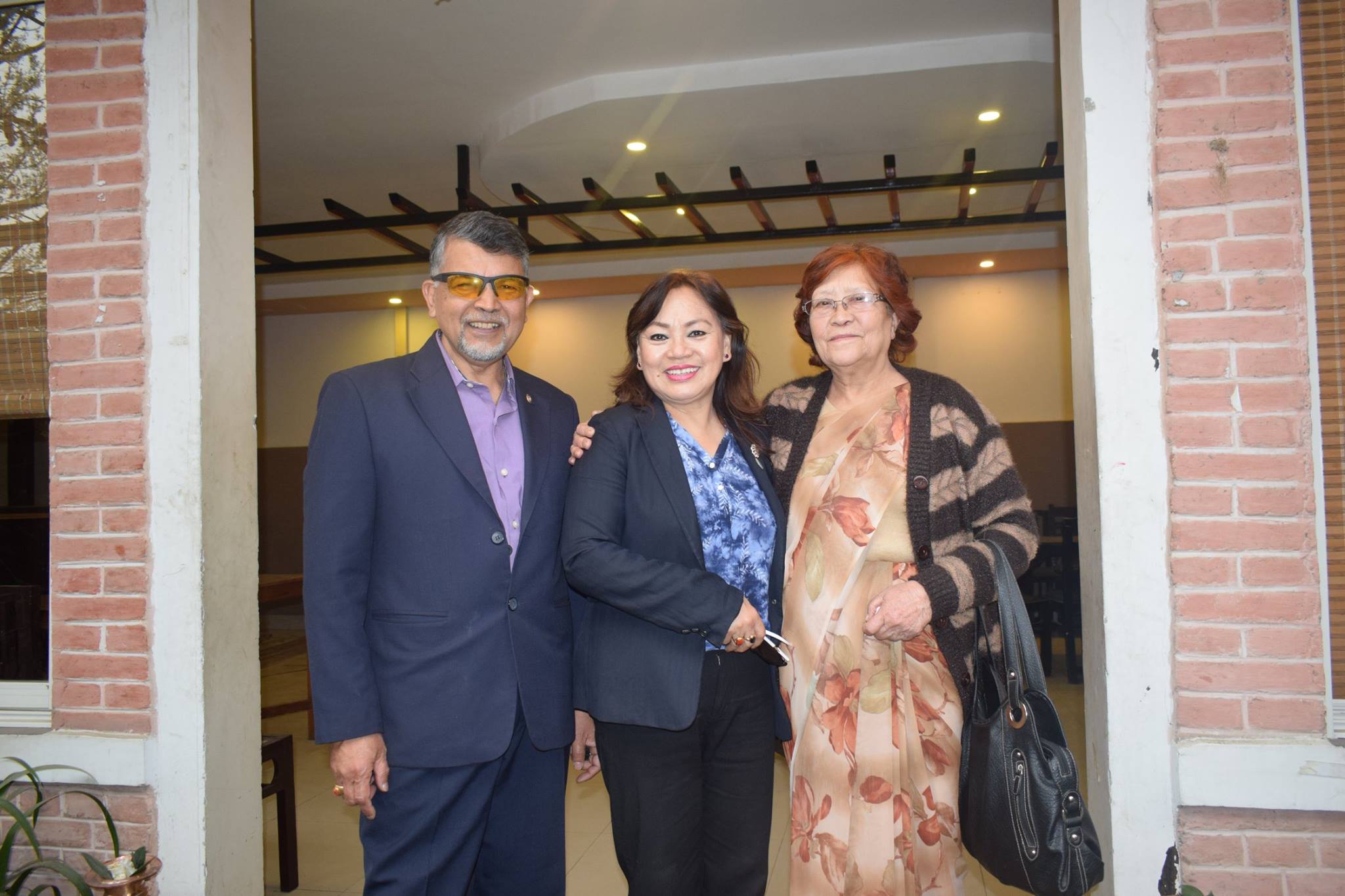
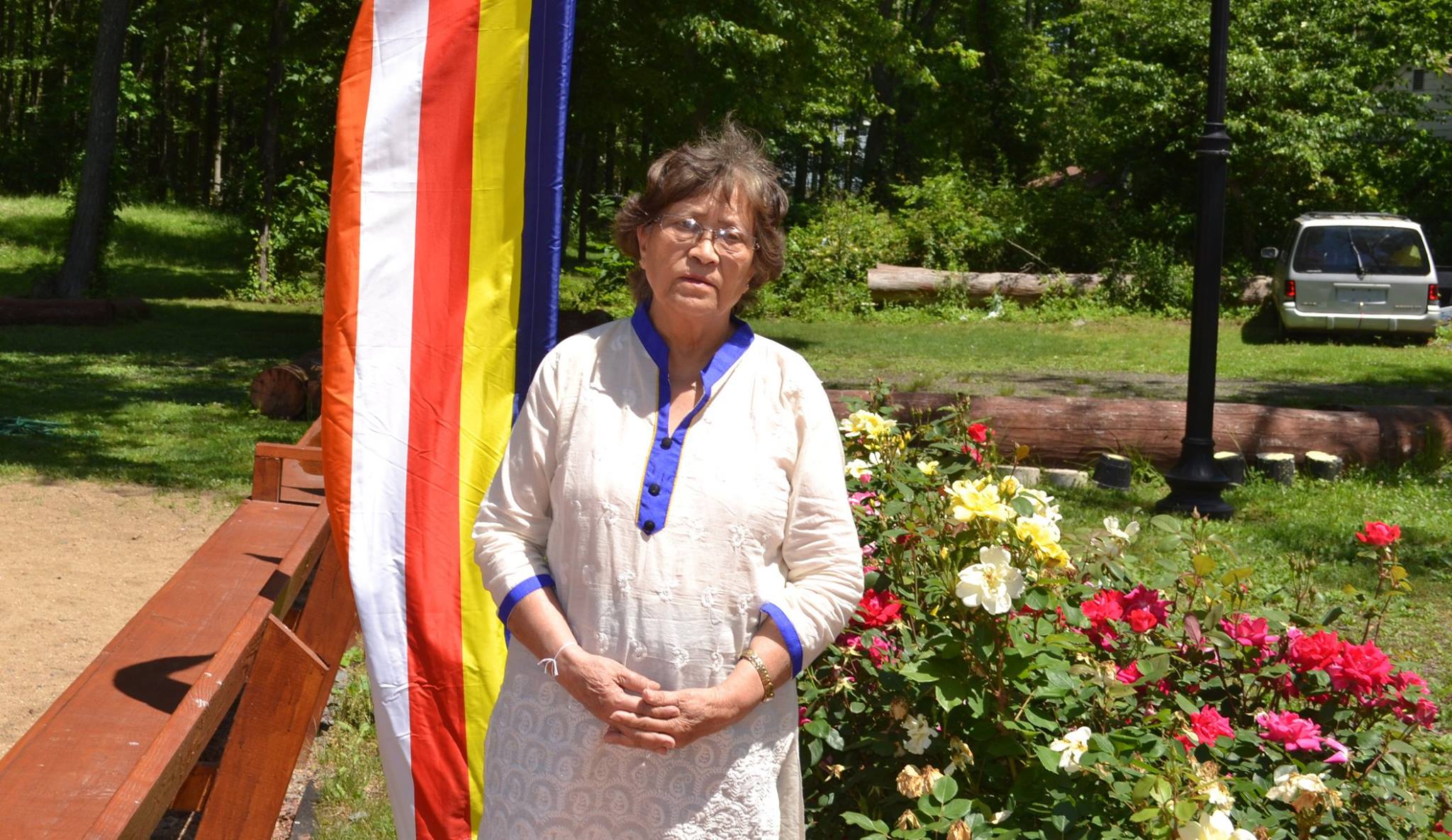
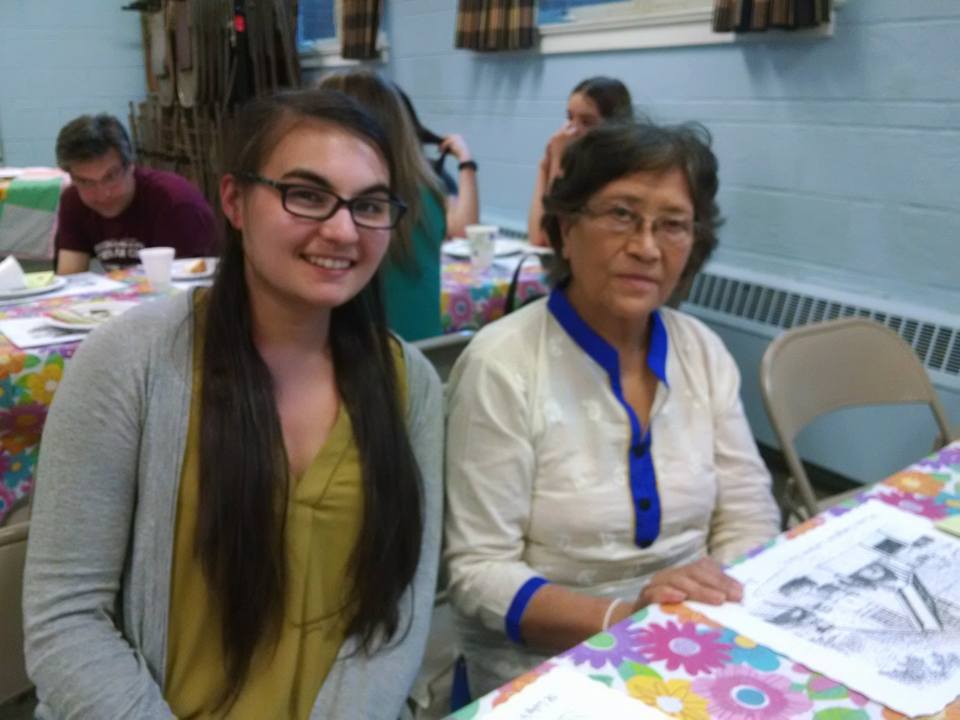
Our paths diverged dramatically in 1972 when I came to America for further studies. For the next three decades, our paths simply did not cross. Whenever I managed to visit Nepal, Justice Shrestha was often posted in different, distant parts of the country due to her high judicial positions. We were separated by continents and professional duties, and I did not get to meet her again for over thirty years.
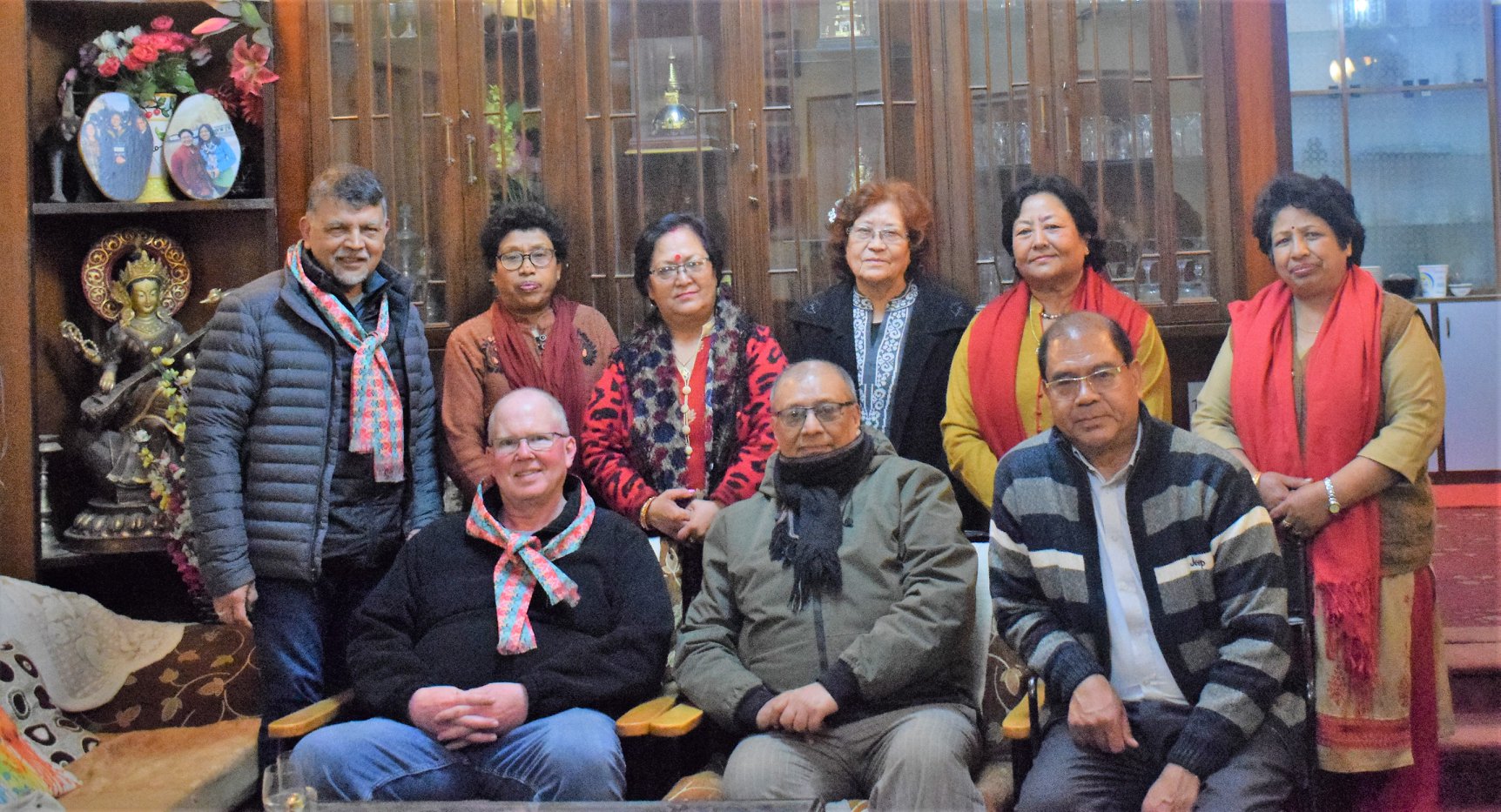
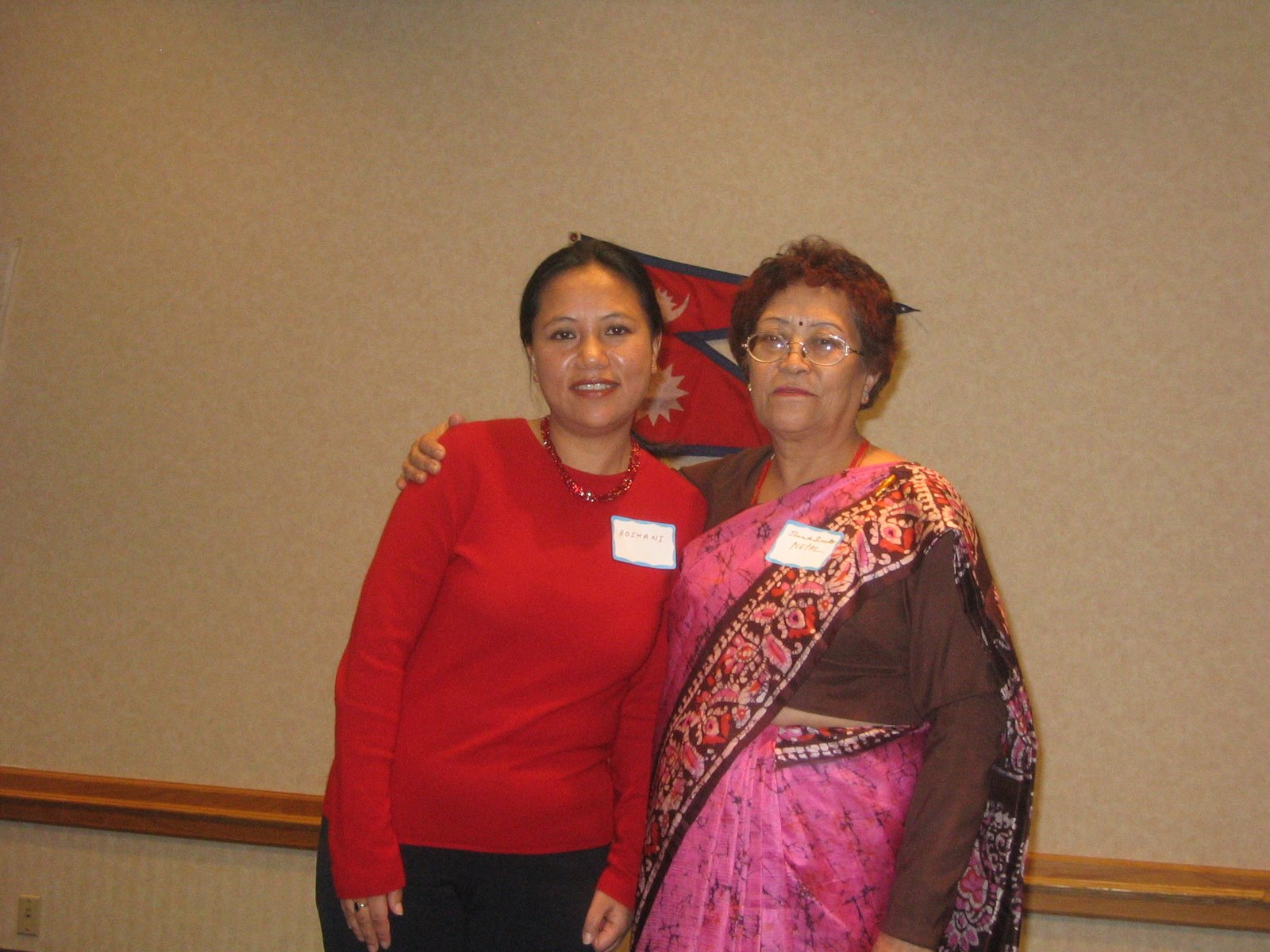
The reunion was a miracle of serendipity. During Global Leadership seminar of the International Association of Women Judges (IAWJ) Global Leadership of Women (GLOW) program, she met one of my close friend from New Jersey, Judge Sue Pai Yang. Judge Yang mentioned that she knows a Nepali community leader in Somerset County. Justice Shrestha asked, “What is his name” and Judge Yang said Dr. Tulsi Maharjan, then Judge Shrestha happily claimed me as her long lost “brother.” This led to Judge Yang extending an invitation for her to visit New Jersey, finally reconnecting us after three decades of separation.
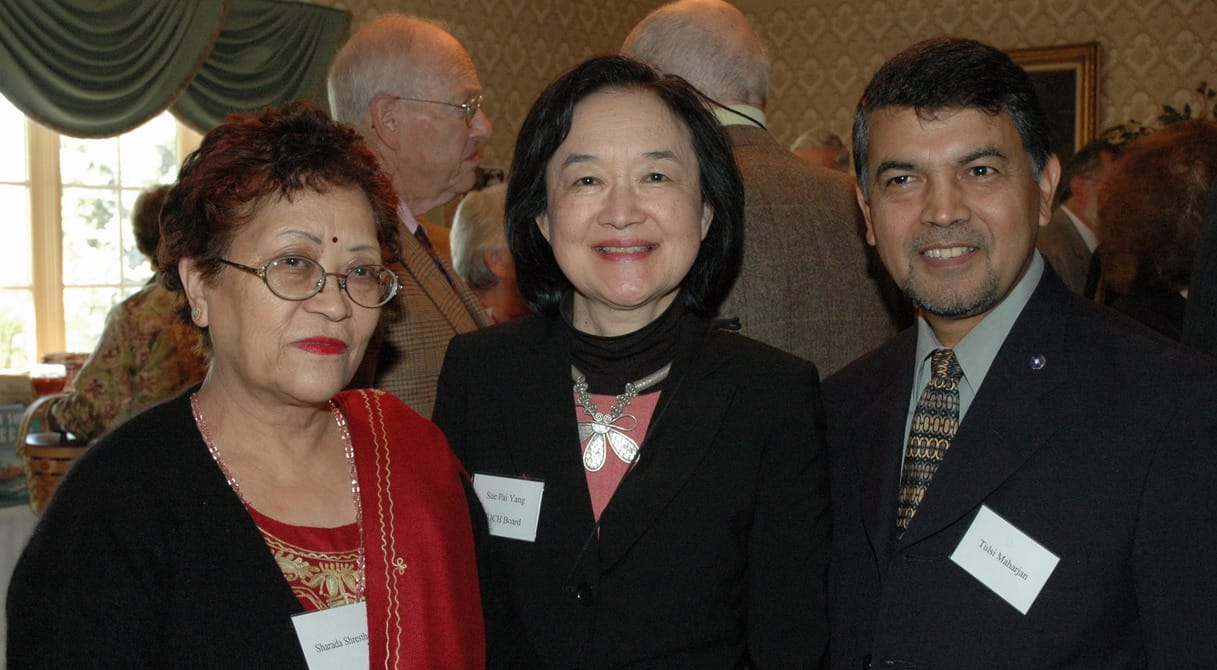
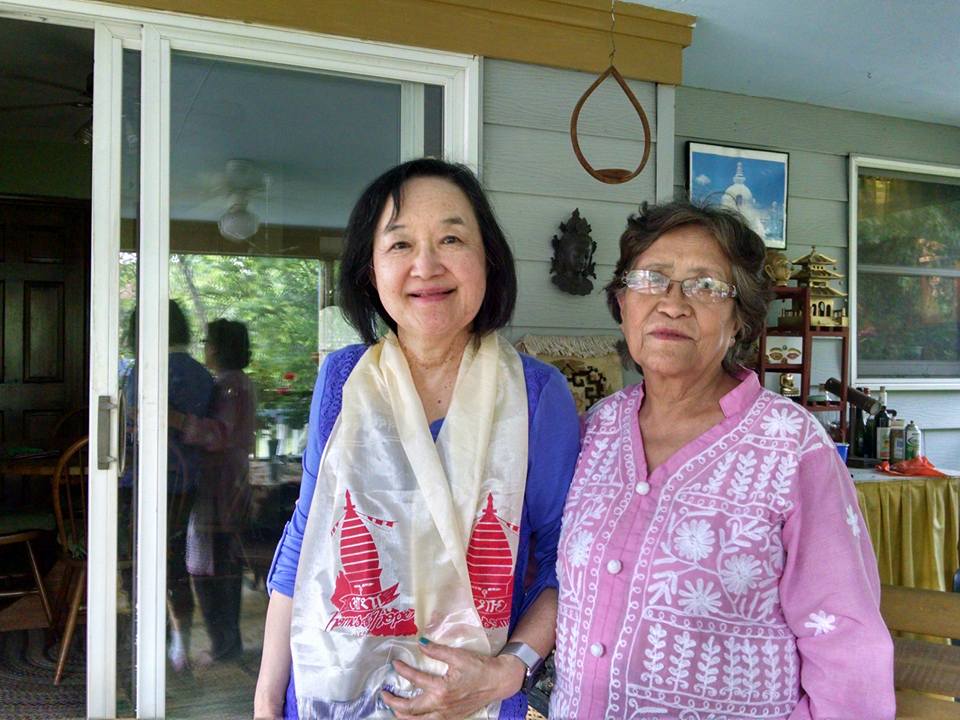
When she arrived, the humorous cultural confusion regarding the American concept of a “neighbor” arose. In Nepal, a neighbor is within walking distance, but in America, it can mean living in the same town, even ten or fifteen minutes away by car. After some confusion finding Judge Yang’s house, she laughed, commenting, “Well, that’s not the neighbor! She lives ten minutes away!”

Part III: Upholding the Legacy of Education and Empowerment
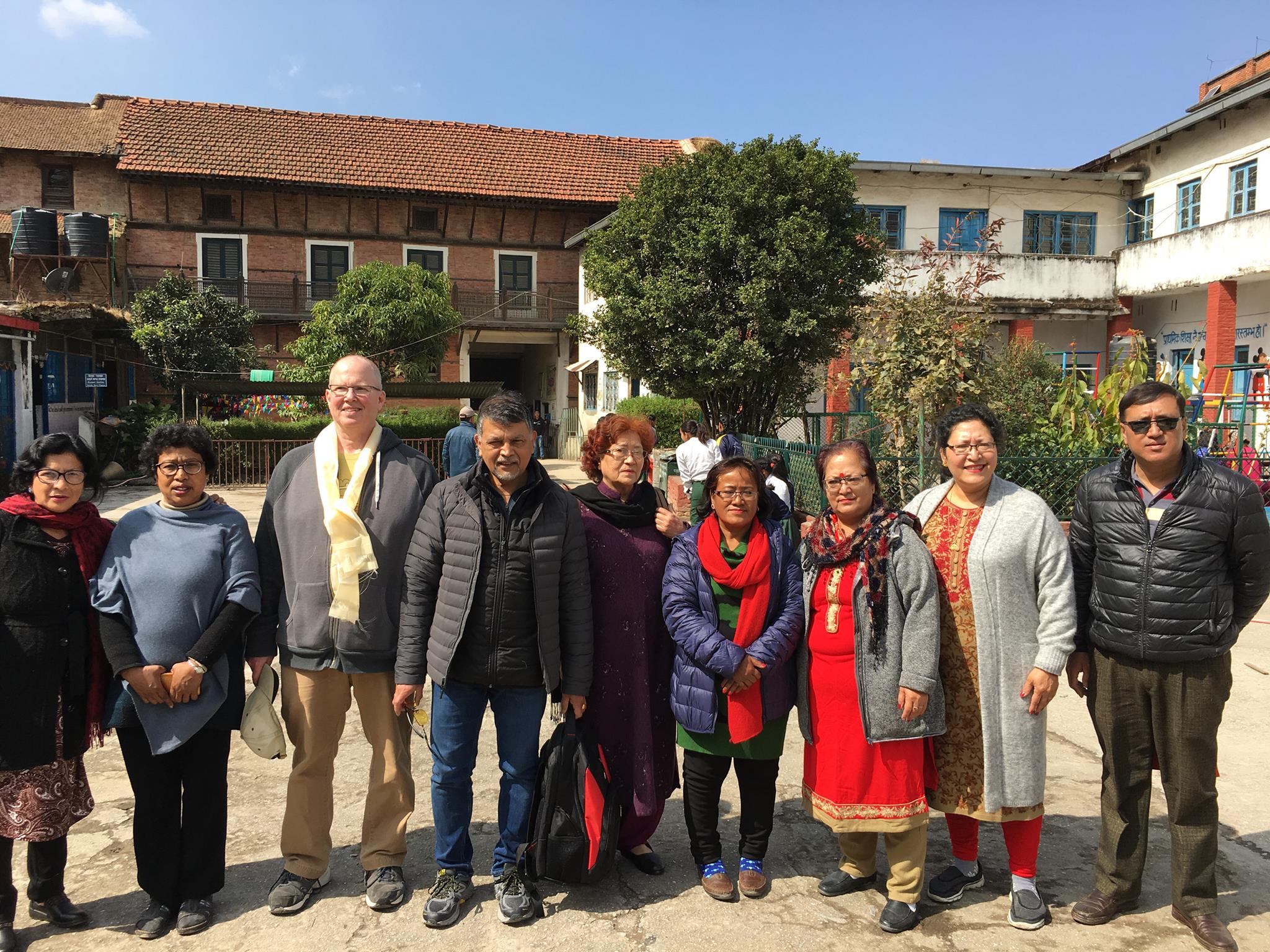
Our relationship deepened through a shared commitment to uplifting communities in Nepal through education and microcredit projects. This commitment is now a living part of her legacy.
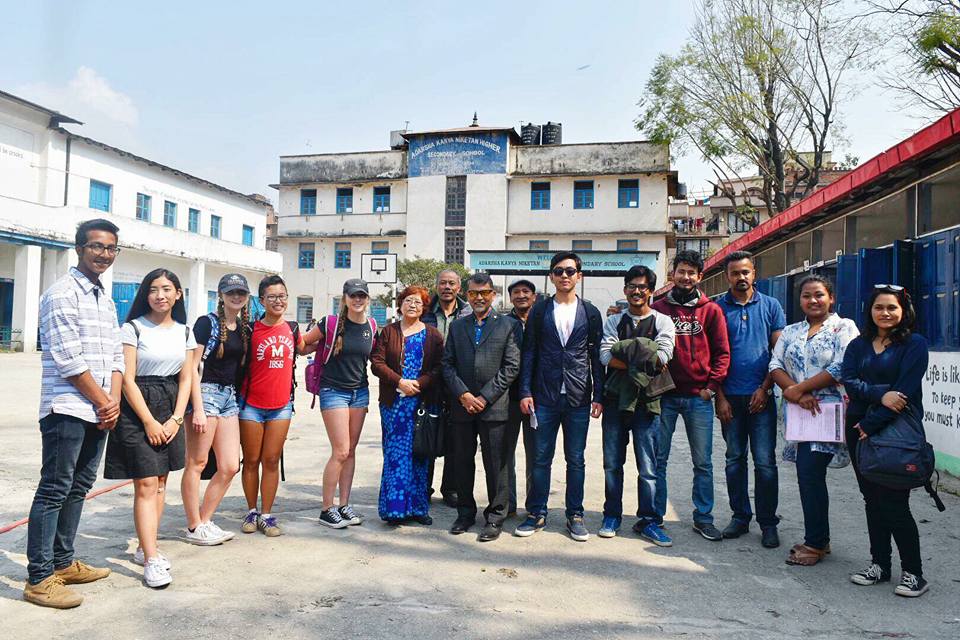
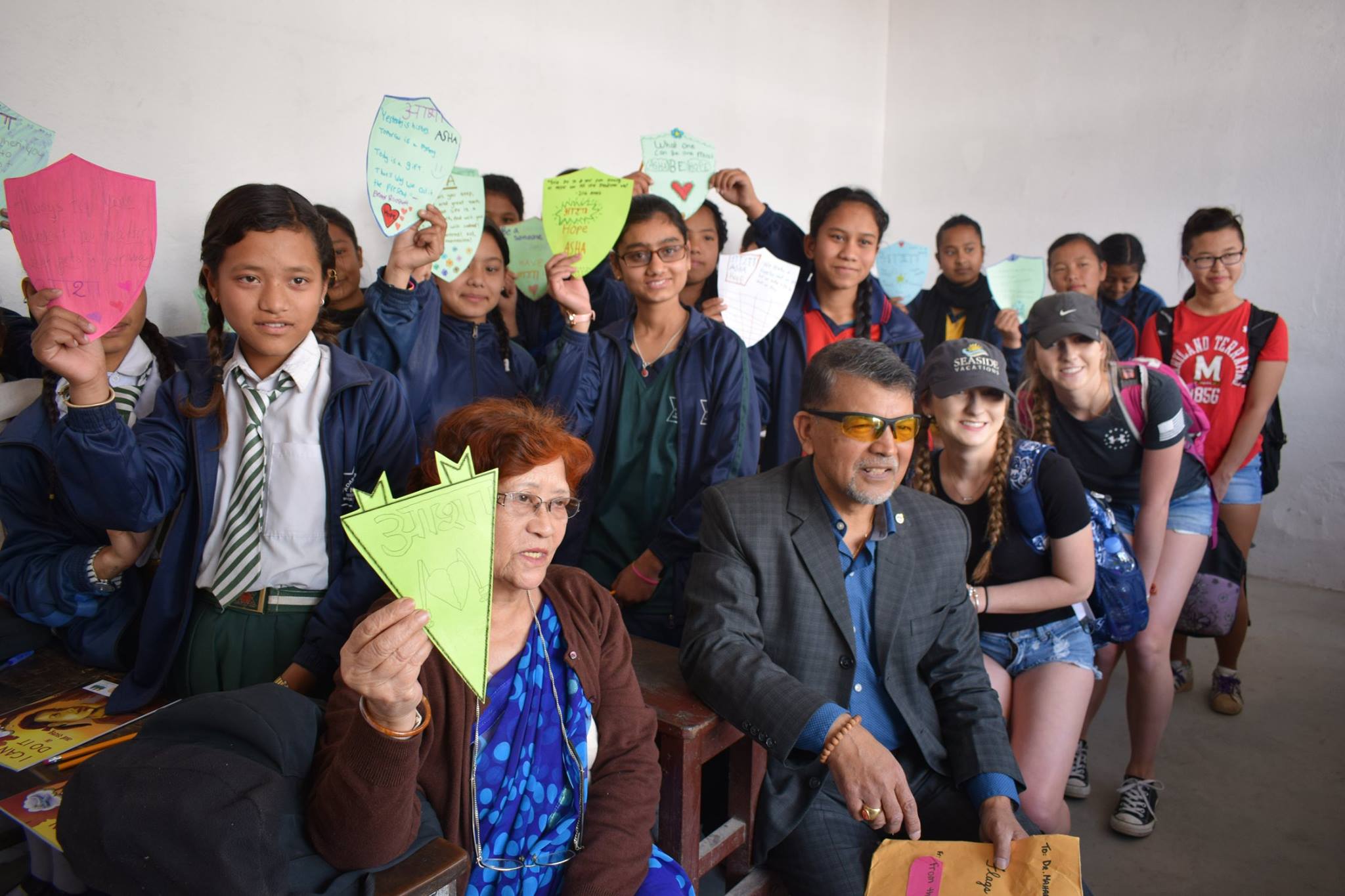
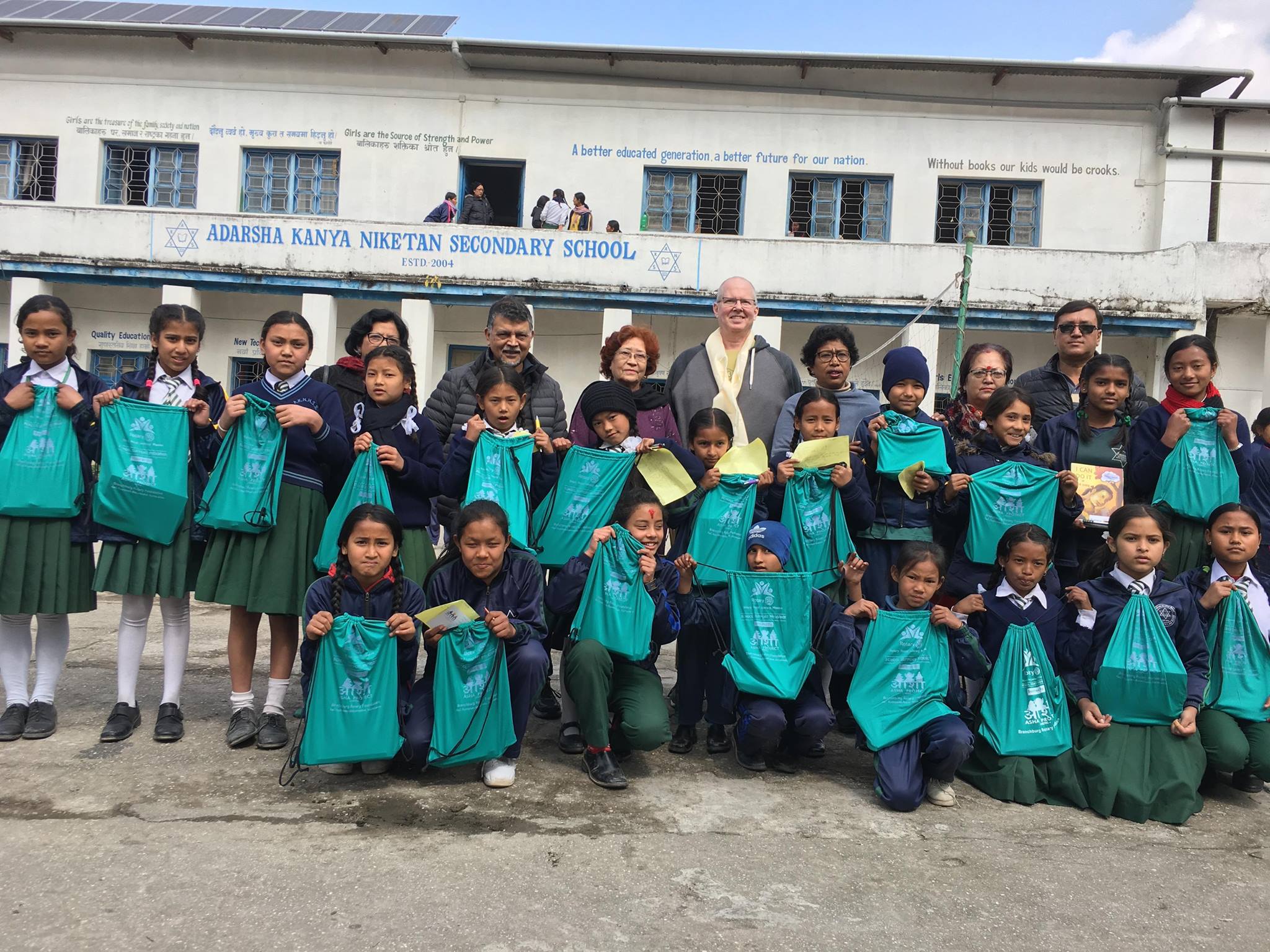
Justice Sharada Shrestha, a pioneer in the Nepalese judiciary, maintained a lifelong connection to Adarsha Kanya Niketan (Adarsha Kanya Secondary School) in Patan. Her commitment to the school eventually led to the establishment of a memorial scholarship to support the education of underprivileged children, reflecting her lifelong advocacy for women and marginalized groups.
Her Connection to Adarsha Kanya Niketan
- Alumna and Leader: Justice Shrestha was one of the school’s early students and later served as the first Alumni Chair.
- Mission for Education: In her role as alumni chair, she was deeply committed to ensuring that poverty did not prevent children from receiving an education. She believed that education was the primary tool for empowerment, particularly for young girls in Nepal.
The Memorial Scholarship
The Justice Sharada Shrestha Memorial Scholarship was established to honor her legacy following her passing in February 2025.
- Goal: The scholarship specifically targets “needy” or economically disadvantaged students at the school, continuing her personal mission of providing educational access to those in financial distress.
- Partnership: The scholarship program is often coordinated through organizations like the Friends of Nepal – New Jersey (FONNJ) and local partners like the Rotary Club of Patan, which manage several memorial funds at Adarsha Kanya Niketan to support its students.
A Legacy of “Firsts”
Justice Shrestha’s career was marked by breaking barriers, which she used as a platform to advocate for social change:
- Judicial Milestone: In 1967, she became the first woman judge in Nepal when she was appointed to the Land Reform Special Court.
- Supreme Court: She eventually rose to become the second woman to serve as a Justice of the Supreme Court of Nepal, serving from 2004 until 2008.
- Post-Retirement Advocacy: Even after leaving the bench, she founded the Nepalese Women Judges Forum and worked on vocational training for incarcerated women, ensuring her impact reached the most vulnerable.
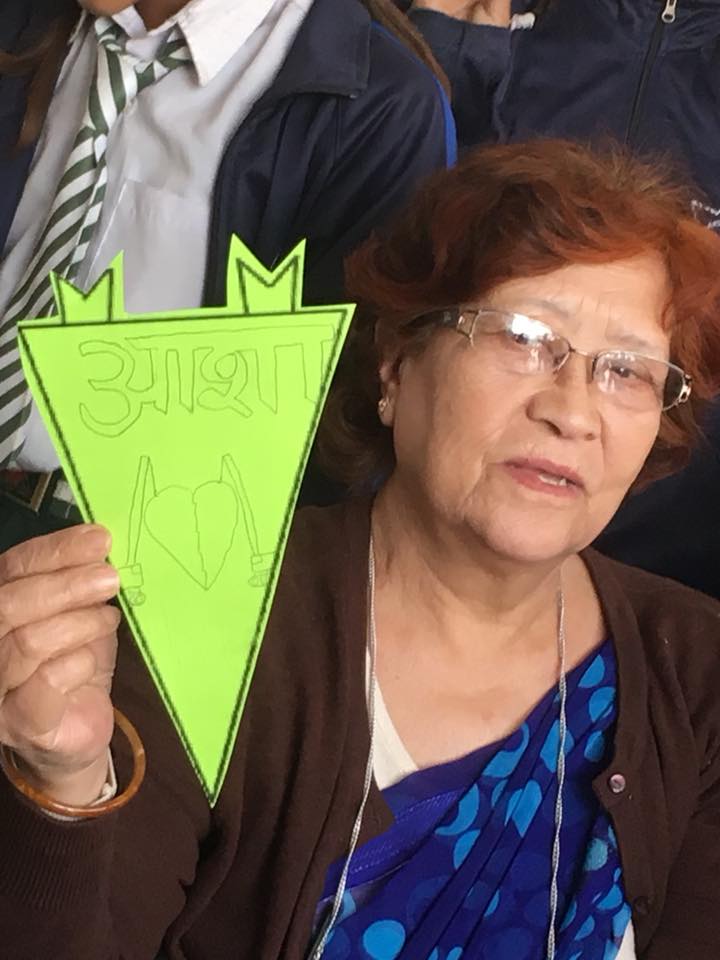
After her passing last year, we honored her memory by establishing the Justice Sharada Shrestha Memorial Scholarship at the Adarsha Kanya Niketan school, where she herself was a student and later first Alumni Chair. As a alumni chair, she was quite determined to provide education for poor children in Nepal. This fund continues the work we began together through the Asha Project since 2005, providing scholarships for 25 girl students annually. This effort ensures that her core belief—that every girl deserves the chance to define her own potential—is continually realized. She also helped to connect with microcredit project organizer in Patan where we distributed microcredits for many women groups.
Part IV: Craving the Bhyatake – A Taste of Nostalgia

The most memorable culinary moment of her visit centered on Bhyatake—a typical Nepali green muster green dish that was my favorite childhood food. When I asked her to teach me, she was genuinely amused: “Americans do not eat Bhyatake? This is the food eaten only by poor people in Nepal.”
She couldn’t realize that I wasn’t seeking a luxurious dish, but a profound taste of nostalgia. We shared a beautiful conversation as she taught me to prepare the Bhyatake with rice. Today, every time I make Bhyatake, it is a cherished memory of my extraordinary tutor, the first woman judge of Nepal, and the enduring power of a bond that spanned five decades and two continents.
As Thomas Campbell said “To live in hearts we leave behind is not to die.”
May her memory be…
A blessing that brings comfort in the quiet hours.
A revolution of love that continues through every person she touched.
 The Asha Project