Honoring Life and Culture at Ajimama’s Janko
By Jaysna Tuladhar
Growing up in Western culture, where youthfulness is revered, we do not get to see a lot of events that celebrate and respect older people. It was, therefore, a refreshing surprise when I came to know about “Janko”. Janko is a time-honored Newari tradition, celebrated five times throughout a person’s life, with the first occurring at 77 years, 7 months, and 7 days old.
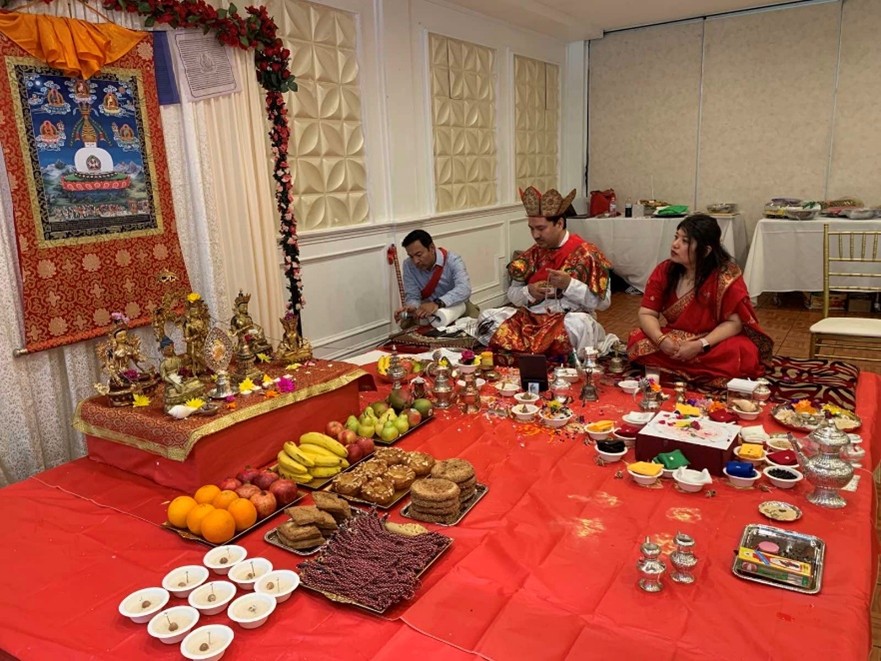
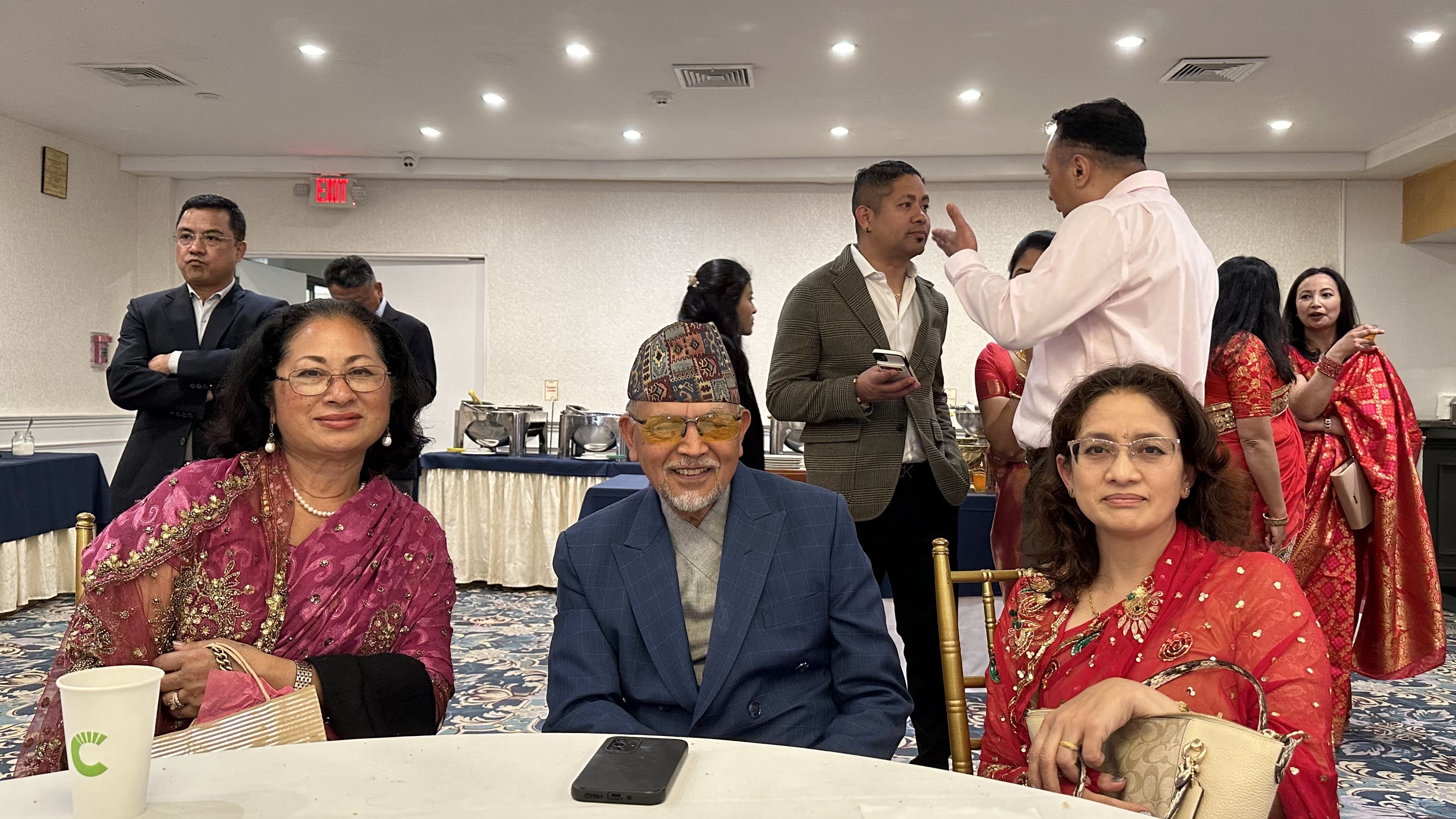
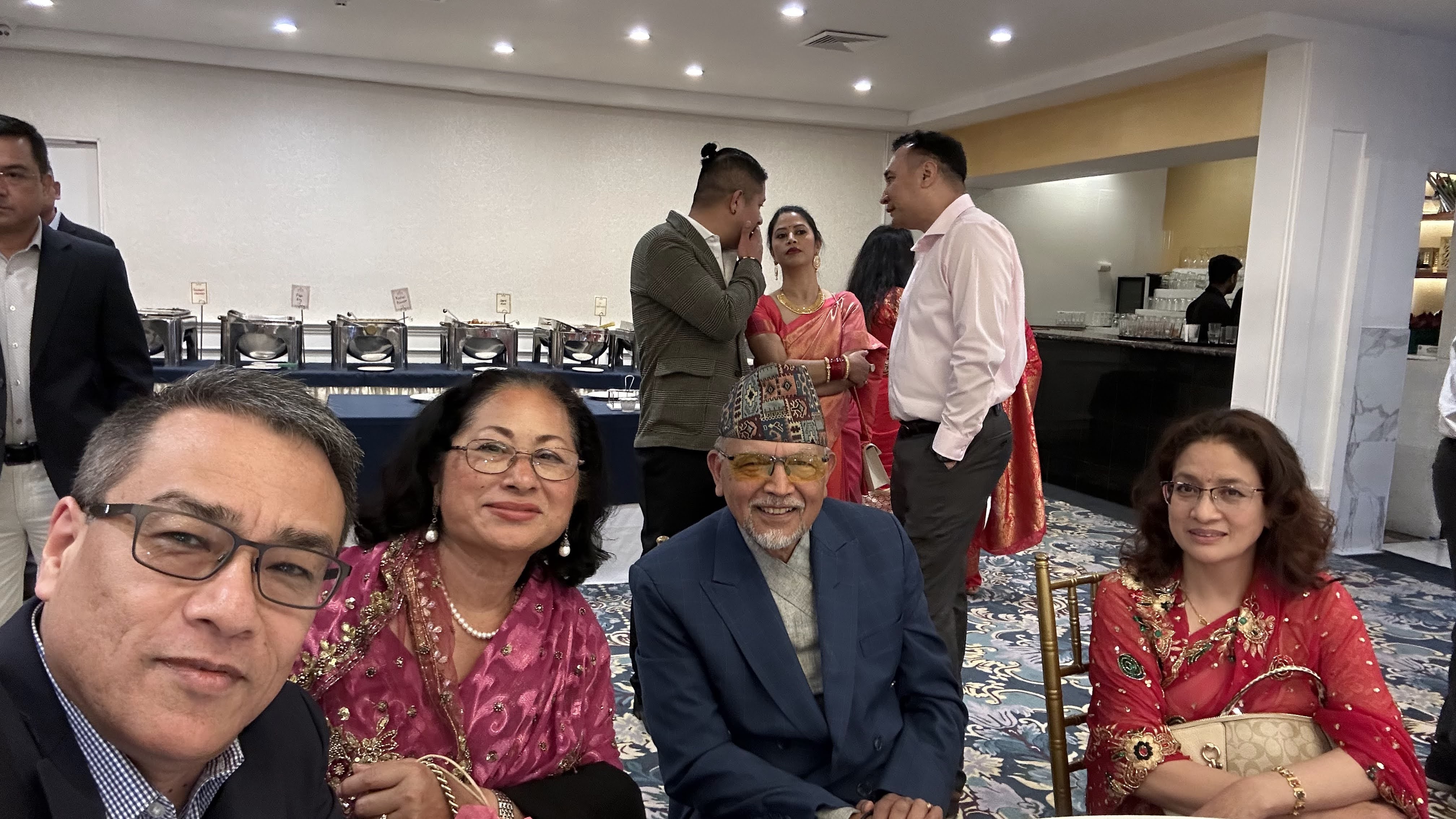
These ceremonies mark significant spiritual milestones in a person’s life in Newari culture. The first one, called Bhimratha, recognizes a person as God-like for having lived through approximately 1,000 lunar cycles. The ceremony is also to wish her wellbeing, to manage to overcome ailments and any obstacle as she ages. While this ceremony was commonly celebrated in the past, traditional Janko ceremonies are becoming increasingly rare among Newar families, even in Nepal. This rarity is why on May 4, 2024, the Janko ceremony of my beloved Ajimama (grandmother), Narayan Devi (Sumita) Tuladhar, became an especially momentous occasion for the Newar community, particularly in New Jersey, drawing over 100 attendees.
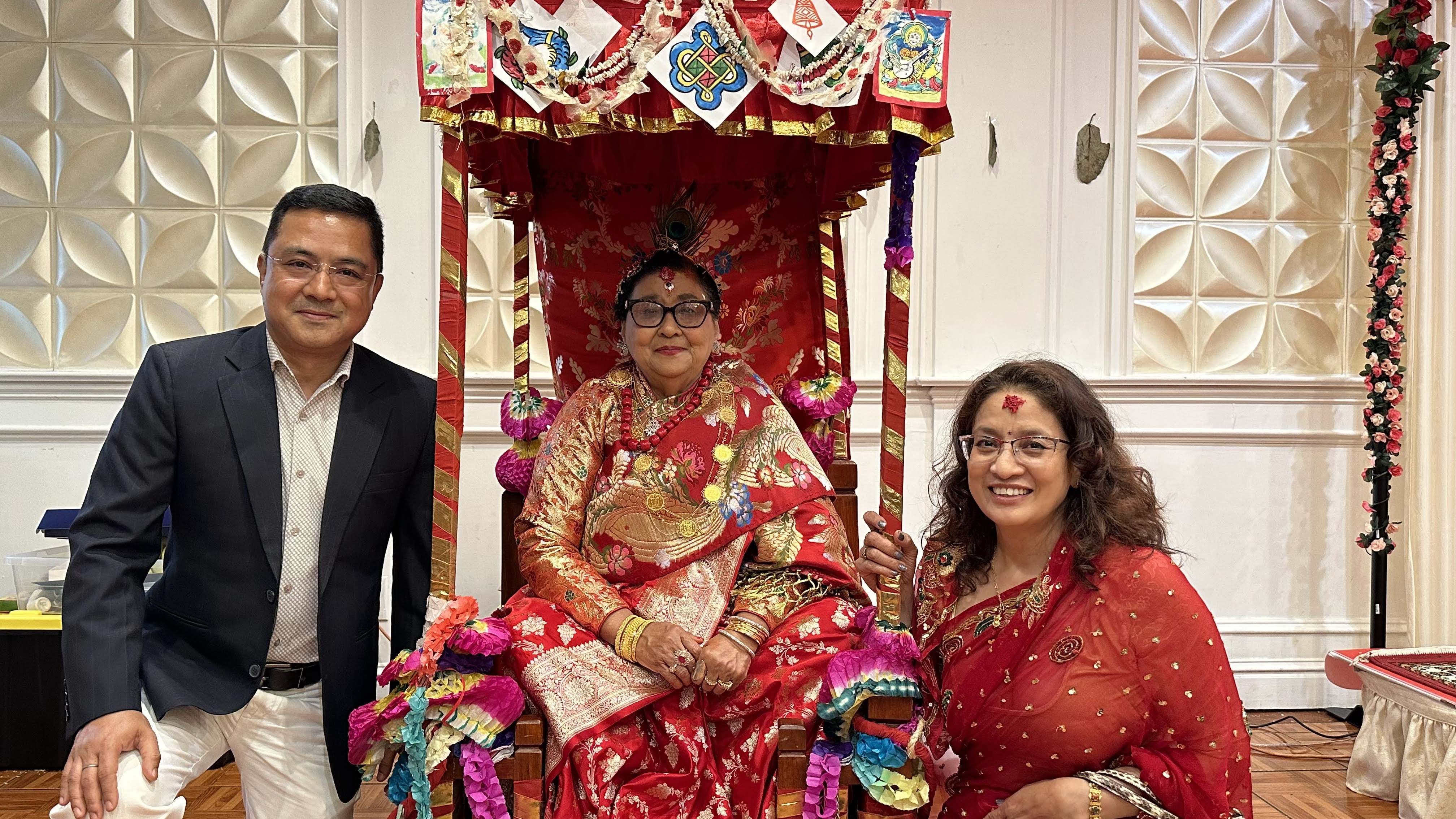
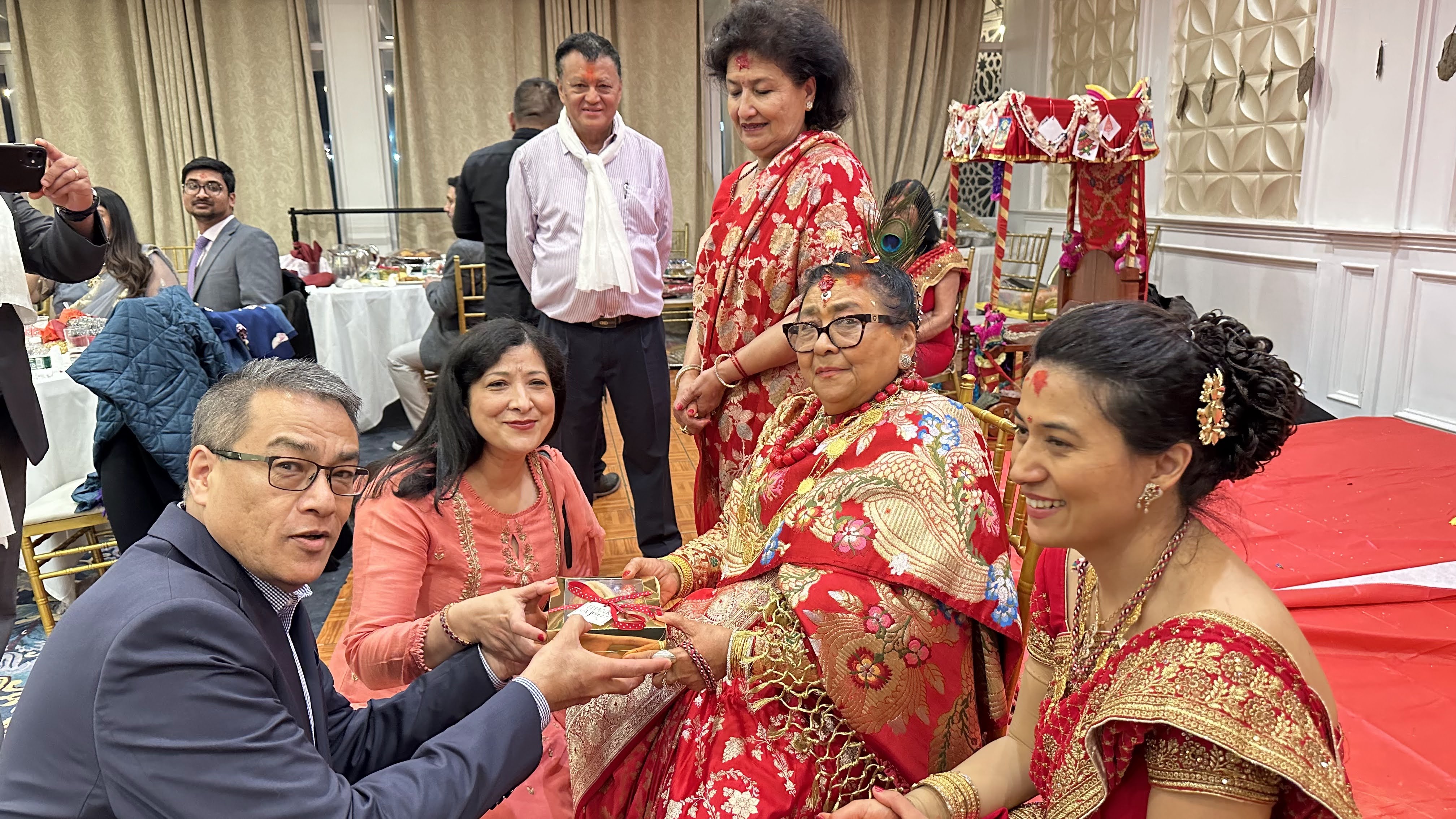
The festivities started early in the morning, with the inauguration puja performed by a Newari priest (Samanta Shree Gurju) and my dad, Sanjay, in preparation to welcome her. Next, the star of the day herself, Ajimama, was welcomed into the room in what is known as the Laskush ceremony by her daughters-in-law and cousin. She was accompanied by traditional upbeat music (Ason Gulan Bajan) and tons of cheering from the crowd.
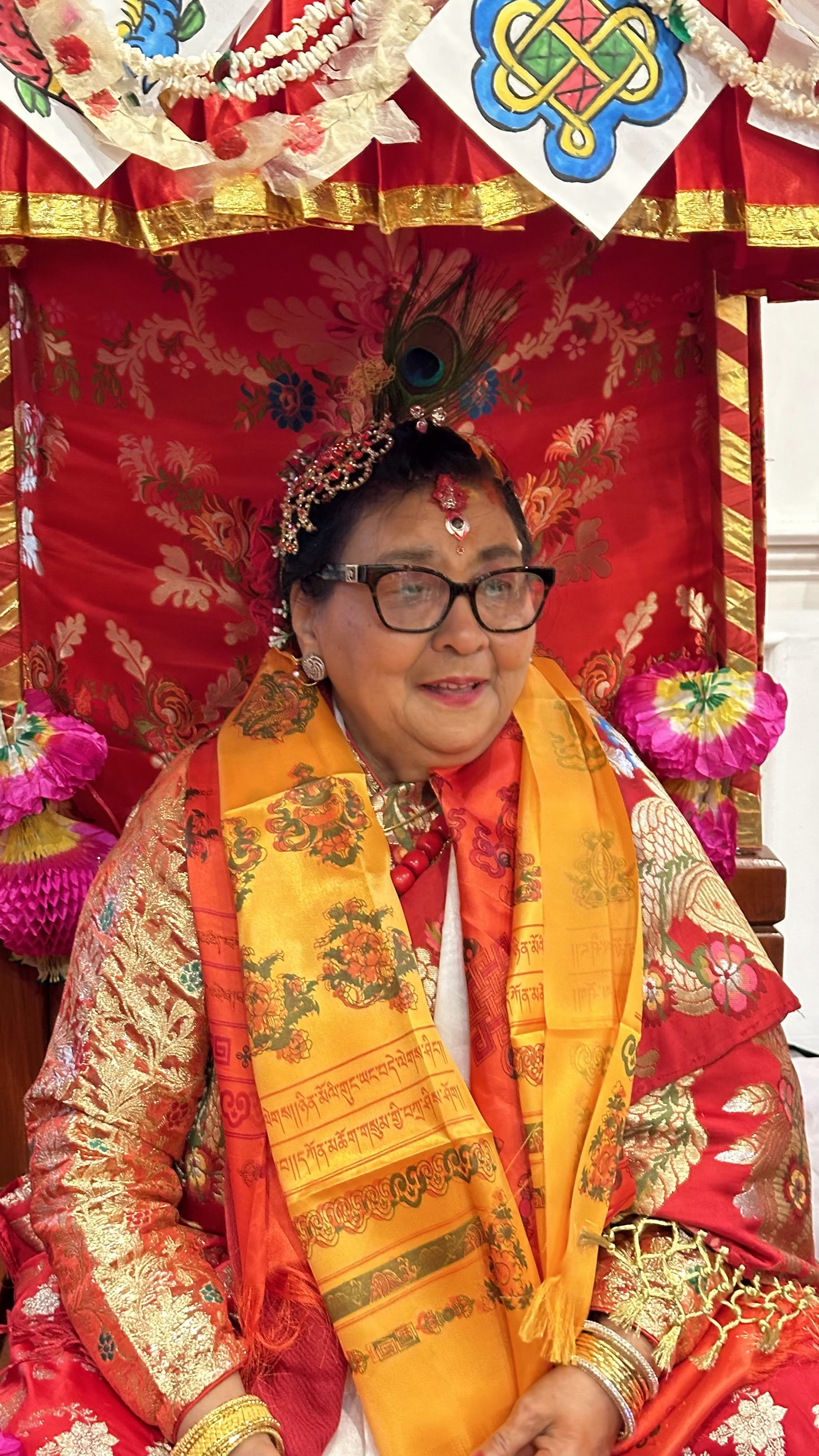
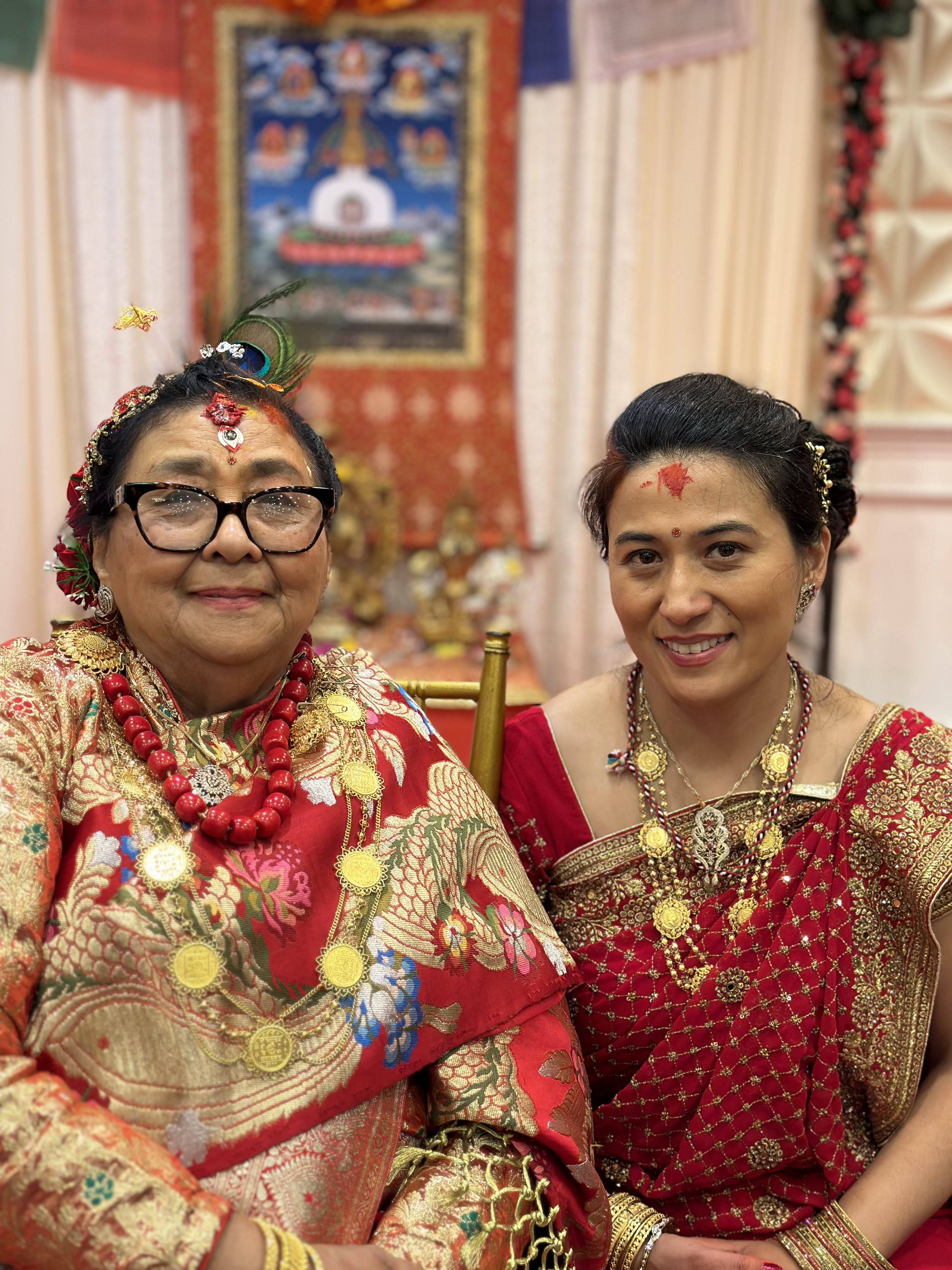
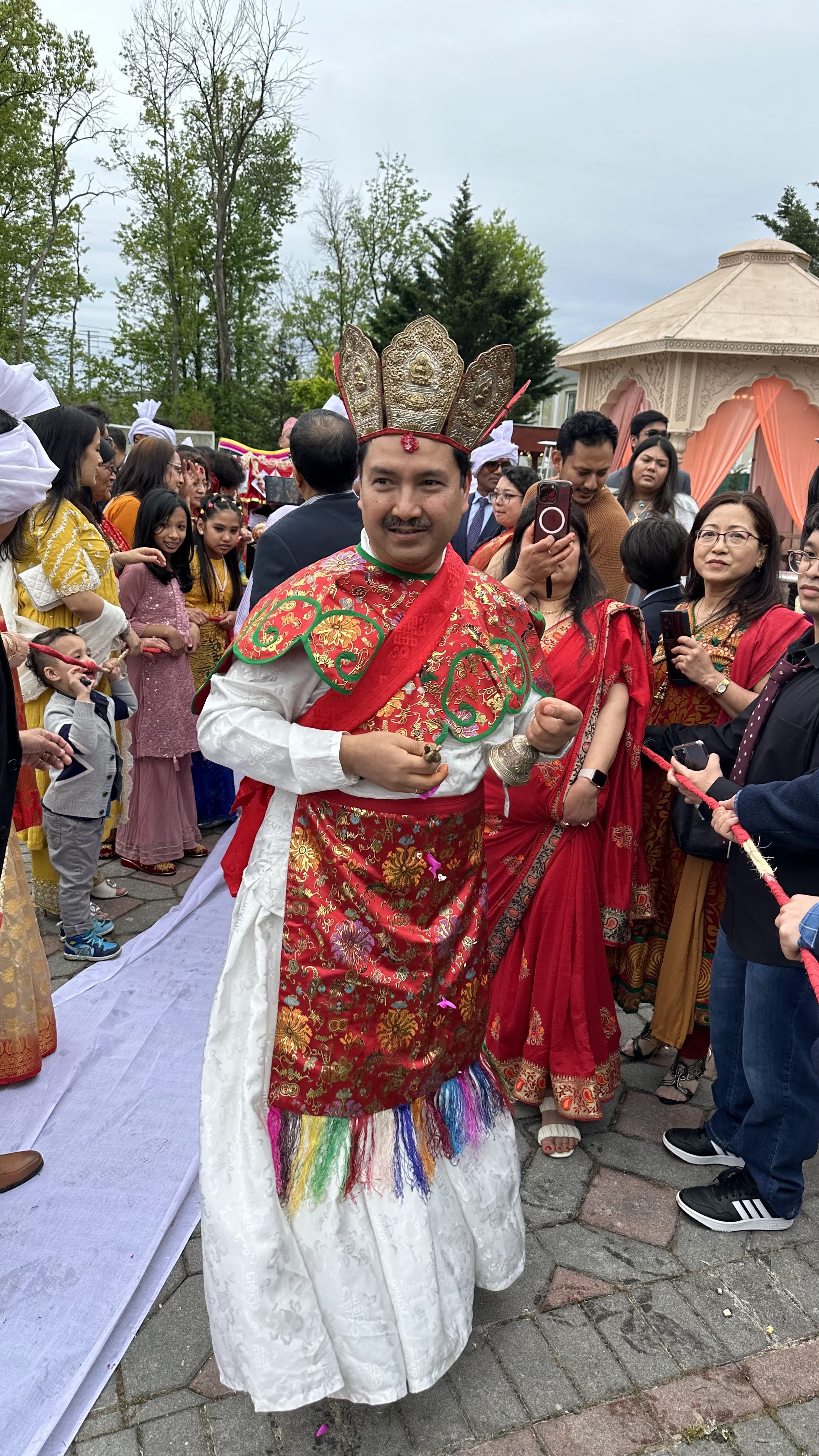
Following this was a second puja and a sequence of rituals, which was very interesting, especially for me and all of the younger guests, because we had never seen anything like it before. The first ritual started with Ajimama grinding lentils with a Newari mortar and pestle.
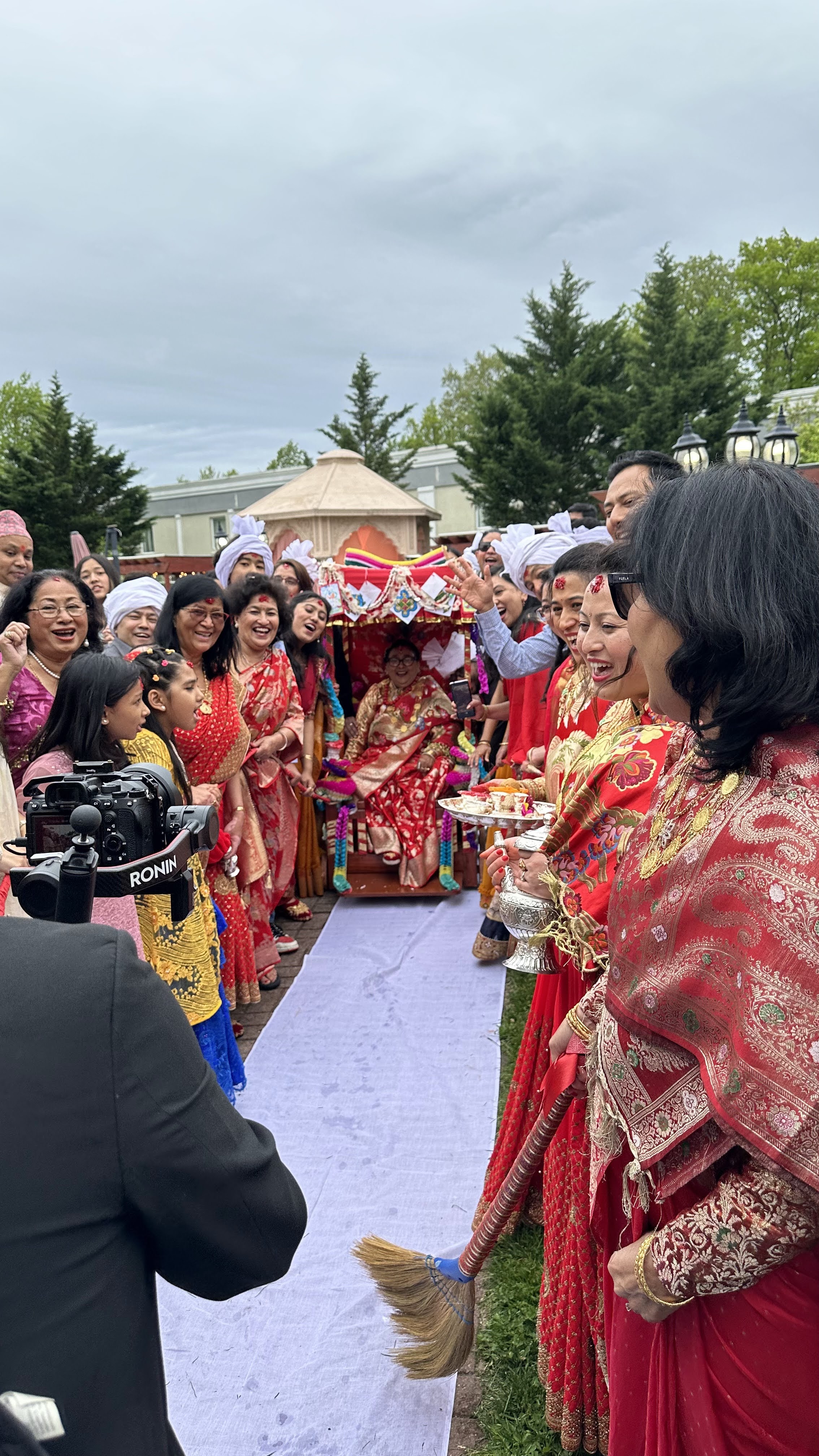
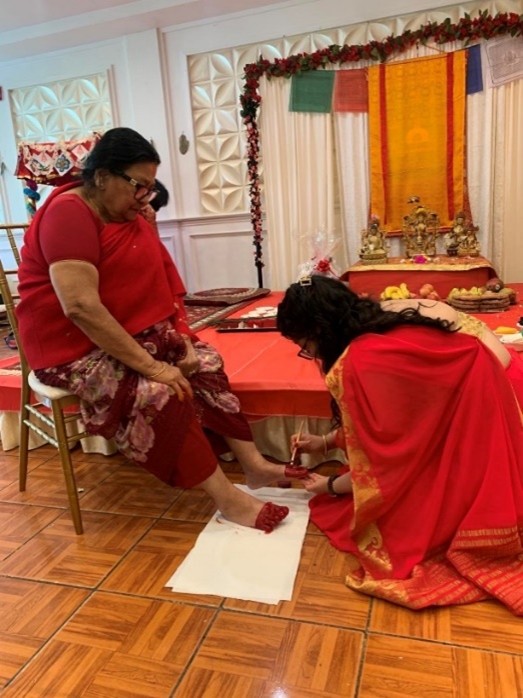
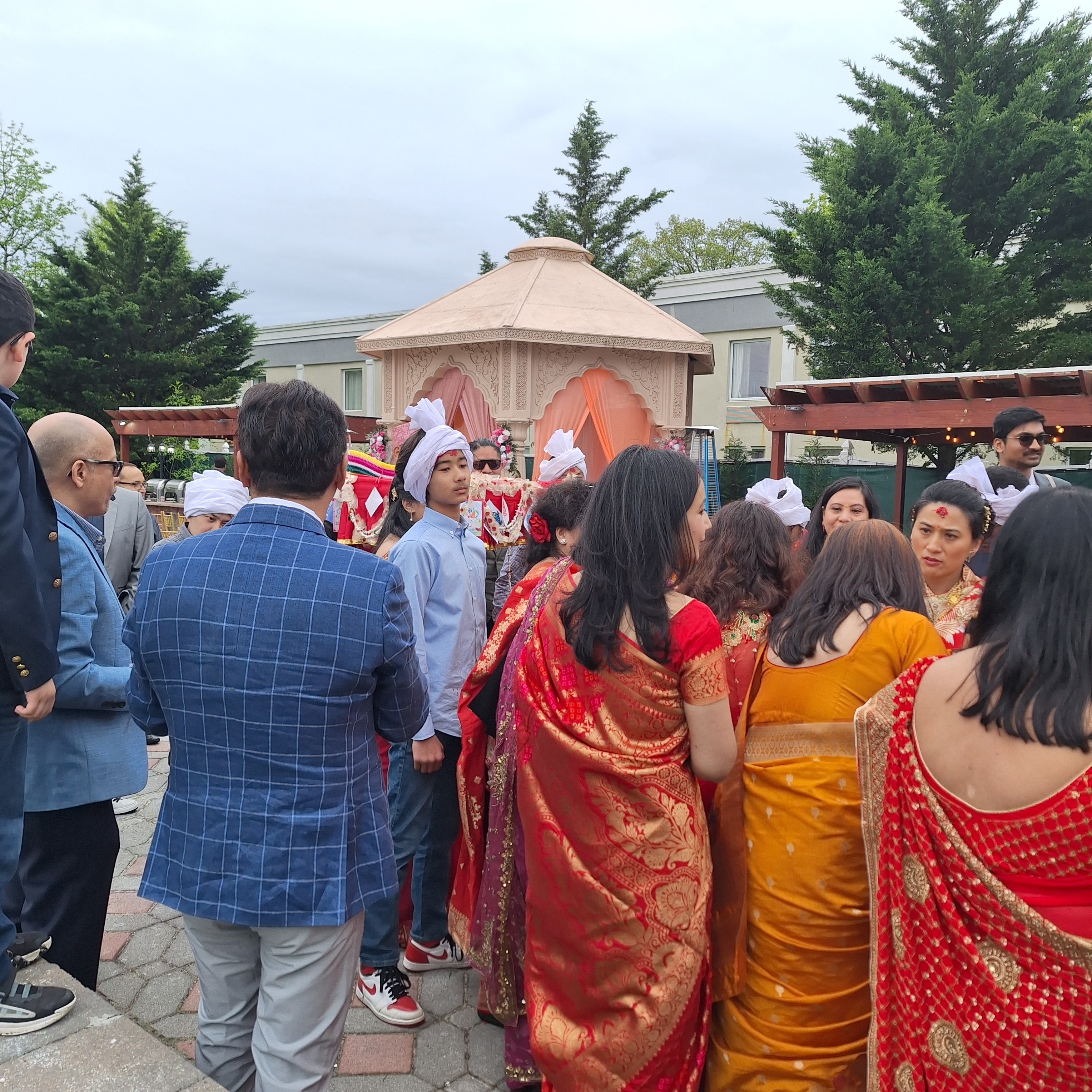
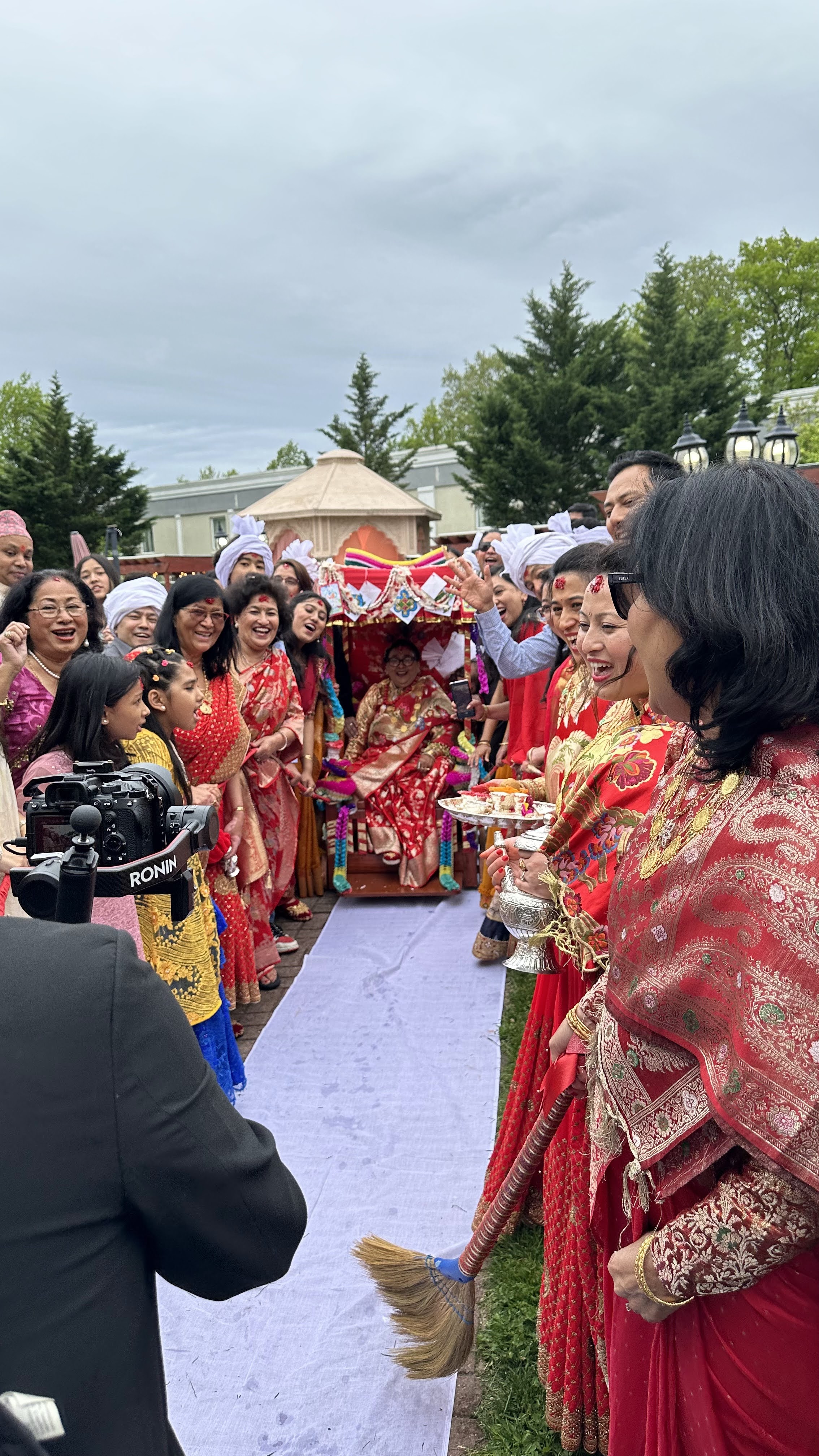
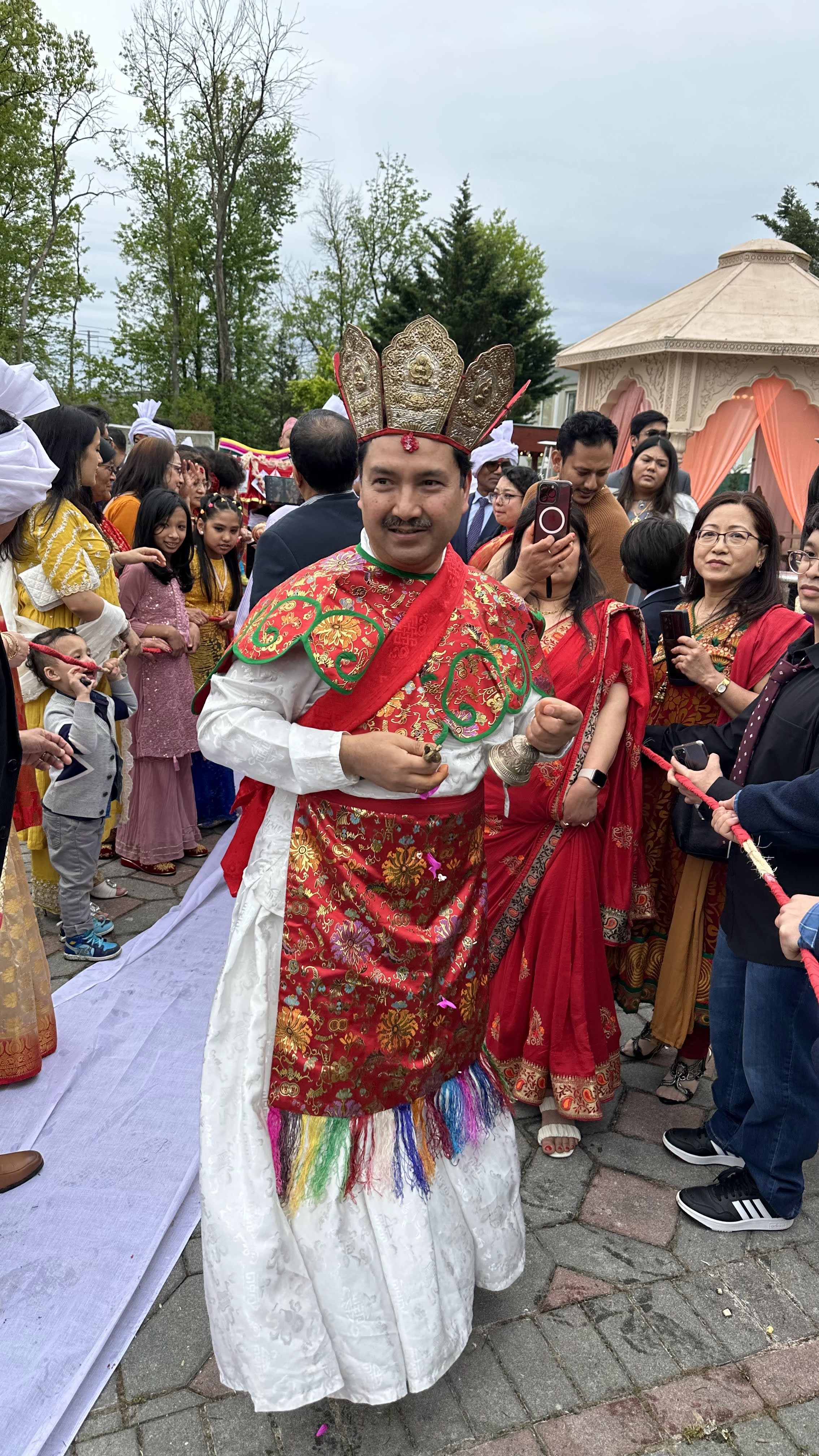
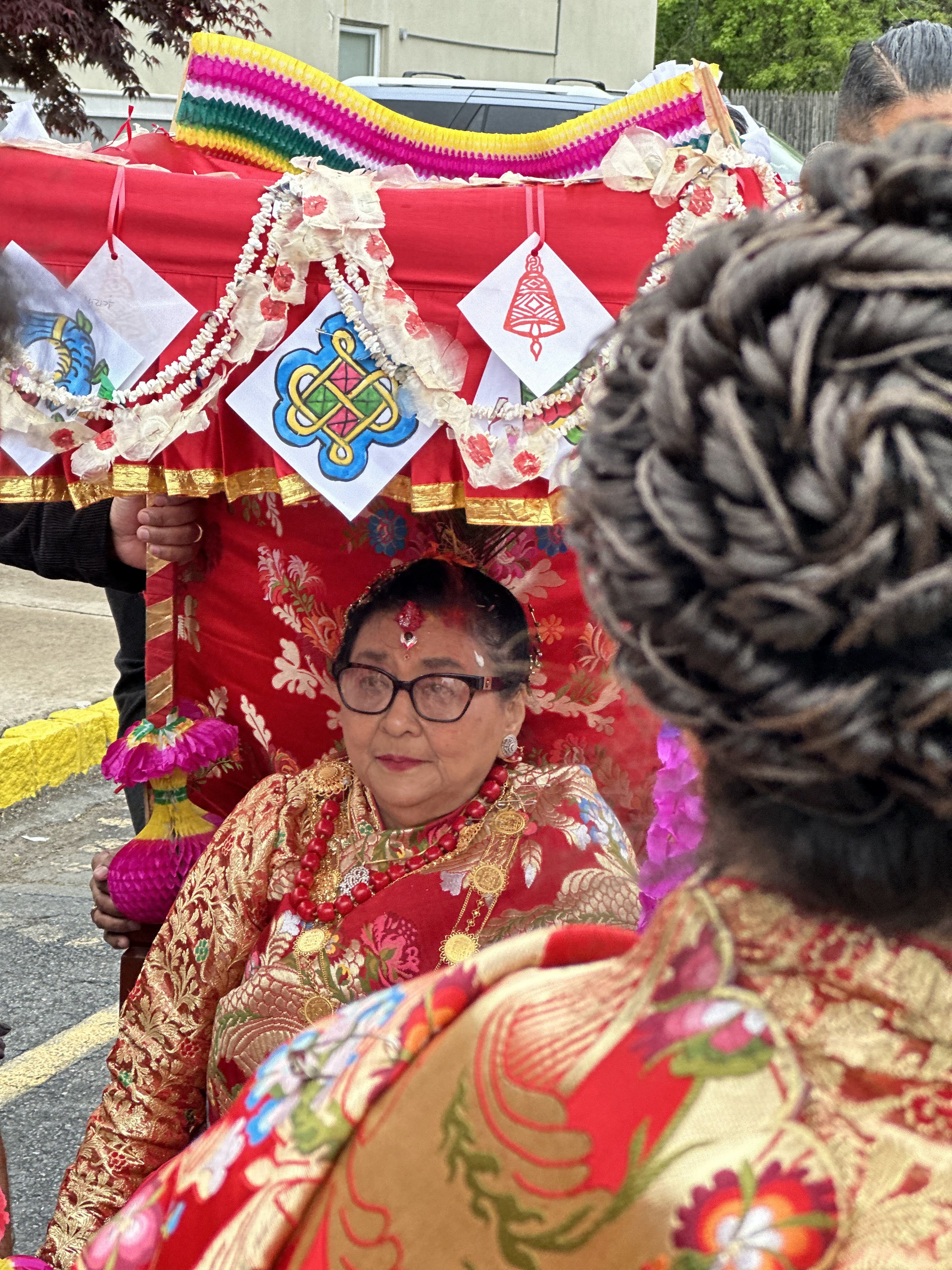
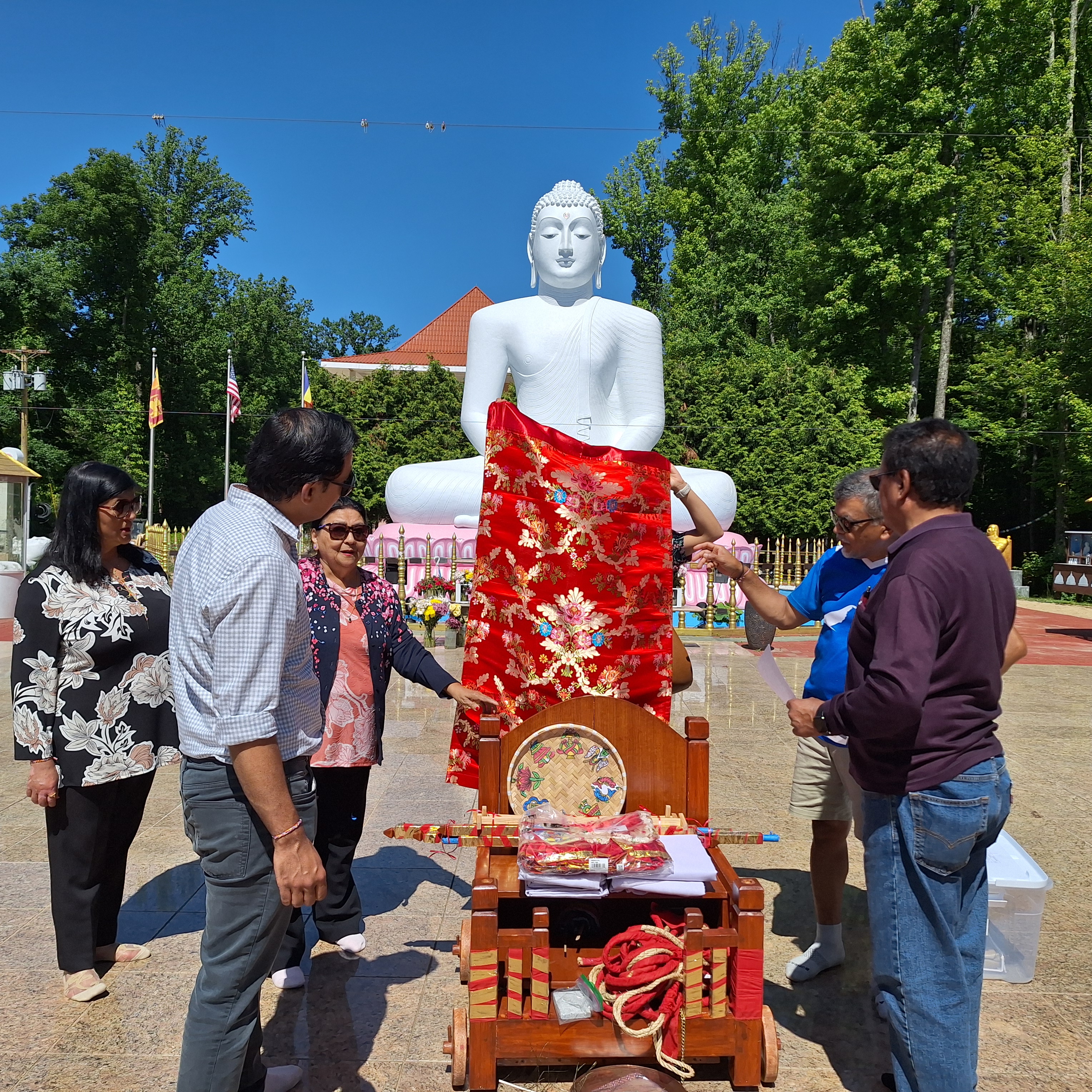
Then, her grandniece, Lirisha Tuladhar, clipped her nails and painted Ala, a red dye, on Ajimama’s feet. Ajimama’s sons (my dad and uncles), Sanjay, Vijay, and Srijay, then gave her a “shower” where they used a karuwa to pour water over her. After this, it was finally time for the main event – the Rath (Chariot) Procession, which was elaborately decorated with religious symbols and murtis of deities. The Rath was custom-made out of wood in Nepal, then brought and assembled in America by my maternal grandparents: Benu Shova and Swayambhu Ratna Tuladhar. In preparation for the procession, Ajimama’s close male relatives wrapped a white turban around their heads. Traditionally, it is up to the grandchildren to pull the Rath, but everyone was included at this event as people, young and old, lined up.
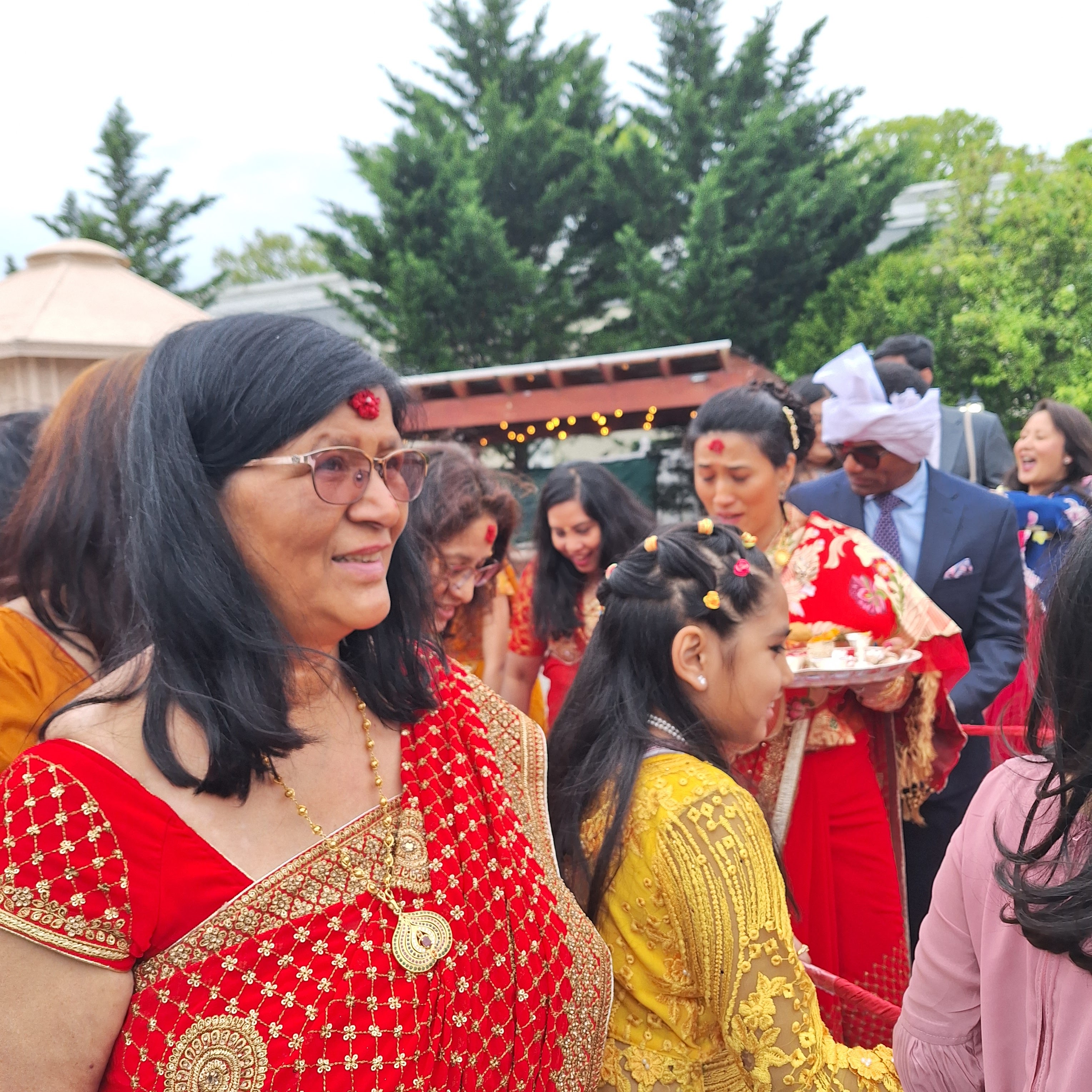
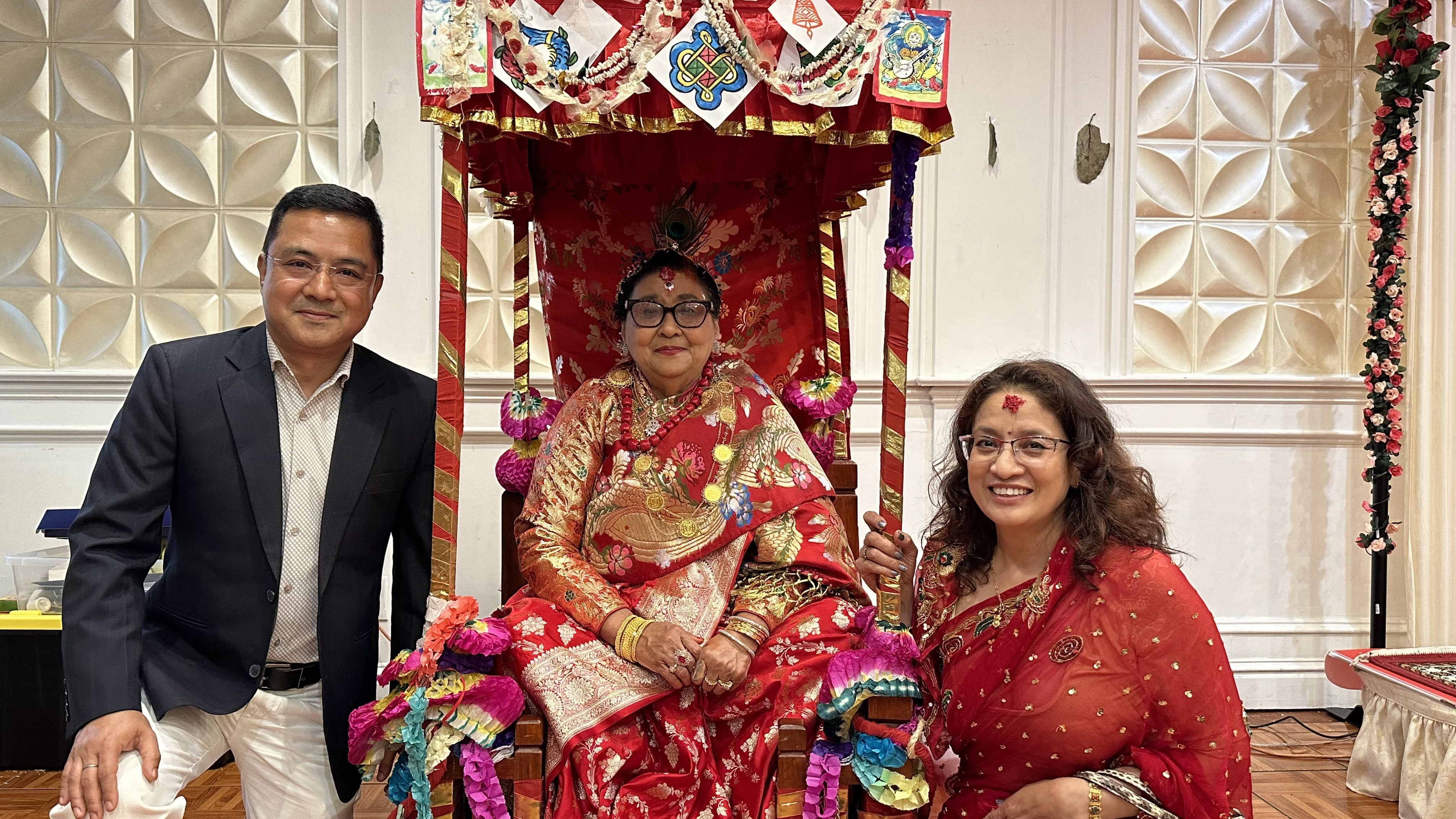
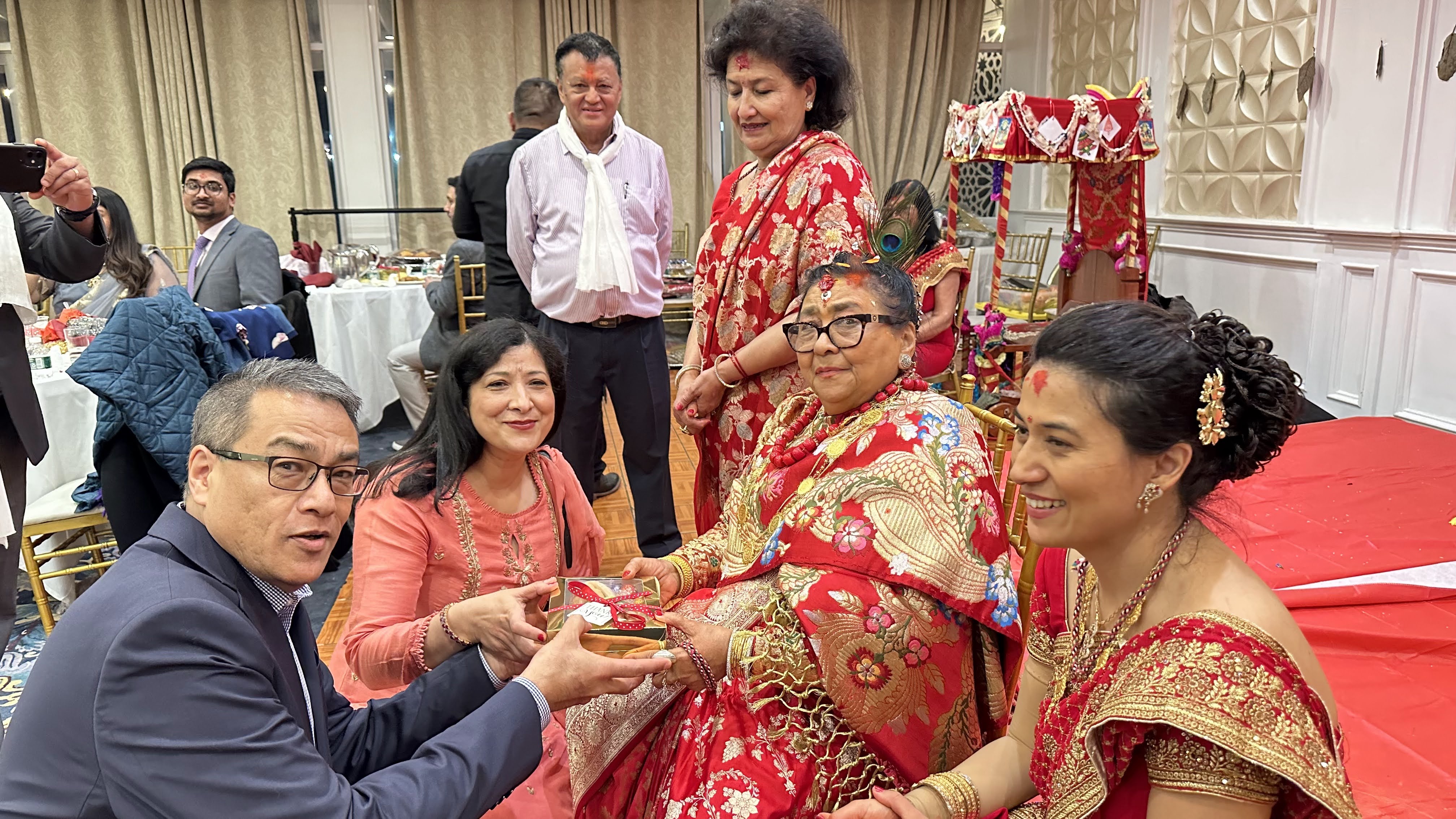
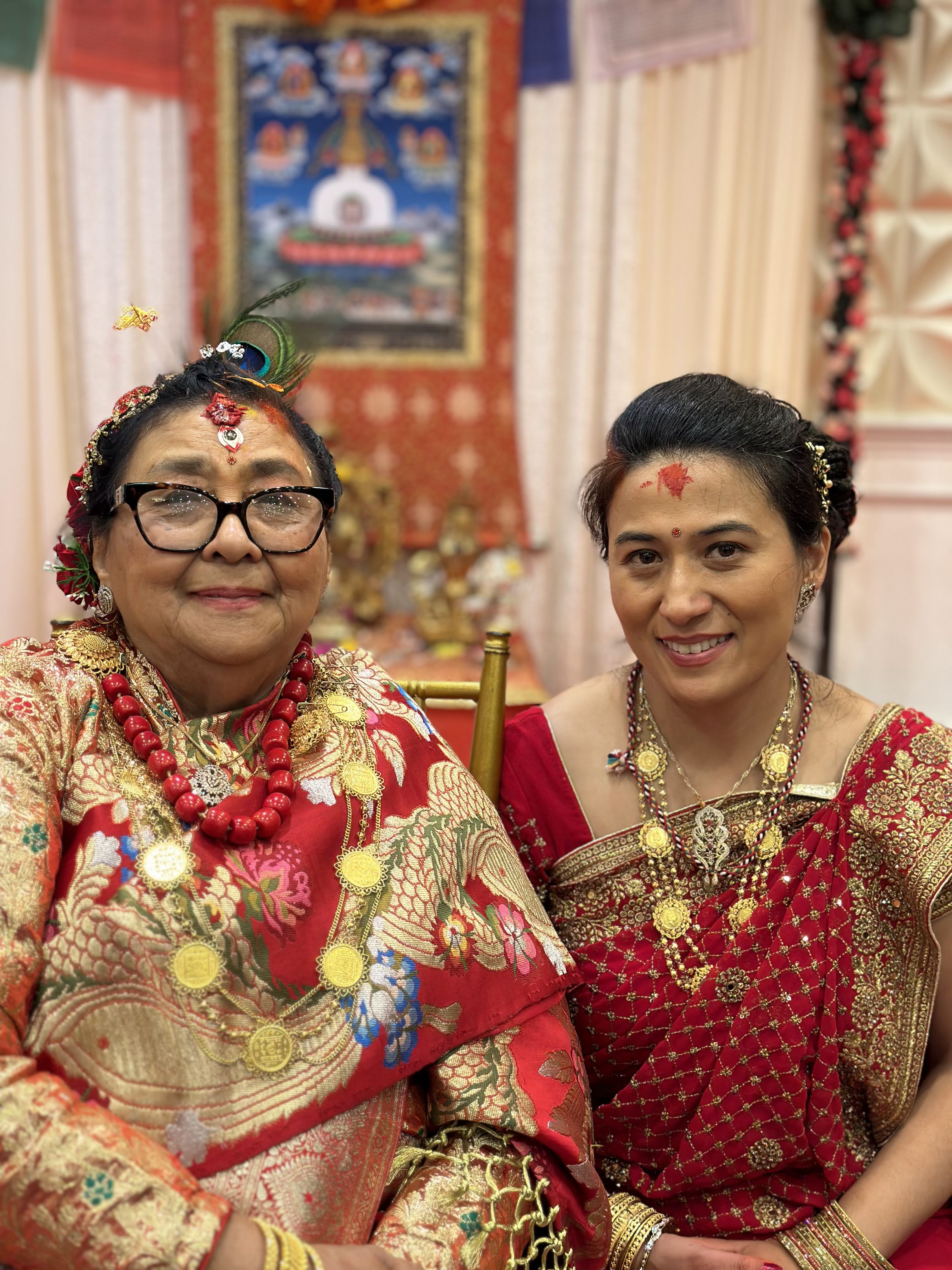
Everyone chanted, “Haste’ Haaiste’” as they processed the Rath around the venue along a “white carpet” and energetic Newari instrumental music played in full blast. The procession was vibrant and bustling; it was the highlight of the day for all of the attendees and Ajimama.
Afterward, the guests settled down, and Ajimama was fed a traditional Thyabo platter with foods like choila, baji, and bhuti. The day ended with a grand dinner and dance performances by my mom, aunt, sister, and me to the tune of Ajimama’s favorite Nepali, Newari, and Hindi music.
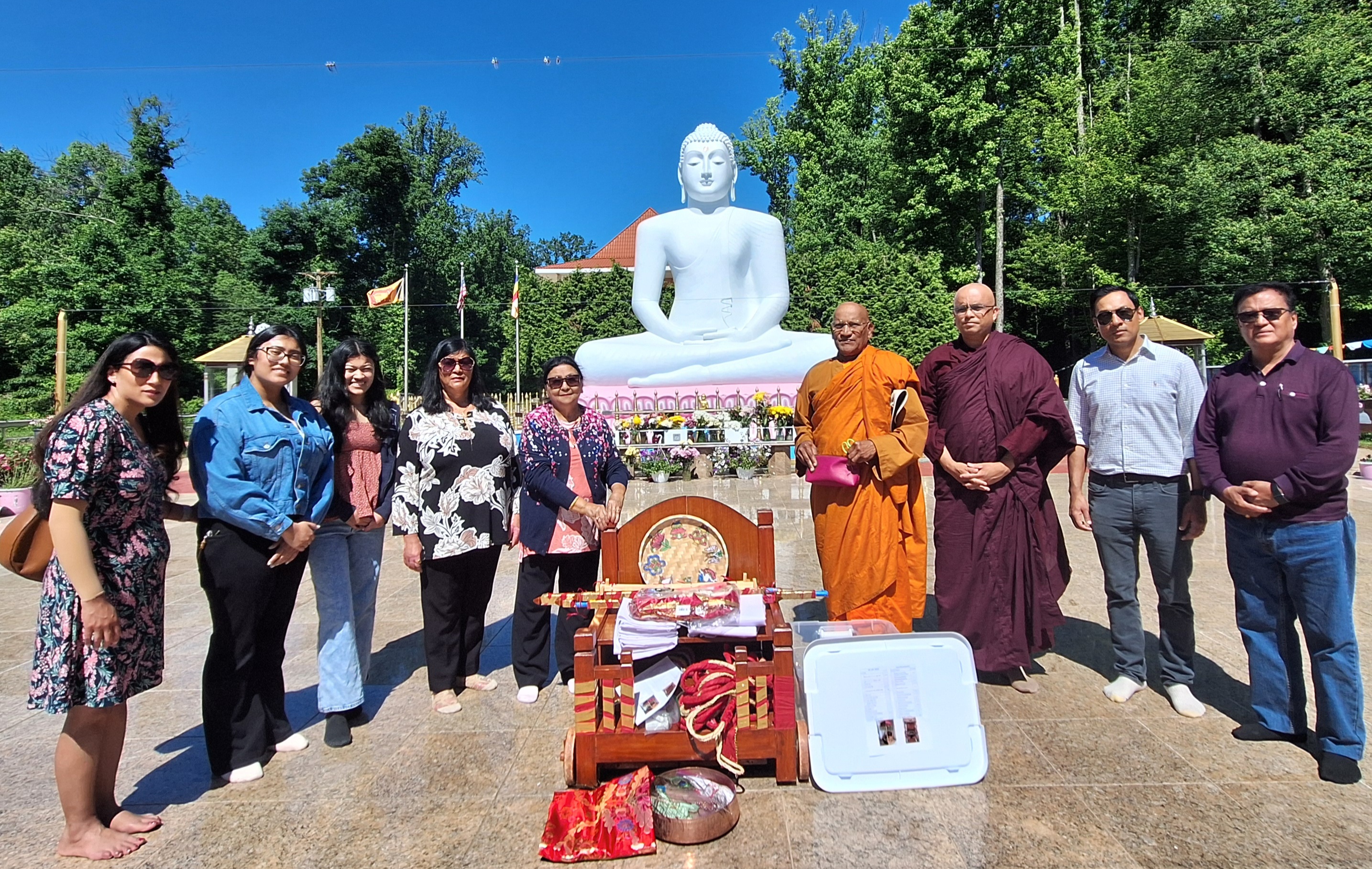
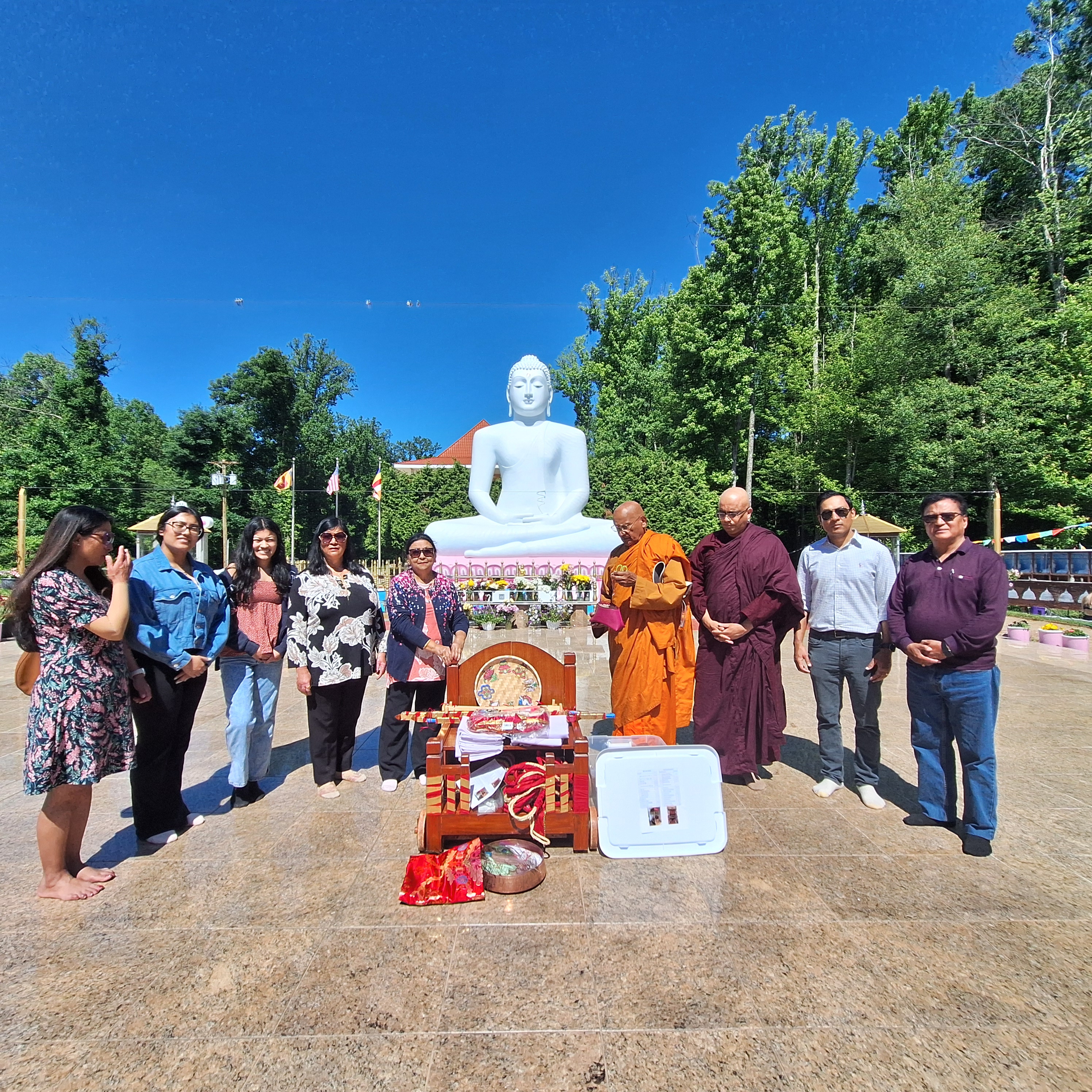
After the ceremony, the Rath was presented as a gift to FONNJ for the community to use in future Janko ceremonies. Dr. Tulsi Maharjan, the founding president of FONNJ, accepted the Rath on behalf of the organization. I truly hope this will encourage others to celebrate this ceremony and continue this age-old Newari tradition, even thousands of miles away from Nepal.
 The Asha Project