Two Little Girls Collecting Coins
In 1988, on his morning walk, Dr. Tulsi Maharjan found two little girls collecting coins at the famous Chovar temple in the Nepalese city of Patan. “Why are they not in school?” he asked. People told him their parents couldn’t afford school. How much did it cost? $25 per child per year. (In 1988, the per capita GDP [PPP] of Nepal was $834, 0.84% that of USA’s.)
Memories came flooding. As boy, studying high school in Nepal, Tulsi anxiously awaited the Nepalese New Year every year, for then he got a small giftbox from the American Red Cross. It had a few pencils, erasers, a ruler, a couple of pens and, sometimes, candy. He recalled, “I was a receiver 60 years ago.”
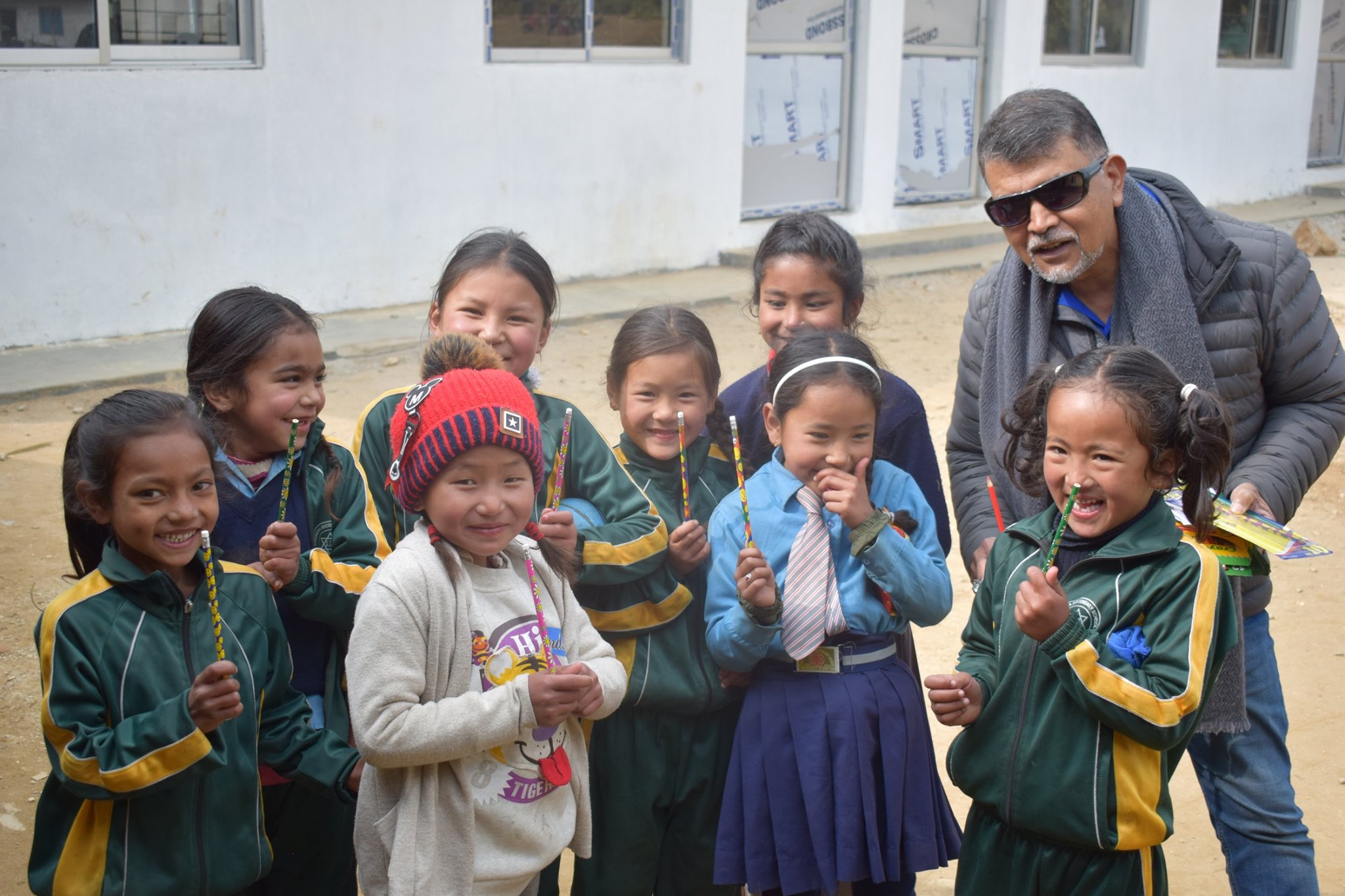


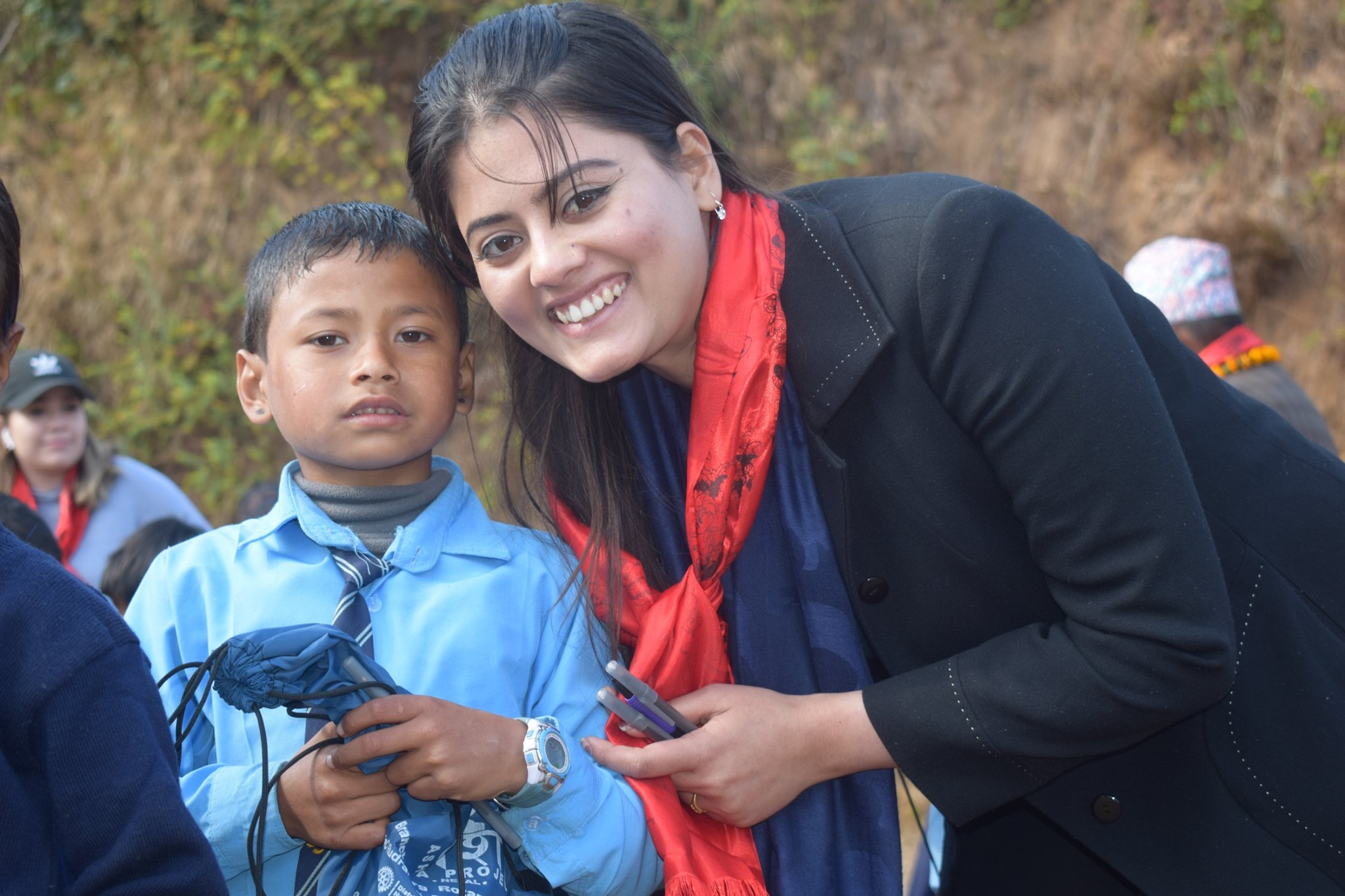

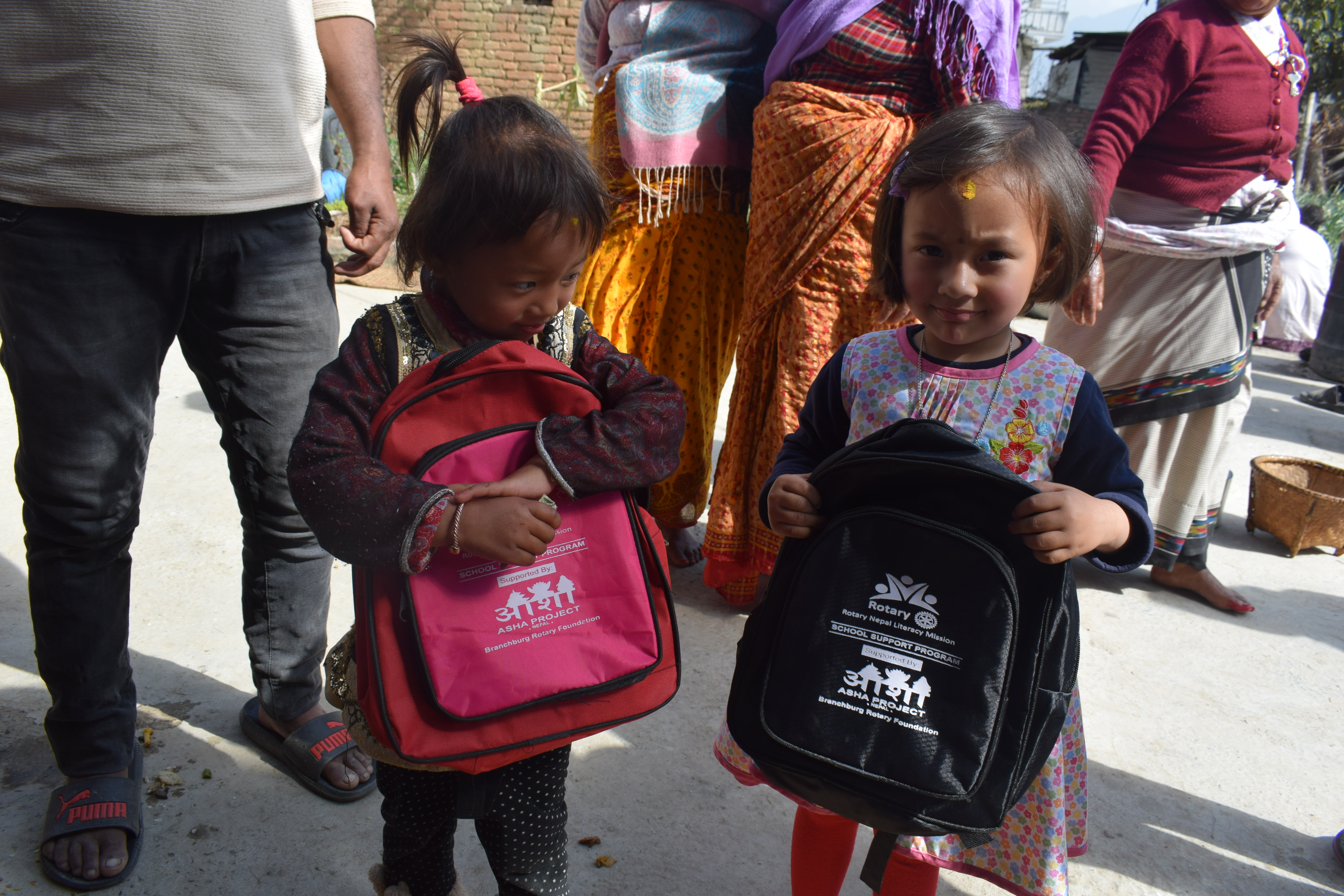
His parents’ sacrifices enabled him to study in the USA. Later, he worked in higher education. He experienced the transformative power of education. He wanted others to enjoy it too. That morning, he promised to help educate the two girls at the temple.


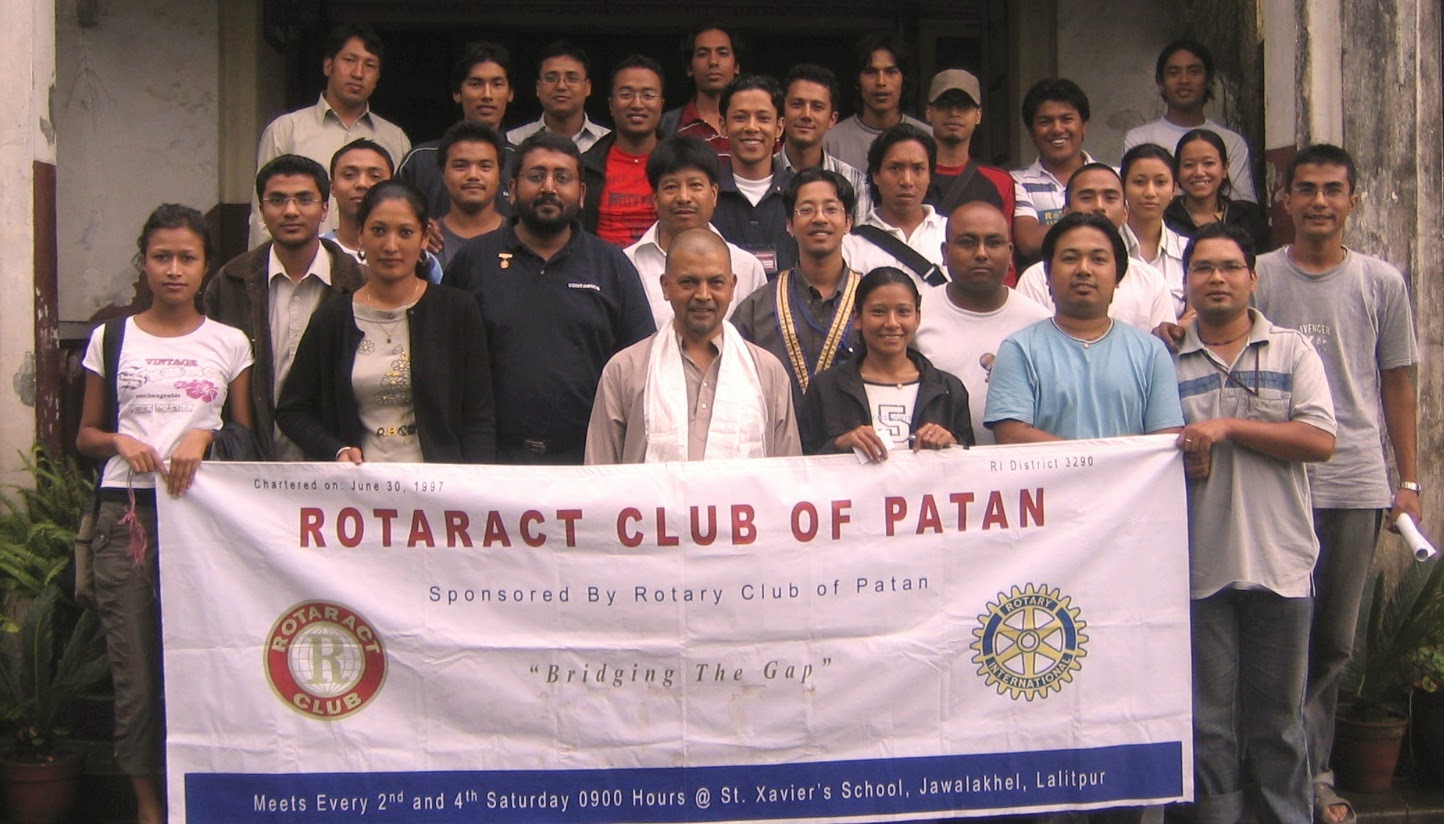

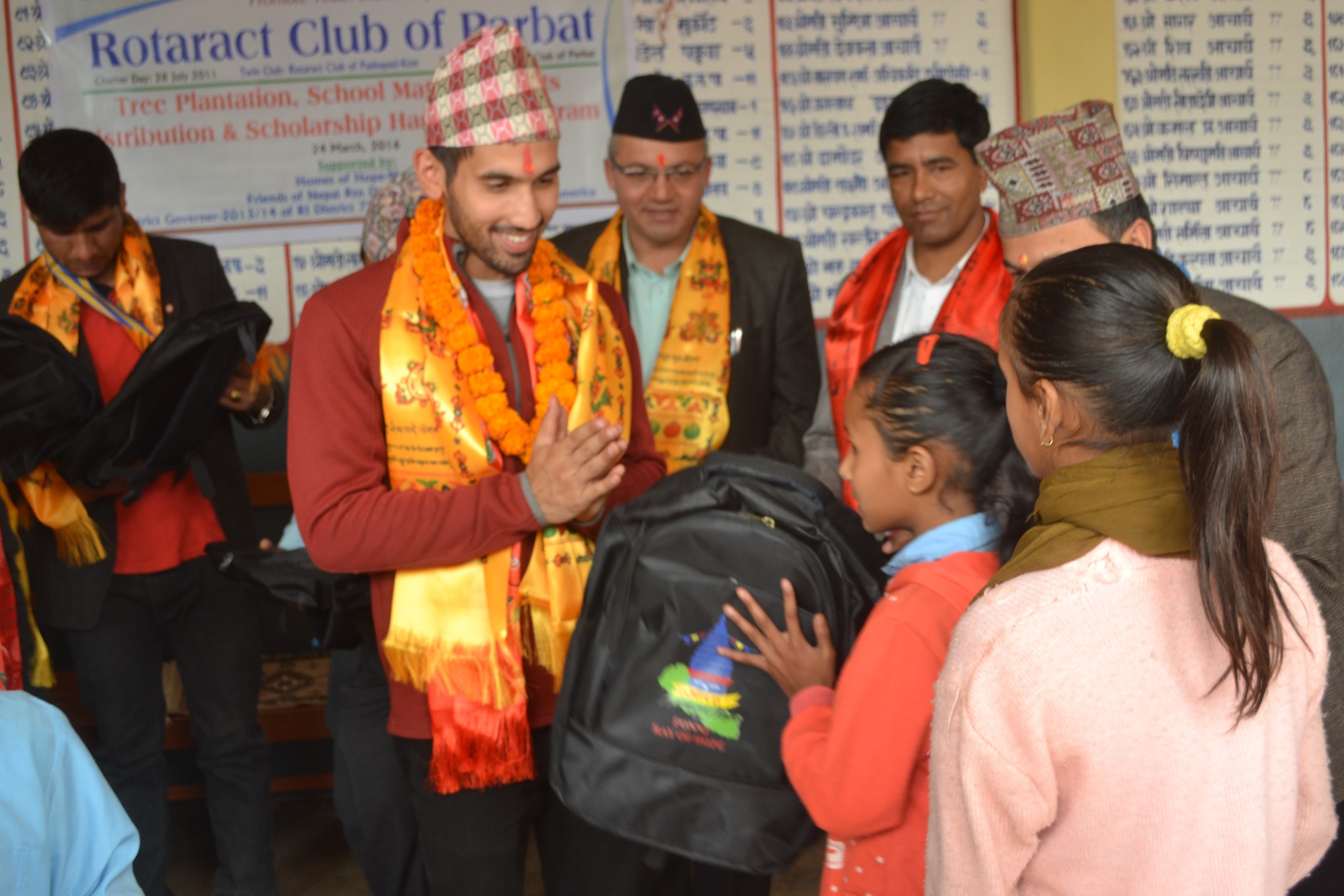
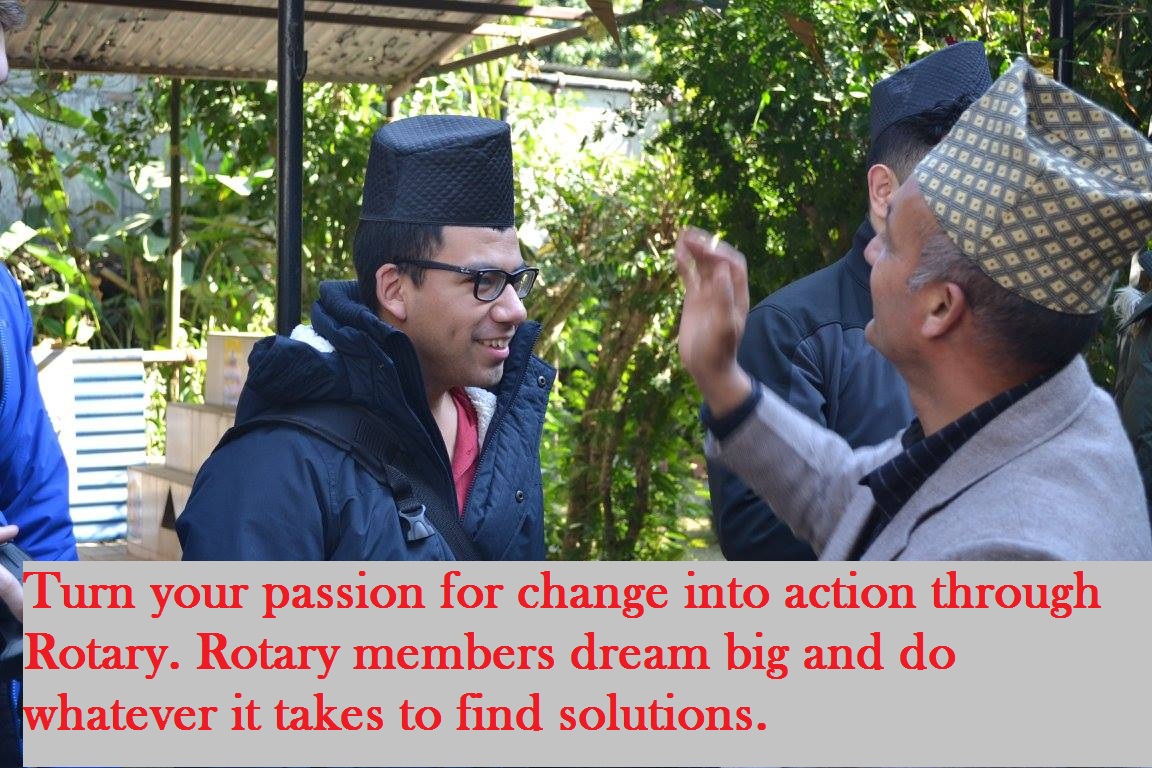
After he returned to the US, he joined Rotary Club, an international humanitarian organization. He spoke about Nepal’s needs at the club’s branches and worked on a range of projects. He also started Friends of Nepal-New Jersey (FoNNJ), to promote Nepalese culture and organize support for Nepal’s poor. He ran fundraisers, tapping New Jersey Rotarians and, through FoNNJ, New Jersey’s Nepalese community. He aimed for just $3,000. He collected more. It was a promising start.
A Challenge
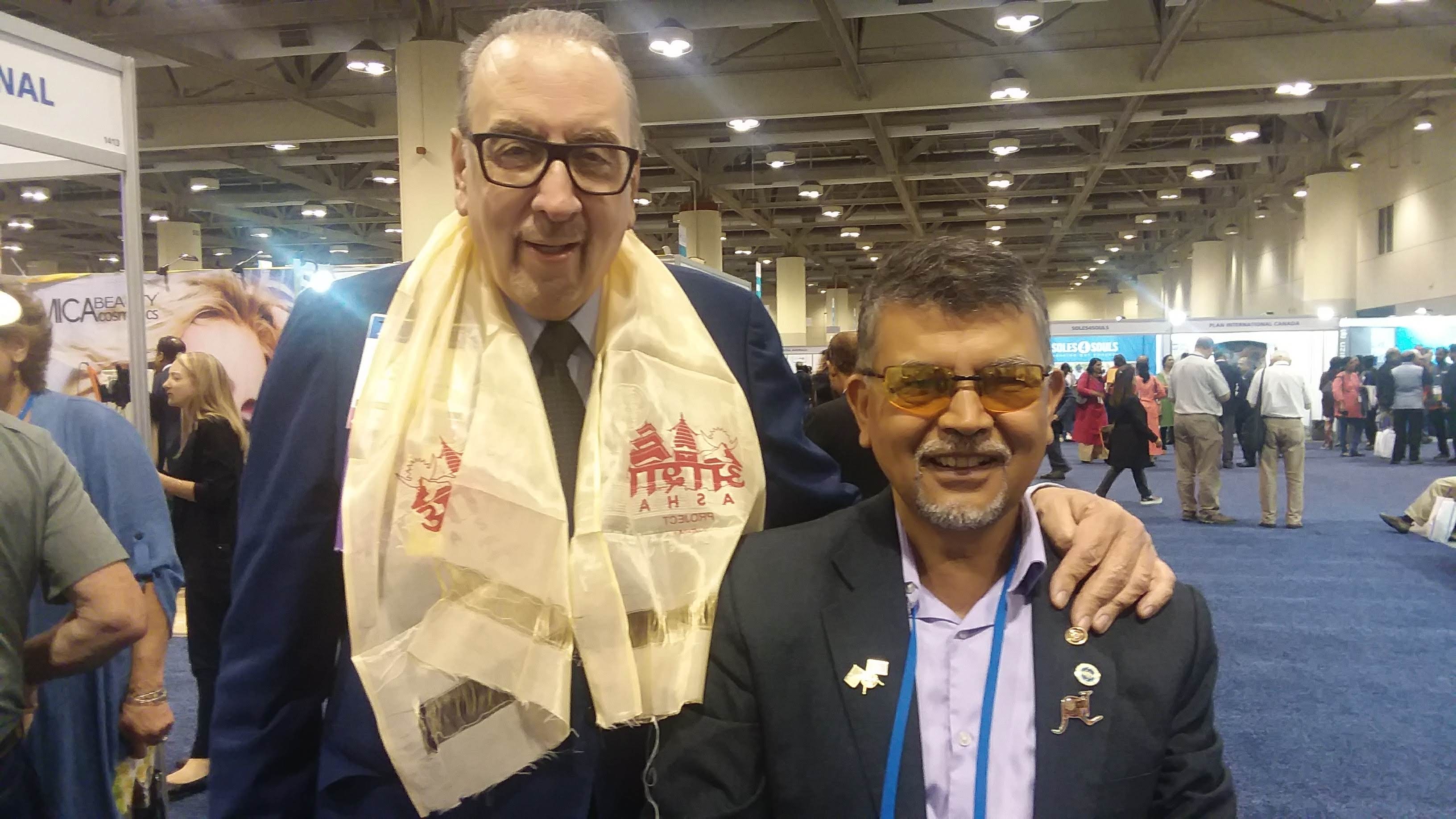
In 1990, Tulsi returned to Patan. He had brought $500 to start a scholarship. Thinking strategically, he challenged Rotarians in Nepal to match his $500. They raised $3,000! He remembers, “All those businesspeople were excited about contributing to education.” As of today, Patan Rotary Club has deposited $100,000 in the bank. The annual interest provides 300-500 scholarships each year.




Birth Of Asha
A terrible earthquake hit Nepal in ’15. It destroyed thousands of homes. Poverty worsened, especially in rural areas. Tulsi used his aid system to give relief and resources.
In ’16, he toured Nepal with his son Anil, daughter Tara, and son-in-law Daryl. When they returned to USA, he started Asha Project—asha is Nepalese word for hope—a partnership between Rotary International District 7475 and FoNNJ.
Tulsi knew it was not possible to bring hope to every deprived Nepalese family who want basic education for their children. But he promised to help as many as he could. Once he succeeded, others would follow.




A Multipronged Model
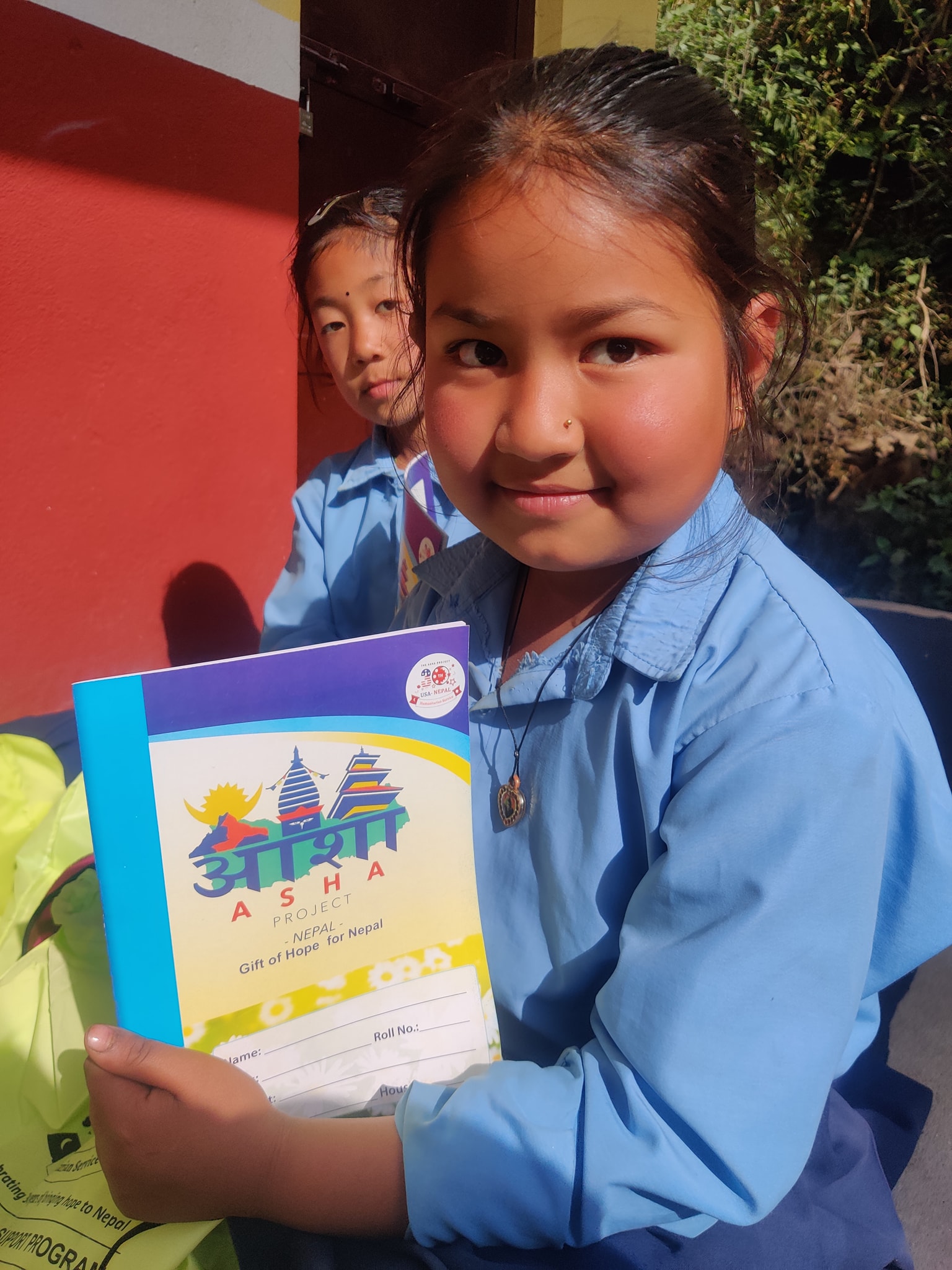
Today, Asha not only educates children but also supports women, families and even communities. It has 3 parts:
- Homes Of Hope for homes, community facilities, and schools
- Legacy Of Hope, to provide microcredit and training for adults
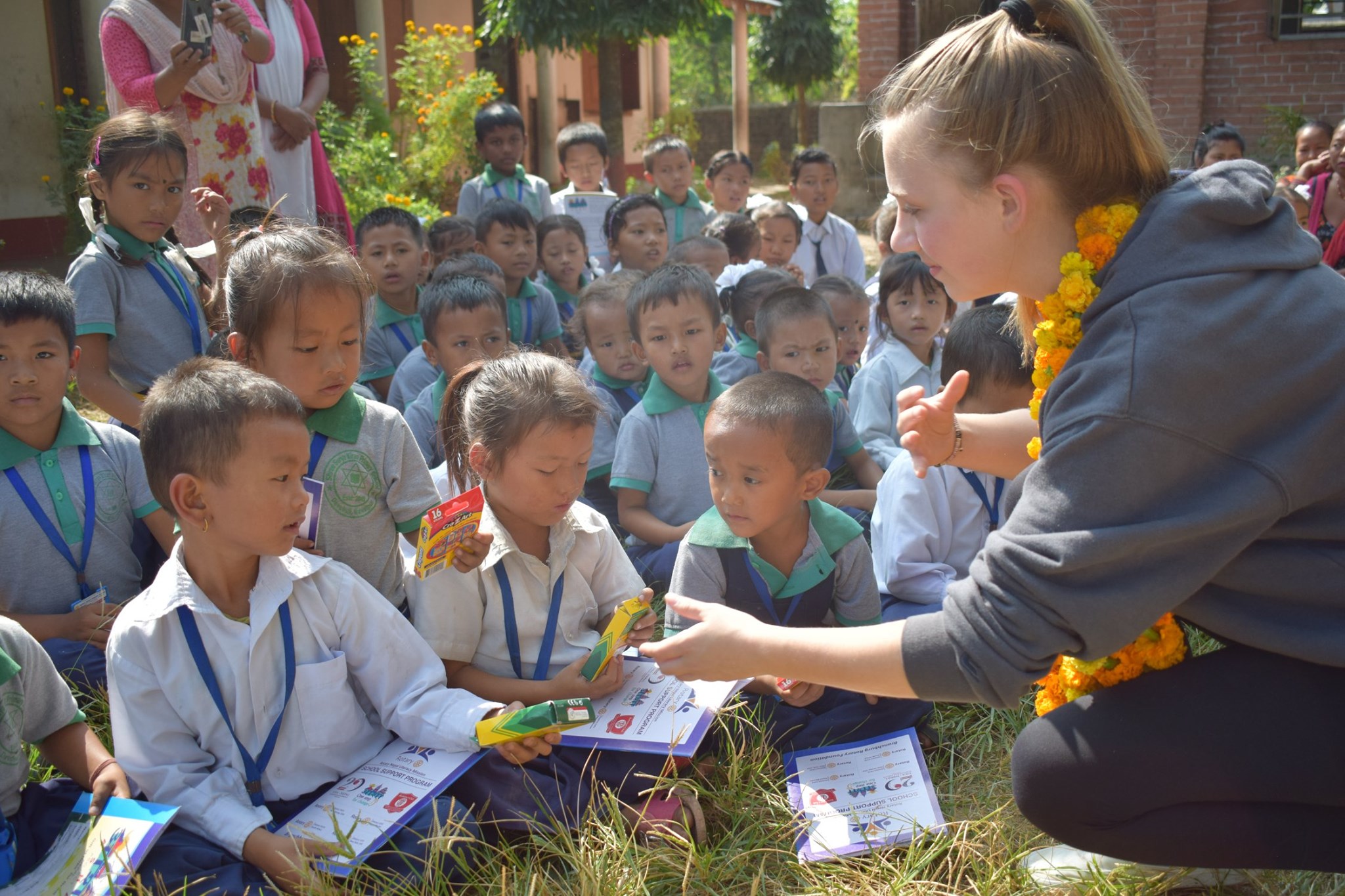
- Rays Of Hope, to give scholarships to children & youth, for schooling and digital literacy.
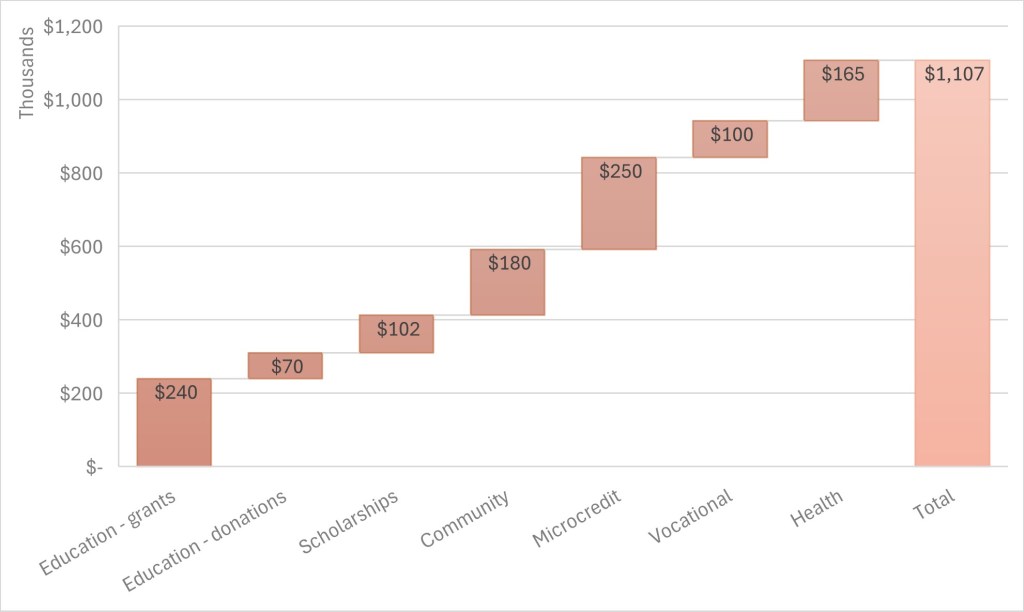
After working in higher education for 30 years, Tulsi found his passion and the purpose: To use his knowledge and experience to help the needy and connect youth with education. He raises funds through FoNNJ, Rotary Clubs in New Jersey and elsewhere, and Rotary Foundation’s matching grants. Over 1994-2024, collaborating with Rotary clubs and other organizations in Nepal, he has completed 25+ projects requiring $1.1M.
After the ’15 earthquake, Tulsi and Anil visited Nepal every year to supervise projects and other activities. But they couldn’t go in ’20, because of COVID 19. Nonetheless, many projects continued with the help of Nepalese Rotary & Rotaract partners. The model proved sustainable.
GAP – Travel, Learn, Serve
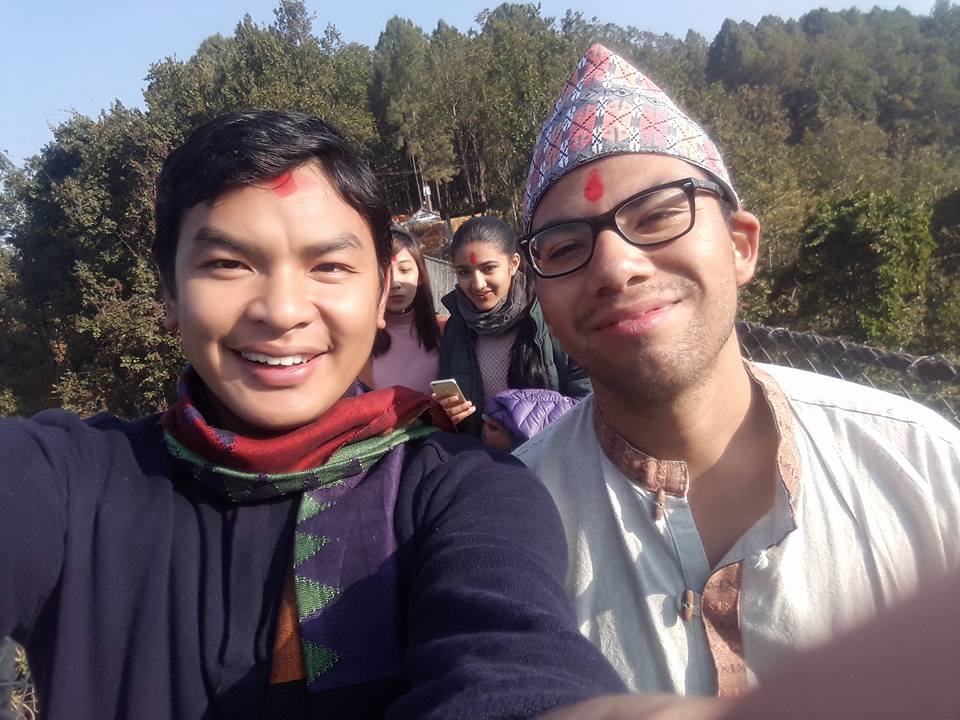
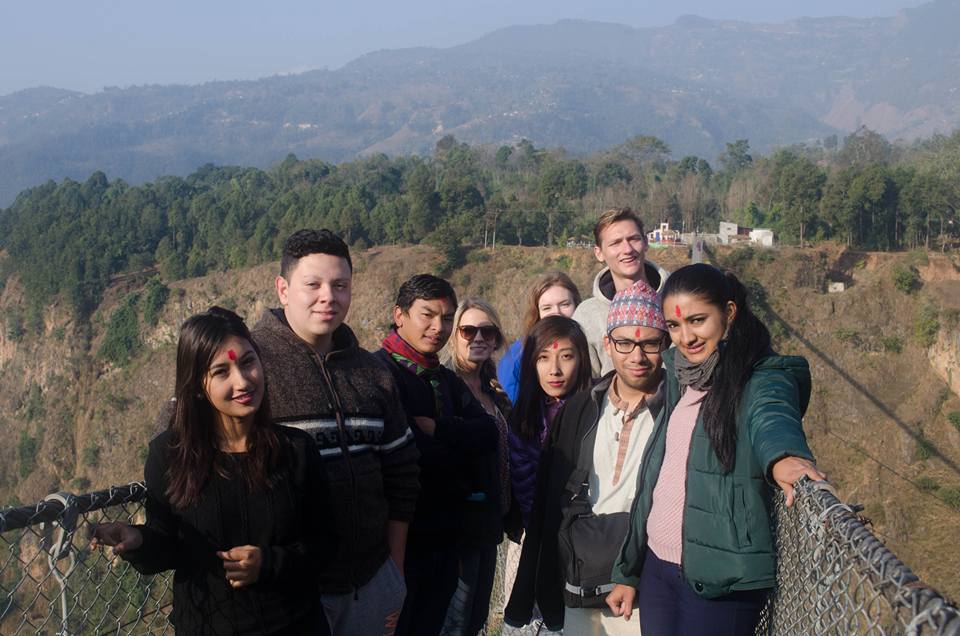
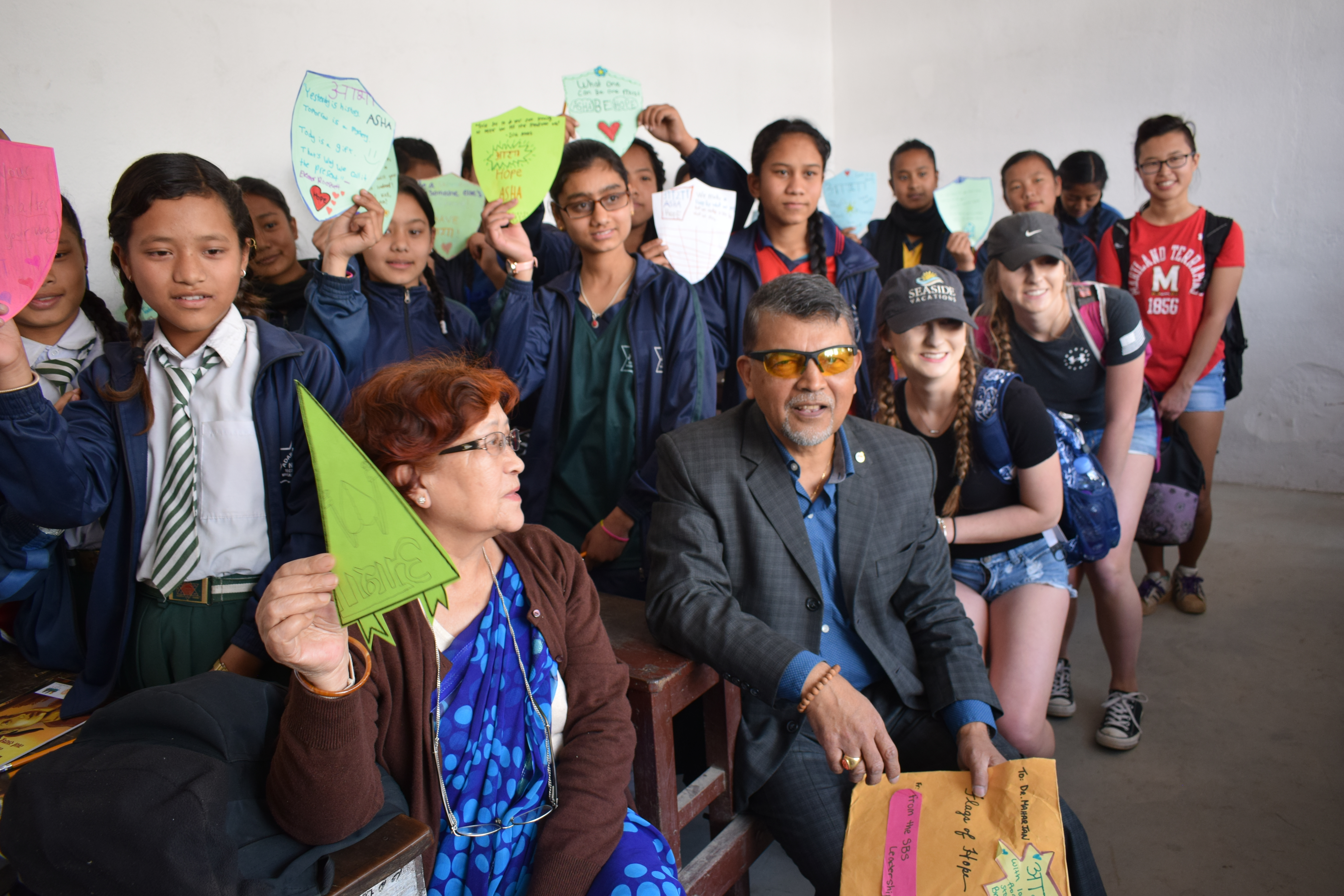
Every year, the Global Action Program (GAP) takes American students & professionals to Nepal on fortnight-long trips. There, they learn about Nepalese cultures and languages; train in a skill; and help rebuild homes & schools for earthquake victims and work on water- and health-related projects. Both benefactors and beneficiaries look forward to the annual trips.



35 Years of Service
Years have passed since Tulsi saw two little girls collecting coins at a temple and promised to fund their schooling. His solitary effort in collaboration with members of the FONNJ and Rotary has grown into multiple projects, sustained by thousands of persons and several organizations. He believes a day will come in his lifetime when every child enjoys quality education. And every family can work toward better days.




How You Can Help
An extremely easy yet most effective way to help Nepal’s people is donating to one of our ongoing or upcoming projects, especially those under the Legacy Of Hope program, which provides microcredit and training for adults.
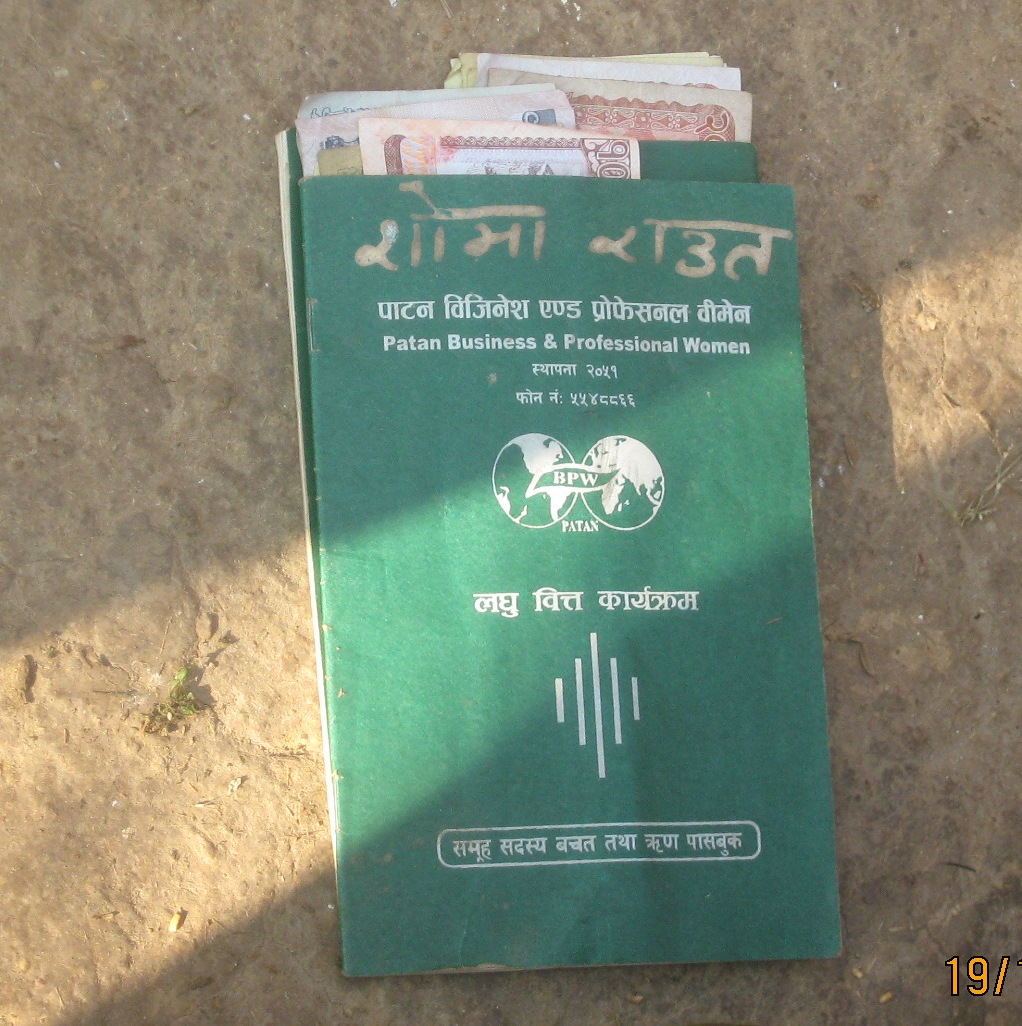


A loan of just $500—almost NRs68,500—adds a livelihood for a poor family. Ideally, that loan is from a nonprofit like ours, because commercial microfinance companies charge prohibitively high interests.
And while per capita consumption of meat, milk, eggs, etc. is low compared to rich countries, animal husbandry is growing. So, we are running the Goat Project, Chicken Project, and Empowerment Program for Indigenous Women; and will launchthe Bee Project and School Garden Project soon.
Under the Goats Project, we provide women with goats, plants for fodder, access to group savings & micro-credit, basic literacy, and gender equity training. Goats are relatively inexpensive to raise. Before sale (for meat), they provide the women with milk for their children. As their herds increase, the women gift animals to others in need. Since the project’s start, in ’13, we have given thousands of goats to women across 10 districts.
Similarly, under the Chicken Project we are helping the Darai, and other marginalized ethnic groups, start chicken farms. (Most Darai depend on agriculture and fishing; and suffer extreme poverty and illiteracy.) Since ’21, we have distributed 5000 chickens.
Empowerment Program for Indigenous Women is a microcredit service funded by a $100,000 grant from Rotary Foundation. It started in ’10, with $15,000. Today, investments total $250,000+. It has served 10,000 people. It not only helps Indigenous people economically but also empowers them to preserve their language, customs, festivities, and identity.
To Donate
- Please mail your check, made payable to Friends of Nepal-NJ, to FONNJ, P.O. Box 5015, Somerville, NJ 08876
- Or give with PayPal at fonnj.com/donate.
- Find a fuller picture of what your dollars will do, please visit us at theashaproject.org
- You can contact us at trm7510@gmail.com or donate through the Venmo, Zelle 908-458-7712.



 The Asha Project