PDG Rotary District 7475, Founder The Asha Project
By: Rishi Poudel, President, Rotaract club of Rudramati

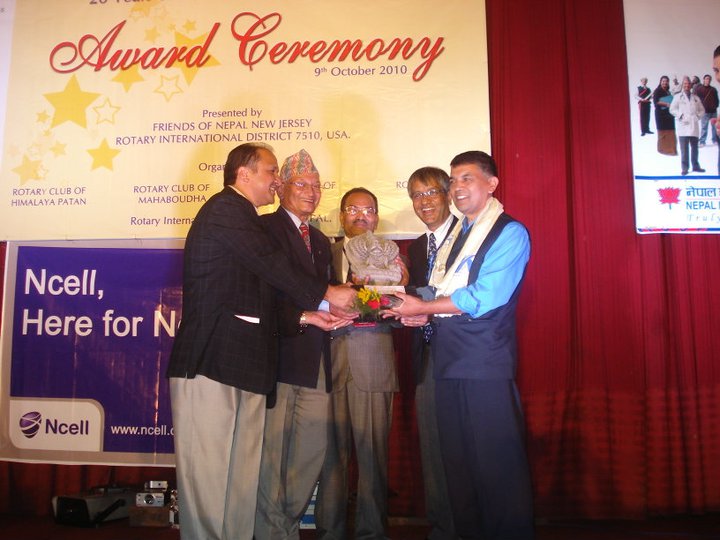
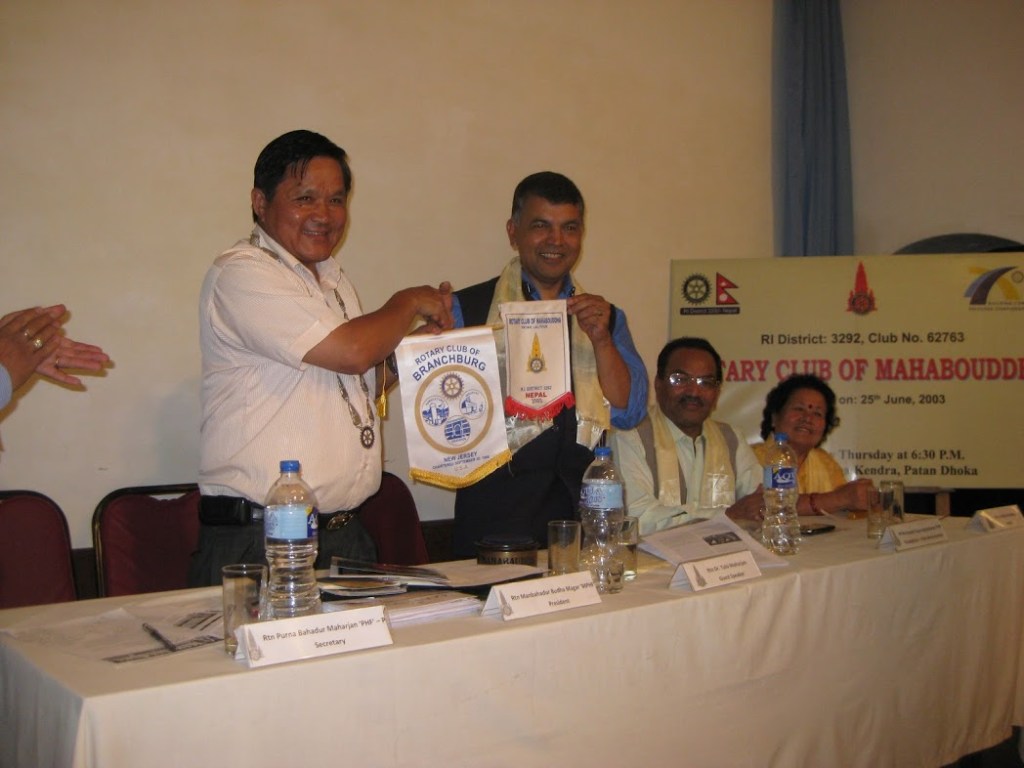

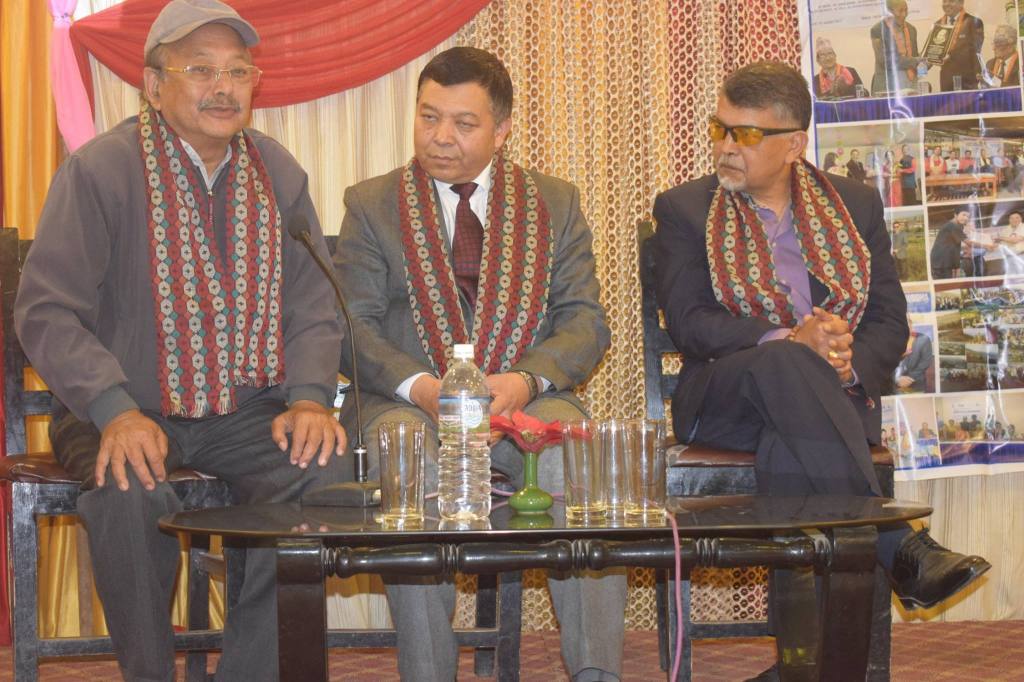
Dr. Tulsi Maharjan is the Chair of the Asha Project, Past Rotary District Governor of RI 7475, and founder of the GAP (Global Action Program) program. He is responsible for developing projects to empower youth and women in developing countries with the support from multitude of grants from Rotary and other organizations to help poor people. He is devoted to promoting hands-on volunteering services to help global communities. He is recognized worldwide for his compassion and innovative service projects. He has volunteered for many social causes and humanitarian organizations since he was a teenager. He is a world-renowned faculty on volunteerism and fundraising. He is an accomplished team builder for non-profit sectors. Dr. Maharjan is recognized for his work with youth/women empowerment and social inclusion. He has motivated many youth groups to become effective leaders. He has worked with many religious, ethnic, and regional organizations to achieve social harmony and symbiotic relationships in our communities. He closely works with individuals to improve their quality of life.


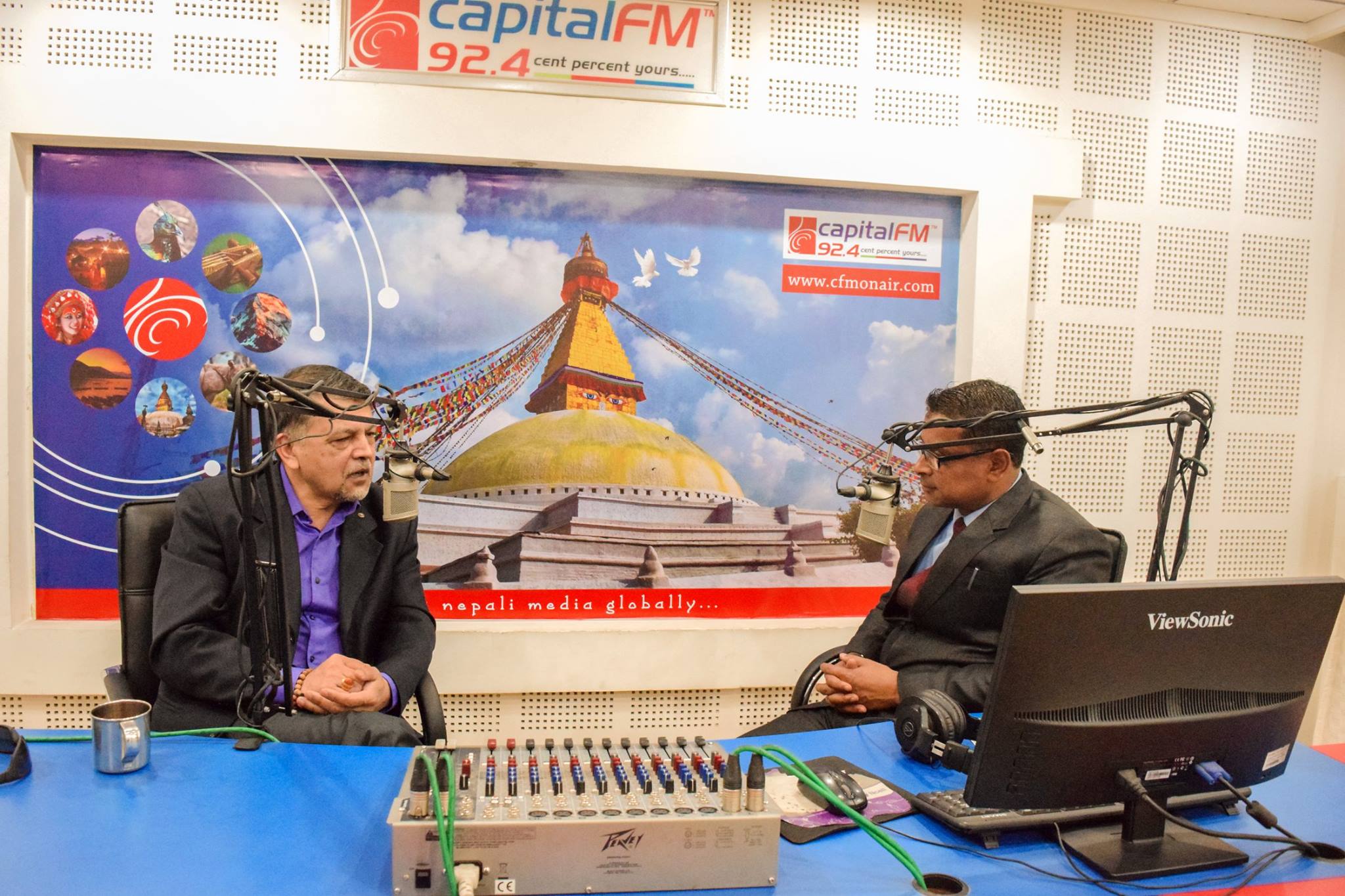
To get more insight into his journey as they get ready to celebrate their 34 years of Humanitarian service in Nepal, the Asha Project, Rotary Movements, and Friends of Nepal-NJ, our president Rishi Poudel interviewed past district governor Dr. Tulsi Maharjan.


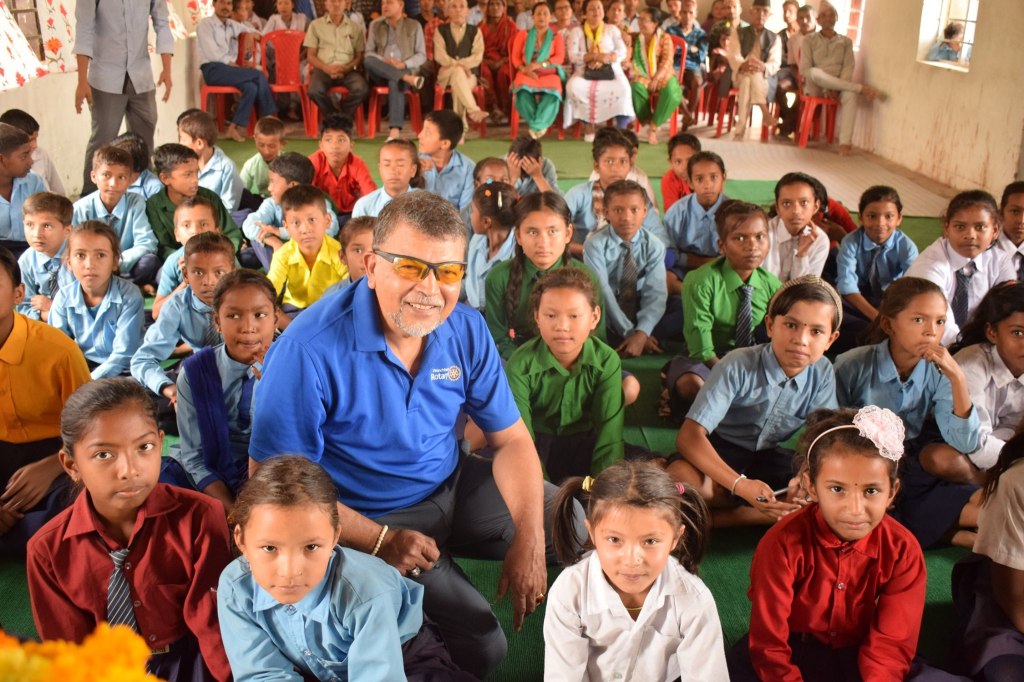
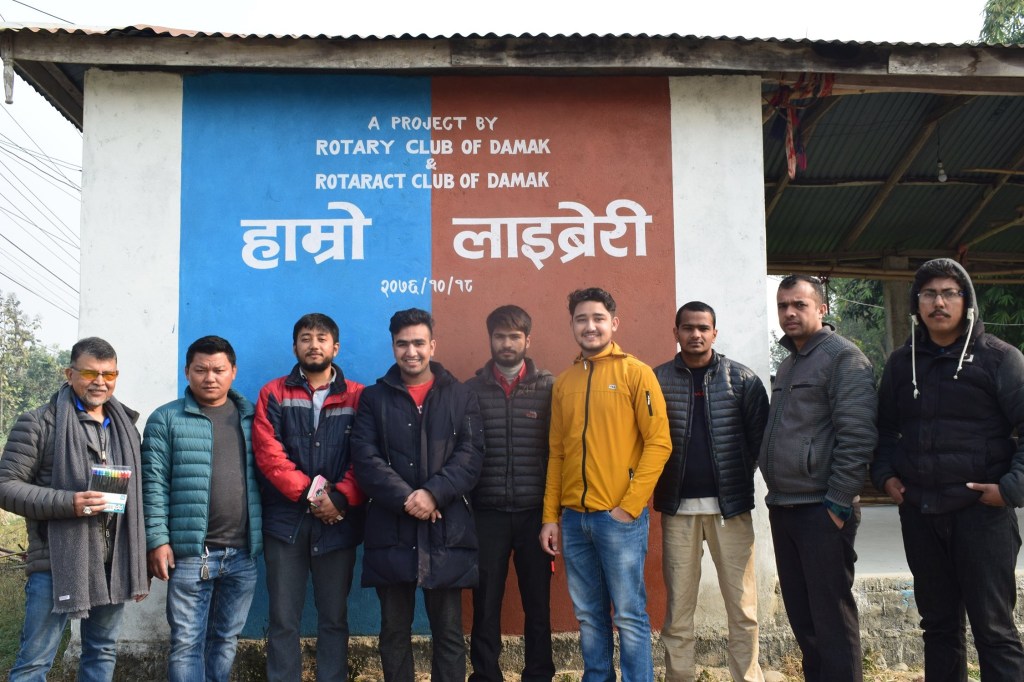
Rishi: I know Tulsi Sir as a very positive community leader who has consistently supported various projects in Nepal. But I was wondering how you see yourself.
Dr. Maharjan: Sewa nai dharma ho,” a Nepali proverb, has always been part of my philosophy. Even in my high school days, I was involved in the Junior Red Cross and participated in the International Junior Red Cross convention in Moscow in 1970. I was also a member of the Dharma Sewa Samaj committee in pulchowk, Patan.
Rishi: Can you tell us a bit about your journey with Rotary?
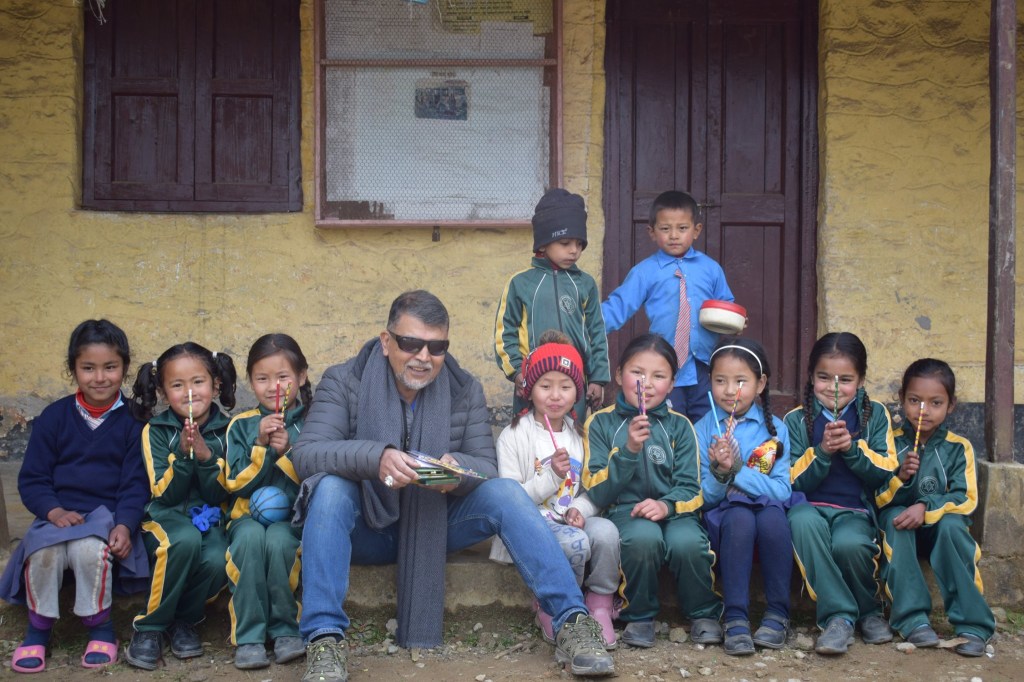
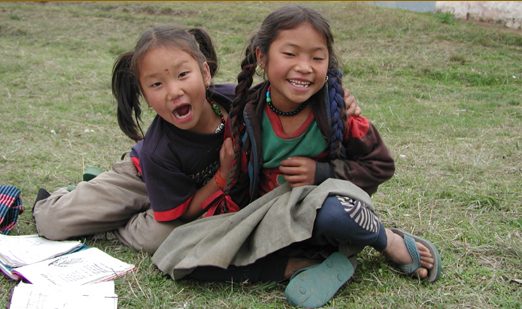
Dr. Maharja: My involvement with Rotary began in 1988. When I returned to Nepal, I met two children at the Chobhar Temple who couldn’t afford to pay for school, and I wanted to help them. It was unbelievable that at that time, only $25, which we used to spend on a cup of coffee, was enough to pay for their schooling. This incident made all the difference for me, and after returning to the USA, I started to raising funds to send those kids to school. I have continued that tradition even since.
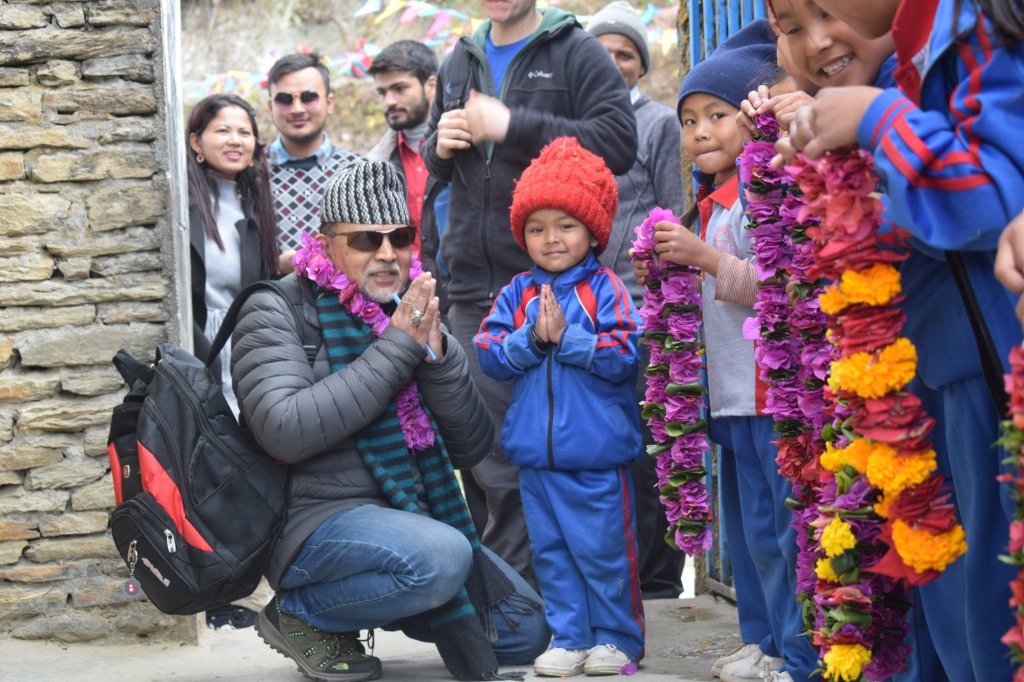
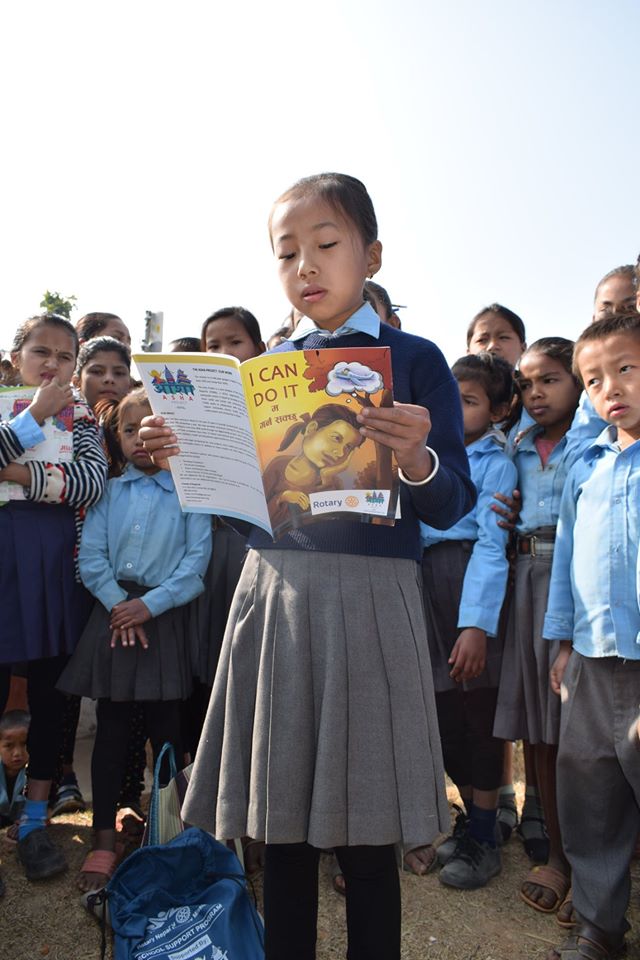


Rishi: Can you tell us about how you came to be a Rotary Governor?
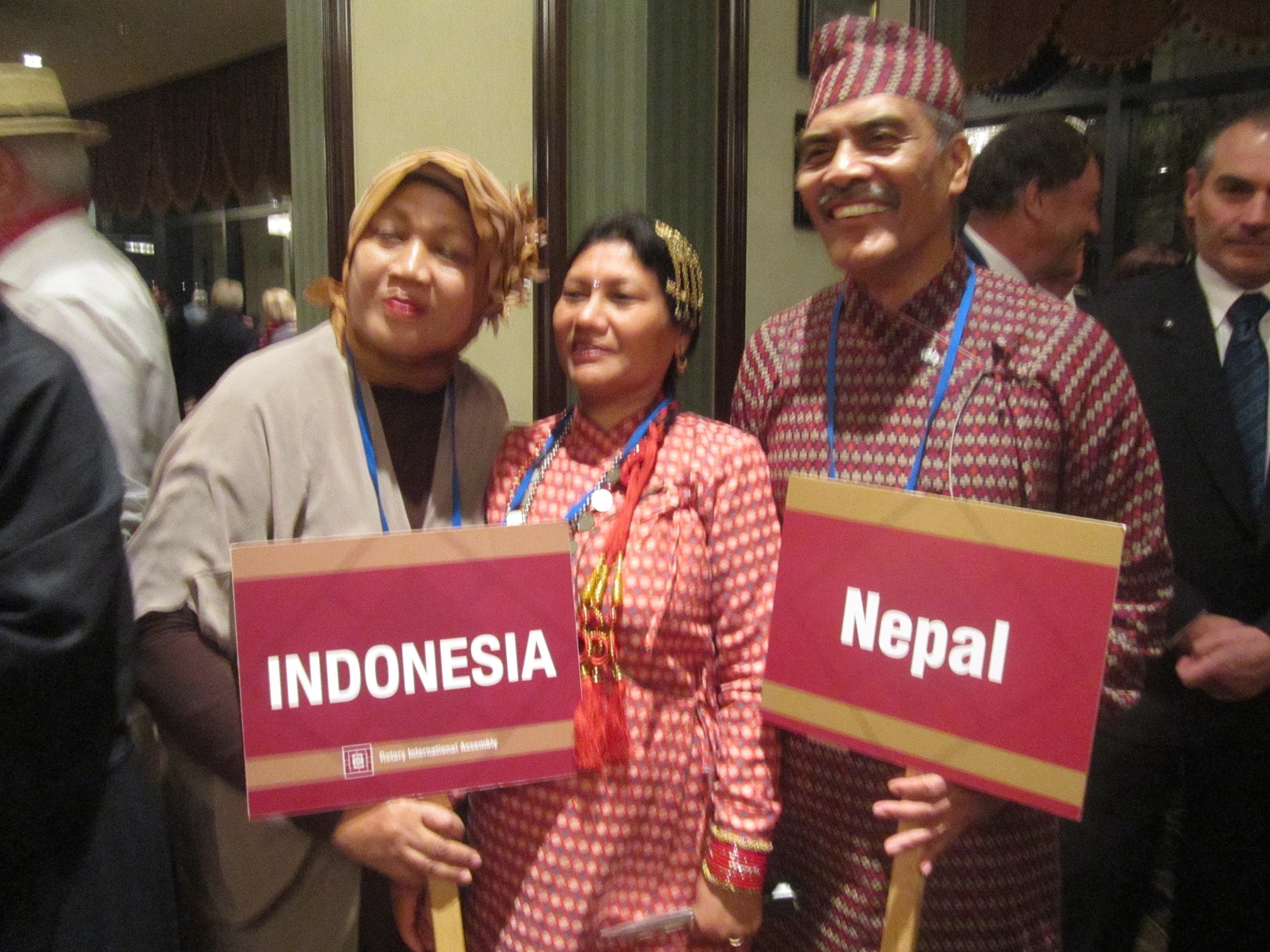
Dr. Maharjan: When I was visiting Nepal in 2010, my high school friend from Tri-Padma in Patan, Dilendra mentioned about being a governor of Rotary and suggested that both of us become Rotary Governors, one from Nepal and one from USA. Before that, I had never paid much attention to it, but after the conversation, I thought, “Why not?” and applied for the position. Coming out of the same school, we were both proud because one became the district governor of Rotary in Nepal, and the other in America.



Rishi: What differences do you see between the Rotaract and Rotary movements in the past and present?
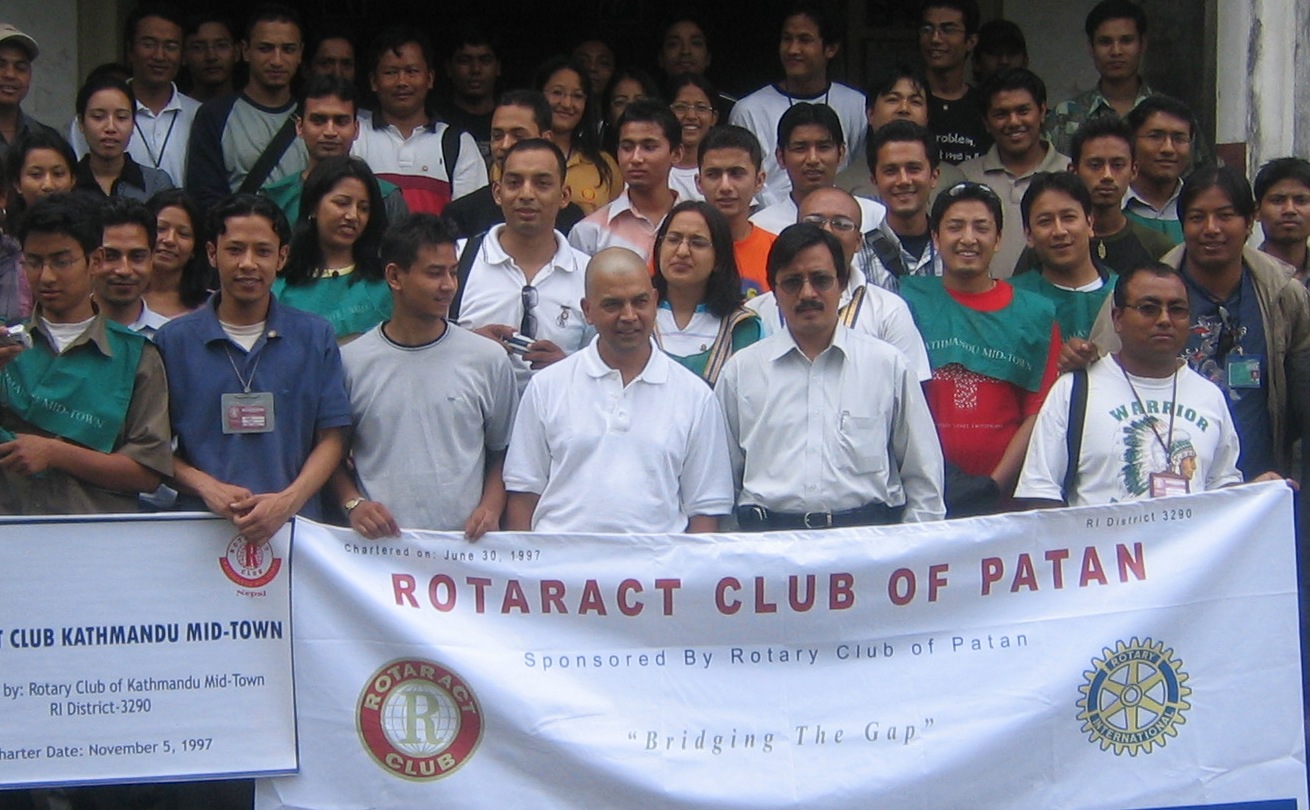
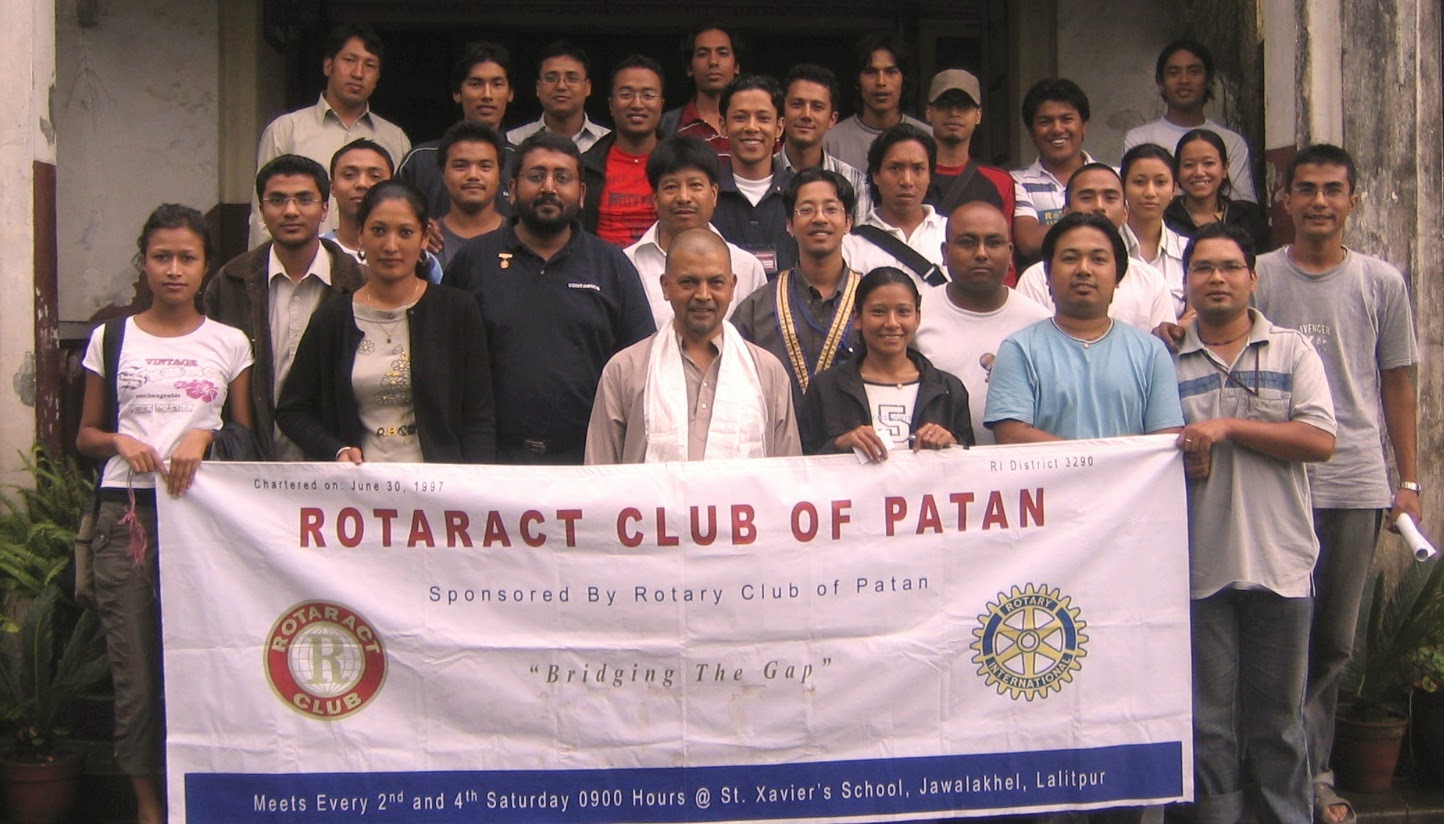
Dr. Maharjan: The number of Rotary clubs has significantly increased. During my time, there was no district rotary in our nation, and India had to approve our grant project. The current picture has undoubtedly changed significantly. We have completed more projects in the last 33 years, and not only have the projects changed but also there have been improvements in leadership. Our first International global grant in 2003 was for $5000 dollars and our 2019 grant was for $94,000. We have completed more than 25 grant projects and total investment in Nepal exceeding more than ONE MILLION dollars. I met all kinds of people all these years with different intentions and mindsets. We invested in many scholarships projects and other community projects. Just for example, after the earthquake in 2015, I met Kishor Tripathi, who now has been running different projects smoothly. In 2005 we started working with Rotaract club of Patan and eventfully those Rotaract members started E-club in Nepal with the help of our Rotary district. So, there are more Rotaractors now because they know that this platform allows them to connect around the world. And I see the increasing interest in leadership activities. We also sponsored two Rotaractors to come to USA and study here as well.



Rishi: I want to jump on the Asha Project now; the name is very interesting. Is there any story behind it?
After all, the only thing we have to offer is Asha and Bharosha. Just as in our project, “Maa garna sakchu,” we see youngsters who want to be pilots or doctors, and while we can’t offer everything, we can give them Asha. So that’s the story behind our name.
Rishi: And how about the story of the Asha project—how did it come to fruition and how is it working?
Dr. Maharjan: My son and daughter were helping with our projects in Nepal and thry thought it was not focused so of projects in Nepal that were dispersed and unfocused. My son suggested that we concentrate our efforts on certain areas, so we created the ASHA project with three focus areas: “House of Hope,” “Legacy of Hope,” and “Rays of Hope.” We started with the purpose of sending two children to school, but over time we have been successful in giving scholarships to thousands of students, which we plan to continue. In the past, numerous rotary clubs approached us, but many initiatives were never realized, which was disappointing. So, we are now doing it directly through the projects.


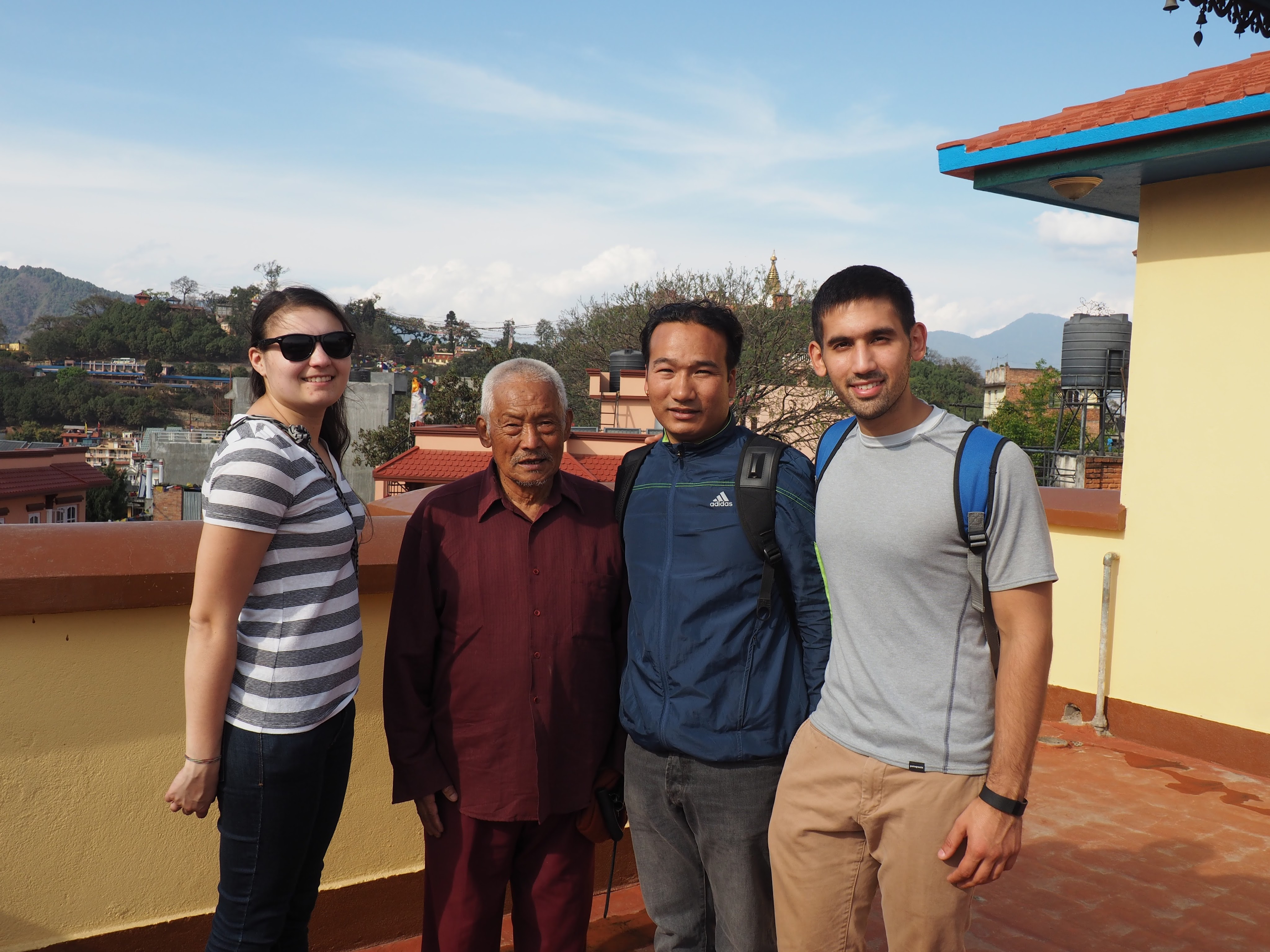

Rishi: What were the projects that were special to you?
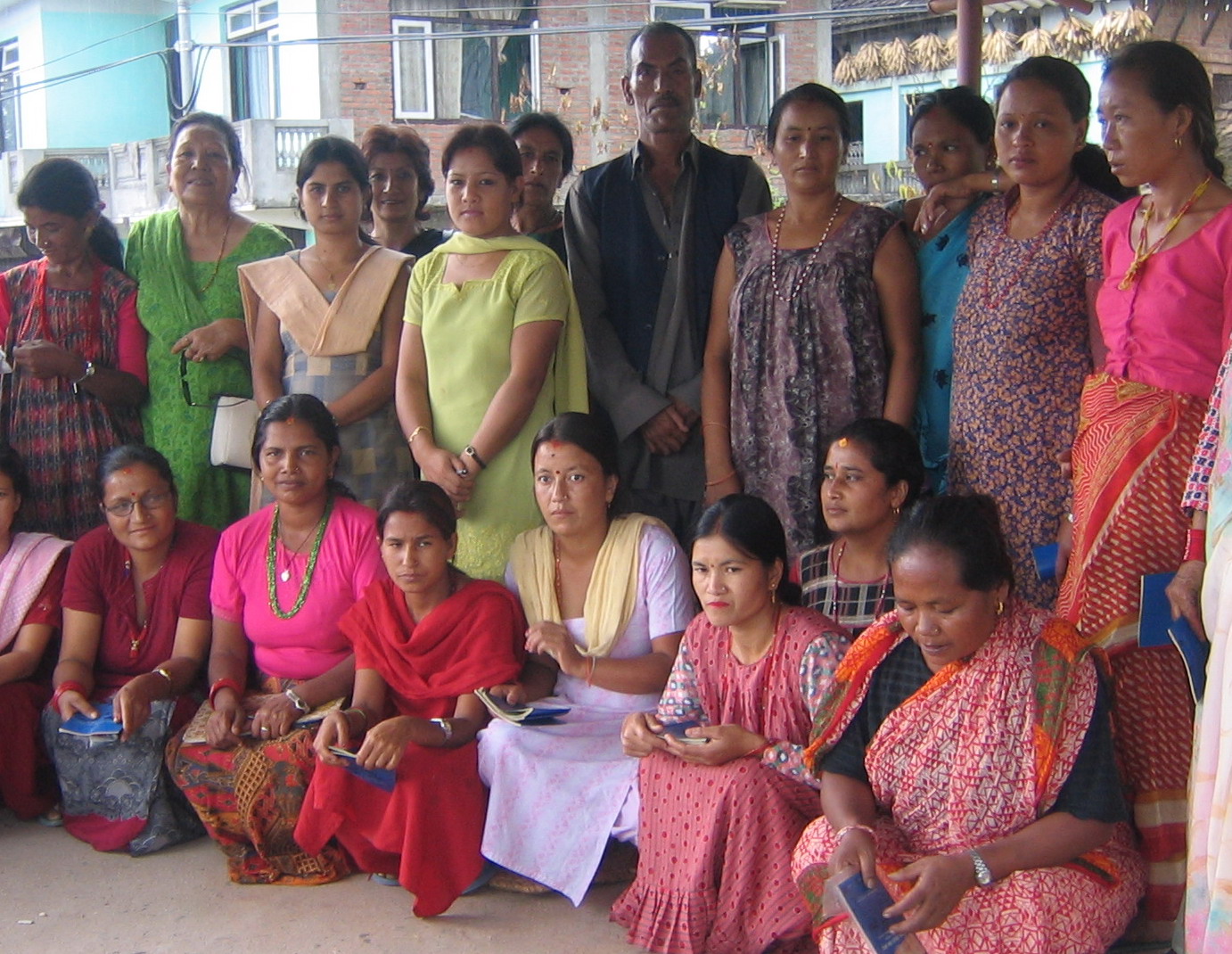
Dr. Maharjan: There have been numerous ones, like the “Goat Project,” “Microcredit Projects,” and “Three Sisters.” The “Goat Project” had the most significant personal impact and practicality in terms of the impact it had on families. We provided goats to families in 10 different districts, which had the potential to sustain them. It is a meaningful program. Additionally, the local Rotaract clubs have helped organize various youth exchange programs. We hope to continue these initiatives every year.
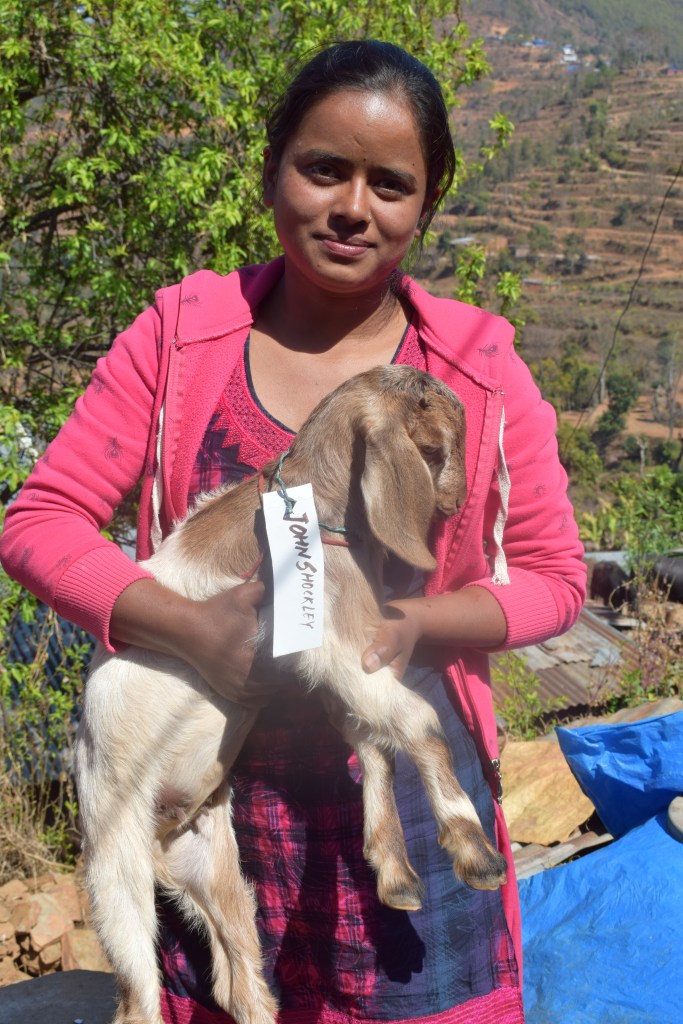
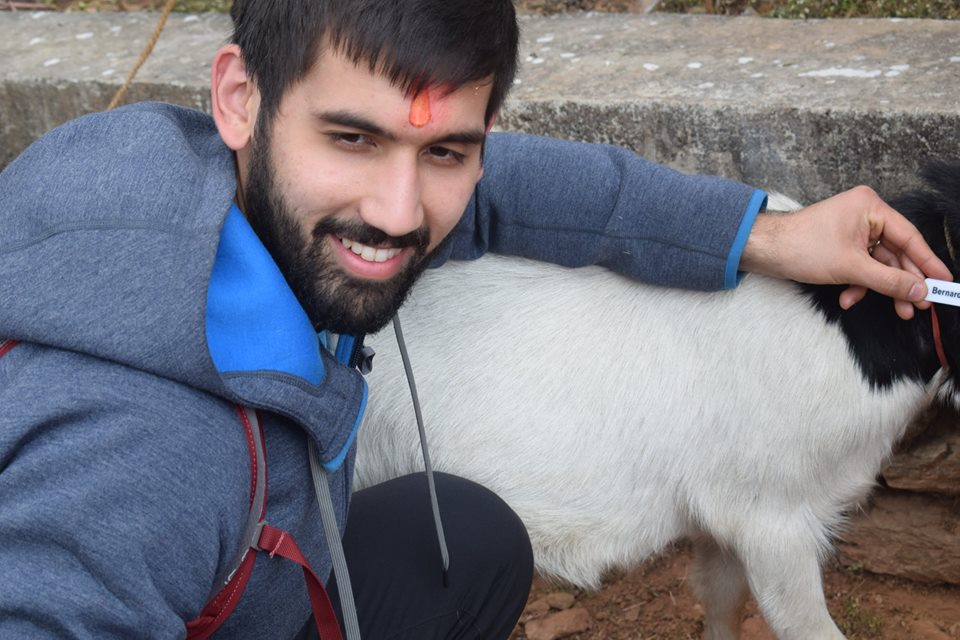
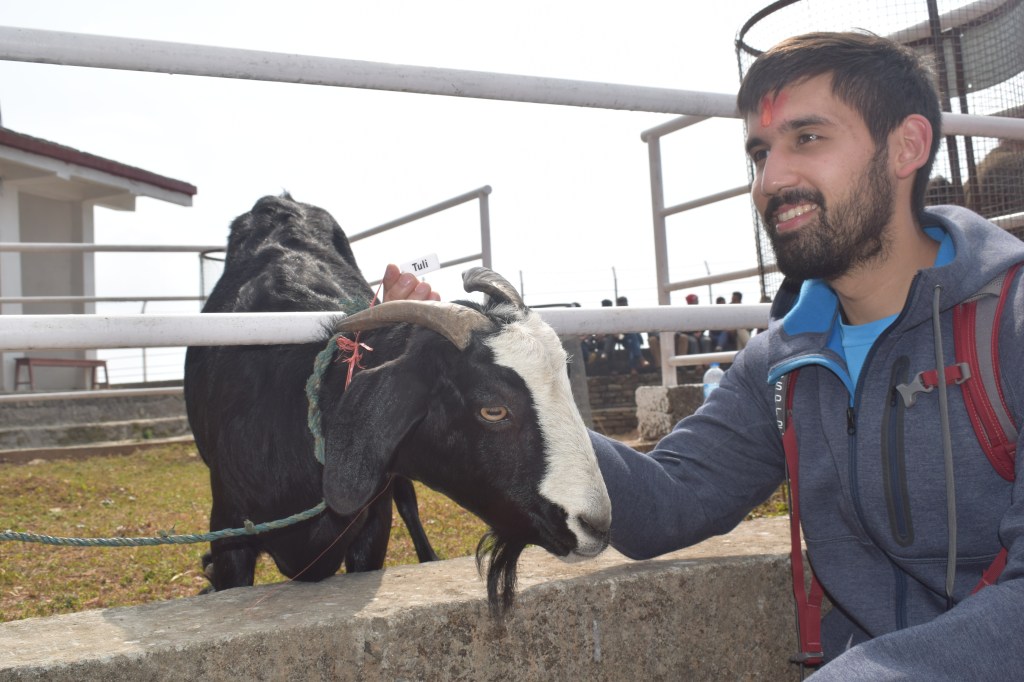
Projects since 2005




Rishi: You’ve been in charge of volunteer organizations for decades. What do you believe is the secret to successfully running such organizations?
Dr. Maharjan: I always say “Thank you,” which are two magical words. I appreciate even the smallest contributions. You cannot force anyone to do something. People have different expectations, and some join these projects for personal benefits while others do it for the upliftment of others. I always carry the Rotaract theme “Service Above Self” in my heart and expect others to do the same. The things you do for yourself will fade away as soon as you’re gone, but the things you do for others will always be a legacy.
Projects since 2010





Rishi: What is leadership for you?
Tulsi: A leader is someone who prefers “we” instead of “I” and is inclusive. In one word, it’s “inclusiveness.” Leaders always put people first while pursuing their vision. Being trustworthy is the best character that anyone can develop and become, not just for leaders but also for all human beings.
Rishi: What have you learned or achieved from your years of social service?
Dr. Maharjan: First, I learned from an early age that giving back to the community is a good thing. Over the years, I have had the opportunity to learn about people, there are good, bad and ugly people everywhere. Working with people you learn variety of lessons. It is part of growing up process. As the Bhagvat Gita says: “Do your karma, but do not expect anything in return. If you do not get something back, you will be disappointed”. As in Rotary its motto is “Service Above Self” when you put people first and do your Dharma without expecting anything in return then you will not be disappointed. But above all, I derive personal satisfaction from doing social service. I was involved in the social service since my early childhood as a Junior Red Cross leader and member of the Sewa Service in Nepal. Everyone wants to live a fulfilling life, and I find that fulfillment within myself. In my opinion, spreading hope is the greatest thing I can do in this world, and it brings me personal satisfaction in return.




Rishi: What are your thoughts on failure?
Dr. Maharjan: There are many problems you will face in your personal life and also in these projects, but one must learn to move on. Failure is the test from God to see how prepared you are to carry on your mission. As Buddha said ” We are here in this world for a short period of time. If you share your knowledge and experience with others you have full filled your time being on this earth”. Some are trustworthy, some are not. And yes, failure is always there. But you have to learn to solve the problem instead of holding yourself back.
Rishi: What advice would you provide to young people?
Dr. Maharjan: Mindset is everything, and you can be anything you want to be in this world. The world itself is a big stage to showcase your skills. Try to excel in whatever you’re doing because there are many opportunities around us. Don’t look for instant gratification because fear has always been a major factor that holds someone back from exploring their potential. Learn to overcome fear by doing your best and going beyond your limits. Every step of the way is a learning experience.




projects




 The Asha Project