
By: Yavi Sharma
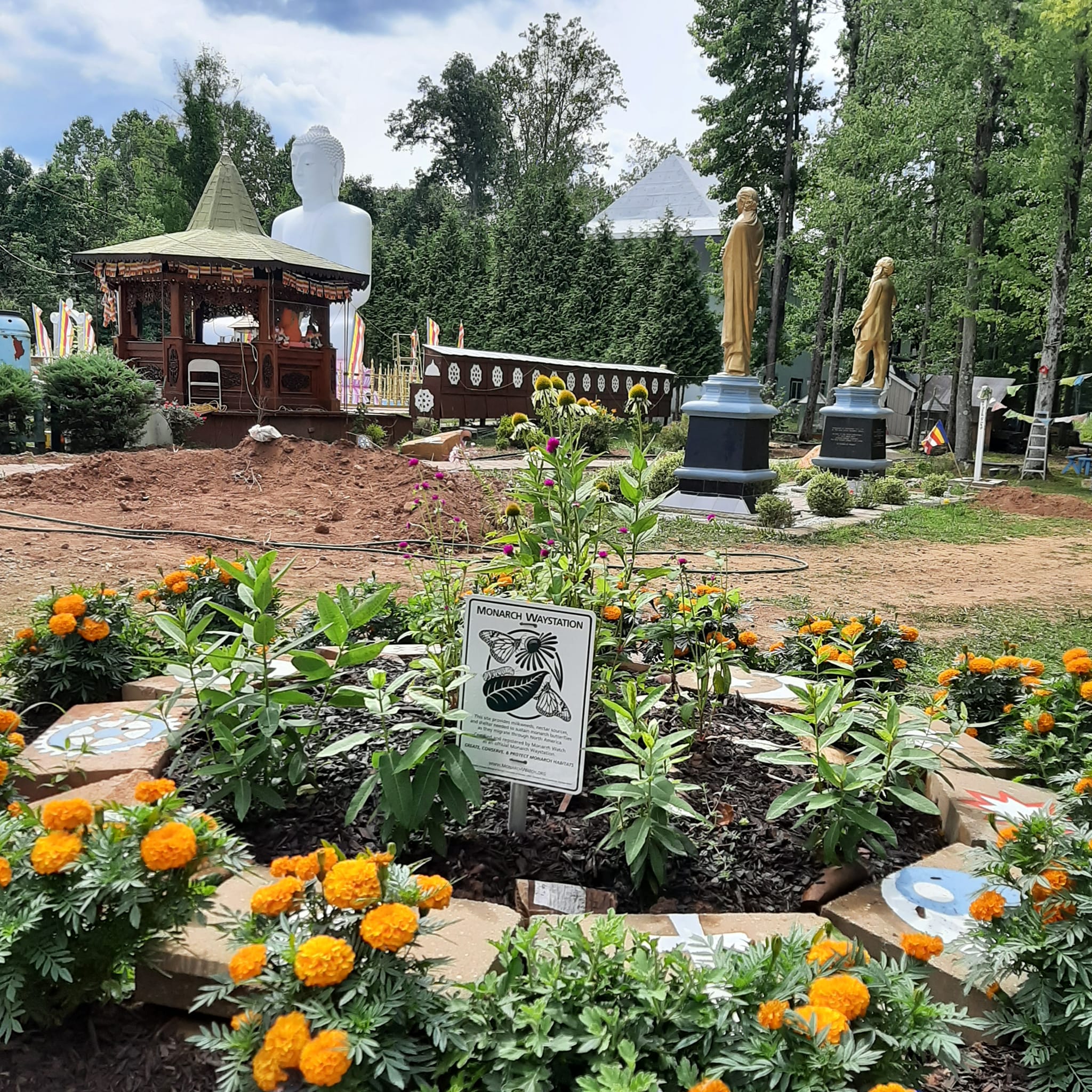
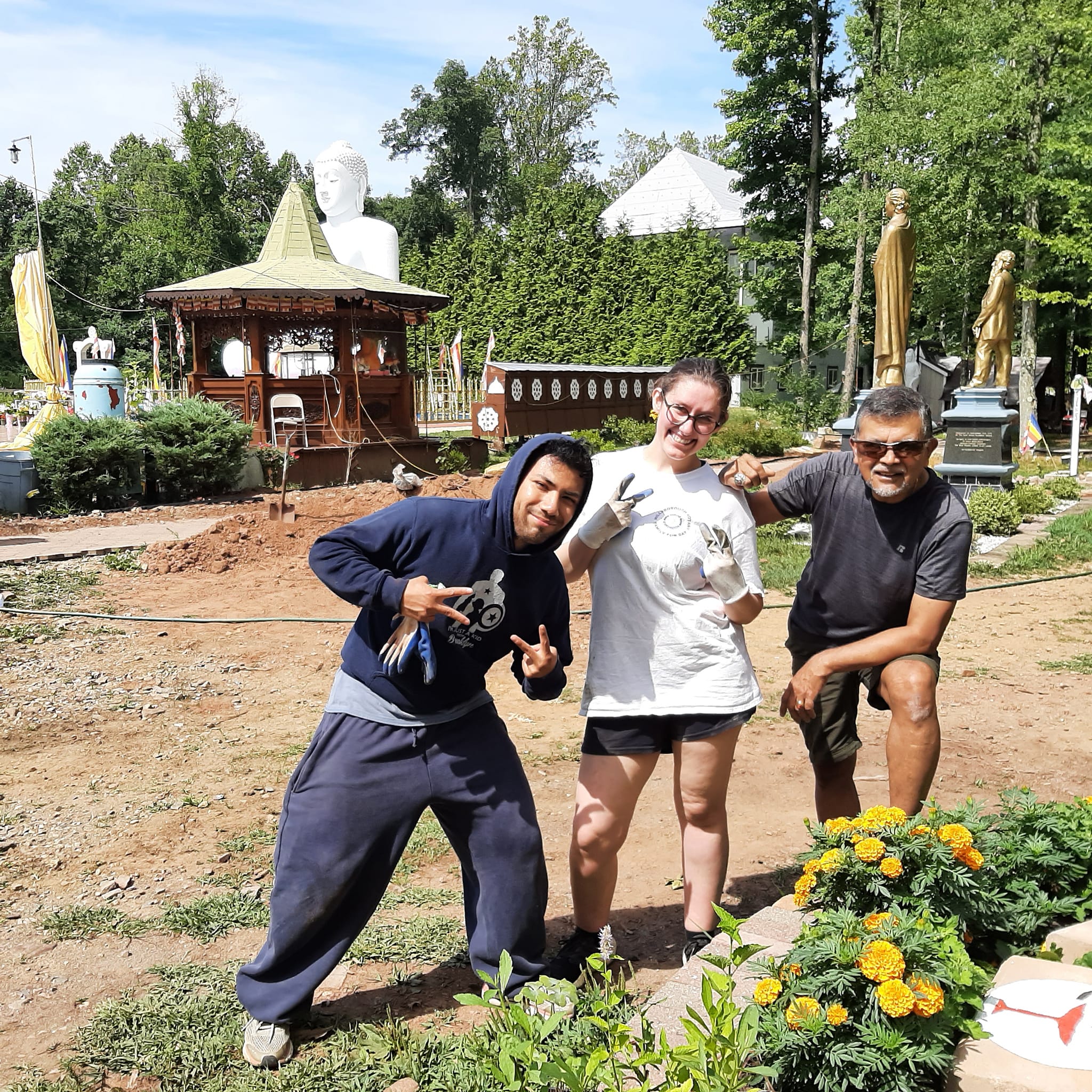
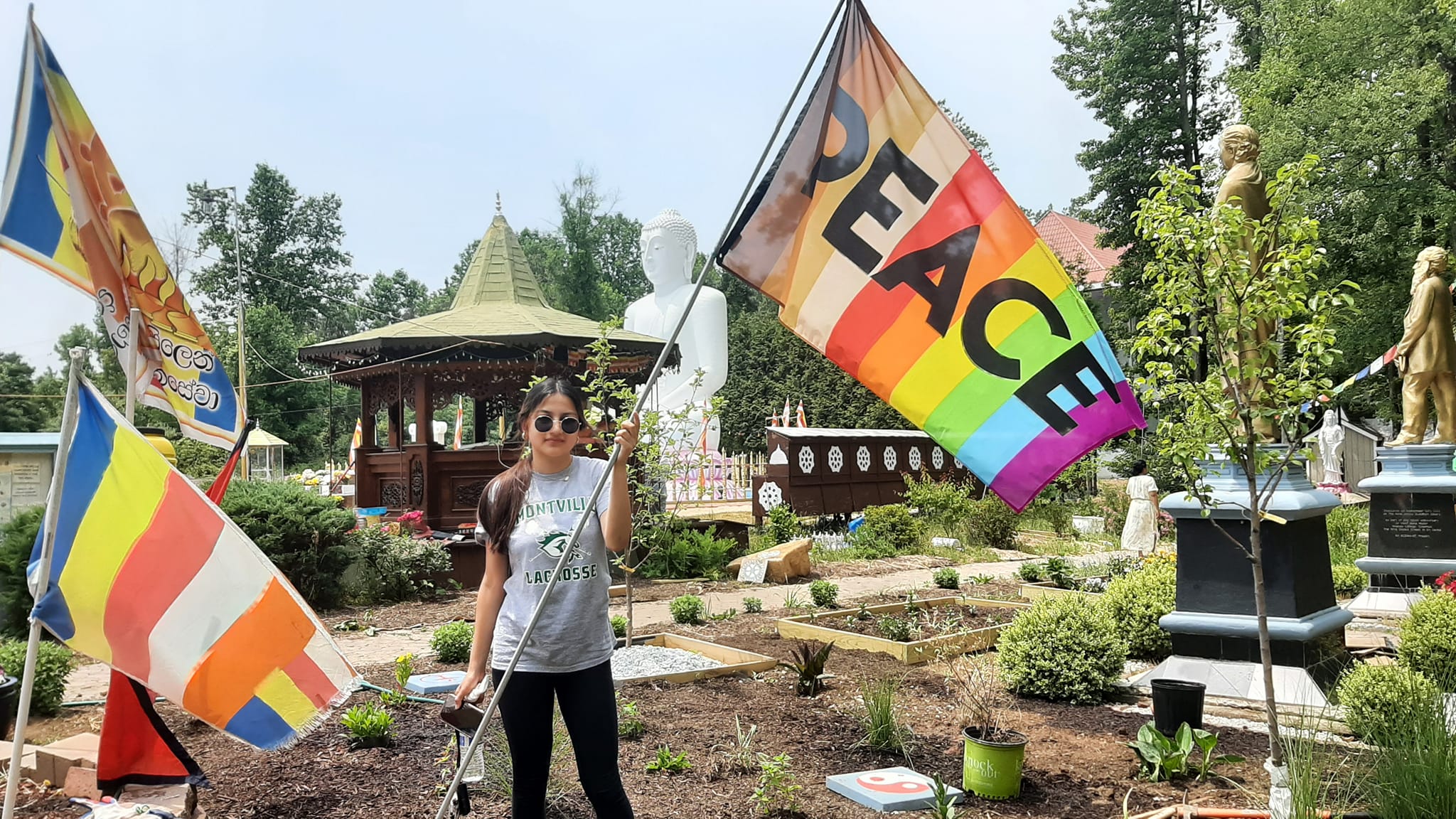
With the cooperation of adults and children from all around New Jersey, the plain area around the Buddha statue at the New Jersey Buddhist Vihara Temple is slowly but steadily becoming a lovely Peace Garden. Every weekend, volunteers come to the temple to help with various tasks such as gardening and painting garden stones. I’ve been to the temple three times now to help out, and I’m looking forward to revisiting. Through various activities, I was able to experience new facets of the community each time.
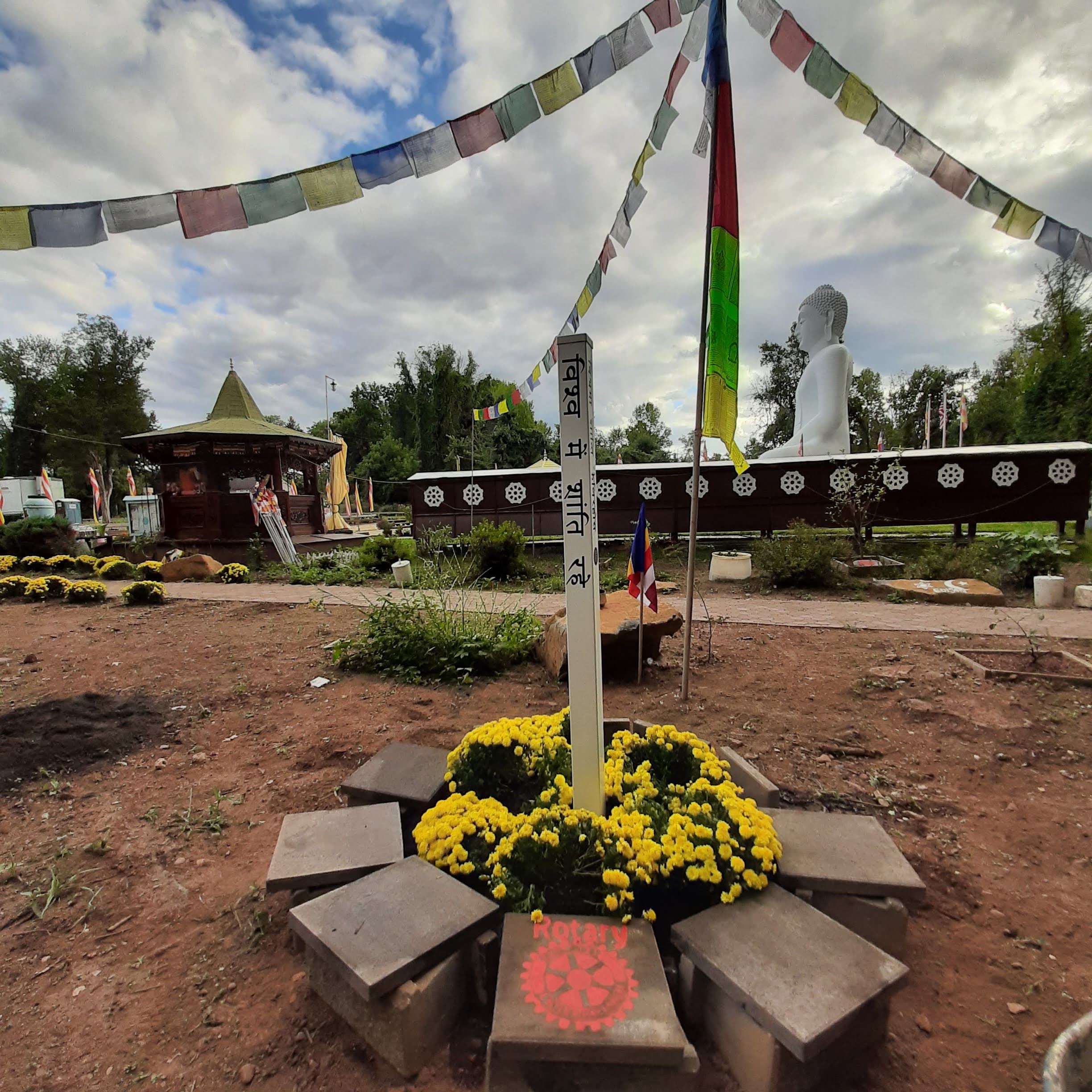
This is new addition to our project, which was just inaugurated last week during our Peace celebration.

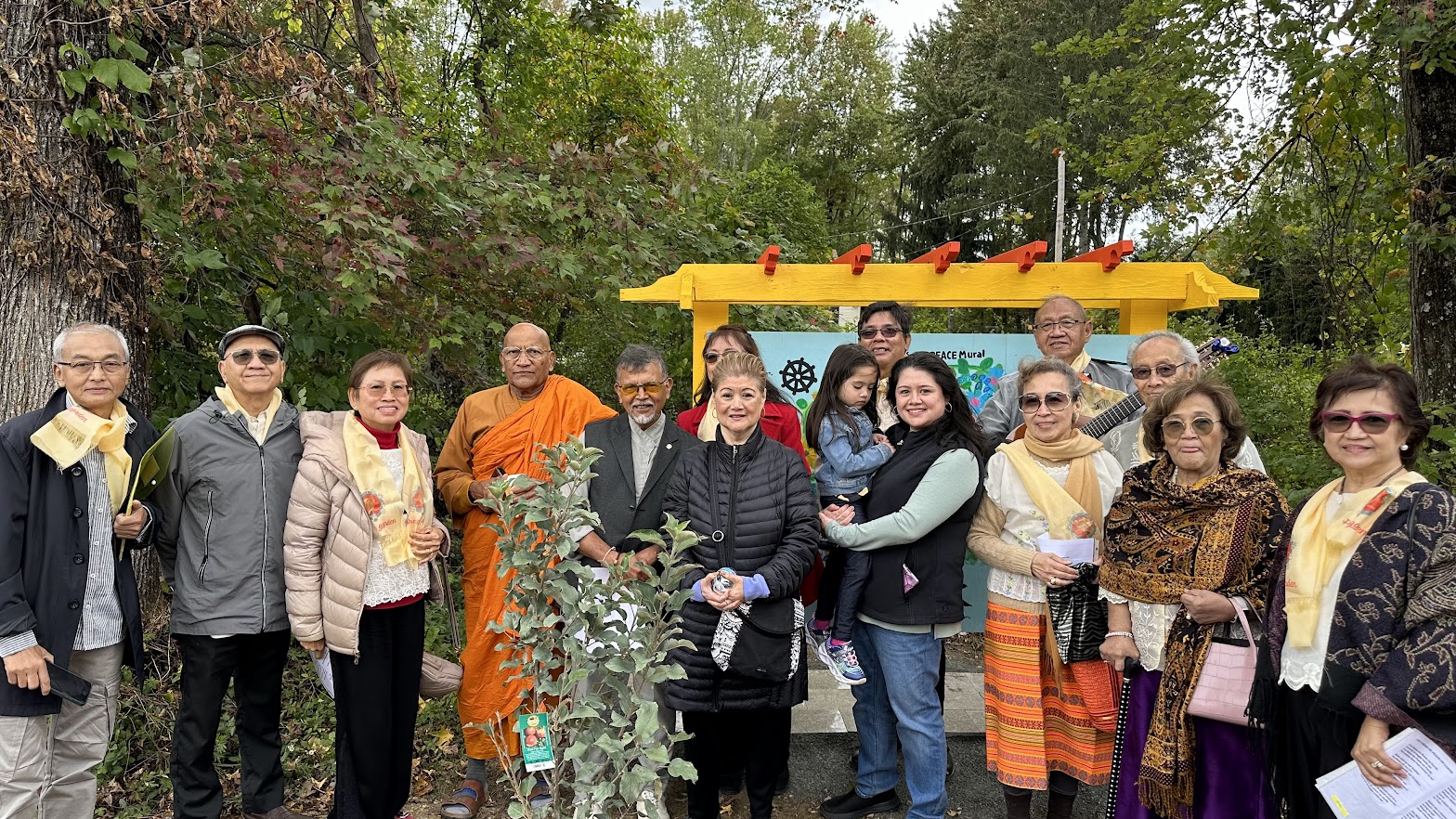
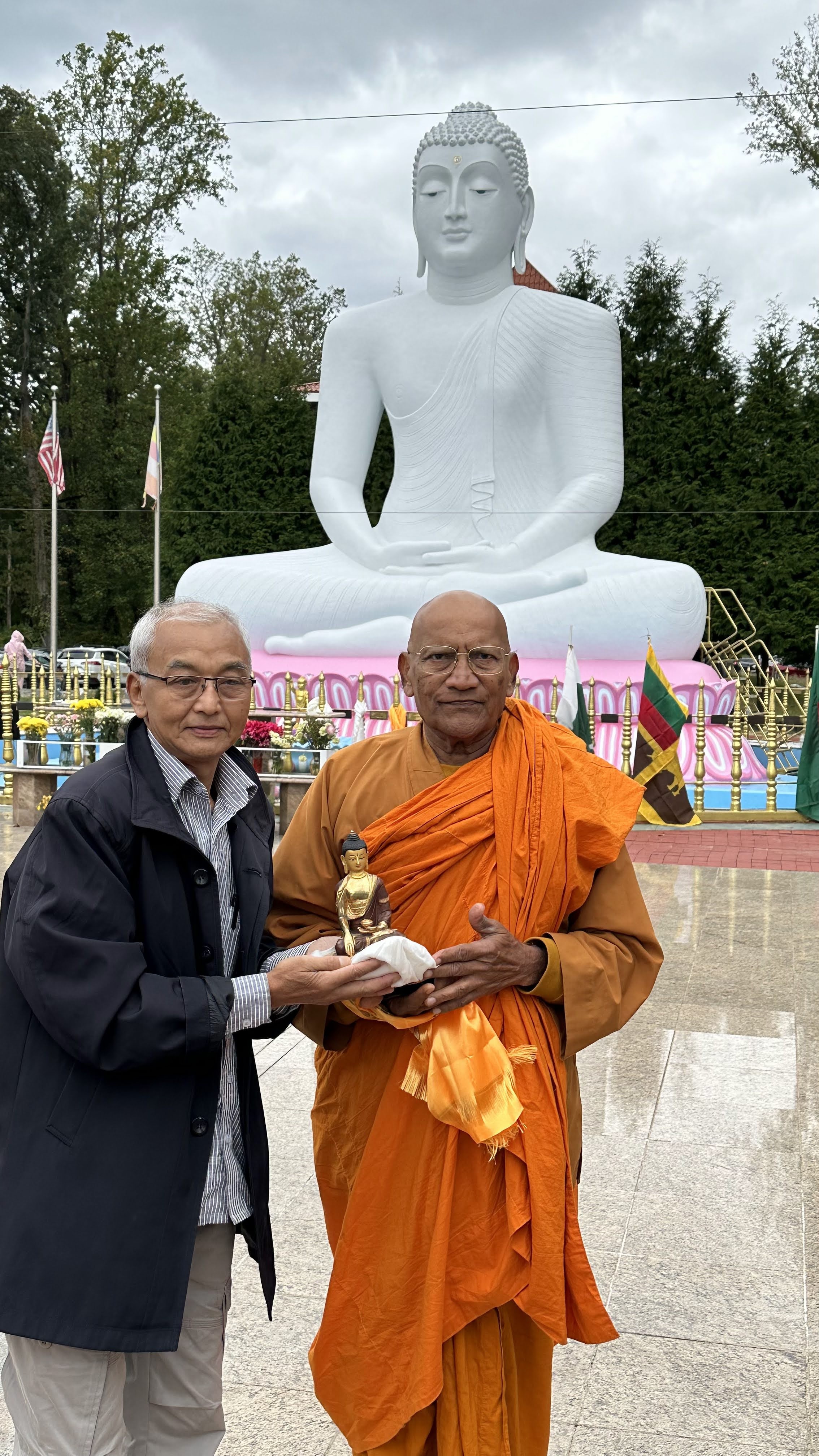



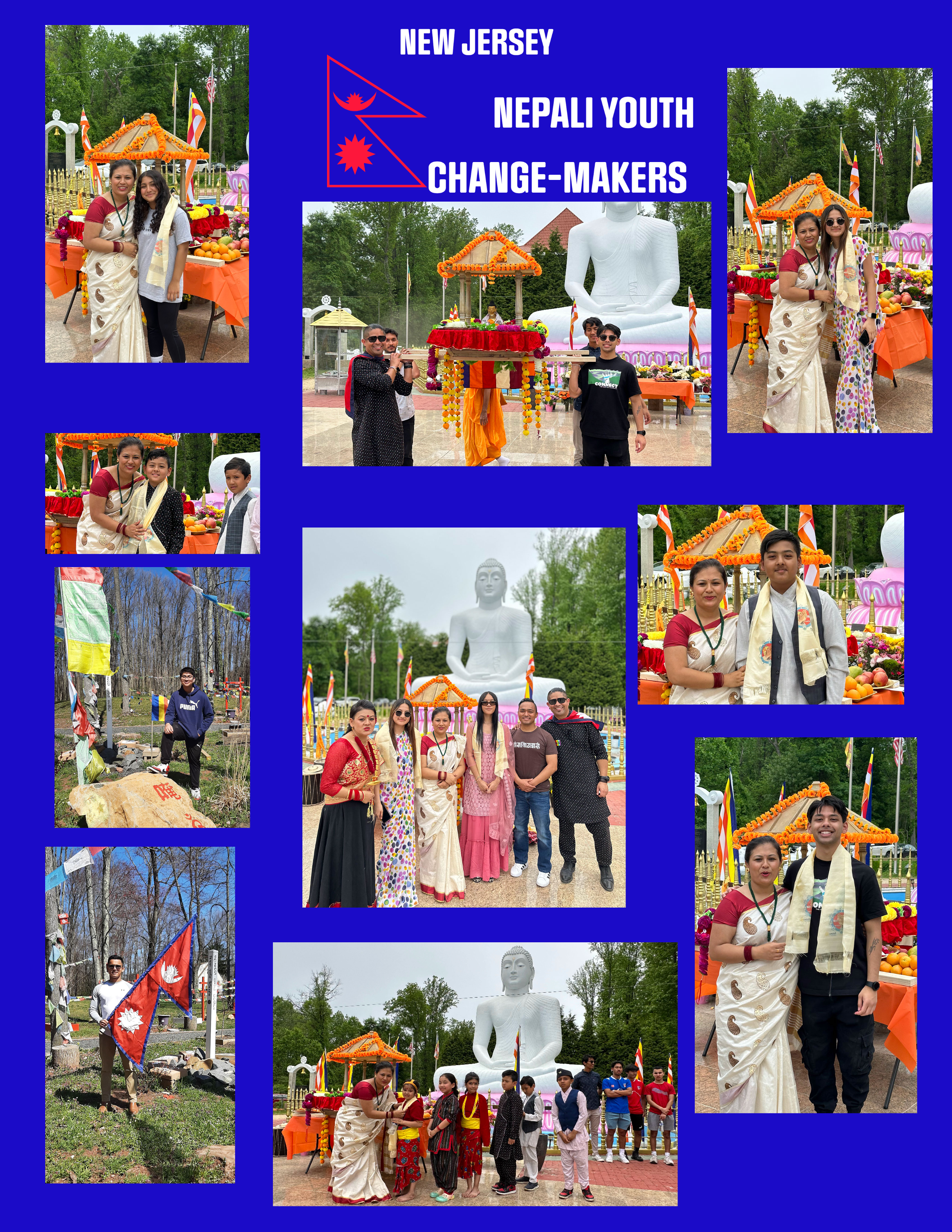
Buddha’s 2567th birthday was celebrated with our Nepalese community on Saturday, May 13th, at the temple. This was the first time I had the opportunity to meet many volunteers and members of the community. Because it was so packed, my friend Saumya and I were assigned to handle a rock painting station for the smaller kids. There were not just children present at this station, but also their parents and grandparents. I got to talk with the adults (mainly the grandparents) about where they lived in Nepal and their various temple experiences. I, along with a few other volunteers, had the opportunity to read story about the Buddha, his history, and his birthday. This story provided me with an abundance of new information and allowed me to gain a better understanding of the temple and Buddha.


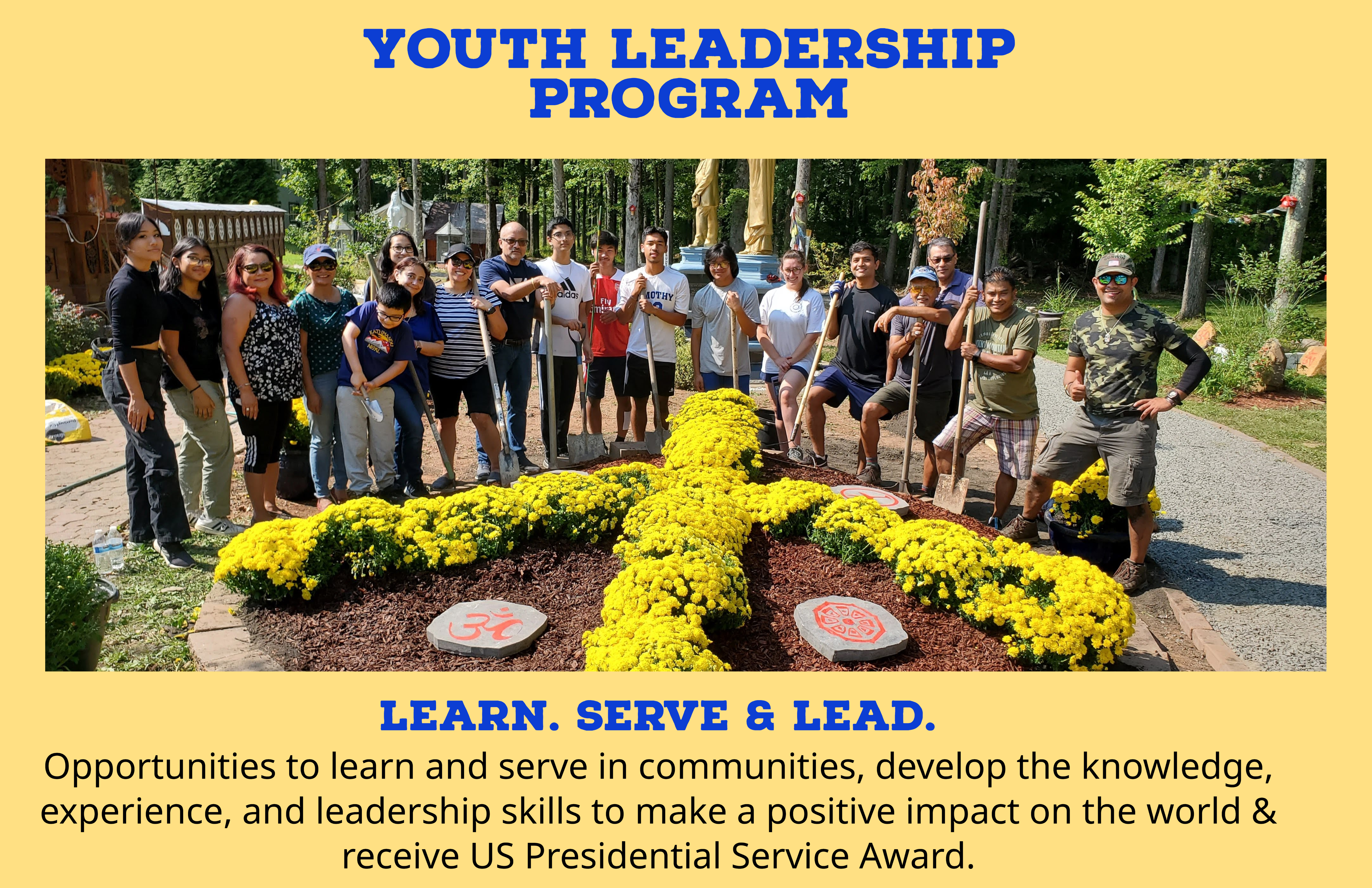
My second volunteer experience at the temple was mainly about gardening. We were all planning to put flowers and plants in the garden, but we couldn’t accomplish it unless we removed all of the weeds that were interfering with the process. While Saumya and I were pulling weeds from the parched dirt, it was explained to us that not all weeds are wasted. They are used to generate compost, which eventually provides nutrients to the soil and helps plants grow. This may be common knowledge, but it came as a shock to me, as I didn’t know that the things invading the plants could actually be transformed into something that could benefit them. We added fresh dirt, planted the plants, and mulched them after removing the majority of the weeds. Despite the fact that I came into this as a gardening novice, I can safely state that I know what I’m doing now. I was able to learn about the process as well as participate in it.




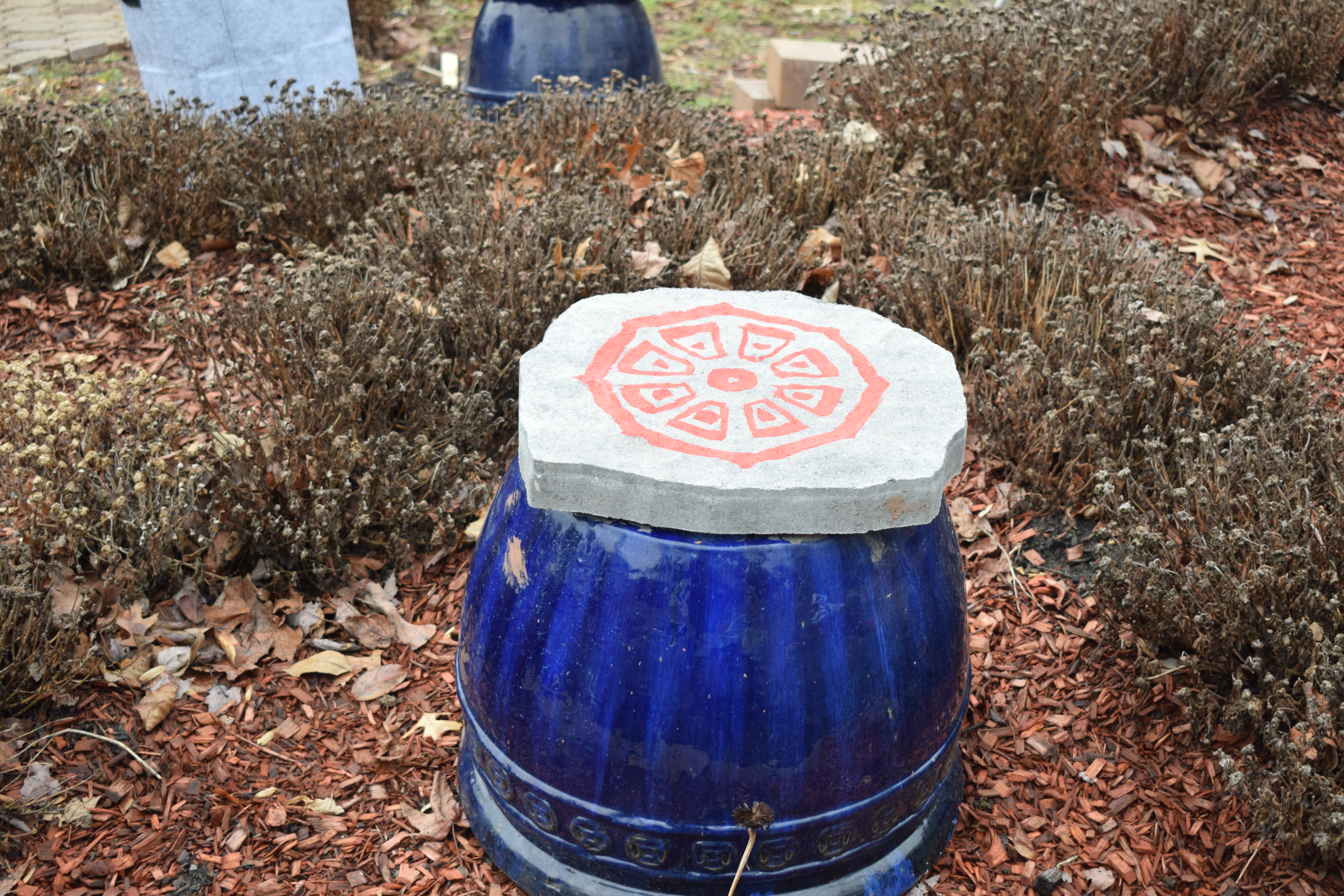
We were just cleaning up the garden the third time I visited the temple. The flowers we had previously planted had all bloomed and looked wonderful. Weeds would, of course, start sprouting again and overrun the garden. Fortunately, the weeds will eventually be returned to the soil and fertilized. We learned about how pollinators help nourish plants and how they aid the garden in general while mulching the weed-free regions. After about an hour or so, it began to rain, forcing us to move indoors. We began painting the stones that are scattered throughout the garden. We began with the first/background layer and will try to paint different symbols on them during our next visit. Each symbol has its own meaning and significance, and I’m hoping to figure out what they all represent and how they relate to the temple itself.

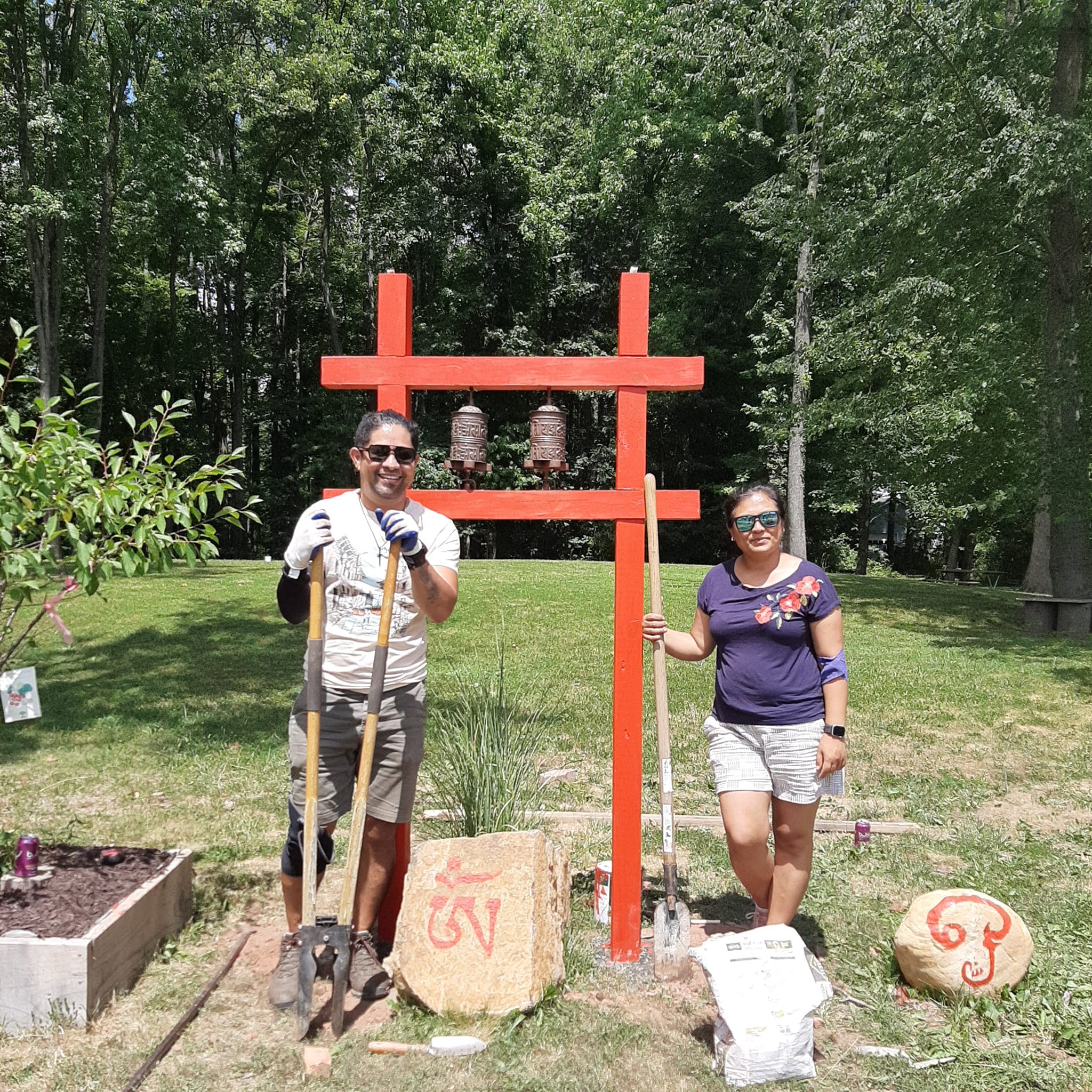

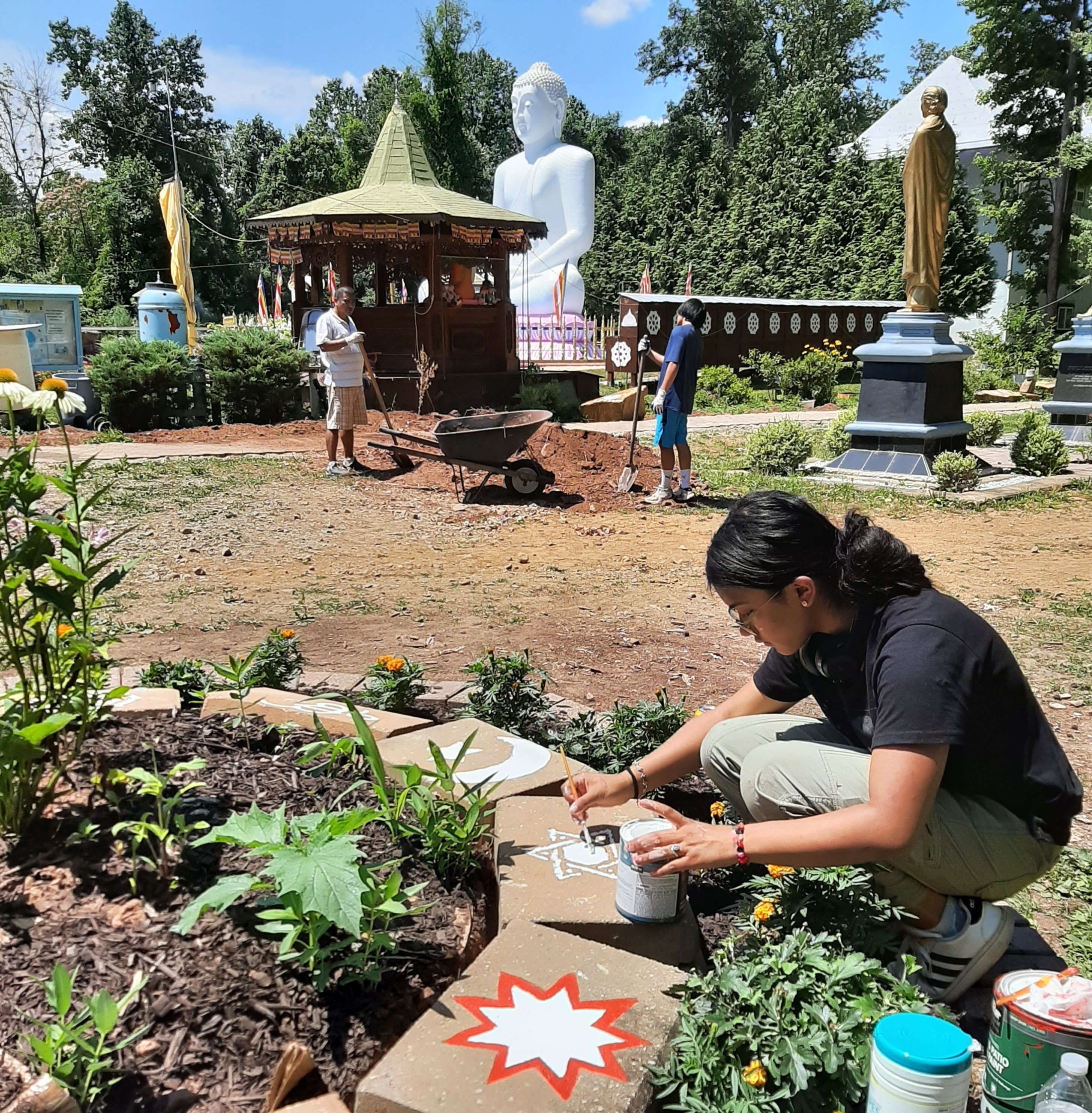
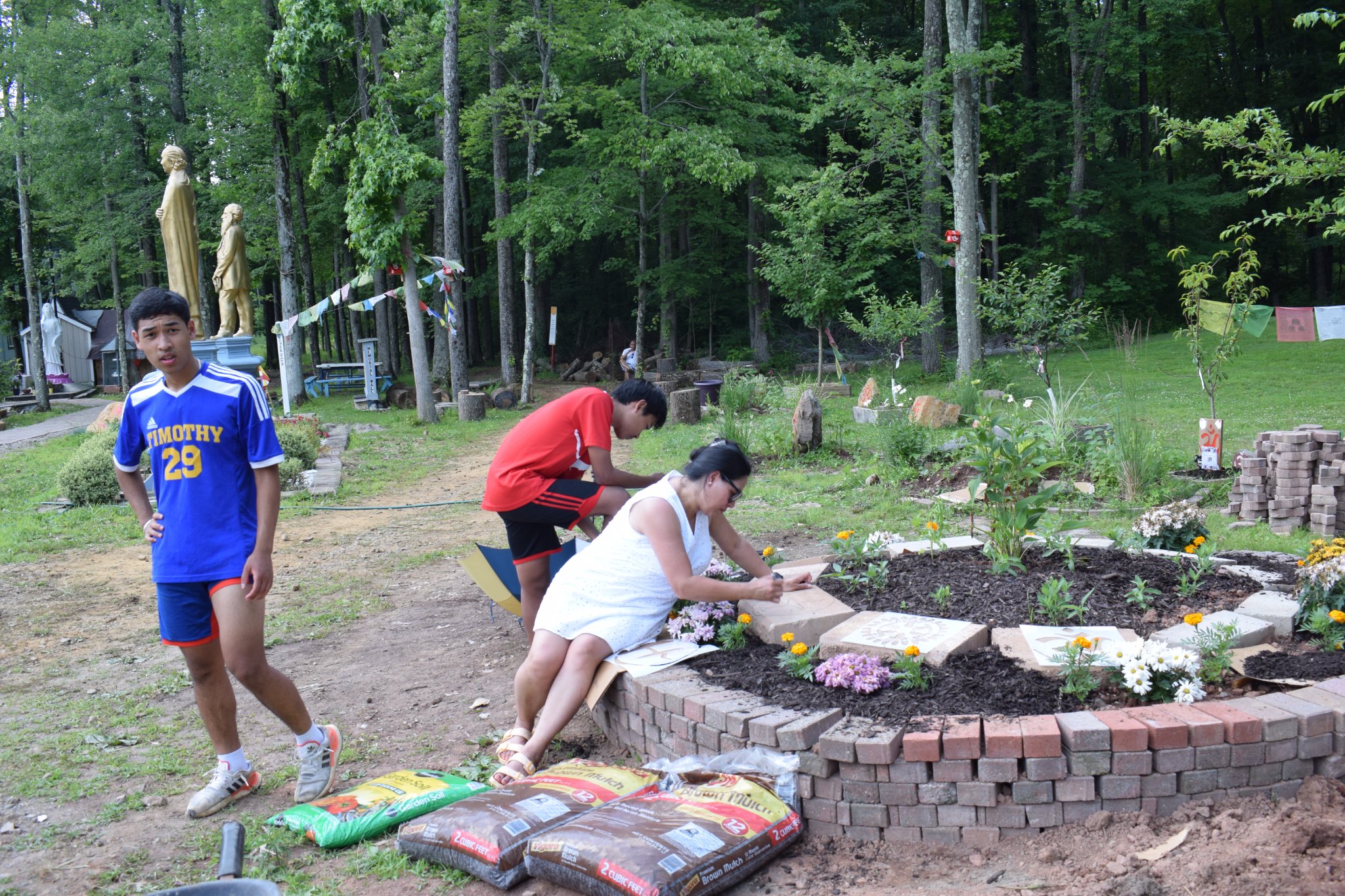

We have diverse groups of volunteers, which allows me to broaden my understanding of rapidly changing diverse community and appreciate my own culture even better. Because it’s at a Buddhist temple, I also get to witness how Buddhist culture works, which helps me understand how people follow different religions. Despite the fact that I have only attended the temple three times, I have learned a tremendous amount with each visit. Whether it’s gardening, history, or science, volunteering at the temple is about more than simply the hours you put in; it’s also about the information and skills you develop.
Thank you for the opportunity to learn about rapidly changing diverse culture of New Jersey and at the same time gaining leadership skills to learn about 21st century life and career skills as well as to engage as active citizens in a dynamic global society and to successfully meet the challenges and opportunities of the 21st-century global village.




 The Asha Project